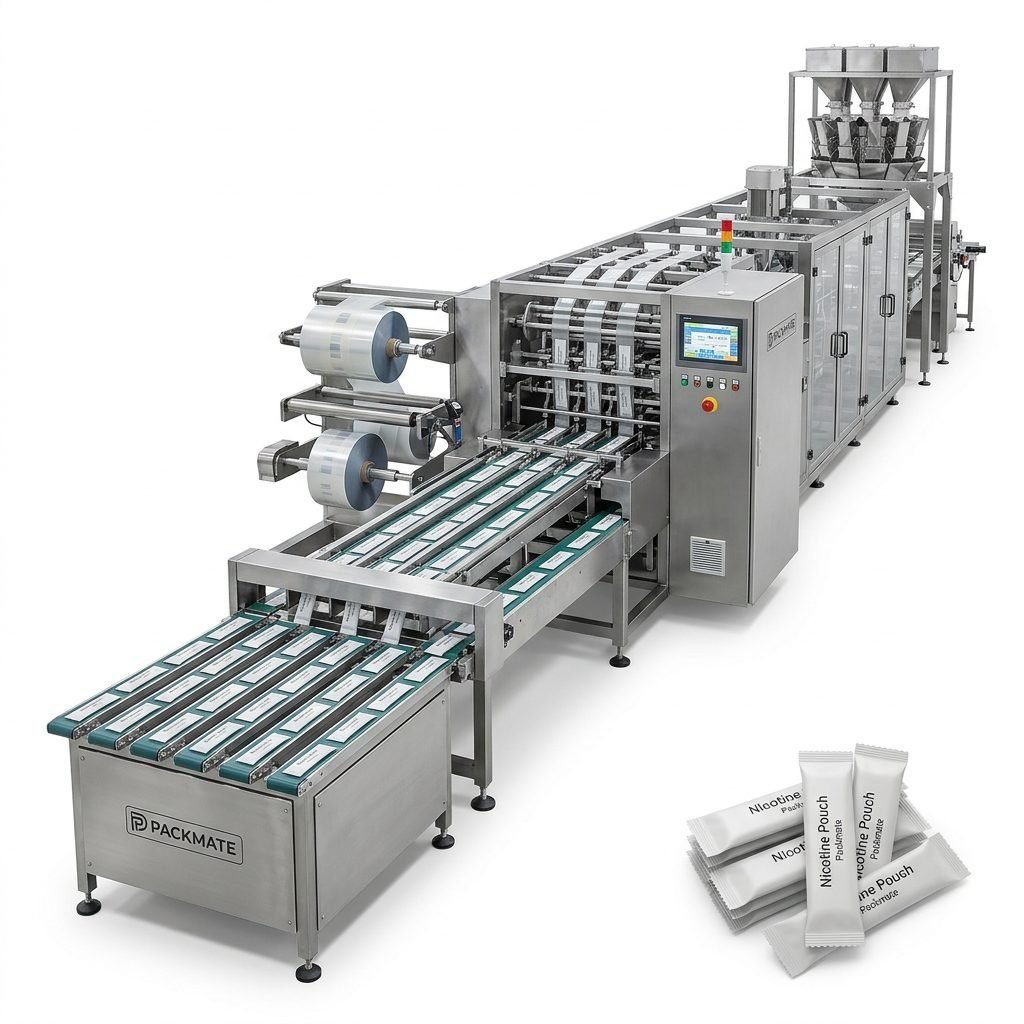
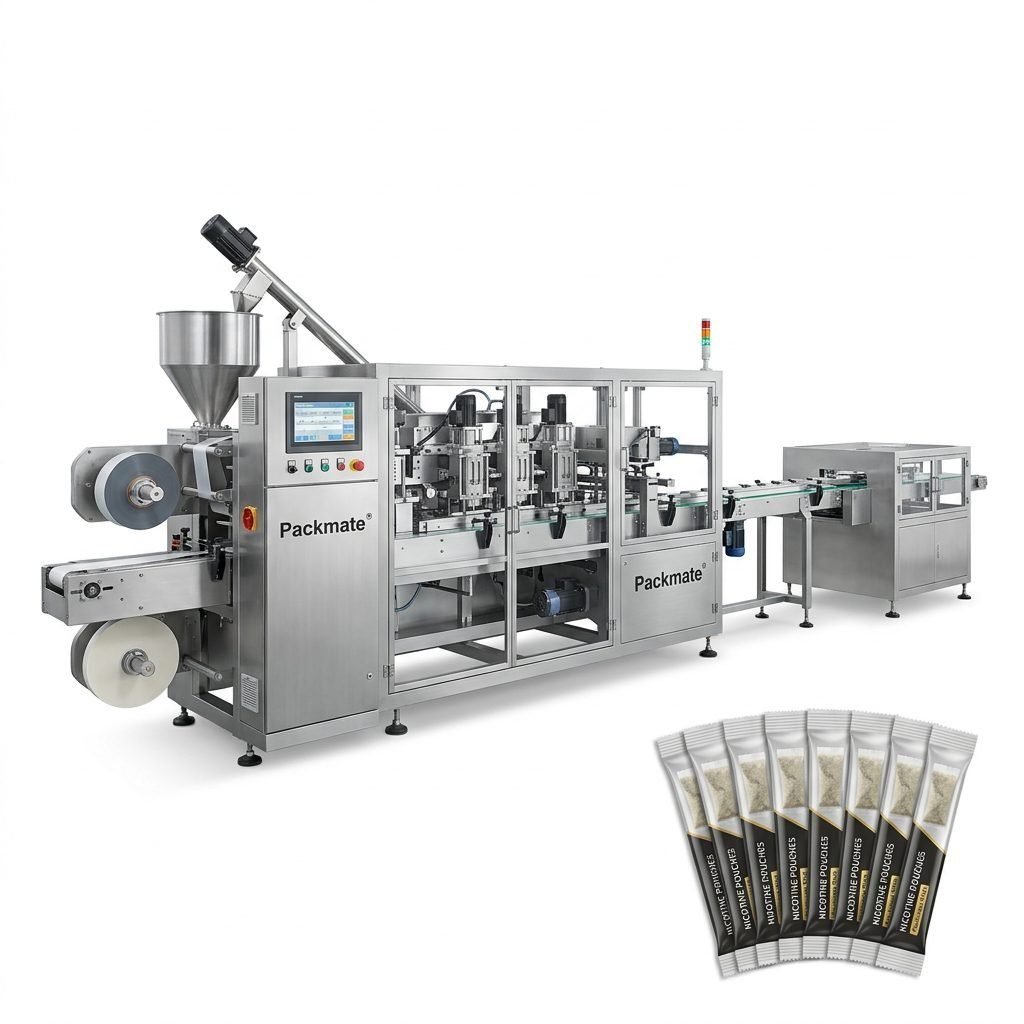
Selecting the right nicotine packaging machinery for a production line in the United States requires careful balancing of regulatory compliance, production volume, product format, and long-term service support. This guide walks manufacturers, operations managers, and procurement teams through every practical consideration — from machine types and lane counts to after-sales service — so you can make an informed investment that matches US market habits and regulatory realities.
Understand US Market Habits & Regulatory Context 🔎
In the United States, nicotine pouches and snus-style products are gaining popularity among adult users seeking smoke-free alternatives. Unlike some European markets where loose portions and traditional snus are widely accepted, US consumers often prefer discreet, travel-ready formats and child-resistant packaging. Additionally, manufacturers must be mindful of federal and state regulations, including labelling and ingredient disclosure expectations. Factor in potential FDA requirements and local packaging restrictions when specifying machinery that will produce compliant cartons, pouches, or sachets.
Key compliance and habit-driven features to consider:
✅
Child-resistant mechanisms (if required) that can be integrated into pouch or can packaging lines.
⚖️
Accurate dosing & weighing for low-dose nicotine pouches to ensure consistency and regulatory traceability.
Choose the Right Machine Type for Your Product Format ⚙️
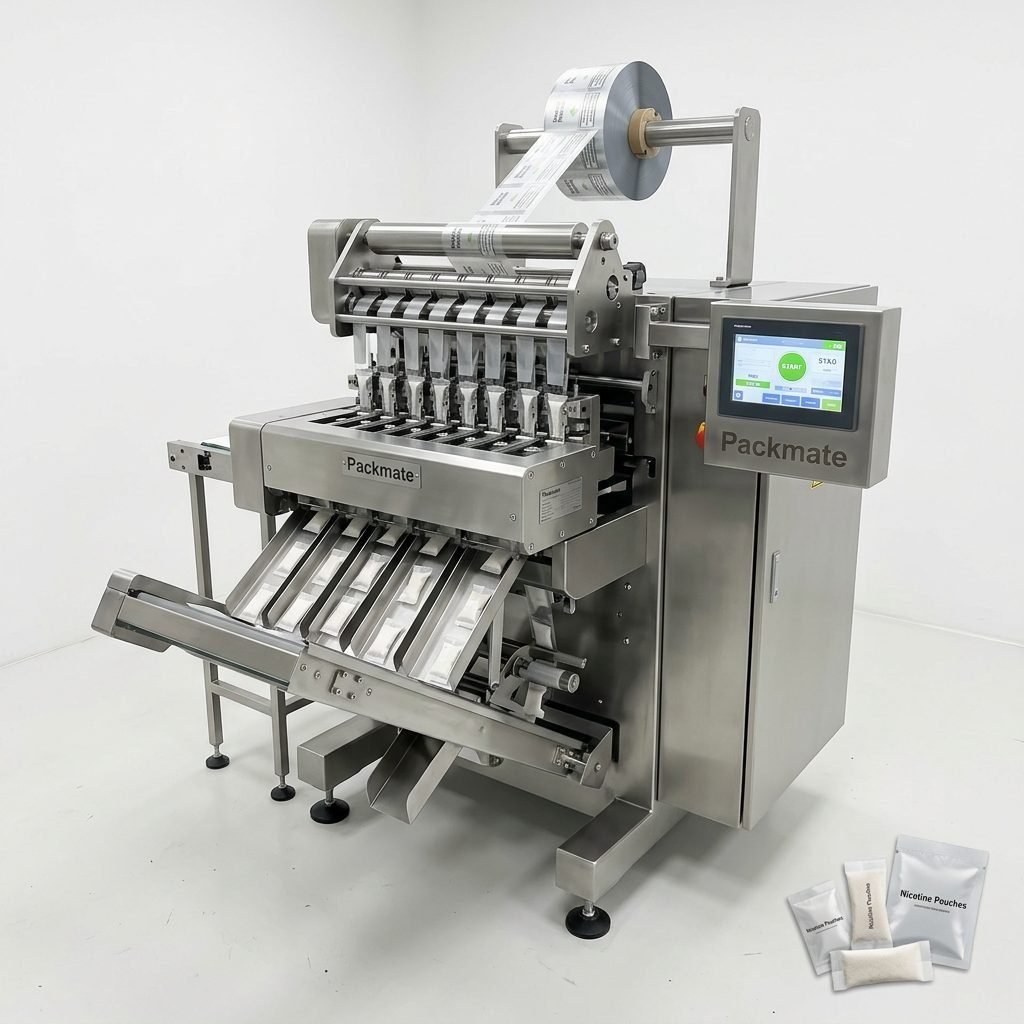
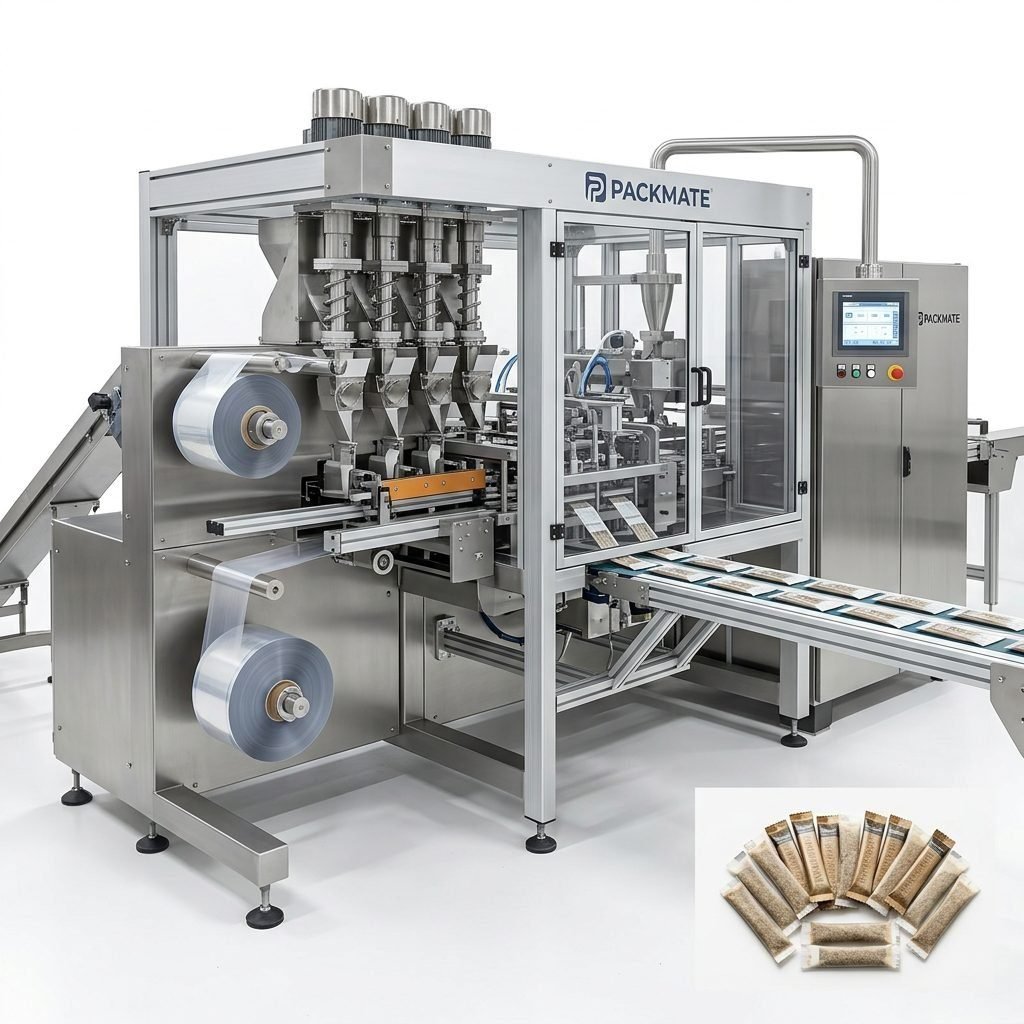
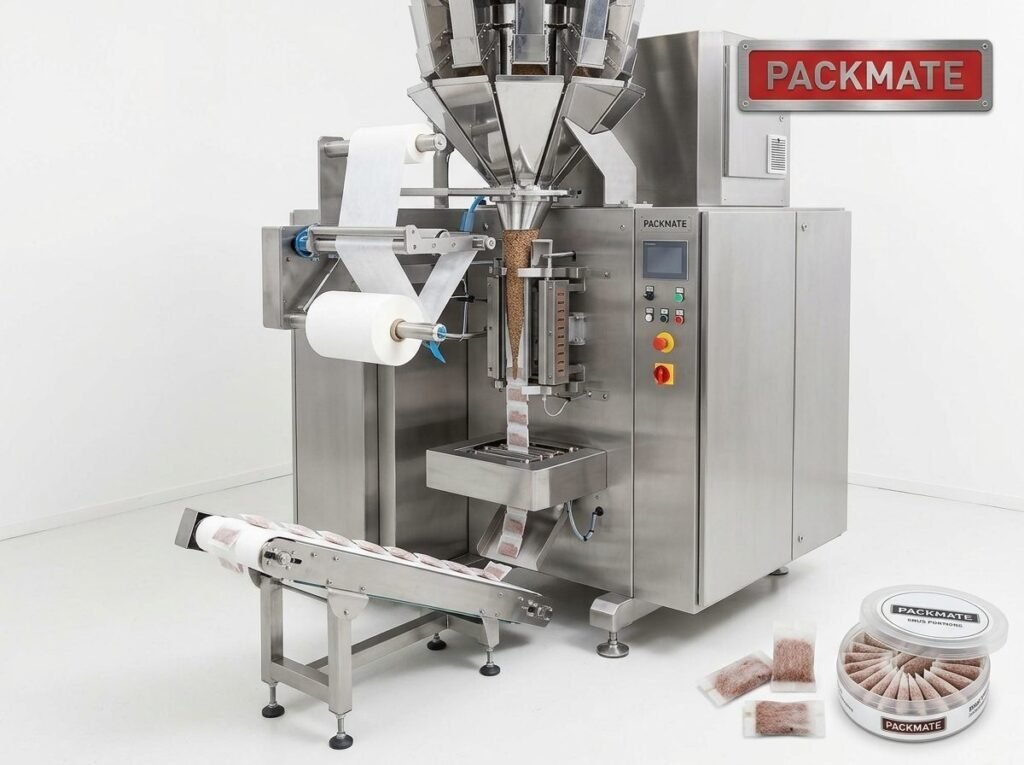
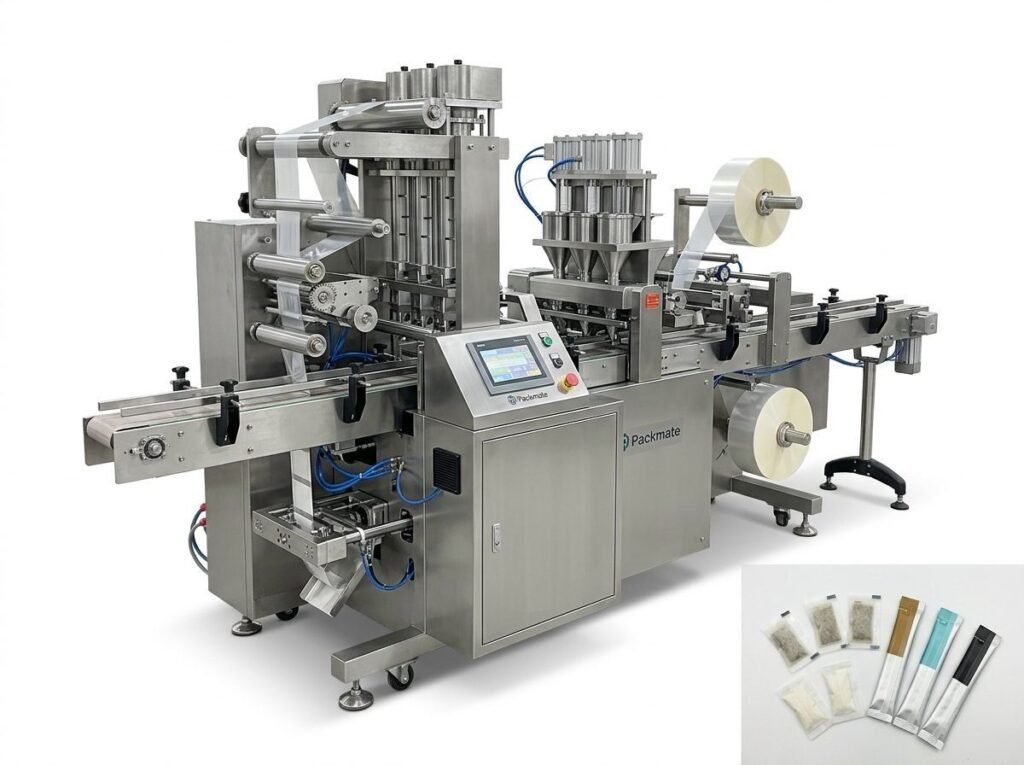
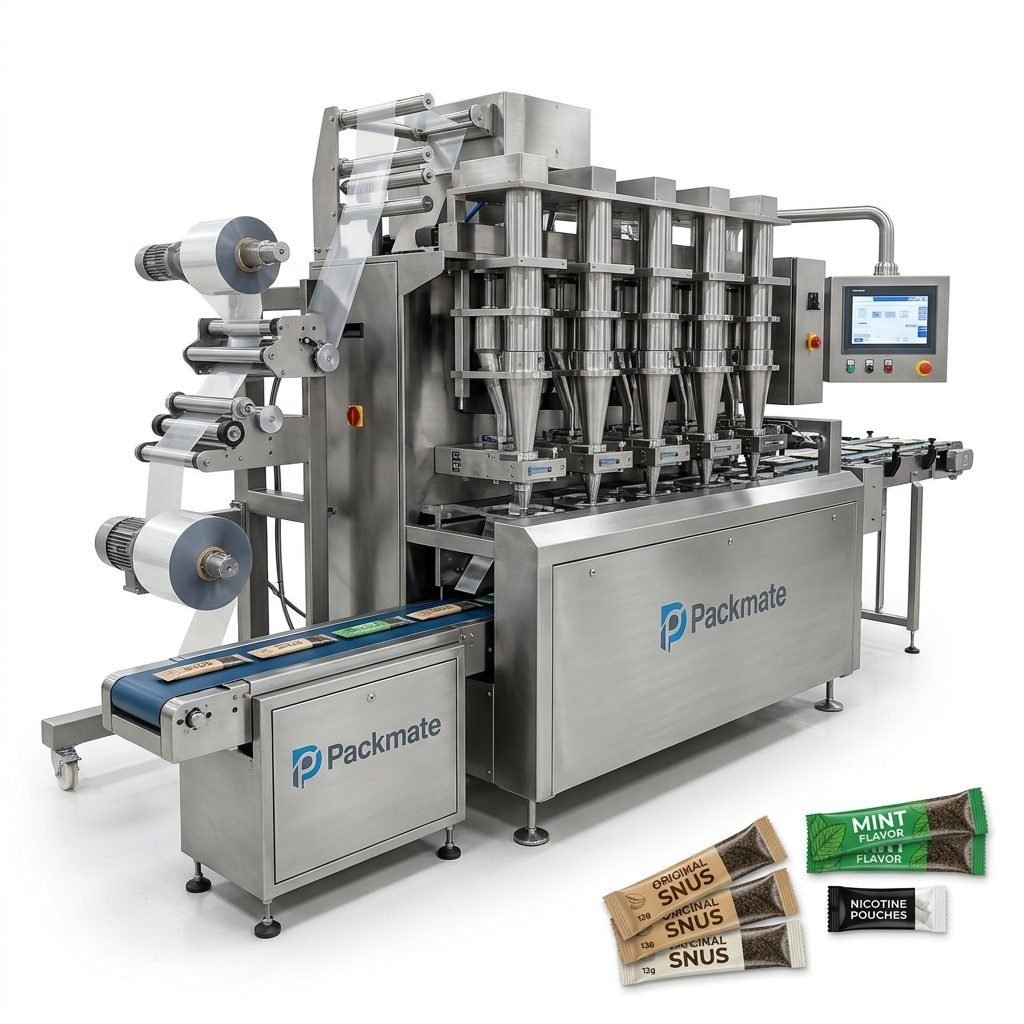
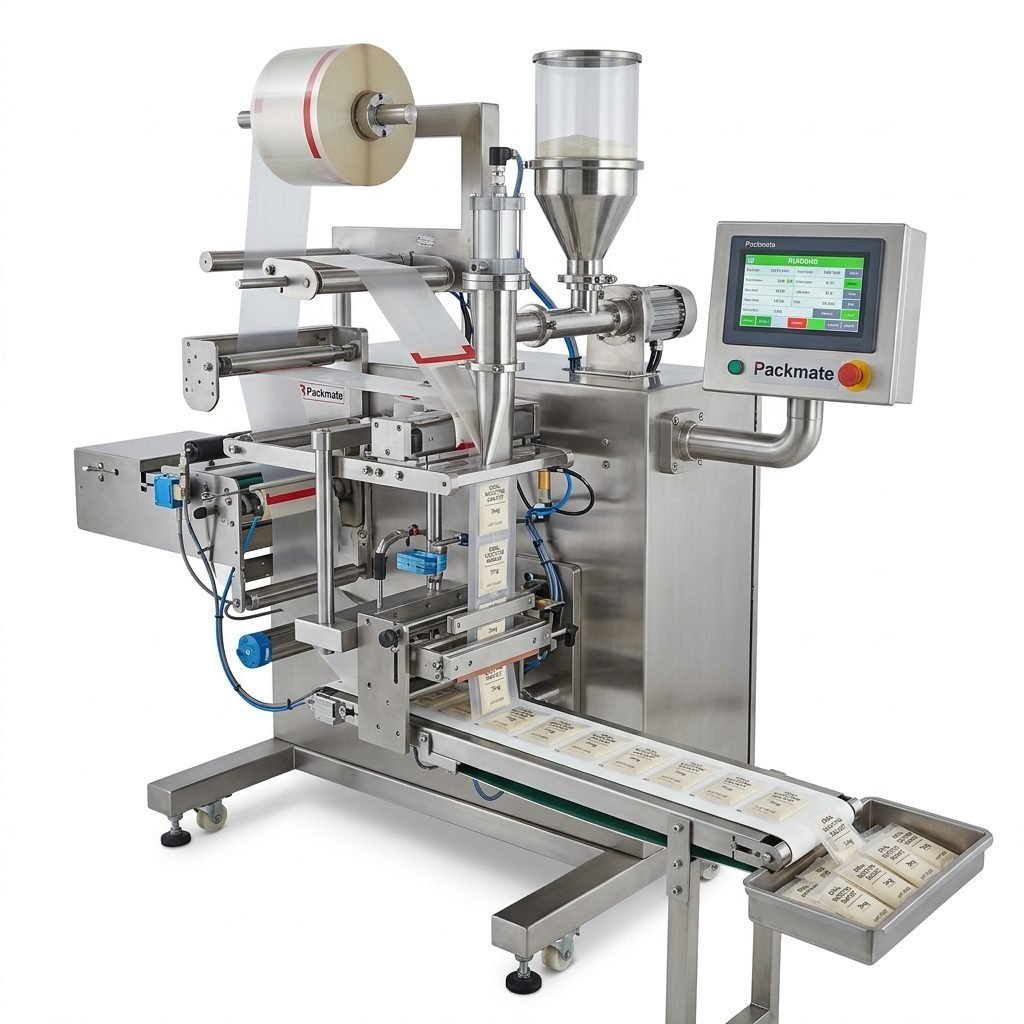
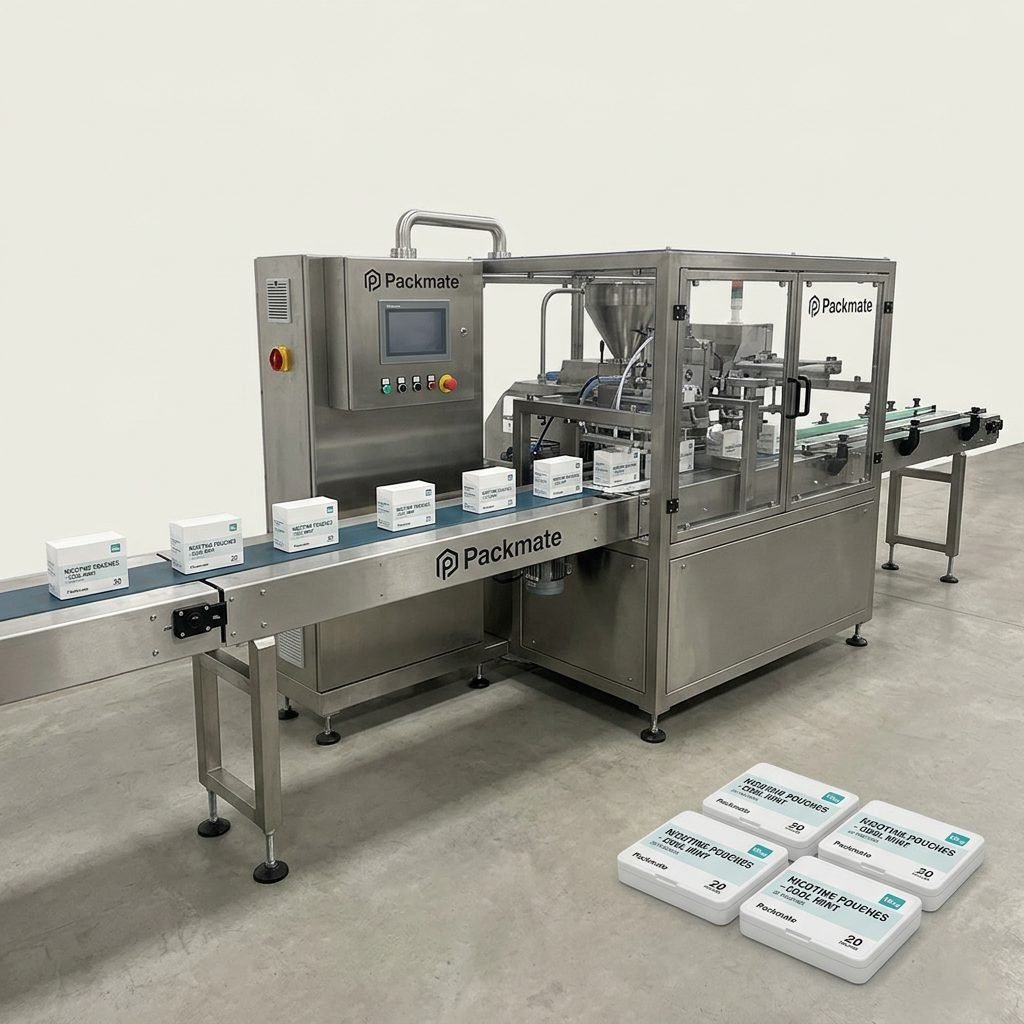
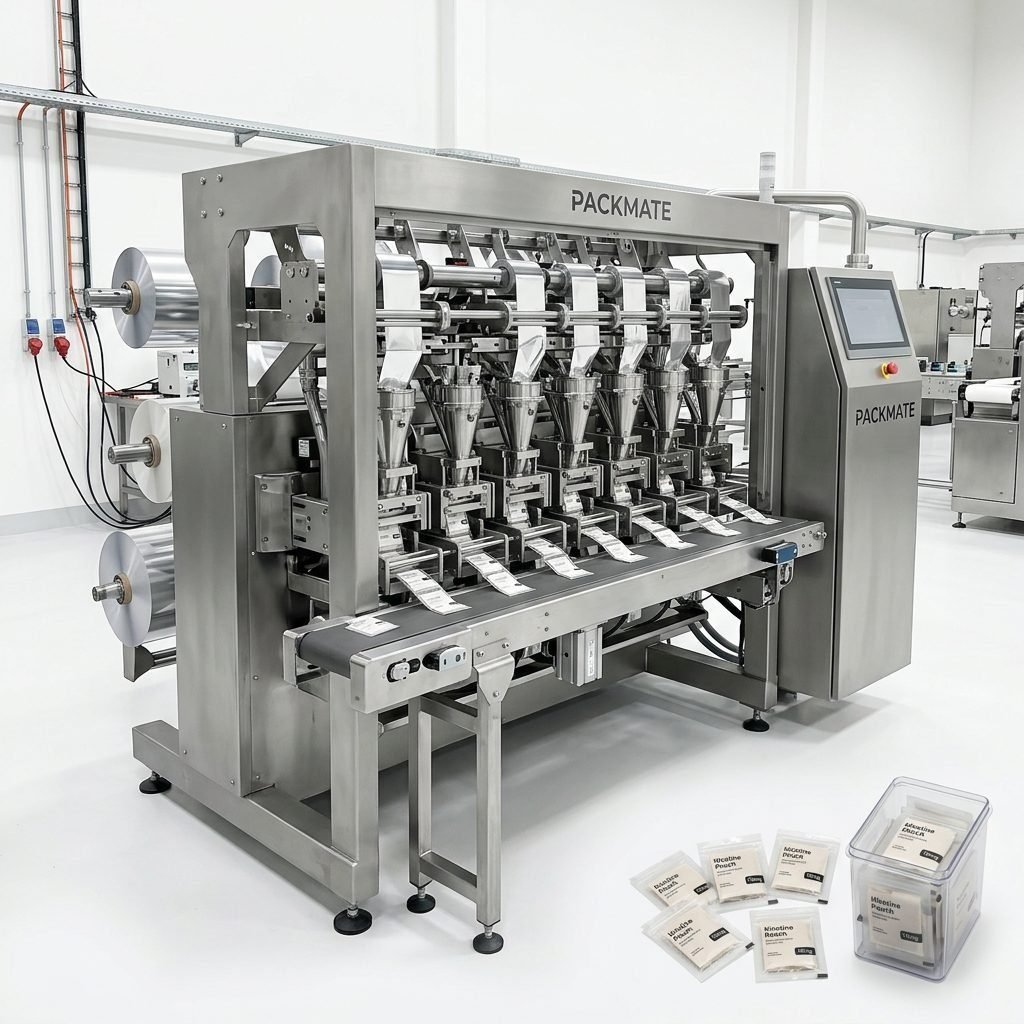
Packaging machinery for nicotine products comes in several core formats. Your choice depends on whether you’re producing single-dose pouches, sachets, stick packs, or multi-pouch cans. Typical options include stick pack machines, sachet/single-portion lines, multi-lane snus pouch machines, and end-of-line cartoning systems. Evaluate machines based on:
- Format compatibility (pouch size, shape, canisters)
- Speed and throughput (packs per minute or pouches per minute)
- Lane configuration (single vs. multi-lane for scalability)
- Material compatibility (film types, foil, biodegradable options)
Suggested product pages for comparison
If you want to compare proven machine categories and specifications, visit the manufacturer’s detailed product pages:
Snus & Nicotine Packaging Machines,
Sachet & Stick Pack Machines, and
Bag & Pouch Packaging Machines.
Calculate Required Throughput & Lane Strategy 📊
Start by defining daily or monthly production targets. In the US market, many plants scale by adding lanes rather than entire machines to minimize footprint and CAPEX. Multi-lane machines allow flexible scaling: you can operate fewer lanes at night or ramp up during peak demand. Verify machine modularity — can additional lanes be installed on-site later?
🔢
Use this quick check: (required units per hour) ÷ (machine pouches per minute × active lanes) = number of machines or additional lanes.
Material Handling, Filling & Seal Integrity 🧪
Nicotine pouches and snus require precise filling and gentle handling to avoid product damage. Key technical evaluations include the filling system (volumetric vs. weigh-scale), sealing technology (heat, ultrasonic), and dust control. For powders or moisture-sensitive contents, verify the machine’s capability for hygienic operation and easy cleaning to maintain product integrity and consistent seal strength.
Features to prioritize:
⚡
Inline weighing & check-weighers to ensure each pouch meets declared weight.
🛡️
Advanced sealing modules with adjustable parameters to handle different film laminates.
Automation, HMI & Data Capture for US Production Standards 🖥️
US factories increasingly demand Industry 4.0 readiness: user-friendly HMIs, recipe-driven controls, and production data capture for traceability. Ensure the machine supports standard industrial communication (e.g., Ethernet/IP, OPC UA) and can export production logs for QA and compliance.
📈
Prefer machines with built-in remote diagnostics and uptime monitoring so your US-based team can reduce downtime and optimize maintenance windows.
Service, Spare Parts & Local Support ✅
After-sales support is critical. Evaluate the manufacturer’s global presence, spare parts lead times, training offerings, and warranty coverage. Packmate (GuangDong) Co., Ltd. emphasizes long-term technical support, and you can review real-world implementations via their case studies and company information on About Packmate.
What to ask potential suppliers:
- Do you provide local support or authorized service partners in the US?
- What is the average lead time for critical spare parts?
- Can on-site commissioning and operator training be provided?
Energy, Footprint & Facility Considerations 🏭
Confirm the machine’s electrical requirements, compressed air consumption, and physical footprint. US facilities may have constraints on ceiling height, corridor widths, or loading dock access. Ask for detailed mechanical drawings and verify the layout with your facility team to avoid installation delays.
Total Cost of Ownership (TCO) — Beyond the Purchase Price 💰
Evaluate lifecycle costs: energy consumption, spare parts, operator training, and expected MTBF (mean time between failures). Cheaper machines may carry higher downtime and maintenance costs. Look for robust engineering backed by certifications such as CE and ISO — Packmate highlights these compliances for global operations.
💡
A short checklist for TCO: spare parts cost, service contracts, energy use per 1,000 pouches, training days, and expected equipment lifespan.
Customization & Turnkey Solutions — Matching US Brand Expectations 🎨
US brands often require distinctive packaging designs and secondary packaging (cartons, display trays). A supplier offering turnkey solutions — from filling and pouch forming to cartoning and case packing — simplifies vendor management and speeds time-to-market. Explore integrated systems such as weighing and packaging lines available on Weighing & Packaging Systems and full Filling & Packaging Lines.
Design tips for US shelves and retail:
- Consider shelf-ready cartons and barcode placement for POS scanning.
- Ensure child-resistant secondary packaging if required by jurisdiction.
- Test packaging durability for distribution channels (e-commerce returns, retail handling).
How to Run Pilot Tests & Accept Factory Trials 🧪
Before committing to a full production purchase, run pilot trials with representative materials and labeling. Check seal integrity, dosing accuracy, lane balancing, and sample compliance documentation. Many manufacturers will allow on-site trials or produce sample runs; see the vendor’s exhibition history and demos on Our Exhibition.
Decision Matrix — Final Selection Steps ✅
1️⃣
Confirm product format and regulatory needs.
2️⃣
Verify throughput targets and lane strategy.
3️⃣
Compare TCO, certifications, service network, and pilot test results.
4️⃣
Finalize contract including spare parts, training, and acceptance criteria.
Next Steps & Contacting the Manufacturer 📞
When you’re ready to request quotes and technical proposals, prepare a clear specification sheet listing product formats, expected throughput, required certifications, and on-site constraints. For direct inquiries, you can reach the manufacturer via their Contact Us page. Refer to the product categories noted earlier and ask for references or case studies to validate performance.
Helpful resources to review
Browse the manufacturer catalog and service offerings to ensure the solution is a match: Catalog and Service.
Common Questions (FAQs)
Q1: What machine speed do I need for a 1,000,000 pouches/month target?
Estimate hourly targets and evaluate multi-lane machines. For example, two multi-lane machines each producing 400 pouches/minute over two shifts will meet high-volume needs after accounting for changeovers and maintenance.
Q2: How important is local after-sales support?
Very important — reduced lead times for spare parts and local technician availability significantly lower downtime and TCO in US operations.
Q3: Can machines handle different pouch materials (foil, biodegradable films)?
Many modern machines are adjustable for different film thicknesses and seals; confirm the sealing modules and test with your actual film samples during factory acceptance tests.
Q4: What certifications should I request?
Request CE and ISO documentation, and ask for sanitary design details and electrical schematics appropriate for your local inspectors. Manufacturers like Packmate list these credentials on their Certificate page.
For specific machine recommendations, sample trials, or to review turnkey packaging line options tailored to US requirements, consult the manufacturer’s product pages and reach out through their contact channels. Reviewing real-world cases and exhibition demos helps reduce procurement risk and aligns your selection with US consumer expectations.