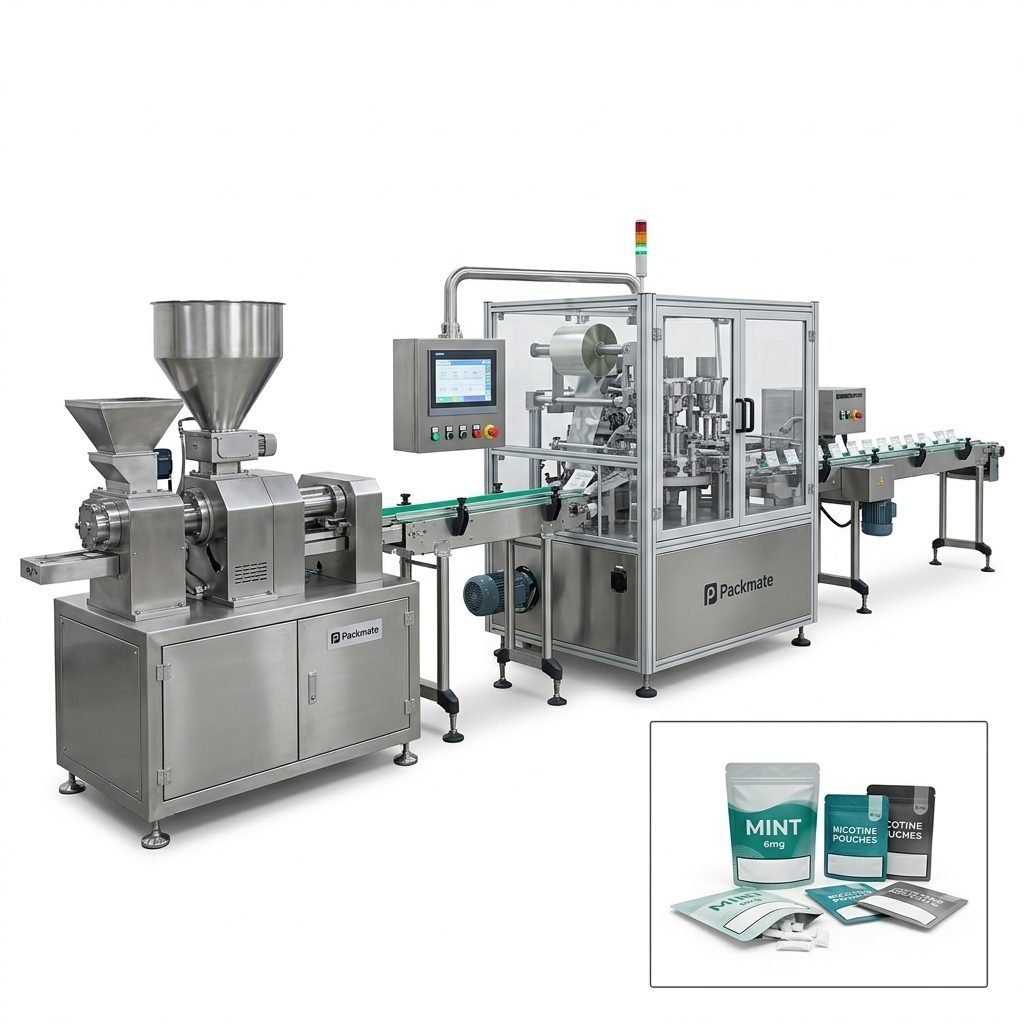
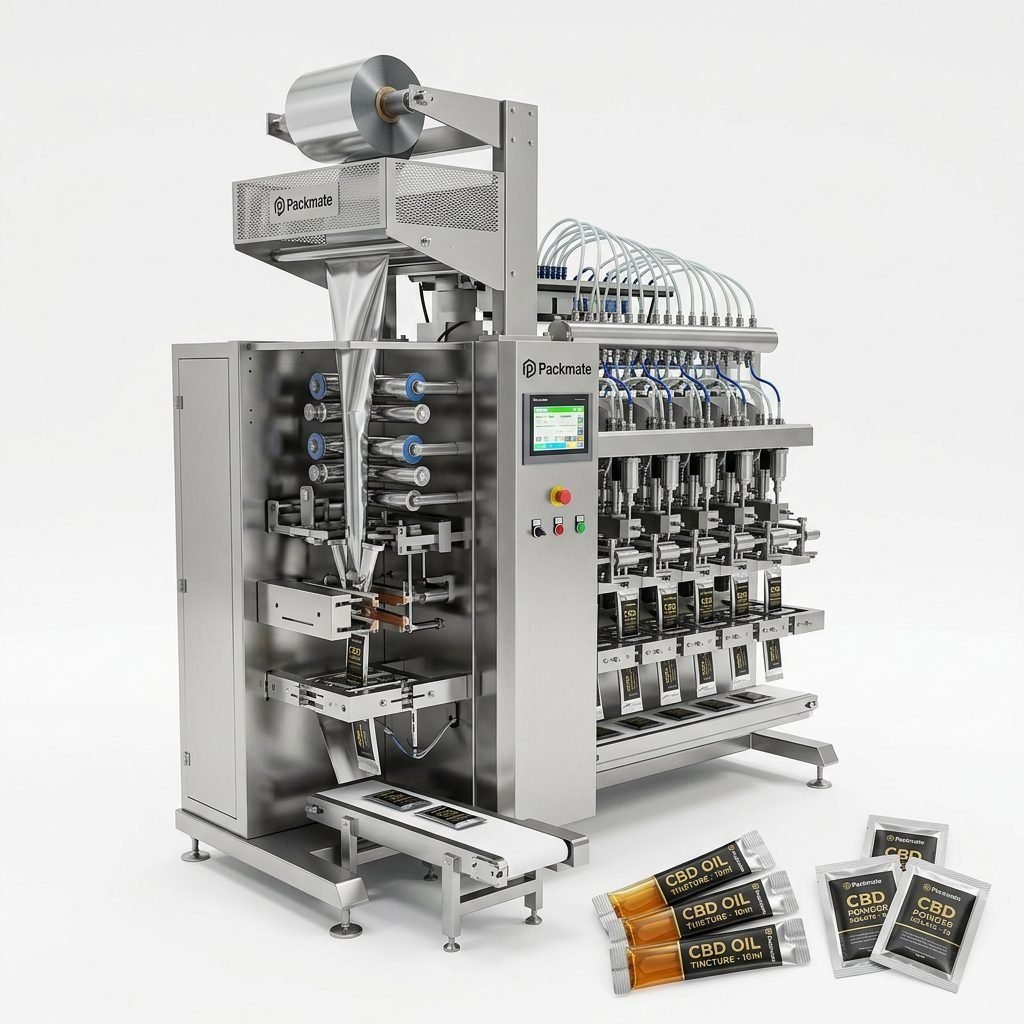
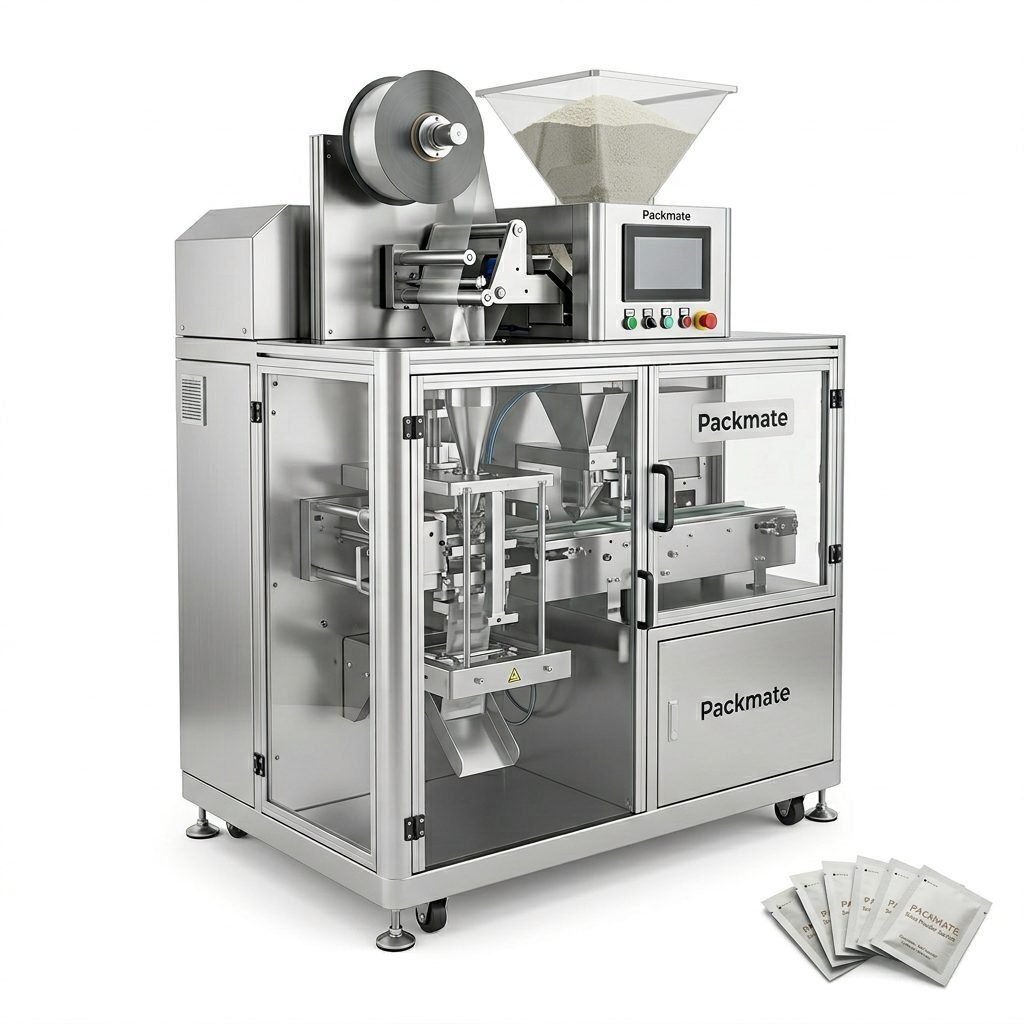
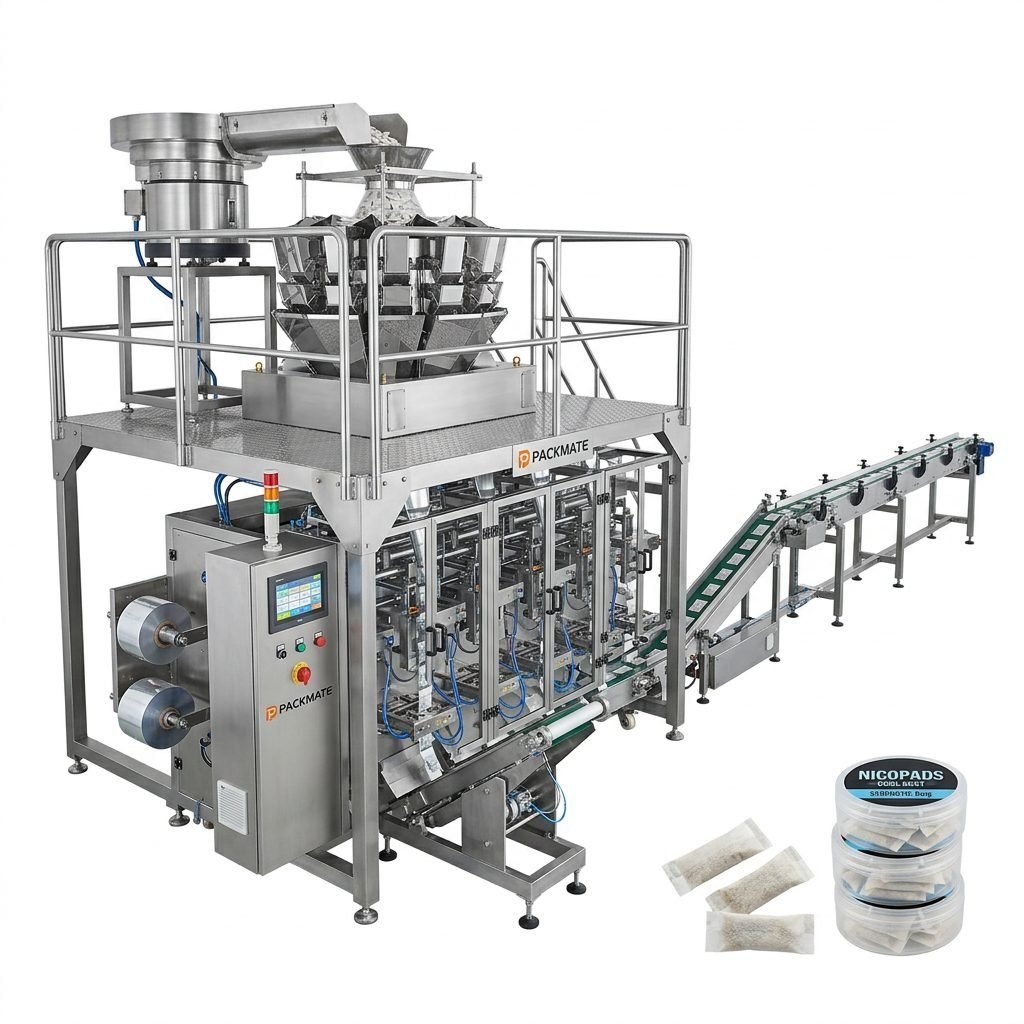
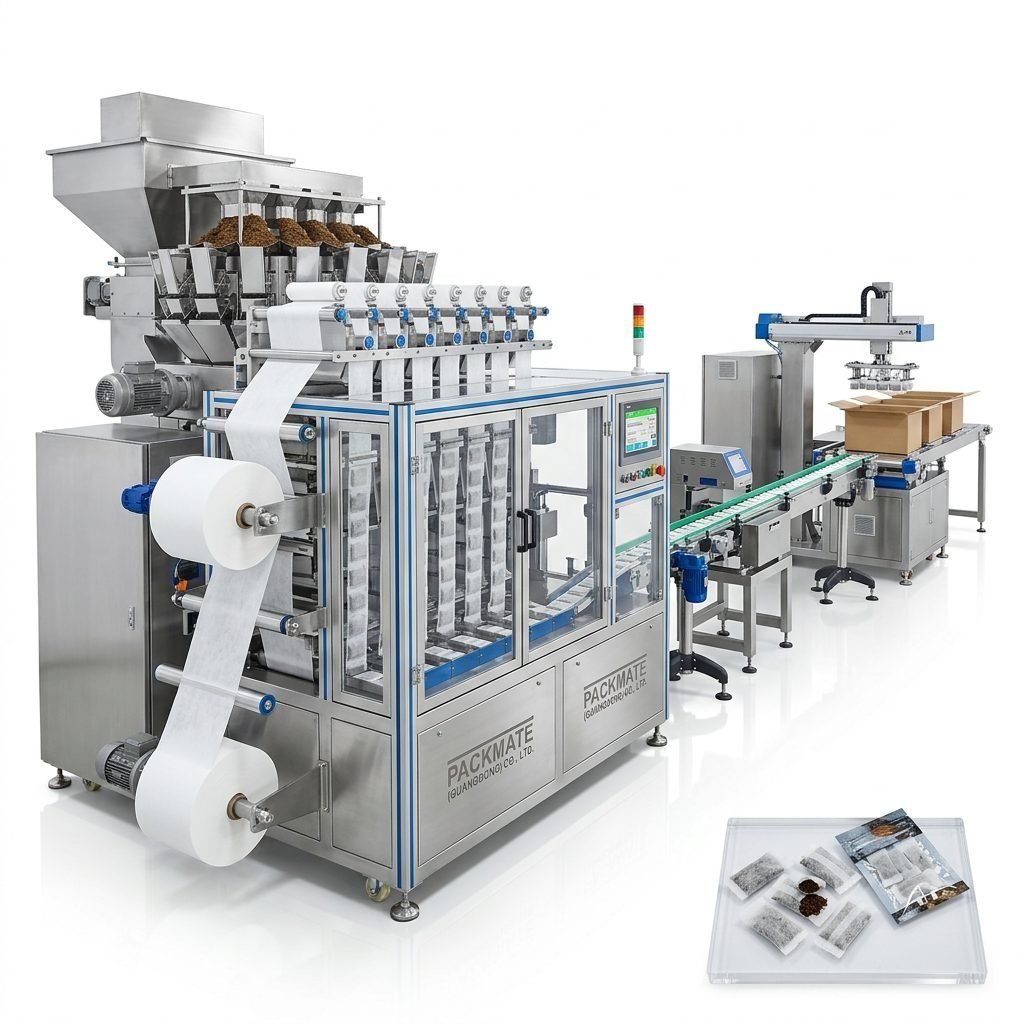
Choosing the right nicotine pouch machine supplier can make or break your production plans. Whether you are scaling up a startup or upgrading a mature line, factors like machine performance, reliability, after-sales support, and customization options determine long-term success. This guide offers a practical comparison framework and actionable steps to help you evaluate manufacturers and select the best partner for your nicotine pouch production needs.
🔍 Understand Your Production Requirements First
Before reaching out to suppliers, document your core production goals: target daily output, pouch formats (single-lane, multi-lane, stick pack, sachet), pouch size range, product type (powder, granule, liquid, tobacco-free nicotine), regulatory needs, and budget constraints. A clear production brief shortens supplier conversations and helps you get precise proposals.
Pro tip: include projected growth for the next 3–5 years. Many manufacturers offer scalable solutions such as multi-lane systems that can be expanded or upgraded. Consider whether you need a fully automated turnkey line or modular machines that integrate with existing equipment.
✅ Capacity & Speed
When comparing suppliers, verify rated speeds and realistic throughputs. Manufacturers often quote theoretical maximum speeds; ask for actual production data from machines running similar products. Look for documentation or video case studies showing continuous runs at target speed.
Quality check: request cycle reports, downtime statistics, and OEE (Overall Equipment Effectiveness) measurements. These metrics reveal real-world performance beyond nominal ratings.
🔧 Machine Versatility & Format Flexibility
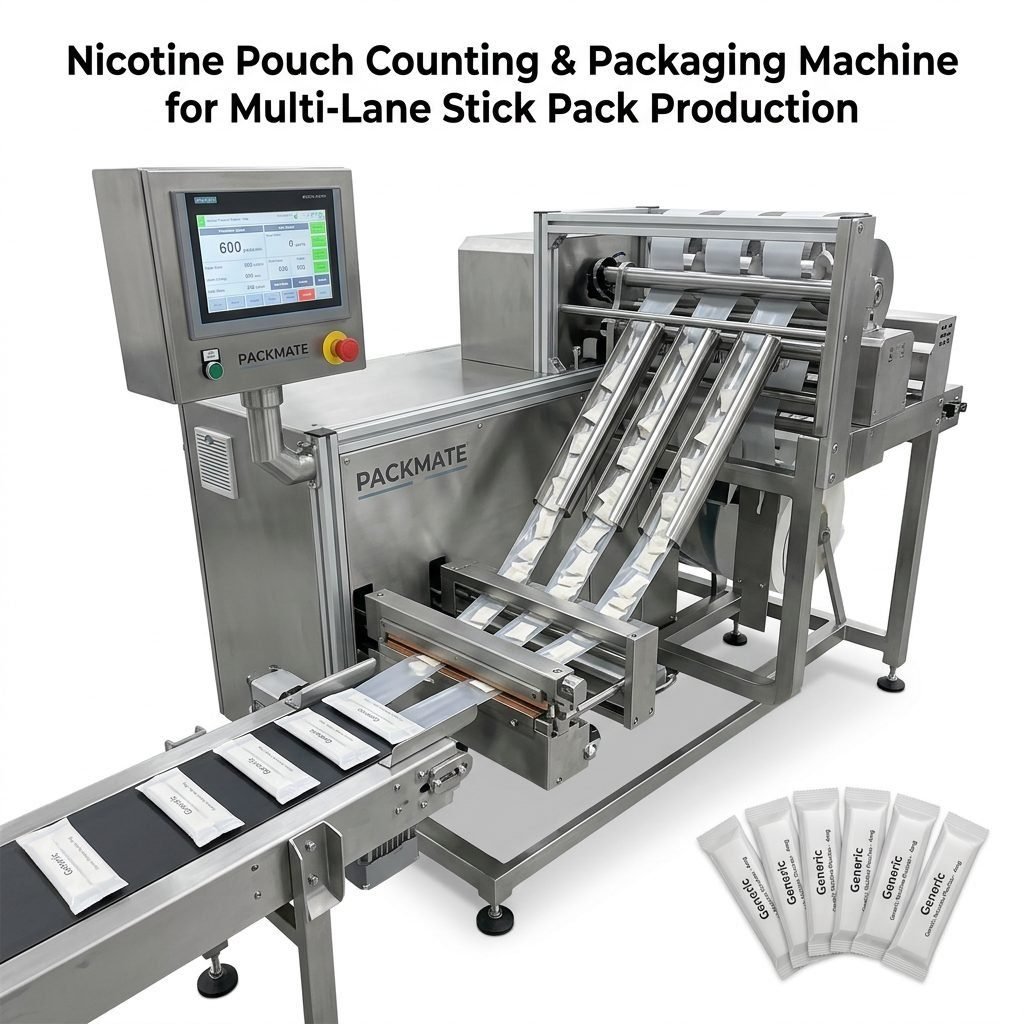
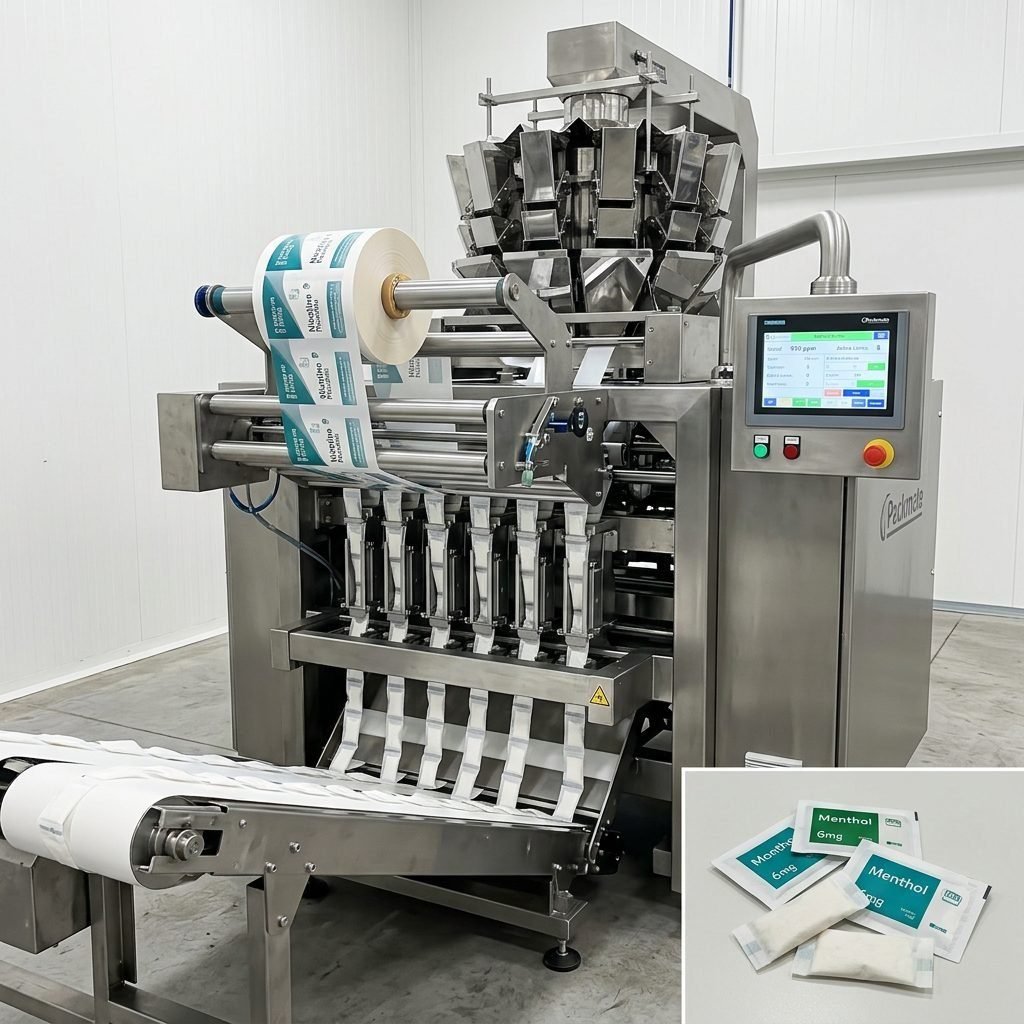
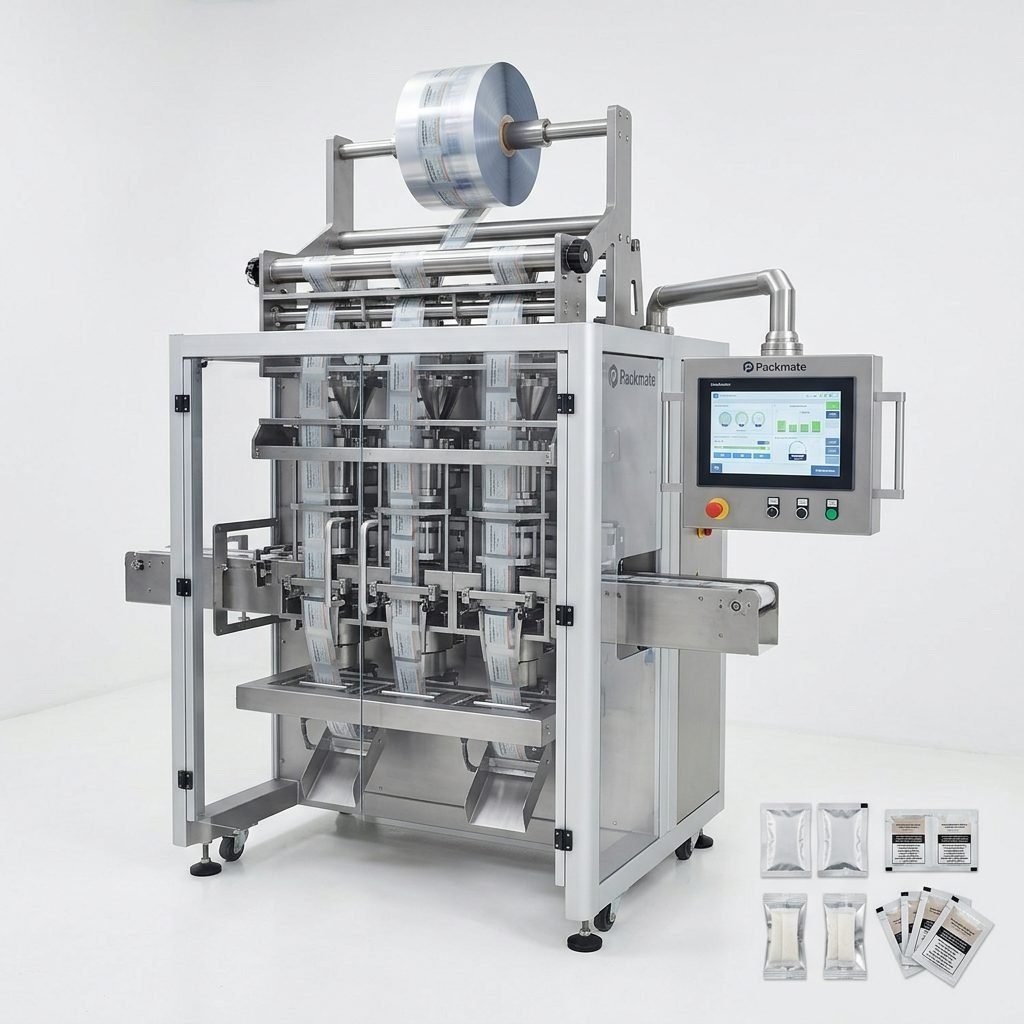
Nicotine pouches come in diverse formats. Some lines require stick packs, others need sachets or sealed pouches. Choose a supplier whose machines support quick format changeovers and a broad pouch size range. Multi-lane capability can significantly increase throughput for small-dose pouches and improve cost-efficiency.
🏭 Manufacturing Capabilities & Factory Strength
Evaluate the supplier’s factory capacity, machining capabilities, and assembly processes. A supplier with advanced CNC centers, precision assembly lines, and rigorous QC systems reduces the risk of quality variations. If available, request a factory tour or virtual walkthrough to verify manufacturing standards and assembly practices.
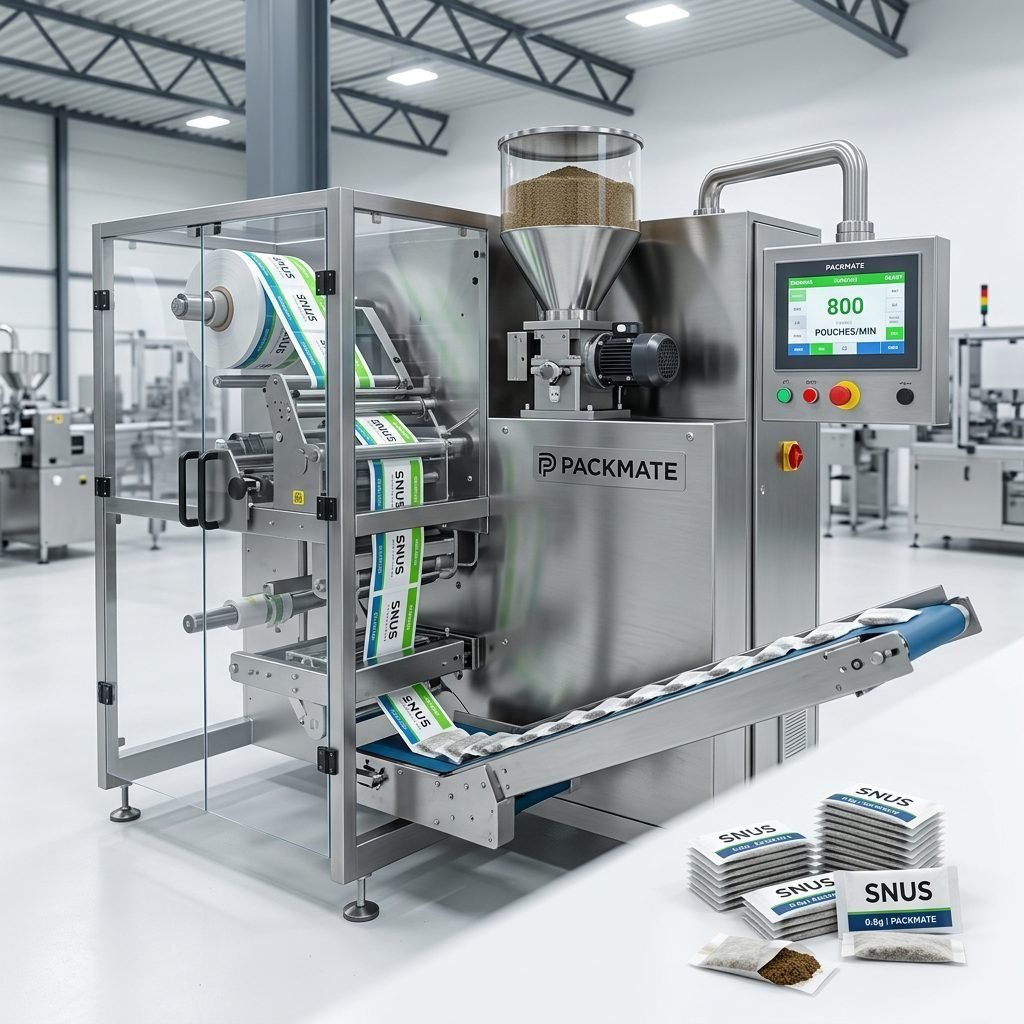
Packmate Snus Machine, for example, operates a 20,000㎡ facility with advanced CNC machining centers and precision assembly lines, producing 50+ machine models and complete turnkey packaging solutions. Evidence of such infrastructure typically correlates with better part accuracy and long-term machine reliability.
📜 Certifications & Compliance
Certifications like CE and ISO demonstrate a manufacturer’s commitment to international standards. Ask for certificates and confirm their scope and validity. For nicotine-related production, ensure compliance with relevant safety and electromagnetic compatibility standards in target markets.
Must-have: machine conformity documents, material traceability, and a clear safety documentation package to support regulatory audits.
🛠️ Engineering Design & Customization
Strong engineering teams enable better customization. If your product requires special dosing systems, unique pouch shapes, or integration with weighing and filling systems, choose a supplier able to design and deliver tailored solutions. Ask for examples of past customized projects and references from clients with similar needs.
Look at the supplier’s R&D history and product development timeline; long-term experience in niche markets is a good sign. For instance, a company that evolved from workshop R&D in 1993 to a global supplier by developing multi-lane systems demonstrates mature engineering capability and iterative improvement.
🔁 Integration & Turnkey Solutions
Decide whether you want a modular approach or a turnkey line. Turnkey suppliers manage everything from filling to labeling and palletizing, reducing project management workload. However, modular machines can be preferable if you want to retain flexibility or already own compatible equipment.
For turnkey examples and product categories, see the manufacturer’s product pages: Snus & Nicotine Packaging Machines, Sachet & Stick Pack Machines, and Weighing & Packaging Systems.
💡 After-Sales Support & Spare Parts
After-sales service is critical. Machines will need preventive maintenance, spare parts, and occasional upgrades. Confirm the supplier’s spare parts policy, lead times, and whether they maintain local inventories or regional warehouses to minimize downtime.
Ask about training programs for operators and technicians. Reliable suppliers offer on-site commissioning, remote troubleshooting, and training manuals. Evaluate service SLAs (Service Level Agreements) and typical response times for critical failures.
Red flag: suppliers that cannot provide clear spare parts lead times or have no structured training and commissioning programs.
📞 Communication & Project Management
Timely and transparent communication during procurement and installation reduces risk. Verify who will be your points of contact (sales, project manager, service engineer) and request a detailed project timeline including milestones for design approval, FAT (Factory Acceptance Test), shipping, installation, and SAT (Site Acceptance Test).
💰 Total Cost of Ownership (TCO) vs Upfront Price
Don’t be swayed by the lowest upfront price. Consider TCO, which includes energy consumption, spare parts cost, maintenance intervals, expected lifespan, and productivity (output per hour). Machines with higher initial costs can be cheaper over time if they are more reliable and require less maintenance.
Request a cost projection model comparing multiple suppliers that factors in: spare parts consumption, average downtime per year, energy usage, and labor requirements. This comparison should be part of your supplier selection scorecard.
🧩 Compatibility with Existing Systems & Industry Standards
If you already have lines in your factory, ensure the new machines integrate smoothly with upstream and downstream equipment. Confirm electrical, mechanical, and communication interfaces (e.g., PLC protocols). Suppliers who follow open standard interfaces simplify integration and future upgrades.
Check that companies publish compatibility and system architecture documentation, which speeds technical evaluation and reduces commissioning surprises.
📦 Packaging, Shipping & Installation Logistics
Large packaging machines require careful packing, handling, and installation. Request detailed shipping and installation plans. Some suppliers offer on-site supervision and mechanical assembly services; others provide only remote support. Confirm who will be responsible for customs clearance, crating, and insurance during transit.
📈 References, Case Studies & Field Performance
Ask for references and real-world case studies similar to your production scenario. Visiting an installed machine or viewing recorded production runs demonstrates operational stability and helps validate supplier claims. Good suppliers have documented success stories across regions and product types.
See project showcases for real-world examples and customer testimonials: Case and check exhibition presence for live demos at Our Exhibition.
🔒 Risk Management & Warranties
Evaluate contract terms including warranty duration, warranty scope, and clauses for latent defects. A longer warranty backed by documented service metrics indicates supplier confidence. Ensure the contract includes clear acceptance criteria and remedies for non-conformance.
Checklist: warranty length, spare parts availability, escalation path, on-site vs remote support, and documented performance guarantees.
🧾 Factory Acceptance Test (FAT) & Site Acceptance Test (SAT)
A robust FAT process prevents surprises during installation. Your FAT should include: electrical & safety checks, performance at intended speeds, sample production runs, and inspection of critical components. Suppliers should welcome your QA team to witness FAT or provide a detailed recorded FAT session.
SAT must verify that the line performs under site conditions. Align FAT and SAT acceptance criteria in the contract and document pass/fail criteria to protect your investment.
📣 Choosing the Right Supplier: A Step-by-Step Scorecard
Create a weighted supplier scorecard with categories such as: performance (20%), reliability & TCO (20%), engineering & customization (15%), after-sales & spare parts (15%), certifications & compliance (10%), references & case studies (10%), and price (10%). Use objective data from FAT, references, and documentation to score each supplier.
Invite shortlisted suppliers for technical workshops and request detailed quotations that map to your scorecard. Negotiate terms based on total value rather than only unit price.
📌 Why Choose an Experienced Supplier?
Experienced suppliers bring mature designs, predictable lead times, and well-established quality control procedures. For instance, manufacturers with decades of engineering history and a range of machine models often deliver lower lifecycle costs because their designs have been refined through continuous improvement cycles.
If you need more background about a strong supplier profile, visit: About Packmate and review certifications at Certificate.
🚀 Final Considerations & Next Steps
When you finalize a supplier, ensure the commercial contract covers delivery timeline, acceptance tests, warranty, training, spare parts kit, and escalation procedures. Plan for a phased ramp-up where the initial weeks focus on stabilizing the recipe, optimizing line settings, and establishing preventive maintenance rhythms.
Action plan: prepare a detailed production brief, issue an RFP to selected suppliers, conduct FAT, compare TCO models, and agree on warranty & spare parts terms before signing.
📬 Need More Information?
If you want to explore specific machine models or request a quote, check product categories and service offerings directly: Snus & Nicotine Packaging Machines, Filling & Packaging Lines, or contact the supplier via Contact Us.
Frequently Asked Questions
Q1: How do I estimate the right machine capacity for my launch? A1: Base your estimate on target daily pouch volumes, planned shifts, and expected yield. Factor in growth projections and select a machine with some headroom or multi-lane capability to scale without major re-investment.
Q2: What documentation should I require during procurement? A2: Request technical drawings, electrical & pneumatic diagrams, FAT protocol and results, CE/ISO certificates, spare parts list, and a detailed installation and training plan. These documents reduce risks and streamline installation.
Q3: How important is local after-sales support? A3: Very important. Local or regional support reduces response time for critical failures, shortens machine downtime, and helps with faster spare part delivery. Confirm whether the supplier has local partners or service teams in your region.
Q4: Can suppliers customize machines for novel pouch formats? A4: Yes — many experienced manufacturers offer customization. Verify their engineering capacity, review past custom projects, and include customization scope in the contract to avoid scope creep.
Q5: What is a realistic timeline from order to production? A5: Timelines vary by complexity. Standard machines may ship within weeks, while turnkey customized lines often require several months for design, production, FAT, shipping, and SAT. Include contingency time in your planning.