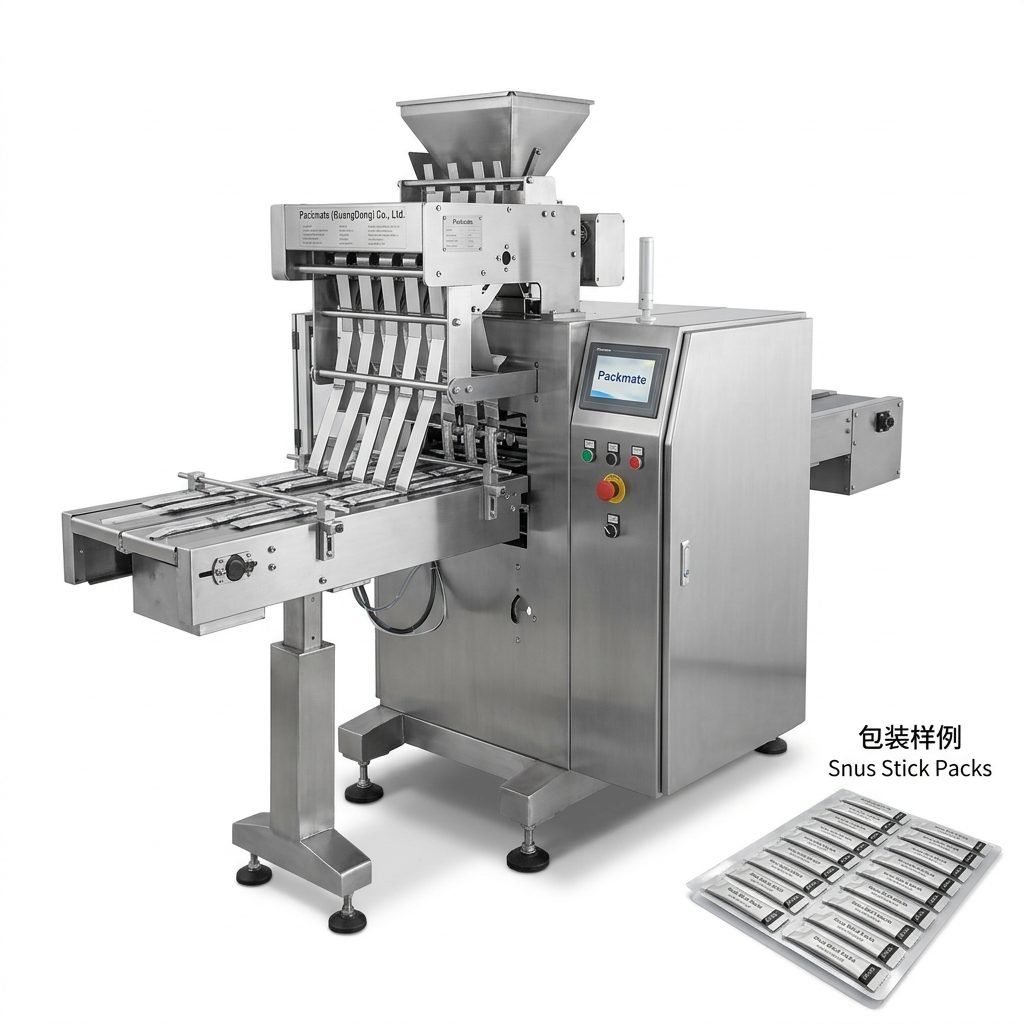
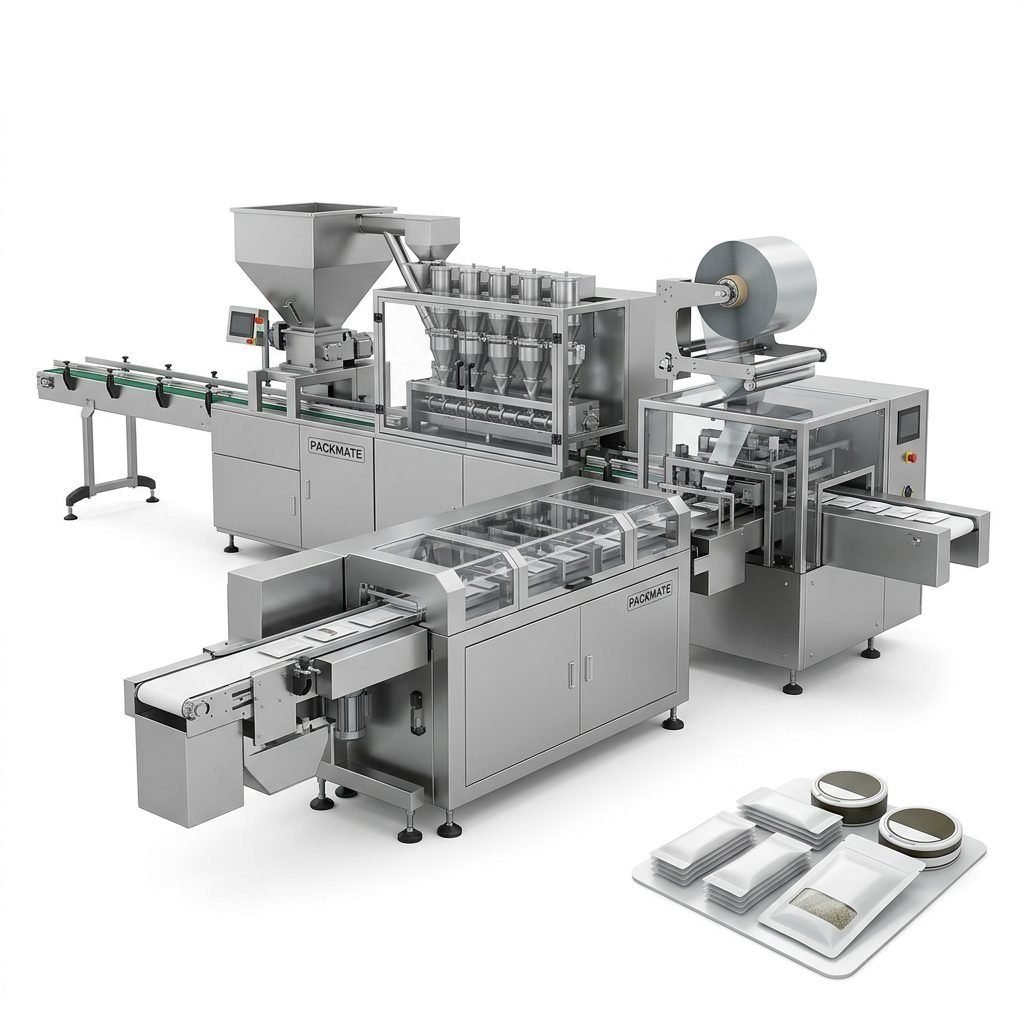
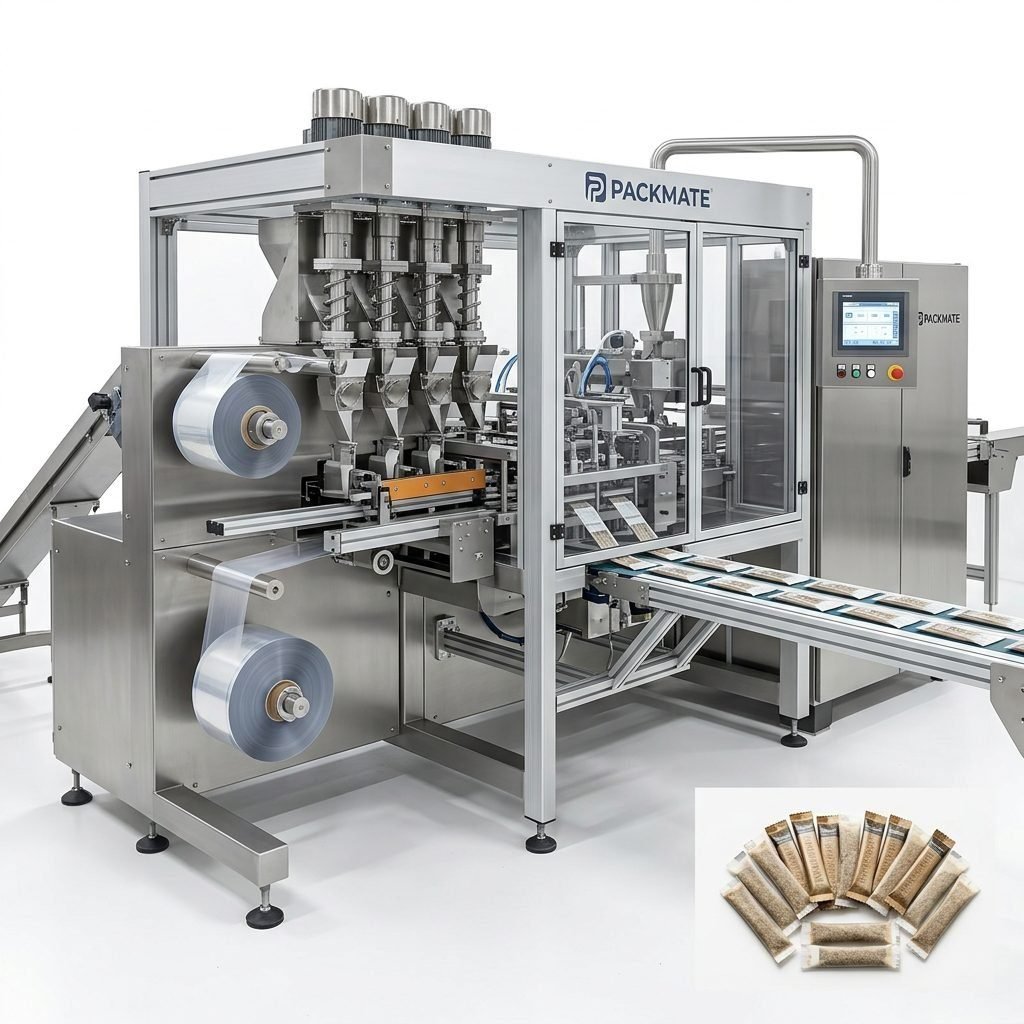
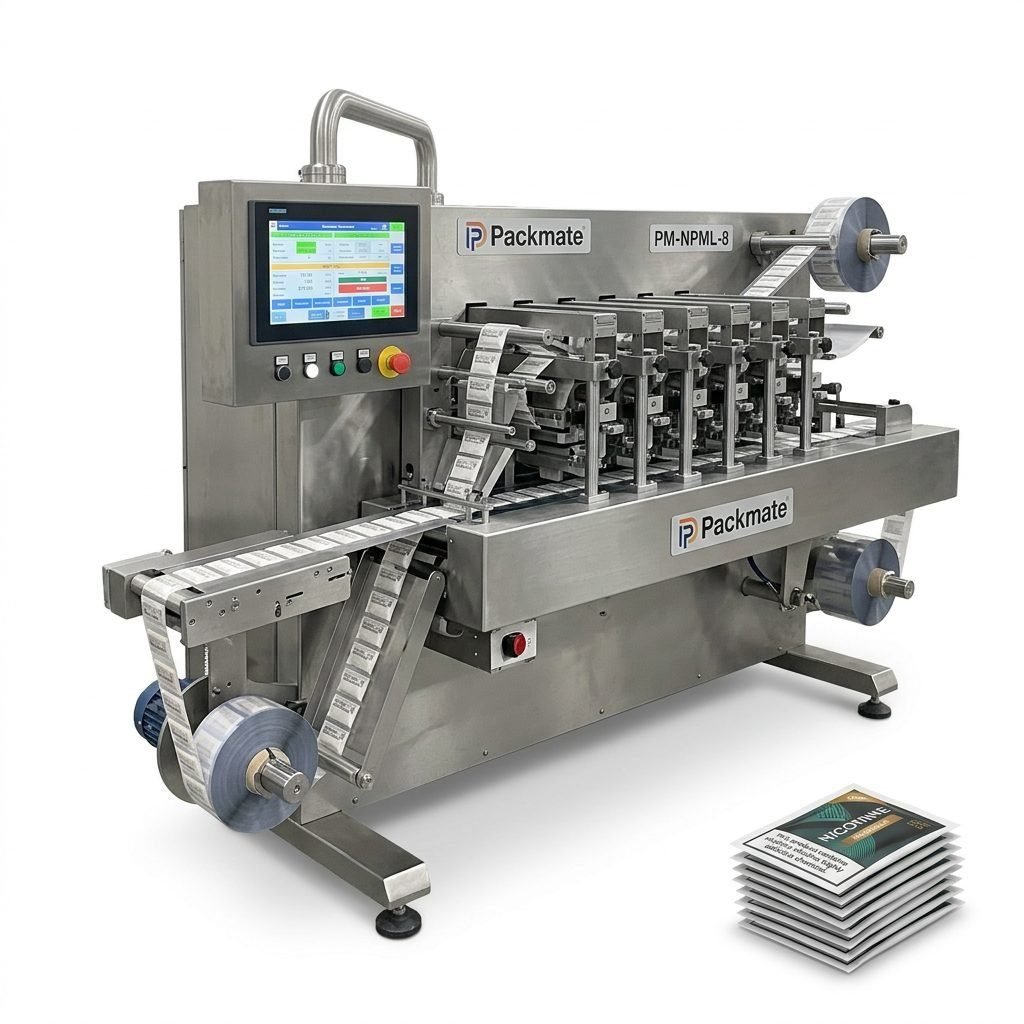
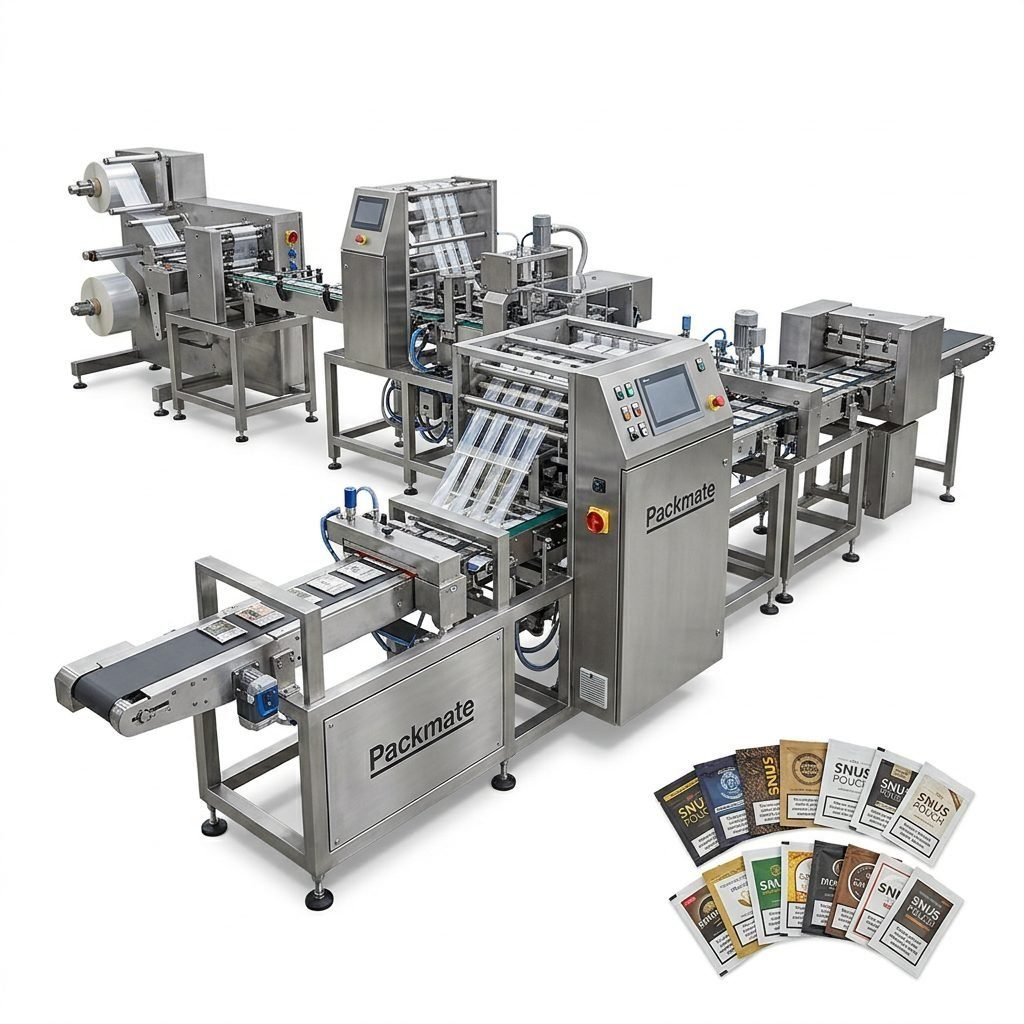
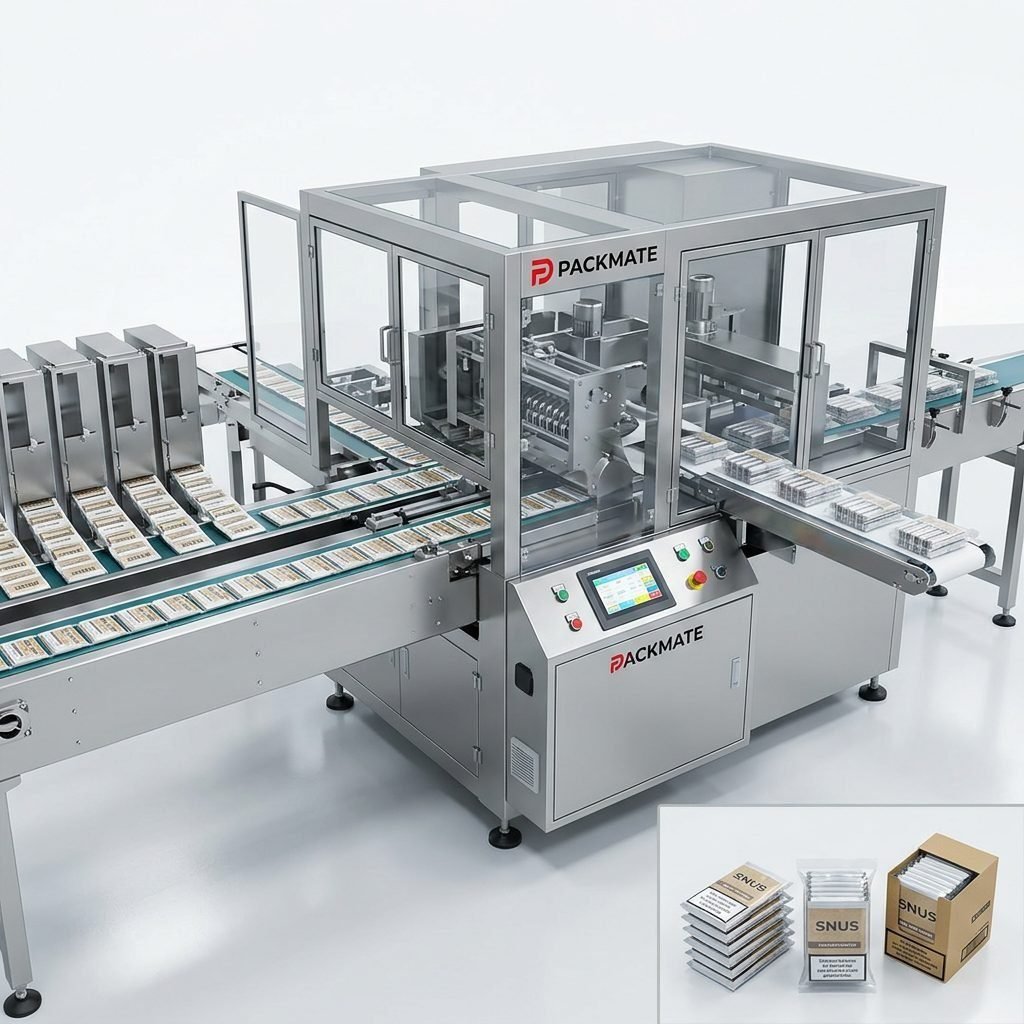
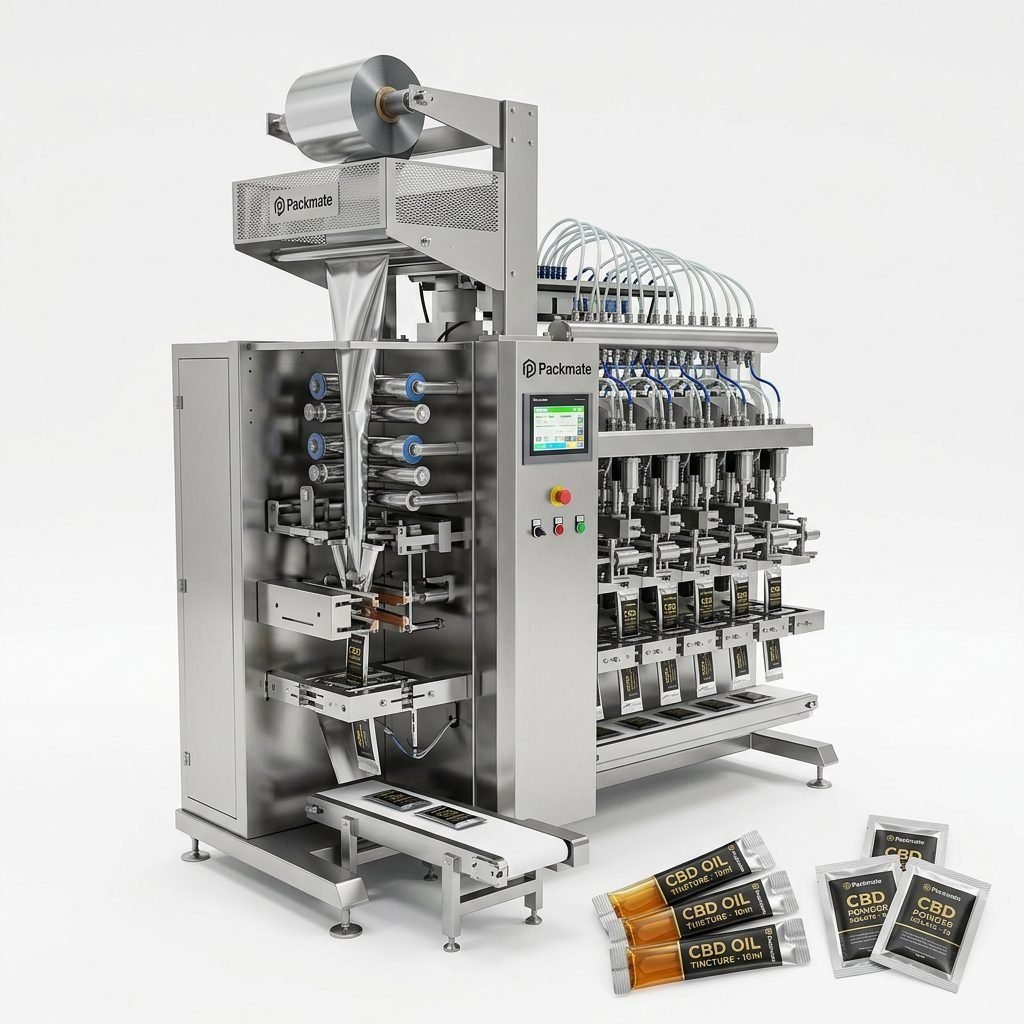
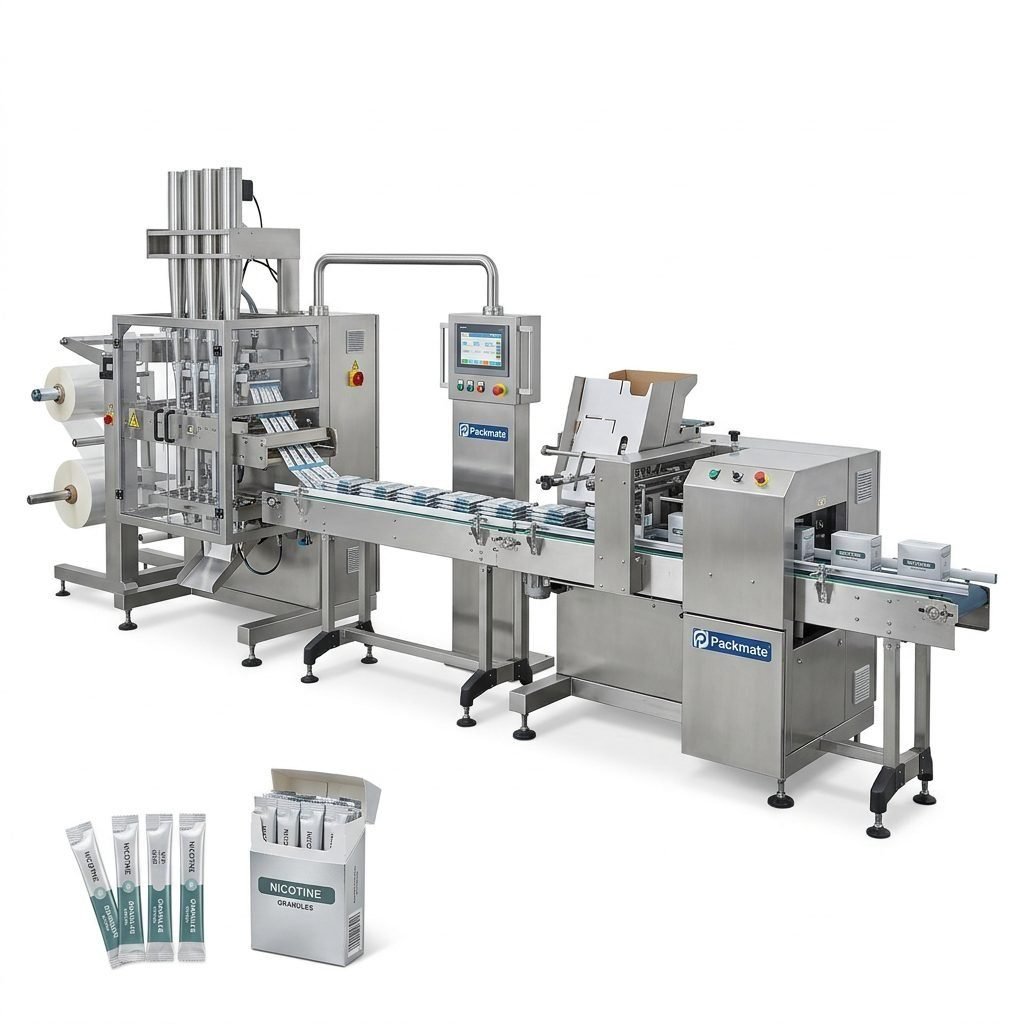
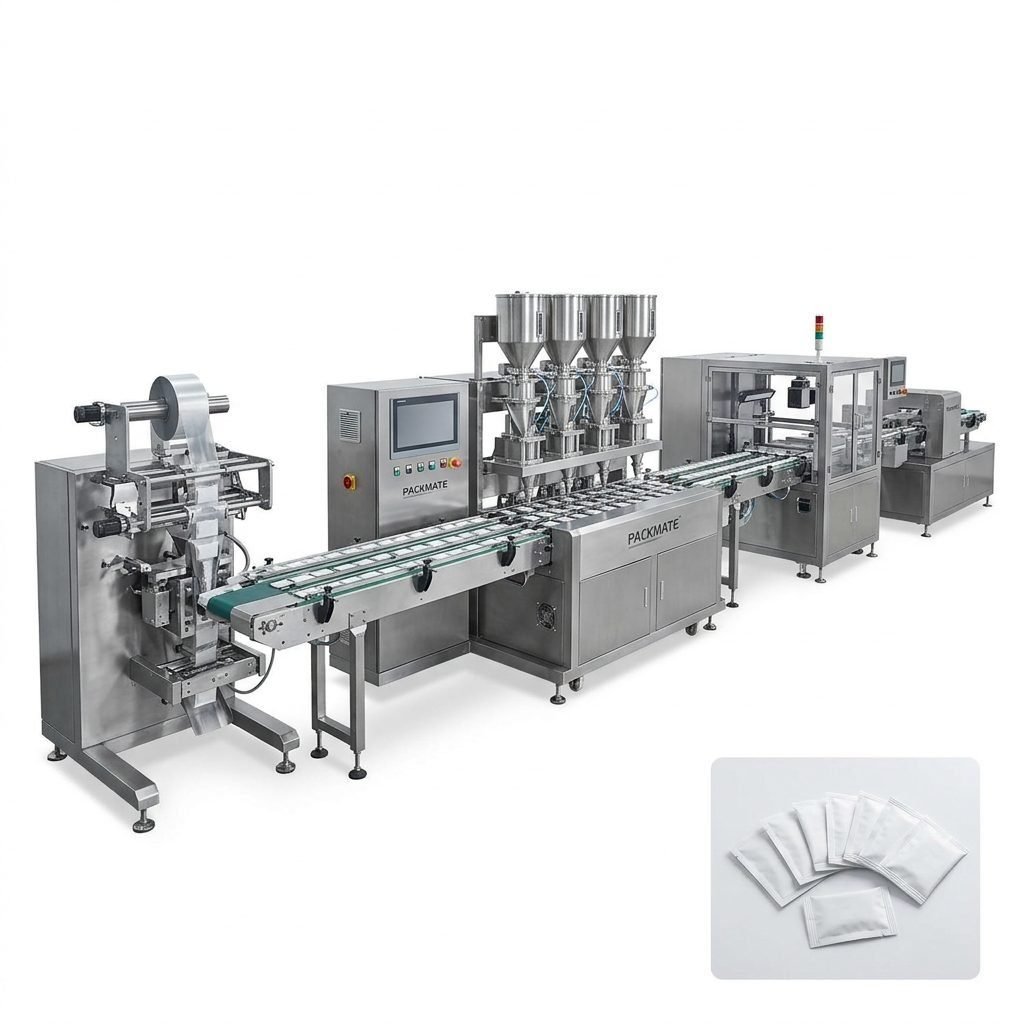
The cost of a nicotine pouch (snus) packaging machine is rarely a fixed number. Buyers must consider machine type, production capacity, automation level, materials handling, certification requirements, and long-term service commitments. This guide breaks down the real costs, the variables that drive price, and practical ways to calculate total investment and expected return on investment (ROI).
Understanding the Price Range: What to Expect
Entry-level single-lane nicotine pouch machines start at a relatively modest capital outlay for businesses testing the market, while high-speed multi-lane systems for large-scale production come with substantially higher prices. Typical ranges you might see in the market include:
Small / Pilot Units: Often from limited thousands to tens of thousands USD — designed for R&D, sampling, and low-volume production.
Medium Capacity Lines: Typical investment can range from mid five-figures to low six-figures USD, depending on automation and packaging formats.
High-Speed Multi-Lane Systems: High-end turnkey lines used for full-scale manufacturing often cost six-figures to several hundred thousand USD.
Why prices vary so much
Price variation is a function of both machine capabilities and the complete solution scope. When suppliers quote a number, ask whether it includes installation, commissioning, training, spare parts, and documentation. If not, you will need to account for those add-ons in your budget.
Key cost drivers
Several technical and commercial factors influence the final price. Below are the most significant:
🔧 Machine type & format: Stick pack, sachet, multi-lane nicotine pouch machines and complete lines have different complexities. Multi-lane pouch systems require more sophisticated synchronization and are more expensive.
⚙️ Production speed & capacity: Higher throughput requires stronger frames, better drives, and advanced control systems — all of which increase cost.
🧰 Level of automation: Automatic material feeders, inline weighers, vision inspection, and robotic case packing raise the capital cost but lower labor costs over time.
🛠️ Materials & tooling: Contact parts in stainless steel, special coatings, custom molds, and tooling sets add to the price.
📜 Certifications & compliance: CE, ISO, and industry-specific requirements can necessitate design changes, validation documentation, and tests that increase costs.
🌍 Logistics & installation: Shipping, customs, on-site installation, and training are commonly omitted from machine base prices and must be budgeted separately.
🧾 After-sales service & spare parts: Extended warranties, fast spare part delivery, and local support improve uptime but often come at an additional annual cost.
Assessing Total Cost of Ownership (TCO)
Purchase price is only part of the story. TCO includes energy, consumables, labor, maintenance, downtime, and depreciation. A lower purchase price can be offset by higher operating costs and poor uptime. Below are the major components you should evaluate.
Operating cost categories
Consider these recurring expenses when comparing machines:
⚡ Energy consumption — motor size, servo systems, and heating elements affect electricity usage.
🧩 Spare parts & wear items — seals, belts, cutting knives, and sensors wear over time and must be replaced.
👷 Labor — level of operator skill required and shift patterns determine staffing needs.
🧪 Quality control — inline inspection systems reduce rejects but require investment and calibration.
🔧 Maintenance & service contracts — preventive maintenance and prompt technical support maintain uptime.
How to calculate ROI and payback
To estimate ROI, build a simple model that compares scenarios: buying a cheaper machine vs a more capable one. Key inputs include initial investment, expected daily output, margin per unit, labor savings from automation, and maintenance costs.
Example formula to estimate simple payback:
Annual benefit = (Additional units produced x profit per unit) + labor savings − incremental maintenance
Payback period (years) = Initial investment / Annual benefit
A practical example
If a higher-capacity multi-lane machine costs 150,000 USD and a smaller system costs 60,000 USD, the incremental investment is 90,000 USD. If the larger machine yields an extra 500,000 units per year at a 0.02 USD net profit per unit, that equals 10,000 USD annual benefit. Add labor savings and reduced rejects — perhaps another 8,000 USD per year. With annual benefit = 18,000 USD, payback ≈ 5 years. These are illustrative numbers; adapt them to your product margins and production plan.
Ways to reduce initial cost without sacrificing quality
You can control capital expenditure while still investing in reliable equipment. Here are practical strategies:
1. Select modular designs that let you add lanes or modules later.
2. Prioritize features that reduce variable costs (e.g., good sealing quality to reduce rejects) over cosmetic upgrades.
3. Consider refurbished or demonstration machines from reputable manufacturers to save initial capital.
4. Negotiate training and spare parts bundles into the price — suppliers often have flexibility.
5. Evaluate financing options offered by suppliers or third-party banks to spread payments.
When to choose a turnkey solution
A turnkey line is preferable if you need a guaranteed output, integrated quality controls, and predictable commissioning timelines. A single supplier responsibility often reduces integration risk and hidden costs. If you are scaling from small batches to industrial volumes, a turnkey project can be more cost-effective long term.
Evaluating suppliers — beyond the sticker price
Supplier selection affects both price and future operating expenses. Consider the following selection criteria:
✅ Proven track record: Look for references and case studies that match your product and throughput.
✅ Factory capability & certifications: A manufacturer with CE, ISO, and a modern facility reduces delivery risk — see About Packmate for an example of a certified manufacturer.
✅ After-sales support: Ask about response times, spare part inventory, and remote support capabilities.
✅ Customization & flexibility: Your supplier should be able to modify configurations for unique pouch sizes, fillings, and materials.
Where to find reliable nicotine pouch packaging machines
When researching suppliers, review product portfolios and real-world cases. Packmate Snus Machine offers a range of options from single-lane units to multi-lane turnkey lines with advanced CNC machining and quality assurance. Explore product categories and case studies to match your needs:
Snus & Nicotine Packaging Machines — product details and models
Sachet & Stick Pack Machines — formats and applications
Full Filling & Packaging Lines — integrated production lines
Why factory capability matters
Suppliers with modern CNC centers, robust assembly lines, and strict quality testing can deliver machines that run longer with fewer adjustments. A strong factory also supports customization, faster lead times, and better spare parts availability.
Common additional costs to budget for
When planning your capital budget, don’t forget these common extras:
• Installation & commissioning
• Operator & maintenance training
• Spare parts kits and wear-item packages
• Validation and documentation for regulated markets
• Local electrical, air, and foundation work
Used & demo machines: pros and cons
Buying used or demo machines can reduce initial expenditure, but inspect service history and remaining life of wear parts. A used multi-lane machine may offer great value if it was well maintained and refurbished by the original manufacturer.
Checklist for used machines
Ask for run-time hours, spare parts list, refurbishment details, reference contacts, and a demonstration video of the machine running your product or a similar product.
Making the final decision
The best buy balances purchase price, expected uptime, and operational costs. Favor suppliers who combine solid engineering, clear documentation, and accessible support. Visit the supplier’s facility or request a factory acceptance test (FAT) if possible — this reduces the risk of surprises at installation.
📌 Tip: Request a full quote that itemizes machine cost, installation, training, spares, and a warranty period. This makes vendor comparison transparent.
📌 Tip: Compare total delivered cost to your facility (including duties and transport) rather than factory price alone.
Further resources and next steps
If you are researching suppliers and product options, consider reviewing product catalogs and case studies to see real-world performance. Packmate’s product pages and case studies can provide examples of machine models and completed installations to help you narrow choices:
Bag & Pouch Packaging Machines — formats and solutions
Our Exhibition & live demos — upcoming shows and demos
Contact the manufacturer for tailored proposals — Contact Us
Final thoughts
Investing in a nicotine pouch packaging machine requires careful analysis of both upfront and ongoing costs. Prioritize machines that offer long-term reliability, easy maintenance, and good local support. Use a simple ROI model to compare options and seek transparent, itemized quotes that include installation and service commitments.
Frequently Asked Questions
Q1: How much does a basic nicotine pouch machine cost?
A: Basic pilot or entry-level machines can start in the low-to-mid five-figure USD range, but exact prices depend on format, speed, and included accessories.
Q2: Are spare parts expensive?
A: Wear parts like knives and belts are consumable expenses. Ordering a spare parts kit at purchase time and establishing a local supply reduces downtime and cost spikes.
Q3: Is a used machine a good option?
A: Used machines can save capital but require careful inspection, service history verification, and potentially a refurbishment budget. Manufacturer-backed refurbished units offer the best balance of risk and savings.
Q4: Do suppliers offer financing?
A: Many suppliers provide financing or partner with financial institutions to offer leasing options. Ask for payment terms and finance packages as part of the quotation process.