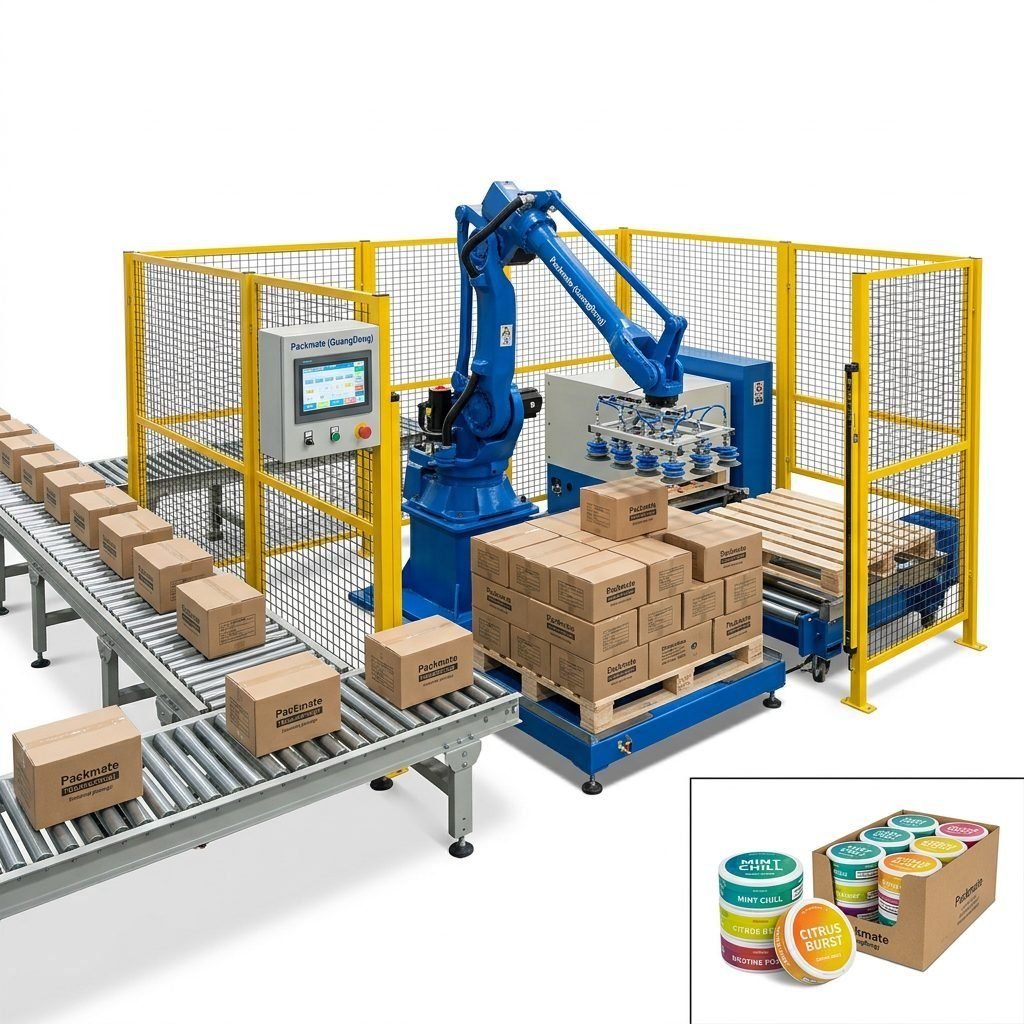
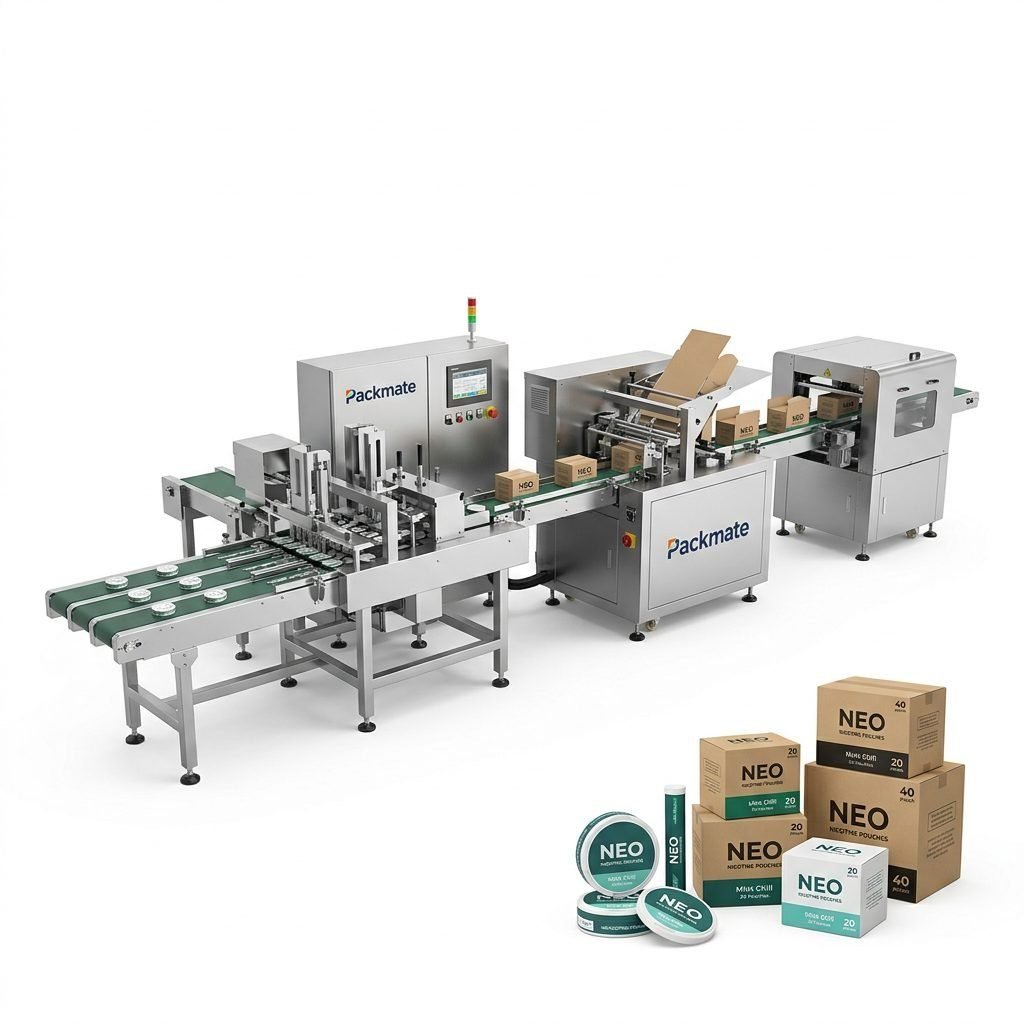
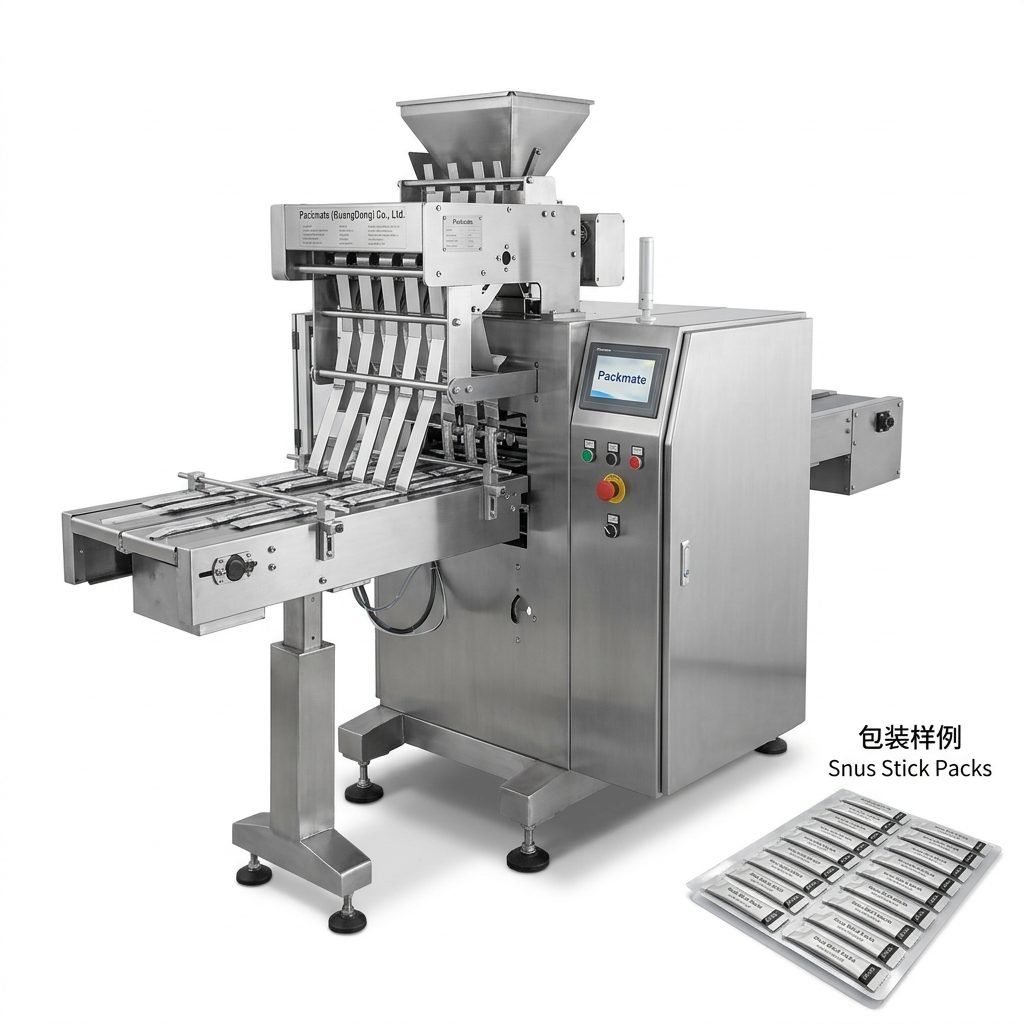
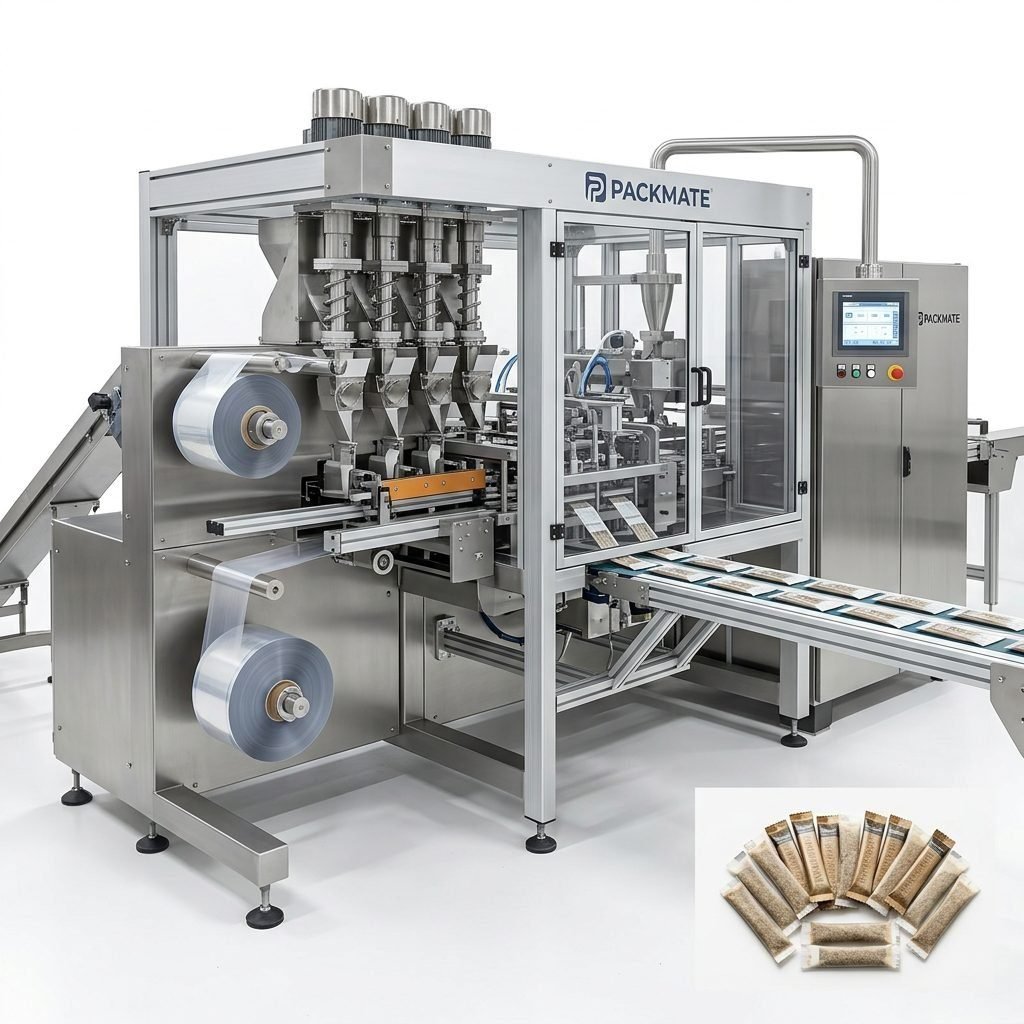
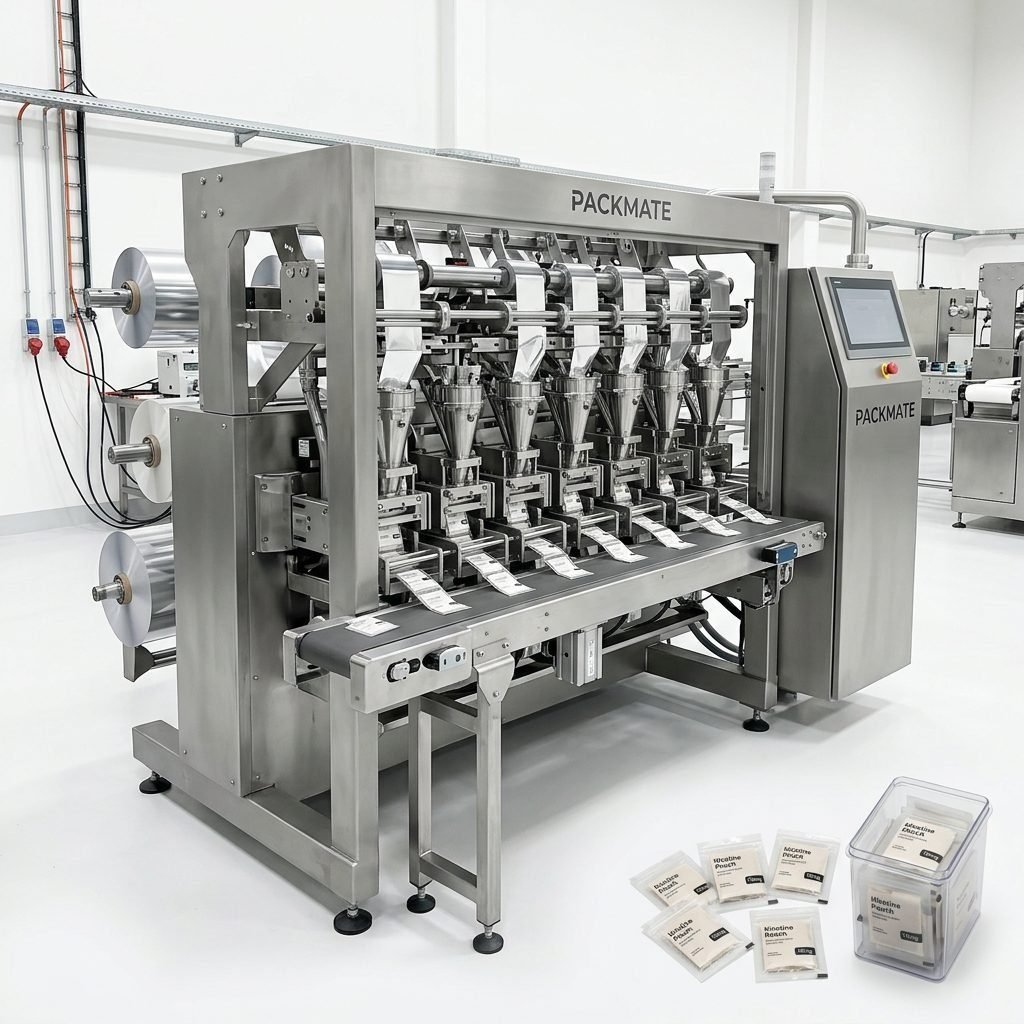
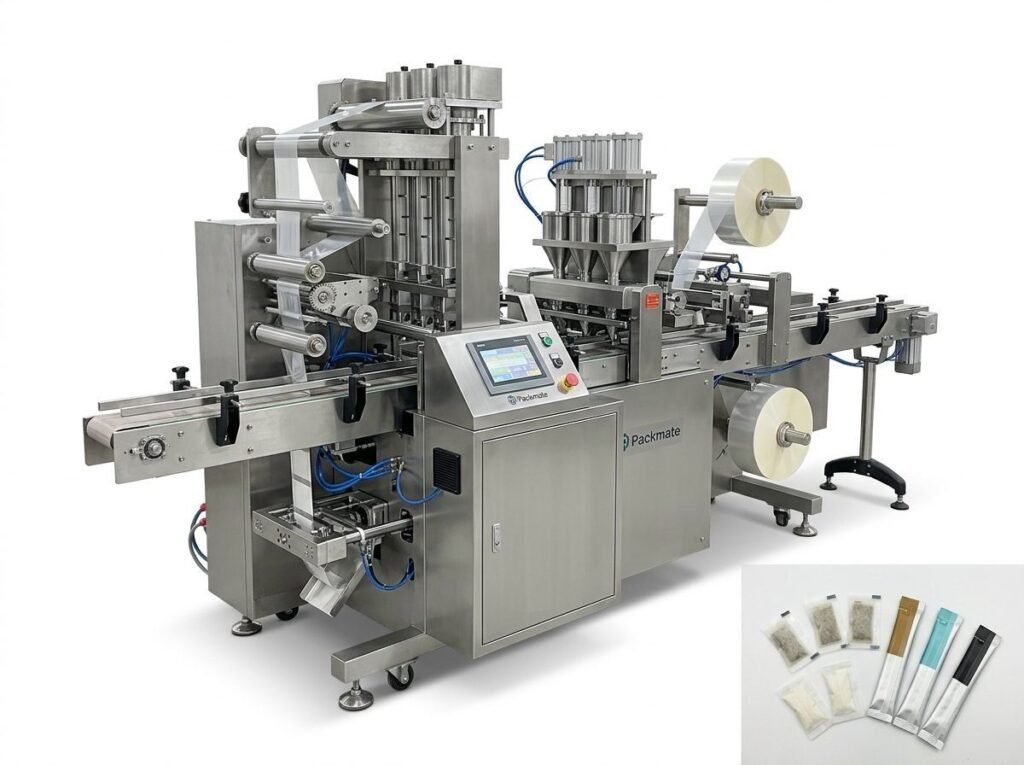
Choosing the right nicotine packaging machine in Burundi can make or break your small to medium manufacturing operation. Whether you are launching nicotine pouches, snus, or other oral nicotine products, the right equipment balances reliability, compliance, and cost-effectiveness. This guide walks you through practical, market-aware steps to select the best machine for your Burundi business, with actionable points on machine type, capacity, local logistics, certifications, and supplier support.
Understanding the Burundi Market & Local Customs
Burundi is a compact market with consumption concentrated in urban centers like Bujumbura and Gitega. Business operators often work with small-batch production runs and value machines that are easy to operate and maintain. French and Kirundi are commonly used in business, so consider training materials and user interfaces with multilingual support. Power stability can vary by region, so machines tolerant to voltage fluctuations or equipped with UPS options are advantageous.
Key local considerations
🔧 Power and infrastructure: plan for stabilizers or backup generators.
📦 Small-batch flexibility: multi-lane or modular systems let you handle varied SKUs.
⚖️ Regulatory & health awareness: align packaging and labeling with local laws and export standards if you plan to sell regionally.
What Types of Nicotine Packaging Machines Are Best for Burundi?
Different product formats demand different machines. Below are common options and why they might fit your Burundi operation.
Stick pack & Sachet machines
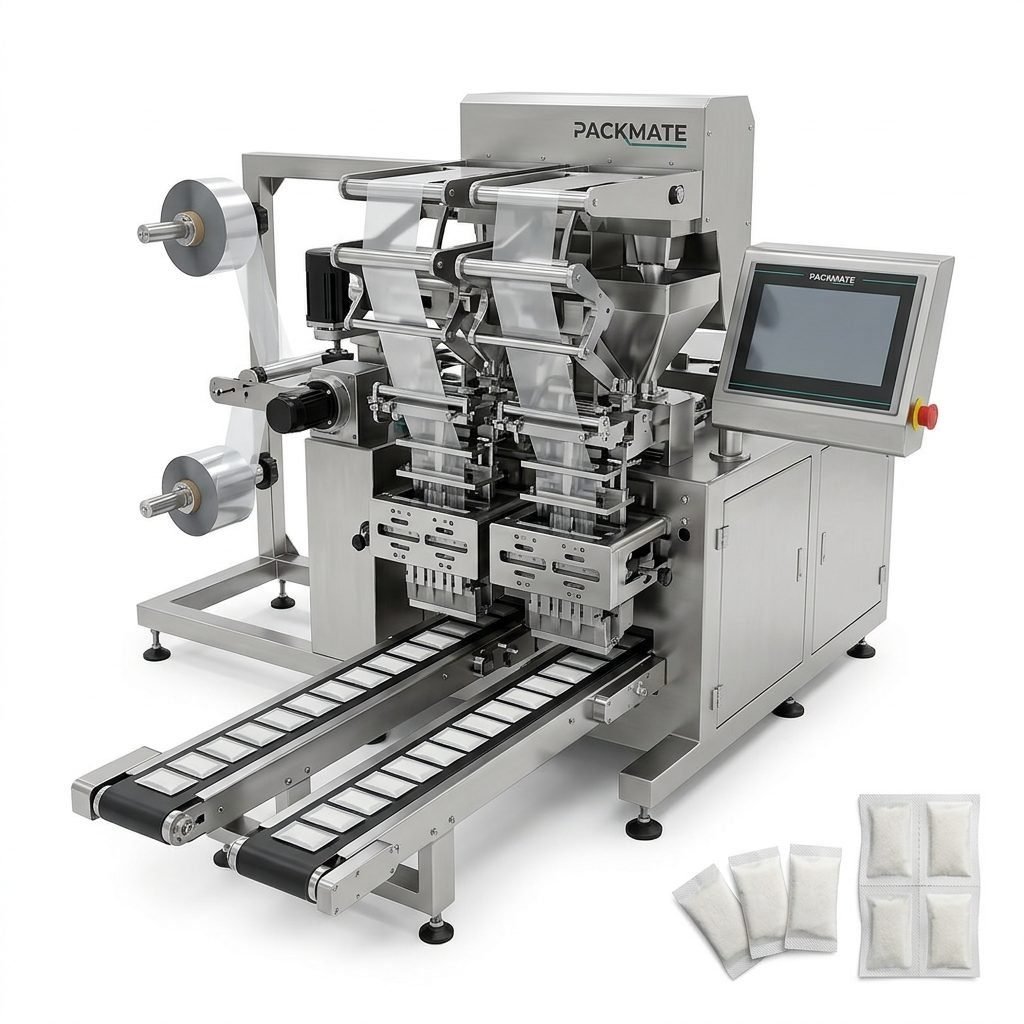
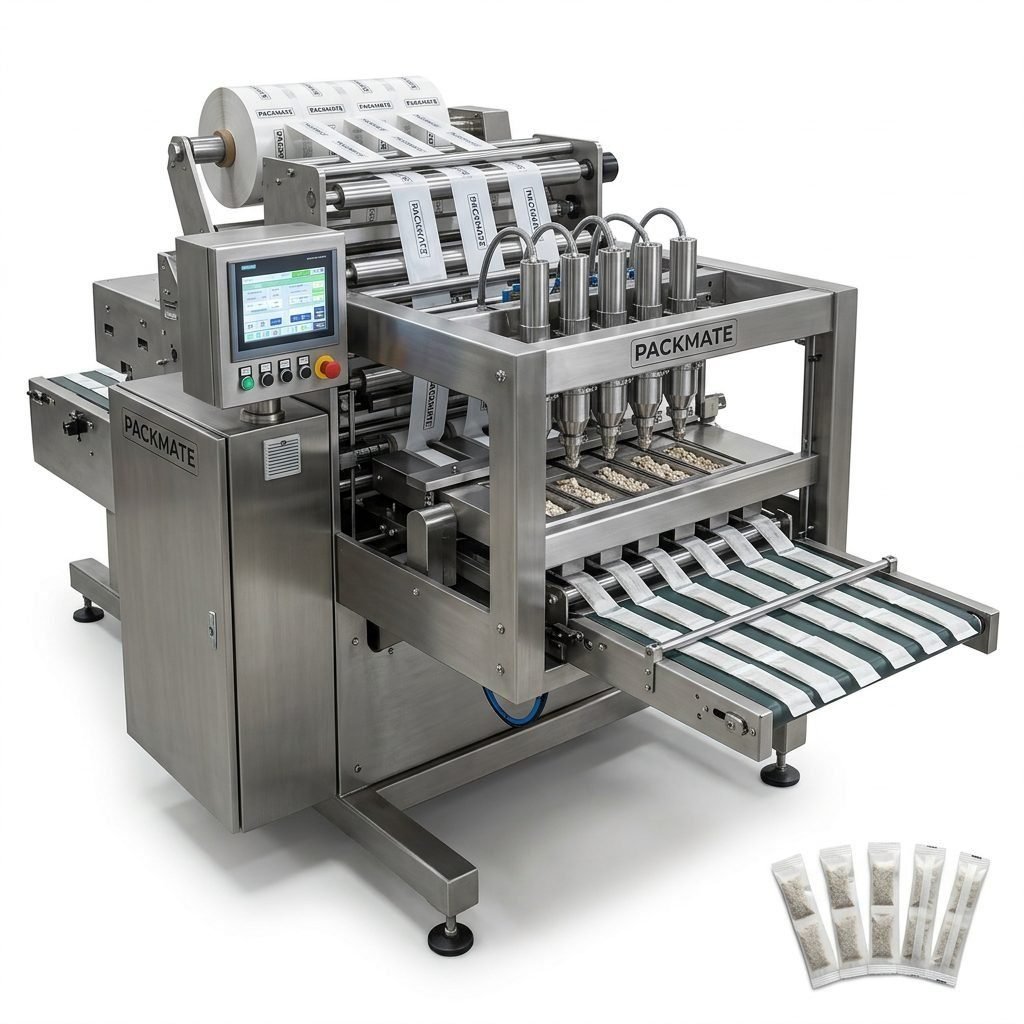
These are ideal for single-portion nicotine pouches and are usually cost-effective for low- to mid-volume producers. Stick pack machines are compact, simple to operate, and offer rapid SKU changes—perfect for businesses testing the market.
Multi-lane pouch machines
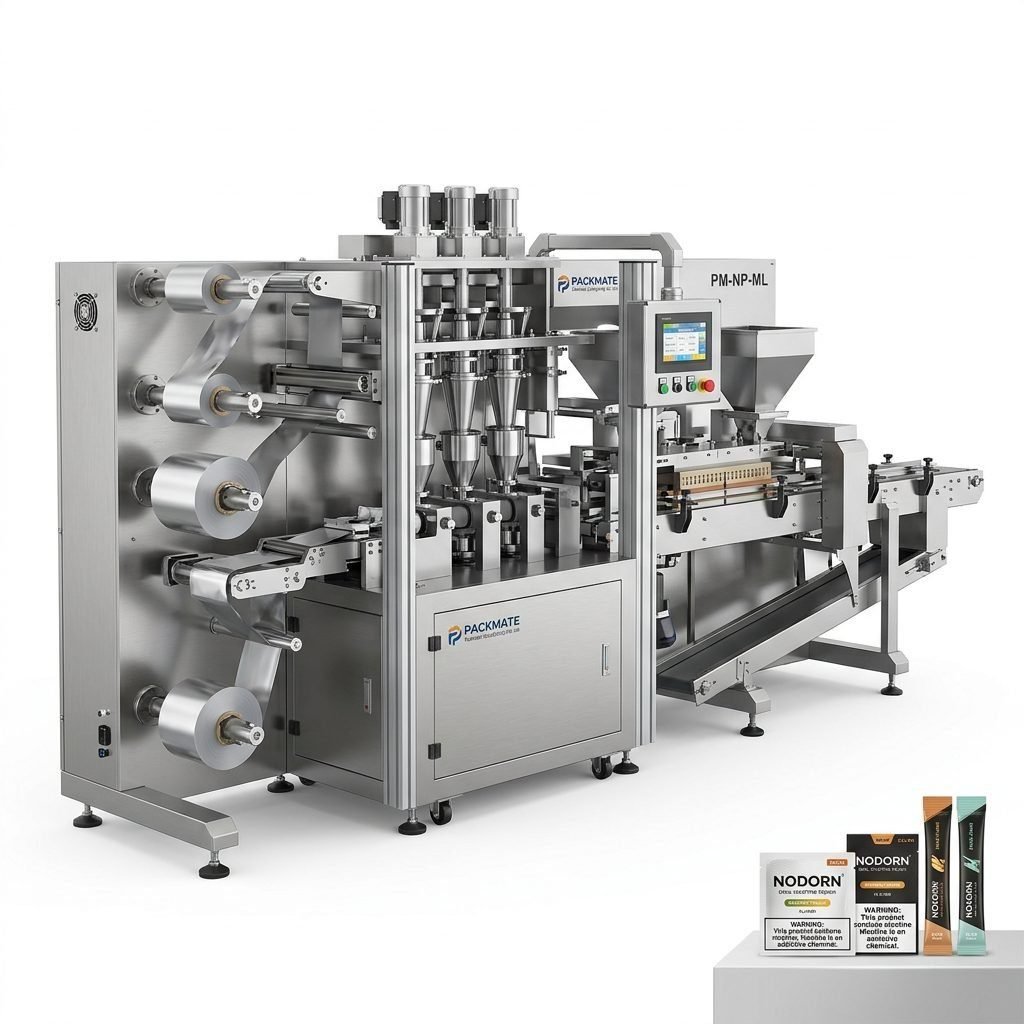
If your plan is to scale or serve regional demand, multi-lane systems provide higher throughput while keeping footprint efficient. They can produce multiple lanes of pouches simultaneously, lowering per-unit costs when volume increases.
Automated filling & weighing systems
For precision dosing—especially with powder or fine-grain nicotine formulations—integrated weighing feeders ensure consistency and compliance. These are essential when exact dosage control affects product safety and customer trust.
✅ Recommendation: Start with a flexible stick pack or sachet machine for R&D and early sales, then invest in a multi-lane system as demand grows.
Technical Specifications to Prioritize
When comparing models, pay attention to the following technical specs to ensure long-term reliability in Burundi’s operating conditions.
- Production speed (ppm or bags/min): match to your target daily output.
- Filling accuracy: crucial for nicotine dosage control—look for precise gravimetric or volumetric systems.
- Changeover time: shorter changeovers reduce downtime when running multiple SKUs.
- Power requirements & tolerance: ensure compatibility with local supply and plan for voltage protectors.
- Material compatibility: foil, composite films, or biodegradable films—confirm sealing temperatures and form-fill options.
Control and automation features
Modern HMI panels, recipe storage, and PLC controls reduce human error and speed up batch changes. Look for machines with remote diagnostics for faster troubleshooting—valuable when local service engineers are limited.
Compliance, Certification & Export Requirements
International certifications (CE, ISO) indicate the machine meets safety and quality benchmarks—important if you plan to export or seek financing. Ensure the machine manufacturer provides documentation for electrical safety, hygiene (food/pharma grade where relevant), and calibration records for dosing systems.
Tip: Ask suppliers for Certificate copies and maintenance logs of demo units to validate reliability claims.
Selecting a Supplier: Service Matters as Much as Machine Specs
For Burundi, after-sales support, spare parts availability, and training are often more important than squeezing a few percentage points off the purchase price. Choose a supplier who offers:
- Local or regional technical partners for maintenance
- Comprehensive commissioning and operator training (in French or translated manual)
- Spare parts kits and clear lead times for replacements
- Remote support and diagnostic services
Explore reputable manufacturers with a proven track record in nicotine packaging. For example, Packmate is a specialist in snus and nicotine packaging machines with extensive multi-lane and stick pack solutions—see their product range to compare models and services: Snus & Nicotine Packaging Machines.
Evaluate support structure
🔍 Check references and ask for case studies from similar markets. Packmate’s case studies and global projects illustrate how machines perform across different regions: Case.
Cost, Financing & Return on Investment
Initial price is only part of the total cost of ownership. Consider installation, training, spare parts, energy consumption, and the expected lifespan of wearing parts (belts, cutters, seals). Create a 3-year ROI model that includes:
- Daily throughput x production days per month
- Material costs and film yield
- Labor costs with automation adjustments
- Planned maintenance and spare parts expense
⚖️ Cost balance: A slightly higher-capability machine can reduce labor and downtime, often paying back faster than the cheapest unit.
Logistics: Import, Installation & Local Setup in Burundi
Importing equipment requires clear planning for shipping, customs clearance, and local rigging. Choose suppliers who offer door-to-door options or work with experienced freight forwarders and local installation partners. Ensure the supplier coordinates with you on required site preparations—power, compressed air, floor reinforcement, and waste handling.
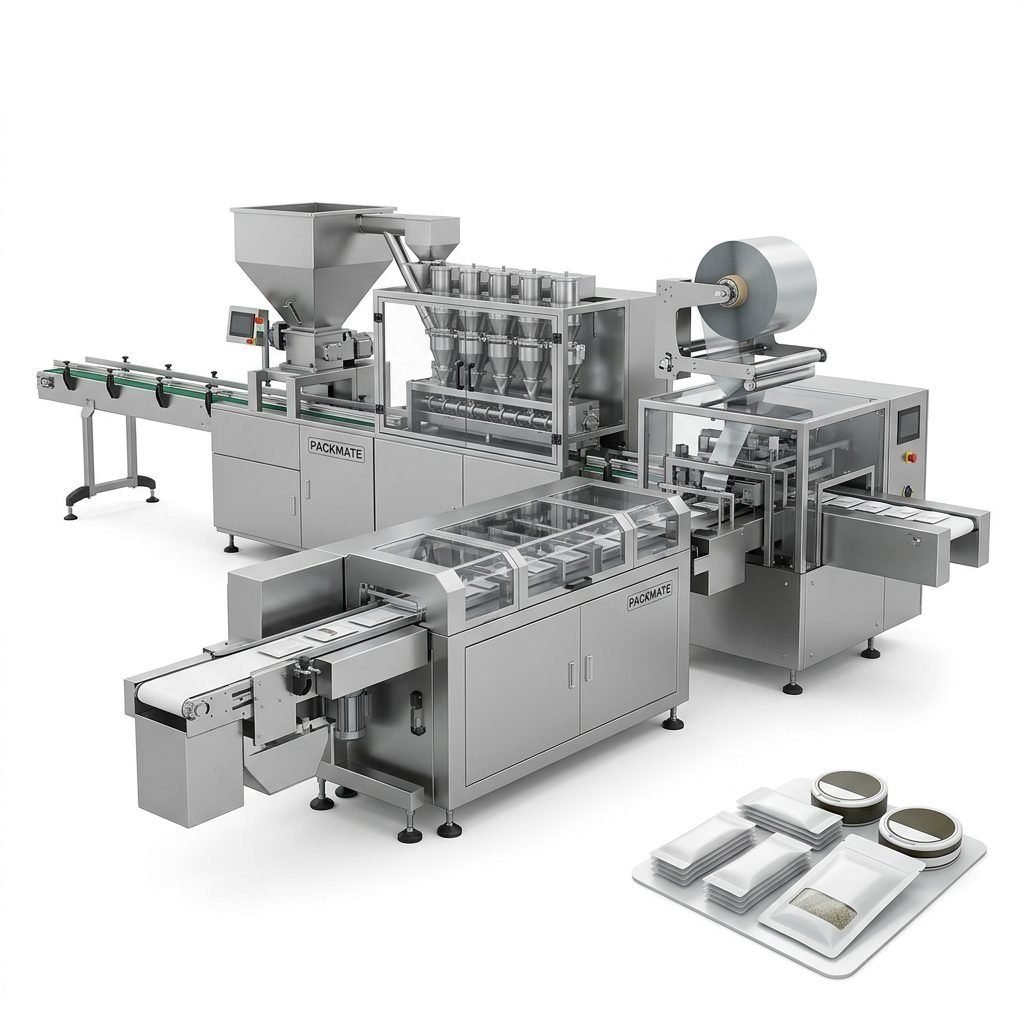
For turnkey solutions and tailored lines, you can review comprehensive systems and auxiliary equipment to complete your line: Filling & Packaging Lines and Auxiliary Packaging Equipment.
Installation, Training & Start-Up Best Practices
Plan a structured start-up with supplier involvement. Key steps include:
- Pre-installation site checklist (power, air, floor, lighting)
- On-site commissioning by qualified engineers
- Operator and maintenance training in your preferred language
- Run-in period with QA validation and sample retention
If the supplier offers service contracts, these can be invaluable for the first year—ask about preventive maintenance schedules and remote monitoring options.
Maintenance Tips to Maximize Uptime
Regularly scheduled maintenance prolongs machine life. Keep an inventory of common wear parts and train local staff for routine tasks: cleaning, lubrication, belt checks, and cutter inspections. Remote support and quick spare parts access reduce downtime risk.
🔁 Preventive checklist: daily cleaning, weekly inspections, monthly calibration of dosing systems, quarterly spare parts review.
Why Choose a Specialist like Packmate?
Specialist manufacturers bring domain expertise. Packmate focuses on snus and nicotine pouch packaging, offering a broad range of machines and turnkey solutions with decades of engineering experience. Explore their factory capabilities and certifications to verify build quality: About Packmate and Certificate.
Real-world implementations
Check case studies to see how similar lines perform under diverse conditions. Their exhibition and case pages provide examples of machines in action across continents: Our Exhibition.
Practical Purchase Checklist
Before placing an order, verify:
- Machine specifications match your production target and film compatibility
- Training language and documentation are available in French or translated
- Clear warranty, spare parts lead times, and service contracts
- Pre-shipment inspection and acceptance criteria
- Commissioning and after-sales contact person confirmed
📋 Final check: confirm import documentation and local installation requirements before shipment.
Conclusion
Selecting the best nicotine packaging machine for your Burundi business means balancing local realities with technical capability. Start with flexible, user-friendly equipment for market entry, prioritize suppliers who provide strong after-sales and training support, and plan for scalability as demand grows. With careful planning—covering power stability, regulatory compliance, and spare parts—you can build a cost-effective, reliable production line.
Further resources
If you want detailed model comparisons, turnkey solutions, or service contracts, visit Packmate’s product pages for technical specs and support options: Sachet & Stick Pack Machines and Service.
Common Questions
Q1: How do I choose between a stick pack and multi-lane machine?
A1: Choose stick pack or sachet machines for low-volume flexibility and low investment. If you foresee steady demand growth, a multi-lane machine reduces unit cost at higher throughput.
Q2: Are CE and ISO certificates necessary for Burundi operations?
A2: While not always legally required, CE and ISO certifications are critical for safety assurance and essential if you plan to export or attract institutional buyers.
Q3: What is the typical lead time for delivery and installation?
A3: Lead times vary by model and options. Standard machines may take 8–12 weeks; complex turnkey lines can take longer. Confirm lead times and pre-shipment inspection with your supplier.
Q4: How important is local training and spare parts stock?
A4: Extremely important. Training reduces operator error, and local spare parts reduce downtime. Aim to keep an initial spare parts kit for wear components.
Q5: Where can I get more information or contact a supplier?
A5: For product catalogs, technical details and direct contact options, see the manufacturer’s contact page: Contact Us.