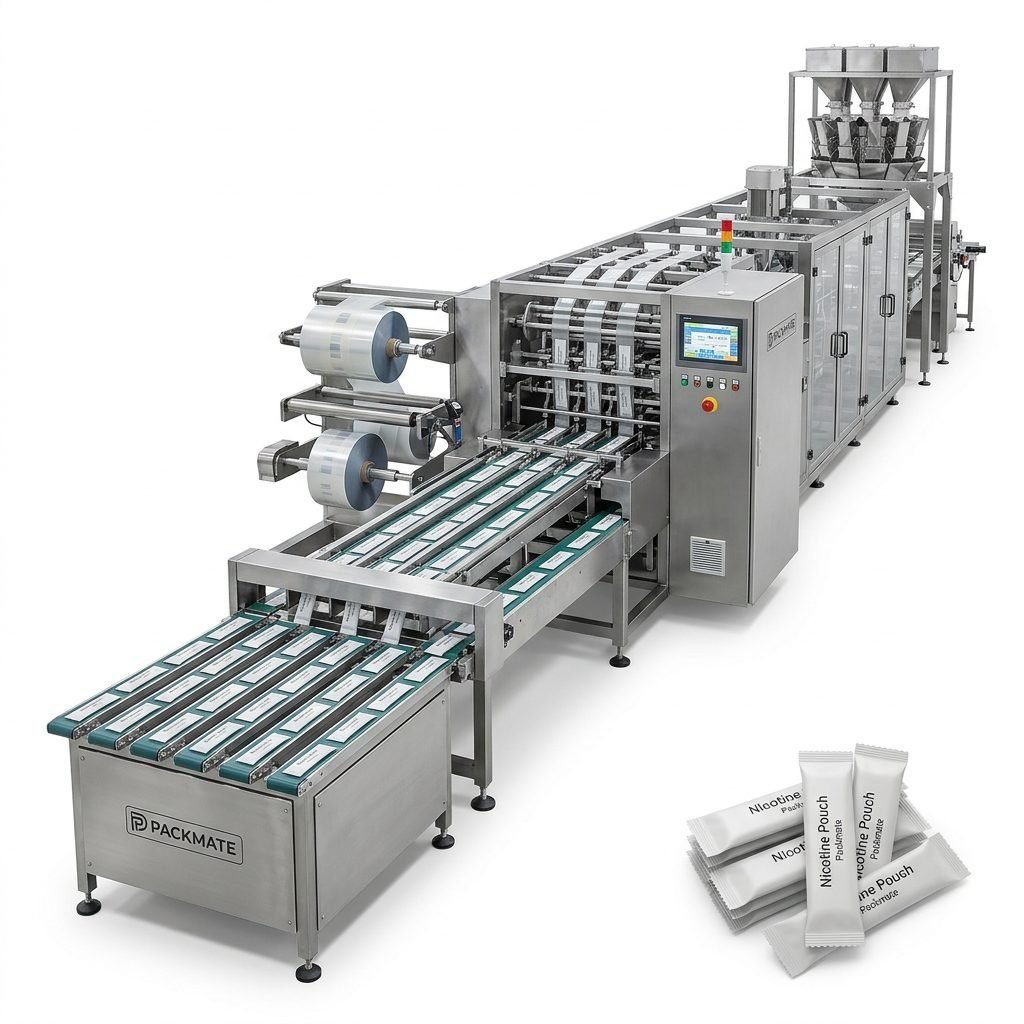
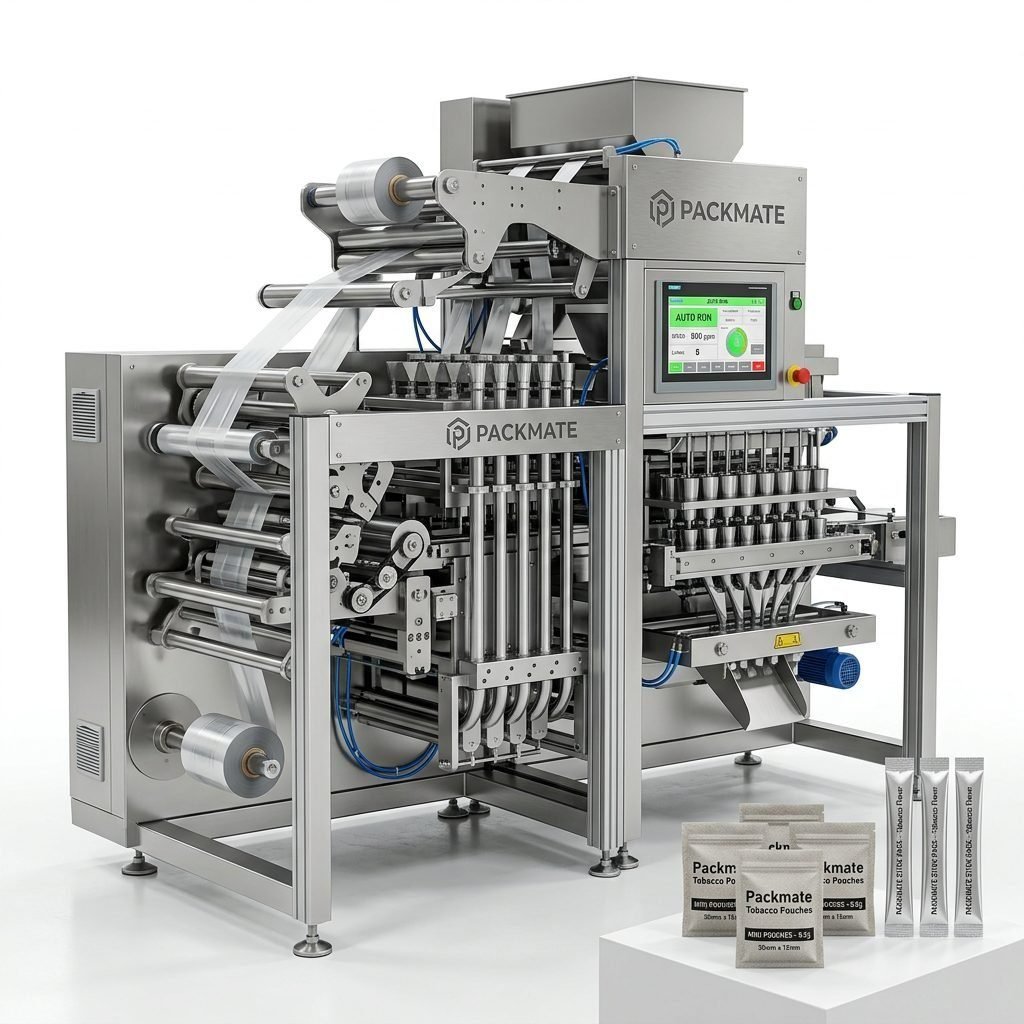
Choosing the right snus packaging machine manufacturer in Latvia can make or break your production line efficiency, product consistency, and regulatory compliance. Whether you’re launching a new nicotine pouch brand for Baltic markets or scaling up supply for Northern Europe, understanding the manufacturing capabilities, local market habits, and technical requirements is essential. This guide walks you through practical steps, key evaluation criteria, and Latvia-specific considerations to help you select the best snus packaging machine partner for your production needs.
Why the Manufacturer Matters: Production, Quality and Compliance
📌 Manufacturer choice impacts more than the machine itself — it affects uptime, maintenance cost, product quality consistency, and regulatory readiness. A reputable manufacturer provides: robust engineering, easy-to-service designs, validated accuracy for small-dose pouches, spare parts availability, and documentation for CE / ISO compliance.
Key outcomes to expect from a reliable supplier
⚙️ Accurate weight control and multi-lane synchronization for small-dose snus and nicotine pouches;
✅ Repeatable sealing and pouch integrity to avoid leaks or contamination;
🔍 Clear traceability and validation documents for EU audits;
📌 Fast technical support and spare parts logistics across Europe.
Understand Latvia’s Market and Cultural Context
Latvia, as part of the Baltic region, shares consumption patterns influenced by nearby Nordic traditions where snus and nicotine pouches are well known. However, local habits combine a conservative regulatory approach with a growing trend toward tobacco-free nicotine products. When choosing a manufacturer, consider the following Latvia-specific factors:
📍 Local demand patterns: Nicotine pouches (tobacco-free) are gaining traction among younger adult consumers and urban populations in Riga and other Latvian cities. Package sizes and single-dose formats are popular for on-the-go use.
📍 Regulatory landscape: Latvia follows EU directives. Traditional tobacco-containing snus may face strict rules — confirm legal status and labeling requirements with local authorities before production.
📍 Cultural Packaging Preferences: Minimalist designs, compact cans, and discreet pouches are commonly preferred. Sustainable packaging and recyclable materials are increasingly valued.
Technical Criteria: Machines that Fit Snus & Nicotine Pouch Production
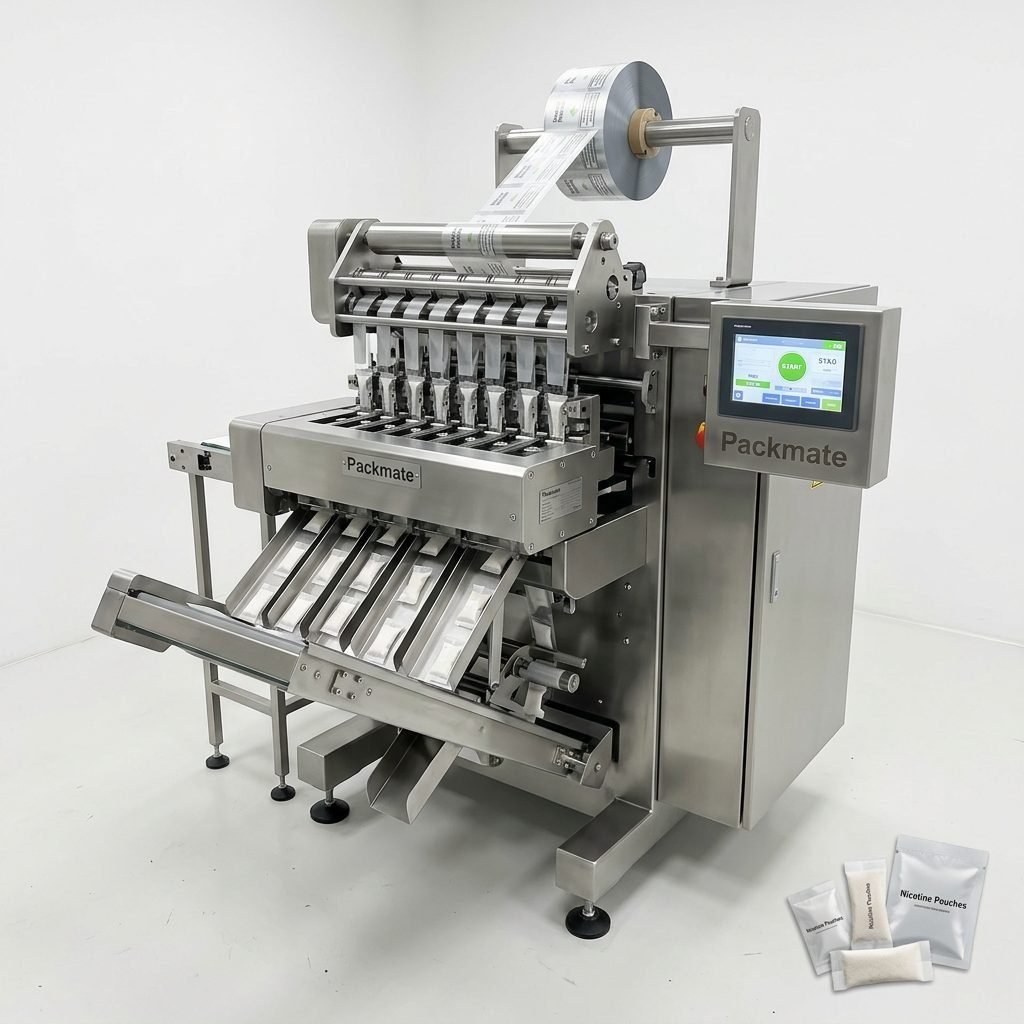
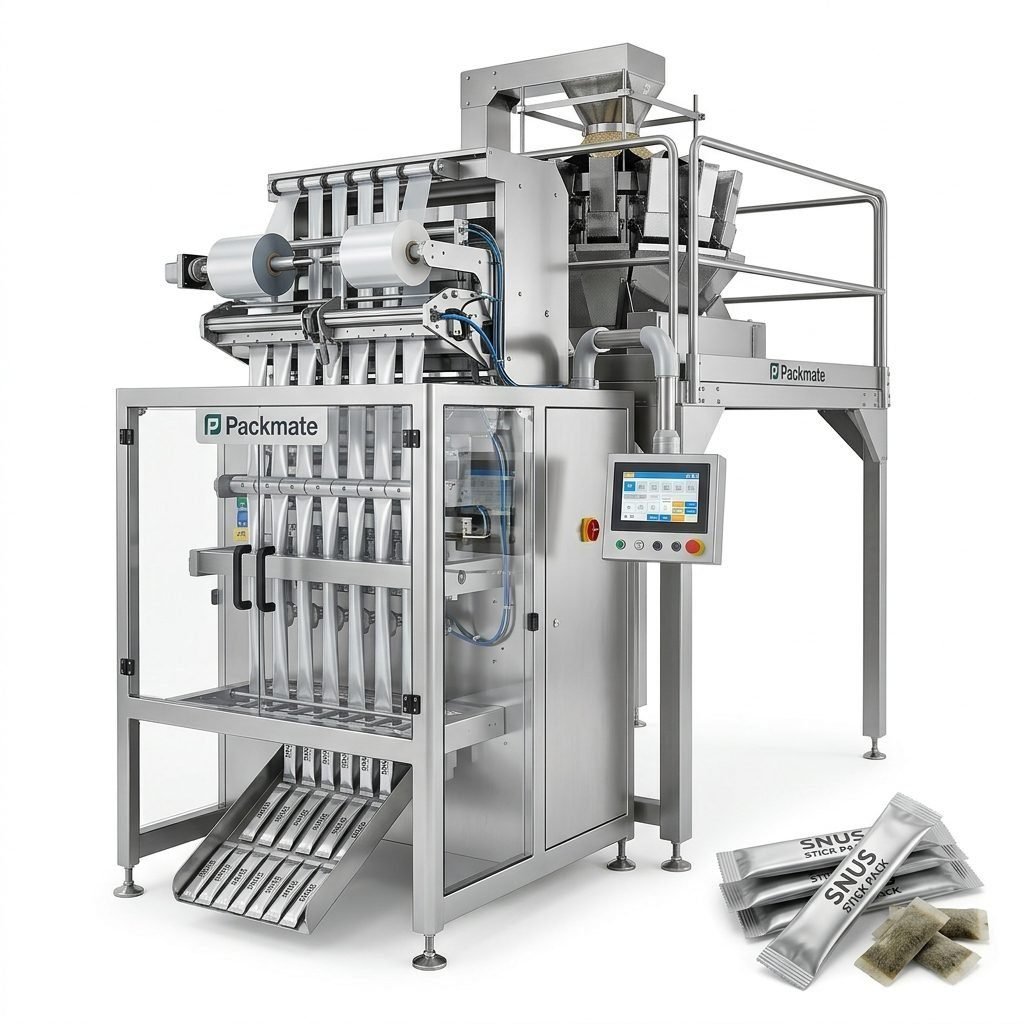
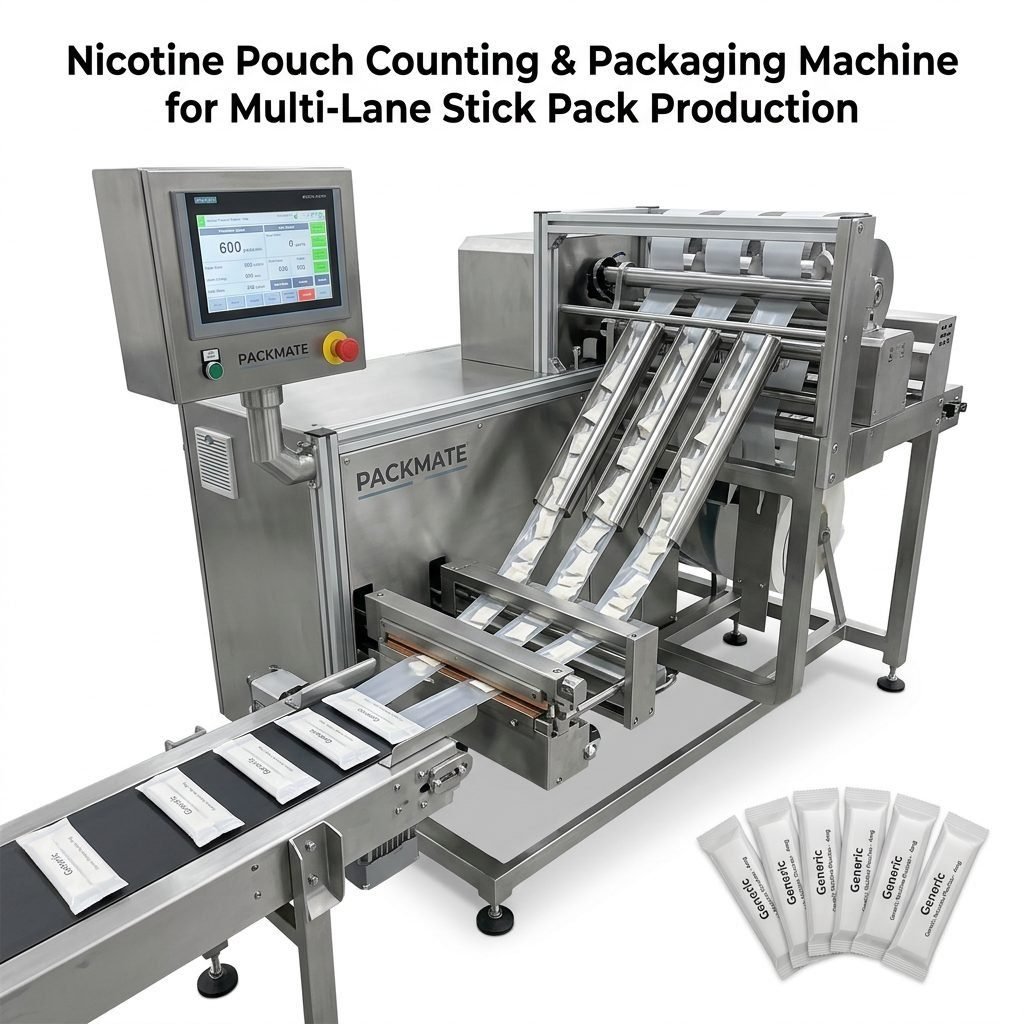
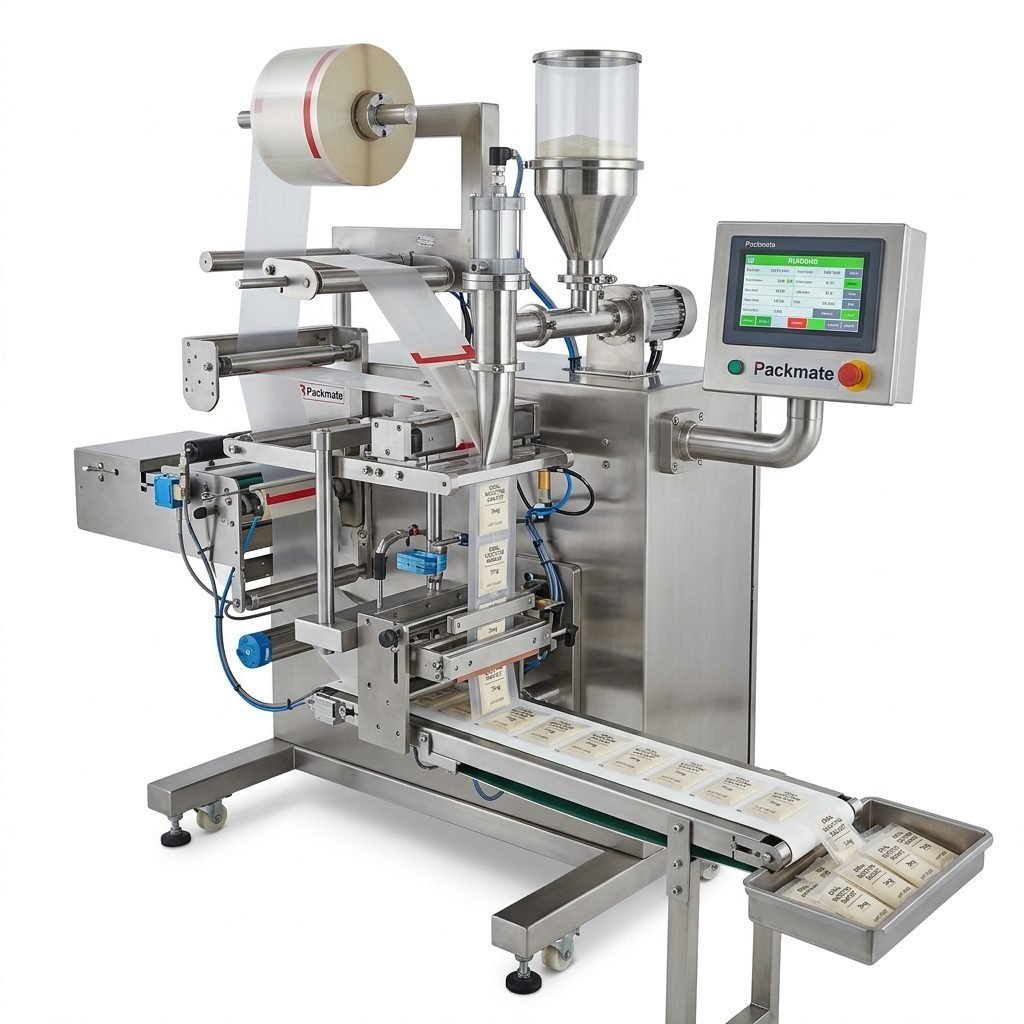
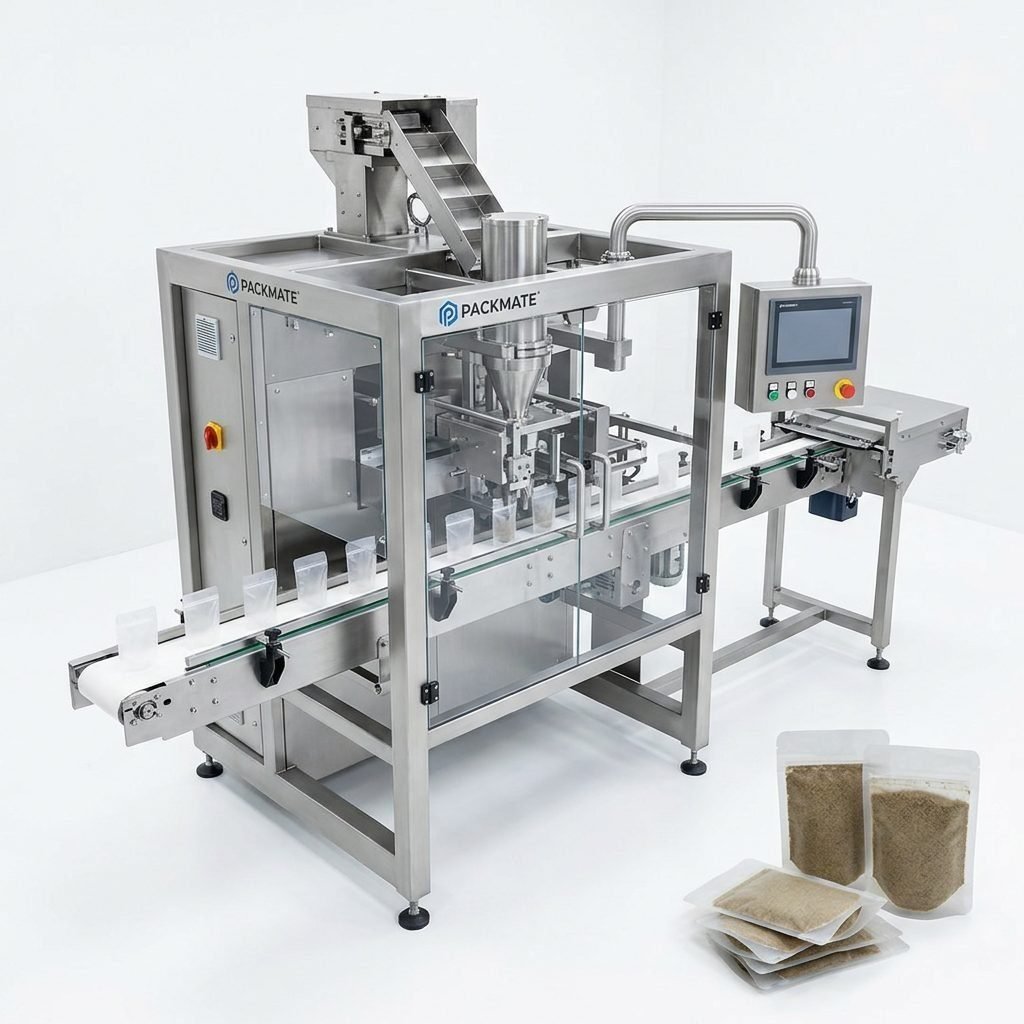
When evaluating manufacturers, examine machine specifications that match your product format and output targets. Common snus packaging options include sachet-style pouches, stick packs, and multi-lane systems for high-output small-dose pouches.
Essential performance indicators
– Filling accuracy (critical for nicotine dosing compliance);
– Sealing quality for moisture-sensitive products;
– Speed vs. stability trade-off—multi-lane options increase throughput but require precise synchronization;
– Changeover time for switching pouch sizes or formats;
– Hygienic design for easy cleaning, especially when producing food-contact or nicotine products.
Manufacturing Capabilities to Look For
Not all manufacturers are equal. Seek suppliers who can demonstrate engineering depth, factory scale, and service systems that support long-term production.
🔧 Production footprint: A spacious, well-equipped factory (CNC machining, precision assembly lines) indicates capacity to build and maintain complex multi-lane systems.
🔧 Model variety & customization: A broad product range and customization options mean the manufacturer can adapt machines to your specific pouch type and packaging materials.
🔧 Quality systems: CE and ISO compliance plus documented testing procedures reduce the risk of performance gaps.
Service, Support and Spare Parts Logistics in Latvia
For operations in Latvia, evaluate the manufacturer’s European support footprint and spare-part logistics. Quick access to technicians and components minimizes downtime — a top priority for high-volume snus lines.
What to verify
– Remote support capabilities (PLC/HMI remote diagnostics);
– Spare parts warehousing within or near Europe for fast shipments;
– Training programs for operators and maintenance teams;
– Availability of turnkey solutions: integration of filling, packaging, and auxiliary equipment to reduce supplier coordination complexity.
Evaluating Total Cost of Ownership (TCO)
Purchase price is only a portion of the cost. Assess the TCO by including installation, commissioning, operator training, spare parts, energy consumption, and expected machine lifespan. A manufacturer offering modular upgrades and long-term support often delivers better ROI.
💡 Tip: Request a life-cycle cost estimate and ask for real-case performance data from similar clients — e.g., multi-lane nicotine pouch lines running in Northern Europe.
Inspection Checklist: Factory Visit & Pre-Purchase Audit
If possible, plan a factory visit or remote video audit. Use a standardized checklist to compare vendors objectively.
Audit highlights
– Observe assembly areas and CNC capabilities;
– Inspect testing rigs and performance validation reports;
– Review spare parts stock and lead-times;
– Check documentation: operation manuals, validation records, CE/ISO certificates;
– Ask for references and production case studies similar to your product — real examples demonstrate maturity.
Ask for Demonstrations and Pilot Runs
Manufacturers who offer live demonstrations with your actual pouches or raw materials reduce implementation risk. A pilot run helps verify filling accuracy, sealing integrity, and aesthetic requirements for Latvian consumers.
If you want to see product lines and machine categories, check resources like Snus & Nicotine Packaging Machines and Sachet & Stick Pack Machines.
Customization, Integration and Turnkey Solutions
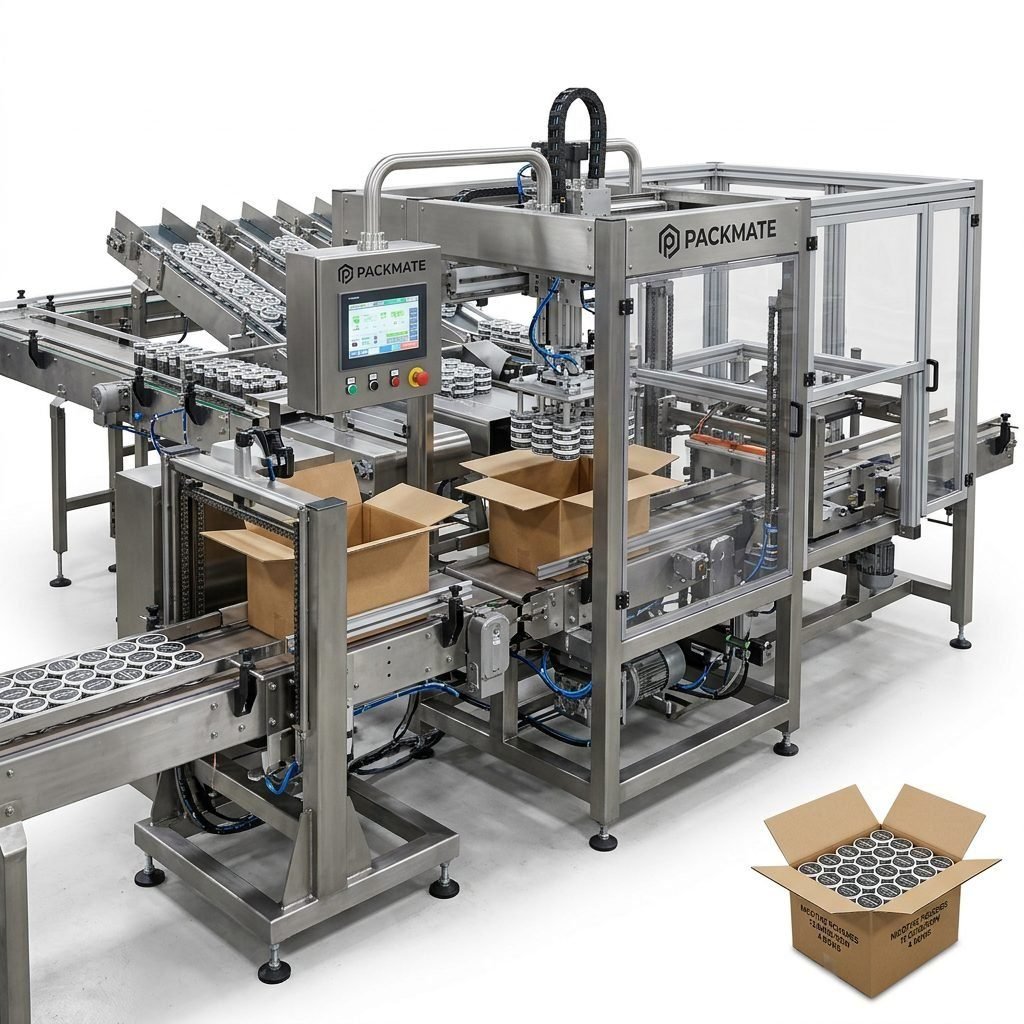
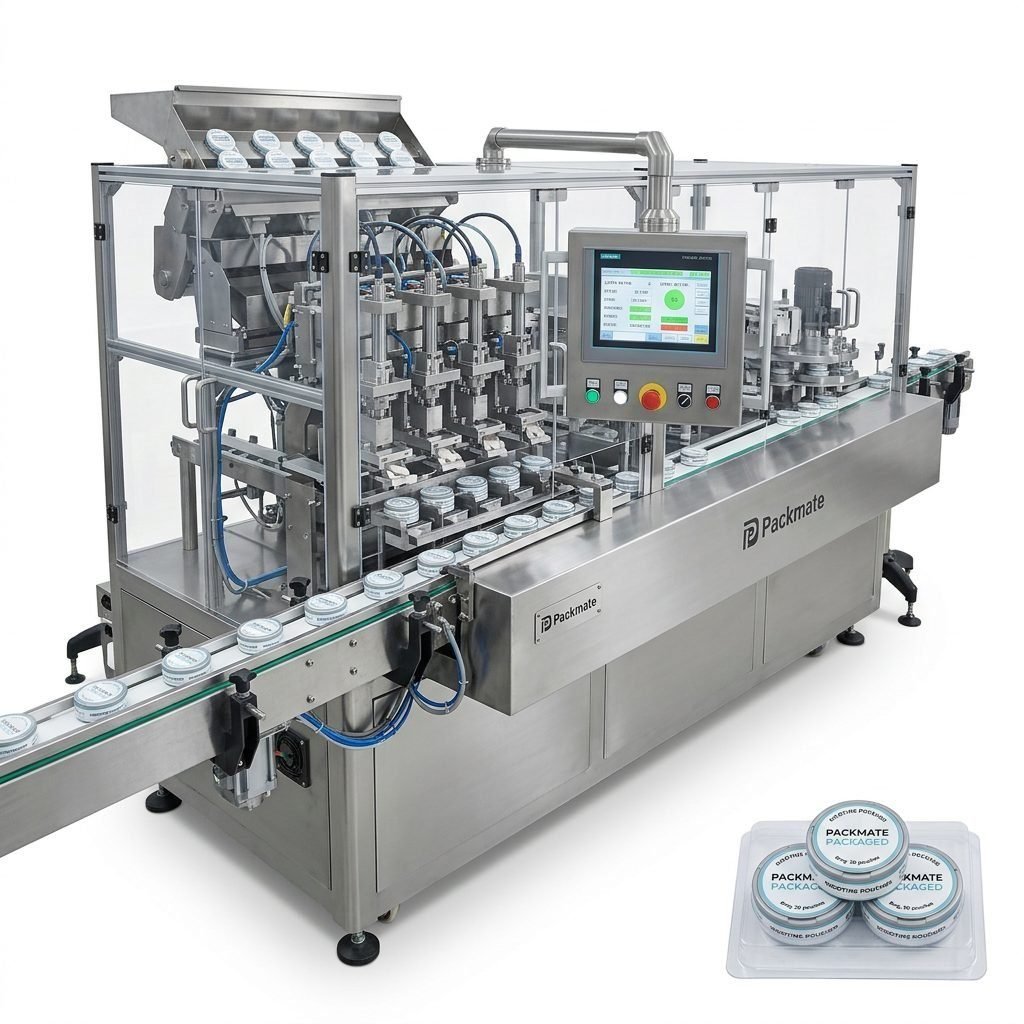
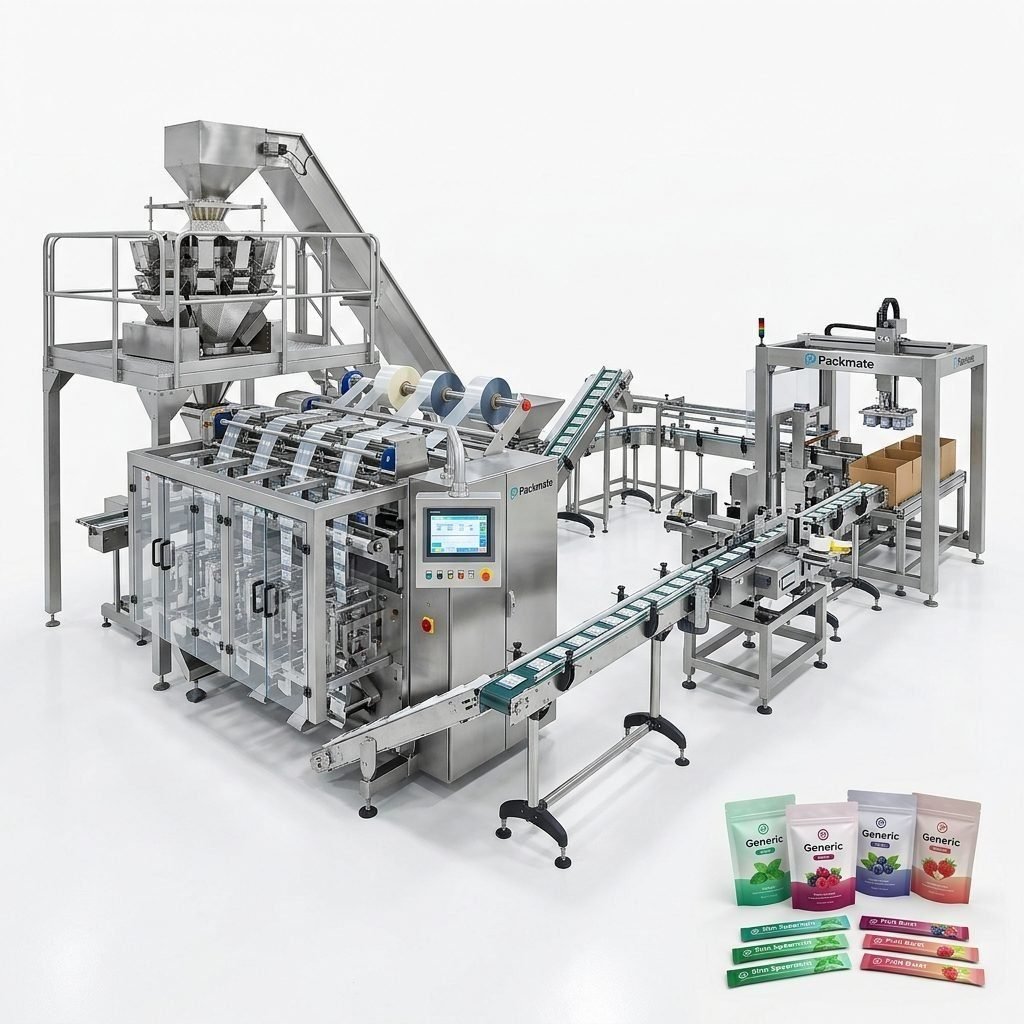
Many producers in Latvia prefer partners who can supply complete lines — filling systems, multi-lane pouch machines, conveyors, and auxiliary equipment — delivered and commissioned as a turnkey solution. This reduces integration risk and shortens time-to-market.
Explore comprehensive offerings such as Filling & Packaging Lines and Weighing & Packaging Systems to understand combined solutions.
Sustainability and Materials: What Latvian Consumers Care About
Sustainability is increasingly important to Baltic consumers. Selecting packaging machinery that supports recyclable or reduced-plastic formats can be a competitive advantage. Ask the manufacturer about compatibility with barrier films, recyclable pouches, and low-waste packaging processes.
🌱 Sustainability checklist: capability to run eco-friendly film materials, minimal material scrap generation, energy-efficient drives, and options for lightweight cans or recyclable outer packaging.
Vendor Reputation: Case Studies, Exhibitions and Certifications
Reputable vendors showcase case studies, exhibit at international shows, and provide certifications. These indicators point to stable R&D investment and global support networks — valuable when serving EU markets like Latvia.
You can review examples and company background by visiting pages such as Case and About Packmate.
Negotiation and Contracts: What to Insist On
During negotiations, include clear terms for warranty, spare parts lead time, training, acceptance testing, and penalty clauses for missed delivery or underperformance. Insist on documented acceptance criteria and performance testing with your product formulas.
Contract checklist
– Written uptime and performance guarantees;
– Spare parts SLA and international shipping commitments;
– On-site commissioning and operator training schedule;
– Documentation for regulatory compliance (CE/ISO certificates, test records).
Implementation Roadmap for Latvia-based Production
A recommended rollout plan ensures smooth machine integration and minimal downtime:
1) Define product specifications (pouch size, dose, materials) and local labeling needs;
2) Shortlist manufacturers based on technical fit and Europe support;
3) Arrange demos/pilot runs and request performance data;
4) Audit factory or request remote video tour;
5) Finalize contract with spare parts and service SLAs;
6) Plan installation, validation (IQ/OQ/PQ), and training prior to commercial run.
🔁 Local partner tip: Coordinate with a logistics partner experienced in EU customs and CE documentation to speed up import and commissioning in Latvia.
Why Packmate Snus Machine Can Be a Suitable Partner
Packmate Snus Machine combines decades of packaging experience with specialized snus and nicotine pouch lines. Key strengths include extensive machine models, advanced CNC and assembly systems, and global turnkey solutions — attributes that match the needs of Latvian and broader European producers.
Learn more about technical models, certifications, and services on their product and service pages: Snus & Nicotine Packaging Machines, Bag & Pouch Packaging Machines, and their Service offerings.
Final Checklist Before You Buy
– Confirm legal status for your product type in Latvia and the EU;
– Verify filling accuracy and sealing under pilot conditions;
– Ensure local support and spare parts availability in Europe;
– Validate energy consumption and TCO estimates;
– Secure clear contractual acceptance criteria and training.
Quick decision aid
📌 If you need multi-lane high-throughput lines and strong engineering backing, prioritize manufacturers with documented multi-lane success and factory automation capabilities.
📌 If you are a small brand focusing on premium, low-volume pouches with clean design, consider modular single-to-few lane machines with fast changeover and operator-friendly controls.
Next Steps and Contact
When you are ready, request detailed proposals from shortlisted suppliers, ask for live demonstrations with your materials, and verify references from customers in Northern Europe. For vendor information, exhibitions and certificates, visit the manufacturer’s pages including their Our Exhibition and Certificate listings. For direct inquiries, use the provider’s Contact Us page.
Frequently Asked Questions
Q1: Are nicotine pouches legally sellable in Latvia?
A1: Regulations vary across product types. Latvia follows EU directives; traditional tobacco-containing snus faces restrictions in many EU countries. Nicotine pouches (tobacco-free) are expanding in the market, but you should consult local authorities and legal counsel to ensure compliance with labeling and sales rules.
Q2: How long is the typical lead time for a customized snus packaging line?
A2: Lead times depend on customization complexity, factory workload, and spare parts availability. Standard machines may ship faster, while fully customized multi-lane turnkey lines require longer design and testing — plan several months and request realistic delivery schedules in the contract.
Q3: What level of after-sales support should I expect in Latvia?
A3: Expect remote diagnostics, spare parts supply from European warehouses or fast shipping, and on-site commissioning and training. Confirm SLA terms and spare parts lead-times before purchase.
Q4: Can machines handle recyclable or low-plastic packaging materials?
A4: Many modern machines can be adapted to handle alternative films and recyclable pouch formats, but you should test your chosen materials in pilot runs to confirm sealing and feed behavior.
Q5: How do I verify a supplier’s claims about multi-lane performance?
A5: Request live demonstrations, case studies, and references from clients with similar product types. Factory audits and witnessed pilot runs are the best ways to validate real-world performance.