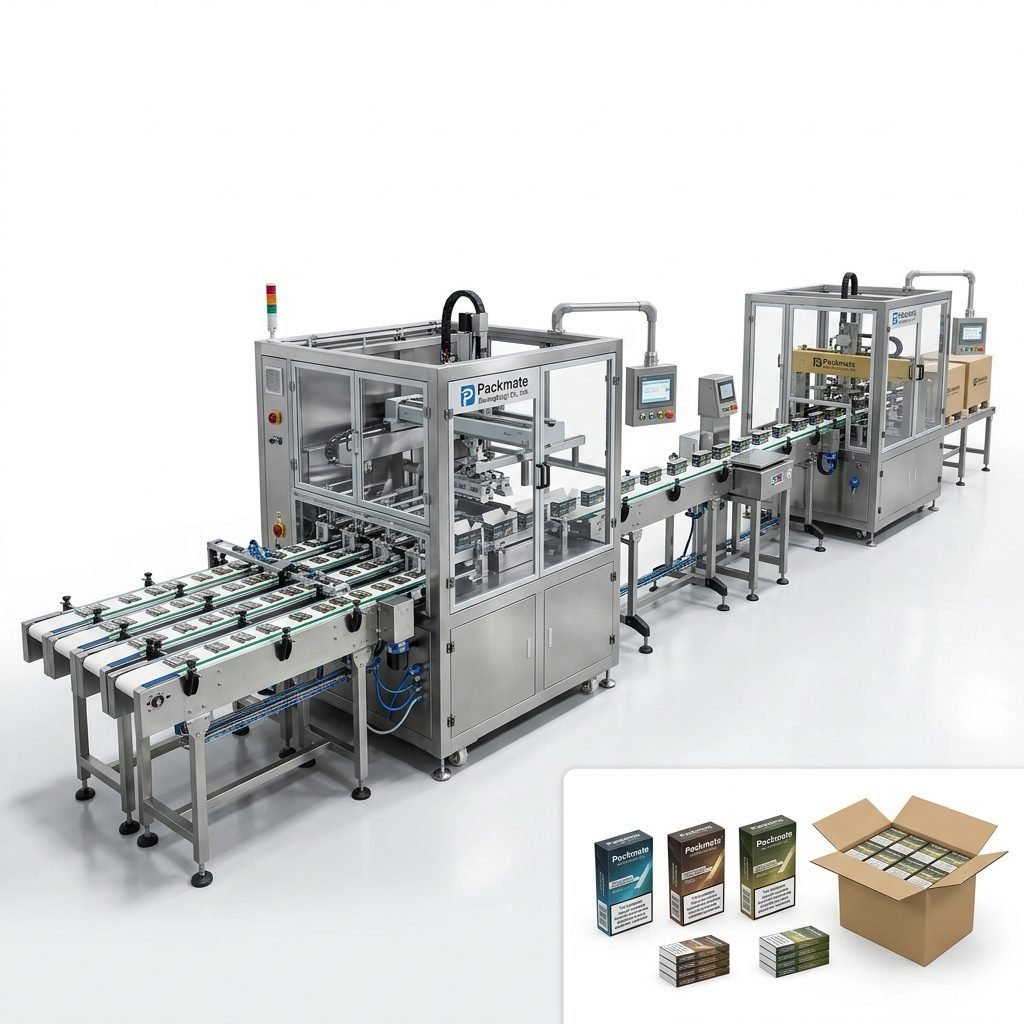
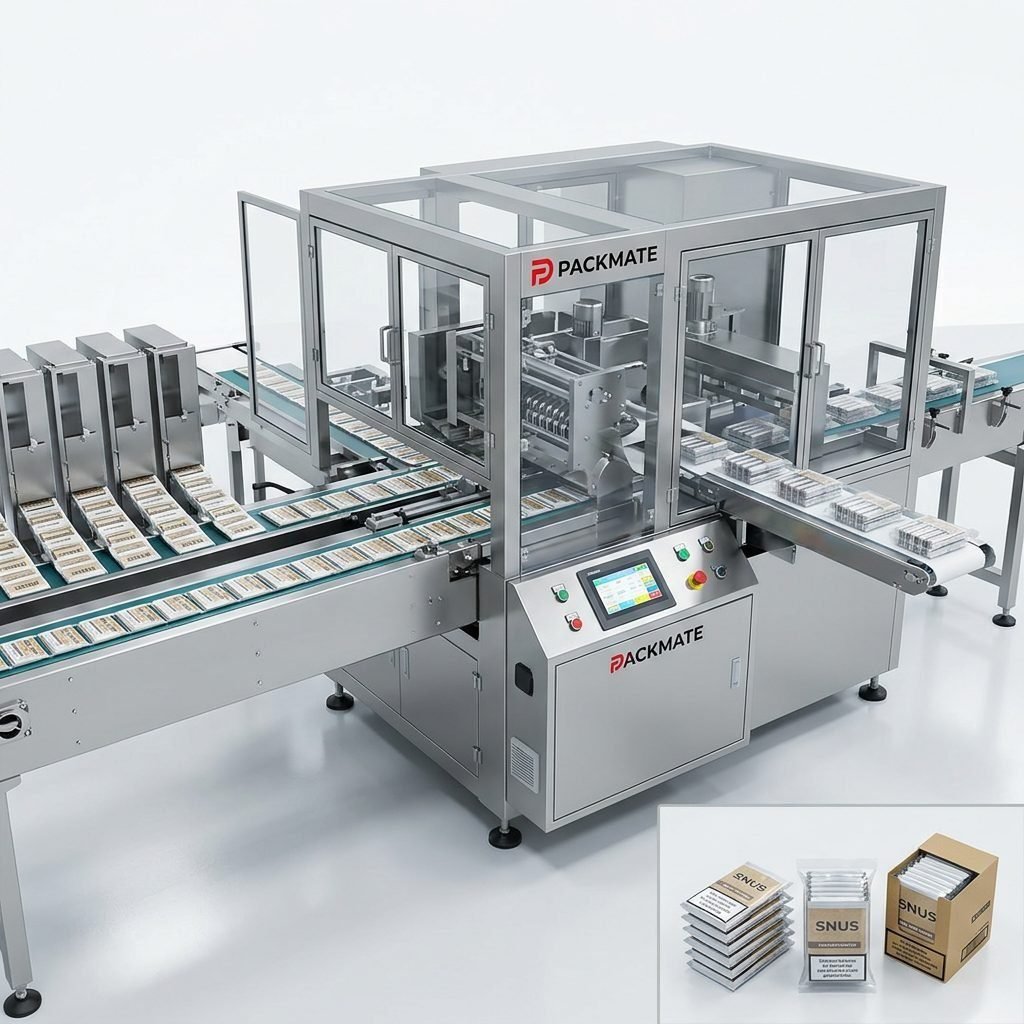
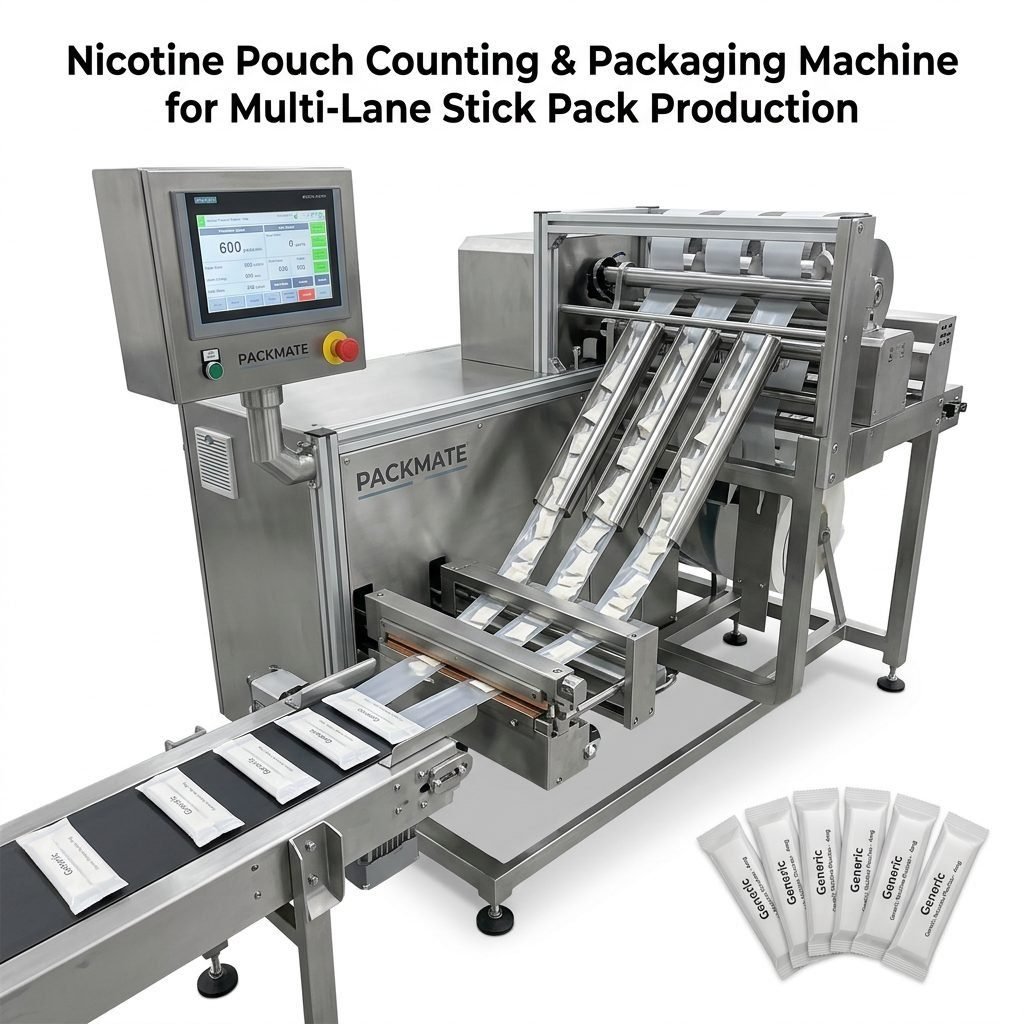
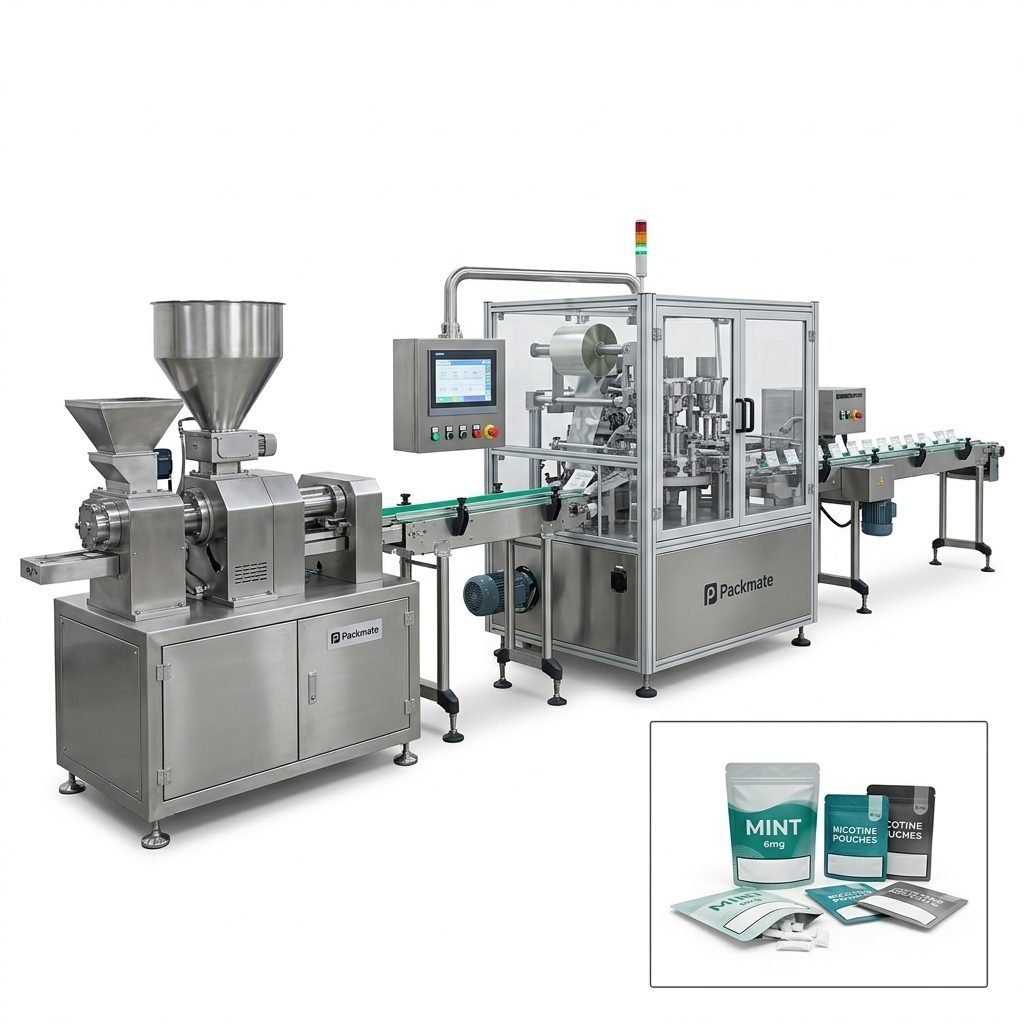
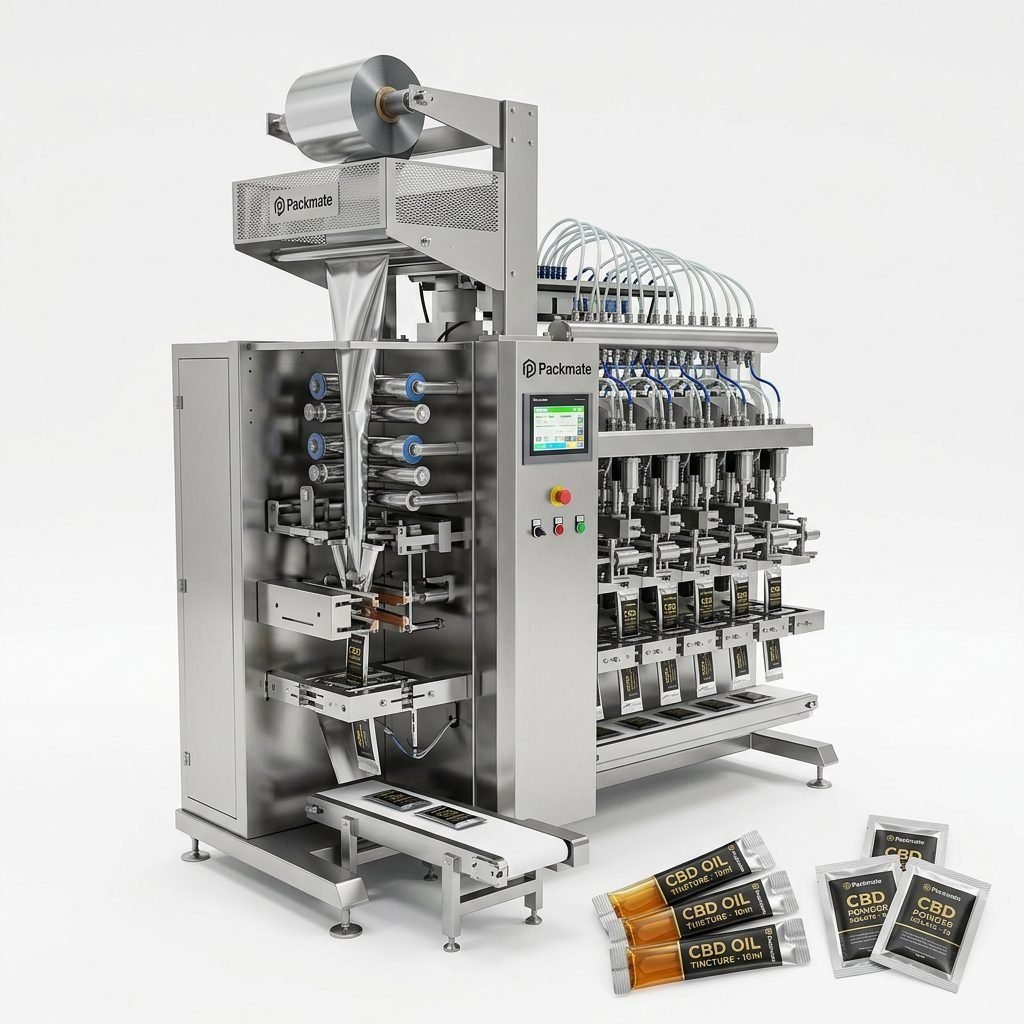
Choosing the right nicotine (snus) packaging machine for a Bahamas-based operation involves a mix of technical requirements, regulatory awareness, logistics planning, and a clear understanding of your product formats and production goals. This buyer’s guide walks you through practical steps and decision points so you can evaluate options, optimize cost, and pick a reliable partner for long-term success.
Understanding the Bahamas Market & Regulations
ℹ️ Before selecting equipment, research local regulations affecting nicotine products in the Bahamas. Packaging standards, labeling requirements, and import rules can influence material choices and machine features. Engage with local compliance advisors and plan for occasional regulatory updates; flexibility in machine configuration is advantageous.
Key compliance points to verify
• Product labeling size and language rules.
• Allowed additives, child-proofing requirements if any.
• Import tariffs, customs documentation, and certification expectations.
• Electrical standards and workplace safety codes for machinery.
Define Your Product Formats and Output Targets
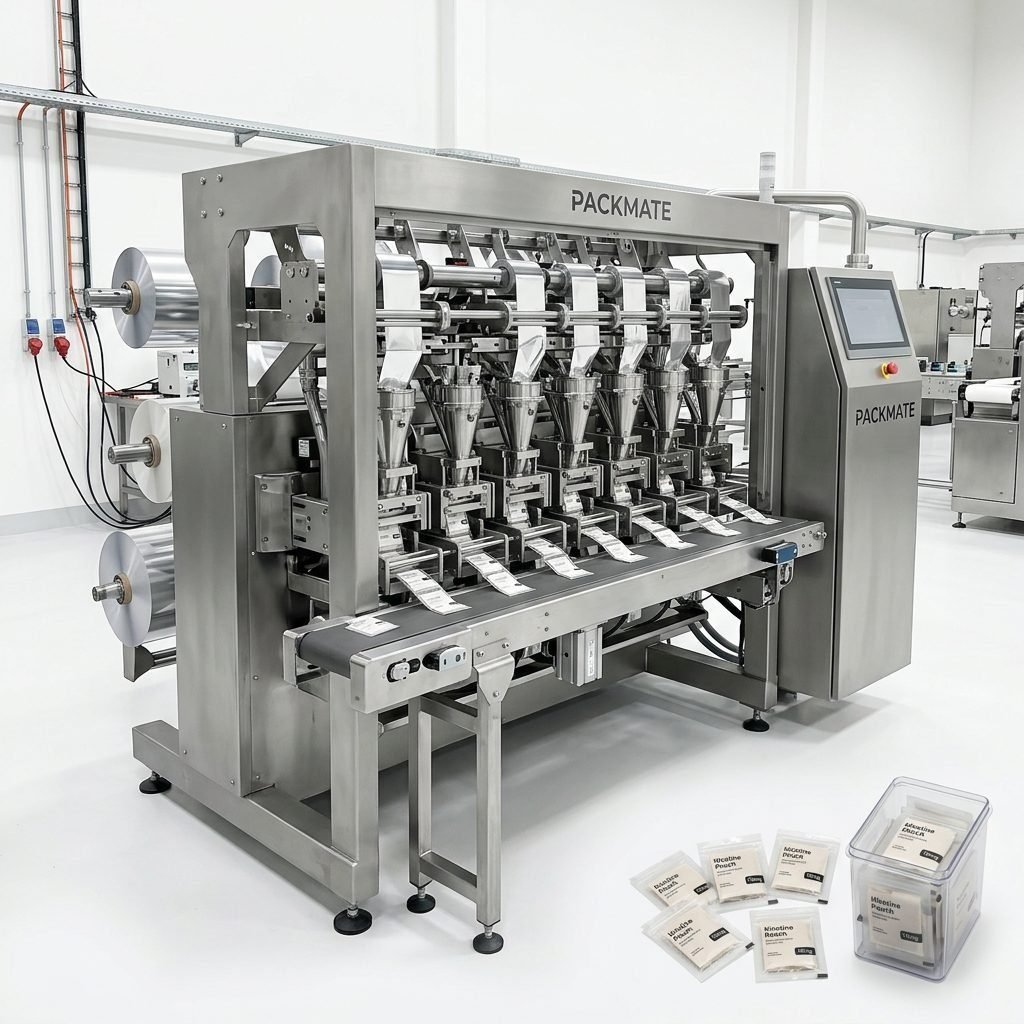
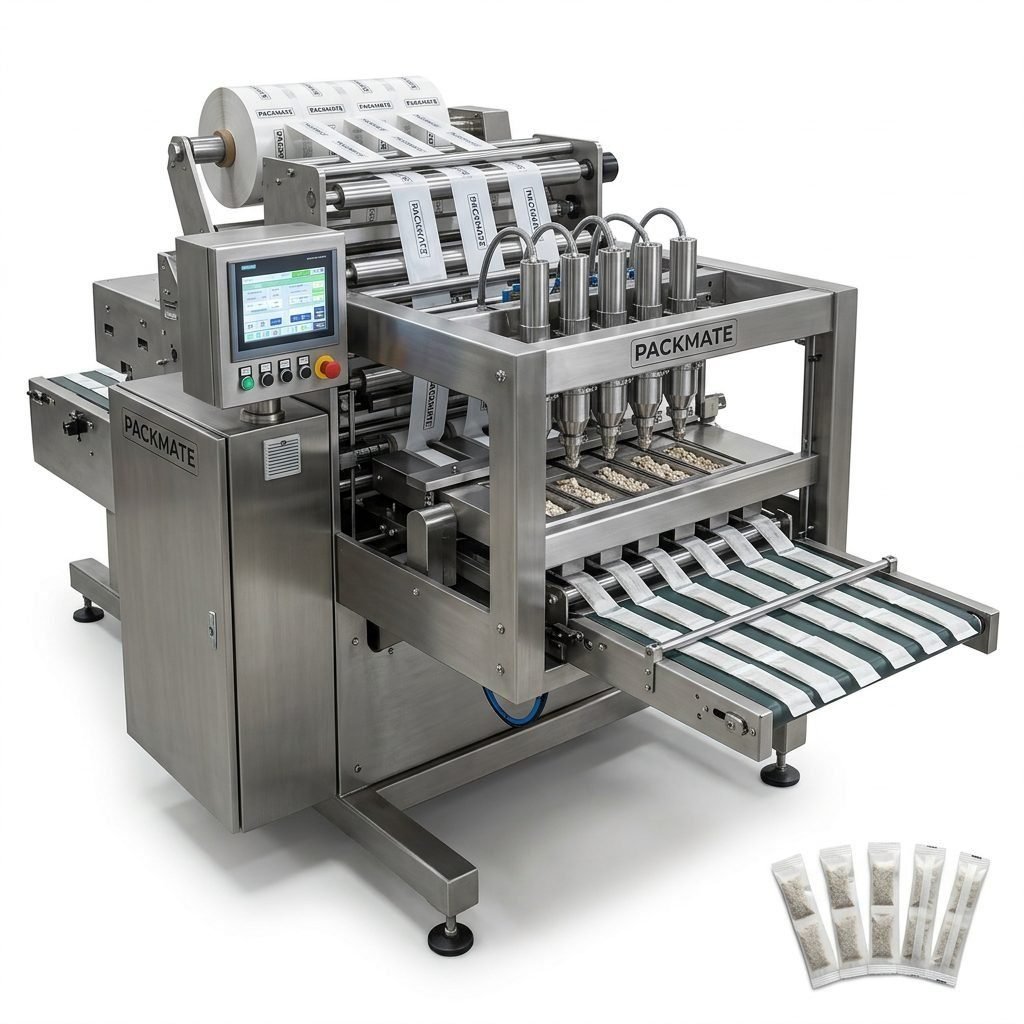
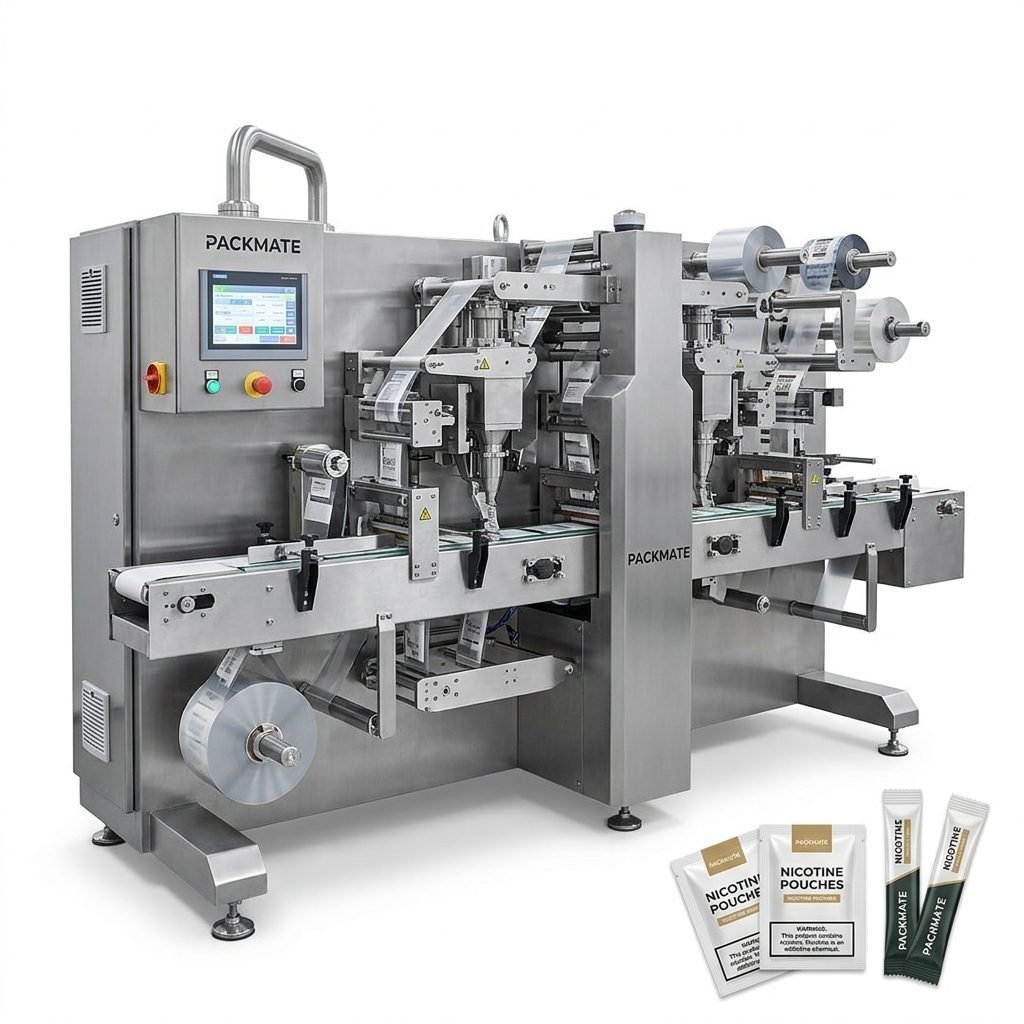
The first practical step is to list the product formats you will produce: single-dose nicotine pouches, multi-pouch sticks, or sachets. Match machine types to the formats:
Machine type mapping
• Stick pack and sachet machines for single-dose units.
• Multi-lane vertical/fill systems for high-volume small-dose pouches.
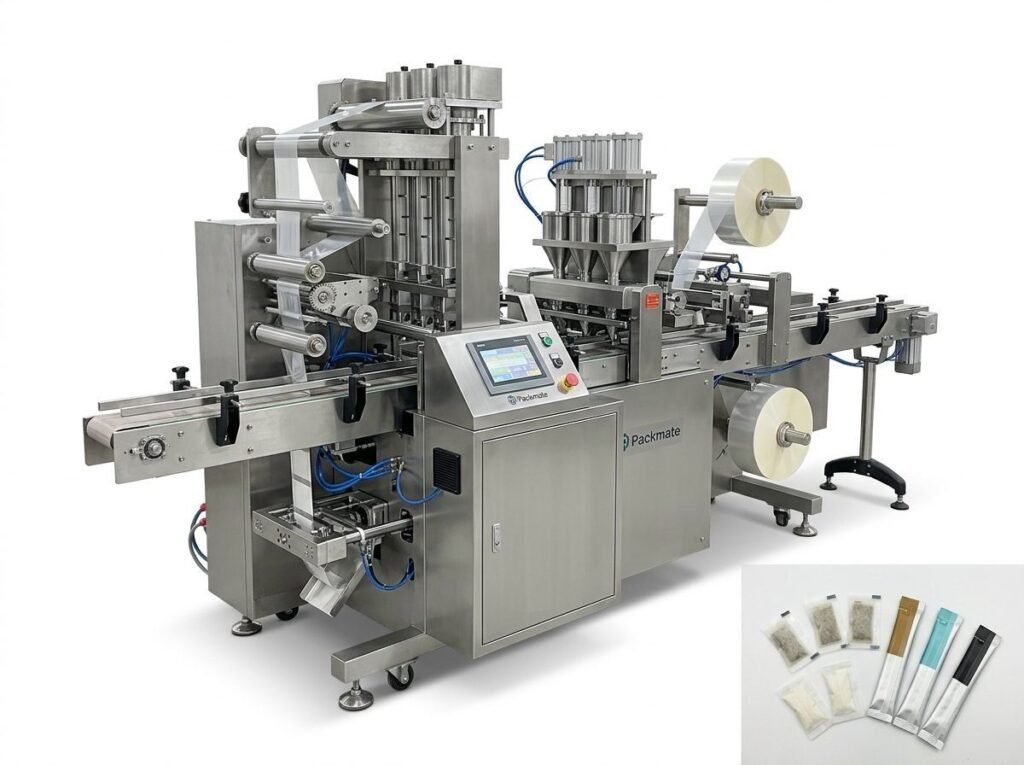
• Integrated filling & packaging lines for powder, granule, and pouch-based nicotine formats — consider modular solutions if you plan product diversification.
For examples of machinery categories and technical specs, review product lines such as
Snus & Nicotine Packaging Machines and
Sachet & Stick Pack Machines.
Capacity, Speed & Scalability
🔧 Evaluate required throughput as daily and hourly targets. Machines are rated by cycles per minute and lanes; multi-lane systems multiply output but increase initial cost and footprint. Ask vendors for real-case throughput figures (not theoretical maximums) for similar product densities and pouch sizes.
Checklist:
– Required units per shift / shifts per day.
– Desired lanes and ability to expand to additional lanes.
– Spare capacity for peak demand and product testing.
Technology & Automation Features
Modern nicotine packaging machines offer PLC control, HMI touchscreens, servo-driven precision dosing, and automatic changeover features. Consider features that reduce downtime and improve repeatability:
Important automation items
• Quick mold or tooling change systems for fast SKU swaps.
• Recipe memory for consistent settings across shifts.
• In-line metal detectors or checkweighers when required.
• Remote diagnostics capability for vendor technical support.
Materials Compatibility & Packaging Styles
Material selection (films, laminates, foils) affects sealing, shelf life, and machine sealing temperature range. Confirm machine compatibility with your chosen pouch or stick material and the target barrier properties required for nicotine stability.
Supplier Evaluation & After-Sales Support
Choosing the right supplier is as important as the machine itself. Look for manufacturers with proven experience in snus and nicotine pouch packaging, comprehensive factory capabilities, and global service footprints.
Packmate Snus Machine, for example, highlights more than 30 years in packaging engineering, a 20,000㎡ production facility, and multiple machine categories such as
Bag & Pouch Packaging Machines and
Filling & Packaging Lines.
Questions to ask potential suppliers
• Can you provide references and live case examples for the Bahamas or similar markets?
• What certifications (CE, ISO) and quality tests do you perform?
• What is included in standard warranty and what is available as extended coverage?
• Lead time, shipping options, and installation/training services.
Case and
Our Exhibition.
Total Cost of Ownership & ROI Analysis
Purchase price is only one portion of cost. Factor in delivery, installation, tooling, operator training, spare parts, maintenance contracts, energy consumption, and expected scrap rates. Calculate a realistic payback period based on expected sales and margin per unit.
Important financial items:
• Freight, insurance, and customs clearance for equipment bound for the Bahamas.
• Local electrical adjustments or transformer needs if supplier equipment is built to other regional standards.
• Packing material test batches and initial commissioning costs.
Installation, Training & Local Service
A good supplier will provide full commissioning, operator and maintenance training, and remote troubleshooting. Confirm whether on-site service visits are available in the Bahamas and what spare part kits should be ordered with the first shipment.
Ask for structured training plans, digital manuals, and availability of local technicians or authorized service partners. Check service offerings such as annual maintenance contracts and emergency phone support.
Factory Acceptance Test (FAT) & Site Acceptance Test (SAT)
Schedule a Factory Acceptance Test with the supplier using your actual materials and product specifications before shipment. FAT minimizes on-site surprises. After installation in the Bahamas, perform a Site Acceptance Test to verify performance under local conditions.
– Run full-speed tests with actual pouch materials.
– Verify dosing accuracy and sealing integrity.
– Validate HMI recipes and remote connection for diagnostics.
Logistics: Shipping, Customs & Power Requirements
Plan crate sizes, weight, and preferred shipping routes to the Bahamas. Clarify who handles customs brokerage and local delivery. Confirm machine power supply and voltage requirements and whether a step-down/up transformer is needed.
For faster integration, consider suppliers that offer assistance with documentation for customs and international certification verification. See supplier service pages such as
Service and
Contact Us for logistics support options.
Common Buyer Mistakes and How to Avoid Them
• Underestimating spare parts inventory — keep a critical spares kit to avoid long downtime.
• Overlooking local electrical and environmental conditions — high humidity or unstable power requires protective measures.
• Buying based solely on price — lower initial cost can mean higher lifetime expenses due to poor reliability.
Why Choose an Experienced Snus Packaging Manufacturer
Manufacturers with decades of focused experience in snus and nicotine pouch packaging bring refined tooling, better dosing solutions, and improved hygiene-friendly designs. They can provide turnkey solutions that include weighing systems, multi-lane fill heads, and bespoke pouch forming units tailored to nicotine pouches.
Explore categories like
Weighing & Packaging Systems and
Auxiliary Packaging Equipment to build a complete production line.
Next Steps for Bahamas Buyers
1) Finalize product SKUs and target output.
2) Request detailed quotations including FAT scope, spare part lists, and lead times.
3) Schedule FAT with material samples and confirm SAT plan for on-site commissioning.
4) Arrange logistics and customs clearance with experienced brokers familiar with machinery imports to the Bahamas.
– Confirm electrical specs and site utilities.
– Reserve spare parts and tooling kits at order time.
– Agree warranty start date tied to SAT completion.
Final Remarks
Selecting the right nicotine packaging machine for the Bahamas requires a blend of technical clarity, supplier due diligence, and logistics planning. Prioritize suppliers with proven snus packaging experience, modular and service-friendly designs, and strong after-sales support to minimize risk and maximize uptime.
Frequently Asked Questions
Q1: What certifications should I request from a packaging machine supplier?
A1: Request CE and ISO compliance documentation, test reports from FAT, and any export certifications required for the Bahamas. Manufacturers with clear certification pages and documented quality processes reduce compliance risk.
Q2: How long does it take to receive and commission a snus packaging line in the Bahamas?
A2: Typical lead times range from 10 to 20 weeks depending on customization and model. Add shipping, customs clearance, and installation time — plan for 4–12 additional weeks for full commissioning.
Q3: What spare parts should I order with the first shipment?
A3: Order critical wear parts (sealing jaws, belts, feed screws, sensors), a basic electrical spare kit, and any proprietary tooling. Your supplier should provide a recommended spare parts list based on projected throughput.
Q4: Can I start with a single-lane machine and upgrade later?
A4: Yes — many suppliers design modular systems that can be expanded to multi-lane configurations. Confirm upgrade pathways and costs upfront to avoid incompatible changes.
Q5: How do I verify a supplier’s after-sales capabilities for the Bahamas?
A5: Ask for service partner references, remote support arrangements, and examples of international installations. Review their service pages and contact past customers if possible. Visit the supplier’s About and FAQ pages for more details:
About Packmate |
FAQs.