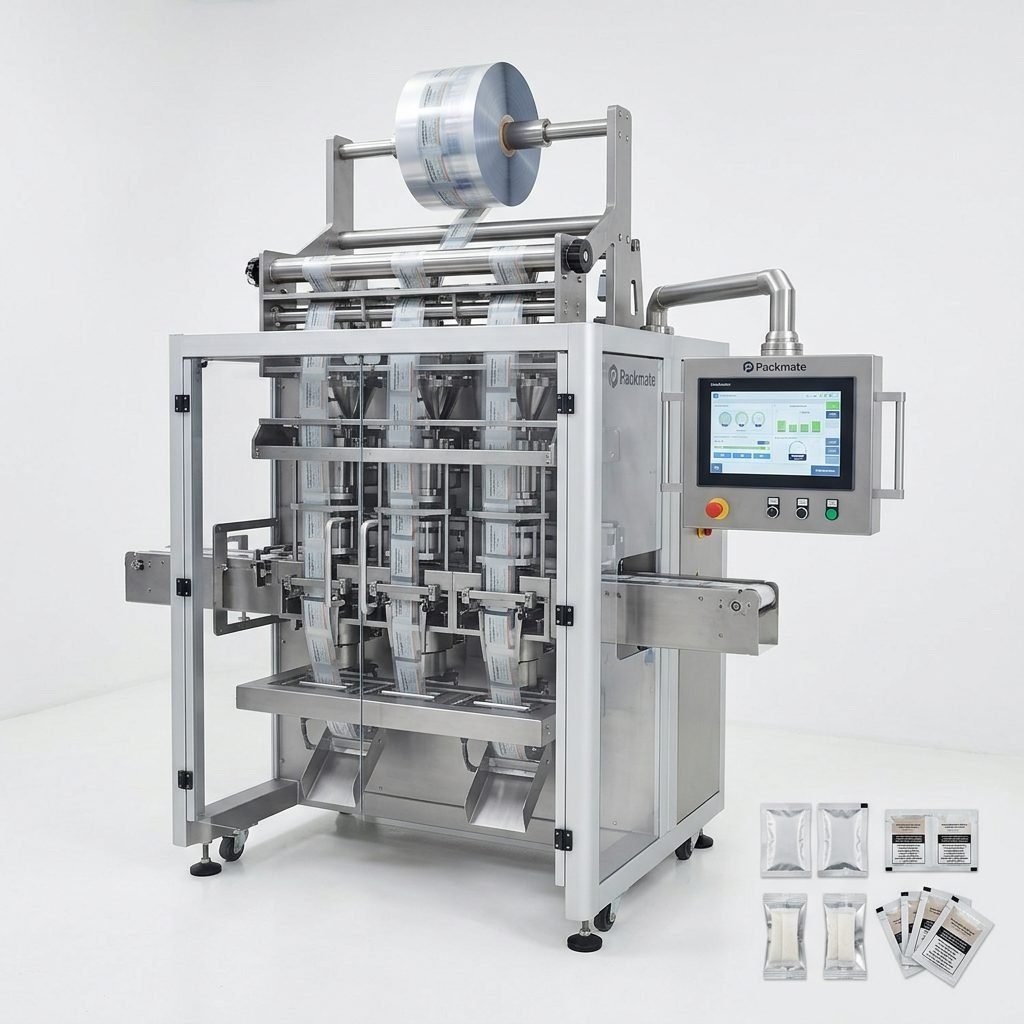
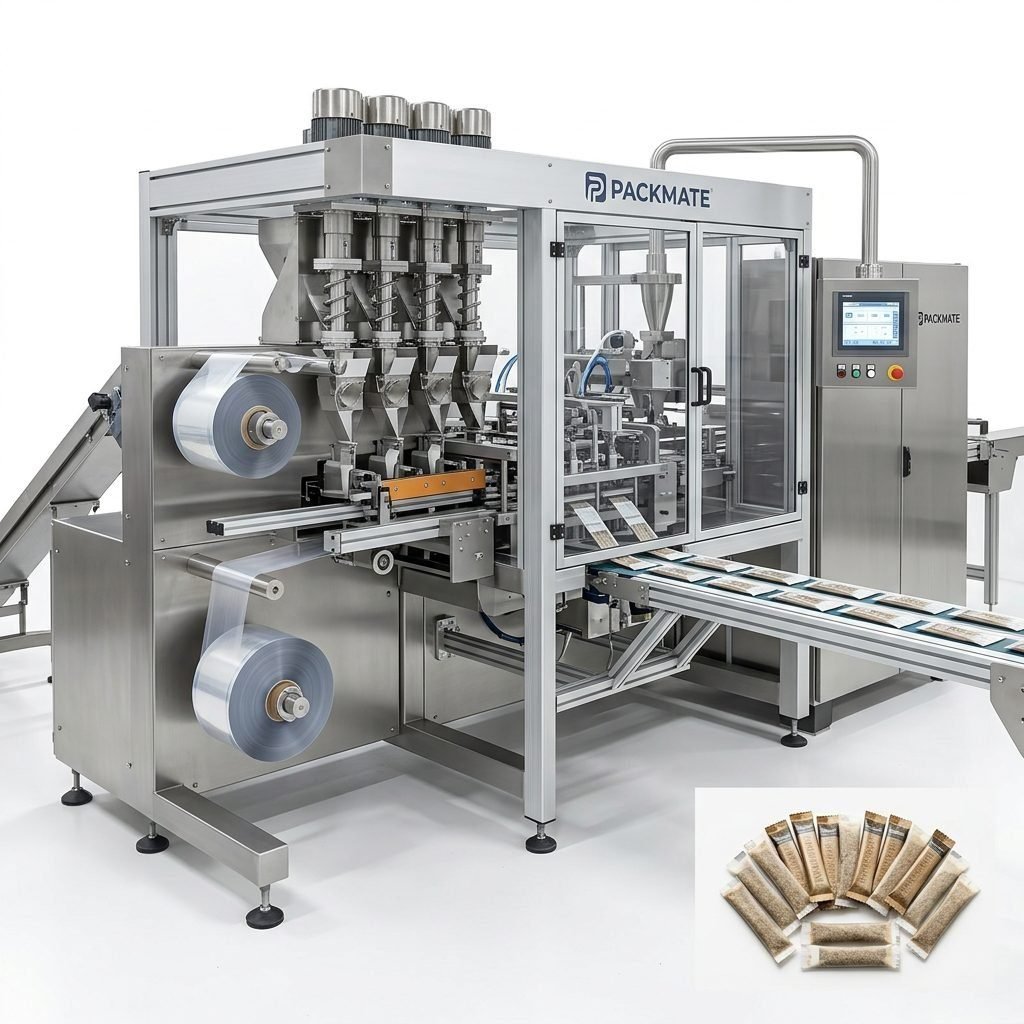
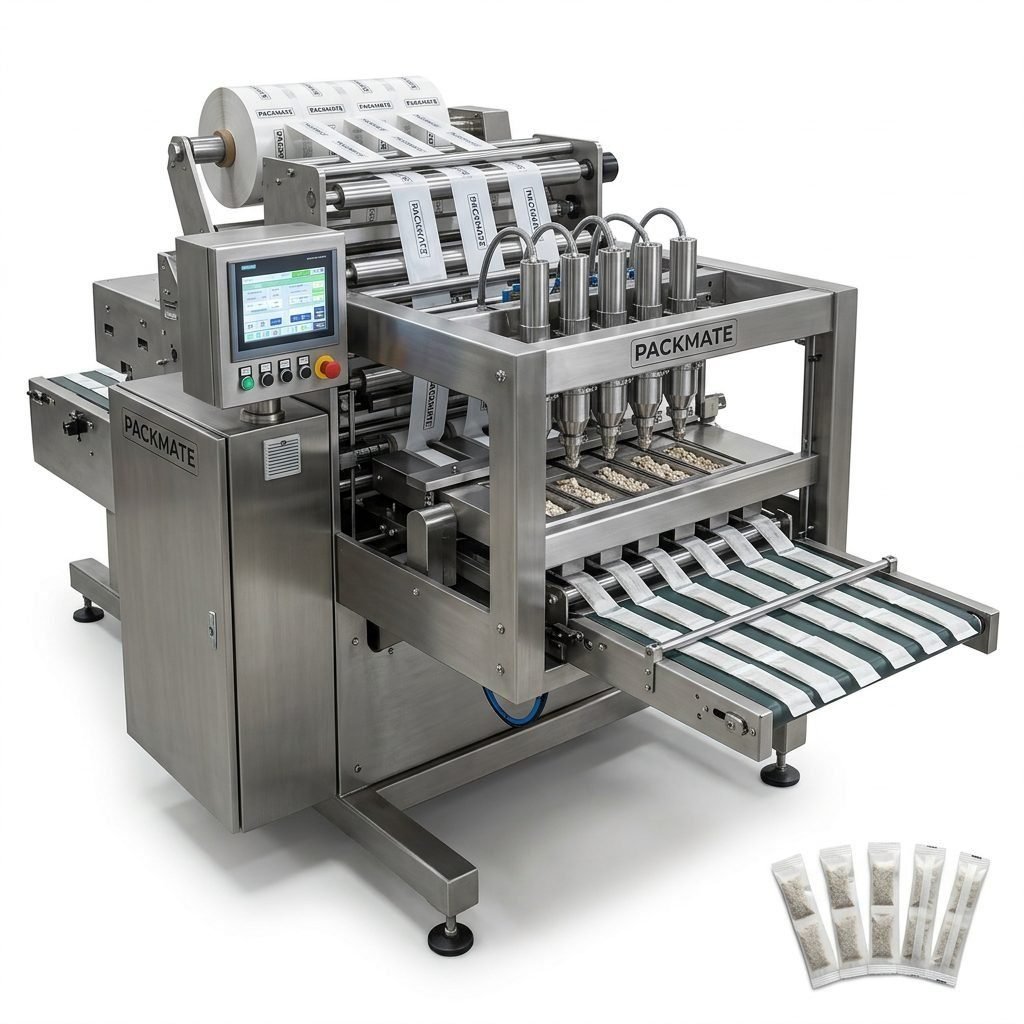
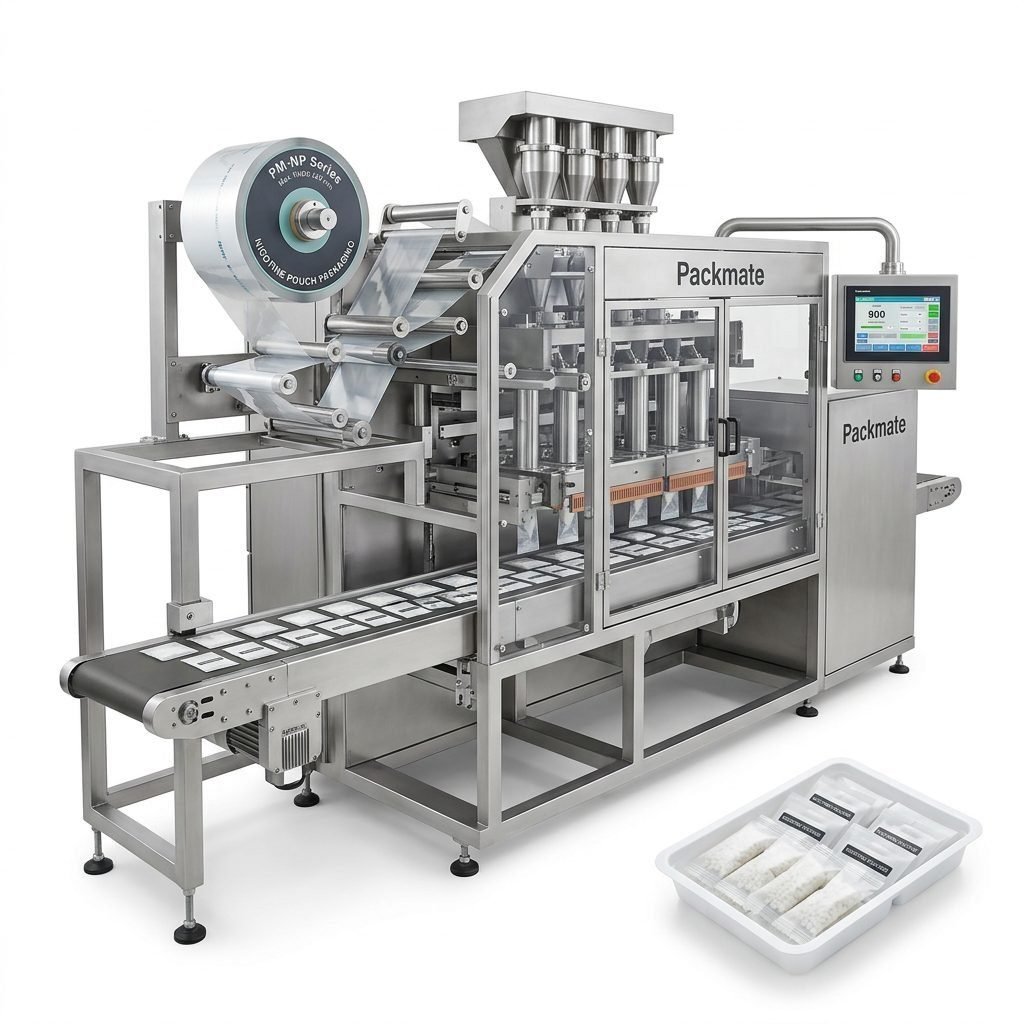
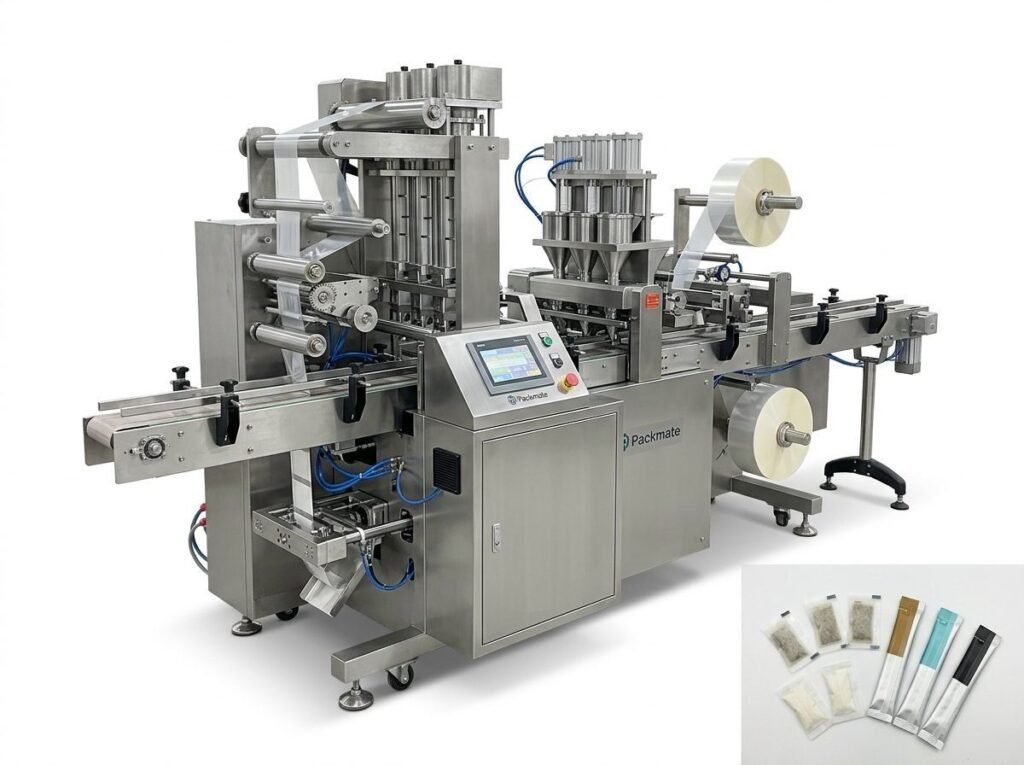
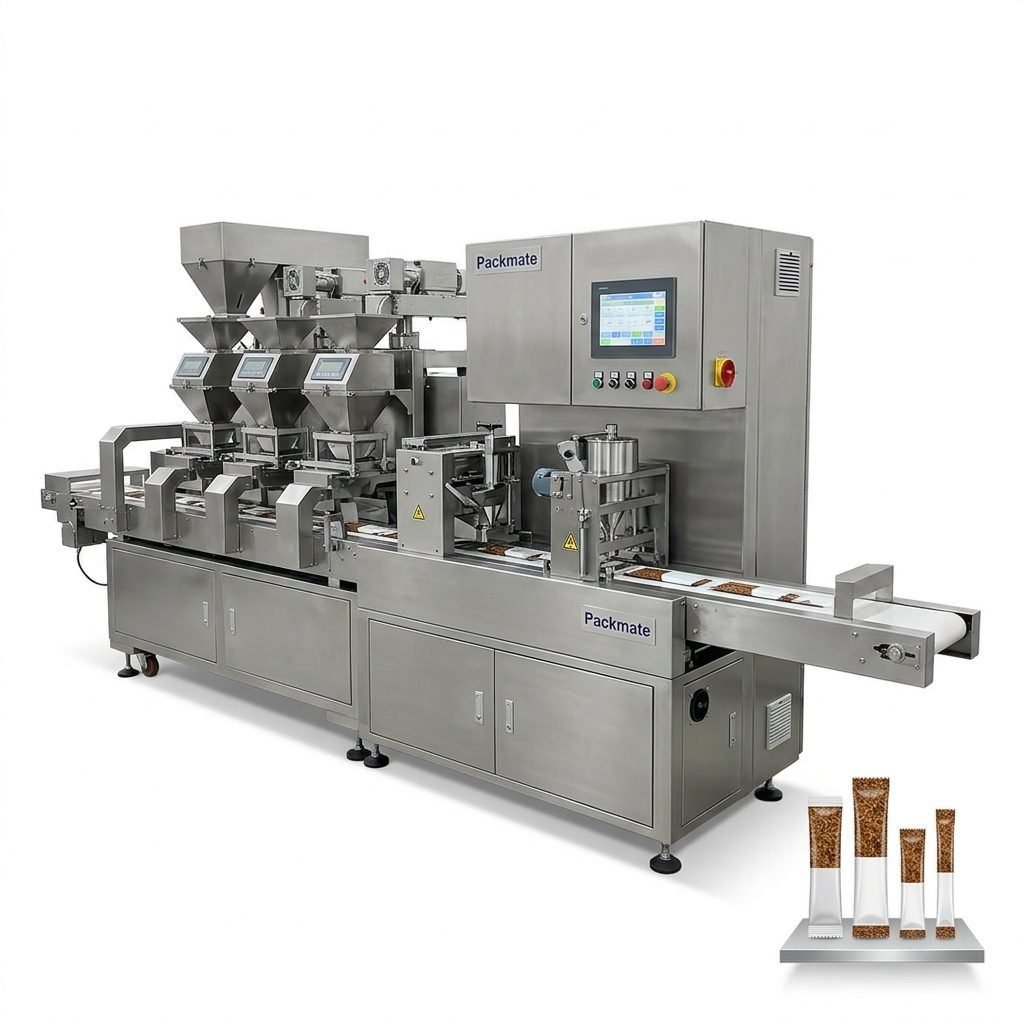
In the competitive world of snus and nicotine pouch production, selecting the right packaging machinery is not just about speed — it is about precision, regulatory compliance, operator safety, and long-term return on investment. This guide walks you through how to choose, configure, and optimize a snus packing line so you can reduce waste, maintain consistent dosing, and scale reliably. Practical tips, configuration best practices, and commissioning recommendations are included to help both new production teams and experienced packaging engineers.
Why a Specialized Snus Packaging Machine Matters
Snus and nicotine pouches present unique packaging challenges: small-dose filling, tight weight tolerances, multi-lane formats, and specific barrier and sealing requirements. Generic pouch or sachet machines can struggle with consistent dose control and delicate pouch handling. Investing in a machine designed for snus ensures:
🔧 Precision dosing for micro-doses and blends + ✅ reliable multi-lane operation to maximize throughput while minimizing cross-lane variation.
Core components to evaluate
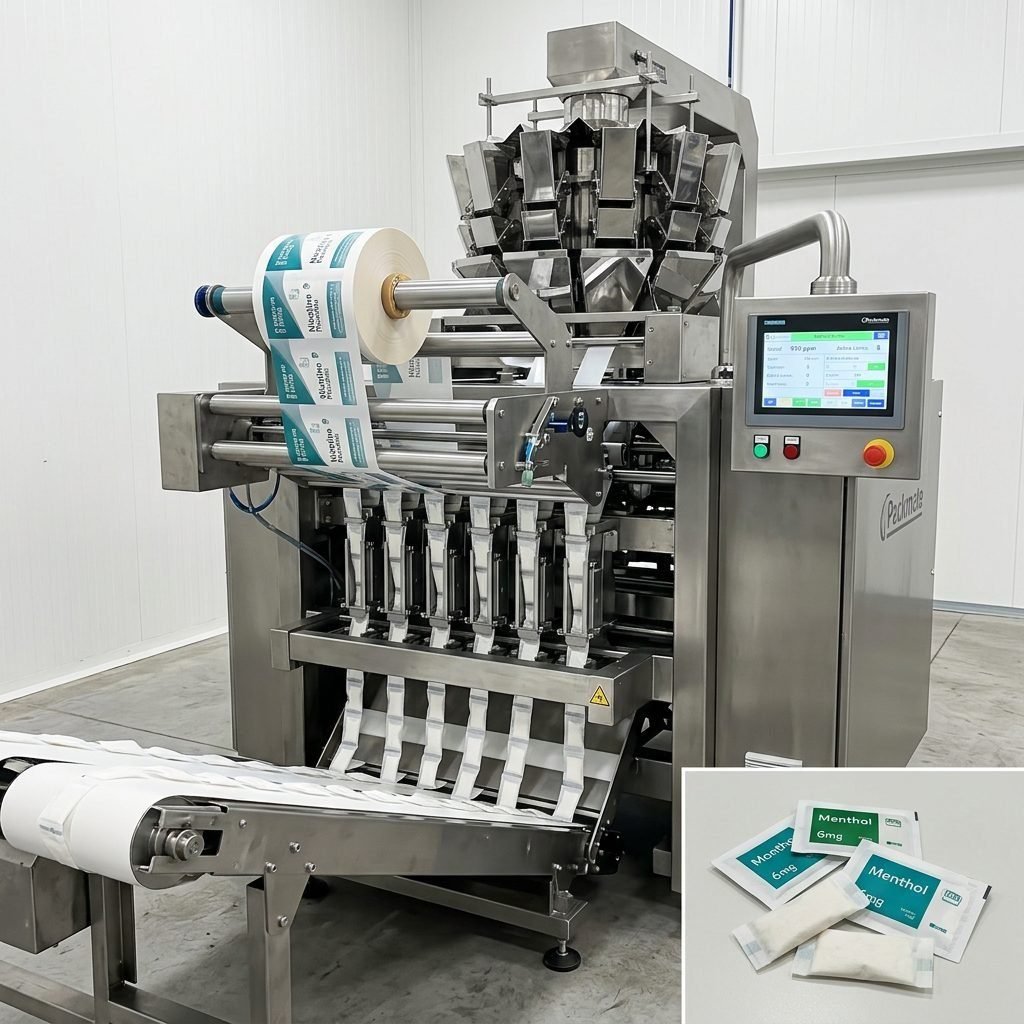
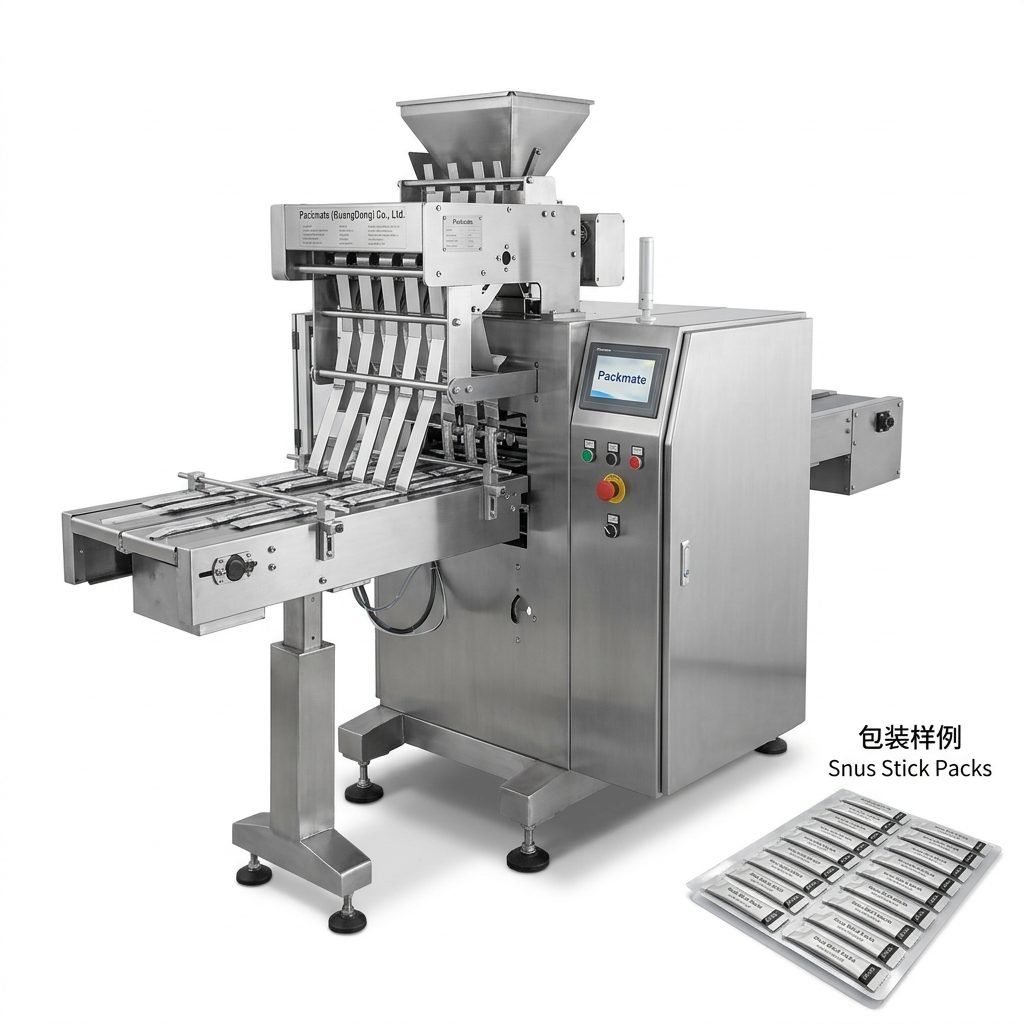
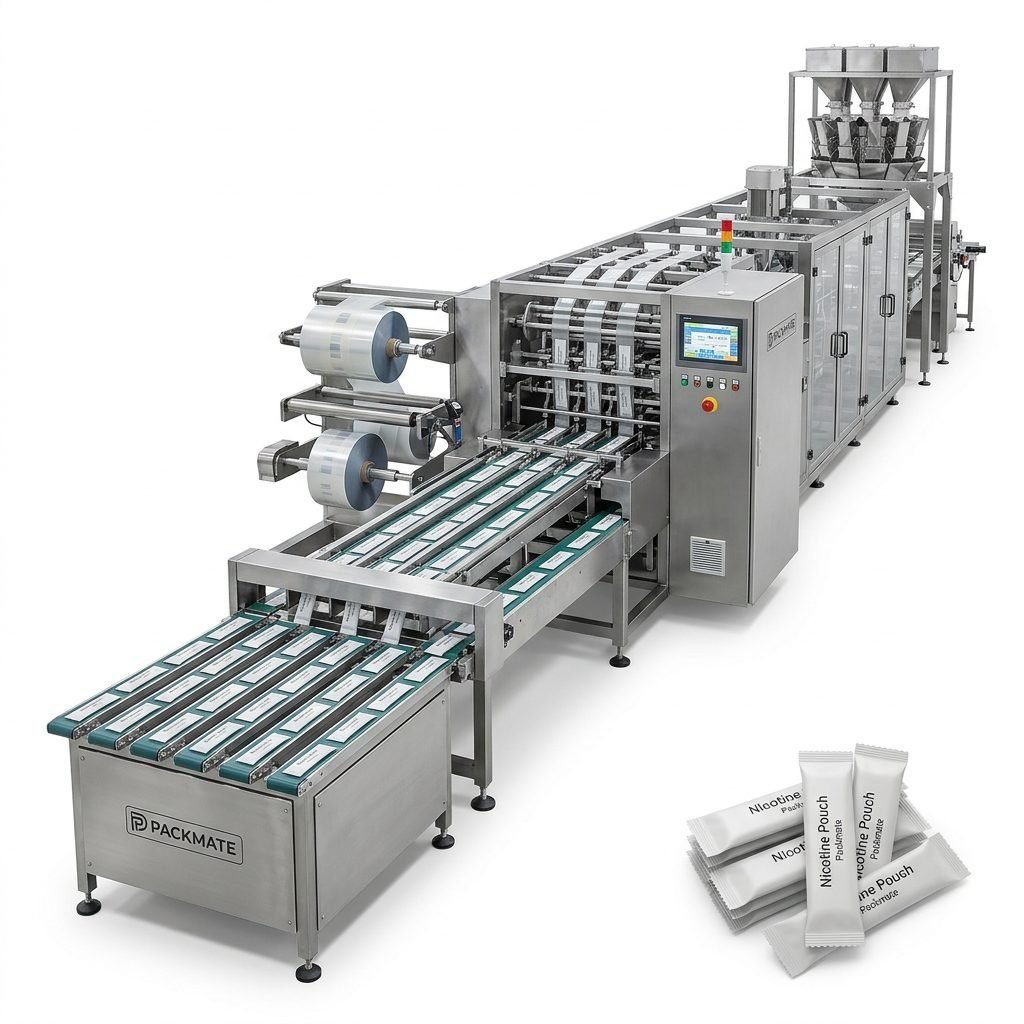
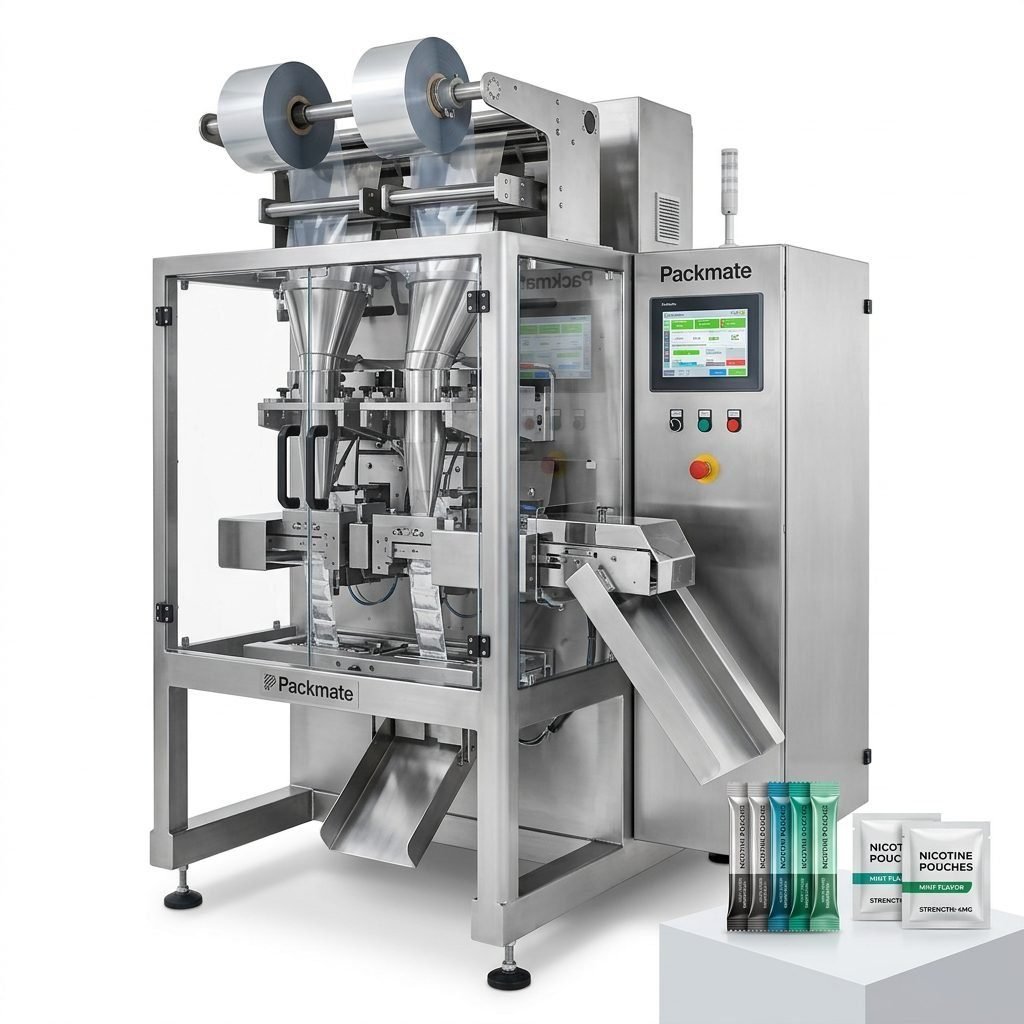
When assessing a snus packing machine, review the following subsystems: feeder/weigher, pouch/form-fill-seal (FFS) head, multi-lane synchronisation, sealing and cutting stations, and the control/PLC interface. Each subsystem contributes to overall accuracy and uptime.
Feeder and weighing options
For tobacco or powdered nicotine pouches, loss-in-weight feeders or multi-head weighers are preferred. They provide stable dosing and are easier to clean. For liquids or pastes, consider piston or peristaltic pumps with volumetric control and sanitary materials.
Pouch types and machine compatibility
Typical pouch formats include round pucks, flat sachets, stick packs, and multi-pocket rolls. Confirm machine capability for:
✅ Multi-lane filling (2–16 lanes)
✅ Soft-material sealing for heat-sensitive contents
✅ Quick-change tooling for format shifts
How to Choose the Right Model
Choosing a machine starts with capacity needs and product attributes. Ask these questions: What is your required daily output? What fill tolerance do you need? How often will format changes occur? Answers will guide you toward single-lane precision models or high-speed multi-lane systems.
Throughput and line balancing
Match the filler capacity to the number of lanes on the FFS unit. Overloading one subsystem creates bottlenecks. Consider an integrated approach where the feeder, conveyor, and FFS are sized together for smooth takt time.
Regulatory & safety features
For nicotine-containing products, safety and traceability are crucial. Look for machines with CE compliance, accessible traceability modules, product-dedicated guarding, and easy-to-clean designs that reduce cross-contamination risk.
Configuration Best Practices for a Reliable Line
Proper configuration reduces downtime and ensures consistent quality. Below are recommended settings and layout choices that experienced manufacturers employ.
Mechanical setup & modular tooling
Use modular tooling to shorten changeover times. Standardize quick-clamp fixtures and provide labeled spares for the fastest possible swap-out. Check for alignment pins and precision guides to eliminate sealing defects.
Control system tuning
Calibrate PID loops for servo drives and material handling speeds. Implement recipe-based PLC configurations so operators can recall exact parameters for each product without manual re-entry. Integrate alarms and operator prompts to reduce human error.
⚠️ Tip: Use recipe management and staged rollouts when introducing new SKUs — test on one lane before scaling to all lanes.
Material handling & integration
Design the upstream and downstream conveyors to match the FFS speed. Include leveling buffers to absorb short stoppages without halting upstream weighers. Integrate labelers, cartoners, or case packers with synchronized conveying to reduce manual intervention.
Optimization: Reducing Waste and Increasing Uptime
Optimization is an ongoing process. Focus on setup reduction, predictive maintenance, and process monitoring to improve first-pass yield and minimize wasted material.
Lean changeovers
Apply SMED principles: keep tools and spares at the point of use, use color-coded components, and create a documented changeover checklist. Aim to move format changes from hours to minutes.
Predictive maintenance
Implement vibration and temperature monitoring on critical bearings and servo motors. Log cycle counts for wear parts like sealing jaws and cutting blades so replacements occur before performance degrades.
Quality control integration
Inline check-weighers, vision systems for seal inspection, and reject conveyors help ensure only conforming pouches proceed to secondary packaging. Data collection allows rapid root-cause analysis.
✅ Goal: Less than 1% scrap rate for finished pouches through combined equipment tuning and inline QA.
Commissioning and Operator Training
Successful commissioning is as much about training as it is about mechanical checks. Prepare detailed SOPs, run acceptance tests with production materials, and ensure spare parts are catalogued.
Acceptance testing checklist
Perform FAT and SAT with production-representative runs. Record metrics: cycle time, dosing variance, seal integrity rates, and reject rates. Verify integration points with upstream weighers and downstream cartoners.
Operator competency
Train operators on changeover steps, basic troubleshooting, and cleaning procedures. Provide laminated quick-reference guides at each machine and a digital knowledge base for in-depth procedures.
Common Retrofit and Upgrade Options
Existing lines can often be modernized to improve yield and throughput. Upgrades include high-precision weighers, faster servo controllers, vision-based reject systems, and IoT-enabled monitoring for remote diagnostics.
Why retrofits pay off
A targeted retrofit can increase capacity by 20–50% with a fraction of the cost of a new line. Focus on the true bottleneck — a faster FFS head or more accurate feeder may yield the best ROI.
🔍 Consider integrating remote support and an equipment historian to capture performance trends and plan upgrades proactively.
Selecting a Supplier: What to Ask
Choose a supplier with proven experience in snus and nicotine pouch equipment. Ask for references, CE/ISO certificates, spare parts lead times, and post-sale support options. A capable partner will provide machine FAT, on-site SAT, and operator training.
Supplier capabilities checklist
– Proven multi-lane systems in production environments
– On-site commissioning and training services
– Readily available spare parts and remote diagnostics
– Clear documentation and electrical/mechanical drawings
For detailed product options and turnkey lines, review specialized offerings such as Snus & Nicotine Packaging Machines, Sachet & Stick Pack Machines, and broader systems under Filling & Packaging Lines. For company credentials and case studies, see About Packmate and Case.
Practical Checklist for First 90 Days After Installation
A structured post-install plan will help your team get maximum value quickly. Typical milestones:
Week 1: Full operator training and SOP sign-off.
Weeks 2–4: Stabilize recipes and reduce scrap by 50%.
Month 2: Implement predictive maintenance sensors and collect baseline KPIs.
Month 3: Conduct performance review and plan any retrofits or automation additions.
Key performance metrics to monitor
Monitor yield, cycle time, mean time between failures (MTBF), mean time to repair (MTTR), and scrap rate. Use these metrics for continuous improvement and supplier performance reviews.
Final Recommendations
Invest in machines designed expressly for snus and nicotine pouches. Prioritize precision feeders, controllable multi-lane FFS heads, and integrated QA systems. Choose partners that provide commissioning, training, and ongoing spare-part support. The right combination of equipment and process control will deliver consistent product quality and scalable output.
📌 If you need tailored solutions or a site assessment, contact the manufacturer via their Contact Us page for consultation and machine selection help.
Frequently Asked Questions
Q1: How do I determine if I need a multi-lane machine or multiple single-lane units?
A1: Evaluate daily volume, product mix, and changeover frequency. Multi-lane systems reduce footprint and can increase throughput cost-effectively for high-volume SKUs, while single-lane units are flexible for many small SKUs with frequent changeovers.
Q2: What is the expected dosing accuracy for snus pouch machines?
A2: With properly calibrated feeders and weighers, dosing variance can often be kept within +/-2–3% for powder and granular products. Liquid dosing tolerances depend on pump type and viscosity.
Q3: Are there special hygiene or cleaning requirements for nicotine-containing lines?
A3: Yes. Use materials and finishes that allow thorough cleaning, designate product-dedicated tools or use validated cleaning protocols between product families, and ensure operator PPE and containment where required.
Q4: How quickly can I expect ROI after upgrading or installing a new snus line?
A4: ROI depends on throughput improvements, scrap reduction, and labor savings. Typical payback ranges from 12–36 months for high-utilization lines when upgrades significantly boost yield or capacity.
Q5: Where can I see real-world examples of high-performance snus packaging lines?
A5: Review case studies and exhibition records on supplier pages and request references for similar production profiles. See documented examples under the supplier’s Case and exhibition pages to compare performance data.