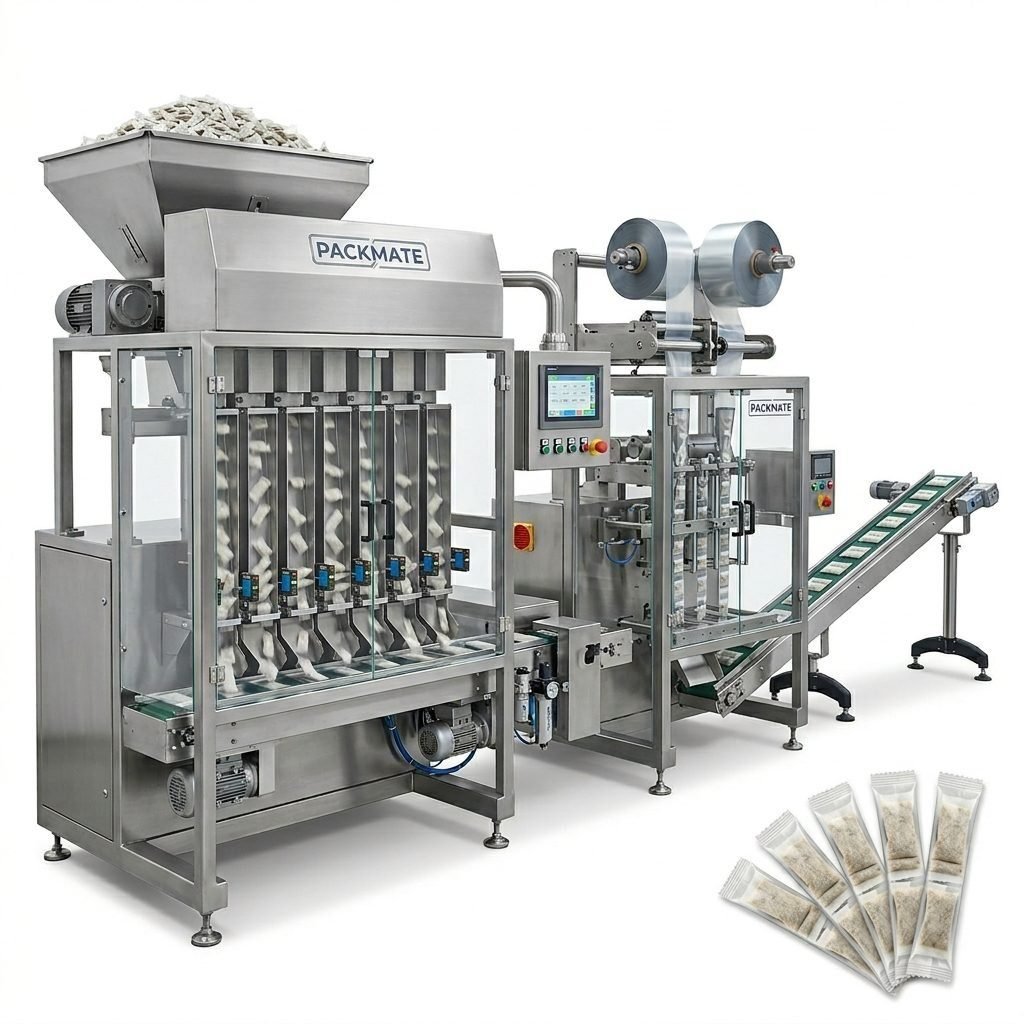
Choosing the right nicotine packaging machine manufacturer is a critical decision for businesses in Bangladesh aiming to scale production, comply with global standards, and secure reliable after-sales support. This guide will walk you through the most important factors to evaluate, practical questions to ask suppliers, and actionable steps to select a manufacturer that meets technical, regulatory, and commercial needs.
Why the Manufacturer Matters for Nicotine Packaging
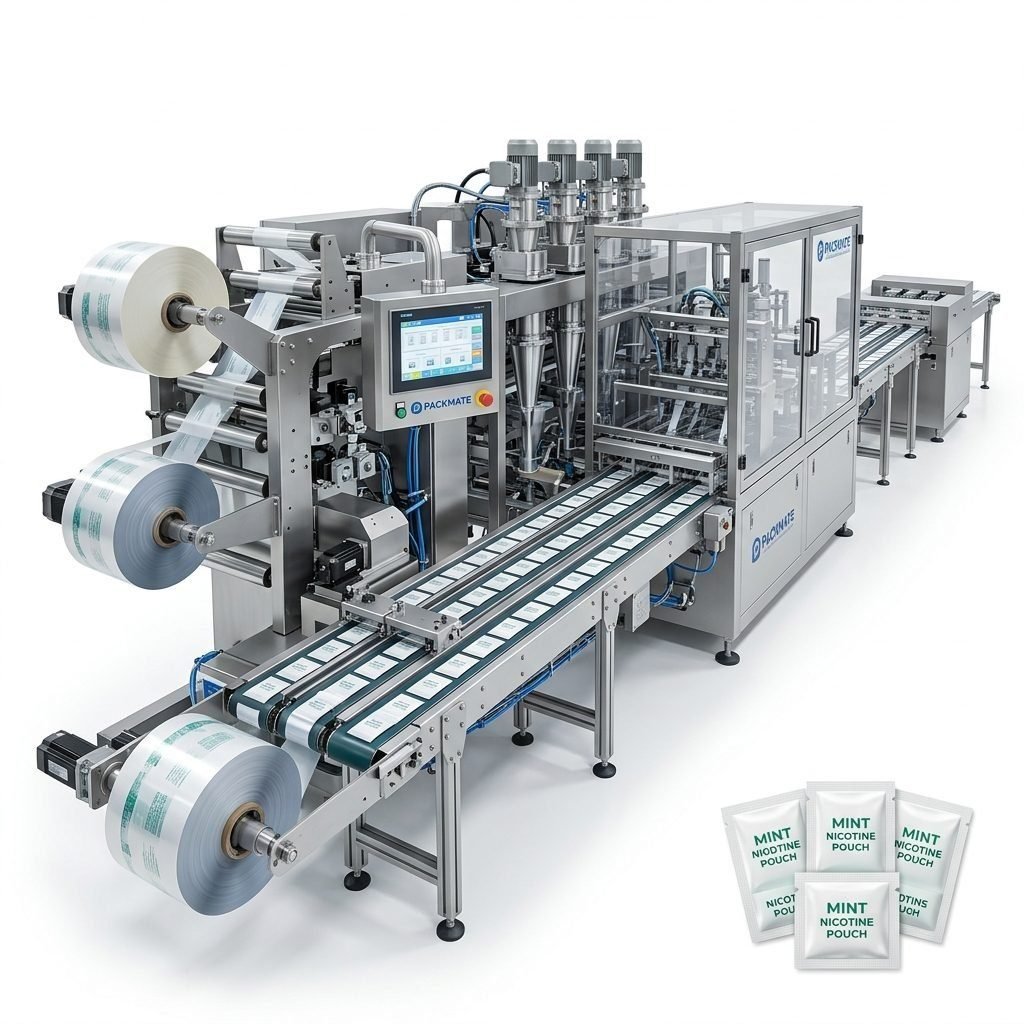
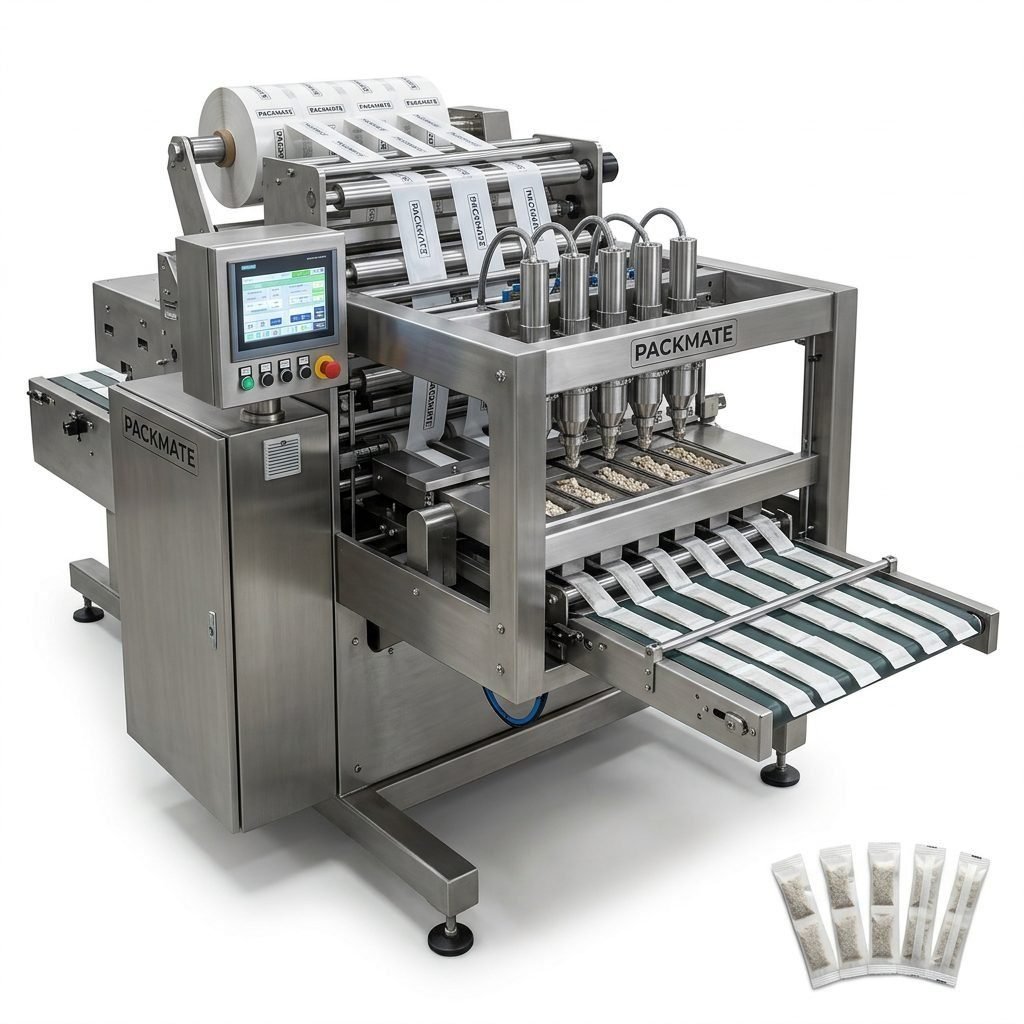
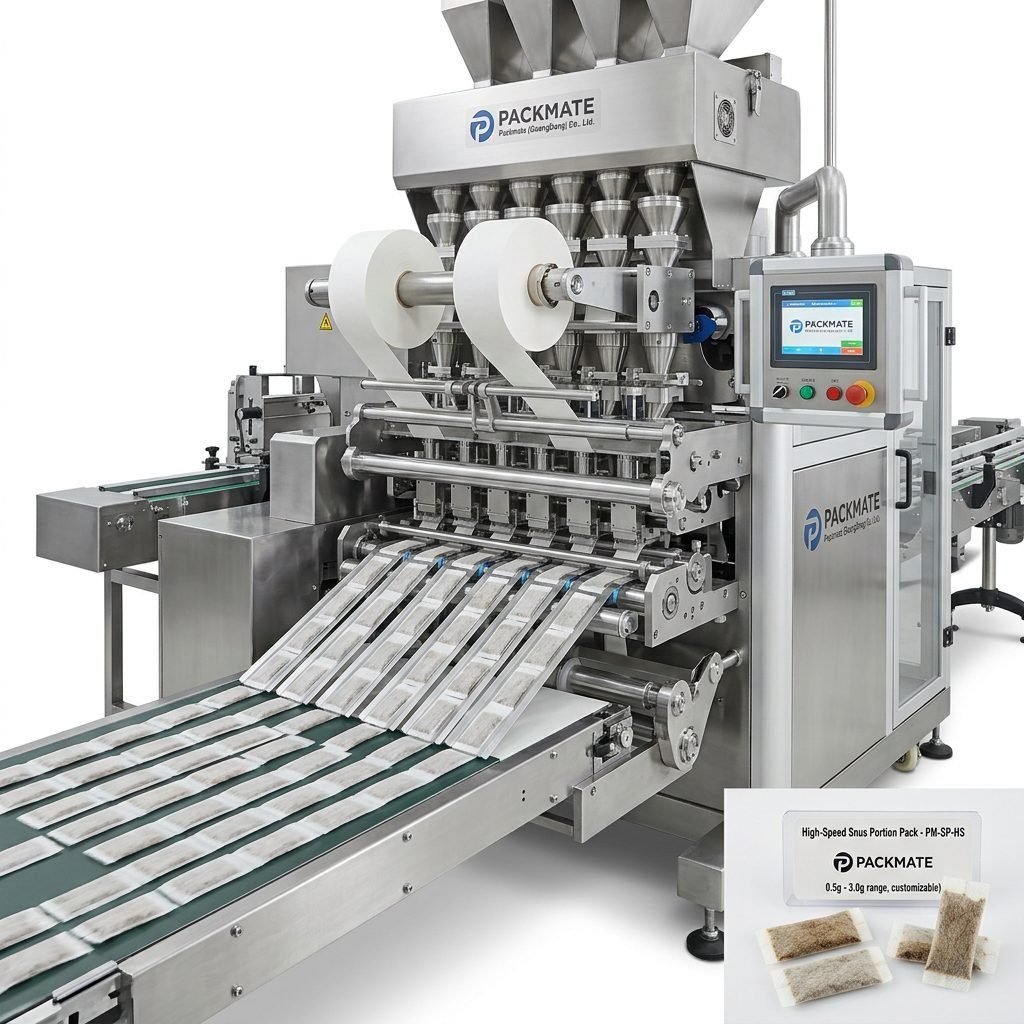
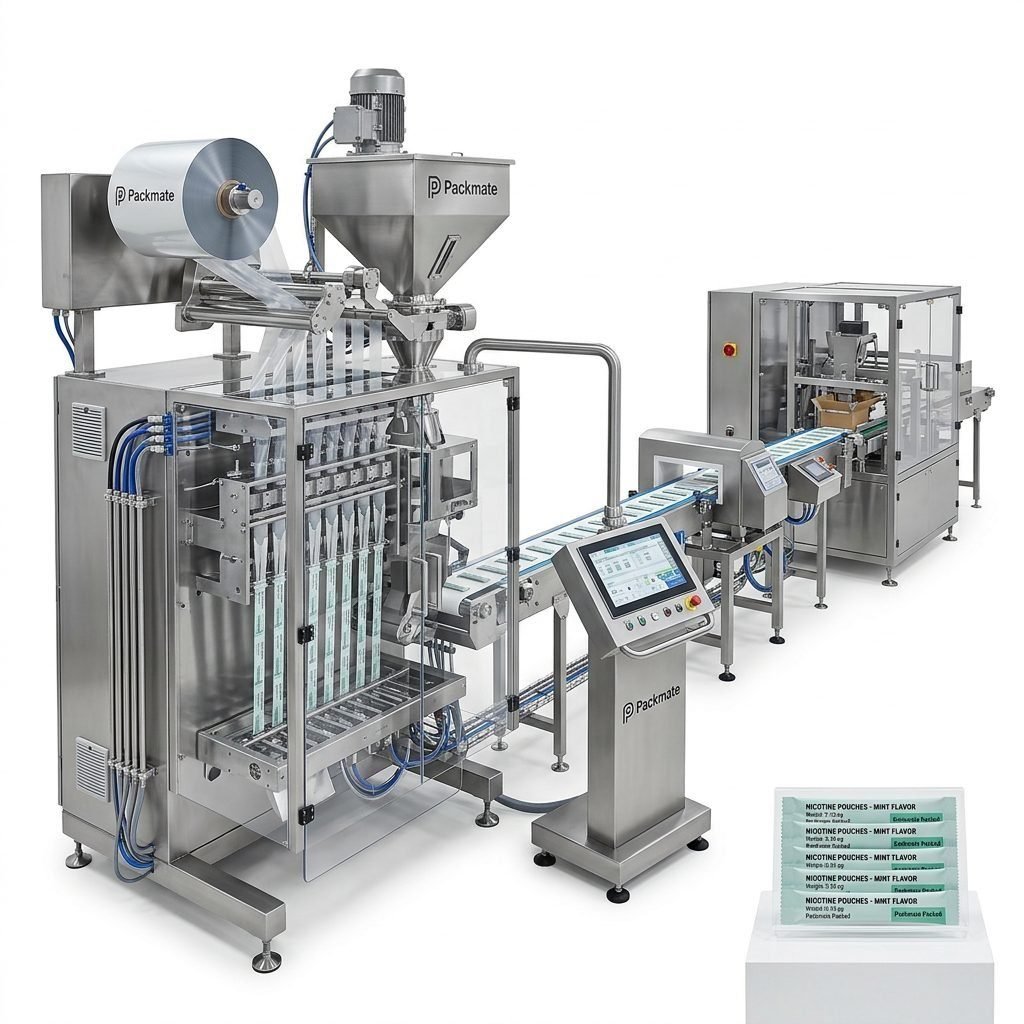
Nicotine pouch and snus packaging require machines that deliver consistent dosing, strict hygiene controls, and high-speed multi-lane performance for small-dose products. Choosing the wrong supplier can lead to inefficiencies, frequent downtime, compliance risks, and unexpected costs. Focus on manufacturers with proven track records in snus & nicotine packaging, advanced engineering capabilities, and global regulatory experience.
Look for companies with long-term engineering experience, CE/ISO certifications, and factory capacity to support customized turnkey lines.
1. Technical Capabilities & Product Fit
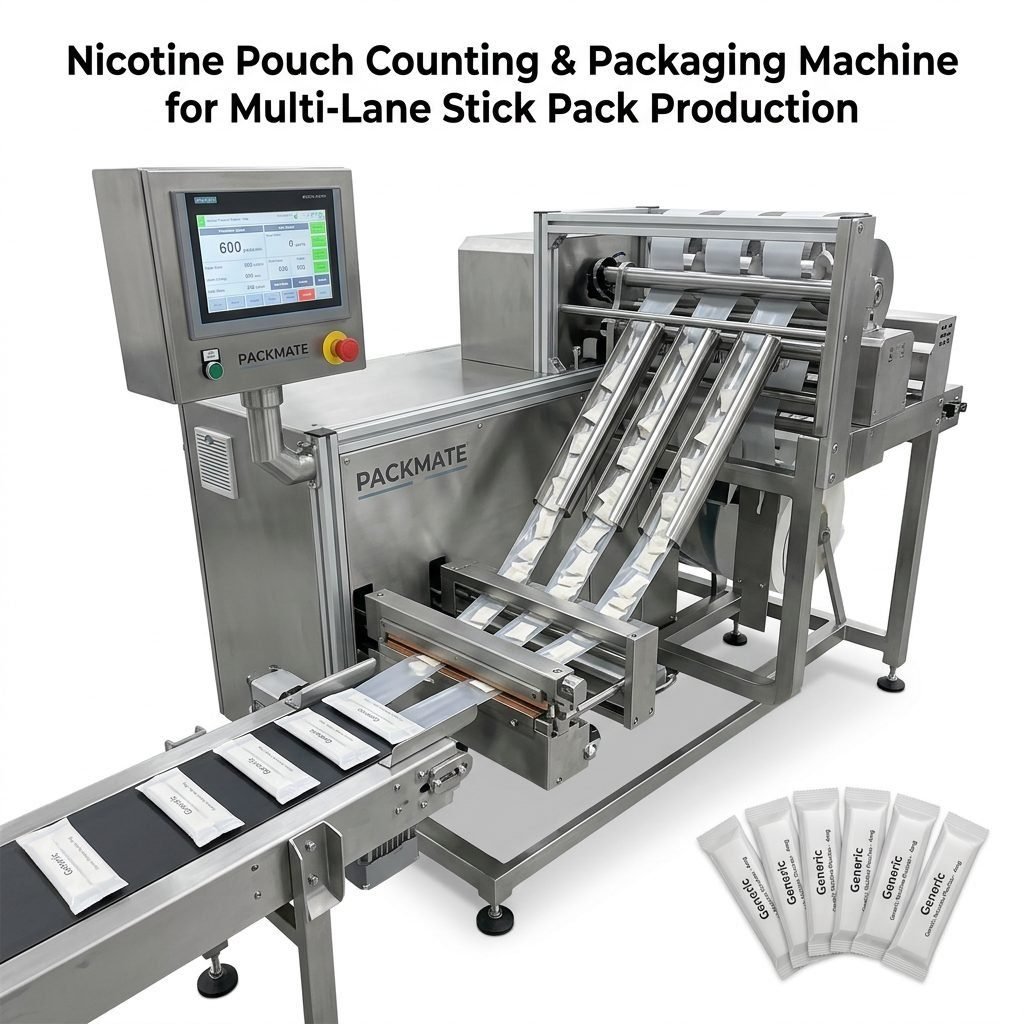
Start by matching the manufacturer’s product portfolio to your specific packaging format: snus/nicotine pouches, stick packs, sachets, or multi-lane systems. Key machine features to evaluate:
- ✔️ High-precision dosing systems for small-dose nicotine pouches
- ✔️ Multi-lane capability for higher throughput and efficiency
- ✔️ Hygienic design for easy cleaning and GMP compliance
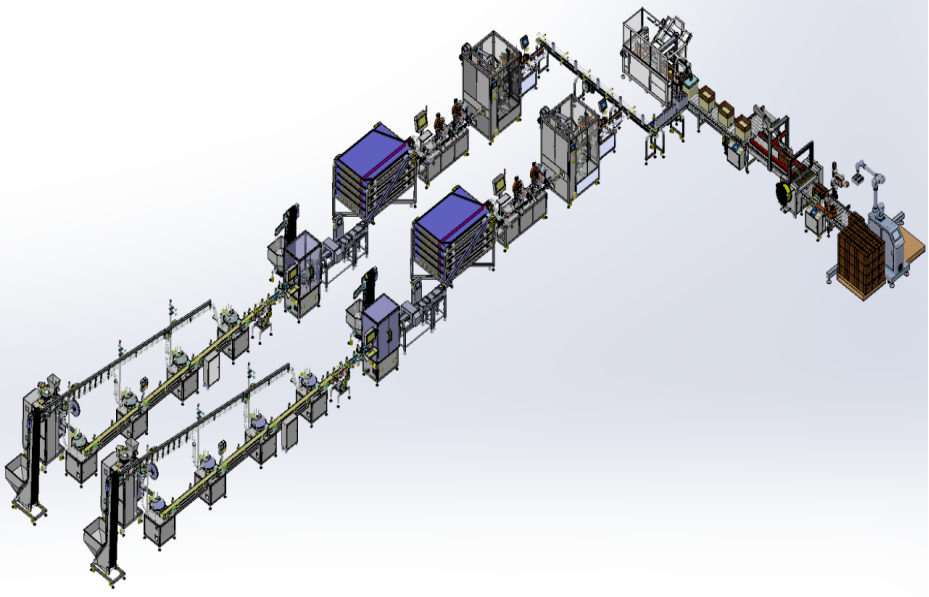
- ✔️ Integration options with weighing, filling, and secondary packaging lines
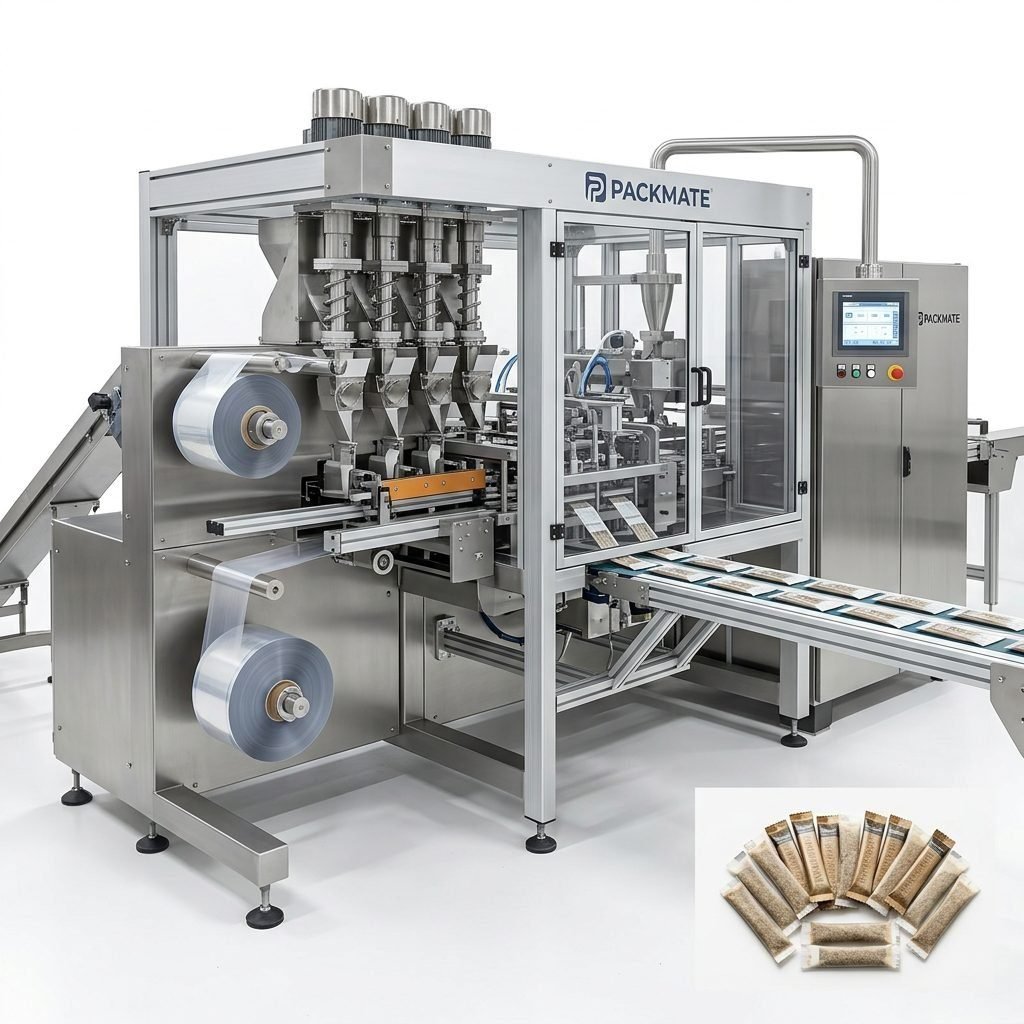
Explore product pages like Snus & Nicotine Packaging Machines and Sachet & Stick Pack Machines to compare technical specs and standard configurations.
2. Manufacturer Experience & Factory Strength
Experience reduces risk. Prioritize manufacturers with:
- ✅ 30+ years of engineering experience is a strong indicator of maturity
- ✅ Large factory area (for example, a 20,000㎡ facility) shows capacity to deliver and test complex lines
- ✅ Advanced CNC machining and precision assembly equipment reduce part variability
3. Certifications & Compliance
Nicotine-related products are often subject to stringent regulatory scrutiny. Ensure your supplier provides machines that meet international standards and facilitate compliance:
- ✔️ CE compliance for safety and EU market access
- ✔️ ISO quality systems for consistent manufacturing and documentation
- ✔️ GMP-friendly designs and materials for hygiene-sensitive production
For manufacturer credentials, check their Certificate and related compliance pages.
4. Customization & Turnkey Solutions
Many nicotine manufacturers need tailored lines—mixing feeders, multi-lane pouching, special bag formats, or secondary packaging. Evaluate:
- 🔧 Ability to deliver turnkey lines including weighing, filling, pouching, and secondary packaging
- 🔧 Experience with custom tooling and format changeovers
- 🔧 Software and PLC integration that supports batch records and traceability
You can review integrated solutions like Filling & Packaging Lines and Weighing & Packaging Systems to see how components are combined into production-ready lines.
5. After-sales Support & Spare Parts
Reliable local support is especially important for manufacturers in Bangladesh who may need quick repairs, spare parts, or remote troubleshooting. Assess:
- 📞 Warranty terms, remote diagnostics, and team response time
- 📦 Availability and lead times for spare parts
- 🛠 Training packages for operators and maintenance staff
Ask for a spare-parts list and typical delivery times to Bangladesh. Confirm if the supplier offers on-site commissioning and operator training.
6. Quality, Testing & Acceptance Procedures
Define acceptance criteria before purchase: throughput, pouch integrity, weight tolerance, uptime targets, and test protocols. Ensure the supplier can demonstrate machine performance via factory acceptance testing (FAT) or onsite trials.
- 🔍 Request FAT reports and video demos of similar lines in operation
- 🔍 Require clear performance guarantees and penalties for unmet KPIs if applicable
- 🔍 Validate spare tooling and changeover times during acceptance tests
7. Cost vs. Value — Total Cost of Ownership (TCO)
A low purchase price can hide long-term costs. Evaluate:
- 💰 Energy consumption and maintenance costs
- 💰 Availability and cost of consumables and spare parts
- 💰 Expected machine life and resale value
Calculate TCO for a realistic 5-year period including downtime risks, instead of only comparing initial quotes.
8. Logistics, Lead Time & Installation
Consider shipping, customs, and installation timelines—especially when importing lines into Bangladesh. Ask the manufacturer about:
- 🚚 Typical production lead time and export packing standards
- 🚚 Support for customs documentation and local clearance
- 🚚 Onsite installation, testing, and staff training availability
9. Visit, References & Case Studies
If possible, visit the manufacturer or attend an exhibition where their machines are demonstrated. Request references and real-world case studies to validate claims. Useful resources include verified customer cases and exhibition appearances.
Browse case references and exhibition history to validate performance: Case and Our Exhibition.
Checklist: Questions to Ask Prospective Manufacturers
- • What is the model best suited for nicotine pouches and its throughput?
- • Can you provide FAT videos, references, and OEE data from installed lines?
- • What certifications do your machines have (CE, ISO)?
- • What is included in the warranty, and what support is available in Bangladesh?
- • How long is the lead time and typical spare parts delivery time?
- • Can you customize tooling and software for specific pouch formats?
Common Machine Types for Nicotine Packaging
Understand the machine family and select the model that aligns with your product and scale:
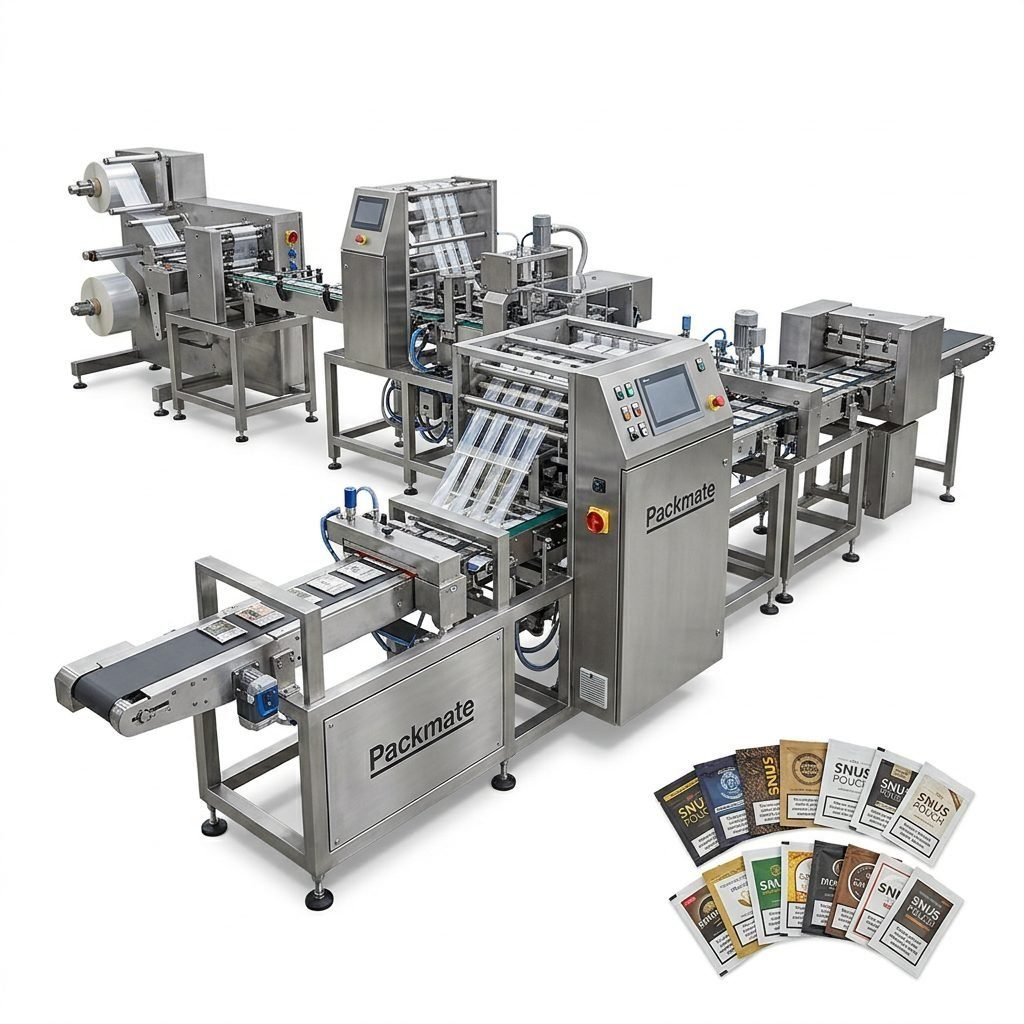
- • Snus / Nicotine pouch packing machines — specialized for pouch dose control
- • Stick pack / sachet machines — ideal for single-serve formats
- • Multi-lane systems — increase throughput for small-dose products
- • Integrated filling & weighing lines — combine accuracy with speed
For an overview of the product range, view Snus & Nicotine Packaging Machines and Bag & Pouch Packaging Machines.
Selecting a Supplier: Step-by-step
1) Shortlist 3–5 suppliers based on product fit and reputation. 2) Request technical proposals and FAT evidence. 3) Score suppliers using the evaluation scorecard. 4) Negotiate commercial terms and include acceptance tests in the contract. 5) Plan logistics and local installation support.
When ready, request an on-site consultation or remote demonstration to validate the solution for your Bangladesh production environment. You can explore manufacturer company details at About Packmate or reach out via Contact Us.
Final considerations before committing
Ensure the purchase agreement includes clear acceptance criteria, warranty terms, spare parts lists, and training commitments. Factor in regulatory compliance for nicotine products in Bangladesh and any export/import restrictions. Choose a partner who offers transparent documentation, visible factory capability, and a global support network for peace of mind.
Frequently Asked Questions
Q1: How long is the typical lead time for a custom snus packaging line?
A1: Lead time varies by complexity. Standard machines may ship within 8–12 weeks, while fully customized turnkey lines typically require 12–24 weeks including FAT and tooling.
Q2: What certifications should I require from a nicotine packaging machine manufacturer?
A2: Require CE for safety, ISO for quality management, and documented hygienic design practices (GMP compatibility). Review their certificate documentation and FAT reports.
Q3: Does the supplier provide installation and training in Bangladesh?
A3: Many experienced suppliers offer on-site installation and operator training, or remote commissioning support. Confirm costs and timeline in the contract and check for local partner availability.
Q4: How do I evaluate TCO for a packaging line?
A4: Include purchase price, energy use, maintenance, spare parts, consumables, expected downtime, and projected throughput. Compare long-term value rather than initial cost only.
Q5: Where can I see real-world examples and get more information about Packmate solutions?
A5: Review product pages, case studies, and company information provided on the manufacturer’s site for examples of installed lines and technical documentation.