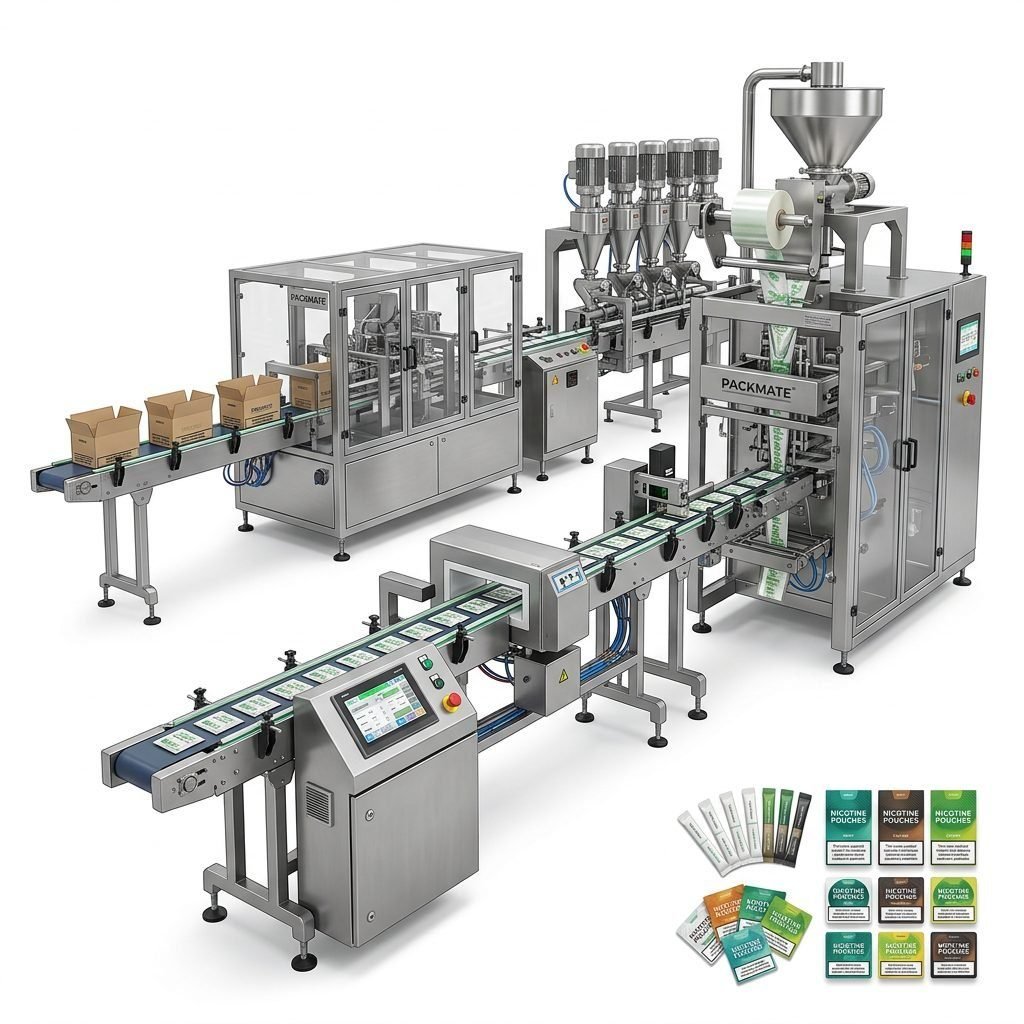
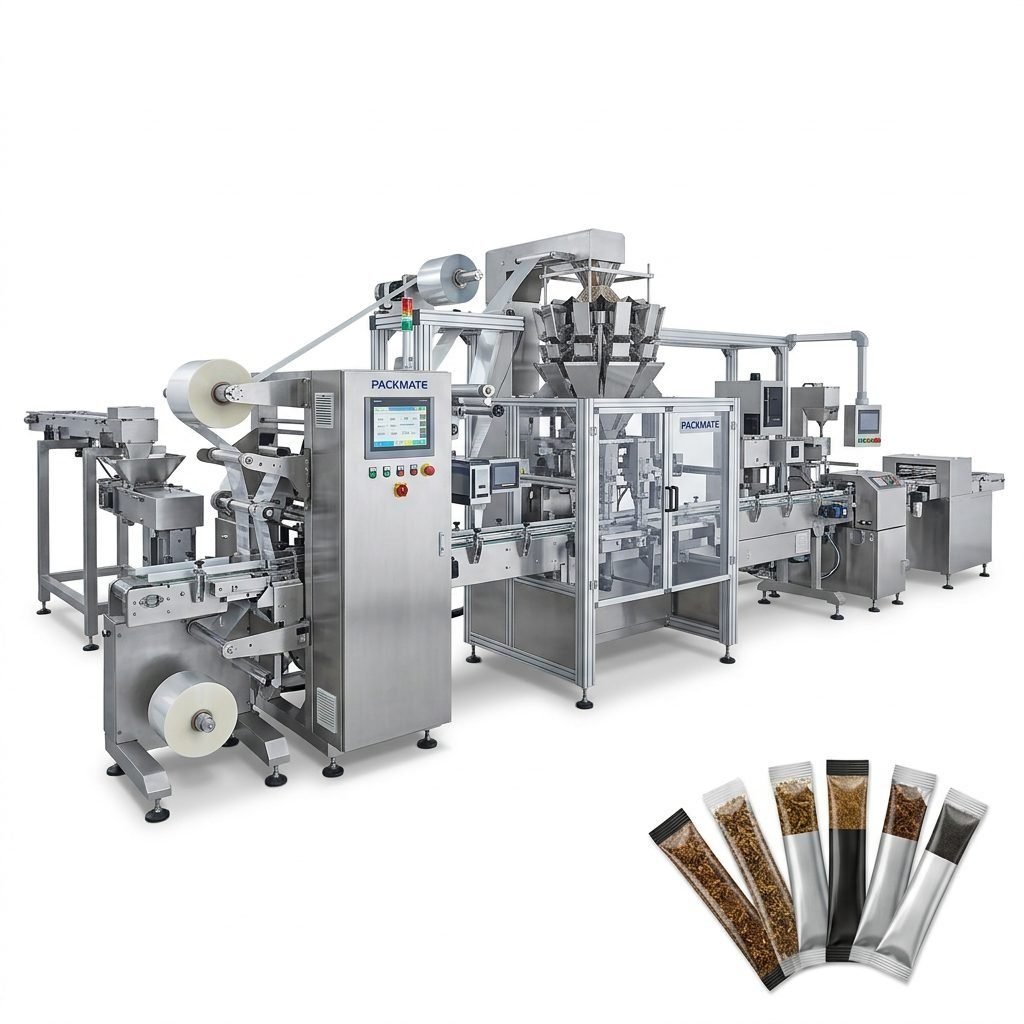
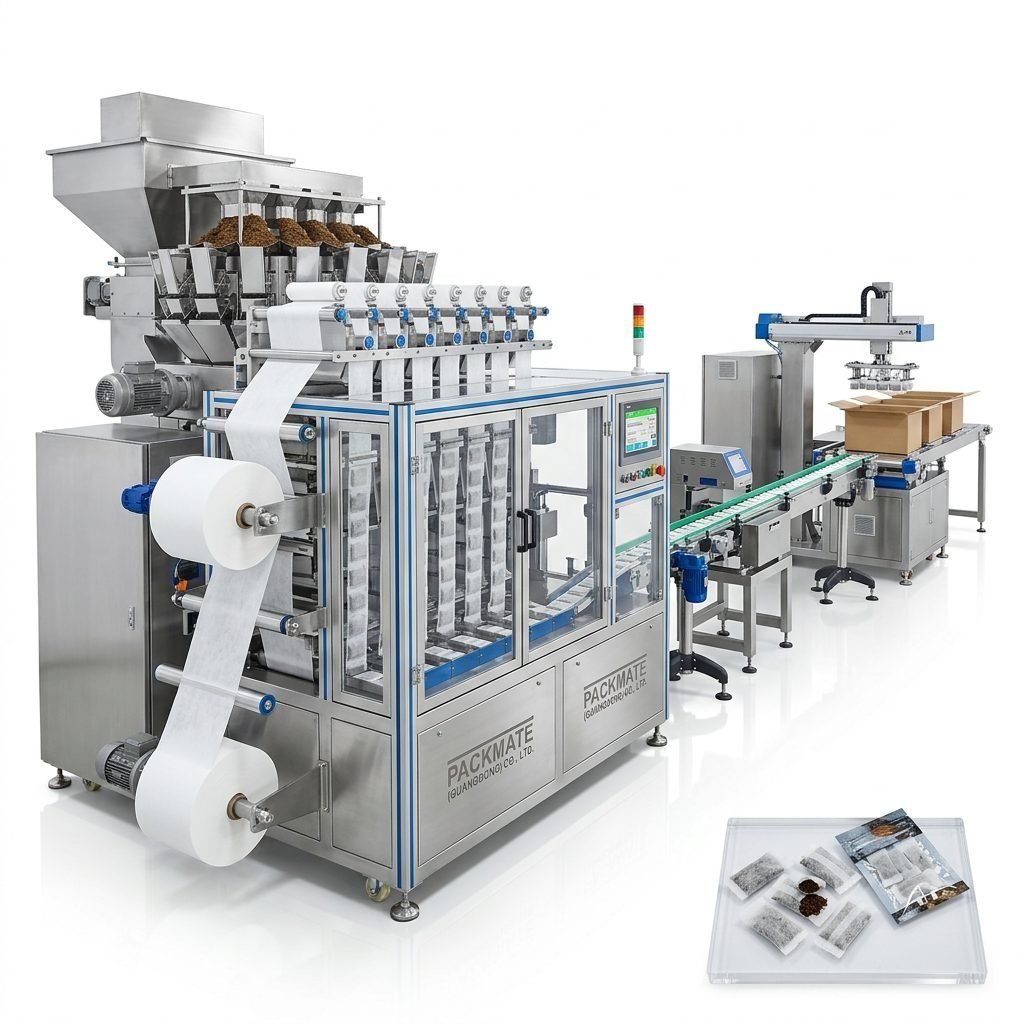
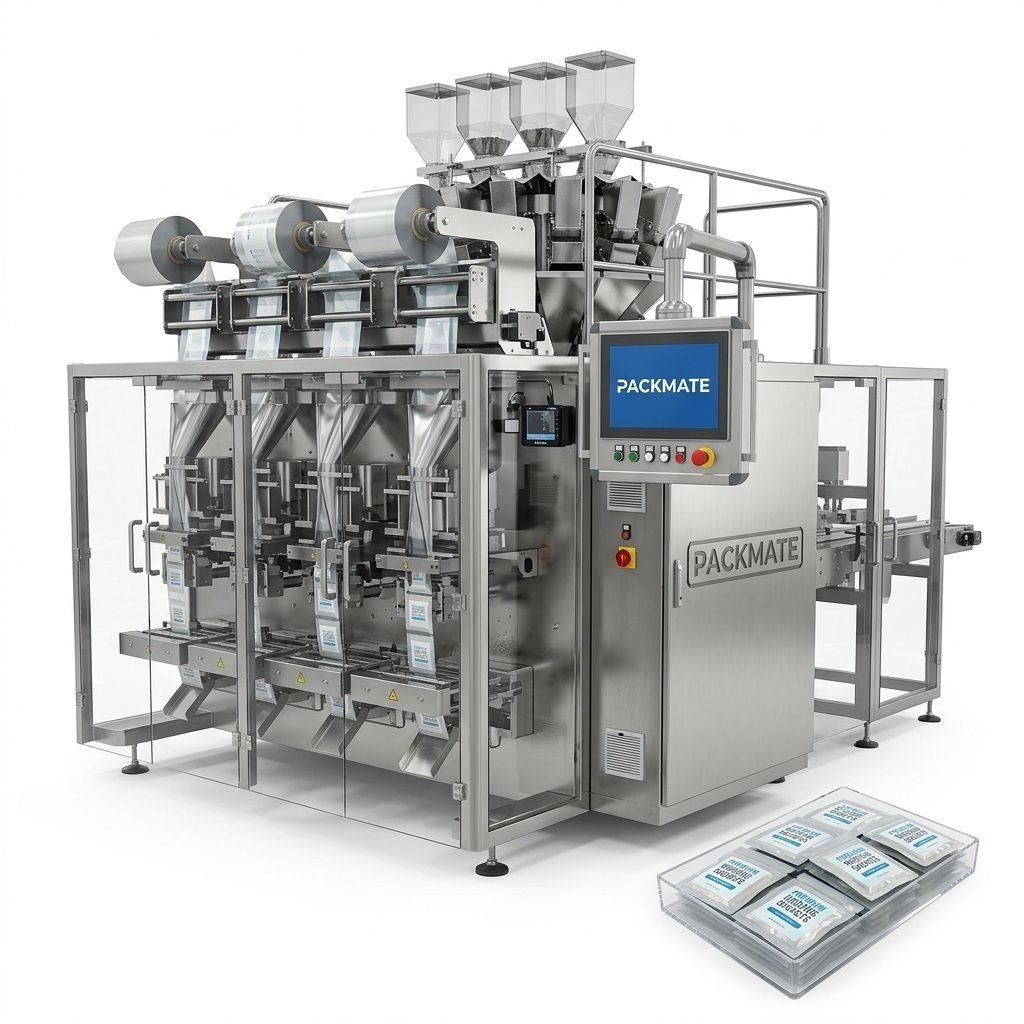
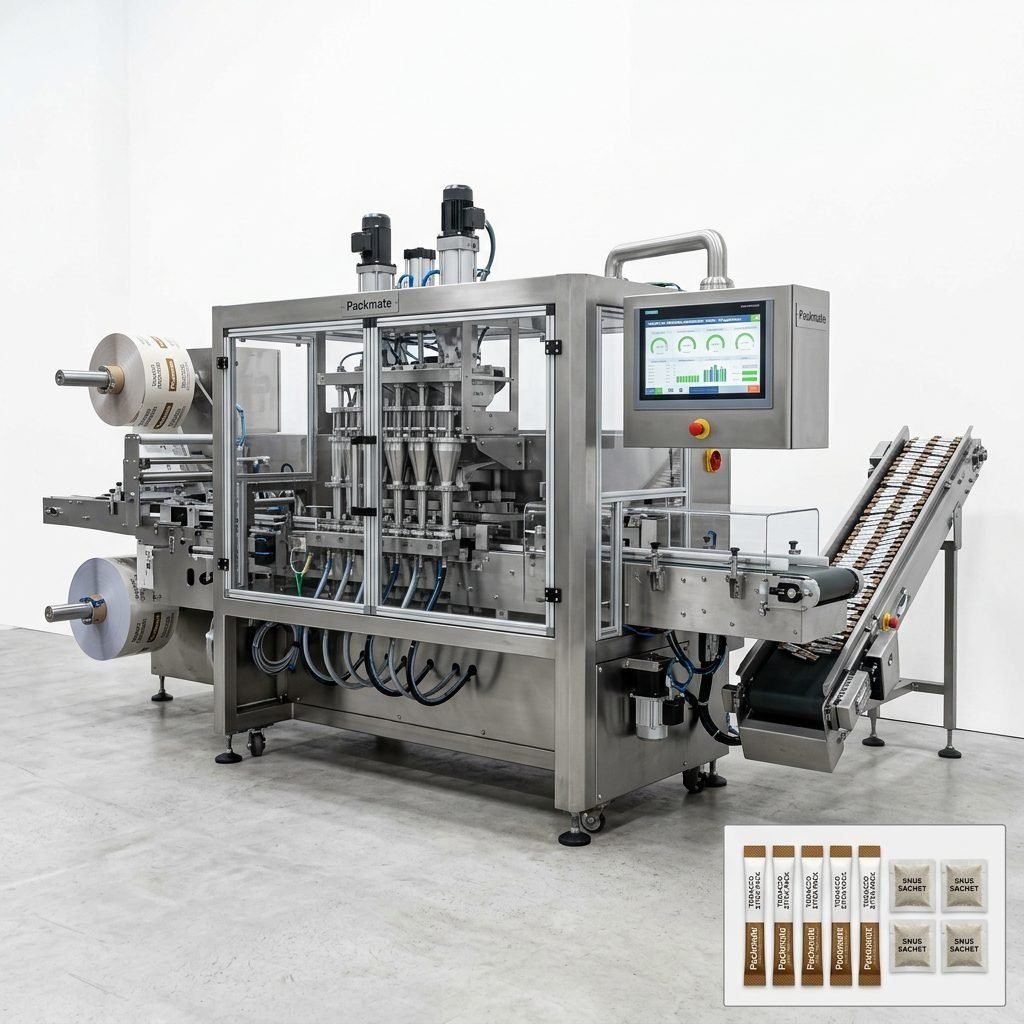
Choosing the right snus packaging machinery manufacturer for your factory in Mozambique is a critical decision that affects product quality, production efficiency, compliance, and long-term profitability. This guide walks factory managers, procurement teams, and operations leaders through a systematic approach to select the best partner for snus and nicotine pouch packaging—covering technical criteria, factory capabilities, compliance, after-sales service, customization options, and cost considerations.
Understand Your Product and Production Needs 🔍
Start by defining your product specifications and target output. Are you producing nicotine pouches, traditional snus, or a range of sachet and stick-pack formats? Do your products require multi-lane packaging for high throughput, or single-lane flexible systems for smaller batches?
Key questions: target output (units/min), pouch types (stick, sachet, multi-lane), materials (film, foil, laminated pouches), fillings (powder, granule, paste, liquid), and dosage accuracy requirements.
Evaluate Manufacturer Experience and Specialization 🏭
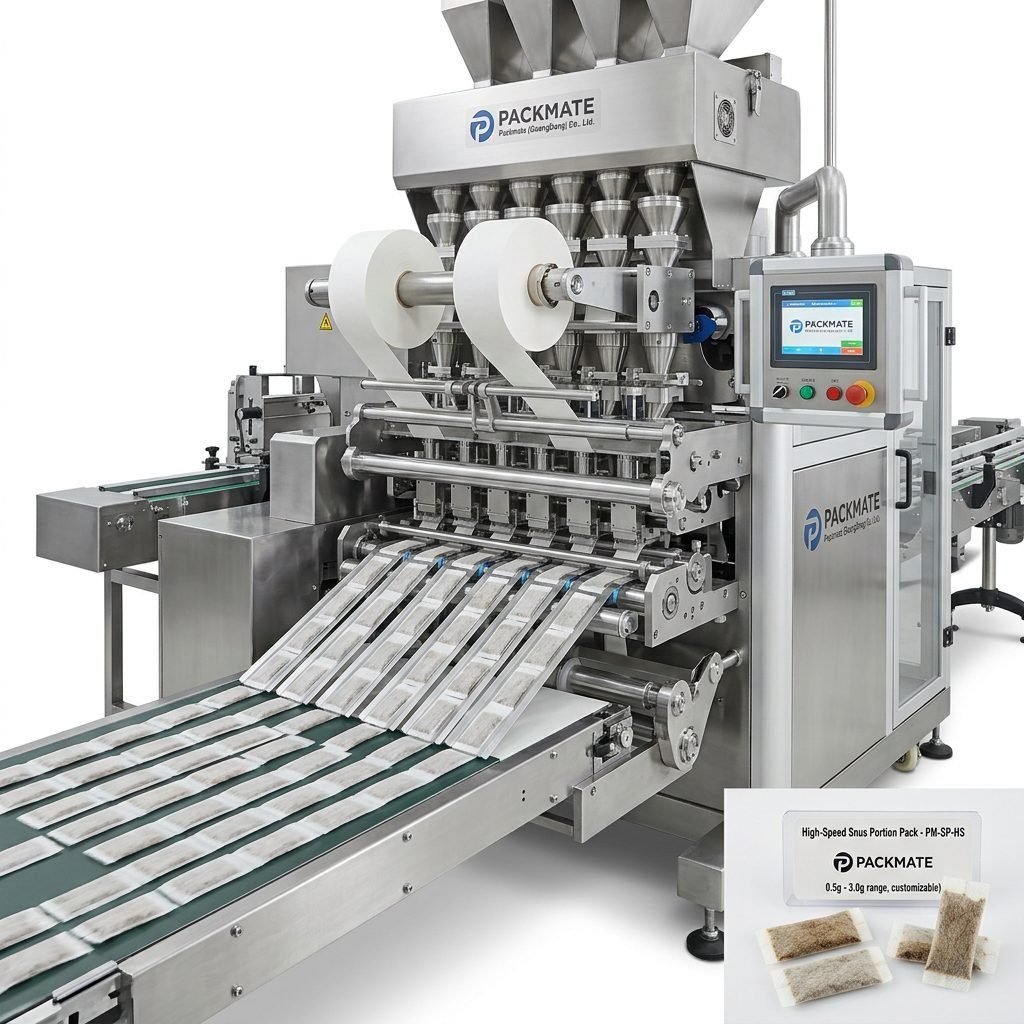
Experience specifically in snus and nicotine pouch packaging is invaluable. Look for manufacturers who have been developing snus-focused solutions and can demonstrate multi-lane systems, precise dosing, and contamination control. A supplier with decades of engineering and industry-specific expertise can offer better reliability and continuous improvement.
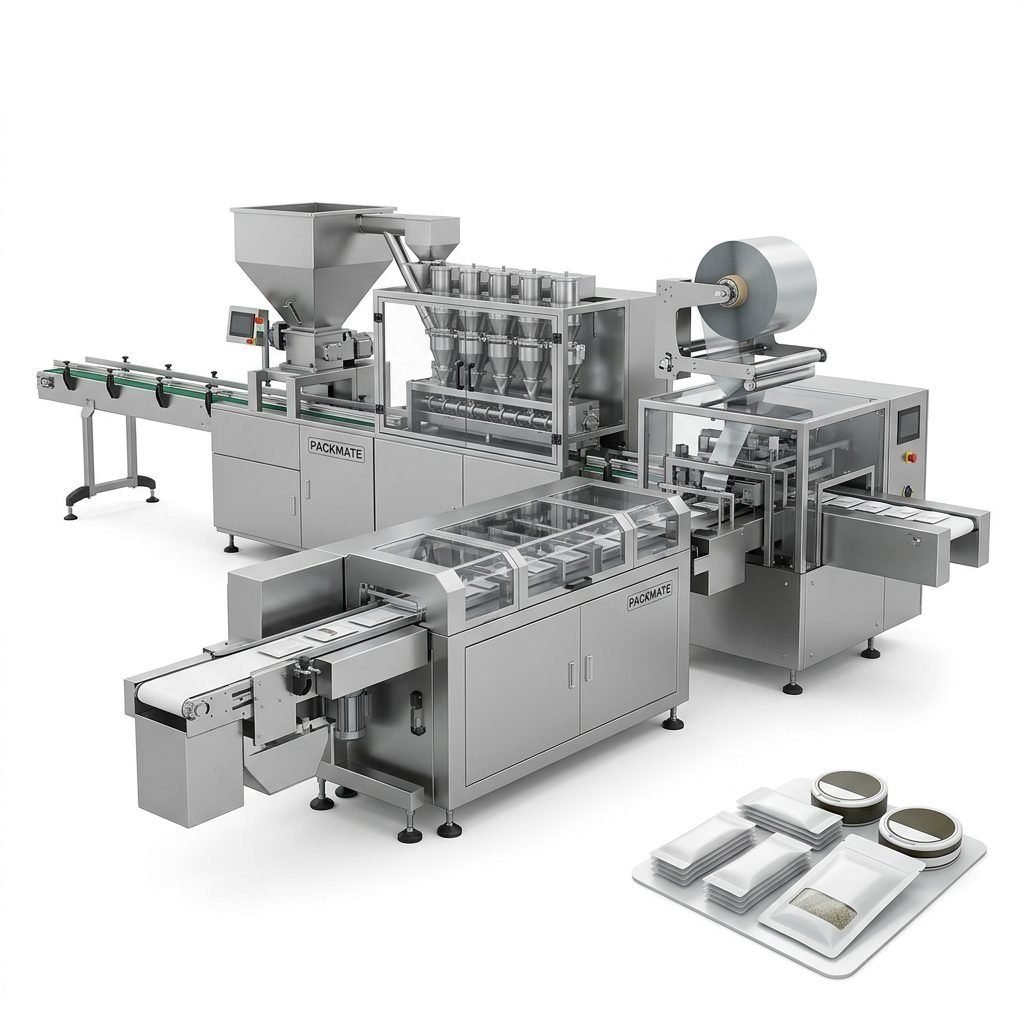
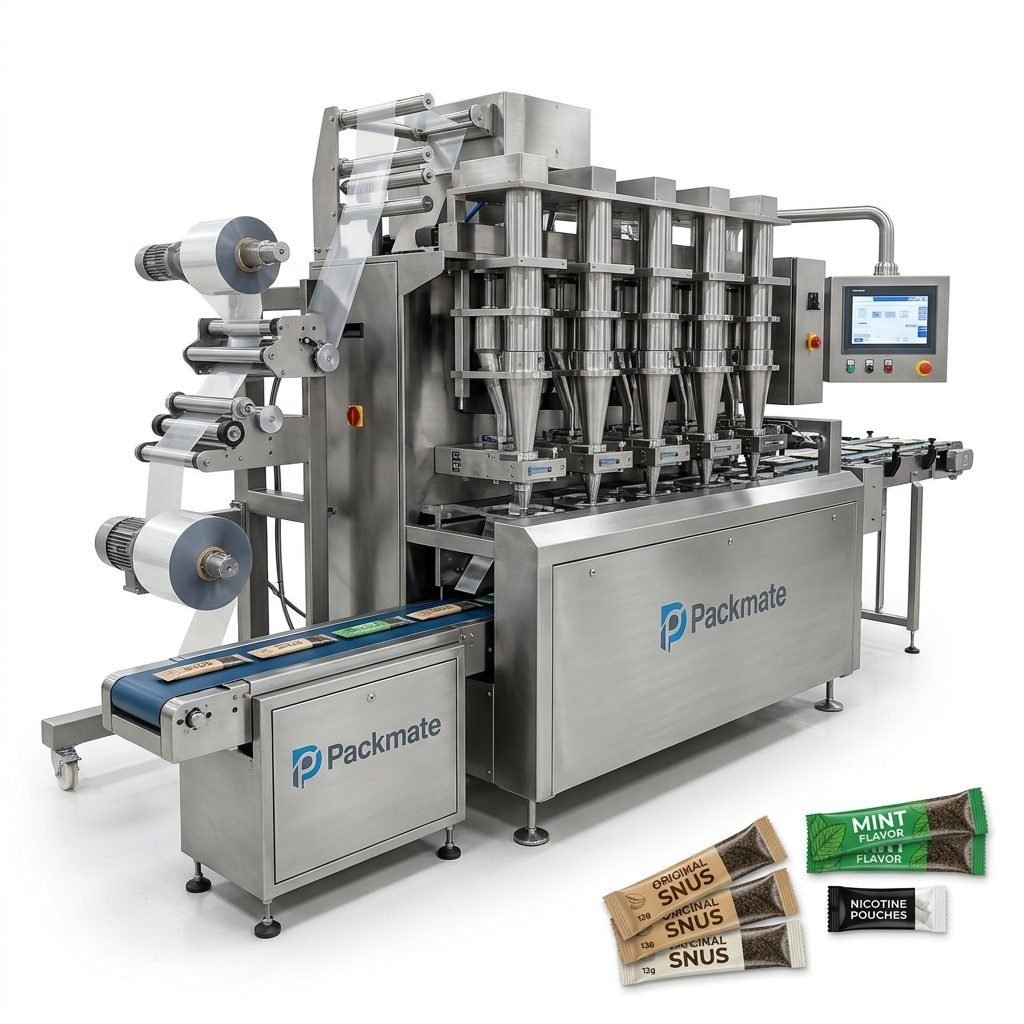
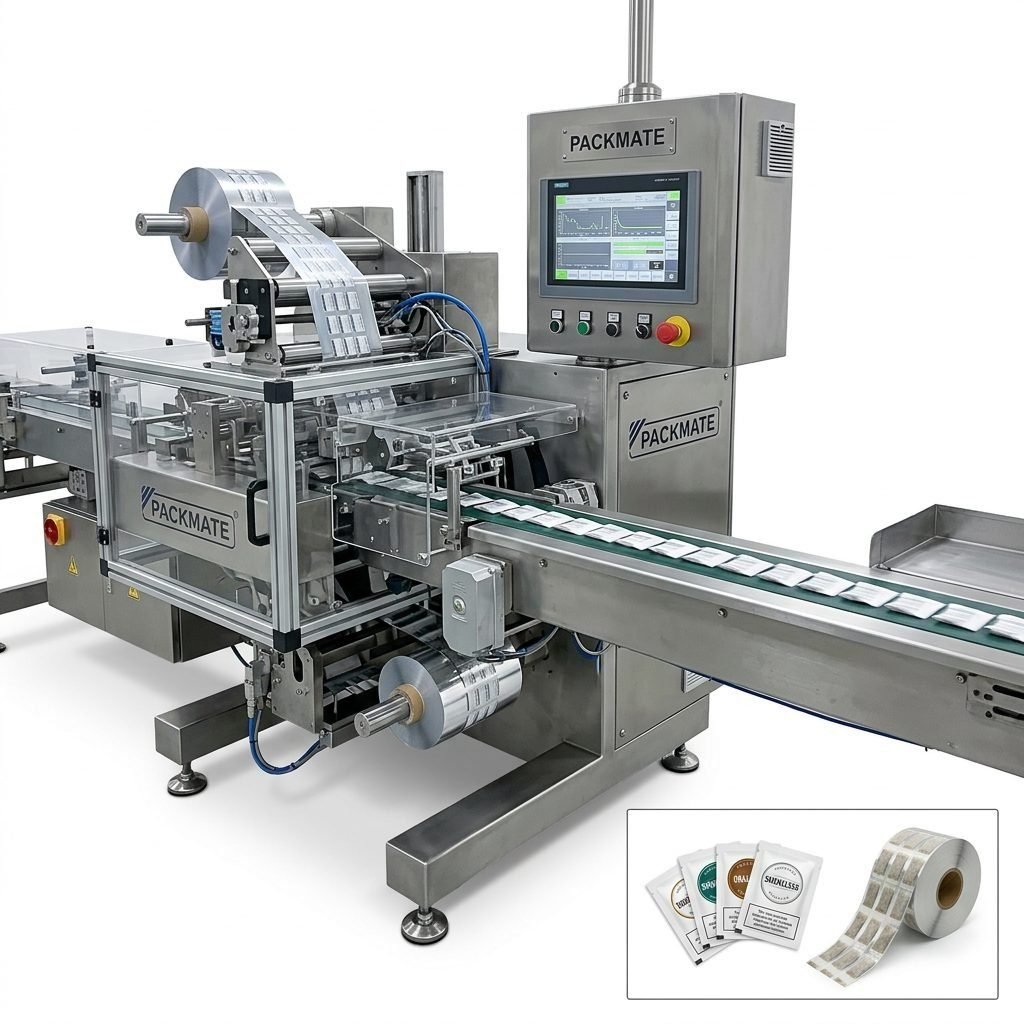
For a deep dive into product lines and specialized machines, review manufacturers that list snus-specific machines and complete lines. For example, examine the manufacturer’s snus and nicotine packaging models to ensure they match your needs: Snus & Nicotine Packaging Machines.
Why factory scale and tooling matter
A well-equipped manufacturing facility (CNC machining, precision assembly, testing rigs) signals the ability to produce machines with tight tolerances and repeatable performance. Verify the manufacturer’s facility size, production lines, and quality control processes.
Red flag: suppliers without documented tooling or quality systems may underdeliver on precision and durability.
Technical Performance: Accuracy, Speed, and Flexibility ⚙️
Your chosen machine must meet strict filling accuracy for nicotine content and offer production speeds that fit your business model. Assess:
- Filling accuracy and repeatability for micro-dose products
- Maximum and minimum speed (units/min or lanes/min)
- Changeover time between formats
- Compatibility with different pouch materials and thicknesses
- Modular design for future upgrades
Suppliers that showcase multi-lane high-speed systems, such as advanced stick and sachet machines, can provide scalable options: Sachet & Stick Pack Machines.
Quality, Compliance, and Certifications ✅
Regulatory compliance and machine safety certifications (for export and local standards) are non-negotiable. Verify CE, ISO, or other relevant certifications and request documentation. For nicotine products, hygiene and contamination control features are essential.
Tip: ask for factory acceptance test (FAT) reports, material traceability, and certification copies before purchase.
Customization, Turnkey Solutions, and Integration 🔧
Many factories require customized feeding systems, unique dosing modules, or integrated weighing and packaging lines. Choose a vendor who offers turnkey solutions—including filling, weighing, pouch forming, sealing, and packing—so you receive a cohesive production line rather than piecemeal machines.
For reference on fully integrated options, explore manufacturers that provide complete filling and packaging lines: Filling & Packaging Lines and Weighing & Packaging Systems.
Modularity and future-proofing
A modular machine architecture lets you add features (additional lanes, automated carton erectors, or metal detection) without replacing the entire system. This reduces future CAPEX and shortens upgrade lead times.
Service, Spare Parts, and Local Support 🤝
After-sales service is critical—especially in countries where rapid local support may be limited. Confirm the manufacturer’s spare parts availability, recommended spares list, and remote support capabilities (video troubleshooting, PLC backups).
Ask for: service level agreements (SLAs), mean time to repair (MTTR) estimates, and references from customers in your region.
Total Cost of Ownership (TCO) vs. Initial Price 💰
Evaluate TCO: initial purchase price, installation, commissioning, training, spare parts, energy consumption, and expected lifetime. A cheaper machine may cost more over five years if downtime and spare parts are frequent.
Consider financing, warranty length, and the cost of on-site technician training. A reputable supplier will provide clear warranty terms and training packages for operators and maintenance staff.
Factory Visits, Case Studies, and Customer References 📄
Request factory visits or virtual tours to inspect manufacturing processes and quality control. Review case studies that demonstrate proven installations for snus or nicotine pouch lines. Manufacturers with a global portfolio and exhibition presence often provide reliable references: Case and Our Exhibition.
What to check during a visit
Observe assembly practices, test runs, and quality assurance checks. Verify control cabinets, electrical layout, HMI usability, and safety guards. Confirm cleanliness and organization in assembly and test areas as indicators of disciplined manufacturing.
Delivery, Installation, and Commissioning Timeline ⏱️
Clarify lead times for manufacturing, shipping, customs clearance to Mozambique, on-site installation, and commissioning. A detailed project timeline with milestones reduces surprises and helps you coordinate factory readiness.
Include responsibilities for site preparation, utilities, foundation requirements, and operator training. A manufacturer offering end-to-end project management will typically minimize delays.
Sustainability, Energy Efficiency, and Waste Handling ♻️
Modern machines incorporate energy-saving drives, efficient pneumatics, and waste reduction features. Consider packaging material waste, film optimization, and recyclable materials in your supplier assessment. Sustainable practices can reduce costs and improve brand reputation.
Making the Final Choice: Scoring and Negotiation 📝
Create a weighted scoring matrix including technical fit, experience, certifications, TCO, lead time, service, and references. Shortlist vendors and request formal quotations, FAT documentation, and trial runs with your product or a representative sample.
Negotiation pointers: include spare parts kits, extended warranty, first-year service visits, and training days in the contract.
Why Choose a Specialized Snus Packaging Manufacturer?
Specialized manufacturers that focus on snus and nicotine pouch lines bring targeted expertise: optimized dosing modules, accurate multi-lane synchronization, and proven hygiene features. If you want to learn about a specialized supplier with decades of experience, product models, and turnkey solutions, review the company profile and offerings on their About page: About Packmate.
Final checklist before signing
Ensure all technical specs are in the contract, FAT acceptance criteria are clear, delivery and installation schedules are agreed, spare parts kits are included, and training & service terms are defined.
Start the Conversation and Next Steps 📬
Once you have a shortlist, request sample packaging trials, factory acceptance tests, and a site visit plan. For direct inquiries or to request solutions tailored to Mozambique operations, contact the manufacturer via their contact page: Contact Us.
Useful links
Explore product categories and additional equipment to build a complete line: Bag & Pouch Packaging Machines, Auxiliary Packaging Equipment.
Quick Summary
In short: define your product needs, prioritize specialized snus experience, validate technical performance and compliance, verify factory capabilities, secure reliable after-sales service, and evaluate total cost of ownership. Using a structured selection process dramatically reduces risk and accelerates time to profitable production.
Frequently Asked Questions
Q1: What minimum information should I provide manufacturers for accurate quotes?
Provide product type, pouch dimensions, filling material and weight range, target output (units/min), preferred pouch materials, power and utilities on site, and any regulatory compliance needs. The more detailed the specifications and samples, the more accurate the quote.
Q2: How important is FAT (Factory Acceptance Test)?
FAT is essential to verify that machines meet agreed performance criteria before shipment. It reduces installation issues, confirms product compatibility, and documents acceptance criteria for supplier accountability.
Q3: What spare parts should I keep on-site for snus packaging lines?
Typical spare parts include sealing jaws, belts, sensors, PLC modules, pneumatic valves, dosing nozzles, and fast-moving consumables. Ask the supplier for a recommended spares kit tailored to your line and local lead times.
Q4: Can a manufacturer customize machines for local Mozambique conditions?
Yes. Reputable manufacturers customize electrical systems, voltage, and environmental protections for local conditions. Discuss humidity control, dust protection, and packaging material availability during the specification stage.
Q5: How do I verify the supplier’s references and claims?
Request client references, visit case studies, ask for installation videos, and follow up with existing customers—especially those in similar markets or using snus/nicotine lines. Verify certifications and ask for recent FAT reports.