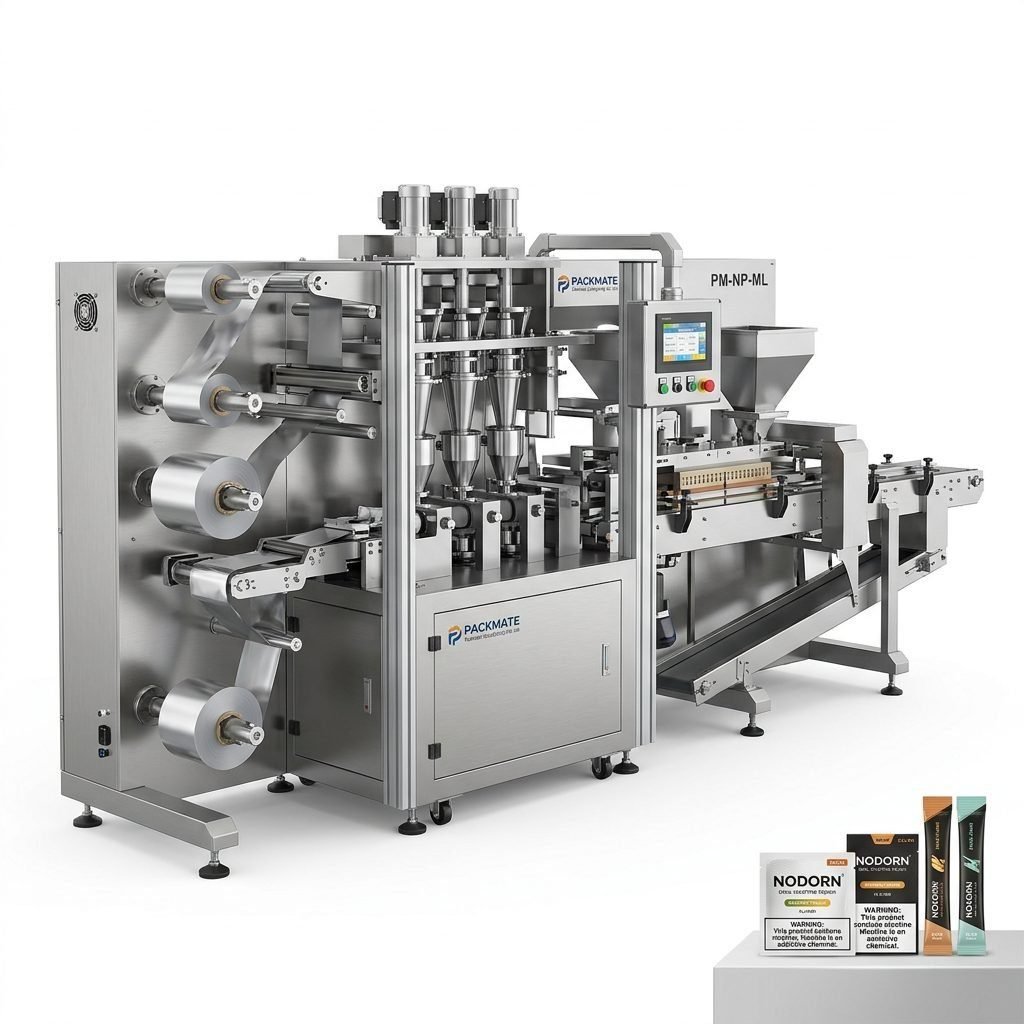
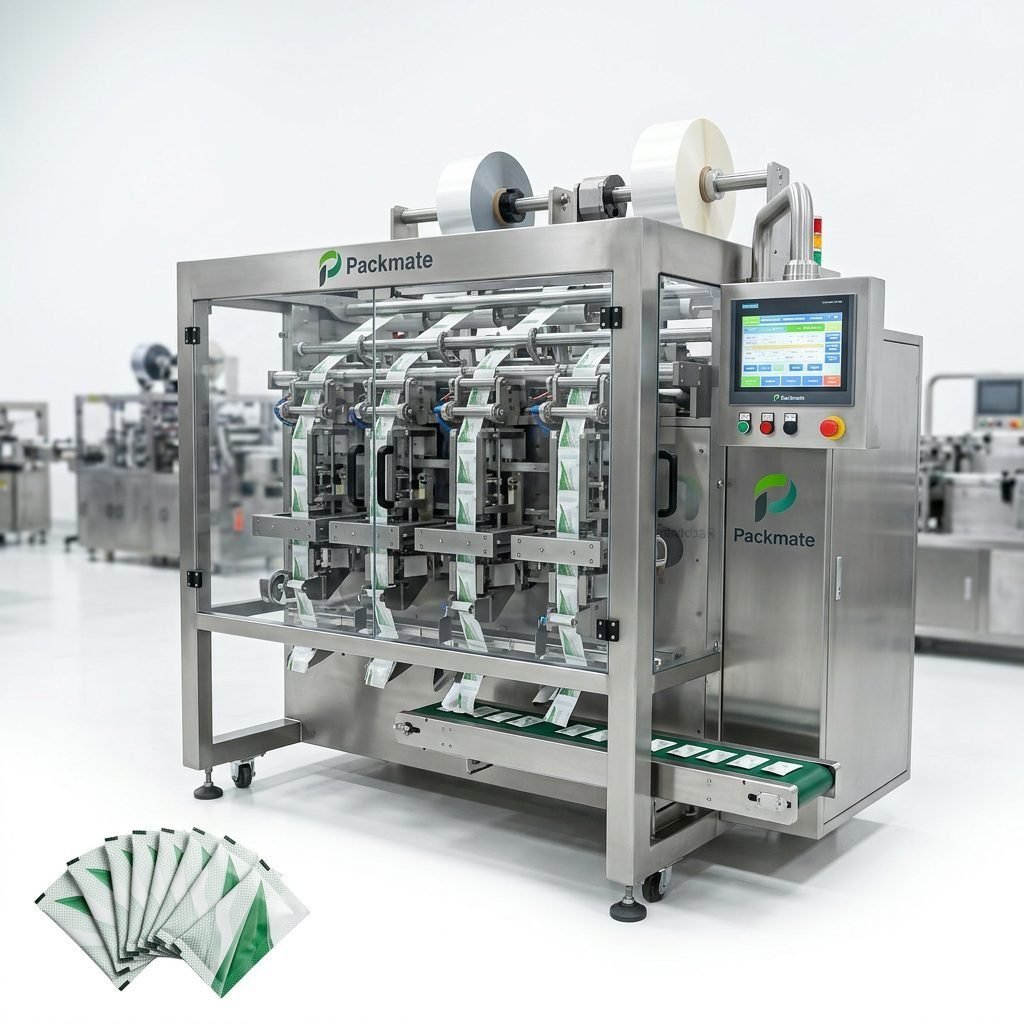
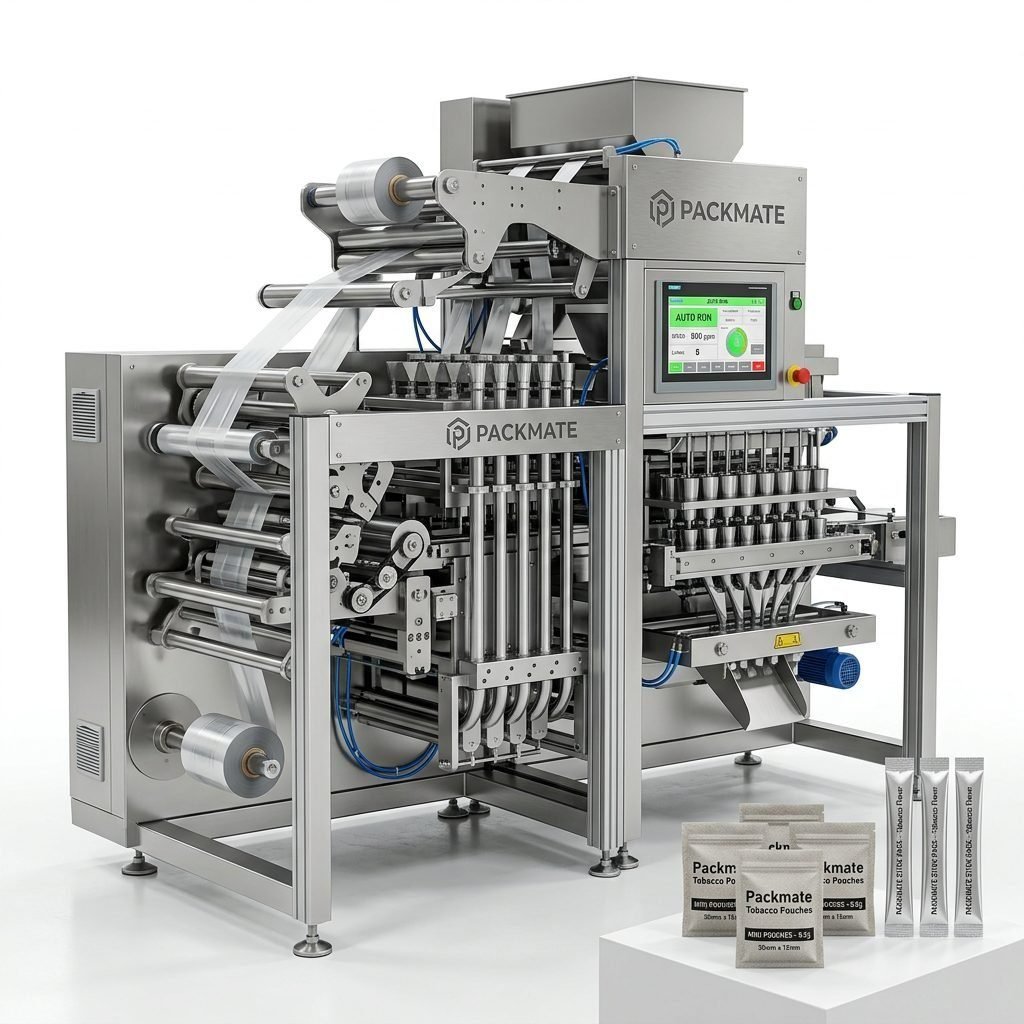
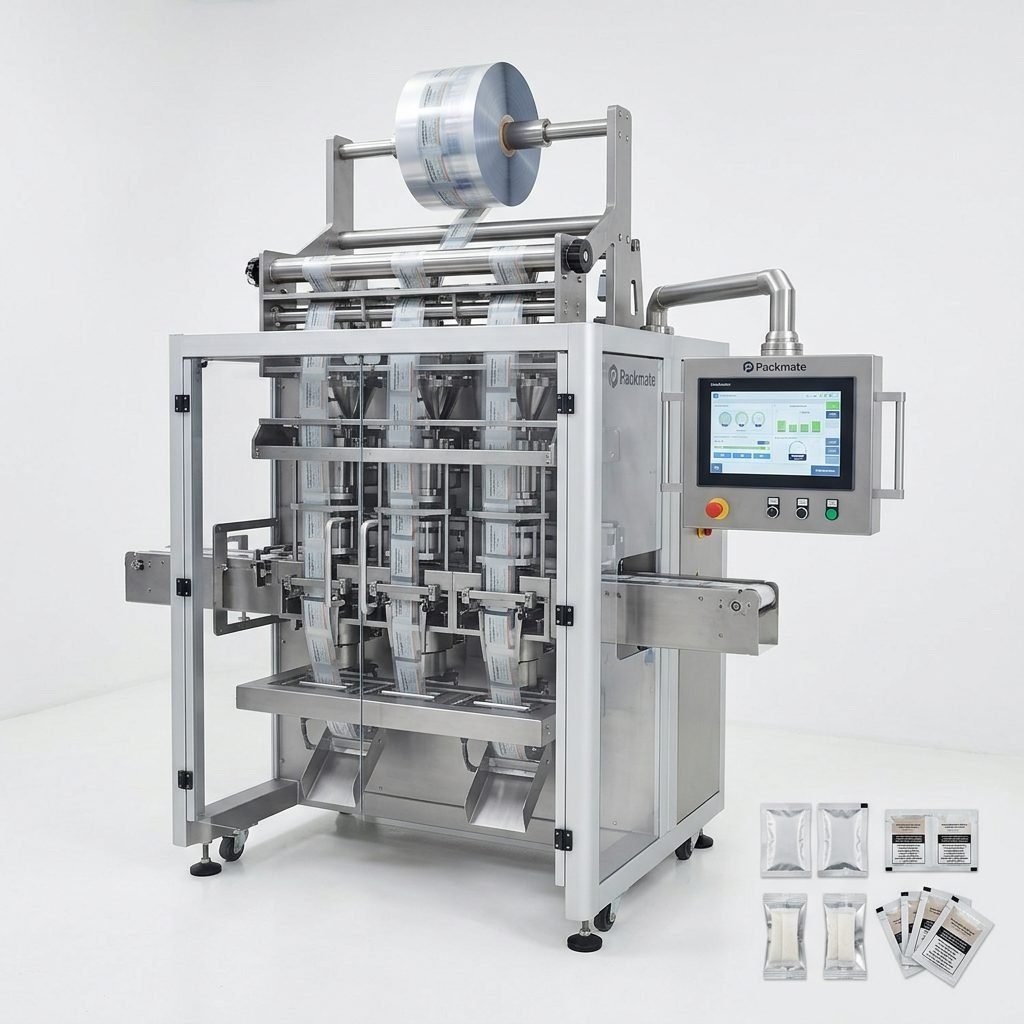
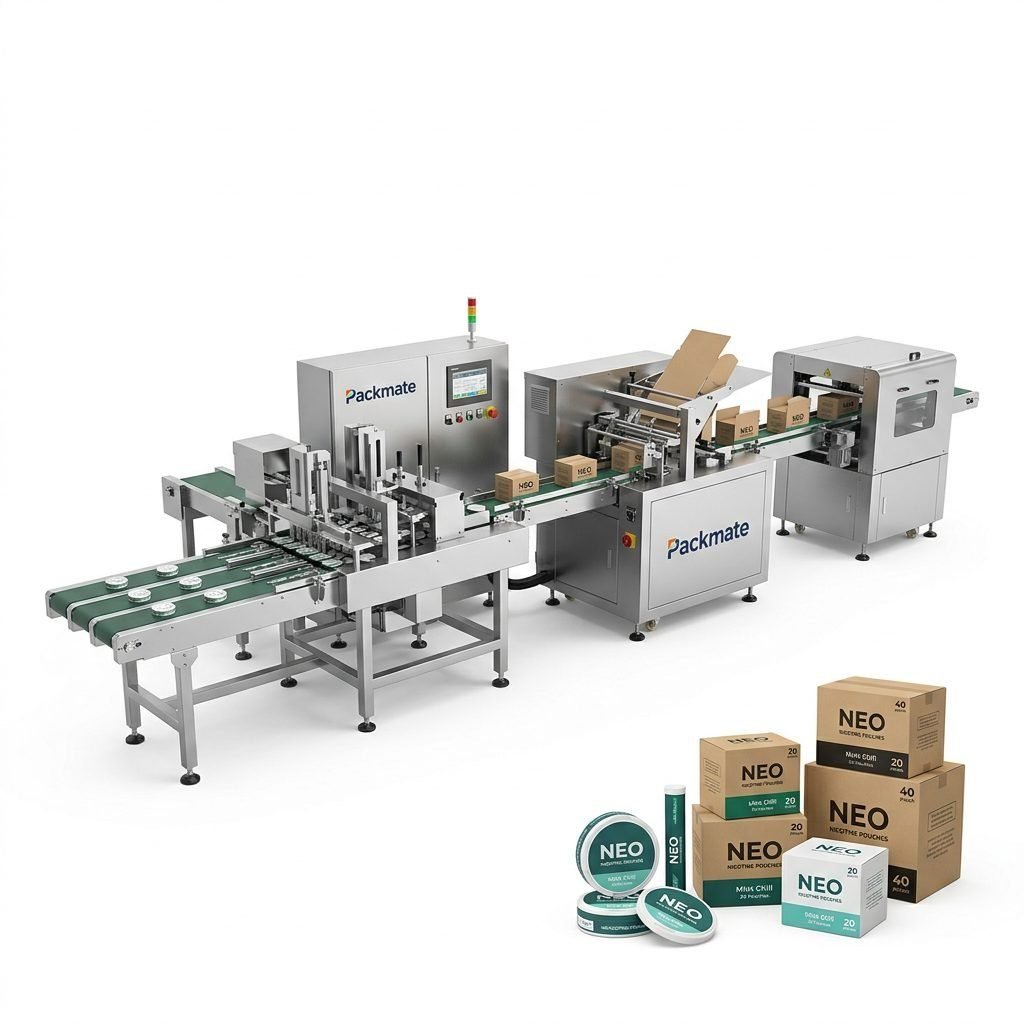
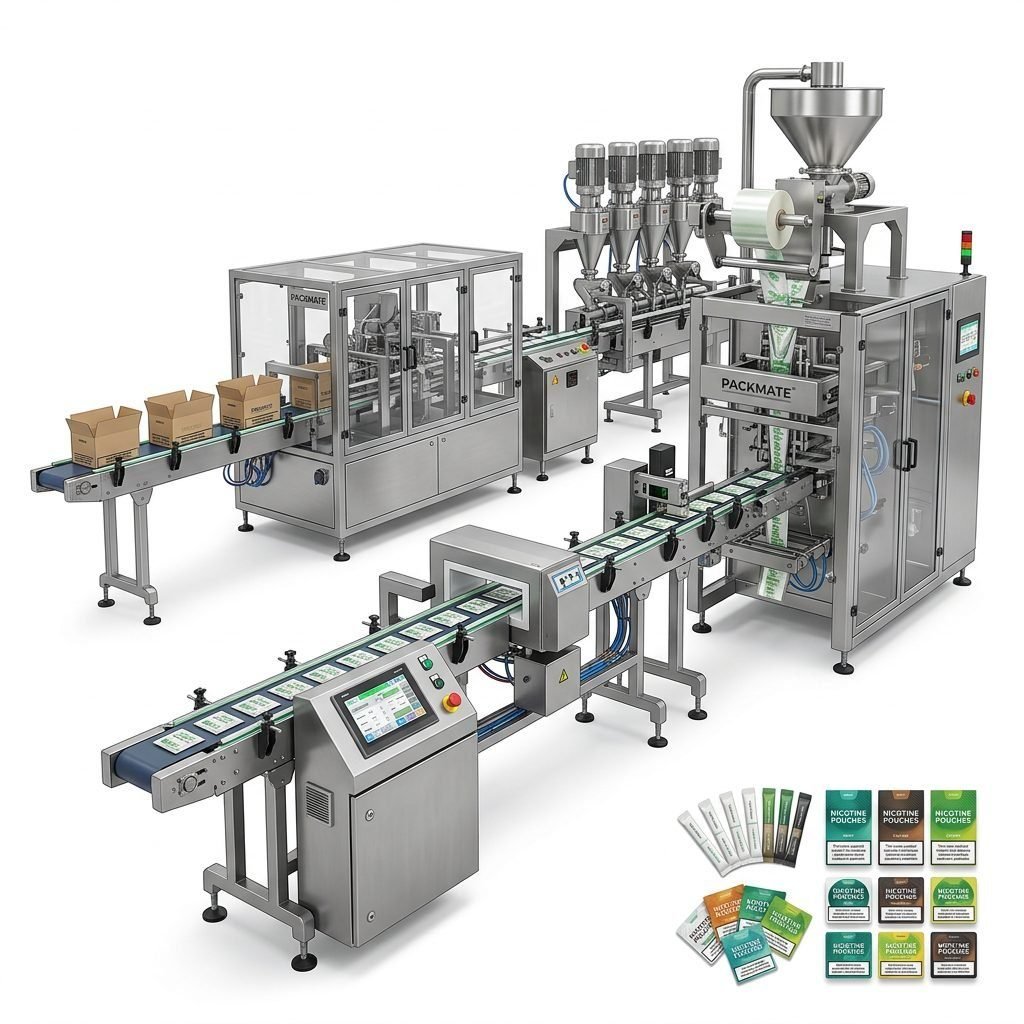
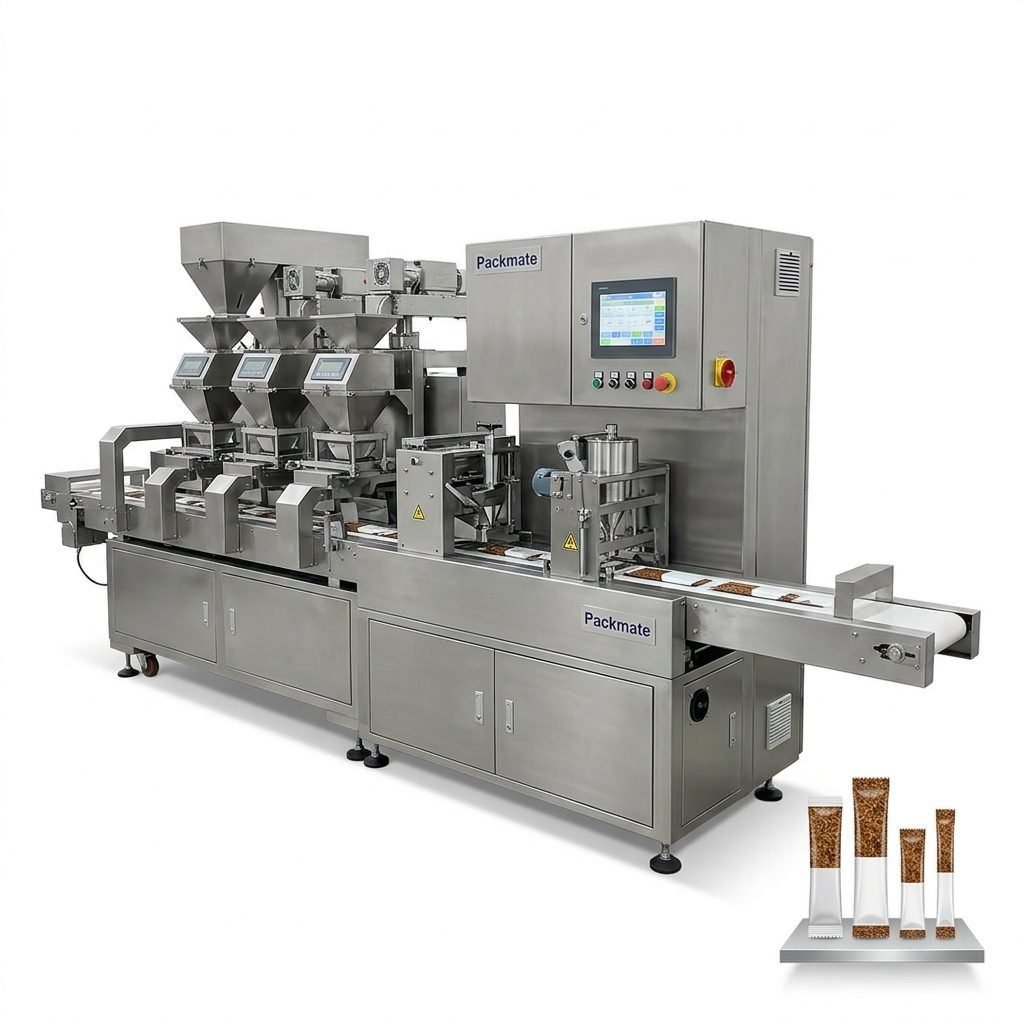
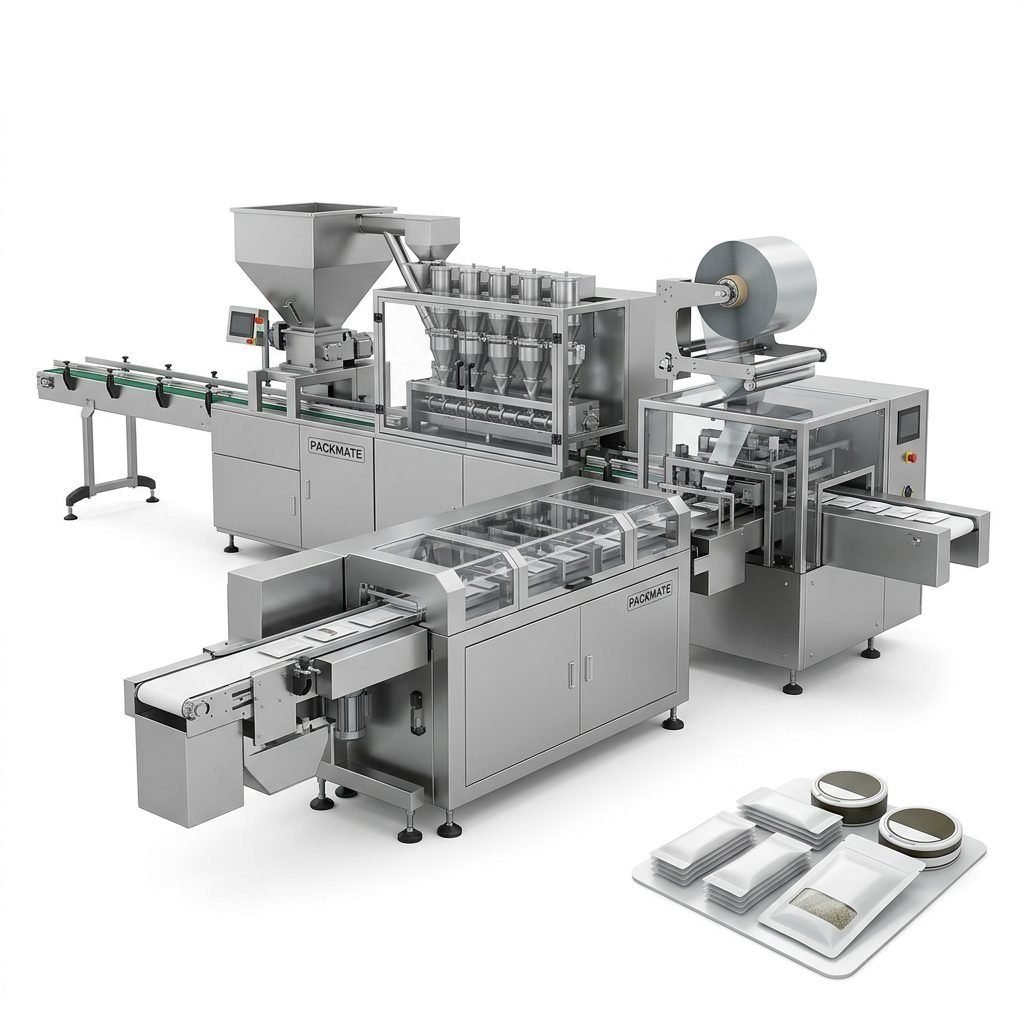
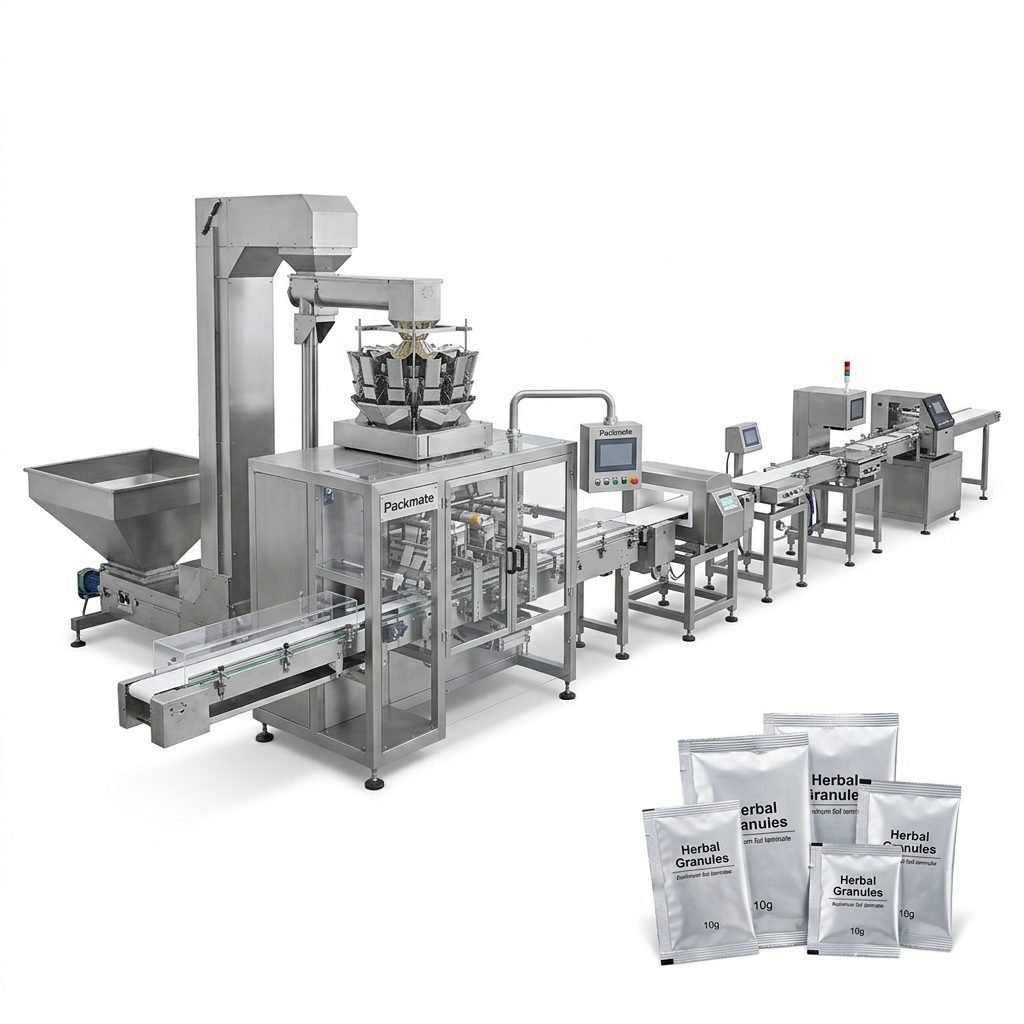
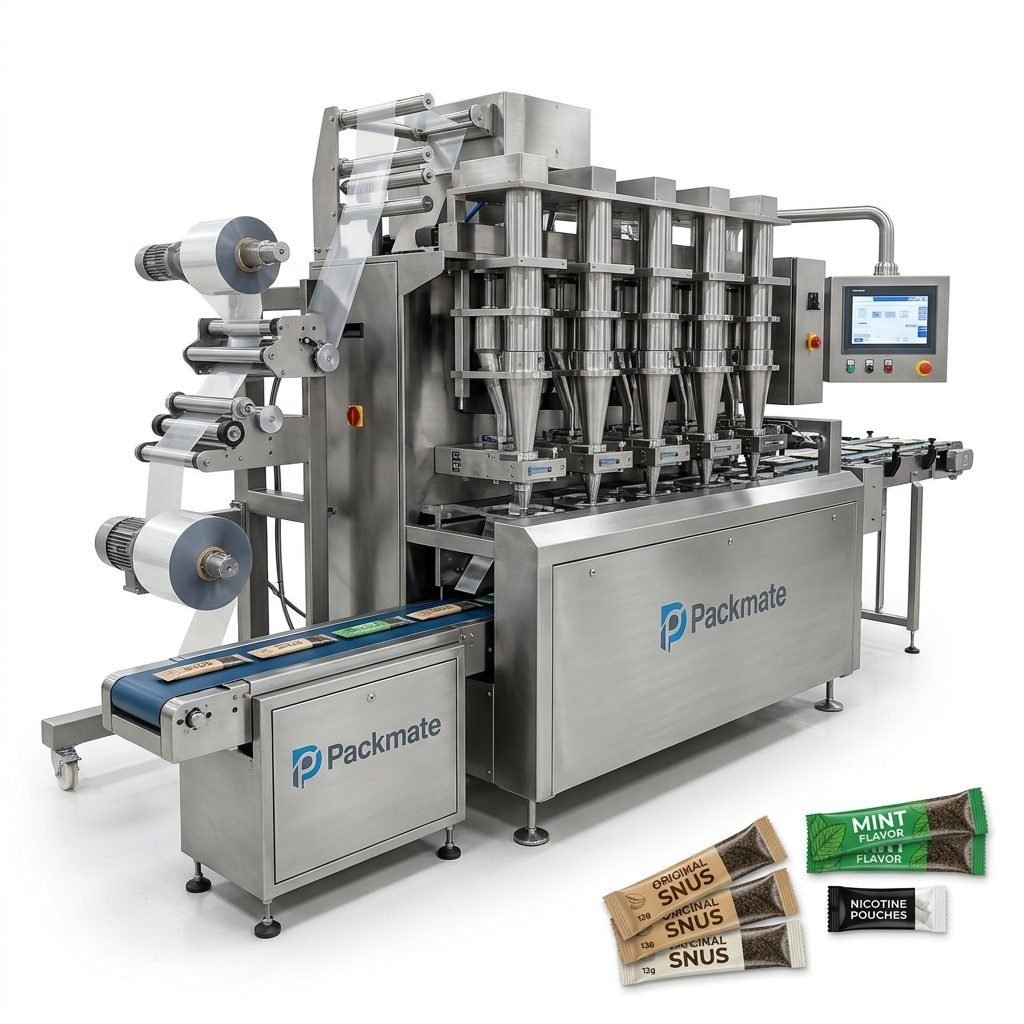
Snus packaging machines are specialized systems designed to fill, form, seal, and deliver nicotine pouches (snus) and similar small-dose products with high speed and consistent accuracy. This guide explains how modern snus packaging lines operate, the critical components involved, and practical tips for optimizing throughput and ensuring product integrity. If you’re evaluating solutions, Packmate’s long history in precision packaging and turnkey lines helps define best practices across the industry.
Overview: What Makes a Snus Packaging Machine Special
Snus packaging differs from other pouch products because of small doses, strict hygiene requirements, and the need for high-precision weighing and placement. A dedicated snus machine integrates delicate dosing systems, multi-lane feeding options, and compact pouch formats (stick, sachet, or pillow packs). Key benefits include repeatable dose control, consistent sealing quality, and rapid changeovers for multiple formats.
Core Applications and Typical Materials
Common applications include nicotine pouches, snus, tea sachets, powdered or granular supplements, and other small-dose products. Packaging films range from heat-sealable laminates to barrier foils; each requires precise temperature and sealing control. For turnkey systems and modular options, explore Packmate’s product lines such as Snus & Nicotine Packaging Machines and Sachet & Stick Pack Machines.
Quick note: Multi-lane systems increase throughput by running several pouch lanes in parallel. For full production lines including dosing and secondary packaging, see Filling & Packaging Lines.
Key Components of a Snus Packaging Line
A complete snus packaging line typically includes the following subsystems: film unwinding and handling, pouch forming station, dosing/filling unit, heat-sealing and cutting modules, indexing and transfer conveyors, and automated inspection & rejection systems. Each component must work synchronously using PLC controls and servo-driven motion to maintain timing accuracy and avoid product spillage or misplacement.
Film Handling and Forming
Film unwinding uses tension control and dancer systems to ensure smooth feeding. The forming section may be a vertical form-fill-seal (VFFS) or a pre-formed pouch feeder for high-end, small-format pouches. Precision guides and vacuum assists position internal liners and ramps required for neat pouch edges.
Dosing and Filling Systems
For snus, dosing accuracy is paramount. Options include auger fillers for powders, volumetric cups for granules, and auger or piston systems for pastes. Electronic weighers and multi-head systems can feed small doses into lanes with ±1–3% accuracy. Many manufacturers integrate weighing systems from the upstream line—visit the Weighing & Packaging Systems page to compare options.
Step-by-Step Packaging Process
Below is a typical sequential flow for snus pouch production. Each step can be configured to run inline or as modular units for easier maintenance and faster format changeovers.
1. Film preparation & print registration
The film roll is loaded and tensioned. If the outer film is printed, registration marks are detected by sensors to align cuts and seals with graphics. Accurate registration avoids packaging defects and preserves branding.
2. Forming or pouch opening
Depending on format, the film is formed into the pouch shape using forming collars or pre-molded carriers. For pre-made pouches, automated pick-and-place systems open the pouch mouth using air jets and mechanical fingers.
3. Filling and dosing
High-speed dosing deposits the exact amount of snus into each pouch. For multi-lane lines, synchronized feeders ensure equal distribution across lanes. Anti-static measures and gentle transfer chutes reduce dust and maintain hygiene.
4. Sealing, cutting, and secondary operations
Heat or impulse sealers close the pouch, then precision cutters separate individual units. Secondary operations can include embossing, tear-notches, or nitrogen flushing for shelf-life extension.
5. Inspection and rejection
Vision systems, metal detectors, and checkweighers verify product weight, seal integrity, and foreign object presence. Faulty pouches are routed to rejection bins automatically to keep the main line running without interruptions.
Performance tip: Routine calibration of dosing heads and regular seal bar maintenance can significantly reduce scrap and downtime.
Design Considerations for Productivity and Compliance
When selecting or configuring a snus line, prioritize hygienic design, cleanability, and compliant materials. Stainless steel contact parts (SS304/SS316 where required), modular guarding, and accessible components improve sanitation and speed up SOPs. Certifications such as CE and ISO help assure regulatory compatibility—Packmate’s equipment adheres to these standards across models.
Multi-lane vs Single-lane Trade-offs
Multi-lane machines multiply output but increase upfront cost and require more sophisticated synchronization and product handling. Single-lane offers lower capital expense and simpler maintenance. Consider product size, required throughput, and available floor space when choosing.
Operation, Maintenance & Troubleshooting Essentials
Efficient operation depends on trained technicians and preventive maintenance. Typical maintenance tasks include lubrication of moving parts, seal bar resurfacing, sensor cleaning, and firmware updates for motion controllers. Quick troubleshooting protocols reduce downtime—always keep common spare parts on hand (seals, belts, sensors, PLC modules).
Maintenance checklist: daily cleaning, weekly seal inspection, monthly calibration, quarterly software and safety audits.
Choosing the Right Supplier and System Integration
Select a supplier with proven snus experience, modular solutions, and global support. Packmate, with 30+ years in packaging engineering and a 20,000㎡ factory footprint, offers configurable lines and post-sale service. Review case studies and machine catalogs to match your product profile and expansion plans—see Case and Catalog resources for reference systems.
Integration with upstream & downstream equipment
A complete line may include upstream mixers or pouch feeders and downstream cartoning or boxing machines. Ensure communication protocols (Ethernet/IP, Modbus) and mechanical transfer points are matched during design to minimize bottlenecks.
Sustainability & Materials Efficiency
Material usage is a direct cost driver. Modern machines optimize film usage through tighter sealing patterns and precision cutting. Consider recyclable or mono-material films where possible and evaluate the trade-offs between barrier properties and recyclability.
Consideration: choose films and liners that meet shelf-life needs while aligning with sustainability targets.
Factory Capabilities and After-Sales Support
Working with a manufacturer that offers CNC precision machining, dedicated assembly lines, and global service reduces procurement risk. Verify spare part availability, training programs, and remote diagnostics offerings. Packmate advertises comprehensive after-sales service options and international exhibition demonstrations—learn more on the About Packmate and Our Exhibition pages.
Installation & commissioning checklist
A well-planned commission includes site surveys, utilities verification (power, compressed air, vacuum), operator training sessions, and initial production runs to validate OEE targets. Document all parameter settings for reproducible product changeovers.
Final Thoughts
A successful snus packaging line balances precision dosing, robust sealing, and automated quality control. Investing in modular, serviceable equipment with strong supplier support will pay off through reduced downtime and consistent product quality. For detailed machine options and turnkey solutions tailored to nicotine pouch manufacturing, review model specifications and case histories to find the best match for your production goals.
Common Questions (FAQs)
Q1: What throughput can a multi-lane snus machine achieve?
A1: Throughput varies by lane count and pouch size; multi-lane lines can reach several thousand pouches per minute aggregated, while single-lane systems are lower. Consult specific model data sheets during selection.
Q2: How accurate are dosing systems for small-dose snus pouches?
A2: Modern dosing and multi-head weighers provide ±1–3% accuracy depending on product flow properties and calibration frequency.
Q3: Do I need special materials or certifications for nicotine pouch packaging?
A3: Yes—choose food-contact grade materials and verify machine compliance with local regulations. CE and ISO certifications are commonly required for export markets.
Q4: What maintenance is critical to minimize downtime?
A4: Regular seal bar inspection, dosing calibration, sensor cleaning, and timely replacement of wear parts are the most impactful routines.
Q5: Where can I see live demonstrations or request support?
A5: Visit manufacturer exhibition pages and service contacts to schedule demos and after-sales assistance—start with the Contact Us page.