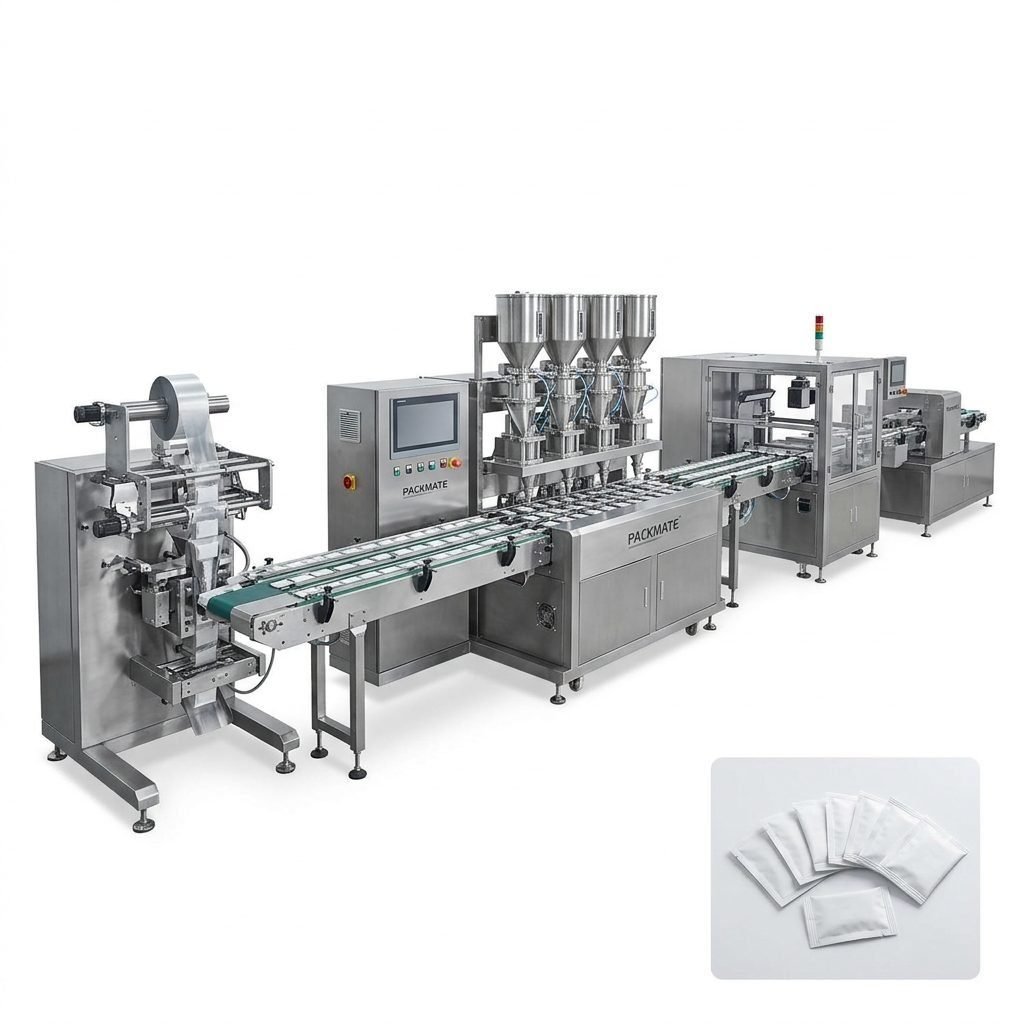
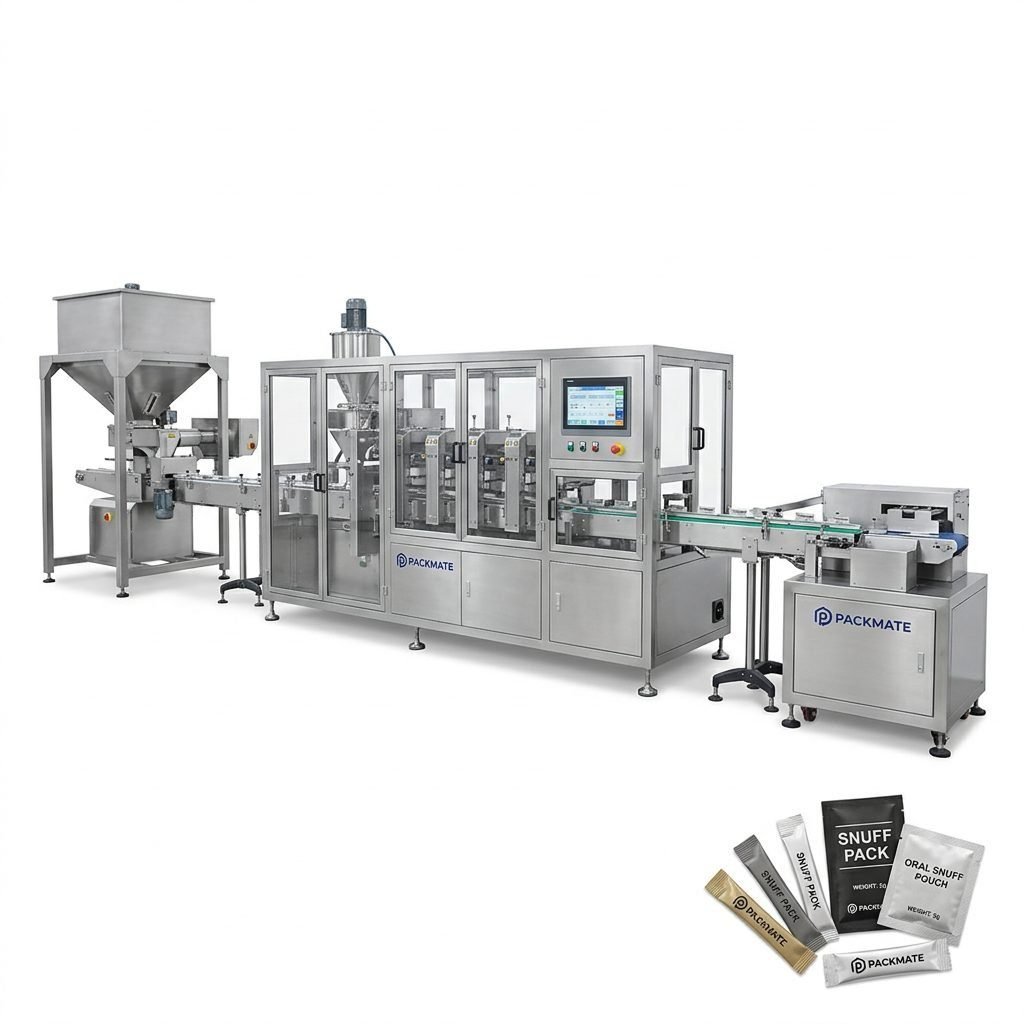
Choosing the right snus packaging machine in Kazakhstan requires balancing production goals, regulatory compliance, and operational reliability. This guide walks through the practical selection process for manufacturers and packagers looking to invest in high-performance snus and nicotine pouch packaging equipment. It covers machine types, key technical criteria, supplier evaluation, cost and ROI considerations, and local requirements to ensure you make a decision that supports stable production and future growth.
🔍 Understand Your Production Needs First
Before evaluating models, clarify the fundamentals: planned daily output, pouch format, material types, and whether you need a single-lane or multi-lane solution. Typical questions to answer include: What is the target output in pouches per minute? Will you package dry snus, moist snus, nicotine pouches or other blends? Do you require stick packs, sachets, or stand-up pouches? Defining these parameters early saves time and guides technical specifications.
Key production parameters to define
Output capacity (pouches/min), pouch dimensions, filling weight tolerance, and acceptable downtime. Also decide on integration needs such as upstream weighing and downstream cartoning or case-packing.
⚙️ Quick checklist: Capacity, pouch type, product flow, automation level, utility requirements, and space available on the shop floor.
📦 Types of Snus Packaging Machines and When to Choose Them
Different machine architectures suit distinct product and business models. Understanding typical machine classes helps match equipment to business needs.
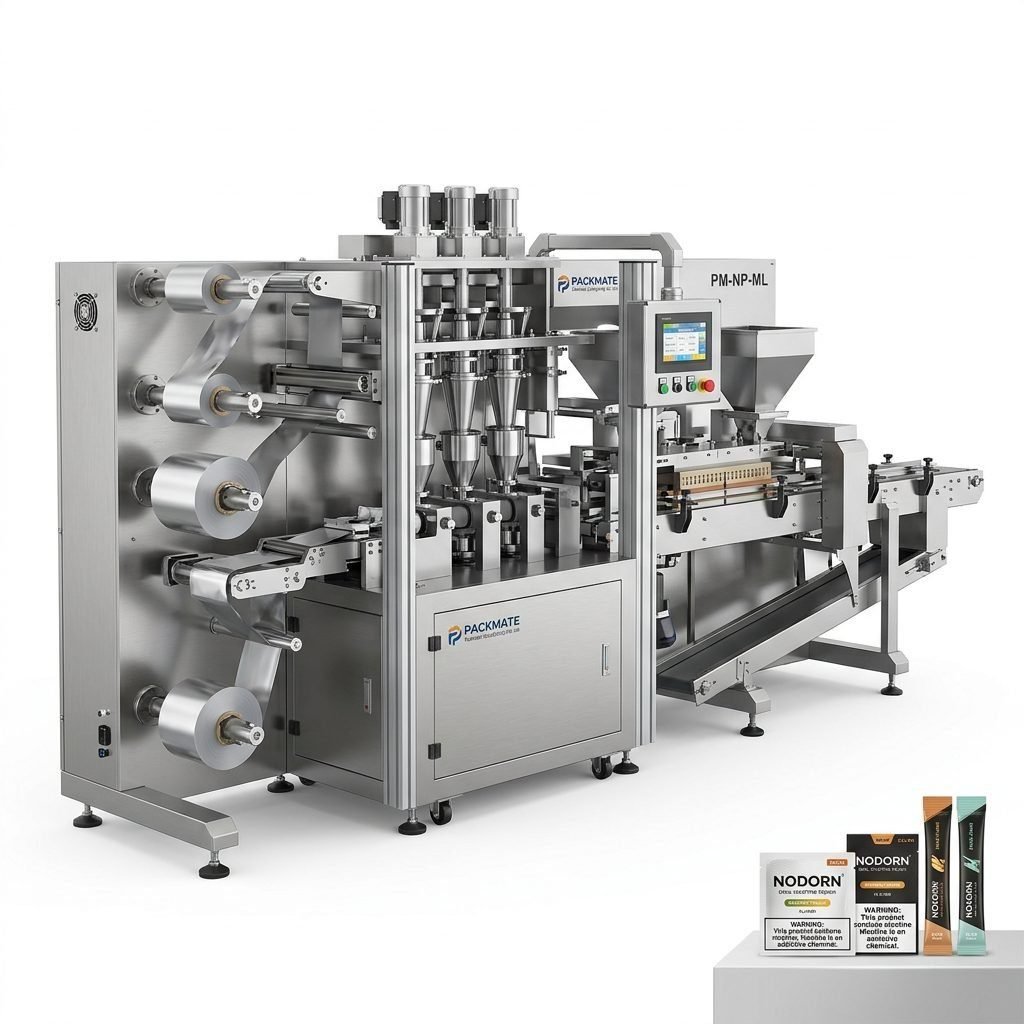
Stick pack & sachet machines
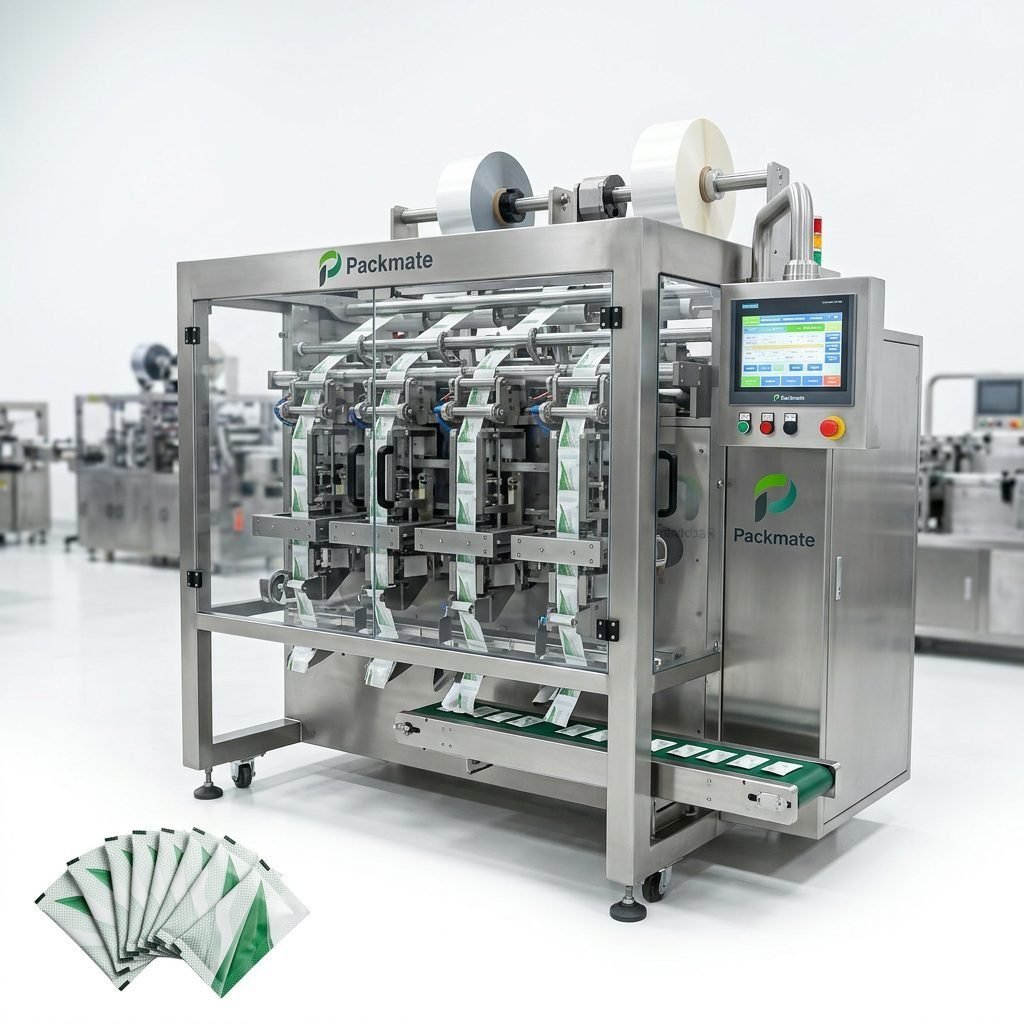
Stick pack and sachet machines excel for single-dose formats and high line speeds. They are compact and flexible for producing sealed pouches, ideal for nicotine portion packs and single-serving snus sachets. When your product requires tight dosing and a fast changeover between flavors or sizes, these machines are a strong candidate.
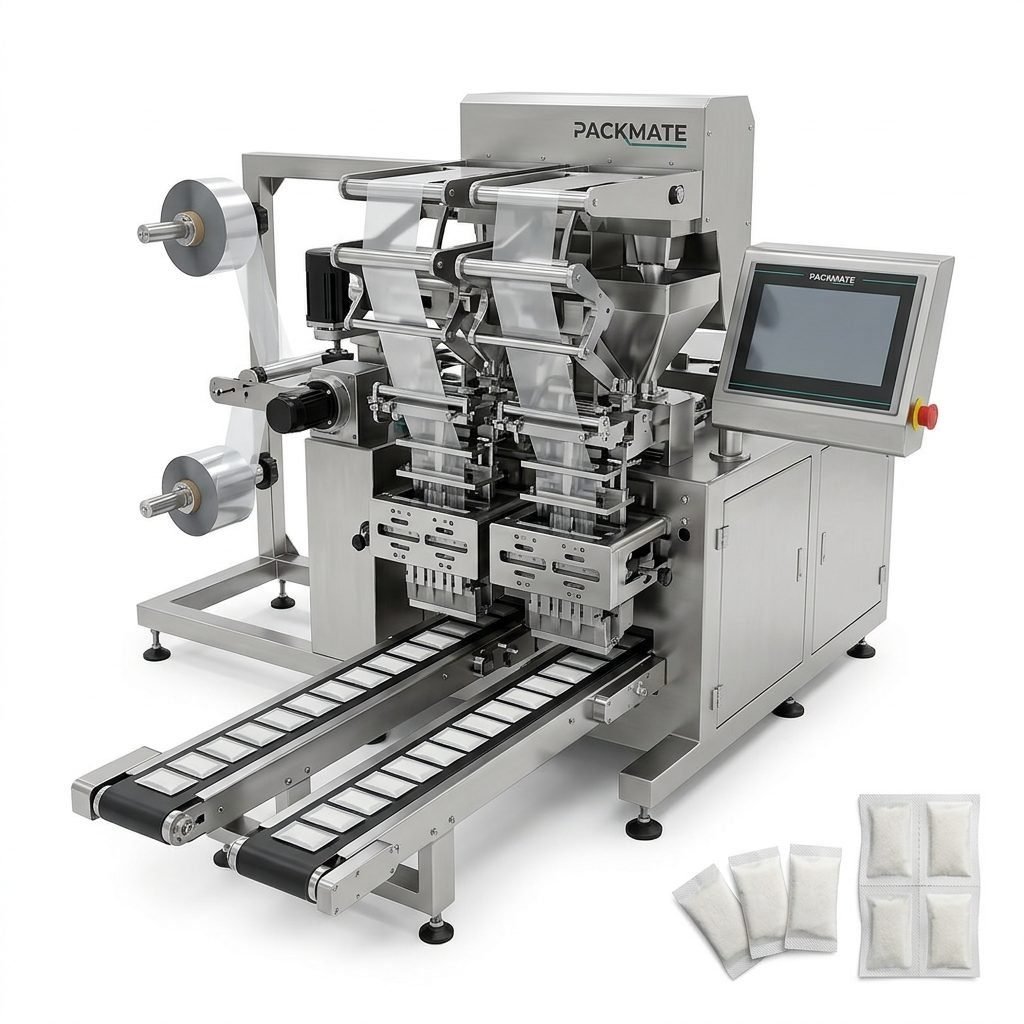
Multi-lane pouch systems
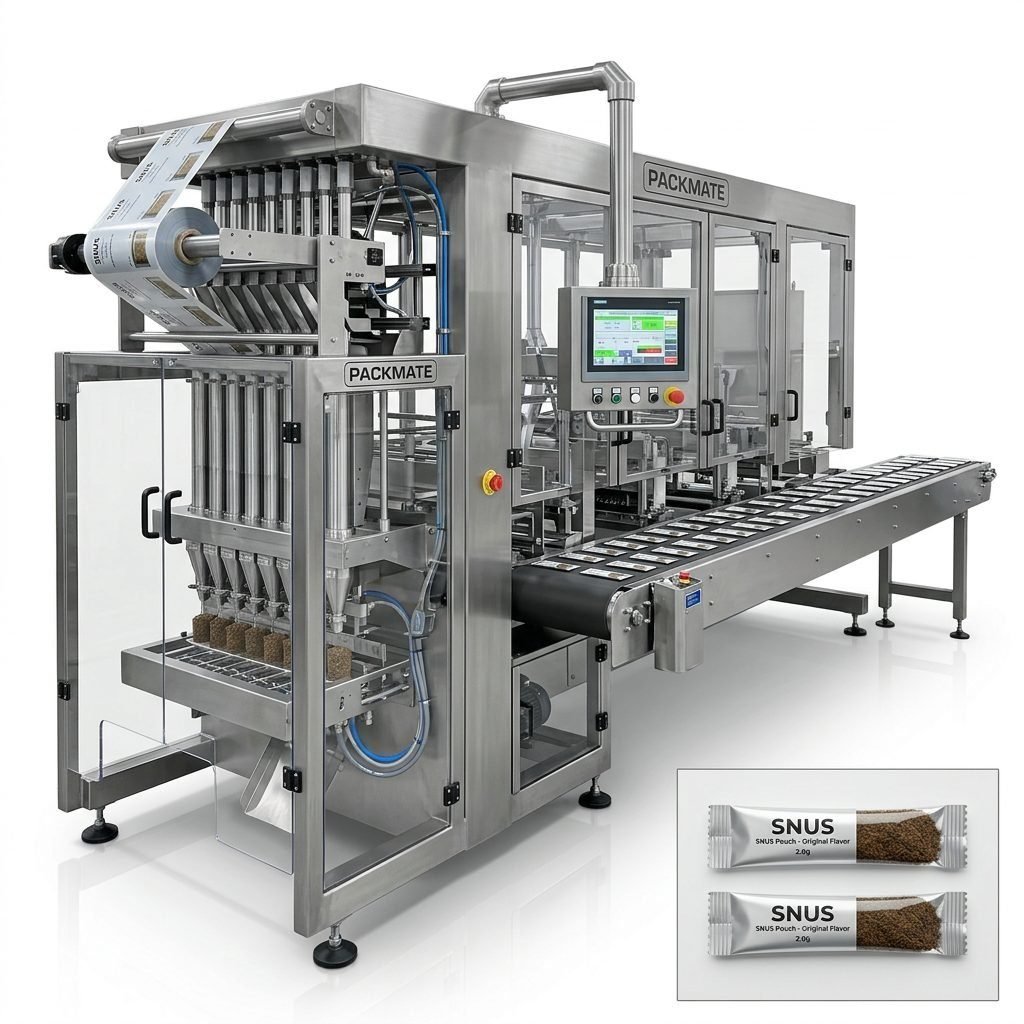
Multi-lane machines are built for small-dose, very high-volume production, offering parallel lanes to multiply output while maintaining compact footprint. They are best when you have several identical small pouches per cycle and require high throughput with consistent weight accuracy.
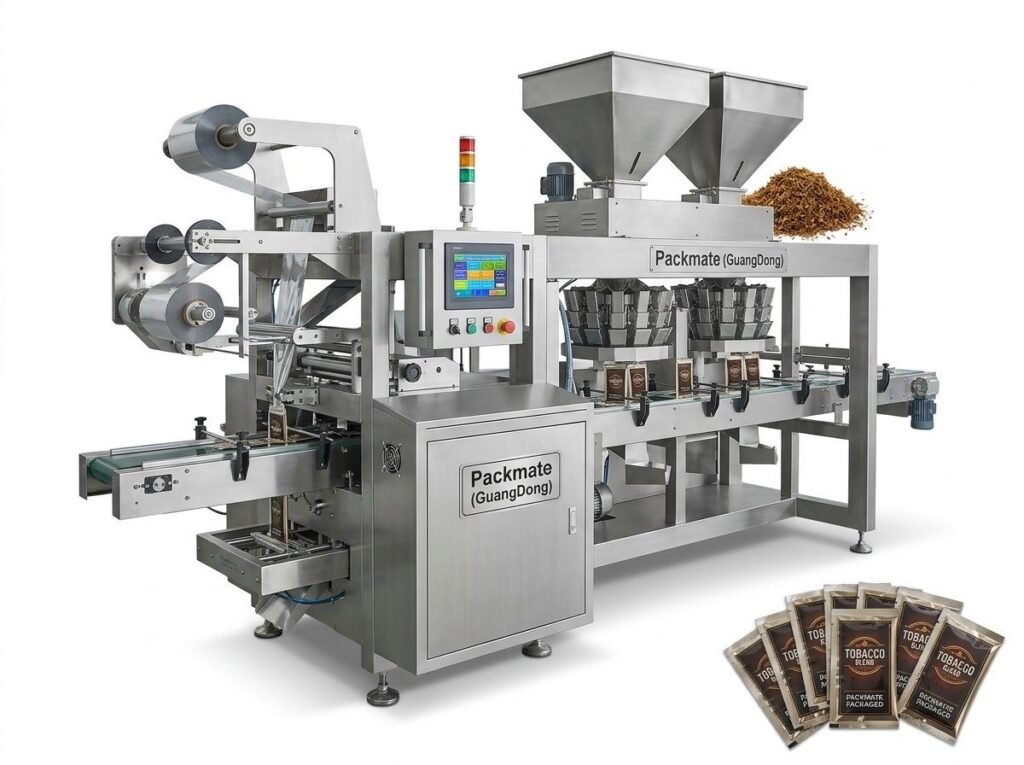
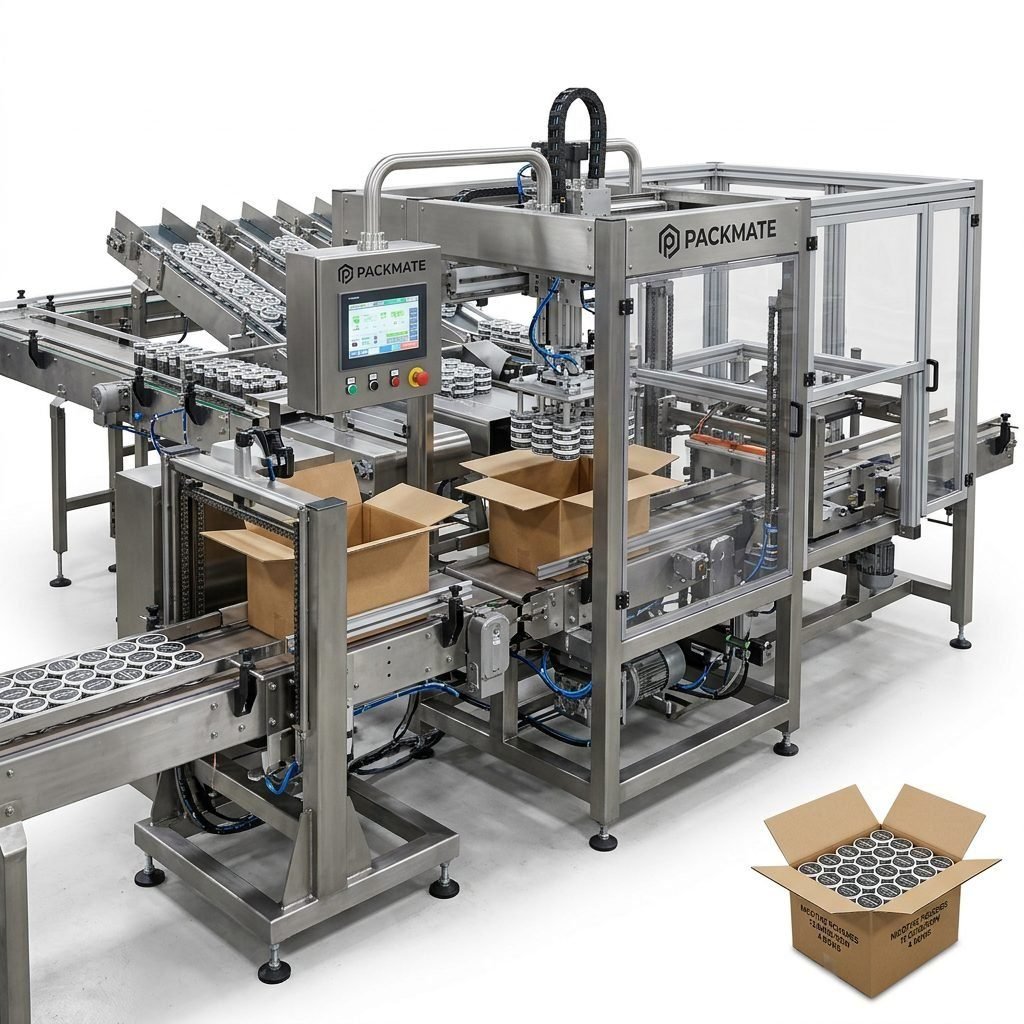
Full automated production lines
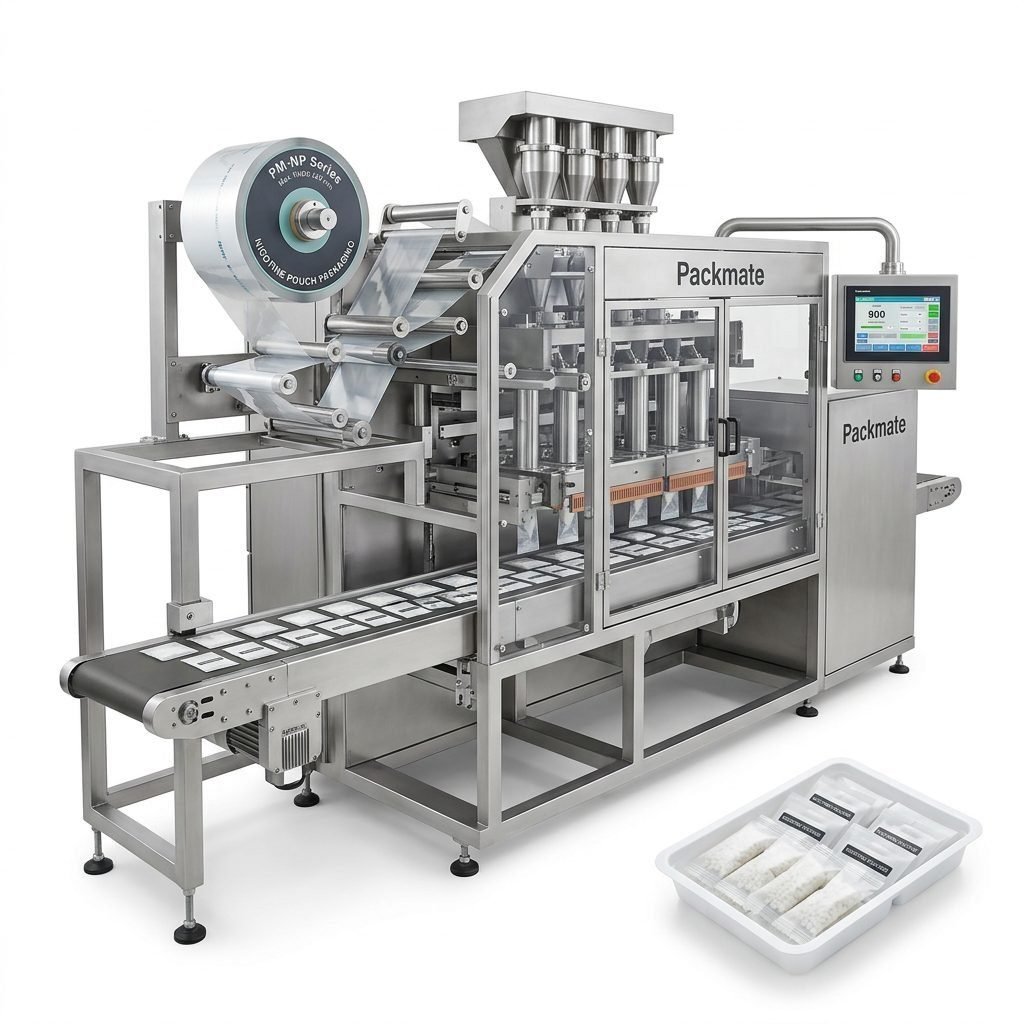
Integrated production lines combine filling, dosing (weighers), pouch forming, sealing, and secondary packaging (cartoning, case packing). Choose a turnkey solution when you want minimal manual handling, consistent traceability, and simplified line integration.
If you’d like to review specialized machine ranges, explore a comprehensive product overview for snus and nicotine machines:
Snus & Nicotine Packaging Machines.
✅ Critical Technical Criteria for Machine Selection
When comparing vendors and models, focus on the technical metrics that impact daily operations and long-term costs.
Speed & capacity: Does the machine meet your peak and average throughput targets? Consider both per-lane speed and total available lanes.
Accuracy & dosing: Weight tolerance and repeatability are crucial for compliance and waste reduction.
Changeover & flexibility: Tool-free or rapid changeover reduces downtime for format changes.
Automation & HMI: Intuitive PLC and touchscreen HMI for recipe storage and remote troubleshooting.
⚙️ Materials, Seals and Compatibility
Material compatibility affects product integrity and shelf life. For snus and nicotine pouches, verify the sealing temperature range, film thickness, barrier properties, and whether the machine supports laminated films or biodegradable substrates. A reliable sealer and precise temperature control reduce seal failures and product spoilage.
If your workflow includes pre-made pouches or bags, check the supplier’s Bag & Pouch Packaging Machines options to ensure mechanical compatibility and gentle handling.
🛠 Maintenance, Spare Parts and Service
Operational reliability hinges on accessible spare parts and local or remote service support. Machines with modular components and standardized parts reduce downtime and inventory cost for spares. Ask suppliers about guaranteed stock levels for wear parts, typical lead times, and remote diagnostics capabilities.
🔧 Tip: Choose vendors that provide structured maintenance schedules, training, and spare-part kits with first shipment.
📜 Certifications, Compliance and Traceability
Regulatory compliance for nicotine-containing products varies by market. Verify that the equipment vendor can support Good Manufacturing Practices (GMP) in material contact areas and that machines can integrate barcode or RFID systems for batch traceability. International certifications such as CE and ISO are important indicators of equipment quality and safety.
Packmate’s credentials and facility strength can be referenced to evaluate supplier reliability: About Packmate and their Certificate pages highlight manufacturing capabilities and compliance.
💡 Supplier Evaluation: What to Ask Prospective Manufacturers
A thorough supplier review prevents surprises. Below are practical questions that should be answered before purchase:
- What is the machine’s proven uptime in similar installations?
- Can you provide performance data, references, or case studies?
- Is an on-site FAT (Factory Acceptance Test) and SAT (Site Acceptance Test) included?
- What are warranty terms and service SLAs?
- Does the vendor offer turnkey integrations with weighing, conveying, and cartoning equipment?
See actual implementations and cooperation cases to assess fit: Case.
💵 Cost, ROI and Total Cost of Ownership
Purchasing price is only the start. Calculate total cost of ownership (TCO) considering energy consumption, spare parts, maintenance, downtime losses, and operator training. Estimate ROI by modeling production ramp-up, yield improvement from precise dosing, and labor savings from automation. A slightly higher initial investment in a more reliable, automated system frequently results in faster payback.
📈 Example ROI levers: increased throughput, reduced material waste, lower labor costs, and improved compliance.
🏭 Factory & Manufacturing Strength — Why It Matters
Evaluate the supplier’s manufacturing capacity, machining capabilities, and QA processes. A factory with advanced CNC centers, dedicated assembly lines, and rigorous testing can deliver more consistent machines and faster spare parts. Packmate claims a 20,000㎡ facility, extensive machining, and assembly resources — useful factors when you need long-term supply and customization.
🔗 Integration with Upstream and Downstream Equipment
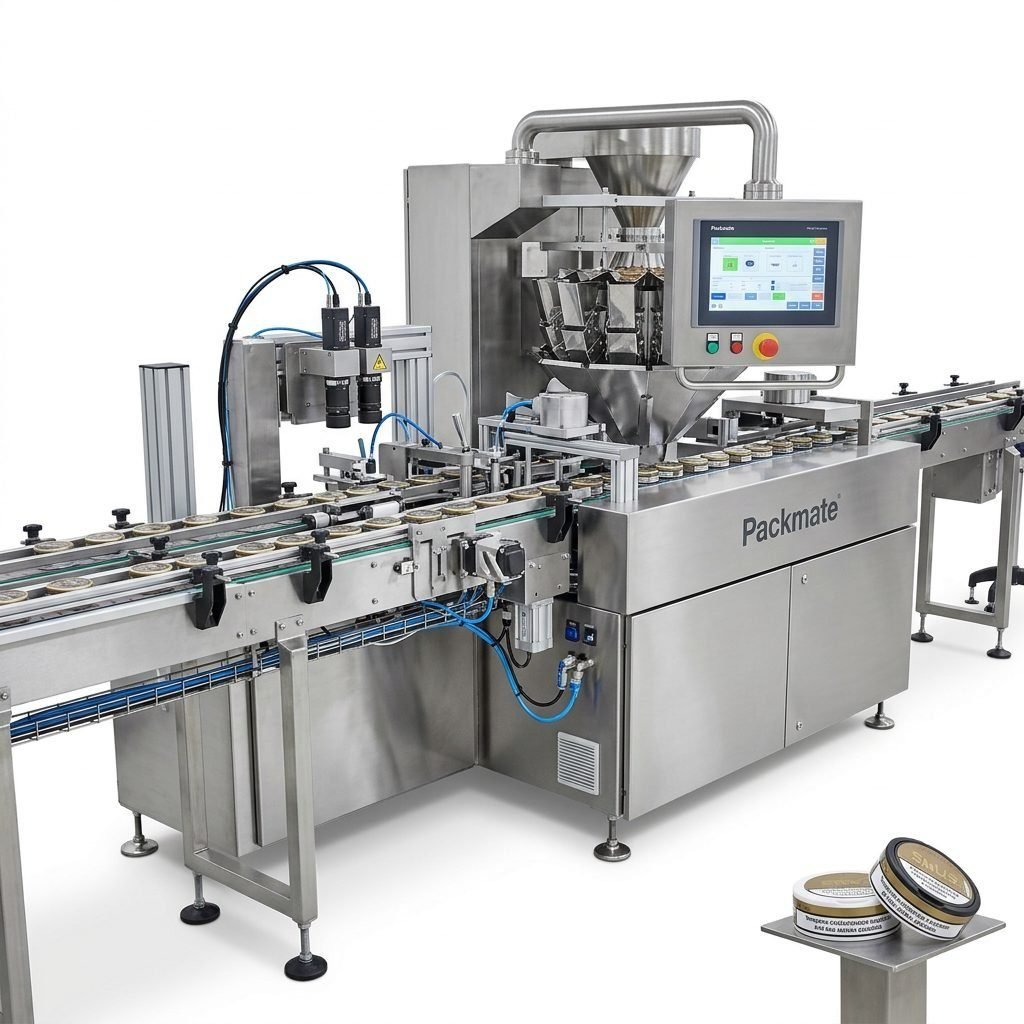
Packaging lines rarely run in isolation. Verify compatibility with weighing and feeding systems, check conveyor interfaces, and confirm communication protocols for line control and Industry 4.0 readiness. If your line requires automated filling, weighing and secondary packaging, suppliers that provide full Filling & Packaging Lines and Weighing & Packaging Systems simplify integration and single-source responsibility.
📦 Installation, Training and After-Sales Support
A robust commissioning plan reduces startup risk. Request a clear installation schedule, operator and maintenance training, remote support access, and a list of recommended spare parts. Local presence or a responsive global support network accelerates recovery when issues arise.
🧾 Practical Steps to Finalize Your Purchase
1) Shortlist vendors based on technical fit and references. 2) Request a site visit or a live demo at an exhibition where the supplier shows machine performance. 3) Negotiate scope including FAT/SAT, spare parts kit, training, and spare-part lead times. 4) Confirm acceptance tests and warranty. Engage legal and procurement early to address customs, import duties, and local regulatory paperwork when importing into Kazakhstan.
For direct contact and tailored solutions, use the supplier contact page: Contact Us.
📌 Final Recommendations
– Prioritize mechanical stability and dosing accuracy over headline speed. Reliable throughput is more valuable than peak spec numbers.
– Choose modular and serviceable designs to minimize downtime and simplify maintenance.
– Demand clear documentation, spare parts lists, and training as part of the contract.
– Consider a supplier with turnkey capability if you prefer single-source responsibility for line integration.
✅ Remember: A well-chosen machine not only meets current production targets but also supports new SKUs, regulatory changes, and growth in Kazakhstan and export markets.
Frequently Asked Questions
Q1: How do I determine whether to buy a single-lane or multi-lane machine?
A1: Evaluate your target output, pouch size and production rhythm. Multi-lane is ideal for high-volume small-dose pouches; single-lane or fewer lanes may be better for flexible SKUs and frequent changeovers.
Q2: What documentation should I request before purchase?
A2: Request technical datasheets, FAT procedures, CE/ISO certificates, references, electrical schematics, and a spare parts list. Ensure warranty and service terms are in writing.
Q3: Are turnkey lines better than assembling equipment from multiple suppliers?
A3: Turnkey lines reduce integration risk and single-source accountability. However, multiple specialized vendors can be cost-effective if a strong systems integrator coordinates the project.
Q4: How important is local service in Kazakhstan?
A4: Very important — local or regional service reduces downtime, import delays for spare parts, and provides quicker commissioning and training.
Q5: Where can I see real-world examples of snus packaging lines?
A5: Vendor case pages and exhibitions are the best sources. Visit the supplier’s case studies and exhibition listings for machine demos: Our Exhibition and Case.