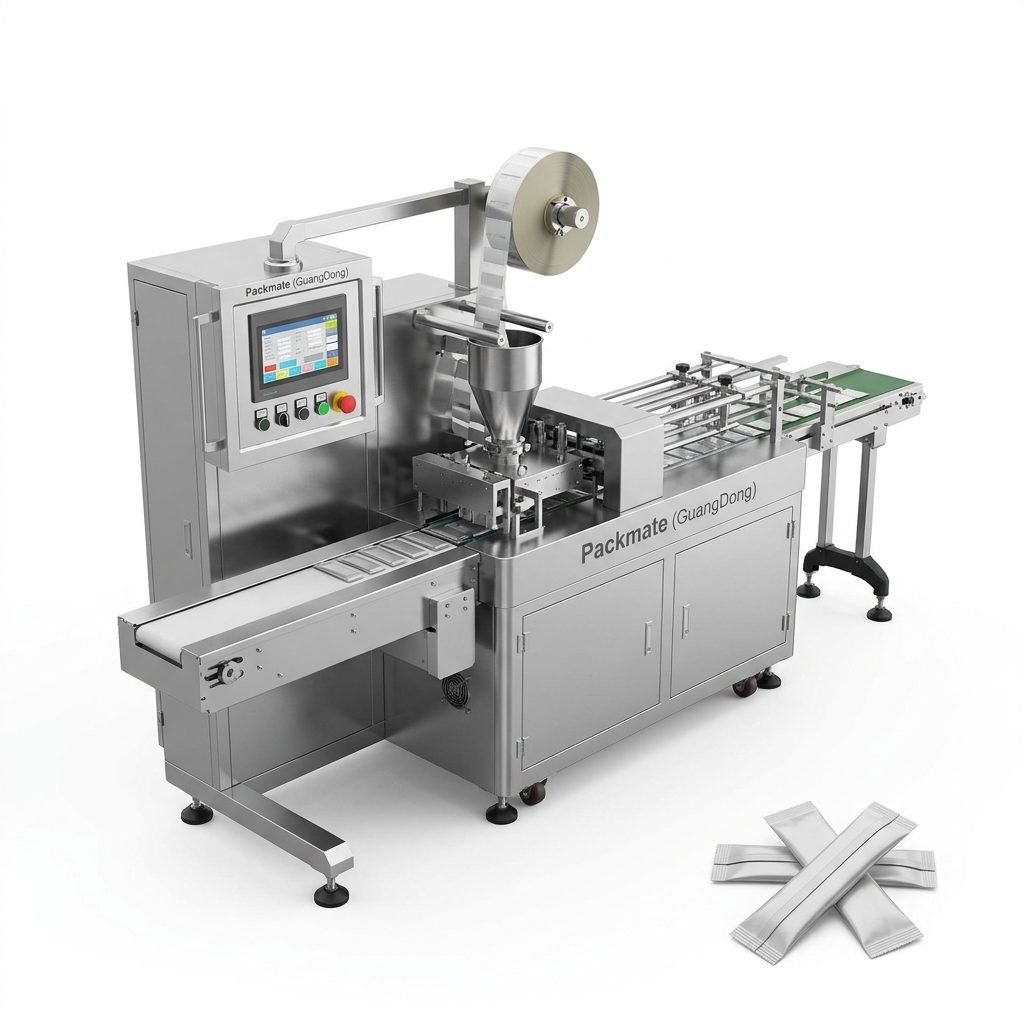
The Netherlands is a strategic location for nicotine pouch production, offering excellent logistics, a skilled workforce, and easy access to European markets. Choosing the right nicotine packaging machinery requires balancing regulatory compliance, production capacity, product format, and total cost of ownership. This guide will walk you through everything you need to consider when selecting the best equipment for your production needs, with practical advice and actionable checklists to help you evaluate options from global suppliers.
Understand Your Product and Market Requirements
Before evaluating machines, clearly define your product specifications. Key questions include: what pouch formats do you plan to run (single-dose nicotine pouches, snus sachets, stick packs)? What are target production speeds and distribution regions? Do you need multiple lanes for small-dose products or single-lane flexibility for varied SKUs?
Product format and materials
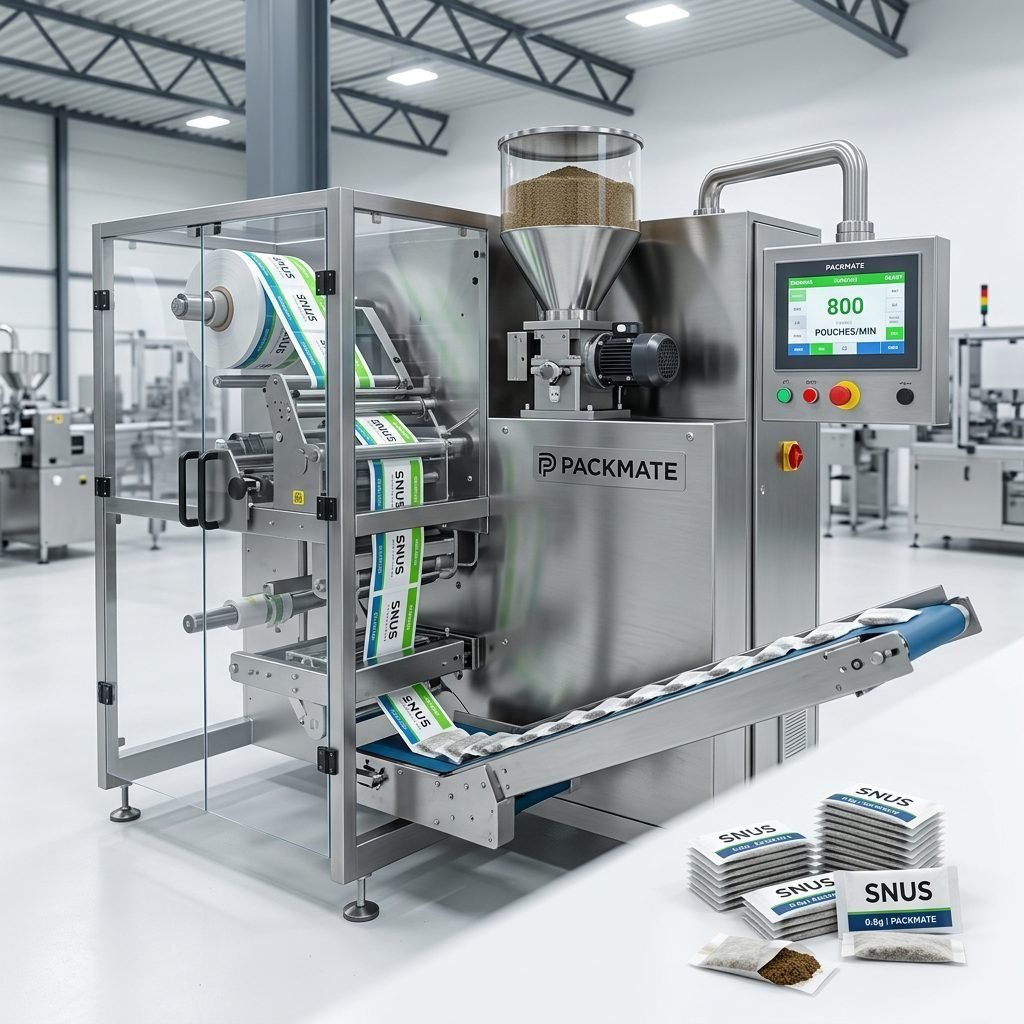
Nicotine pouches and snus products require gentle handling and precise dosing. Consider compatibility with pouch materials (paper, film laminates, biodegradable substrates), compatibility with desiccants or inner sachets, and whether your product will be dry, semi-moist, or require special humidity control during packaging.
✅ Define pouch type and dimensions • ✅ Confirm substrate compatibility • ✅ Identify dosing tolerance and hygroscopic needs
Machine Types: Which One Fits Your Line?
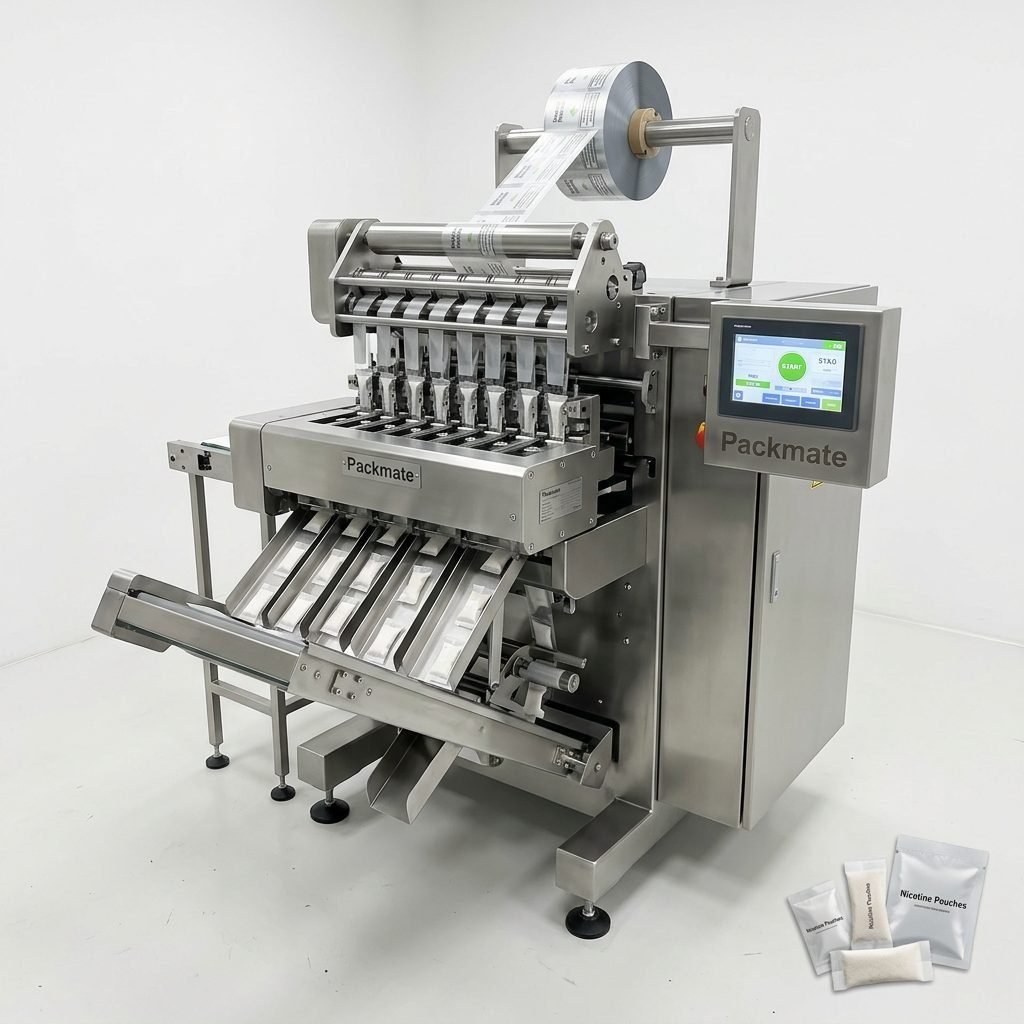
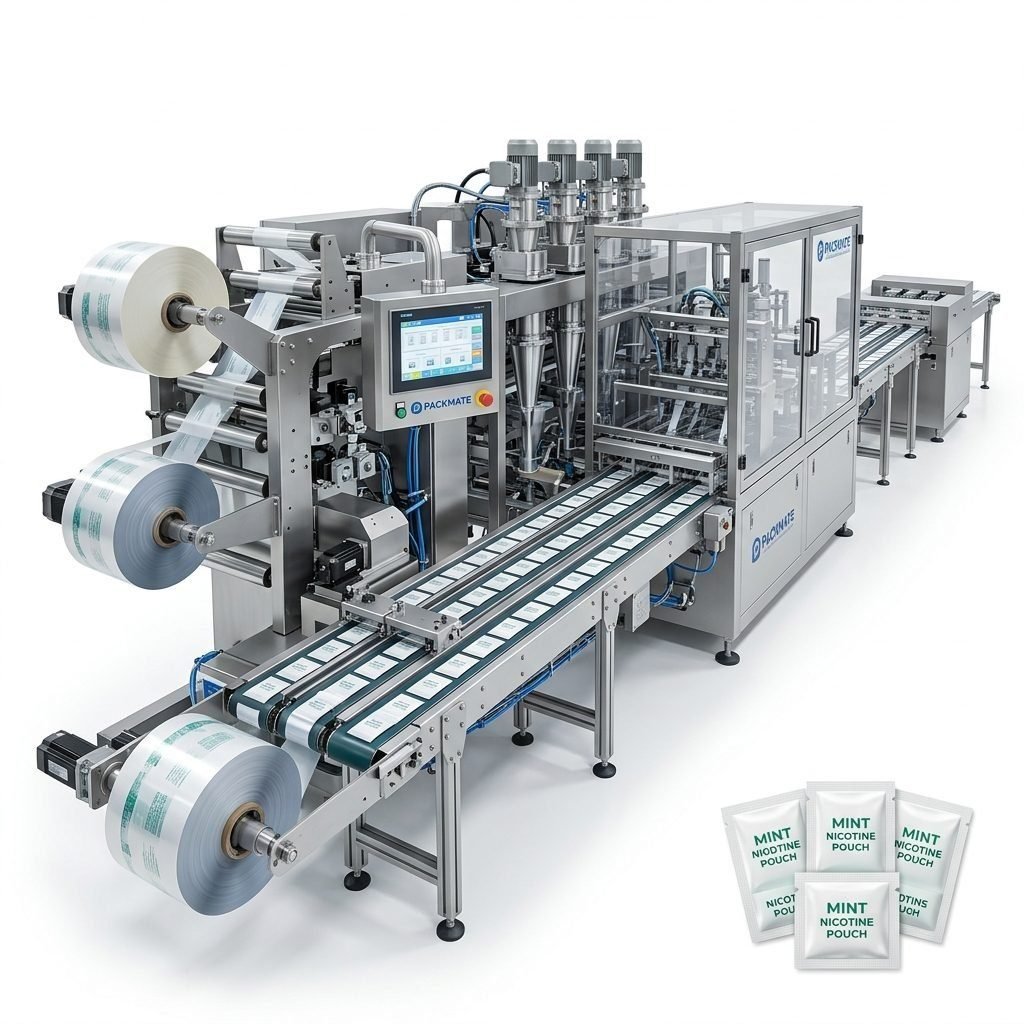
Packaging equipment varies by form factor and level of automation. Common choices for nicotine pouch producers include multi-lane pouch machines, stick pack machines, and sachet packaging systems. Each has strengths depending on throughput targets and product format.
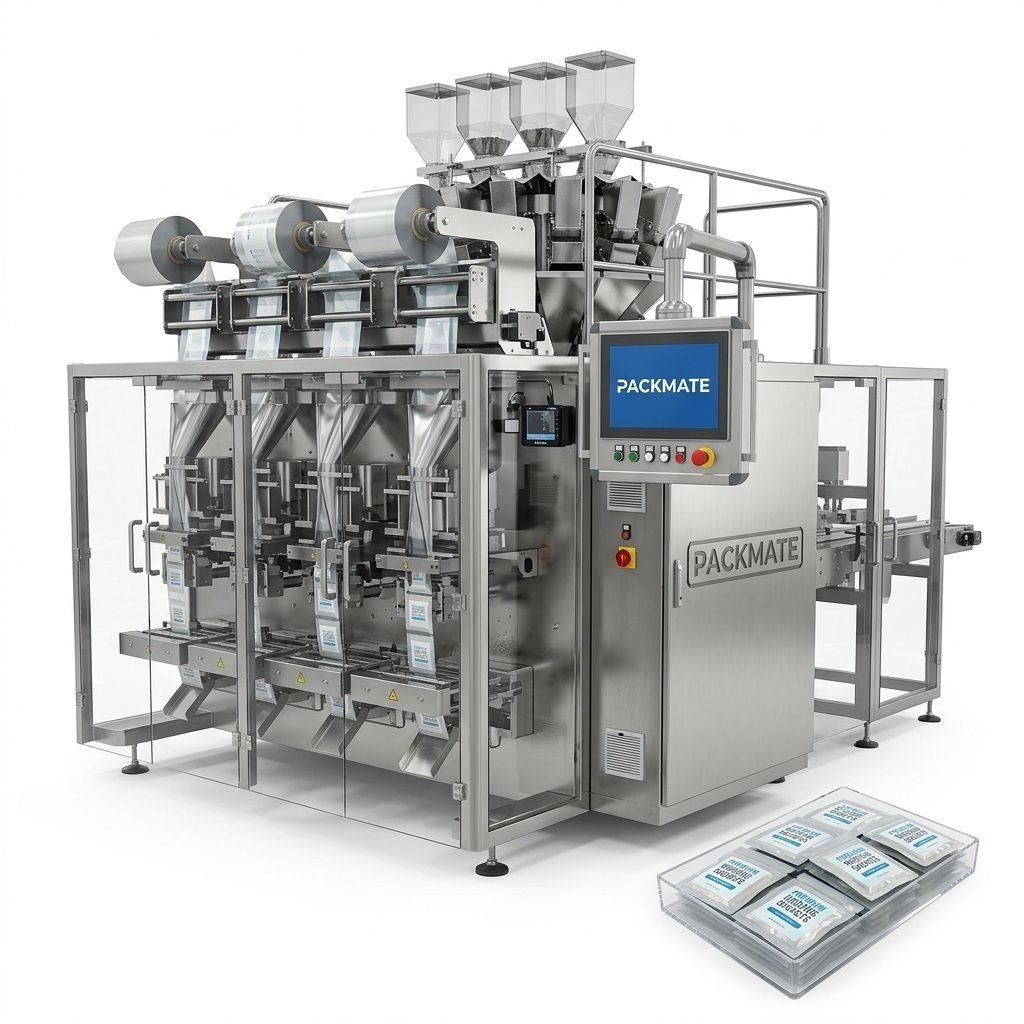
Multi-lane pouch machines
Multi-lane systems excel at high throughput for small-dose pouches: they can run many lanes in parallel to multiply output without increasing individual machine speed. Look for robust lane synchronization, accurate filling systems, and easy lane changeovers.
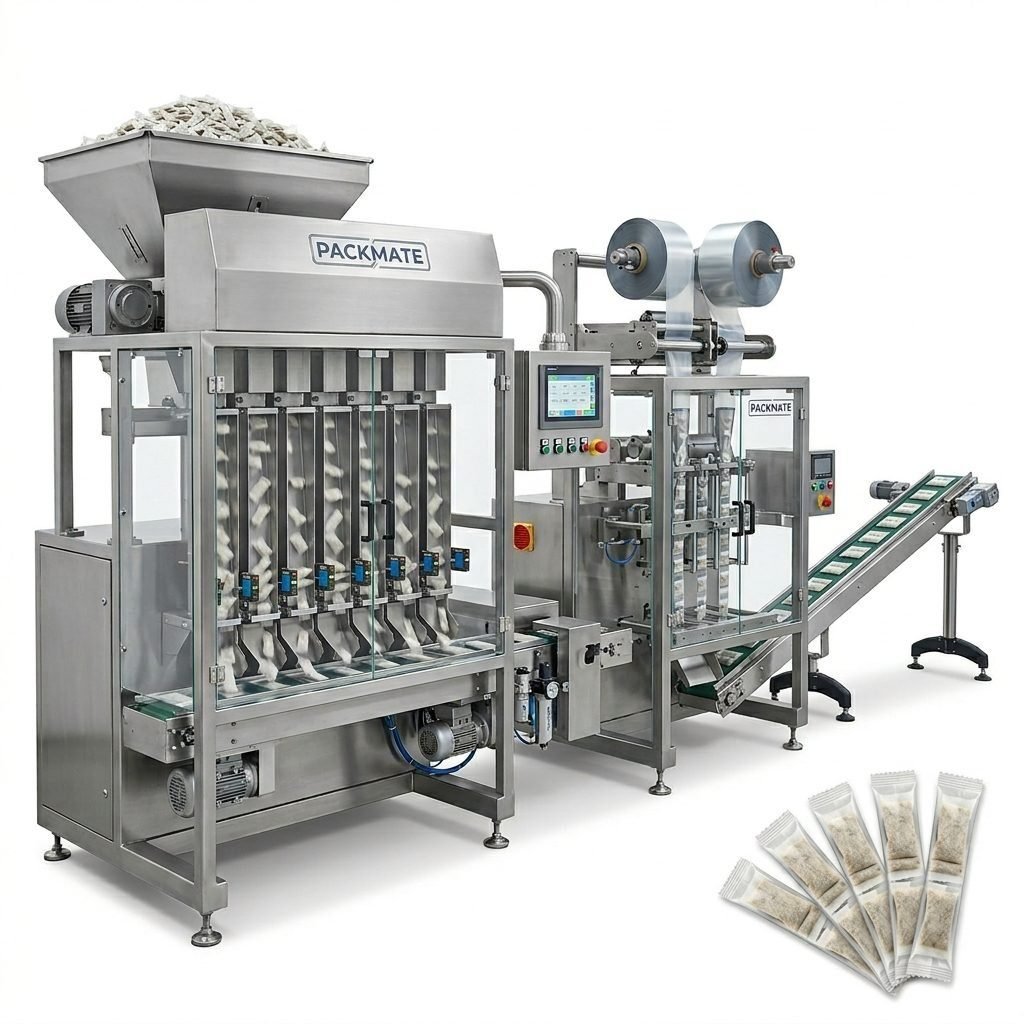
Stick pack and sachet machines
If your product portfolio includes stick packs or traditional sachets, choose machines engineered for consistent sealing and precise portioning. Modern systems offer quick format changes and options for reclosable or perforated packs.
For equipment selection, review product categories and sample machines such as Snus & Nicotine Packaging Machines and Sachet & Stick Pack Machines to compare model families and capabilities.
Key Technical Specifications to Evaluate
When comparing machines, don’t focus solely on headline speed. Evaluate these critical technical parameters that affect yield, product quality, and long-term performance.
Throughput and lanes
Speed is typically expressed in packs per minute per lane and total packs per minute across all lanes. Consider peak and sustainable speeds. A higher number of lanes can increase throughput while keeping per-lane stress and vibration lower—this often improves reliability.
Filling accuracy and dosing systems
For nicotine pouches, dosing accuracy impacts compliance and consumer consistency. Evaluate gravimetric or volumetric dosing modules, vibration-feeding systems for granules, and custom dosing heads for powder blends. Target dosing tolerances should be specified and validated in FAT/SAT tests.
Sealing, cutting and pack integrity
Heat-seal quality, knife wear rates, and film handling systems affect waste and rework rates. Ensure the machine has robust film tracking, adjustable sealing temperatures, and sensors to detect seal failures.
Automation, Integration and Line Architecture
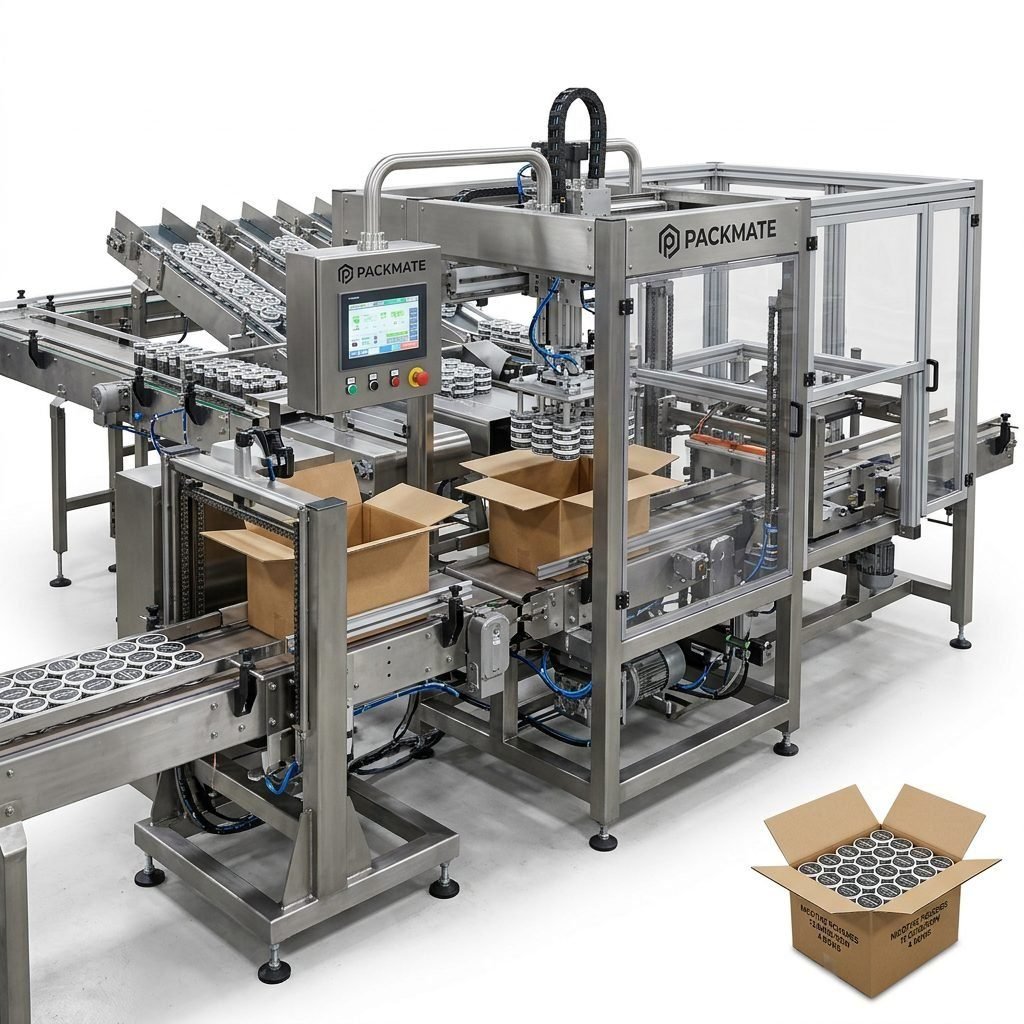
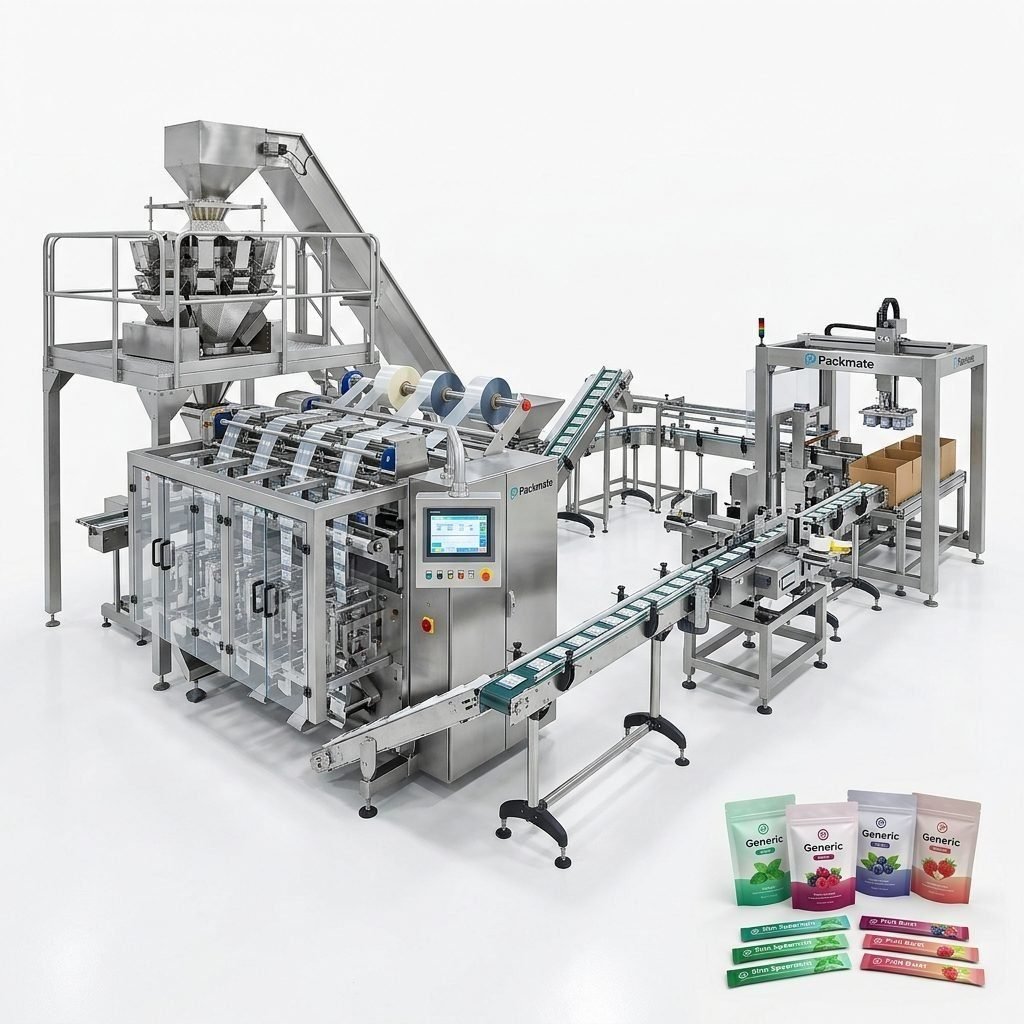
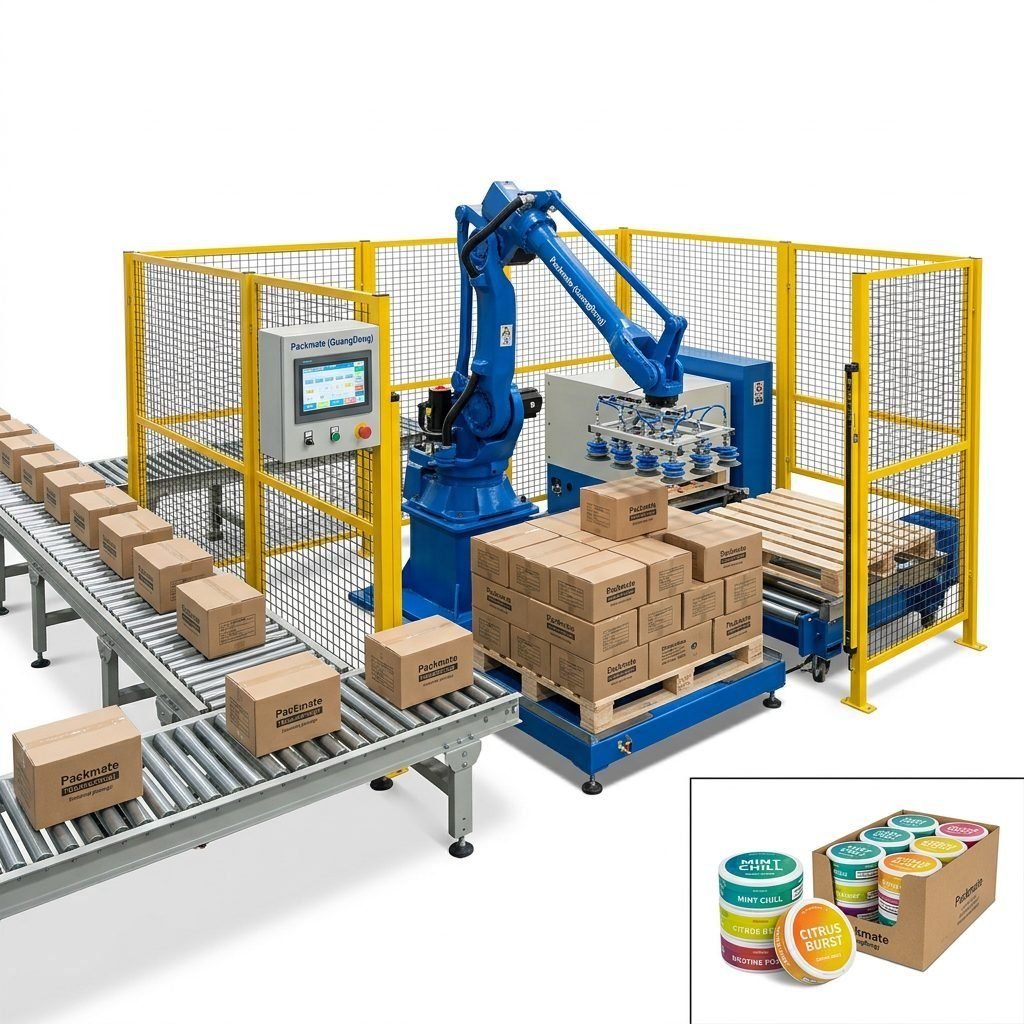
A packaging line is more than a single machine. Consider upstream and downstream integration: feeding systems, weighing systems, in-line metal detection, checkweighers, labelers, cartoners, and end-of-line packaging.
🔧 Choose systems with open communication protocols (Ethernet/IP, Profinet) and HMI designs that allow recipe management for quick format changes. Consider whole-line suppliers or turnkey solutions like Filling & Packaging Lines to reduce integration complexity.
Hygiene, environmental control and cleanability
Nicotine pouches often require controlled environments to protect product quality. Machines should be designed for easy cleaning, minimal crevices, and corrosion-resistant materials. Evaluate options for clean-in-place (CIP) where applicable and enclosed production areas with controlled humidity.
Regulatory Compliance and Certifications
Operating in the Netherlands and the EU means adhering to CE marking and other relevant standards. Confirm that machinery suppliers provide necessary documentation, compliance certificates, and validation support.
Packmate Snus Machine emphasizes compliance: their machines conform to CE and ISO standards, and they provide documentation for international installations. Learn more about their credentials on the Certificate page.
Total Cost of Ownership: CapEx and OpEx Considerations
Purchase price is only the starting point. Calculate expected operational costs including energy consumption, spare parts, maintenance labor, and packaging material efficiencies. Factor in downtime risk and supplier service responsiveness.
Spare parts and local support
Local warehousing of critical spares and rapid access to technician support in Europe reduce downtime. Ask suppliers about service level agreements, remote support capabilities, and training packages for operators and maintenance staff.
⚙️ Machine uptime • 📦 Packaging material yield • 🔁 Changeover time • 👷 Labor efficiency • ⚡ Energy consumption
Selecting a Supplier: What to Ask and Verify
Supplier selection is as important as machine selection. Use the following checklist when evaluating partners.
Proven experience and references
Verify case studies and customer references, especially in nicotine packaging. Packmate’s global footprint and case portfolio are useful references—see examples in their Case section.
Customization and engineering support
If you require unique pouch formats, dosing systems, or integration with upstream blending and weighing equipment, ensure the supplier can provide engineering customization and turnkey delivery. Look for a manufacturer with in-house CNC and assembly capabilities to assure quality and faster lead times.
Factory acceptance and commissioning
Request Factory Acceptance Tests (FAT) and Site Acceptance Tests (SAT). These are essential to validate performance, dosing accuracy, and integration before shipment and after installation.
Logistics, Installation and After-Sales
Transporting large packaging machines to the Netherlands involves careful planning: check crating, export documentation, and customs processes. Confirm the supplier provides installation supervision, operator training, and commissioning support on-site.
For full-line solutions including weighing and auxiliary equipment, explore Weighing & Packaging Systems and Auxiliary Packaging Equipment to ensure cohesive supply and single-point responsibility.
Real-World Considerations: Case Examples and Best Practices
Case studies from established manufacturers show that planning for changeover, investing in multi-lane technology for high SKU varieties, and standardizing on modular components reduce long-term costs and increase agility. Engage suppliers who can demonstrate installations with similar product types and throughputs.
📦 Run pilot production runs during FAT • 🔁 Document recipe files for each SKU • 👷 Cross-train staff for quick changeovers
Making the Final Decision: A Practical Roadmap
Follow a structured decision process to reduce risk and align investment with business objectives.
1. Define requirements and KPIs
Document required throughput, quality tolerances, formats, and integration touchpoints. Define KPIs for uptime, yield, and changeover time.
2. Shortlist vendors and request proposals
Issue a Request for Quotation (RFQ) with clear acceptance criteria. Evaluate proposals on technical fit, lifecycle cost, and supplier reliability.
3. Conduct FATs and site trials
Validate dosing accuracy and sealing integrity against your product specifications. Use FAT data to finalize performance guarantees in the purchase contract.
Why Consider Packmate Snus Machine?
With over 30 years of engineering experience and a 20,000㎡ manufacturing facility, Packmate specializes in snus and nicotine pouch packaging solutions. Their product range includes multi-lane snus machines, sachet and stick packers, and full filling & packaging lines—making them a strong candidate for turnkey projects in the Netherlands. Learn more About Packmate and reach out for tailored proposals via their Contact Us page.
Checklist: Final Questions to Ask Suppliers
Use this practical checklist in vendor meetings and factory visits.
- Can you demonstrate machines running my product or a close analog?
- What is the warranty, and what does it cover?
- What spare parts should I stock locally and what are lead times?
- Do you provide training, SAT, and commissioning support in the Netherlands?
- Can the machine be upgraded for higher lanes or speeds in future?
Conclusion
Selecting the best nicotine packaging machinery in the Netherlands requires a balanced approach: match machine capabilities to product requirements, validate supplier experience and compliance, and plan for lifecycle costs and integration. By following a structured evaluation process and prioritizing vendors who offer turnkey solutions and strong after-sales support, you can secure a reliable, high-performance packaging line that scales with your business.
Frequently Asked Questions
Q: How do I determine whether to choose a multi-lane machine or multiple single-lane machines?
A: Evaluate expected throughput, product changeover frequency, and footprint constraints. Multi-lane machines offer higher aggregate throughput with smaller per-lane stress, while multiple single-lane machines can simplify changeovers for many SKUs. Model TCO and downtime risk for both options.
Q: What certifications should I require from my packaging machinery supplier?
A: At minimum, ask for CE compliance and relevant ISO standards. Also request machine safety documentation, electrical schematics, and validation support documents for FAT and SAT.
Q: Can I get turnkey lines that include filling, weighing, and end-of-line packaging?
A: Yes. Many manufacturers, including turnkey specialists, offer integrated filling & packaging lines. Review complete solutions to reduce integration risk and single-source accountability—examples are listed under Filling & Packaging Lines.
Q: How important is local after-sales service in the Netherlands?
A: Very important. Local technical support minimizes downtime, enables faster spare parts delivery, and ensures regulatory familiarity. Confirm SLAs and whether remote diagnostics are available.
Q: What is the best way to validate machine performance before purchase?
A: Insist on FAT with your product or a close simulation. Define acceptance criteria in the contract and include penalties or remediation steps if performance targets are not met at SAT.