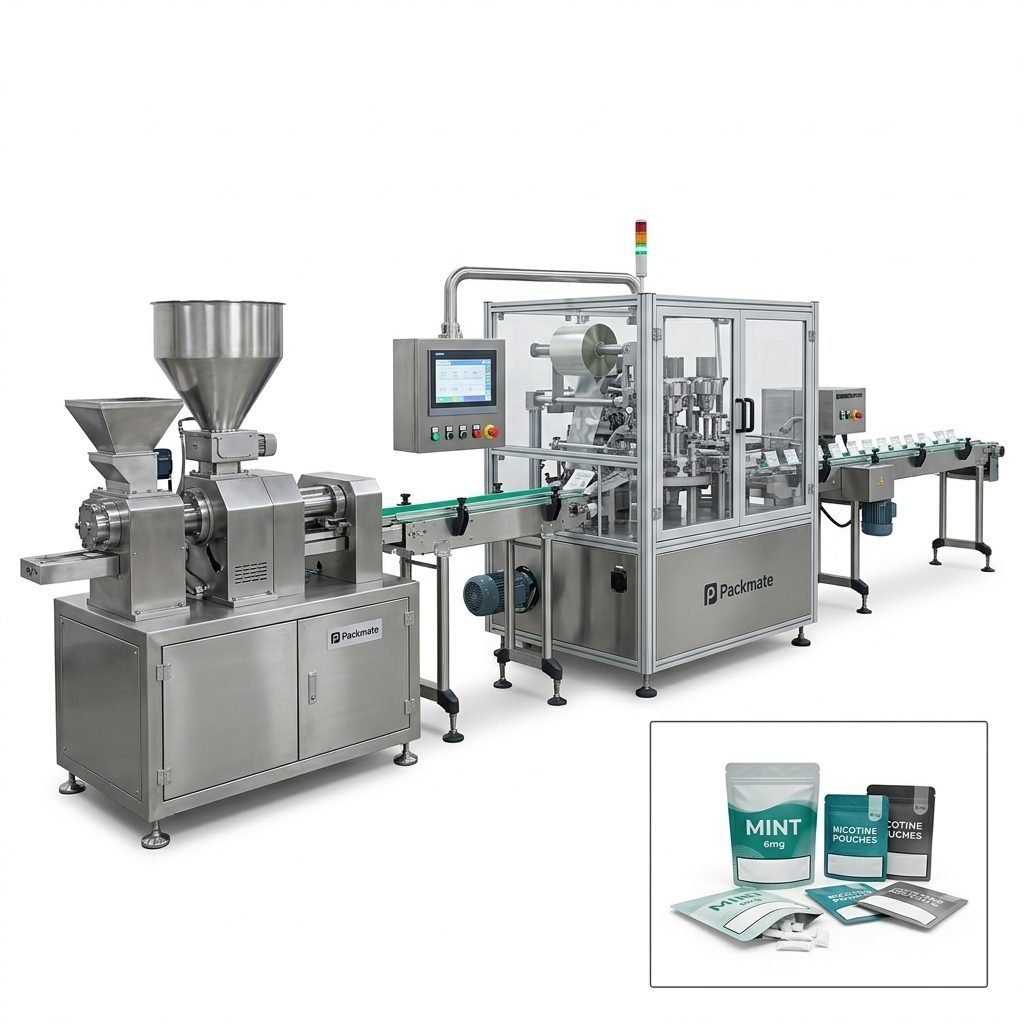
The global demand for snus and nicotine pouches has driven rapid advances in automated packaging technology. Choosing the right equipment is critical for maintaining product quality, ensuring regulatory compliance, and achieving efficient production. This guide breaks down how to choose the best automatic snus filling and packing machine — from machine types and core features to factory capabilities and after-sales support.
⚙️ Overview: What is an Automatic Snus Packing Machine?
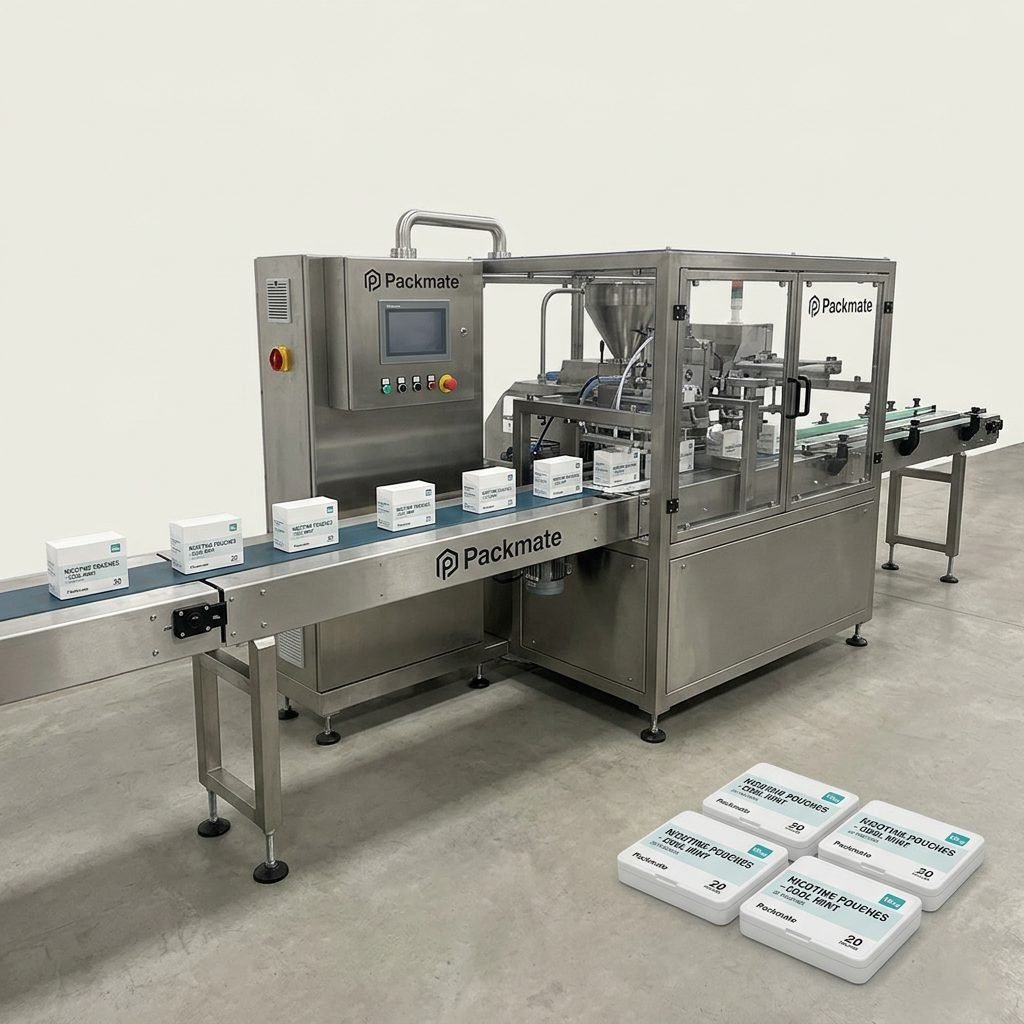
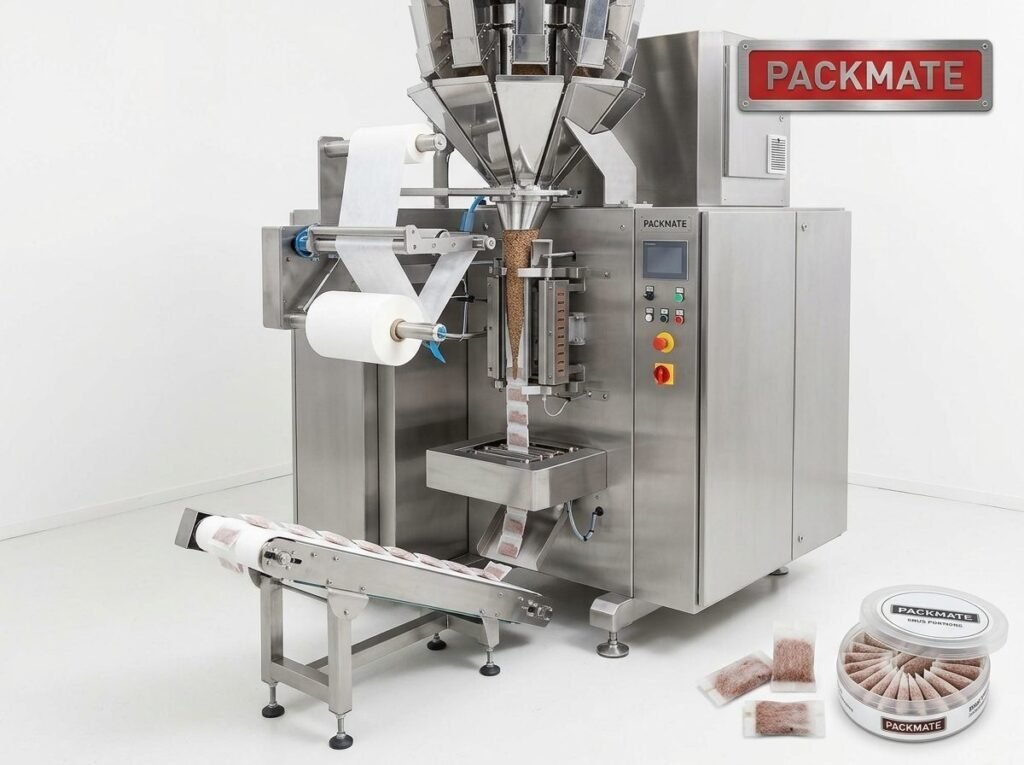
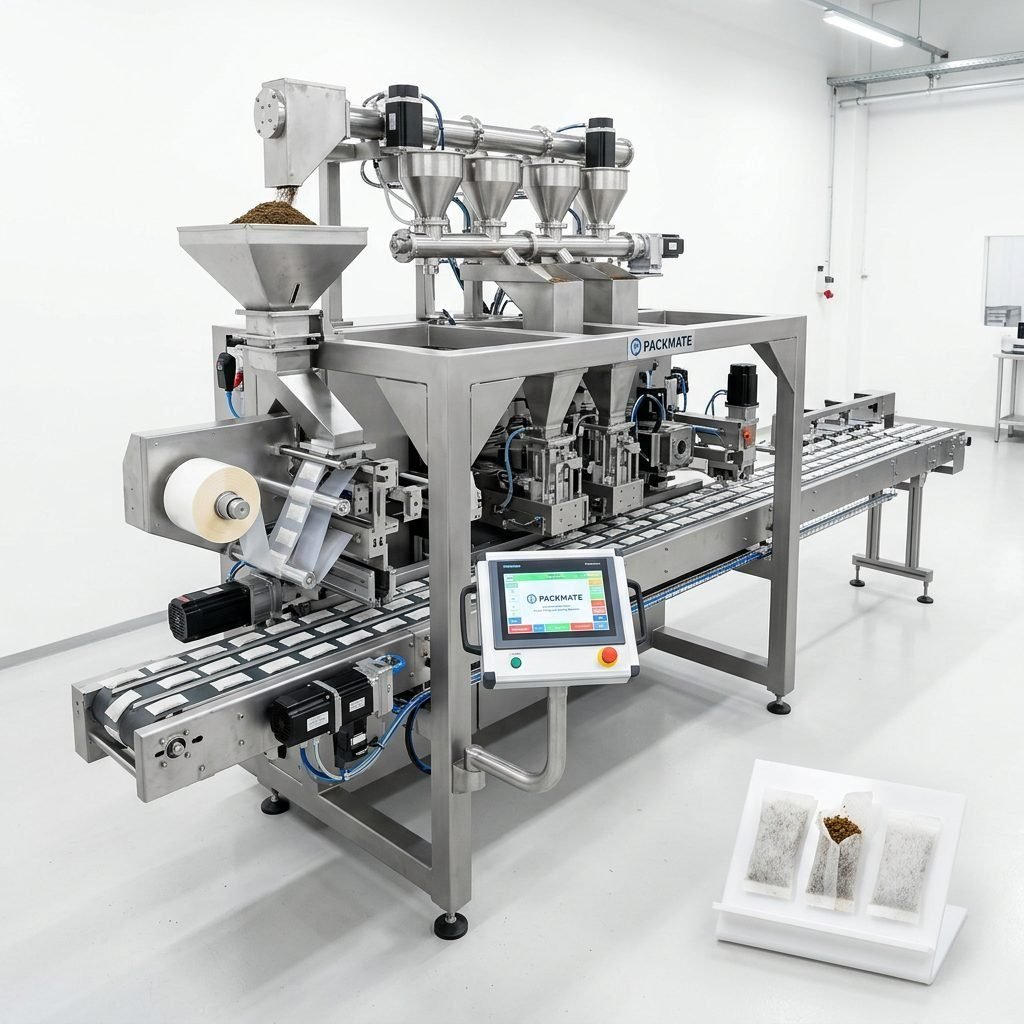
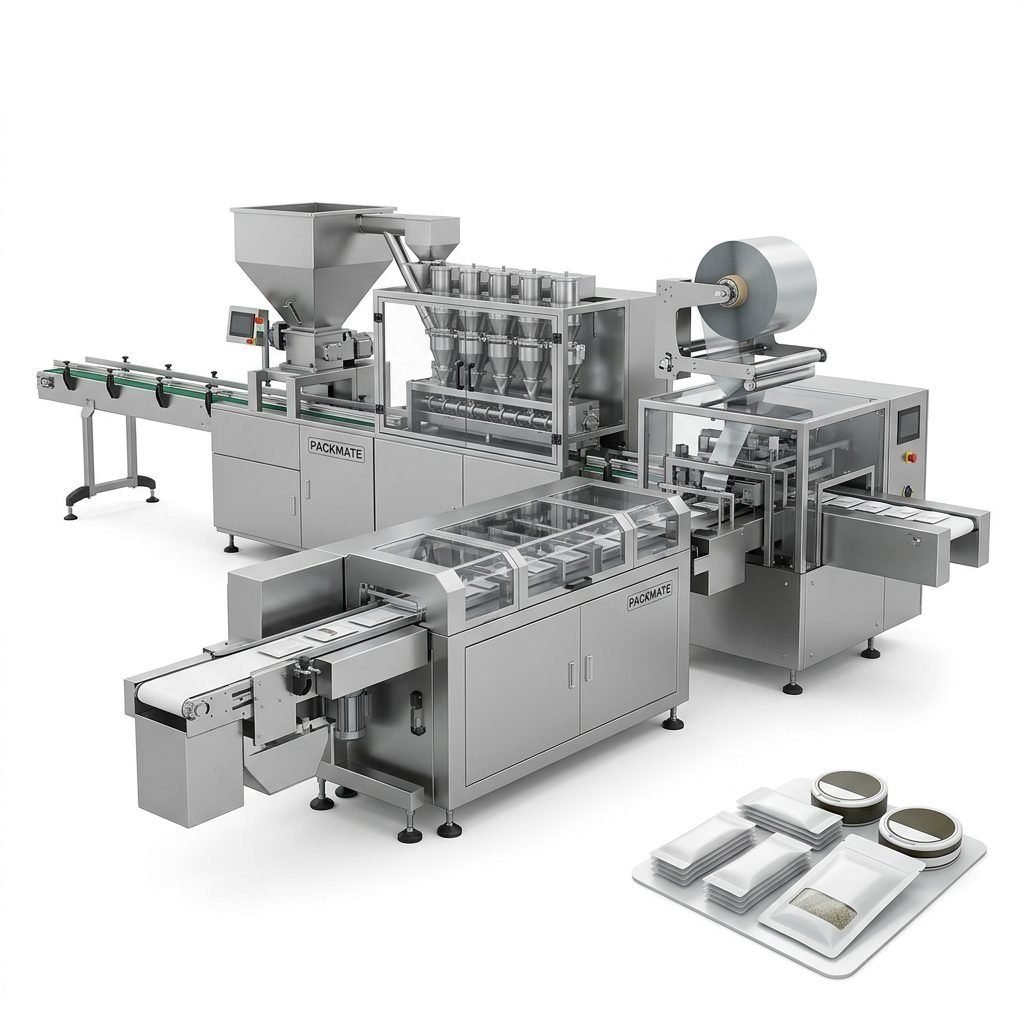
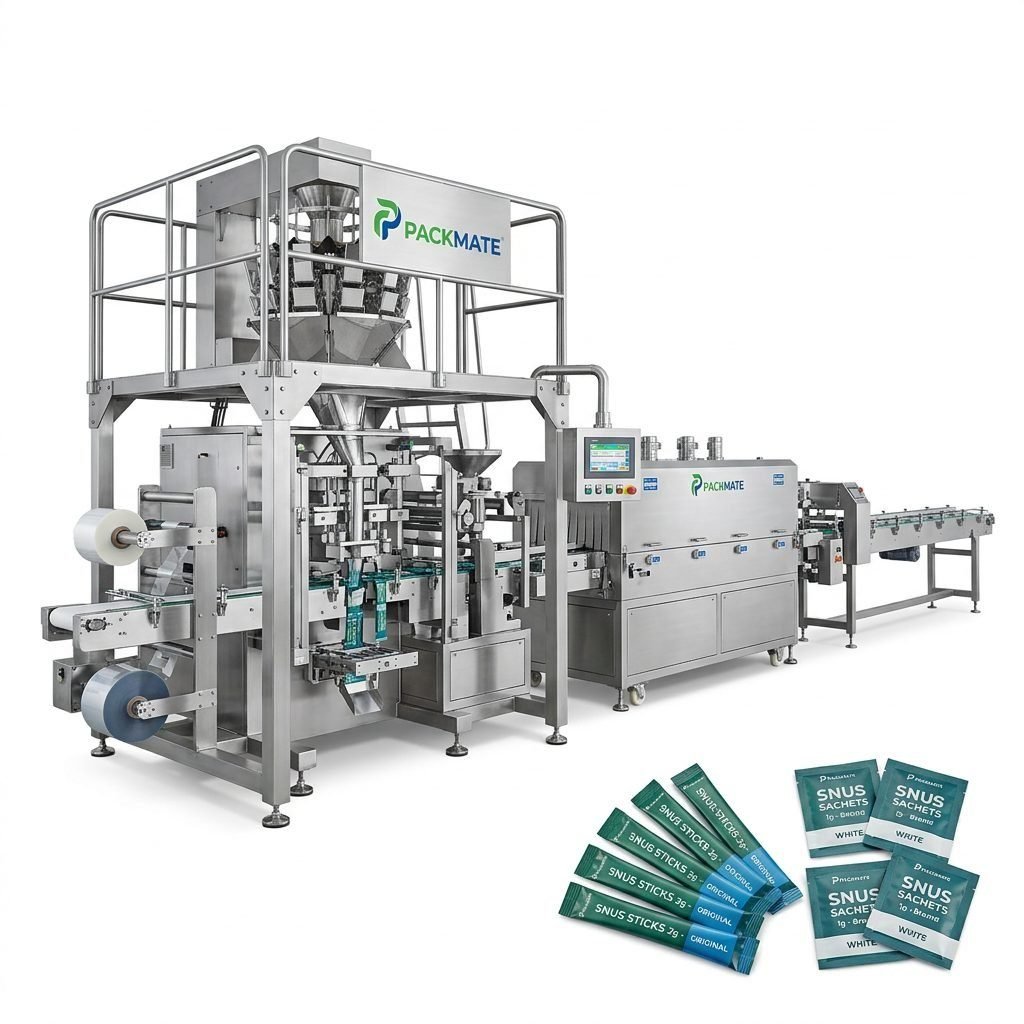
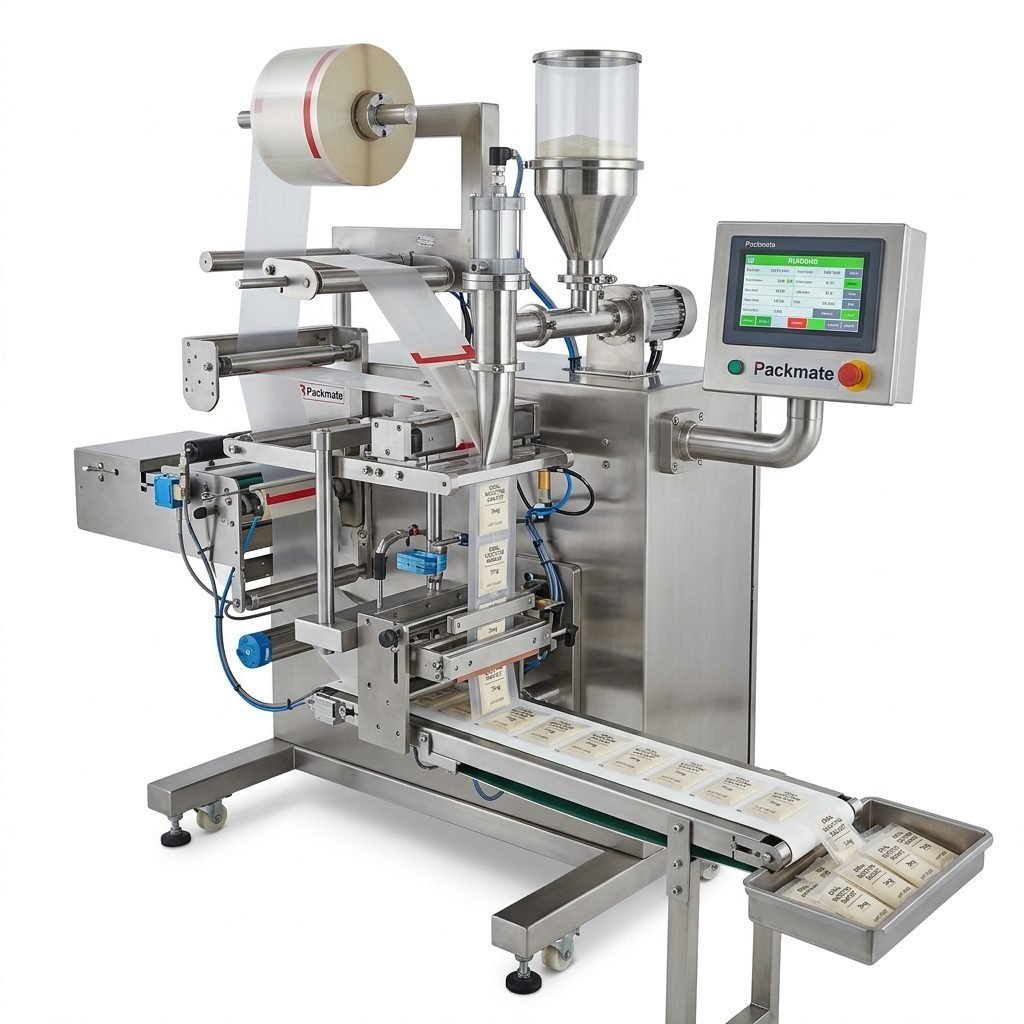
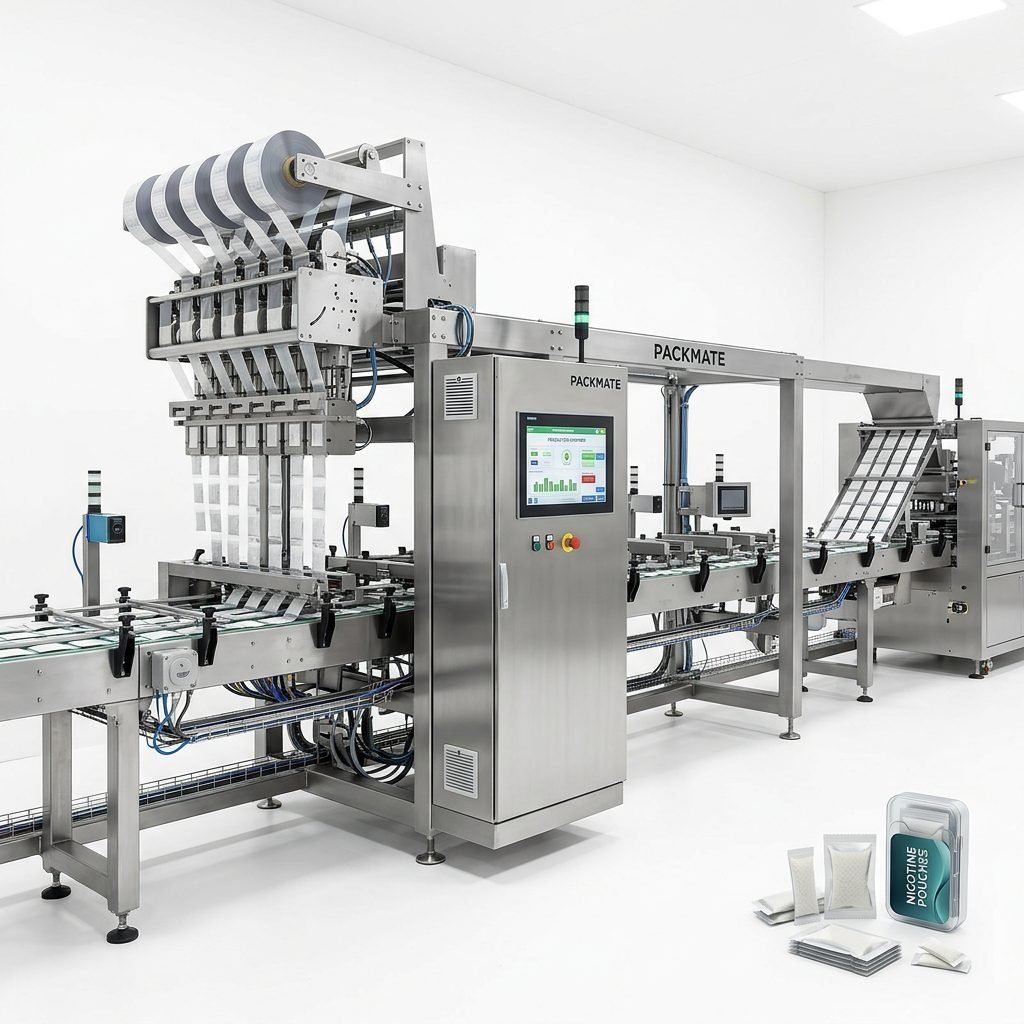
An automatic snus packing machine is engineered to accurately fill, dose, and package small-dose pouches such as snus, nicotine pouches, and other tobacco-free products. These systems commonly include feeding, weighing, filling, sealing, cutting, and end-of-line packaging modules. Modern solutions focus on multi-lane performance, high-speed accuracy, and hygienic design.
🔎 Key Machine Categories
Choosing the right category depends on your product form and production target. Common categories include:
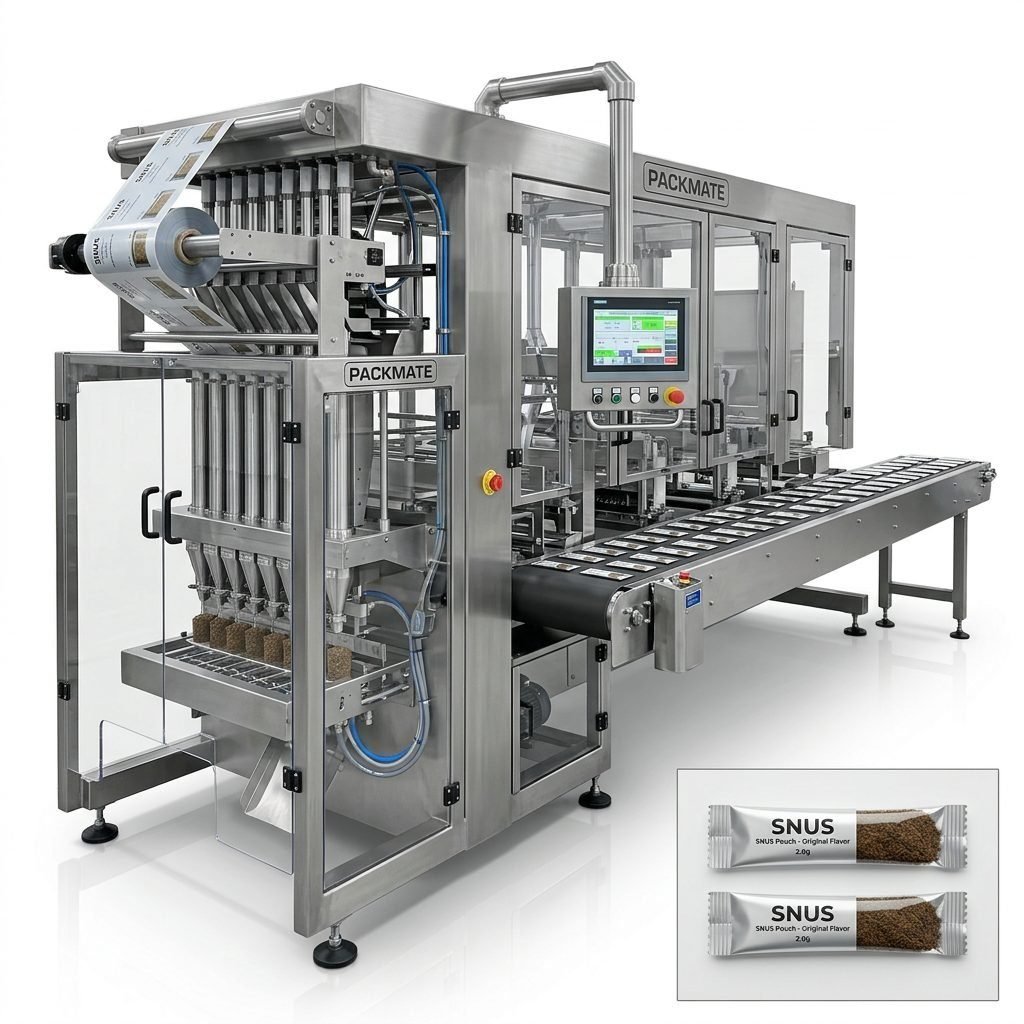
• Stick pack and sachet machines for single-serve dose pouches.
• Multi-lane snus pouch systems for small-dose, high-throughput lines.
• Customized filling & dosing machines for powder, granules, or blends.
• Complete filling & packaging lines integrating weighing, feeding, and secondary packaging.
✅ Typical Applications
Snus packing machines are widely used for nicotine pouches, snus, tea sachets, powdered blends, granules, and even liquid-filled sachets in adjacent product categories. If you want to explore machine types in detail, see the Snus & Nicotine Packaging Machines and Sachet & Stick Pack Machines product pages for examples and specs.
Relevant links:
Snus & Nicotine Packaging Machines,
Sachet & Stick Pack Machines.
🧭 How to Choose: Core Selection Criteria
Selecting the right machine requires a balance of technical performance, reliability, compliance, and long-term support. Focus on the following selection criteria:
Production speed & throughput: Evaluate target output per minute and choose single-lane vs multi-lane systems accordingly.
Filling accuracy: Look for precision dosing systems and stable weighing modules to prevent material waste and ensure consistent pouch weight.
Product compatibility: Confirm the machine handles your product type (powder, granule, paste, or mixed blends) and pouch format.
Hygiene and maintenance: Stainless steel contact parts, easy-access design, and quick-change components reduce downtime and support GMP/food-safety requirements.
Automation & integration: Consider whether you need integrated weighing systems, track & trace, secondary packaging, or robotic palletizing.
Total cost of ownership (TCO): Evaluate long-term operating costs — energy, spare parts, service, and upgrade paths.
📌 Machine Features to Prioritize
When comparing models, prioritize these features for reliable snus production:
• Multi-lane channels for scaling throughput without increasing footprint.
• High-precision feeders and augers for consistent dosing.
• PLC & HMI control for recipe management and quick changeover.
• Modular design that supports future upgrades and optional modules.
• CE/ISO compliance and sanitary construction for regulated markets.
🏭 Manufacturer Capabilities: Why Factory Strength Matters
Factory capability is an often-overlooked factor that influences machine quality, delivery time, and customization options. Packmate Snus Machine brings decades of engineering experience, factory space, and precision equipment to the table. For example, a 20,000㎡ manufacturing facility with advanced CNC machining and precision assembly ensures consistent build standards and quick turnaround for custom requests.
Learn more about the company’s history and strengths at About Packmate.
Direct factory links and product lines often help buyers decide:
Filling & Packaging Lines,
Weighing & Packaging Systems.
🔧 Customization & Turnkey Solutions
The most reliable suppliers offer turnkey solutions covering everything from raw material feeding to final case packing. Choose a partner who can supply:
• Custom pouch formats and die tooling.
• Integrated checkweighers, metal detectors, and labeling modules.
• Full line layout design, installation, and on-site commissioning.
• Lifecycle support including spare parts, preventative maintenance, and training.
🔒 Compliance, Certification & Quality Assurance
Regulatory compliance and quality control are essential when packaging products for global markets. Look for equipment and suppliers with CE and ISO certifications, documented quality control systems, and clear traceability capabilities. Packmate’s certifications and global experience help ensure machines meet international standards — a critical consideration if you sell into regulated geographies.
📈 Economics: Calculating ROI
To estimate return on investment, model these variables:
• Initial capital cost vs productivity gain (pouches/min).
• Material savings from accurate dosing and reduced waste.
• Labor reduction through automation and improved uptime.
• Maintenance costs and spare part availability.
Prioritize machines that lower variable costs and enable predictable production planning — small improvements in dosing accuracy or uptime compound into significant savings.
🚚 Delivery, Installation & After-Sales
Reliable delivery timelines and professional installation are essential. Reputable manufacturers provide:
• Site surveys, foundation requirements, and utility planning.
• On-site commissioning and operator training.
• Remote support options and spare parts kits.
• Documentation including manuals, electrical drawings, and maintenance guides.
📂 Case Examples & Exhibitions
Many buyers evaluate machines after seeing live demos at exhibitions or reviewing case studies from similar projects. Manufacturers exhibiting globally often demonstrate real-world line speeds, multi-lane setups, and end-to-end integrations. Explore exhibition events and case studies to validate performance claims and inspect build quality.
Useful resources:
Case |
Our Exhibition.
📝 Procurement Checklist
• Define required throughput and allowable tolerances for dosing.
• Confirm material properties, flowability, and potential segregation.
• Request FAT (Factory Acceptance Test) videos and references.
• Verify warranty, spare part lead times, and service coverage.
• Ensure documentation and certifications for your target markets.
🔧 Maintenance Tips for Long-Term Performance
Proper maintenance preserves accuracy and uptime. Key practices include scheduled calibration of weighing systems, regular replacement of wear parts (cutters, belts, and seals), routine cleaning of product-contact surfaces, and software backups for PLC/HMI recipes. A maintenance contract from the manufacturer can reduce unexpected downtime and ensure parts are available when needed.
📞 How to Get Quotes & Next Steps
Prepare a specification sheet covering product type, pouch dimensions, target throughput, and required integrations. Share product samples and target production rates with potential suppliers for an accurate quote. Contact the manufacturer’s sales or service team for a tailored proposal and site layout. For direct contact and support details, visit Contact Us and Service pages.
Helpful links:
Contact Us,
Service.
Conclusion
Selecting the right automatic snus filling and packing machine requires a clear understanding of your product, production goals, and regulatory requirements. Prioritize accuracy, hygiene, modularity, and manufacturer support. A strong factory partner with turnkey capabilities, global certifications, and documented case references can shorten lead times and ensure sustainable production growth.
Common Questions
Q1: How do I choose between single-lane and multi-lane snus machines?
A1: Choose single-lane for lower volume or niche SKUs; multi-lane for high throughput while conserving floor space. Consider changeover complexity and material handling when scaling.
Q2: What accuracy can I expect for powder dosing?
A2: High-quality dosing systems typically achieve tight tolerances of a few percent of target weight. Use checkweighers and feedback loops for best results.
Q3: Are turnkey lines including auxiliary equipment available?
A3: Yes. Many manufacturers supply integrated solutions including weighing, conveying, secondary packaging, and robotics. See Filling & Packaging Lines for examples.
Q4: What certifications should I check for?
A4: CE and ISO are baseline certifications. Also verify food-safety and electrical compliance relevant to your market region.
Q5: How long is typical lead time for a custom snus packing line?
A5: Lead times vary by complexity and customization. Standard machines may ship faster, while fully customized turnkey lines require detailed engineering and testing — plan several months for design, fabrication, and FAT.