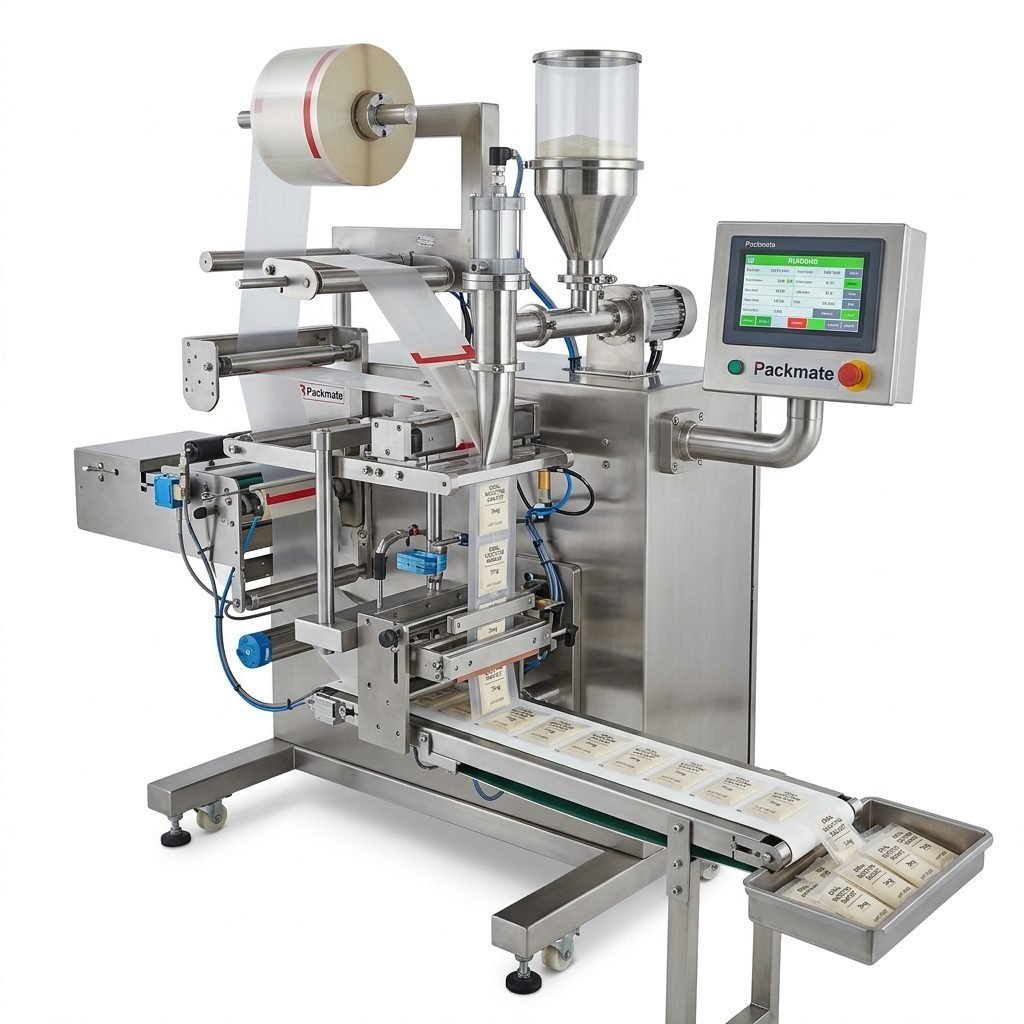
Choosing the right nicotine packaging machine in Hungary is a strategic decision that affects product quality, compliance, and profitability. Whether you are launching a new nicotine pouch brand or scaling an existing snus production line, understanding local market needs, regulatory requirements, and machine capabilities will help you select equipment that delivers consistent output and long-term value.
Understand the Hungarian Market and Regulations
The European market — including Hungary — enforces strict rules for nicotine products, focusing on labeling, traceability, and safety. Before investing in machinery, confirm the regulatory specifics for nicotine pouches and snus in Hungary, including packaging material restrictions and tamper-evident requirements. Machines that offer flexible format control and clear batch/lot printing will help you stay compliant with evolving rules.
Tip: Choose equipment that supports variable data printing and easy software updates so label content and traceability codes can be adapted quickly.
Key Machine Types for Nicotine Packaging
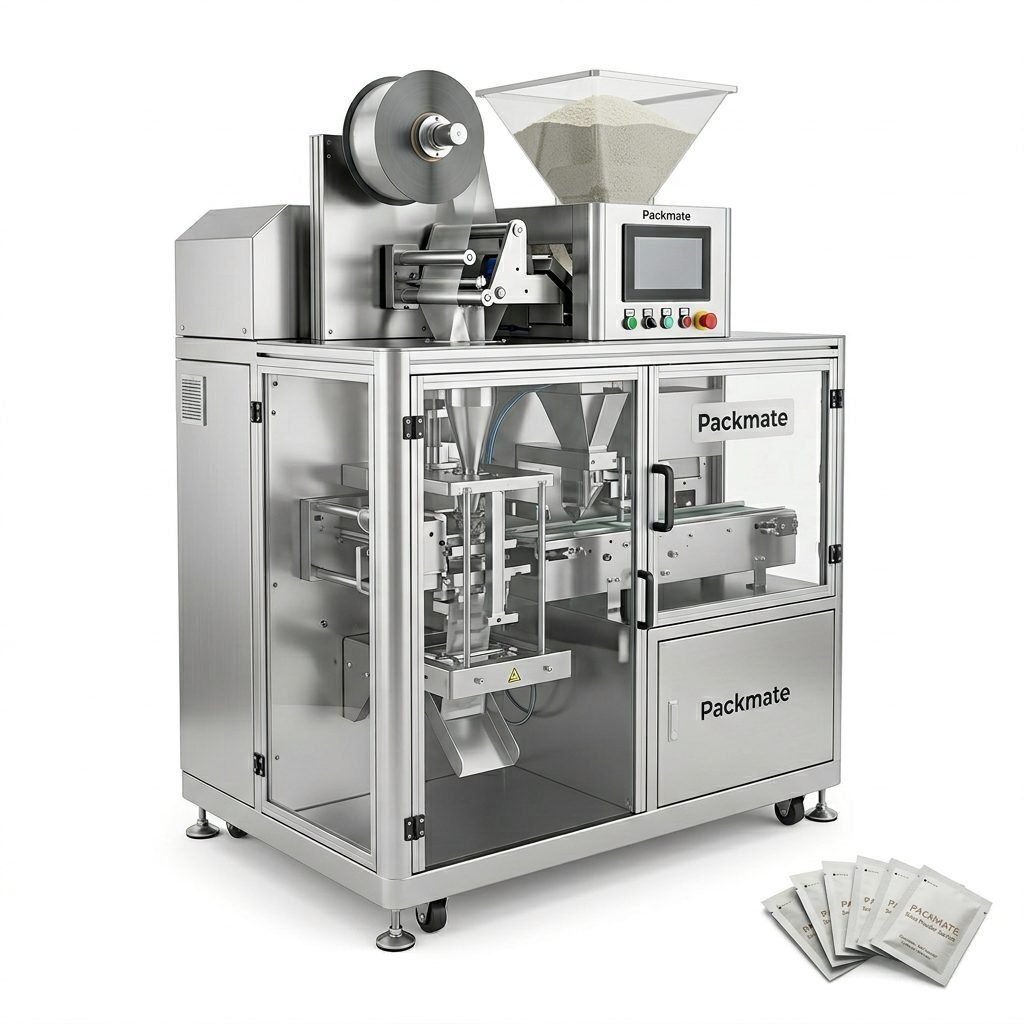
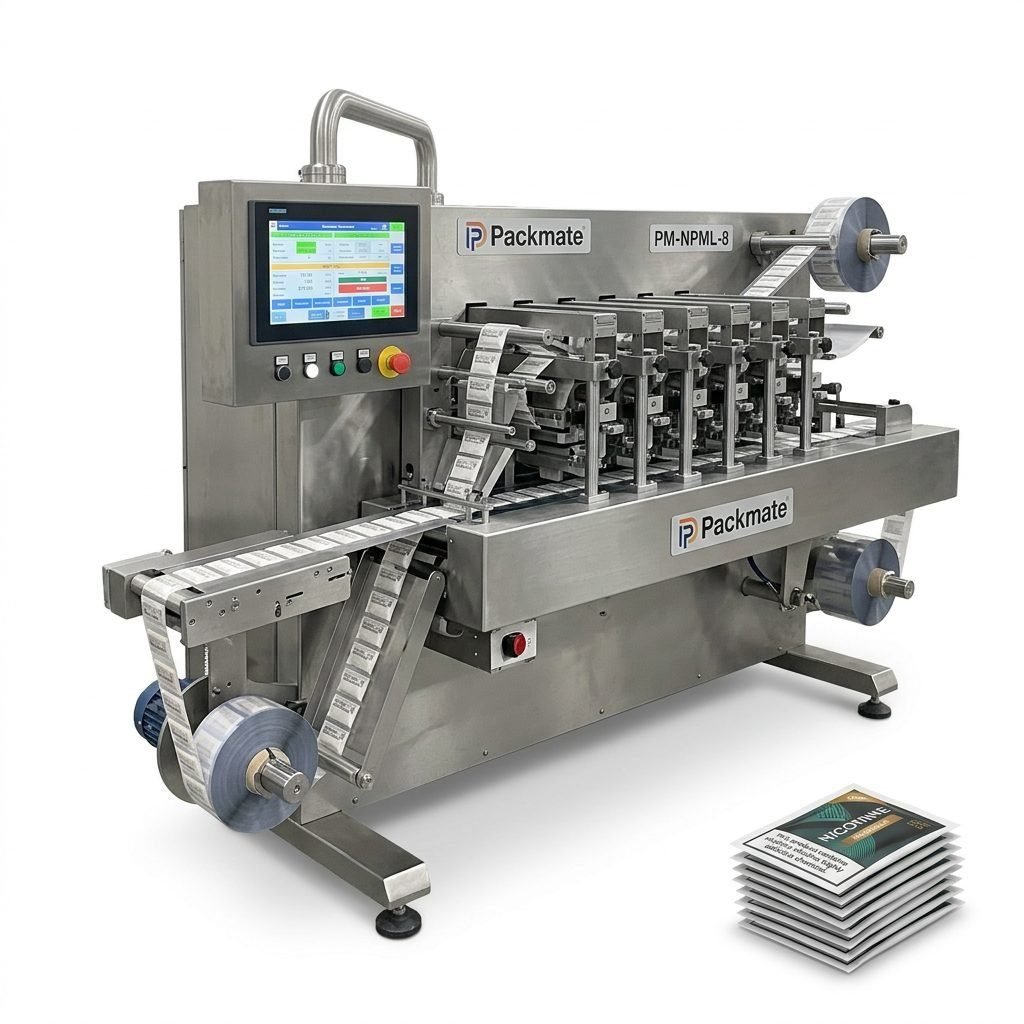
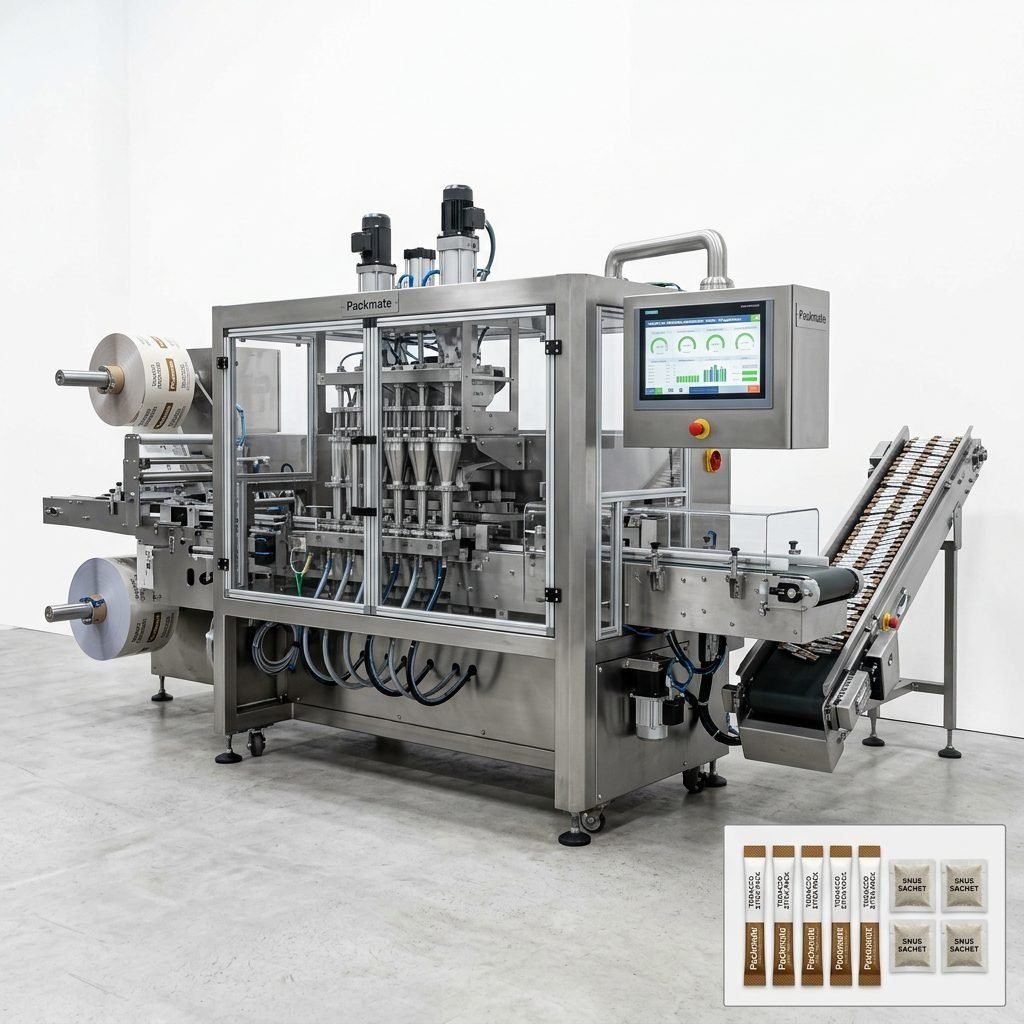
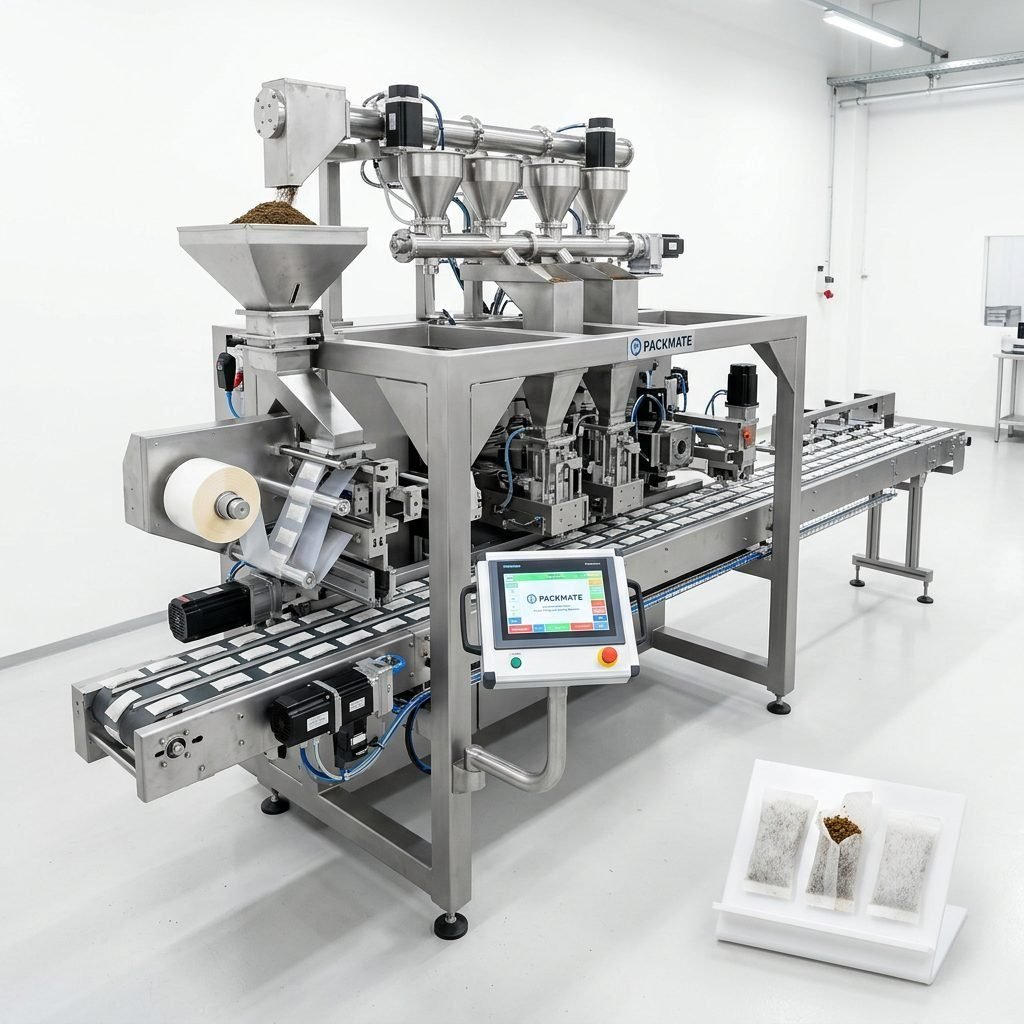
Nicotine pouch manufacturers commonly select from several packaging formats. Each format suits different product positioning and throughput needs:
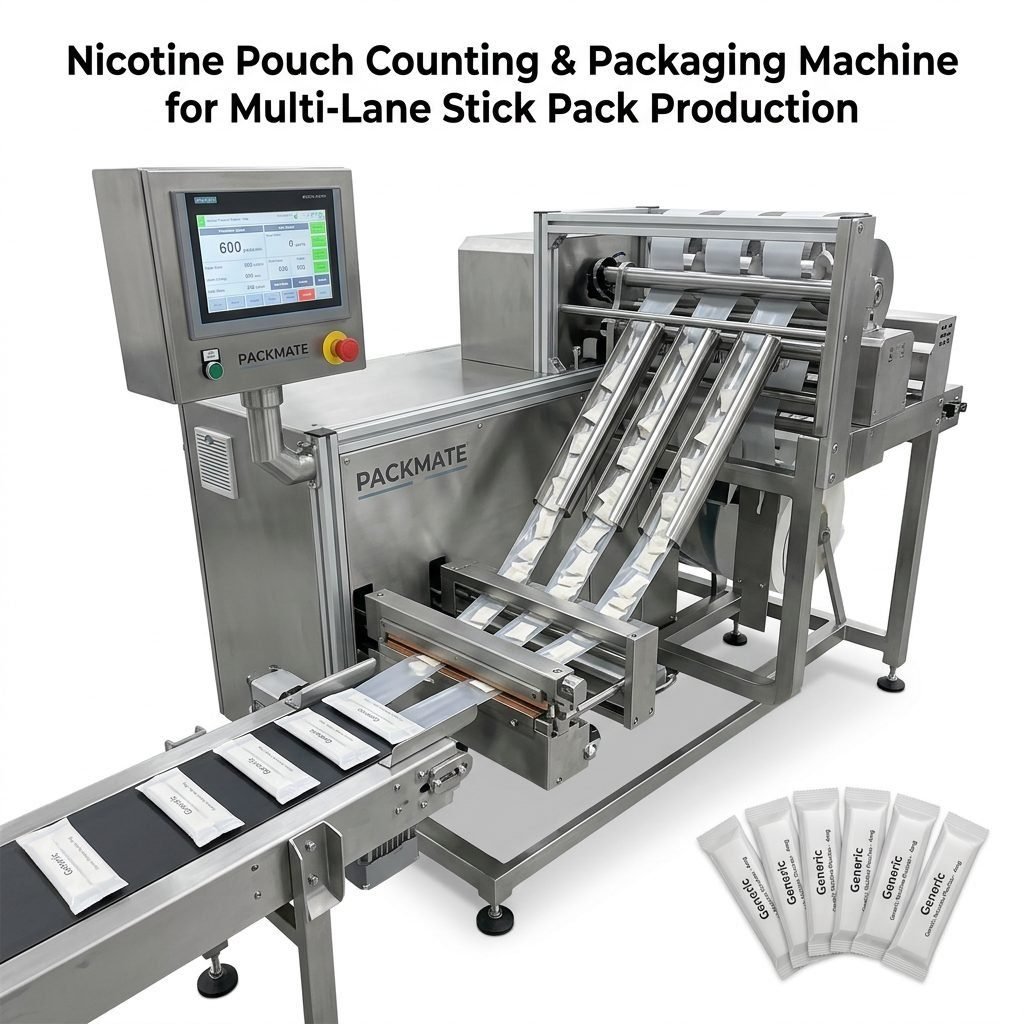
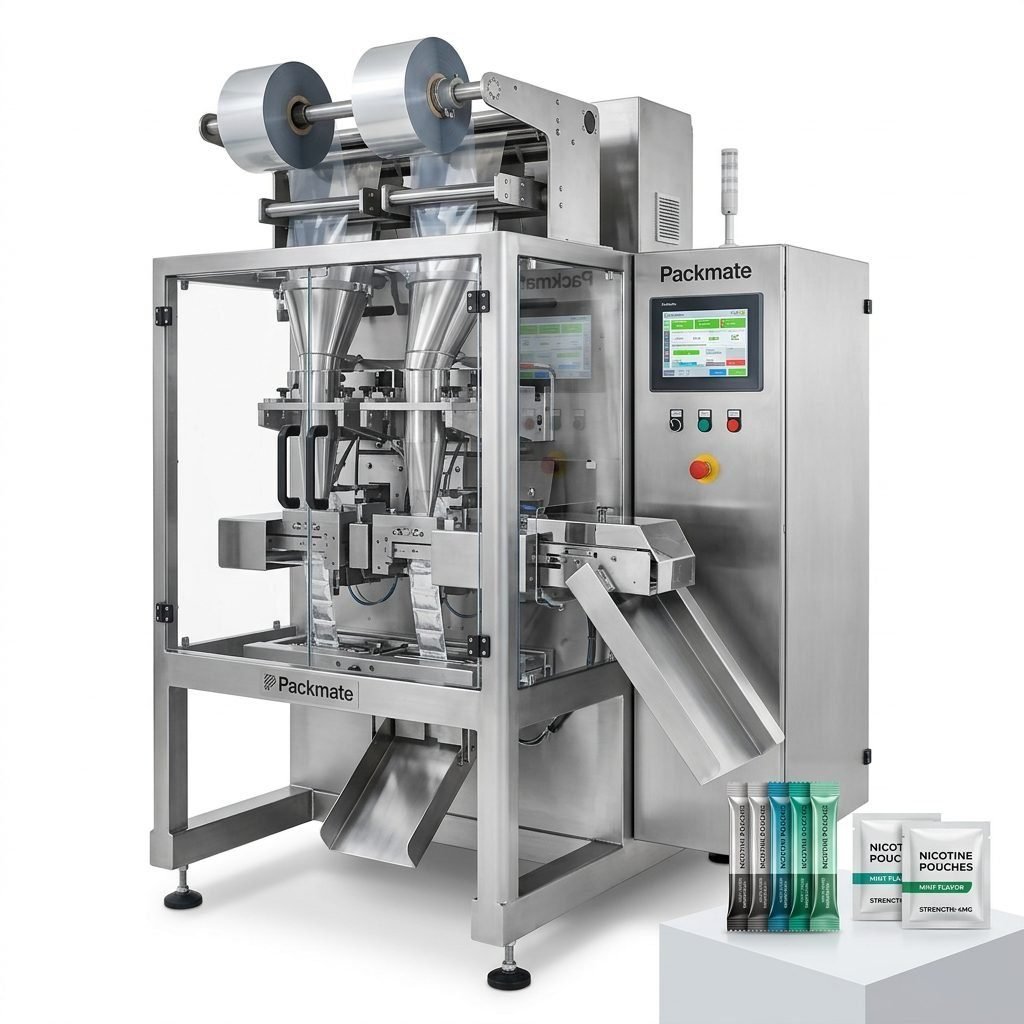
- Stick pack machines — for single-dose, consumer-friendly sticks with precise dosing.
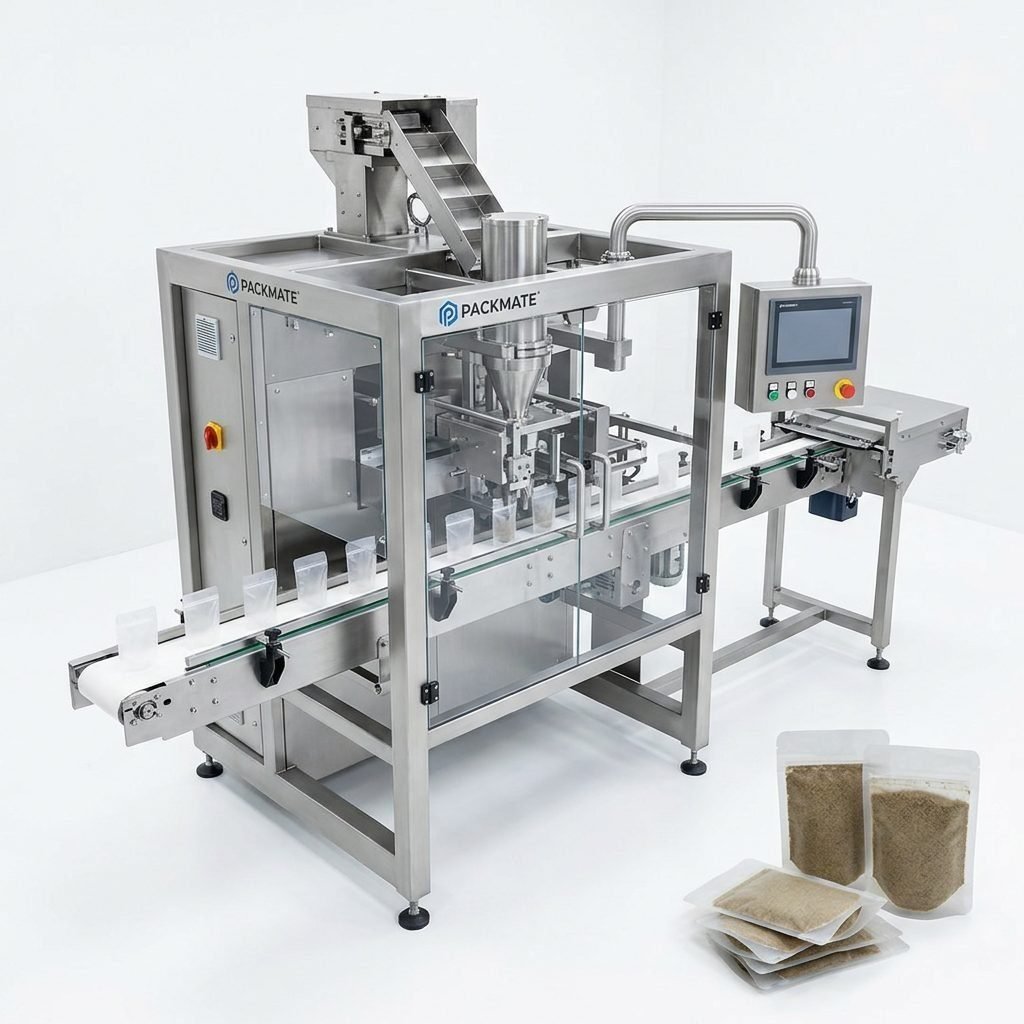
- Sachet machines — for various pouch sizes and sealed pouches with high speed.
- Multi-lane systems — ideal for small-dose pouch production with high output per footprint.
If you want to explore equipment categories, consider reviewing product lines like Snus & Nicotine Packaging Machines or the Sachet & Stick Pack Machines to match your packaging concept with available technologies.
Performance Criteria: Speed, Accuracy, and Yield
For nicotine pouches, dosing accuracy is critical — both for regulatory compliance and consistent user experience. Evaluate machines by:
- Filling accuracy and repeatability under different product formulations.
- Maximum and sustainable production speeds (pouches/min or lanes/min).
- Changeover time between SKUs and ease of format adjustments.
- Yield — measurable as good-product percentage and minimal waste.
Key metric: prioritize machines with repeatable dosing ±2% or better for consistent nicotine content.
Scalability: Multi-Lane & Turnkey Solutions
If you expect demand to grow in Hungary or export markets, invest in scalable systems. Multi-lane snus packing machines and fully integrated lines (weighing → filling → sealing → packaging) allow capacity increases with predictable footprint and utility needs. Packmate and similar suppliers offer turnkey lines that can be customized for nicotine pouches — consider options that minimize future retrofit costs.
Material Compatibility and Packaging Formats
Choose machinery that supports the film and pouch types you plan to use: laminated barrier films, foil-laminates, or compostable substrates. Machines with adjustable sealing jaws, controlled heating profiles, and vacuum/nitrogen flush capability enable reliable seals and shelf-life preservation.
Integration with Up- and Down-Stream Equipment
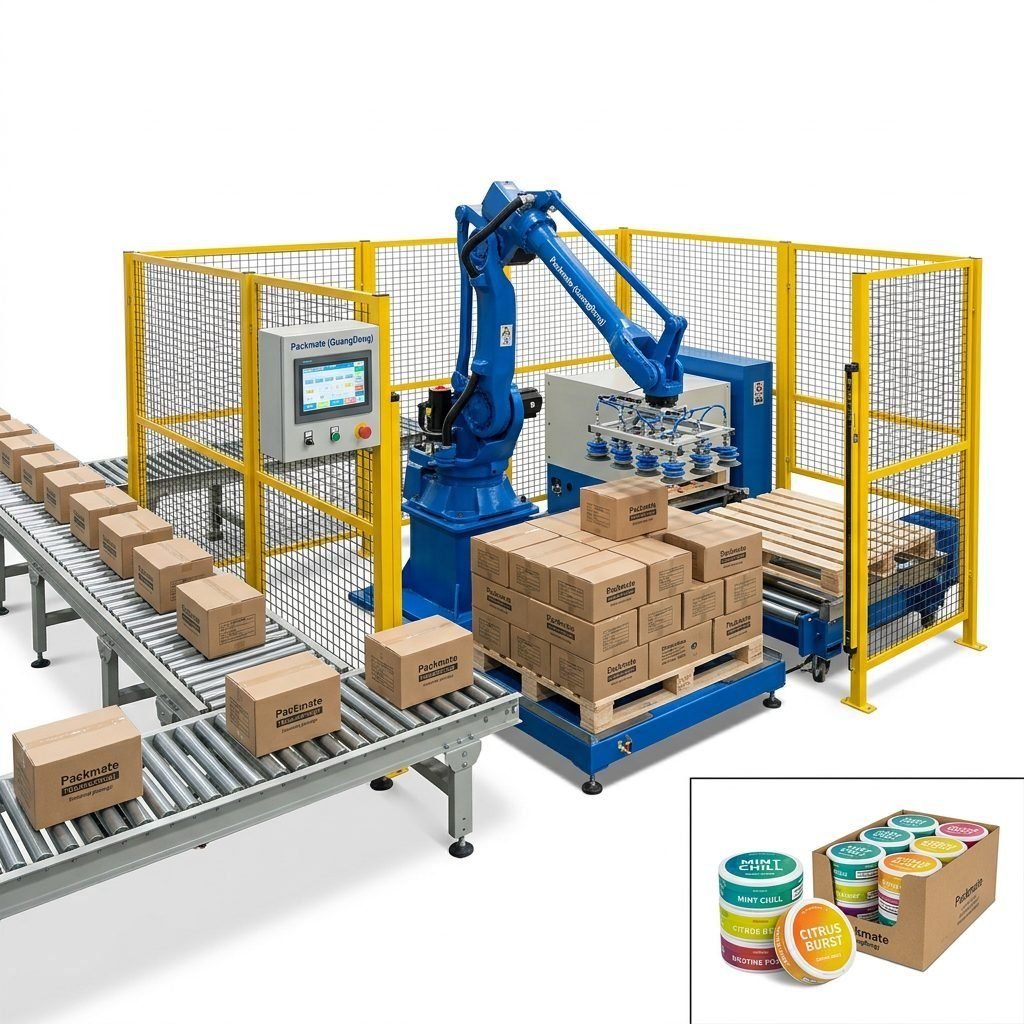
Consider the whole line when choosing machines. Integration points include automated feeders, weighers, labeling systems, and secondary carton packers. Explore the supplier’s portfolio such as Weighing & Packaging Systems and Filling & Packaging Lines to ensure end-to-end compatibility.
Automation, Controls, and Operator Interface
Modern packaging machines should include robust PLC controls, intuitive HMI panels, and recipe management. Look for machines that allow:
- Quick recipe recall for SKU changeovers.
- Remote diagnostics & software update capability.
- Compliance-friendly data logging for batch records.
Note: remote service can reduce downtime in Hungary by enabling fast troubleshooting and parts identification.
Quality, Certification, and After-Sales Support
Ensure machines comply with international standards such as CE and ISO — these certifications demonstrate safety and manufacturing consistency. Strong after-sales support includes spare parts availability, field service, and operator training. Check supplier references and case histories; Packmate’s global presence and exhibition participation are indicators of field-proven solutions.
Factory Strength and Customization
A manufacturer’s production capabilities (CNC machining, precision assembly, quality testing) matter when you require customized multi-lane systems or unique material handling. Suppliers with large facilities and a broad machine model range can better support turnkey projects and bespoke solutions.
Learn more about supplier backgrounds and certifications on their About Packmate and Certificate pages before finalizing your choice.
Total Cost of Ownership and Return on Investment (ROI)
Evaluate the total cost of ownership — not just the machine price. Consider installation, utilities, spare parts, preventative maintenance, training, and expected product yield. High-efficiency machines with low waste and minimal downtime often justify higher upfront costs through faster ROI.
Financing and Leasing Options
Some manufacturers and local dealers offer financing or leasing structures. This can be beneficial when balancing CAPEX with rapid market entry. Ensure service agreements are included to protect production reliability.
Installation, Commissioning and Training
Proper installation and commissioning are essential. A reputable supplier will provide on-site startup, process tuning, and operator training. Confirm the scope of commissioning, documentation provided, and availability of follow-up training or remote support.
Operational readiness checklist:
power/air requirements, spare parts kit, operator manuals, and initial sample runs.
Choosing a Supplier: What to Ask
When evaluating suppliers, ask for:
- References and case studies of nicotine pouch lines and export experience.
- Factory tour availability or virtual demonstrations of similar lines.
- Lead times, customization capabilities, and spare parts support.
- Warranty terms, service response time, and availability of technical manuals.
For real-world examples and client cases, review supplier case pages and exhibition demos such as Case and Our Exhibition.
Maintenance and Spare Parts Planning
A preventative maintenance plan keeps lines running at target speeds. Establish a spare parts inventory for wear items (sealing jaws, belts, sensors) and ensure local availability or rapid shipping. Consider maintenance contracts that include scheduled visits and performance audits.
Common Upgrades to Extend Life
As your product range evolves, upgrade possibilities such as additional lanes, in-line quality inspection, or upgraded control systems can extend machine utility and improve yields.
Sustainability and Material Waste Reduction
Reducing material waste and energy consumption is increasingly important. Choose machines designed for minimal offcuts, efficient servo-driven systems, and low-energy heating profiles. Sustainable packaging initiatives may also influence machine selection when using compostable or recyclable films.
Sustainability note: machines that minimize scrap and support recyclable films can lower long-term material costs and improve brand perception.
Making the Final Decision
Balance technical features, supplier reliability, total cost, and scalability. Request a formal proposal with performance guarantees, acceptance criteria, and an after-sales plan. A practical approach includes pilot runs or factory acceptance testing (FAT) prior to shipment to ensure machine performance on your specific nicotine formulations.
If you need a starting point, suppliers with broad nicotine niche experience and turnkey capabilities can shorten the time to market. Explore full equipment portfolios such as Bag & Pouch Packaging Machines and auxiliary equipment support like Auxiliary Packaging Equipment.
Next Steps for Hungarian Businesses
1) Define your target SKUs, expected monthly output, and packaging materials. 2) Shortlist suppliers and request FAT or sample runs. 3) Evaluate TCO and service contracts. 4) Plan installation and staff training to minimize ramp-up time.
Quick action: contact suppliers for a tailored quote and FAT schedule — early engagement reduces lead time and ensures your line meets Hungarian regulatory requirements.
Summary FAQs
Q1: What machine type is best for starting a nicotine pouch brand in Hungary?
A1: For starters, sachet or single-lane stick pack machines are flexible and cost-effective. If you expect rapid scale-up, a multi-lane system provides higher throughput per footprint.
Q2: How important are certifications like CE/ISO when buying a packaging machine?
A2: Very important. Certifications ensure the machine meets safety and manufacturing standards and simplify export or regulatory compliance.
Q3: What is the typical lead time for a turnkey nicotine pouch packaging line?
A3: Lead times vary by customization level and capacity — from a few weeks for standard machines to several months for fully customized multi-lane turnkey lines. Early discussions with suppliers help lock realistic delivery schedules.
Q4: How can I ensure consistent dosing accuracy?
A4: Select machines with proven dosing systems, perform FAT with your exact product formula, and maintain regular calibration and preventive maintenance.
Q5: Where can I find reliable suppliers and additional resources?
A5: Review supplier portfolios and resources such as product pages, case studies, and service information to make informed comparisons. For a comprehensive supplier overview, check pages like Service and Contact Us.