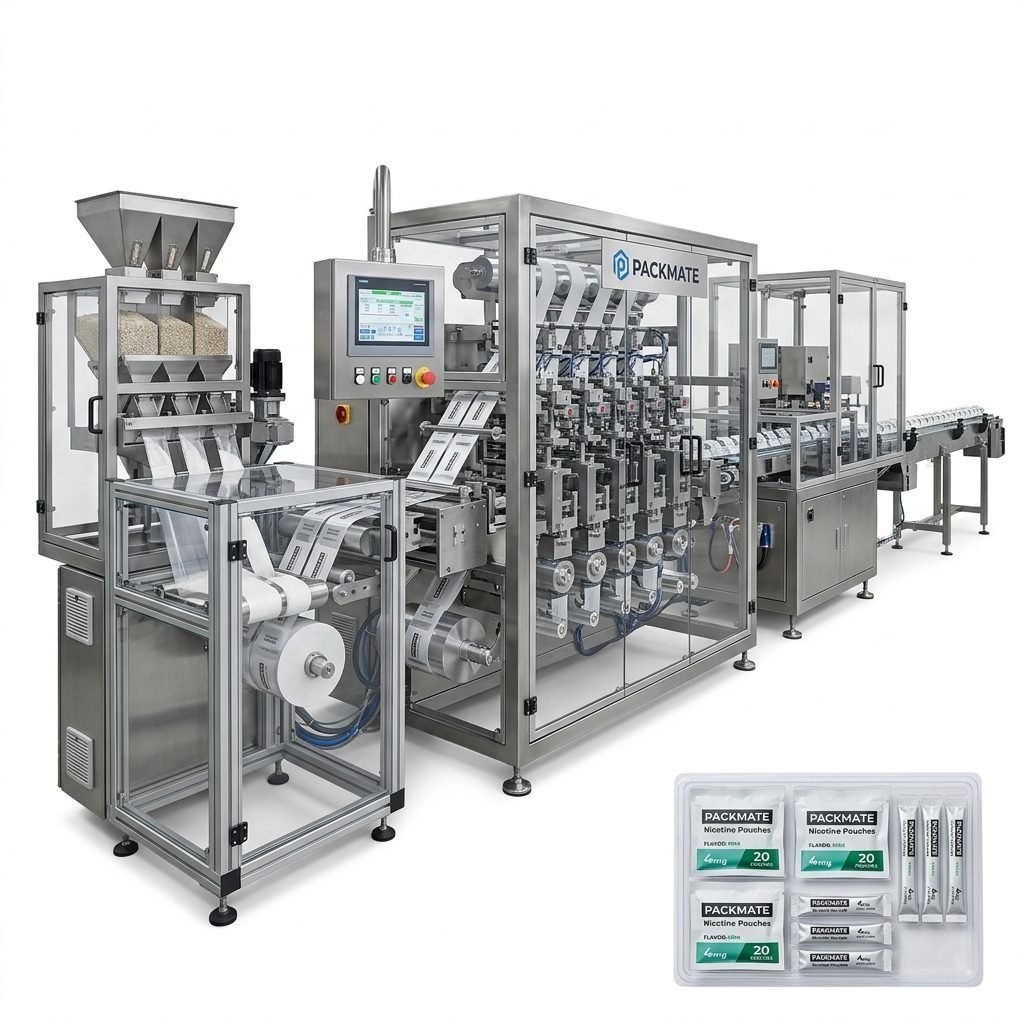
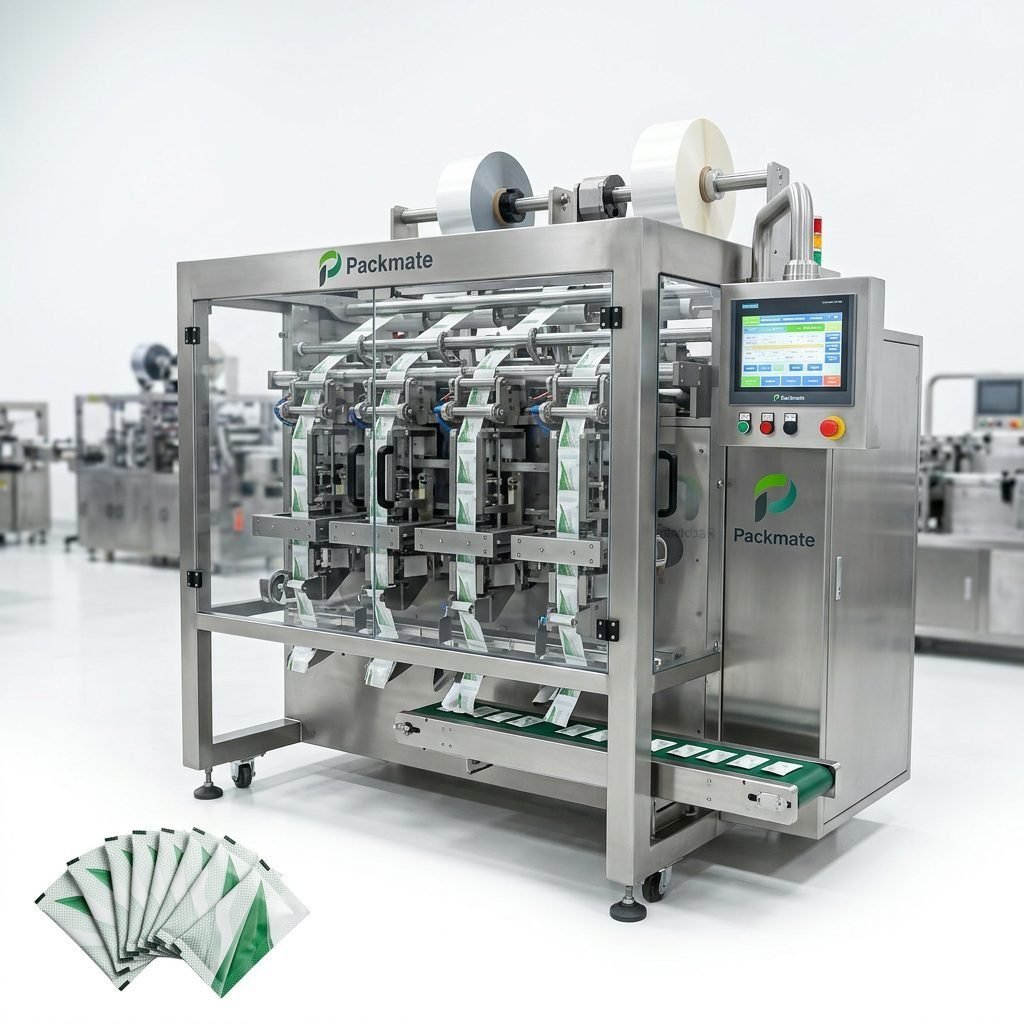
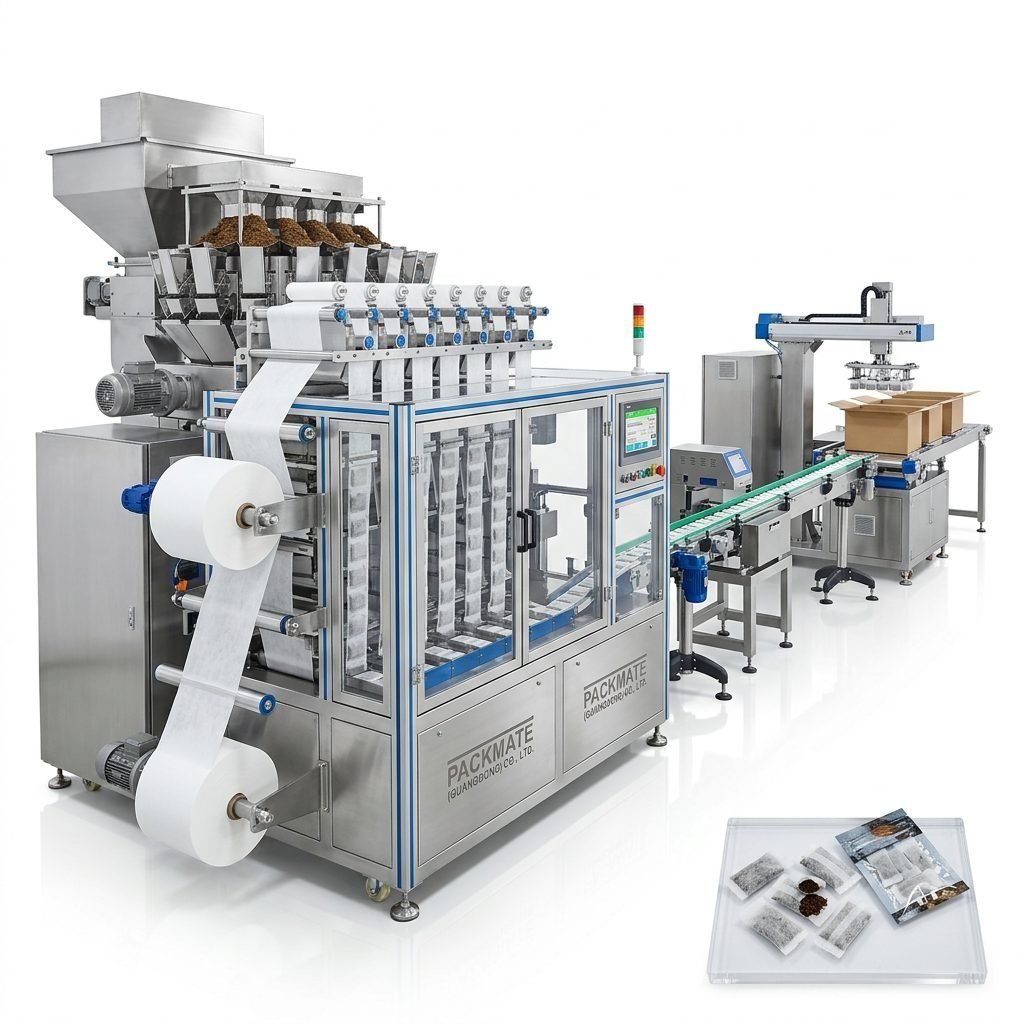
The regulated landscape for snus and nicotine pouch production demands machines that meet Good Manufacturing Practice (GMP) standards while delivering high throughput, minimal downtime, and gentle handling of low-dose products. This guide explains how to choose a GMP-compliant snus packaging solution that balances efficiency, hygiene, and regulatory ease — helping product developers, production managers, and procurement teams make informed decisions.
Why GMP Matters for Snus & Nicotine Pouch Packaging
GMP is not just a checkbox: it affects product safety, traceability, and brand reputation. Machines built for GMP environments reduce contamination risk, enable consistent dosing, and streamline validation. Look for equipment designed for easy cleaning, hygienic material flow, and clear documentation. Manufacturers with demonstrated industry experience and certifications are preferable — they shorten time-to-compliance and reduce validation burden.
Key GMP attributes to prioritize
✓ Hygienic design — Smooth stainless-steel surfaces, minimized crevices, and sanitary fasteners for easy clean-in-place and washdown.
✓ Material traceability — Batch records, traceable consumables, and integration with MES/ERP systems for full lot control.
✓ Validation & documentation — IQ/OQ/PQ packages, maintenance logs, and spare-parts lists to support regulatory submissions.
Types of Snus Packaging Machines and Their GMP Implications
Selecting the right machine family depends on product format, throughput goals, and footprint constraints. Main categories include multi-lane pouch systems, stick-pack lines, and sachet machines. Each has distinct GMP considerations: material handling, product containment, and sealing technology.
Multi-lane Nicotine Pouch Lines
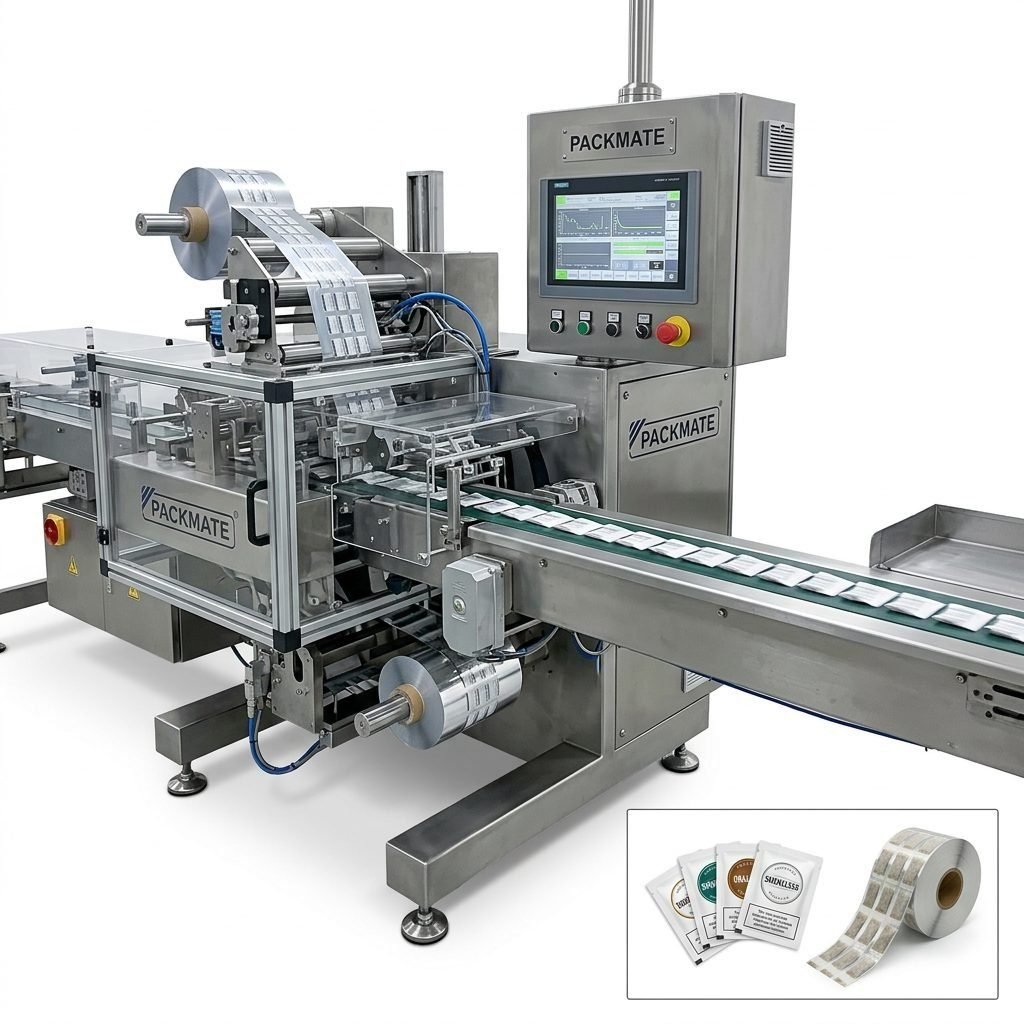
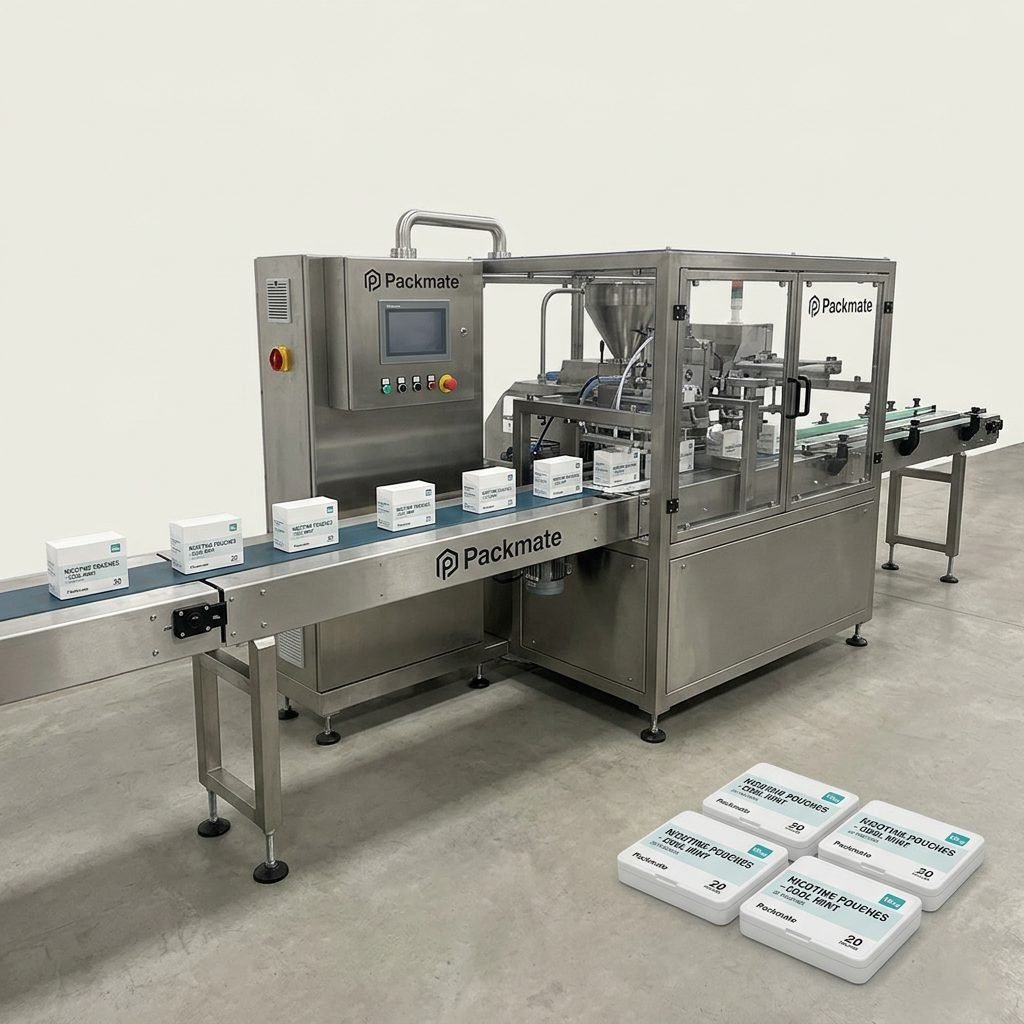
Multi-lane systems are optimized for small-dose pouches produced at high speed. They often feature synchronized dosing, multi-head weighers, and integrated accumulation to ensure uniform fill weight across lanes. For GMP, consider isolated product zones, quick-release components, and accessible cleaning points.
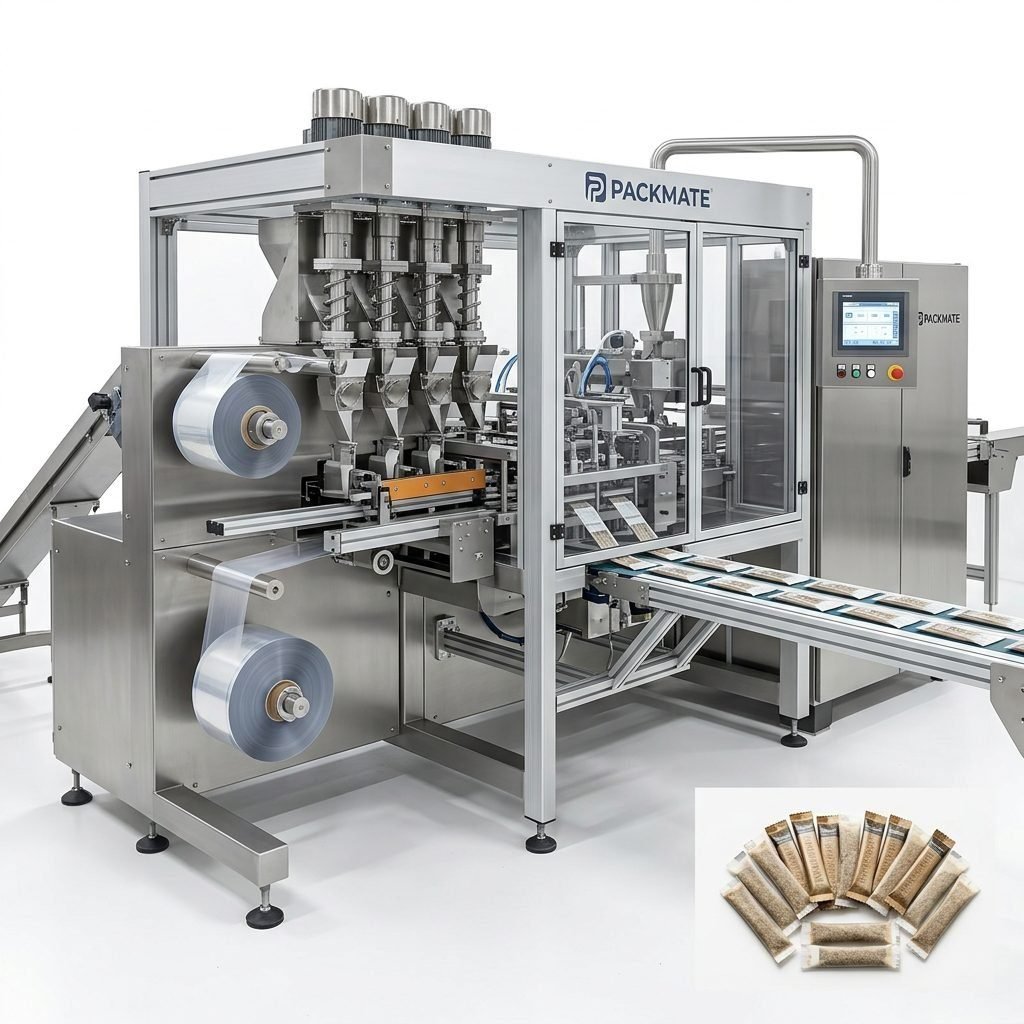
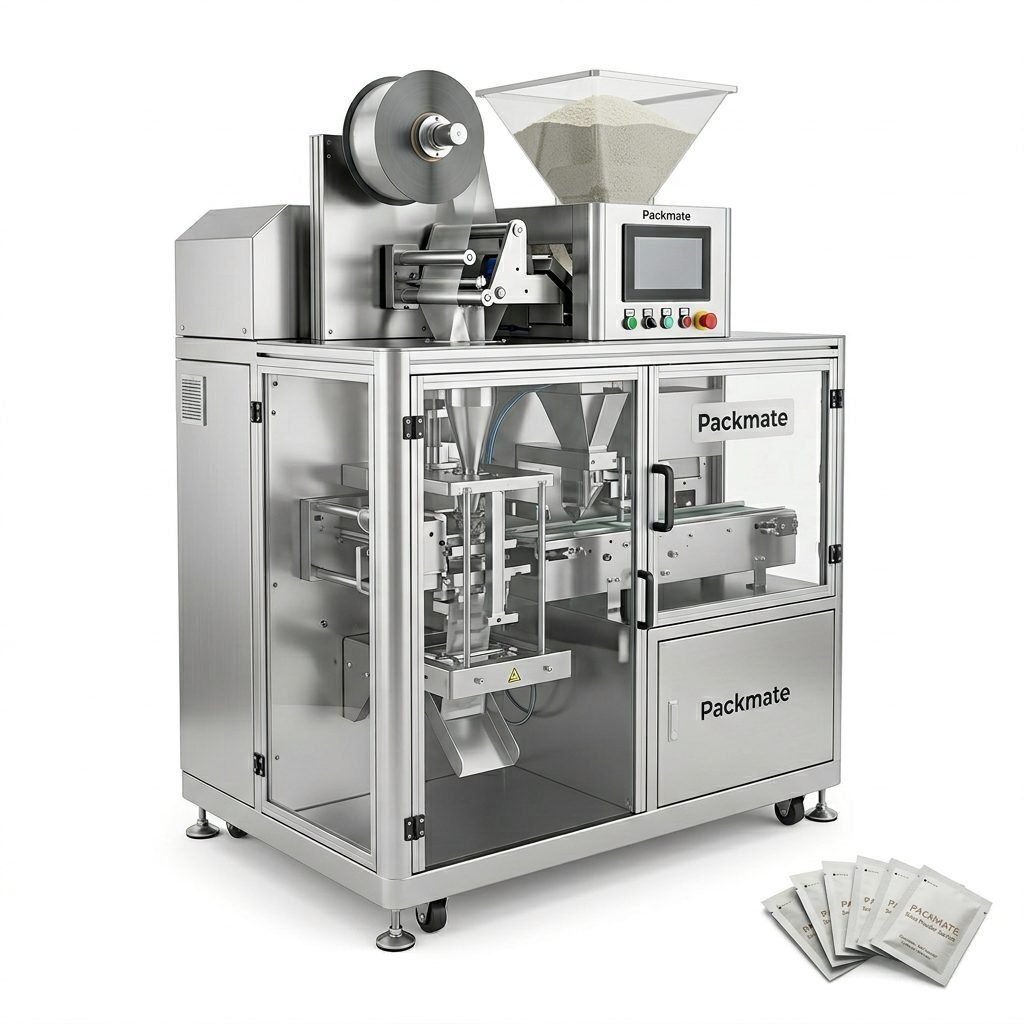
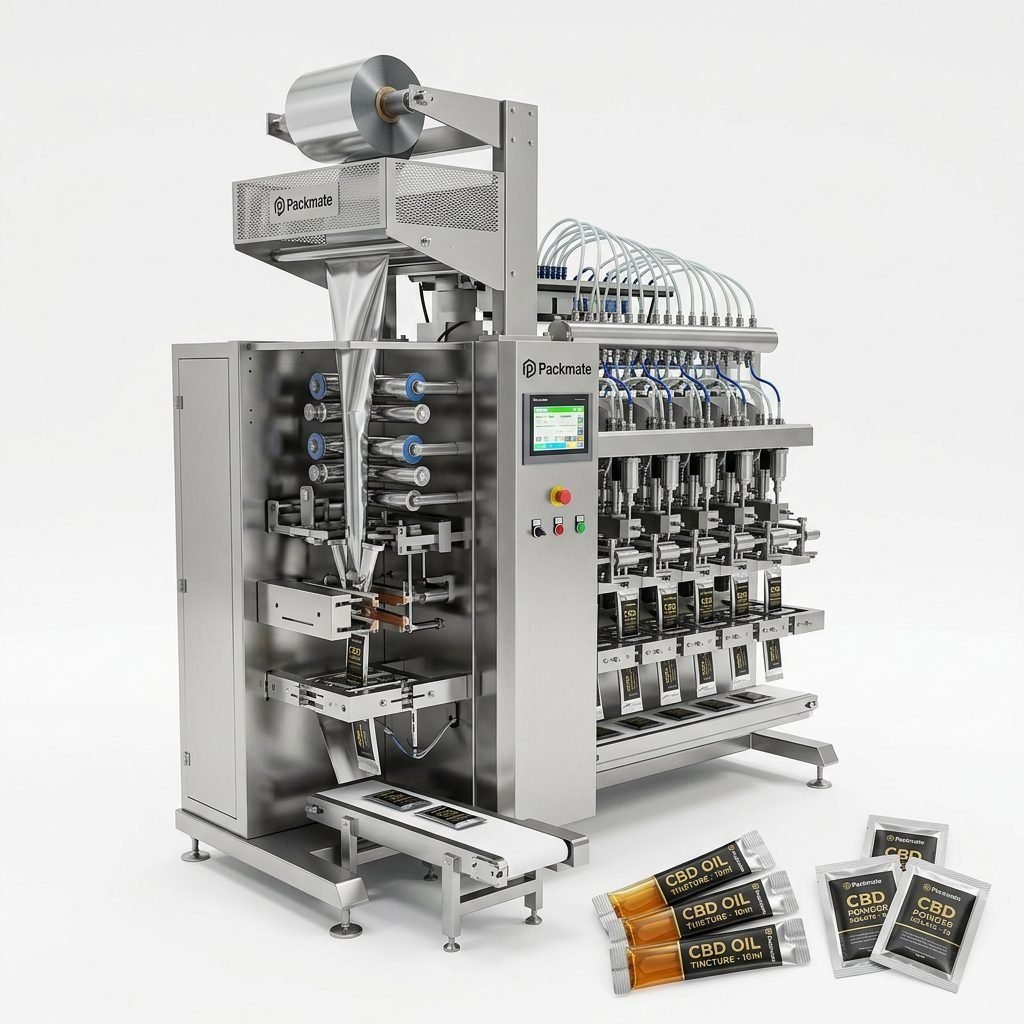
Sachet & Stick Pack Machines
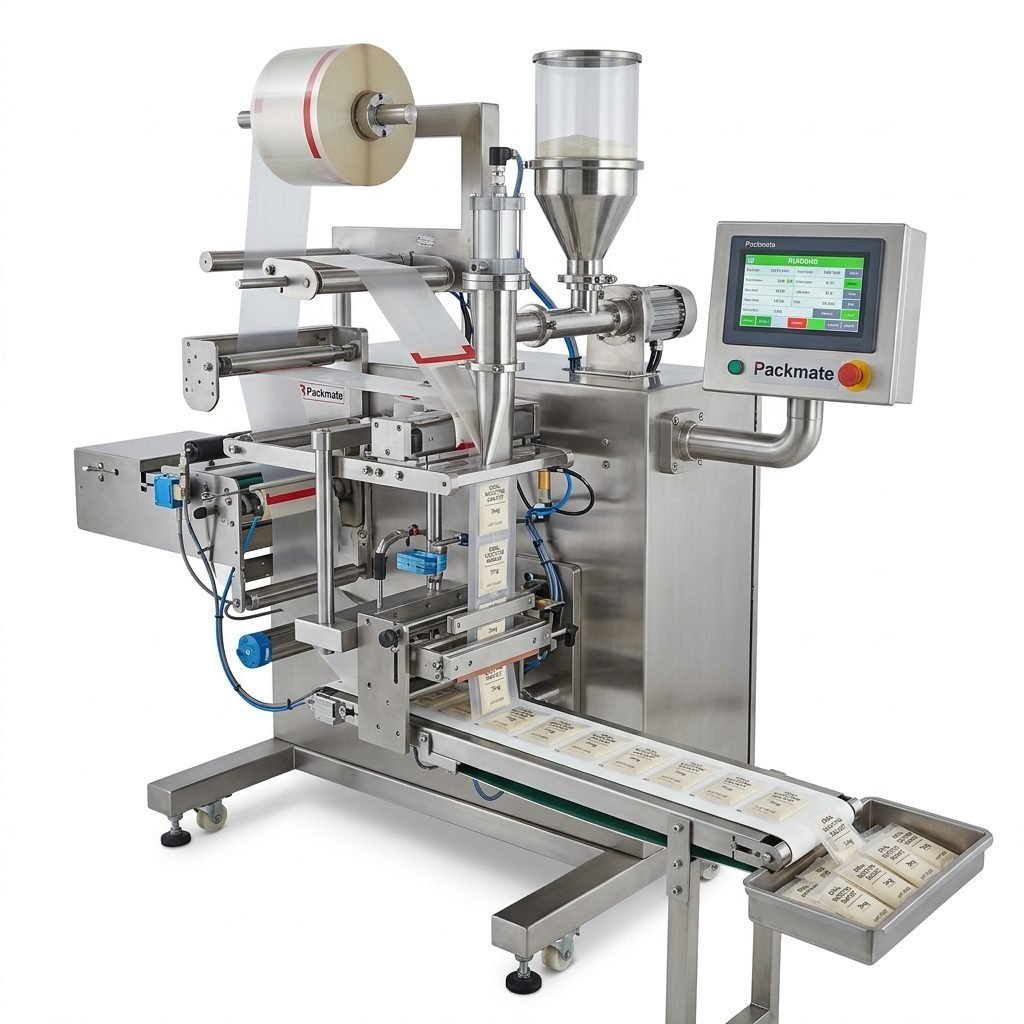
Sachet and stick pack equipment provides flexible formats for single-serve or multi-stick offerings. Ensure the machine chosen supports dust control, powder containment (if applicable), and hermetic sealing. Reference machines designed specifically for sachet and stick packs when format flexibility is required — see Sachet & Stick Pack Machines for product examples.
Ancillary Systems: Weighing, Filling & Auxiliary Equipment
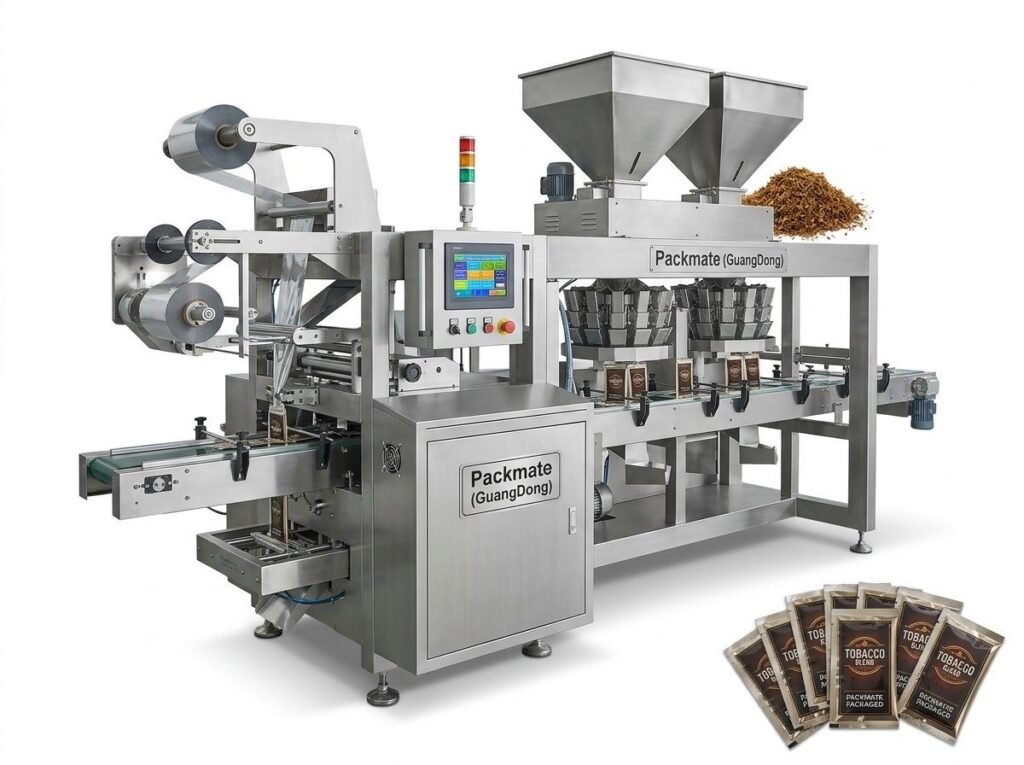
Accurate dosing is essential in nicotine products. Integrated weighing & packaging systems or dedicated multi-head weighers provide the precision needed. Consider auxiliary equipment like conveyors with sanitary belts, metal detectors, and in-line vision systems for seal and print inspection. Explore Weighing & Packaging Systems and Auxiliary Packaging Equipment for typical integrations.
How to Evaluate Machine Hygiene and Cleanability
A GMP-compliant machine must be cleanable without specialized tools, allowing operators to perform routine sanitation quickly and safely. Evaluate how easily guards and product-contact parts can be removed and reinstalled, and whether the machine supports CIP or quick washdown.
Look for these specific attributes:
• Open-access frames — Makes cleaning faster with fewer hidden residues.
• Tool-free disassembly — Minimal downtime during sanitation or part replacement.
• FDA/EC-approved materials — Food-grade seals and hoses where product contact occurs.
Performance Metrics: What to Ask Your Supplier
When comparing machines request standardized performance metrics and evidence of real-world operation. Key questions include:
⚙️ Nominal throughput — specified in pouches/min or sticks/min at target fill weights.
📏 Fill accuracy — standard deviation and % out-of-tolerance at your target dose.
🔁 Changeover time — time and tools needed to switch formats or lanes.
Control Systems, Data & Traceability
Modern GMP lines require robust control systems that record and store batch parameters, alarms, and operator actions. Look for PLC/HMI solutions that export logs, support user-level access control, and integrate with plant IT. A supplier that provides IQ/OQ/PQ documentation and data export utilities significantly eases regulatory inspections.
Materials Handling: Keeping Product Integrity Intact
For nicotine pouches, minimizing dust and particle migration is critical. Machines should include enclosed feed hoppers, gentle conveying systems, and dust extraction where needed. Consider the entire upstream and downstream material flow — from bulk storage to final carton — to ensure no contamination or loss of active ingredients.
Service, Parts & Global Support
Downtime is costly. Choose vendors who offer local spares availability, remote diagnostics, and skilled field service teams. Suppliers with global exhibition and case portfolios indicate broader support experience. Packmate’s global presence and factory capabilities are good indicators of reliable support — learn more About Packmate and view Case studies to validate supplier experience.
Warranty & training
Ensure operator and maintenance training is included, and request documentation for preventive maintenance schedules and recommended spare parts. A strong after-sales plan should include remote assistance, parts kits, and training materials.
Validation, Commissioning & Regulatory Readiness
Request a full validation package that covers installation qualification (IQ), operational qualification (OQ), and performance qualification (PQ). These documents help demonstrate GMP compliance during audits. A good supplier will support on-site commissioning and assist with protocol execution.
Cost Considerations: CAPEX vs OPEX
Balance initial investment with lifecycle costs. Higher upfront spend on modular, durable machines often reduces maintenance and changeover time. Consider energy consumption, spare parts lead time, and maintenance labor when calculating total cost of ownership. Request a clear spare-parts list and recommended inventory to budget for OPEX.
Layout Planning and Production Flow
Plan the production floor with hygienic zones, unidirectional material flow, and operator access paths. Provide adequate space for feeders, metal detectors, reject conveyors, and pack-off stations. A good layout reduces cross-contamination risk and supports efficient cleaning.
Real-World Case: High-Precision Multi-Lane Production
A mid-size manufacturer required a 4-lane nicotine pouch line with strict fill tolerances and easy sanitation. The chosen multi-lane system featured synchronized dosing, tool-free product zones, and an HMI with batch traceability. Post-installation, throughput increased by 45% while scrap rates dropped by 30%, demonstrating the impact of purpose-built equipment.
Selecting the Right Supplier: Checklist
Verify supplier credentials and service footprint:
• Experience — Years in packaging machinery and specific snus/nicotine expertise.
• Certifications — CE, ISO, and documented IQ/OQ support.
• Factory capabilities — CNC, precision assembly, and test lines (factory area and production capacity matter).
• Global references — Case studies and exhibition presence to validate reliability. Explore Packmate’s exhibition history at Our Exhibition for examples.
Practical Tips for Procurement & Installation
– Start with pilot runs and FAT (Factory Acceptance Test) to confirm performance at your target fill weight and format.
– Include spare parts and training in the contract to prevent delays.
– Specify software integration points early: how will the machine export batch data and integrate with your MES?
Why Packmate Is a Consideration for GMP Nicotine Pouch Lines
Packmate Snus Machine brings over 30 years of engineering experience and a 20,000㎡ manufacturing footprint. With 50+ machine models and turnkey solutions, they provide tailored multi-lane snus lines, sachet and stick pack options, and full weighing & filling integrations. Their CE and ISO certifications support global regulatory expectations, and their global case portfolio demonstrates field-proven reliability. For machine models and product families view Snus & Nicotine Packaging Machines and Bag & Pouch Packaging Machines.
Pro tip: During vendor evaluation, request a site visit or video walkthrough of an active production line. Observing cleaning cycles, changeovers, and operator ergonomics will reveal practical GMP suitability that paperwork alone cannot.
Next Steps: From Inquiry to Commissioning
1) Define product formats and target throughput. 2) Request FAT documentation and validation packages. 3) Schedule pilot production or site visit. 4) Confirm spare parts lead times and training. 5) Plan a phased commissioning that includes operator training and validation runs.
For additional information, supplier references, and to request a customized solution, visit Contact Us or download technical materials from Catalog and Service pages.
Summary: Choose Machines That Simplify Compliance
A GMP-ready snus packaging solution merges hygienic engineering, precise dosing, robust data capture, and dependable service. Prioritize machines with sanitary design, validated control systems, and strong supplier support to accelerate regulatory readiness and maximize uptime.
Common Questions
Q1: What documentation should a supplier provide for GMP validation?
A1: Suppliers should provide IQ/OQ/PQ packages, maintenance manuals, wiring diagrams, software export formats, and parts lists to support validation and audits.
Q2: How important is tool-free disassembly for GMP lines?
A2: Very important — tool-free disassembly reduces downtime for cleaning and part replacement, and minimizes risk of improper reassembly.
Q3: Can a multi-lane machine handle multiple pouch formats?
A3: Many multi-lane platforms are modular and support format changeovers, but confirm changeover time and whether additional tooling or lane adjustments are required.
Q4: How do I verify a supplier’s global service capability?
A4: Review their exhibition history, case studies, and partner network. Suppliers with local spare part stocking and remote diagnostic options are preferable.
Q5: Where can I see example machines and line configurations?
A5: Visit Snus & Nicotine Packaging Machines, Sachet & Stick Pack Machines, and Filling & Packaging Lines for typical machine families and line integrations.