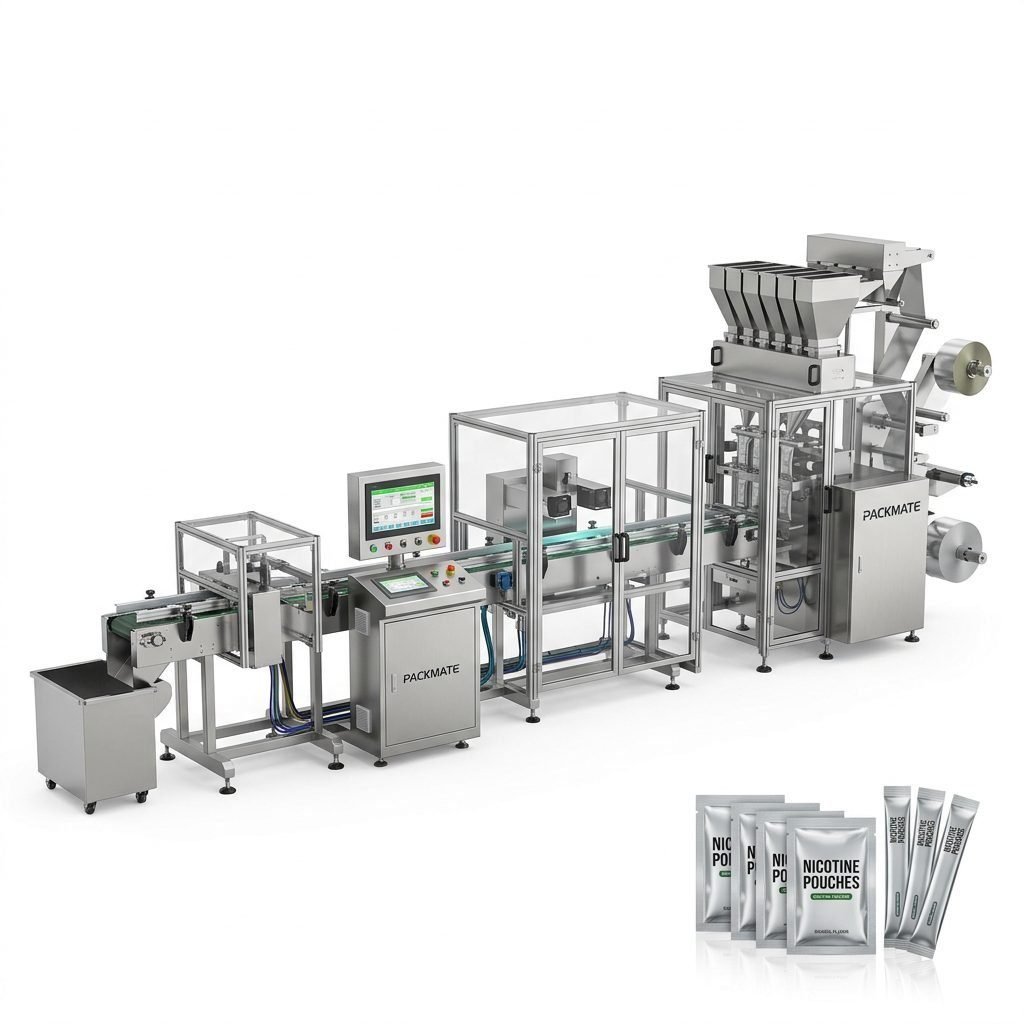
Choosing the right snus packaging machine in Hungary is a strategic decision that affects product quality, production efficiency, regulatory compliance, and long-term profitability. This guide walks you through the essential factors — from machine types and capacity planning to supplier selection and local support — so you can select the best solution for your production needs.
Understand Your Production Profile
Before approaching manufacturers, document your current and projected production profile. Include:
🔍 Annual output targets, daily shift patterns, and peak season demand.
🔍 Current SKU range, pouch sizes, and packaging formats (e.g., round/snuff tins, sachets, stick packs, nicotine pouches).
🔍 Desired level of automation — manual loading vs. fully automated lines integrated with weighing and cartoning.
Why this matters
Capacity and SKU flexibility determine machine type, number of lanes, and whether you need quick-change tooling. Underestimating demand can lead to costly upgrades later.
Select the Right Machine Type
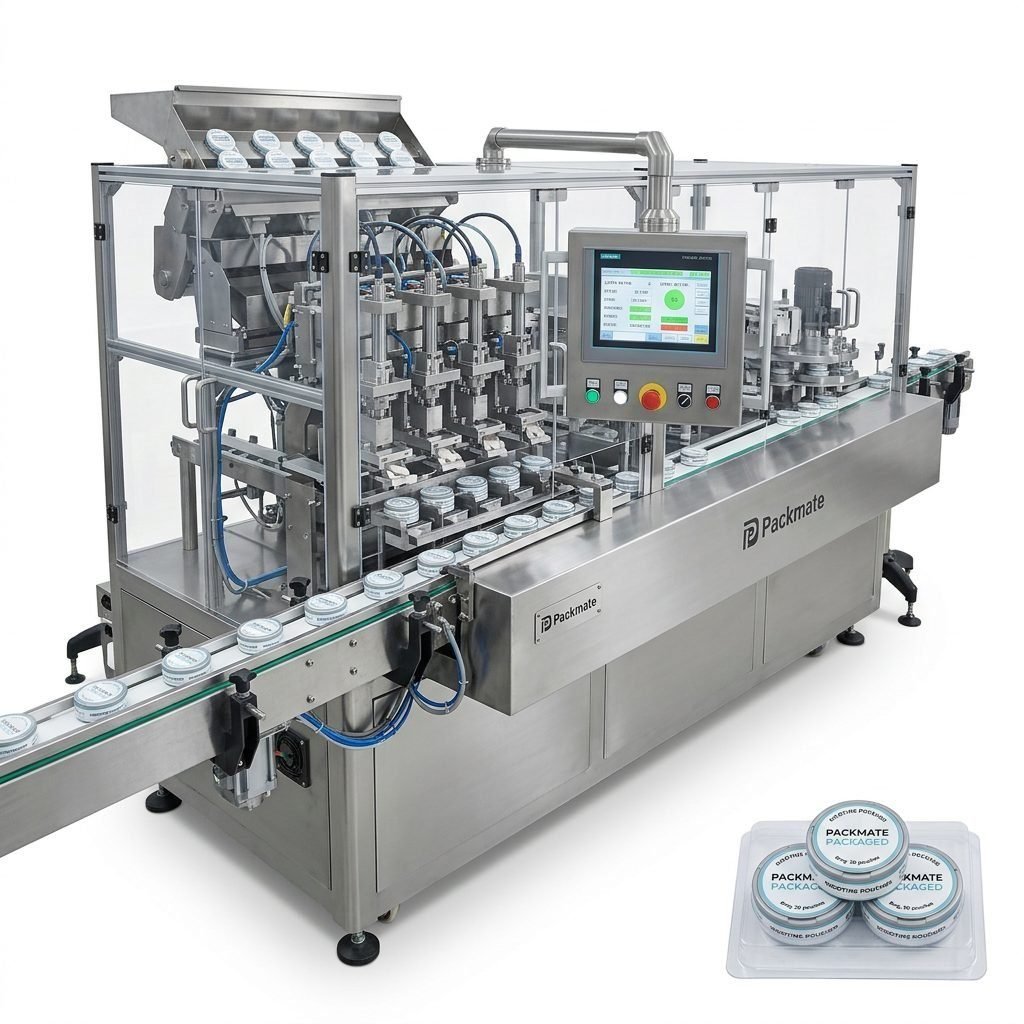
There are specialized machines for snus and nicotine pouch production. Common choices include:
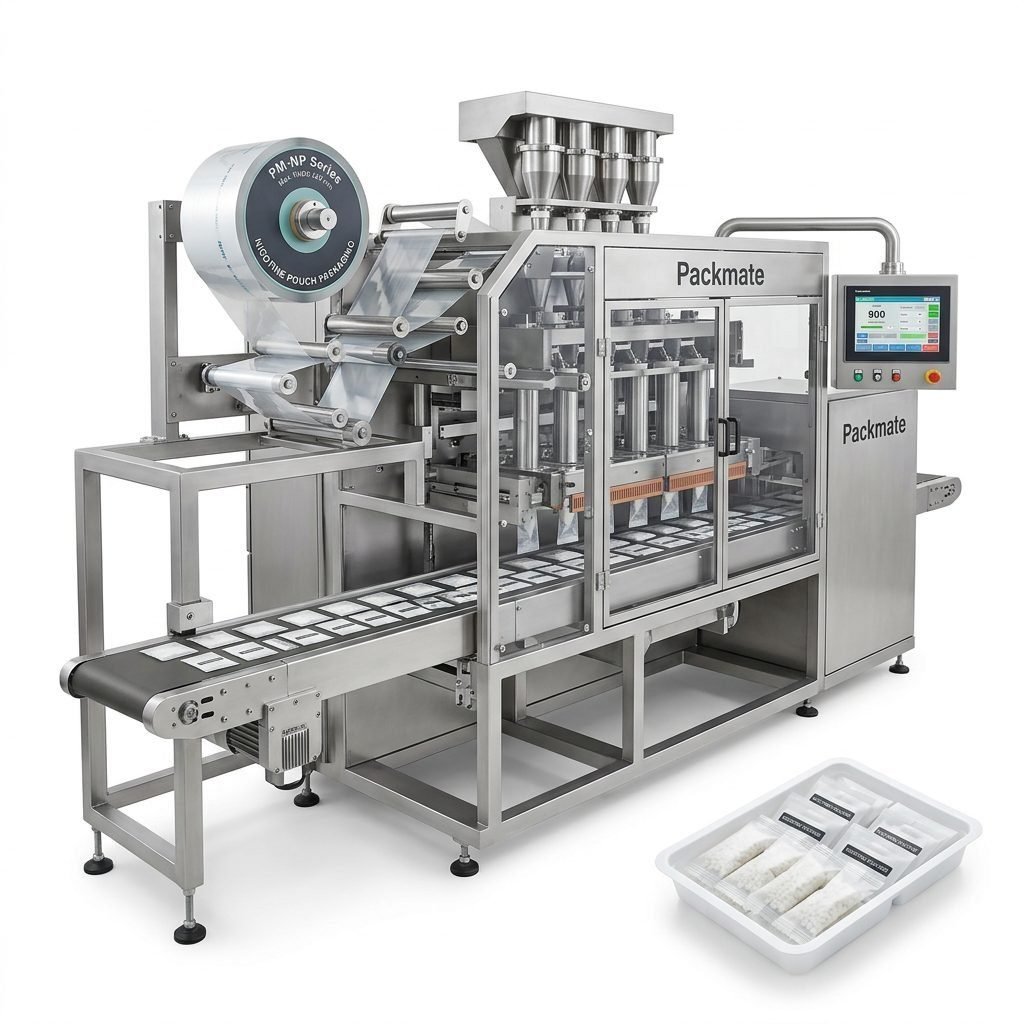
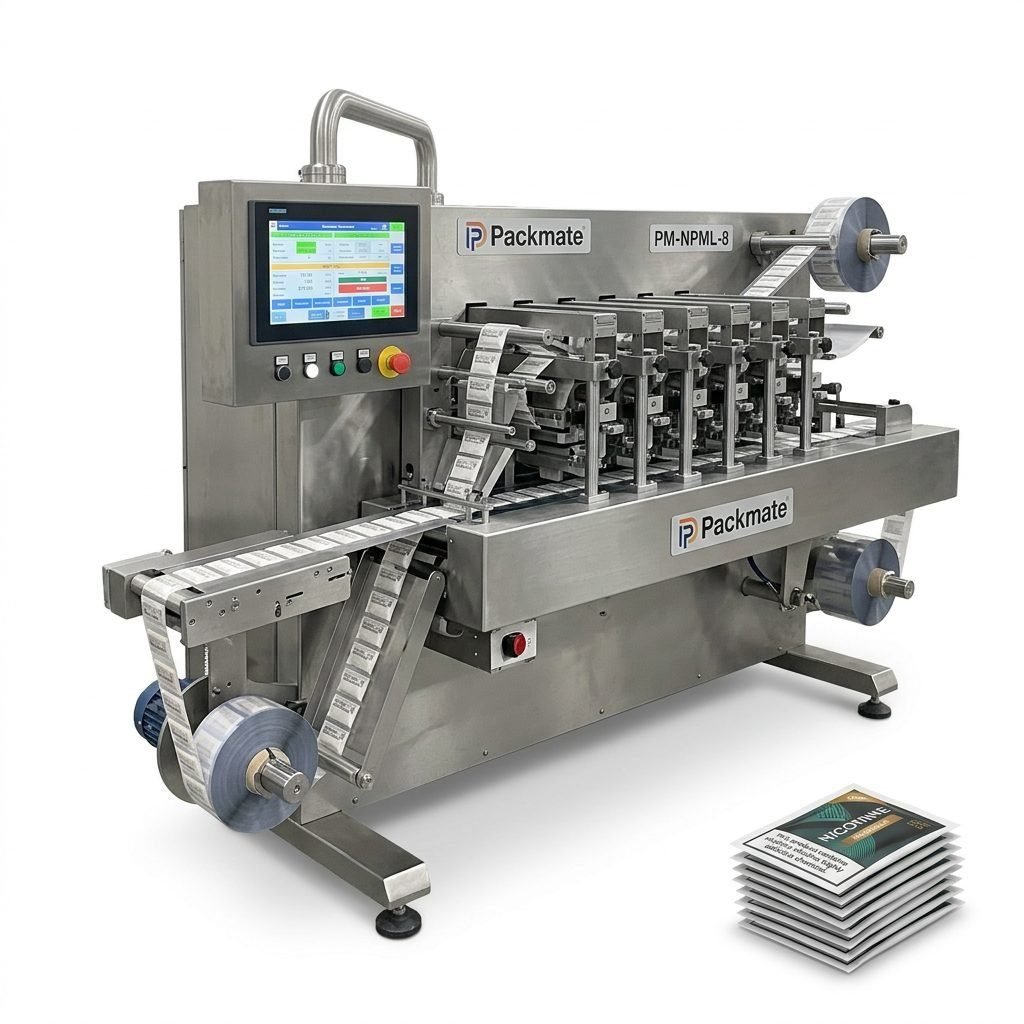
✅ Multi-lane sachet/pack systems for small-dose nicotine pouches.
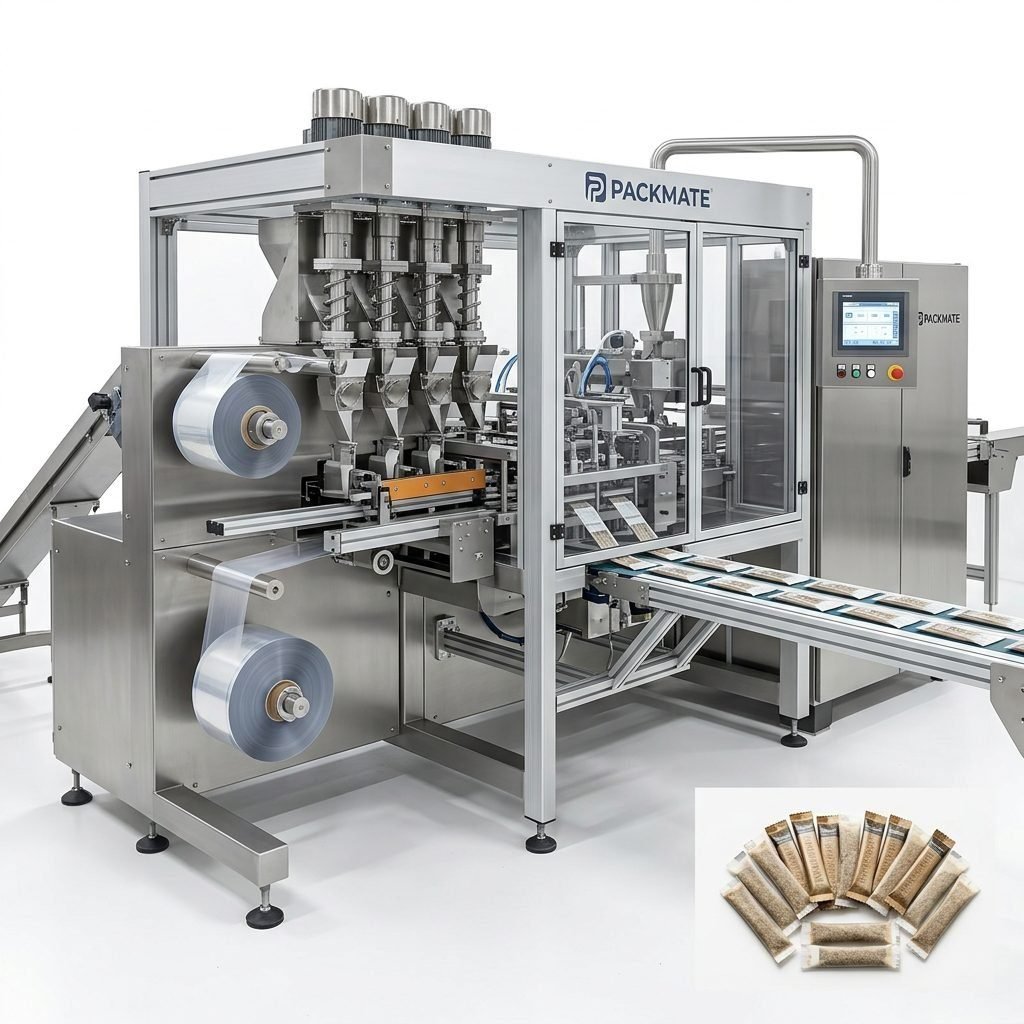
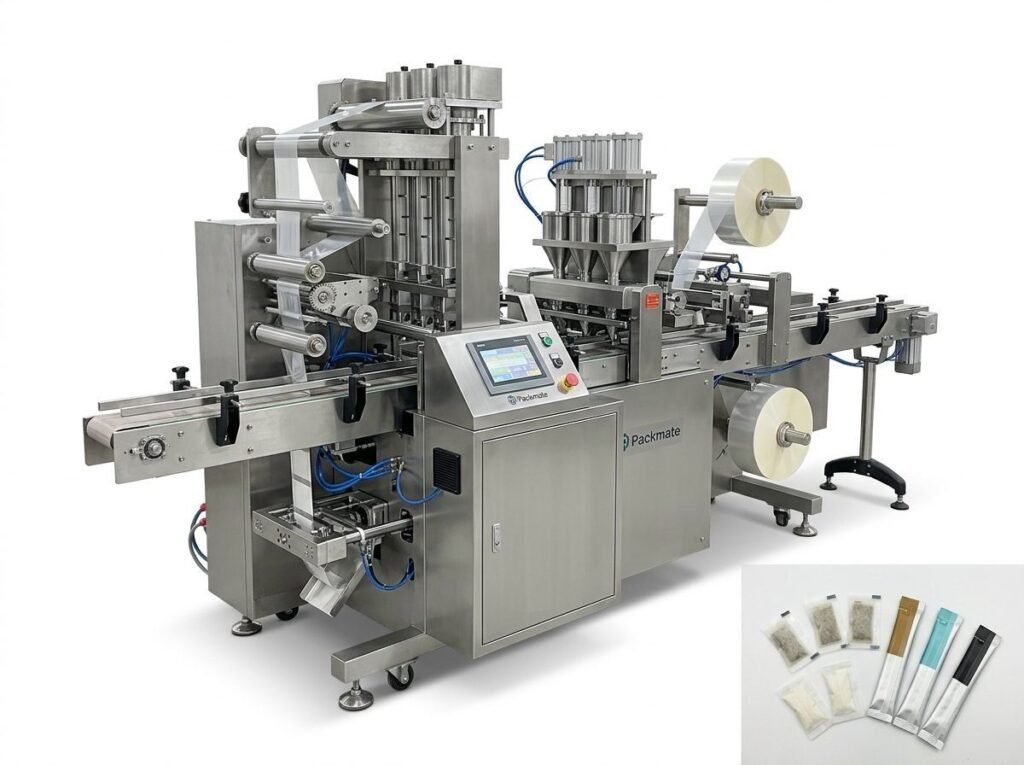
✅ Stick pack machines for single-serve formats.
✅ Pouch and bag machines for larger or resealable formats.
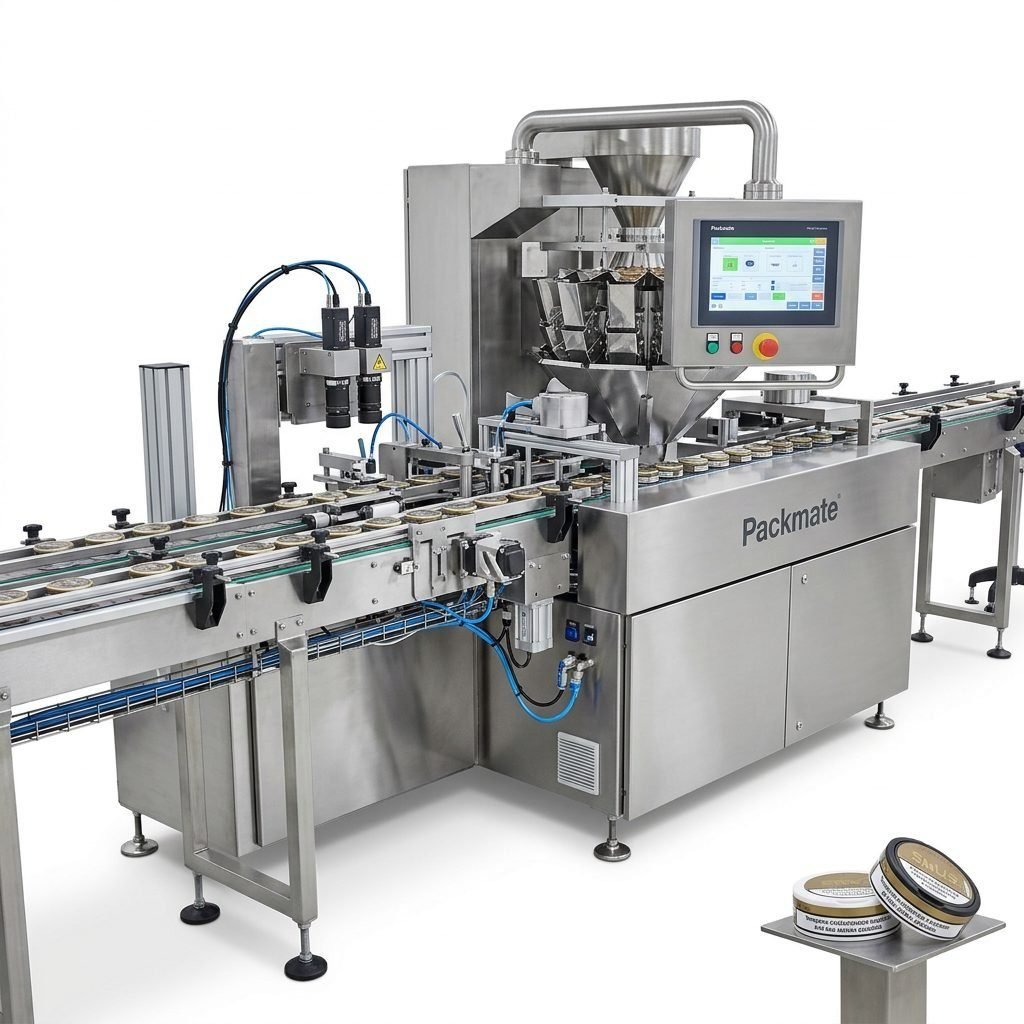
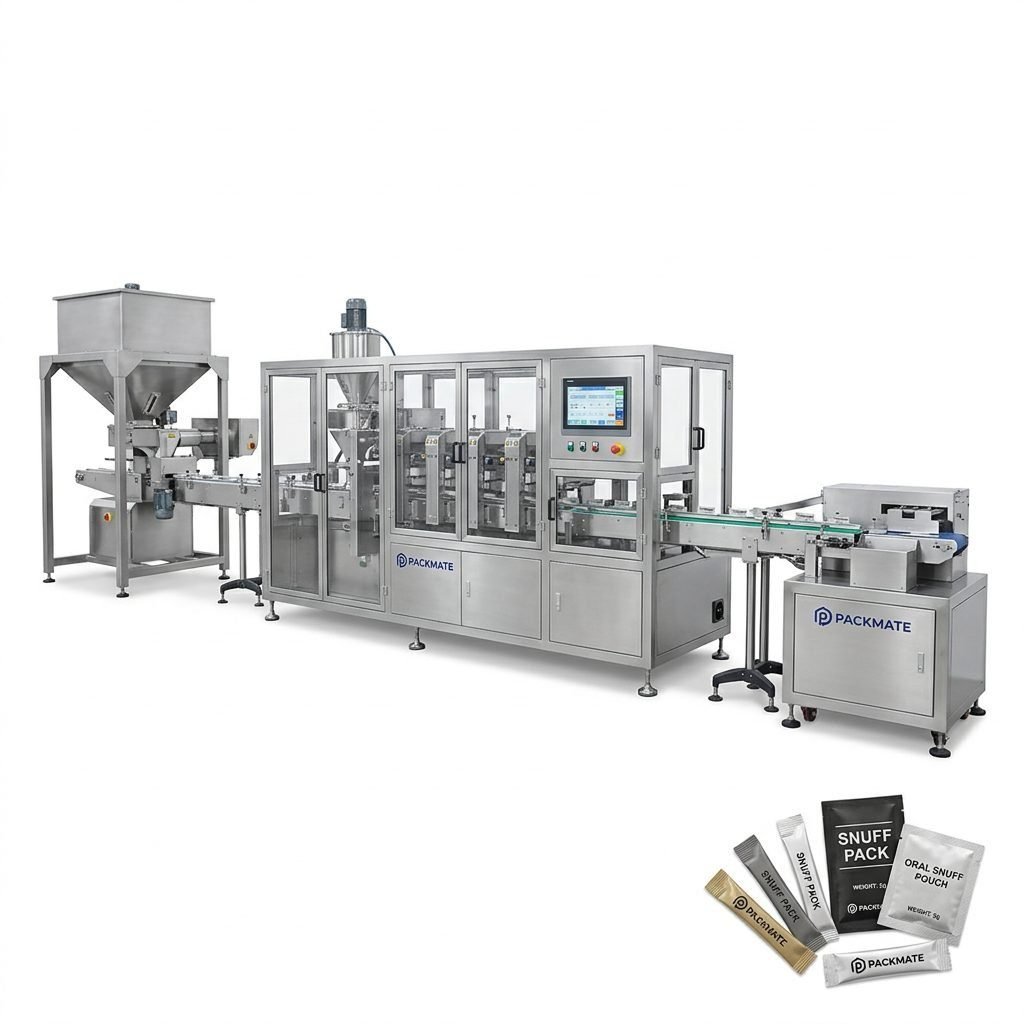
✅ Integrated filling and weighing lines when precise dosing is required.
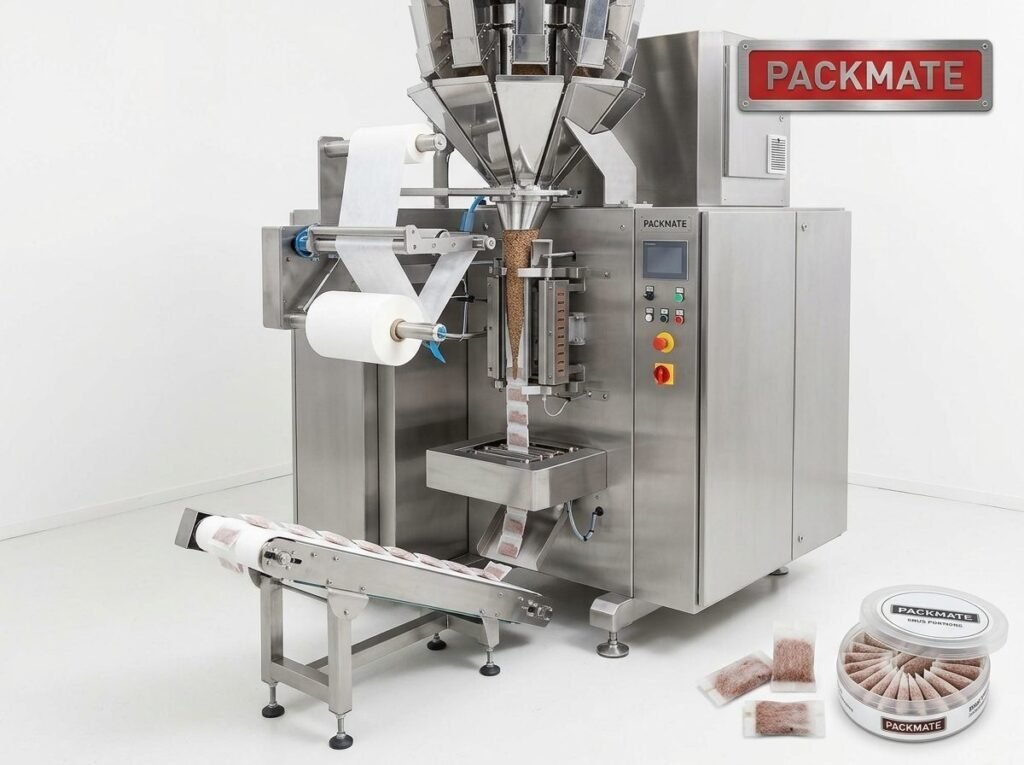
If you want to explore manufacturer offerings, review specialized models such as those listed under Snus & Nicotine Packaging Machines and related systems for full production lines like Filling & Packaging Lines.
Capacity, Speed and Multi-Lane Considerations
Speed is often measured in pouches per minute (ppm) per lane. Multi-lane systems multiply throughput but introduce complexity in synchronization. Key points:
⚙️ Choose lanes based on product size: more lanes for small-dose pouches, fewer lanes for large bags.
⚙️ Evaluate real-world speed (not just maximum rated speed) — ask for live trial data or references.
⚙️ Consider production flexibility: can the system run at lower speeds reliably for smaller batches?
Highlighted Tip
Balance lanes and quality: more lanes raise throughput but require tighter maintenance and calibration to keep consistent dosing and seal quality across lanes.
Material Compatibility and Sealing Requirements
Different pouch and film materials (PE, PET, aluminum foil laminates, barrier films) require specific sealing temperatures, pressure, and tooling. Key checks:
– Request sample runs with your specific film.
– Confirm the machine supports the seal type (e.g., fin seal, lap seal, three-side seal) and has adjustable PID temperature control.
– Ask about anti-static, dust control, and cleanability features if you handle hygroscopic or sticky formulations.
Automation, Integration and Line Layout
Modern production favors lines that integrate packaging machines with weighing systems, checkweighers, metal detectors, and cartoners. Consider:
🔗 Do you need upstream dosing/weighing and downstream case packing? Investigate Weighing & Packaging Systems.
🔗 Confirm PLC/SCADA compatibility for data logging, batch traceability, and Industry 4.0 connectivity.
🔗 Review floor space and utilities: compressed air, power supply, and ventilation requirements.
Quality, Certification and Compliance
For exports and local market trust, look for CE, ISO, and compliance with relevant hygiene and safety standards. Packmate machines, for example, comply with CE and ISO standards, which is a strong indicator of reliable manufacturing practices.
Supplier Evaluation — Factory Strength and Experience
Evaluate potential suppliers on the following dimensions:
✅ Years of industry experience and specialized focus on snus/nicotine packaging.
✅ Manufacturing capacity: advanced CNC centers, precision assembly lines, and a documented quality-testing system. Packmate, with a 20,000㎡ facility and 30+ years of engineering experience, is an example of such capability — learn more About Packmate.
✅ Case studies and global references. Request on-site or video demonstrations and customer contact information for verification — see examples at Case.
Factory & After-sales Support
Local service matters: choose a supplier offering fast spare parts delivery, remote diagnostics, and on-site commissioning in Hungary or Europe to minimize downtime.
Pricing, Total Cost of Ownership and ROI
The machine price is only part of the investment. Calculate:
– Installation, commissioning, and qualification (IQ/OQ).
– Spare parts inventory and consumables (seals, blades, sensors).
– Training for operators and maintenance staff.
– Energy, air consumption, and routine service costs.
– Expected increase in throughput and yield improvements that translate into revenue.
A well-chosen machine should pay back through labor savings, reduced material waste, and increased output.
Site Preparation and Installation
Provide the supplier with detailed floor plans and utility specifications early. Typical requirements:
– Electrical supply (voltage, phase, frequency) and dedicated circuits.
– Compressed air quality and pressure for pneumatic systems.
– Clean room or hygiene area specifications if required.
– Lifting/transport routes and crane availability for machine placement.
Performance Acceptance and FAT/SAT
Insist on Factory Acceptance Tests (FAT) and Site Acceptance Tests (SAT) before final handover. FAT should demonstrate:
– Consistent sealing integrity across materials.
– Target ppm and lane synchronization under load.
– Integration with upstream/downstream equipment.
Document acceptance criteria and sample retention for dispute resolution.
Training, Spare Parts and Warranty
A solid warranty and training plan reduce operational risks:
– Ask for operator and maintenance training on-site.
– Obtain a spare parts list for 12–24 months’ critical items.
– Confirm warranty coverage and SLA for emergency support.
Decision Checklist (Quick)
✅ Production capacity vs. machine lanes. ✅ Tested material compatibility. ✅ Local after-sales & spare parts. ✅ FAT/SAT & documentation. ✅ ROI and TCO reviewed.
Why Hungary is a Strategic Location
Hungary’s central European position reduces distribution costs across the EU. Also consider:
– Proximity to skilled mechanical and electrical engineers for service.
– Efficient logistics to EU markets and customs-friendly regimes.
– Local language and regulatory advisors who can assist with product registrations.
Choosing the Right Partner — Example Considerations
When vetting suppliers, ask for:
– A factory visit or virtual tour to verify manufacturing capabilities.
– A detailed machine datasheet with guarantees for uptime and yield.
– References from similar projects and product lines.
– Clear lead times and logistics plans for delivery to Hungary.
For turnkey solutions and tailored lines, suppliers like Packmate provide end-to-end support — contact them via Contact Us.
Final Selection and Implementation Roadmap
Implement the project in clear phases:
1) Requirements & budget finalization.
2) Supplier evaluation, factory inspection, and FAT.
3) Site preparation and delivery.
4) Installation, SAT, and operator training.
5) Ramp-up support and performance monitoring.
Closing Advice
Prioritize proven experience and local support. A machine that matches your technical needs but lacks reliable after-sales service will increase risk. Look for manufacturers with extensive snus/nicotine packaging expertise and verifiable project history.
Additional Resources
– Explore product families for broader options such as Bag & Pouch Packaging Machines and Sachet & Stick Pack Machines when planning multi-format production.
Next Steps
If you are evaluating machines for a Hungarian plant, prepare a concise RFP that includes production forecasts, sample materials, space constraints, and integration needs. Share this with shortlisted suppliers to obtain meaningful quotes and FAT schedules.
Frequently Asked Questions (FAQs)
Q1: How do I verify a machine’s real-world performance?
A1: Request FAT with your materials and an independent witness. Ask for recorded run data, sample retention, and client references from similar projects.
Q2: What spare parts should I stock first?
A2: Keep critical wear parts (sealing jaws, blades, belts), sensors, and a PLC backup. Your supplier should provide a recommended spare parts list for 12–24 months.
Q3: How do I ensure regulatory compliance for exported snus products?
A3: Work with legal and regulatory consultants in target markets. Ensure traceability systems and batch records are integrated into your production line for audits.
Q4: Is it better to buy a turnkey line or assemble multiple vendors?
A4: Turnkey solutions simplify integration and warranty responsibility, while multi-vendor solutions can be optimized for cost. Choose turnkey if you prioritize single-point accountability.
Q5: Where can I get more detailed machine specs or request a quote?
A5: Contact reputable manufacturers directly to request datasheets and quotes. For specialized snus and nicotine packaging equipment and turnkey lines, consider contacting reputable suppliers via their official contact channels such as Contact Us.