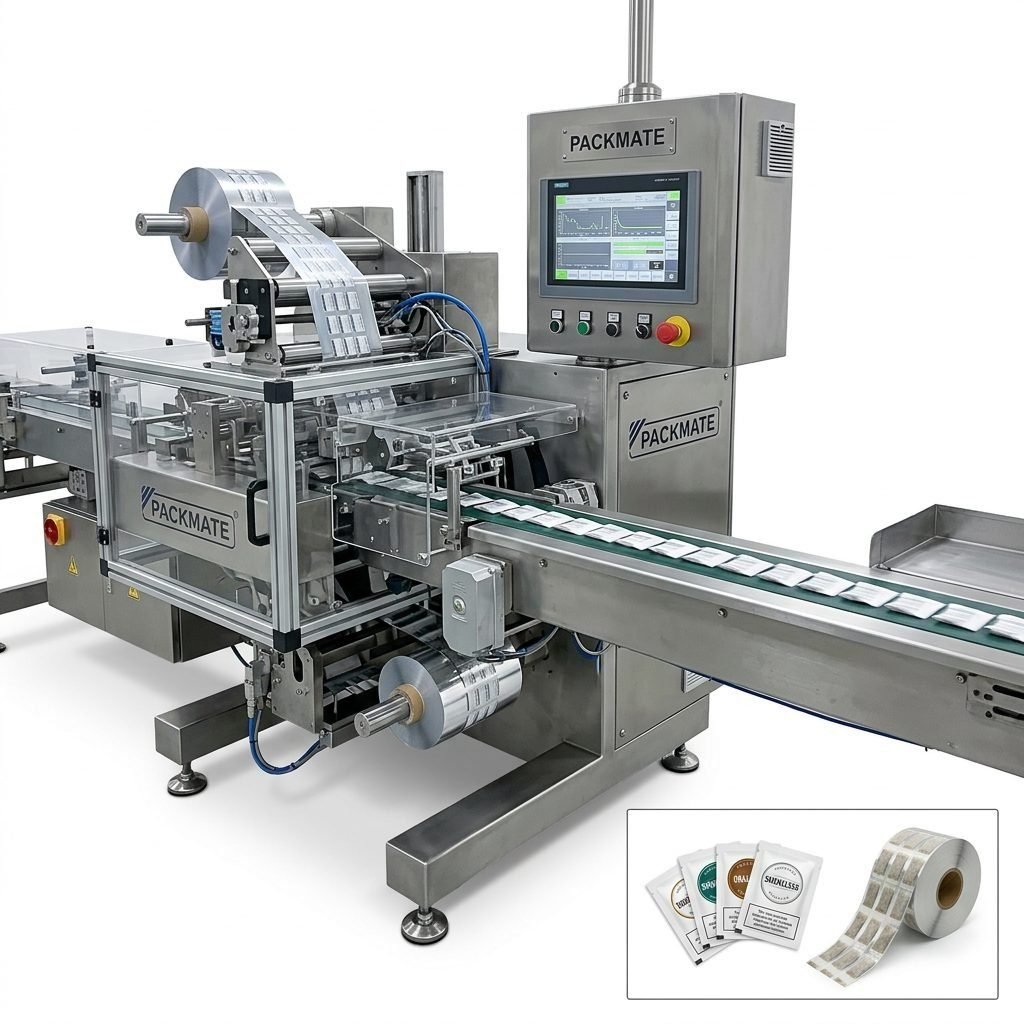
Choosing the right snus packaging machinery in Finland requires a practical balance of regulatory awareness, production needs, and long-term service support. This guide walks you through the critical considerations — from machine types and production speed to certifications and ROI — so you can select a solution that is reliable, compliant, and cost-effective for your nicotine pouch or snus production line.
⚙️ Understand the Market and Regulatory Context
Finland has strict rules around tobacco and nicotine products. Before buying machinery, confirm regulatory requirements for packaging, labeling, and materials. Compliance is non-negotiable — machines must accommodate tamper-evident seals, batch codes, and variable label formats required by EU and local laws.
📌 Quick tip
When evaluating suppliers, request documentation of machine capabilities for printing batch numbers, production dates, and any serialization you may require for traceability.
📦 Machine Types: Which One Fits Your Product?
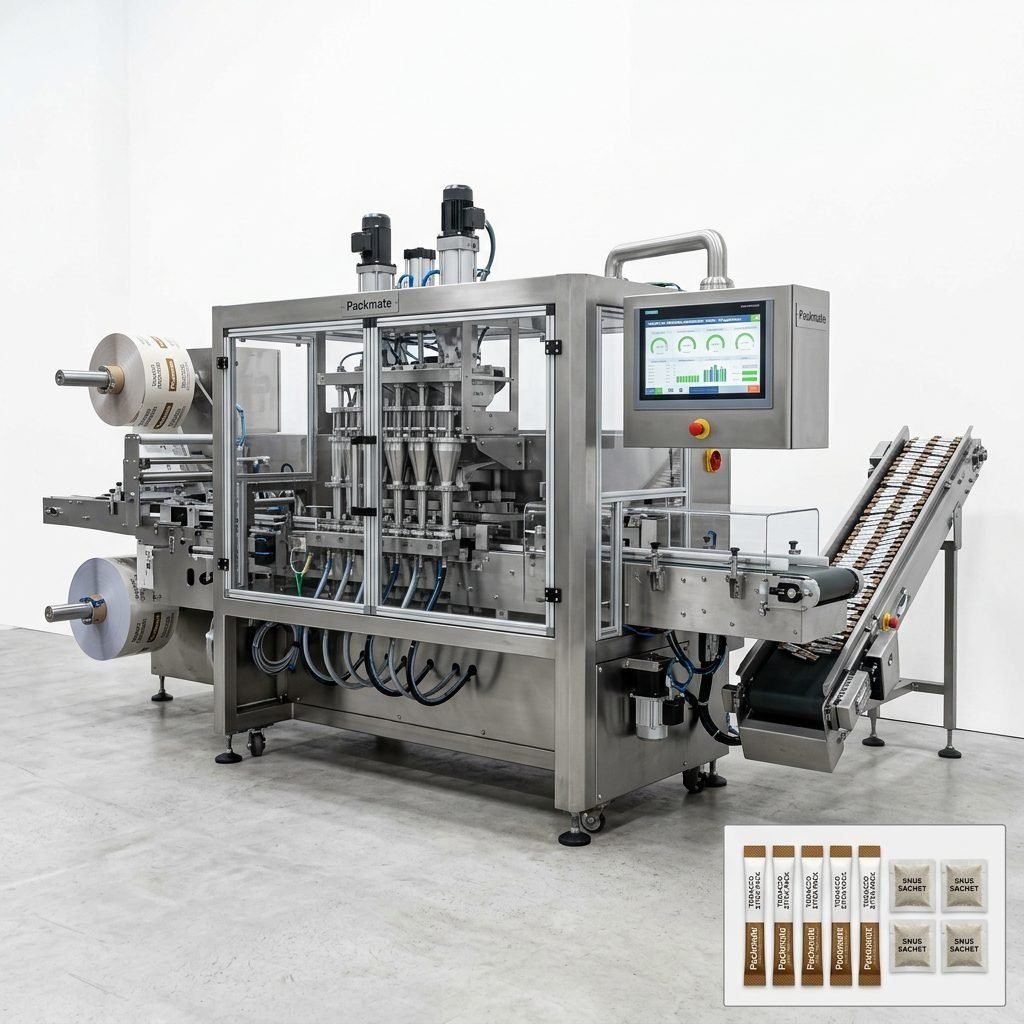
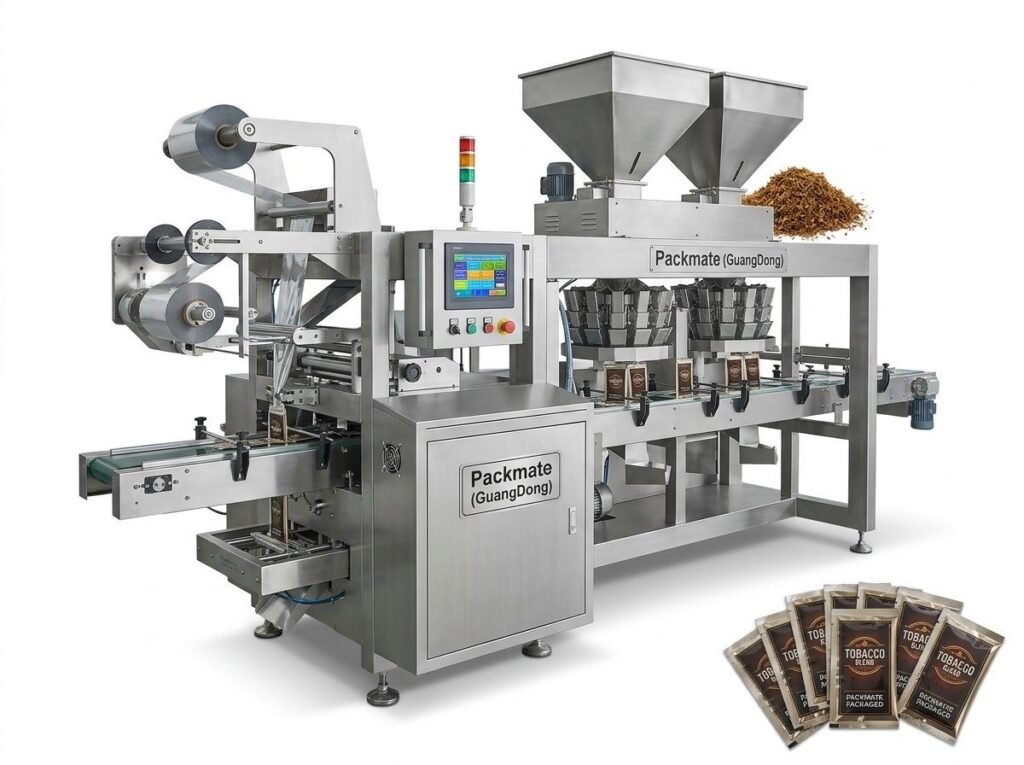
There are several machine classes for snus and nicotine pouches. Select based on pouch style, dosing precision, and layout:
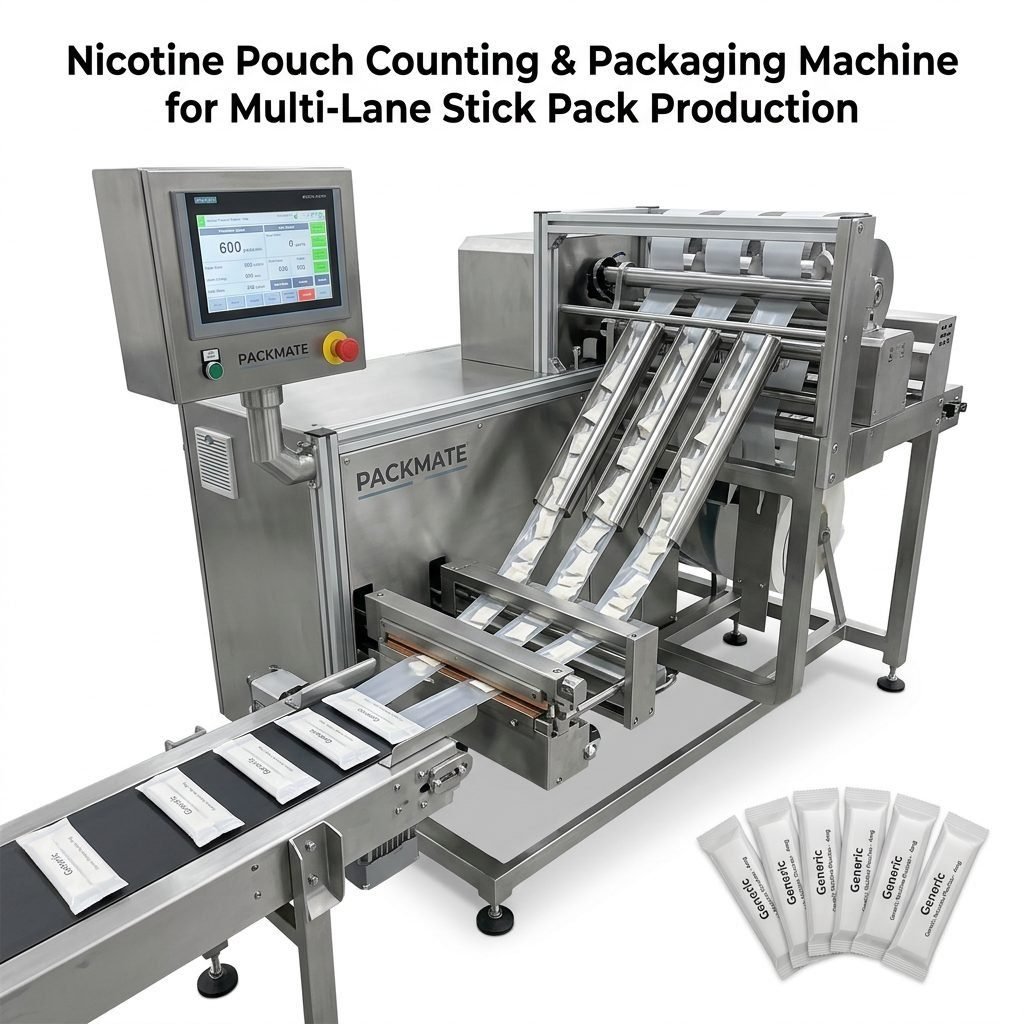
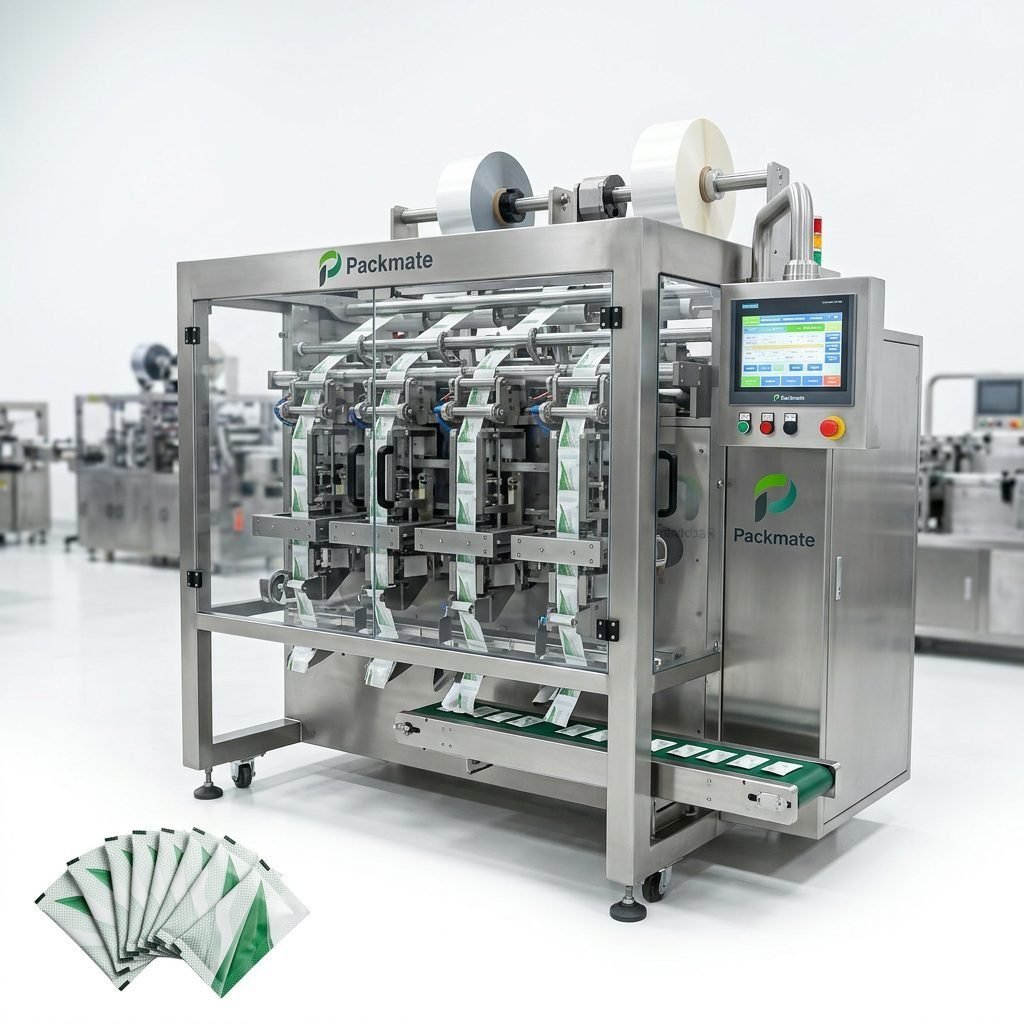
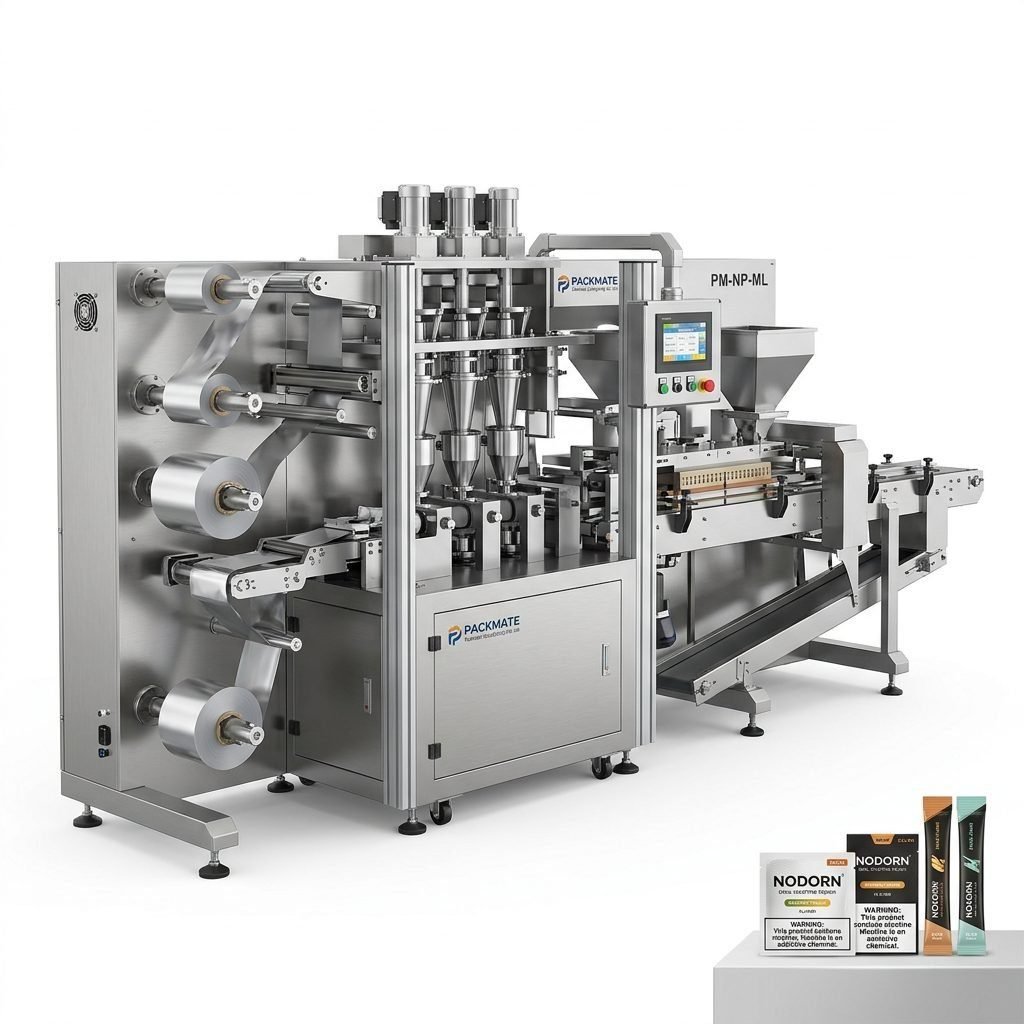
• Stick pack and sachet machines — ideal for single-serve pouches and flexible packaging.
• Multi-lane systems — high output, compact footprint, suitable for small-dose, high-volume snus production.
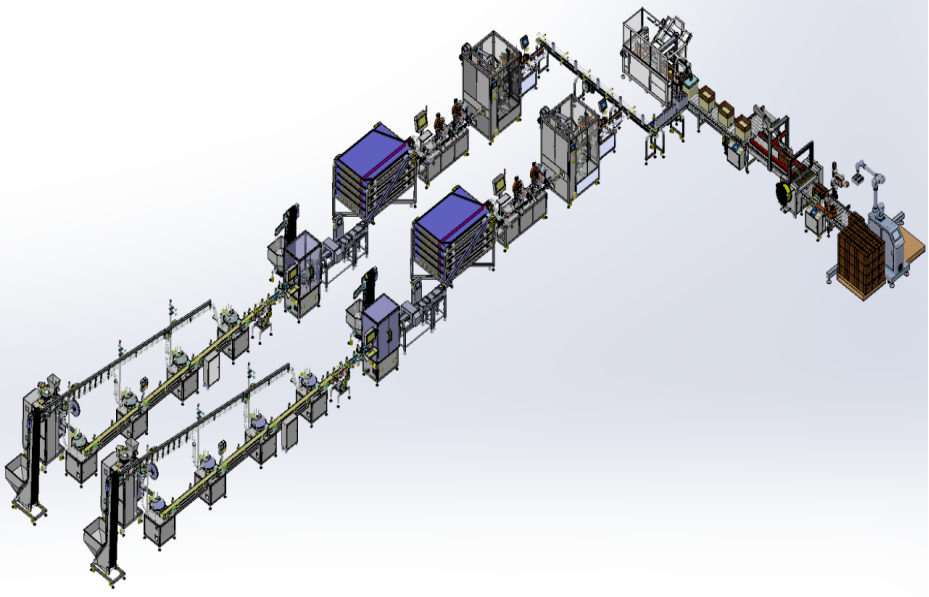
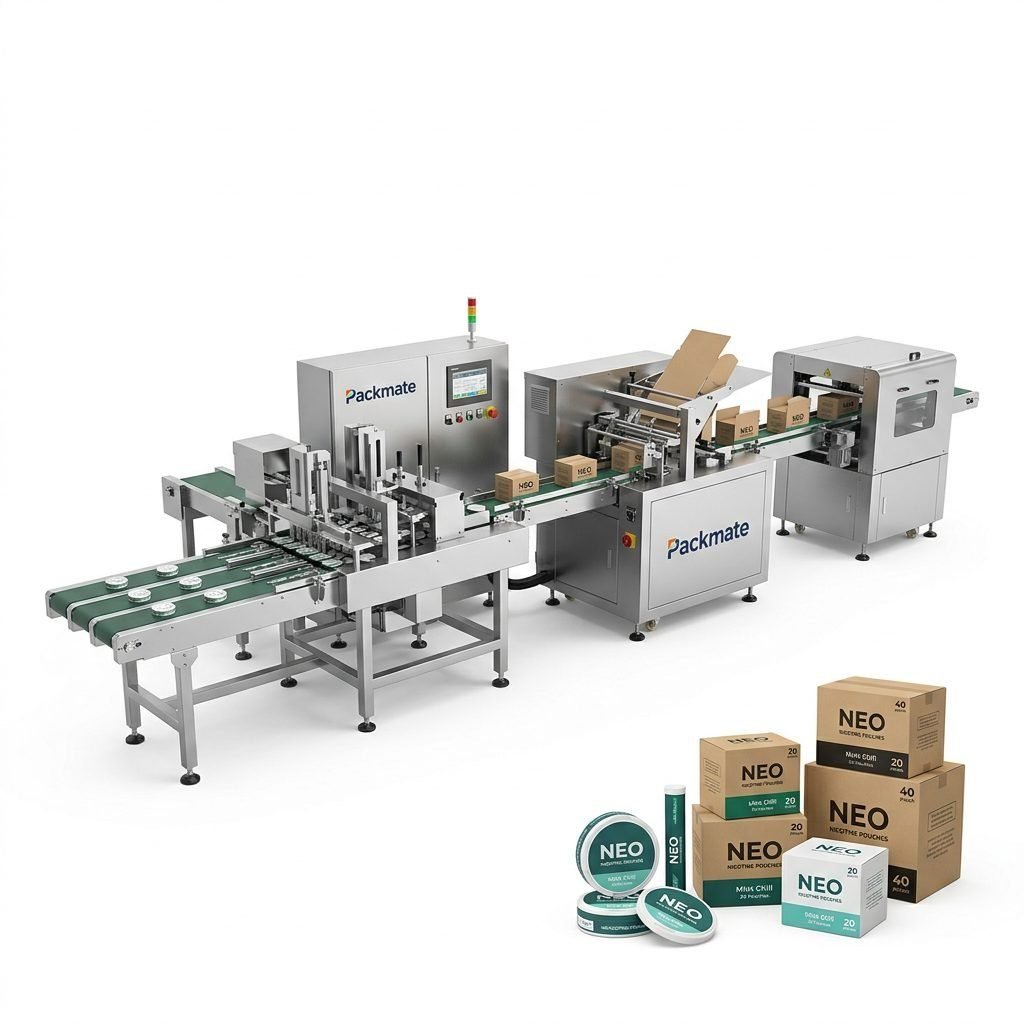
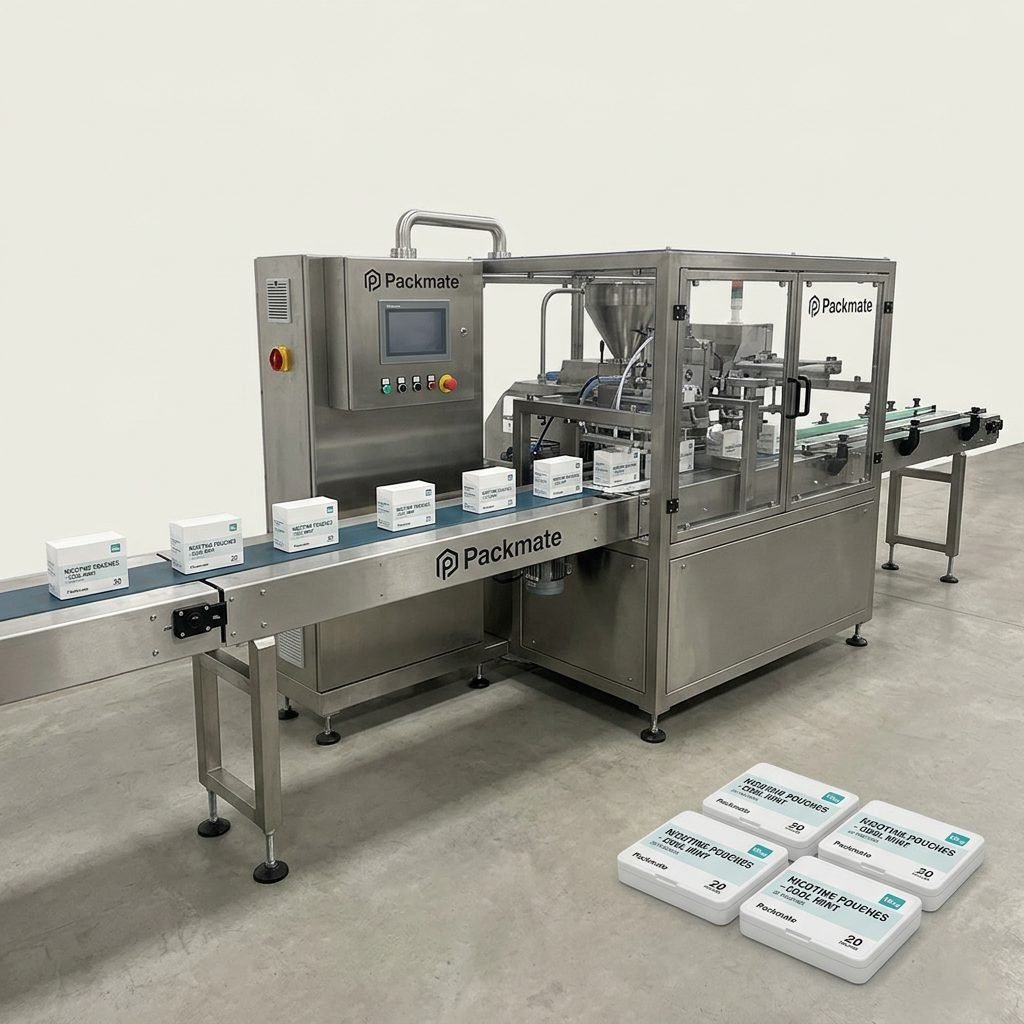
• Fully integrated lines — include dosing, filling, sealing, labeling and secondary packaging for turnkey production.
If you want to explore proven models, see examples of Snus & Nicotine Packaging Machines and Sachet & Stick Pack Machines.
🏭 Capacity & Speed: Match Output to Demand
Calculate your current and projected annual production volumes. Machine throughput is commonly listed as pouches per minute or per lane. For example, a 4-lane system running at 200 pouches/minute per lane yields significant output but requires higher upfront investment.
✅ Capacity checklist
Ensure the supplier provides practical data: pouches/min per lane, changeover times, uptime statistics, and real-world case references.
🧩 Compatibility: Materials, Formats, and Dosing
Your machine must handle the packaging materials you plan to use — laminated film rolls, barrier pouches, or pre-made sachets. Verify that dosing systems are suitable for your product: powder, granule, or paste. Accurate dosing reduces waste and ensures product consistency.
Ask the manufacturer about custom tooling for different pouch sizes and about options for gentle handling of sensitive nicotine pouches to prevent dusting or deformation.
🔧 Automation & Integration: From Single Machine to Turnkey Line
Decide whether you need a single machine or a fully integrated line with weighing, filling, sealing, labeling, and secondary packaging. Integration reduces manual handling and improves traceability. Check whether the supplier offers PLC interfaces, SCADA options, and OEE monitoring.
Packmate offers full-line solutions — explore Filling & Packaging Lines and Weighing & Packaging Systems for integrated automation examples.
🛡️ Quality, Safety & Certifications
Choose machines built to international standards. CE and ISO certifications are baseline assurances of machine safety and quality. Confirm that electrical components, safety guards, and machine diagnostics meet EU safety directives.
🔎 Validation documentation
Request test reports, FAT (Factory Acceptance Test) protocols, and any hygiene or cleanability assessments relevant to nicotine pouch production.
💬 After-sales Support, Spare Parts & Training
Long-term performance depends on spare parts availability and local service. Evaluate lead times for critical spares and whether the manufacturer provides remote diagnostics, training, and installation support in Finland. Consider contracts for preventative maintenance and priority spare parts shipping.
💰 Total Cost of Ownership & ROI
Look beyond the purchase price: include installation, tooling, training, spare parts, utilities, and downtime risk. Estimate how quickly improved yield and faster changeovers will pay back the investment. Suppliers should help model expected ROI based on your production plan.
📊 ROI example
A multi-lane machine with improved uptime and reduced waste can often recover the premium paid over a simpler machine within 12–24 months for mid-to-high volume producers.
🔬 Factory Capability & Supplier Reputation
Visit or request a video tour of the manufacturer’s factory. Look for modern CNC centers, precision assembly, and structured QA processes. Packmate’s background (20,000㎡ factory, 30+ years experience) is an example of the type of capability you should verify. You may also request references or case studies — see their Case page to review real-world installations.
🛒 Procurement Steps: From Inquiry to Commissioning
Follow a structured procurement process:
1. Define product formats, speed, and regulatory requirements.
2. Request technical proposals, machine datasheets, and FAT plans.
3. Visit supplier or request on-site demo; inspect build quality and control systems.
4. Negotiate terms including spares package, training, and acceptance tests.
5. Plan installation, qualification, and ramp-up support with agreed KPIs.
🔍 Practical Checklist Before You Sign
• Capacity and pouches/min per lane specified.
• All necessary certifications provided (CE/ISO).
• FAT and SAT protocols included in contract.
• Spare parts list and delivery times confirmed.
• Training, commissioning, and warranty terms clearly defined.
📈 Case Study Summary: Typical Implementation Path
A mid-sized Finnish snus producer upgraded to a 6-lane multi-system to increase capacity by 4x. The steps were:
• Pilot run and FAT in supplier factory.
• Delivery and on-site commissioning within 8–10 weeks.
• Operator training and 3 months of remote support. Result: reduced changeover time and 20% lower material waste.
For more information about the manufacturer and services, review About Packmate and their Service offerings.
🧭 Final Selection Tips
– Prioritize reliability and spare parts availability over lowest initial price. Uptime drives profitability.
– Choose modular designs to allow future upgrades (e.g., adding lanes or new dosing modules).
– Validate vendor claims with references and on-site or video demos.
– Secure a clear acceptance test and KPI-based handover before final payment.
📞 Next steps
Reach out to suppliers with a concise spec sheet: target formats, speeds, materials, footprint constraints, and regulatory needs. Use their answers to compare apples-to-apples and ask for FAT demonstrations. If you’d like to contact the manufacturer directly, visit their Contact Us page.
❓ Frequently Asked Questions
Q1: How do I determine the right number of lanes for a multi-lane snus machine?
A1: Base the decision on current and projected production volumes, available floor space, and budget. Higher lane counts increase throughput but require more complex maintenance and larger supporting systems.
Q2: What certifications should I request from a snus packaging machine manufacturer?
A2: At minimum ask for CE marking and relevant ISO certificates. Also request documentation for electrical safety, material contact compliance, and test reports for dosing accuracy.
Q3: Can these machines handle different pouch sizes and formulations?
A3: Most modern machines support multiple formats via quick-change tooling and recipe-based PLC controls. Confirm changeover times and request a live demo with your product where possible.
Q4: How long is the typical lead time and warranty period?
A4: Lead times vary by complexity — from a few weeks for standard machines to several months for custom turnkey lines. Warranty periods typically range from 12 to 24 months; ensure spare parts lead times are contractually defined.
Q5: Where can I see real-world installations and get references?
A5: Ask the supplier for case studies and customer references. Many manufacturers publish installation examples and exhibition demos — view a supplier’s Our Exhibition and Case pages for demonstrations and events.