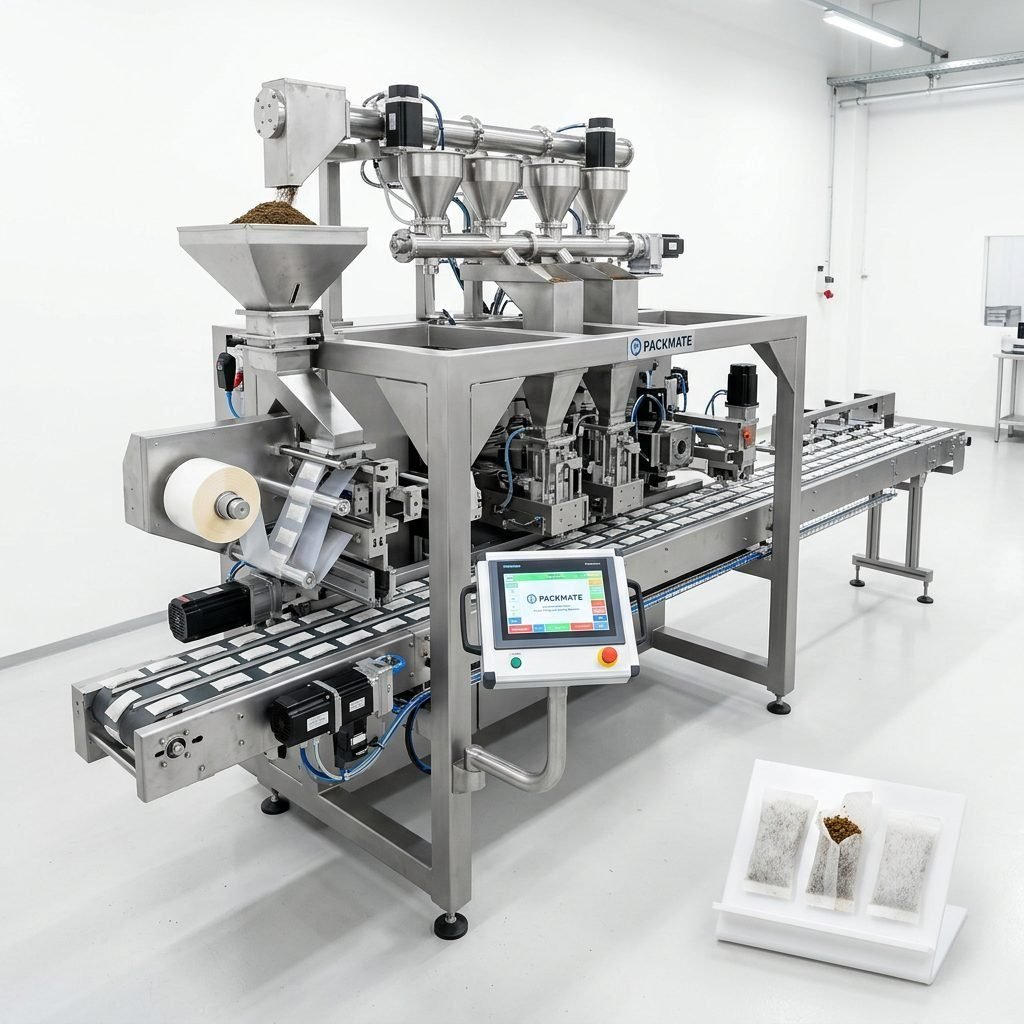
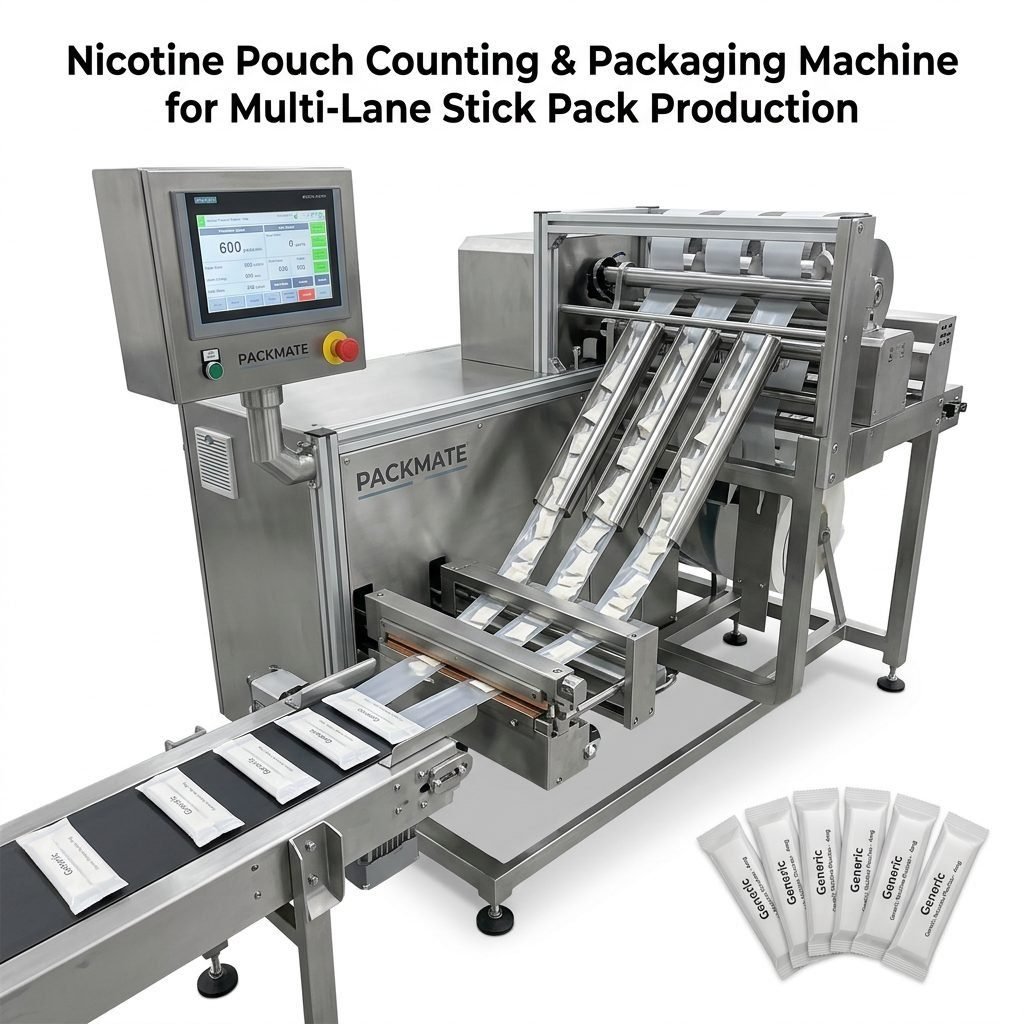
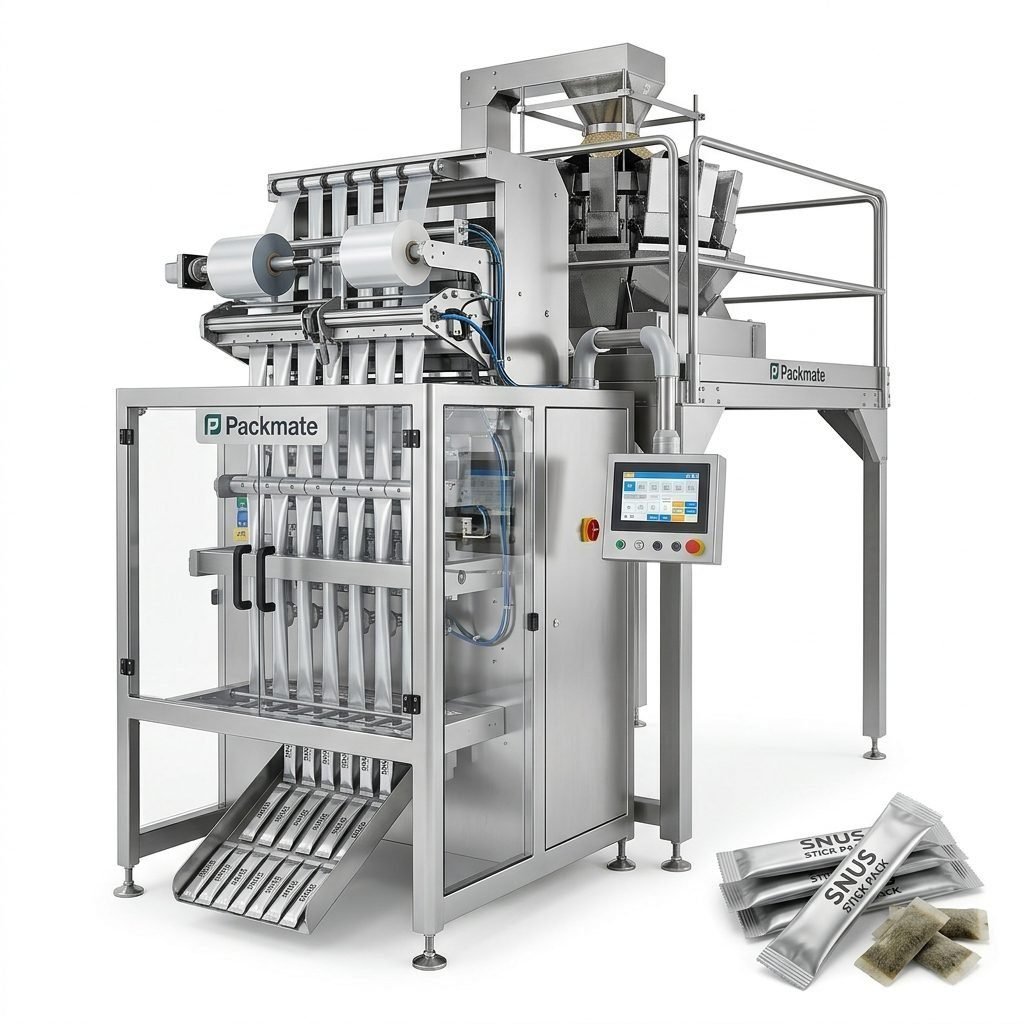
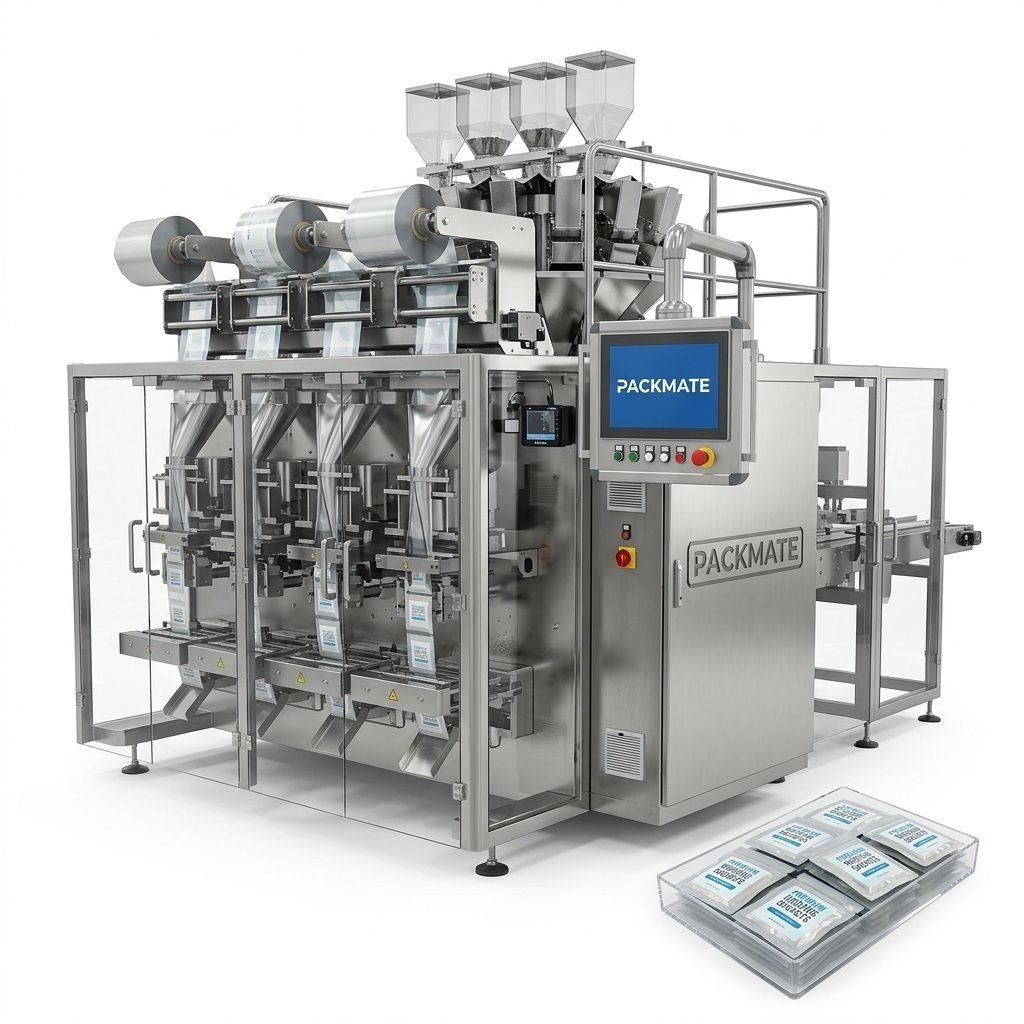
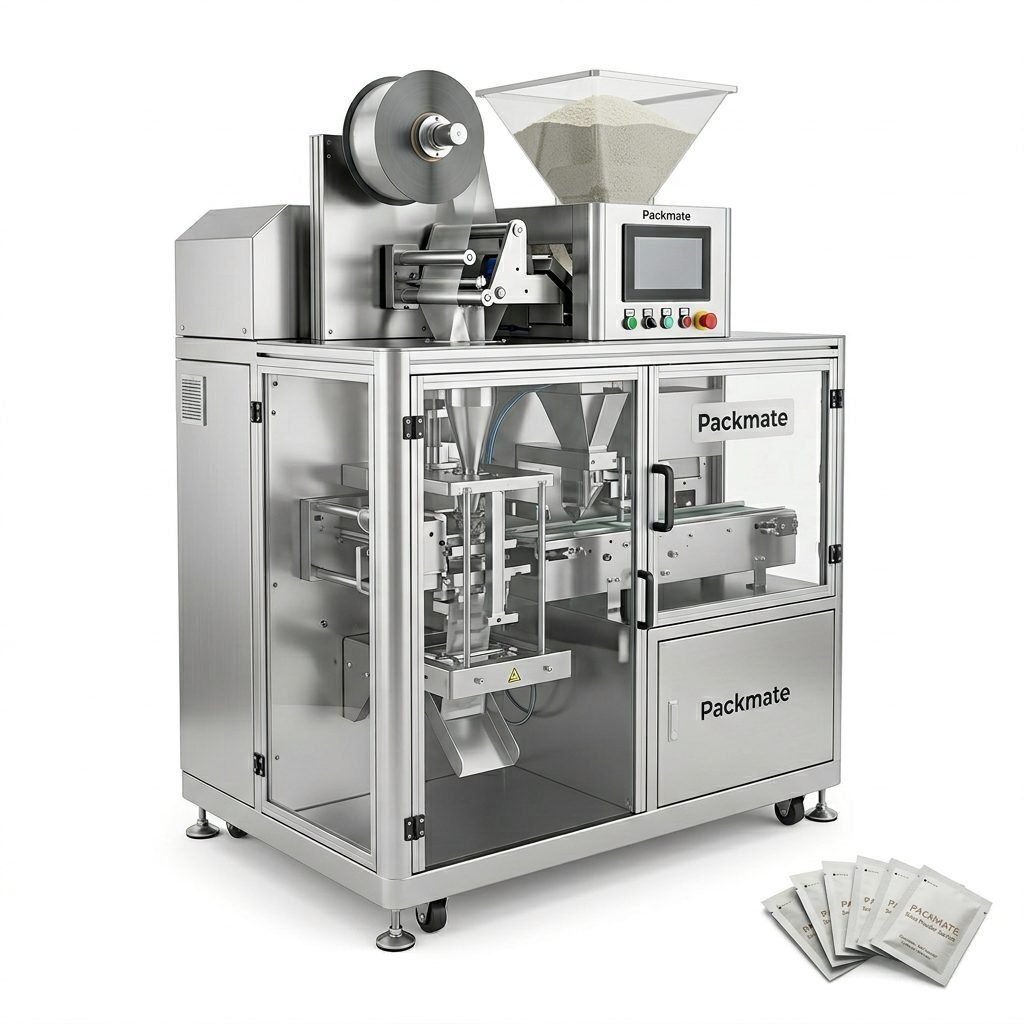
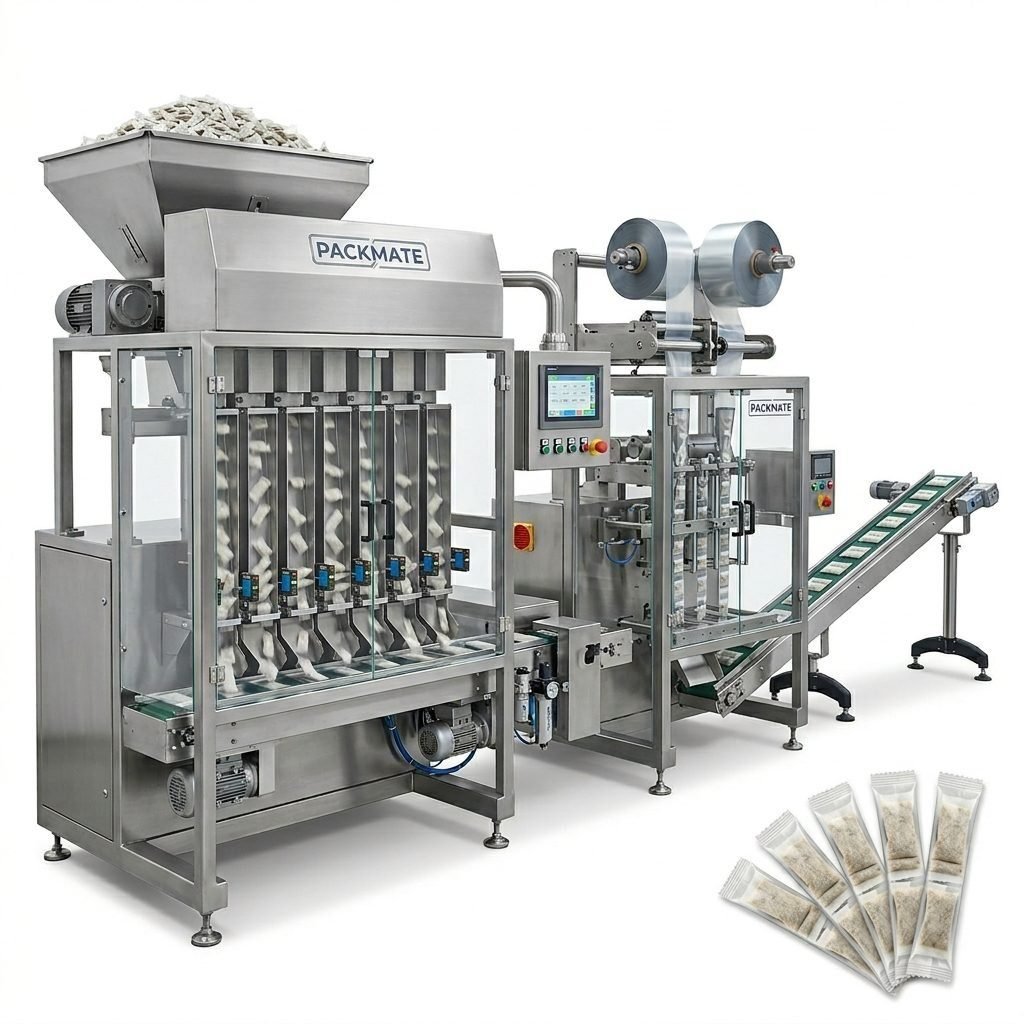
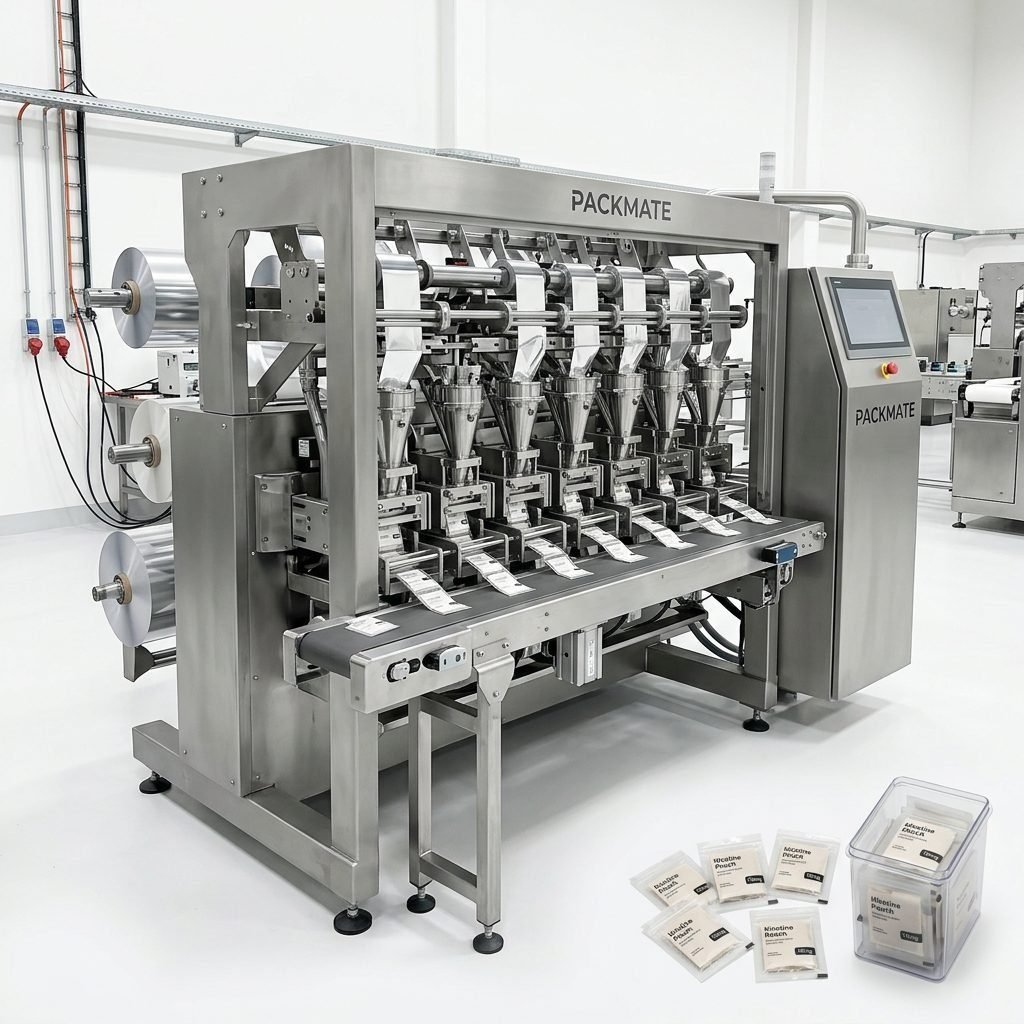
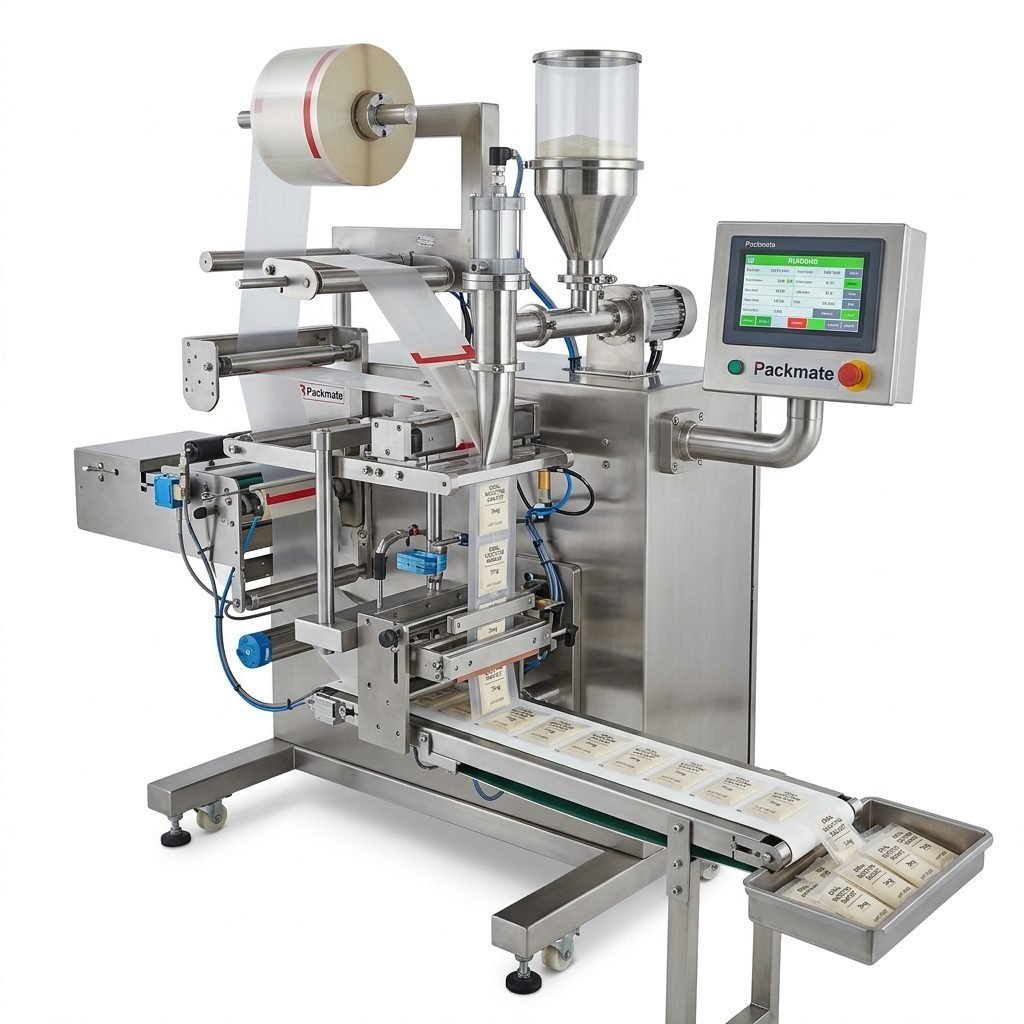
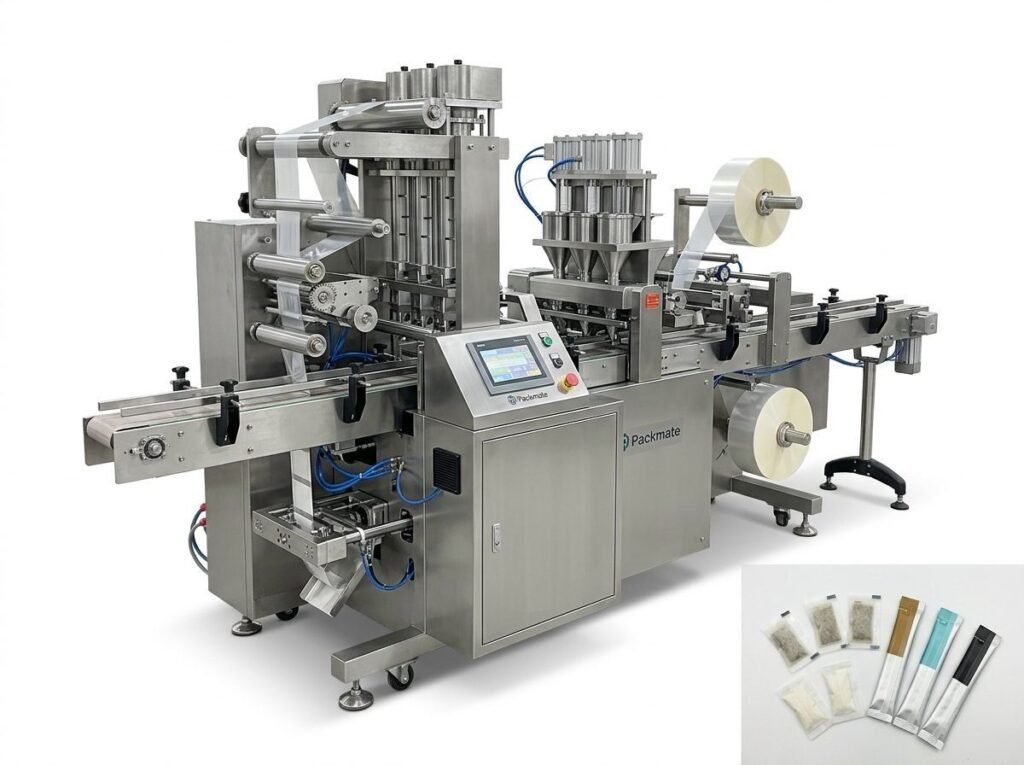
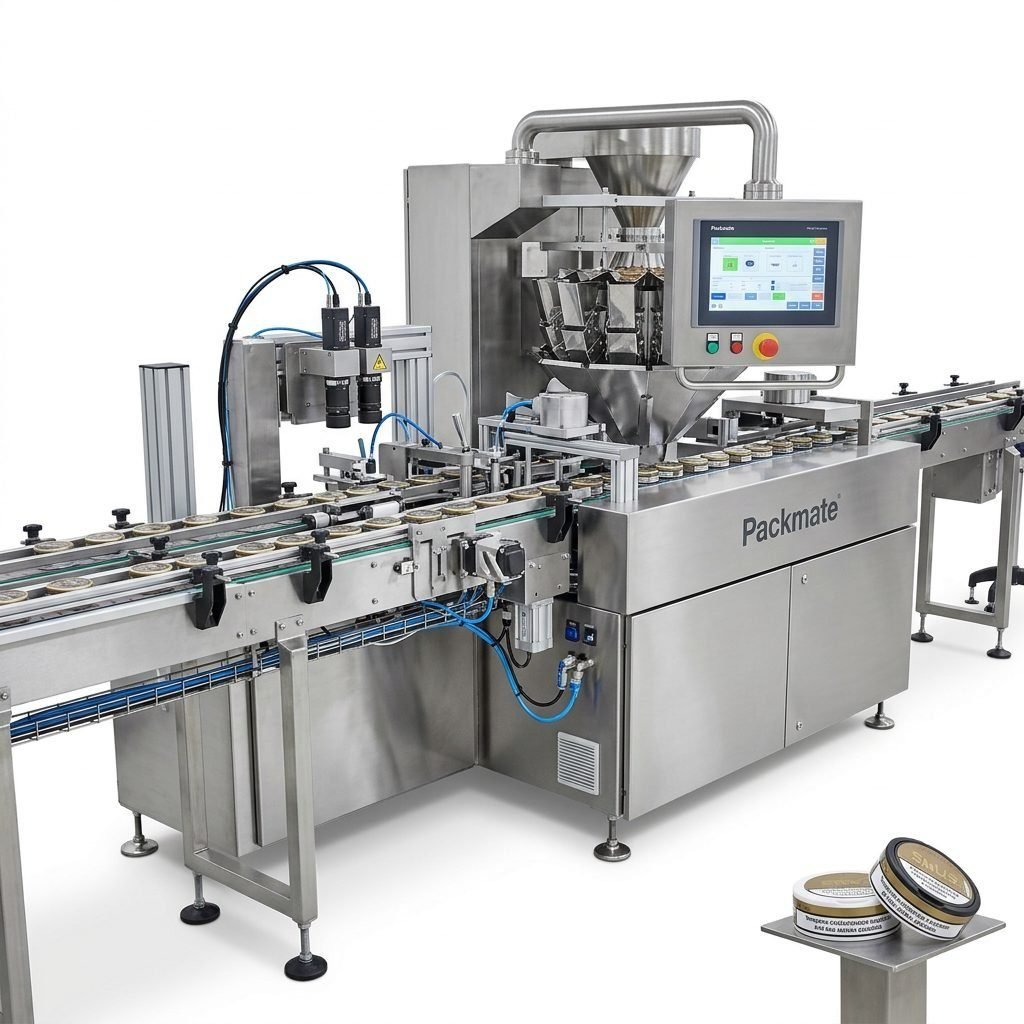
The global nicotine pouch market demands packaging equipment that combines precision, safety, and throughput. In response, modern manufacturers are turning to CE-certified automatic packaging lines designed specifically for snus and nicotine pouches. This article explores practical solutions, core features, and implementation strategies for integrating a CE-certified nicotine pouch packaging machine into your production floor, drawing on the proven engineering strengths and turnkey capabilities offered by experienced suppliers.
Overview: CE-Certified Nicotine Pouch Packaging Machine
CE certification is an industry benchmark that signals compliance with European safety, health, and environmental protection requirements. A CE-certified nicotine pouch packaging machine is engineered to meet these requirements while delivering automated handling for small-dose pouches, multi-lane outputs, and consistent sealing quality. Typical systems include pouch forming, filling, sealing, date-coding, and end-of-line collection, all designed for continuous, reliable operation.
Why CE Certification Matters
CE certification ensures your equipment meets essential safety and electromagnetic compatibility standards. For nicotine pouch manufacturers, this reduces regulatory risk and simplifies cross-border commerce. A CE mark also demonstrates a supplier’s commitment to quality processes, traceable documentation, and tested machine safety circuits — crucial for operators and auditors alike.
Key Features of Modern Automatic Packing Solutions
The best nicotine pouch packing lines combine mechanical precision with smart controls. Look for features such as:
- 🔧 Multi-lane packaging capability for high throughput and minimized footprint.
- ⚙️ Servo-driven motion control for precise pouch indexing and synchronicity between fillers and sealers.
- 📦 Flexible pouch formats — stick, sachet, sachet-with-tear, and custom spouts or tins.
- ✅ Integrated filling solutions suitable for powders, granules, liquids, or blended matrices.
- 🔍 Automatic quality checks — weight control, seal integrity monitoring, and in-line rejection systems.
Core Benefits:
Reduced manual handling and contamination risk, faster line speeds with consistent pouch filling, and robust safety features required by CE compliance. These benefits translate into measurable improvements in yield, operator safety, and regulatory readiness.
Production Line Integration & Turnkey Solutions
For many manufacturers, a single machine is not enough — they need a turnkey line: feeders, dosing & weighing systems, pouch forming, sealing, printing, and packaging conveyors. Suppliers with deep industry experience can design complete lines to fit your plant layout and production targets. Explore specialized systems for snus and nicotine pouch applications at
Snus & Nicotine Packaging Machines.
Weighing, Filling & Multi-Lane Coordination
Accurate dosing is essential for small-dose nicotine pouches. Integrated weighing and metering systems reduce variance while multi-lane synchronization ensures every lane runs at consistent speed. When paired with automated reject stations, this arrangement reduces waste and short-dated product runs while improving overall OEE (Overall Equipment Effectiveness).
Customization & Modular Upgrades
Modular designs allow you to scale capacity or change pouch formats with minimal downtime. Choose machines with quick-change tooling, digital recipe management, and PLC/HMI systems that store format parameters for fast transitions between SKUs.
Manufacturing Strength & Quality Control
An experienced supplier will have a large facility with precision machining, assembly lines, and documented testing protocols. For example, manufacturers operating from a 20,000㎡ plant with advanced CNC centers and 30+ years of engineering experience can offer consistent build quality, spare parts availability, and lifetime support.
For supplier credibility and certification details, review their company information and certificates, such as CE and ISO listings at
Certificate.
Operational Advantages: Performance, Safety, and Compliance
A CE-certified line focuses on operator safety with guarded moving parts, emergency stops, safety interlocks, and EMI-tested control enclosures. Combined with automated housekeeping features and enclosed product zones, such lines improve hygiene and reduce the risk of contamination — critical for nicotine products.
Selecting the Right Model: Factors to Consider
Selection depends on expected daily throughput, pouch formats, product characteristics, floor space, and budget. Typical parameters to define before procurement:
- Daily and peak production targets (pouches per minute × operating hours).
- Pouch type and maximum pouch width/length.
- Product flow characteristics: powder, granule, paste, or liquid.
- Integration requirements with upstream dosing systems and downstream cartoning or case packing.
- Regulatory and traceability needs, such as batch coding and serialization.
Recommended Product Families
Depending on your products, explore complementary lines like bag & pouch solutions or stick/sachet machines. Visit
Bag & Pouch Packaging Machines or
Sachet & Stick Pack Machines to compare form factors and throughput ratings.
Implementation Guide: From Inquiry to Commissioning
Implementing a packaging line involves clear planning and collaborative steps:
- Define product and packaging specifications, and expected output.
- Request detailed quotations and factory layout proposals from shortlisted suppliers.
- Review FAT (Factory Acceptance Test) protocols and acceptance criteria.
- Coordinate shipping, site preparation, utilities, and safety compliance for installation.
- Complete SAT (Site Acceptance Test) and operator training before handover.
Factory Acceptance & After-Sales Care
A thorough FAT is essential — it verifies format changeovers, speed, fill accuracy, and interlock performance before the machine leaves the factory. Post-delivery services such as commissioning, remote diagnostics, spare parts supply, and periodic maintenance contracts help protect your investment. Find post-sale service options at
Service.
Why choose a reputable supplier?
Suppliers with decades of experience and a broad model range are better positioned to deliver tailored solutions. Look for partners with a clear company profile, documented case studies, and global exhibition presence to validate performance and reliability. For background on such suppliers, read more at
About Packmate.
Costs, ROI, and Scale Considerations
Machine costs vary by complexity, number of lanes, and integrated systems. To estimate ROI, calculate savings from labor reduction, improved yield, decreased waste, and regulatory risk mitigation. Multi-lane machines may have higher initial costs but deliver lower per-unit packaging costs at scale.
Maintenance Tips & Reliability Best Practices
Maximize uptime with a proactive maintenance schedule: routine cleaning, lubrication, inspection of seals and belts, and software backups. Keep consumable tooling on hand (cutting jaws, sealing elements) and ensure your operations team is trained for first-line troubleshooting.
Compliance, Traceability & Environmental Considerations
A compliant line supports product traceability via batch printing and digital records. Energy-efficient drives and smart power management reduce operating costs and environmental impact. Consider recyclable or reduced-material pouch designs to align with sustainability goals while ensuring seal integrity for product safety.
Conclusion
Investing in a CE-certified nicotine pouch packaging machine unlocks higher throughput, greater safety, and regulatory alignment. By choosing modular, servo-driven technology from an experienced manufacturer, you can achieve scalable production, consistent product quality, and streamlined regulatory compliance. Partner selection, FAT/SAT procedures, and long-term service agreements are the keys to a successful deployment.
Common Questions
Q1: What does CE certification cover for packaging machines? — CE certification indicates compliance with EU directives related to machinery safety, electromagnetic compatibility, and relevant environmental protection standards. It means the machine meets documented safety and performance criteria required for many international markets.
Q2: How do I choose between multi-lane and single-lane machines? — Choose based on your target throughput, floor space, and product changeover frequency. Multi-lane systems are ideal for high-volume, consistent SKUs; single-lane or modular systems are better for frequent format changes or smaller batch runs.
Q3: What after-sales support should I expect? — Expect commissioning, operator training, spare parts availability, remote diagnostics, and preventive maintenance plans. Reputable manufacturers provide detailed FAT/SAT documentation and long-term technical support.
Q4: Can the same line handle powders, granules, and liquids? — With the correct filling modules and hygienic design, lines can be configured to handle different product types. However, some products require specialized feeders or dosing systems; consult with your supplier for tailored configurations.
Q5: How do I verify supplier credibility? — Review factory photos, inspection processes, certifications (CE/ISO), customer case studies, and exhibition presence. Engage suppliers that offer FAT, transparent testing reports, and clear warranties to minimize deployment risk.