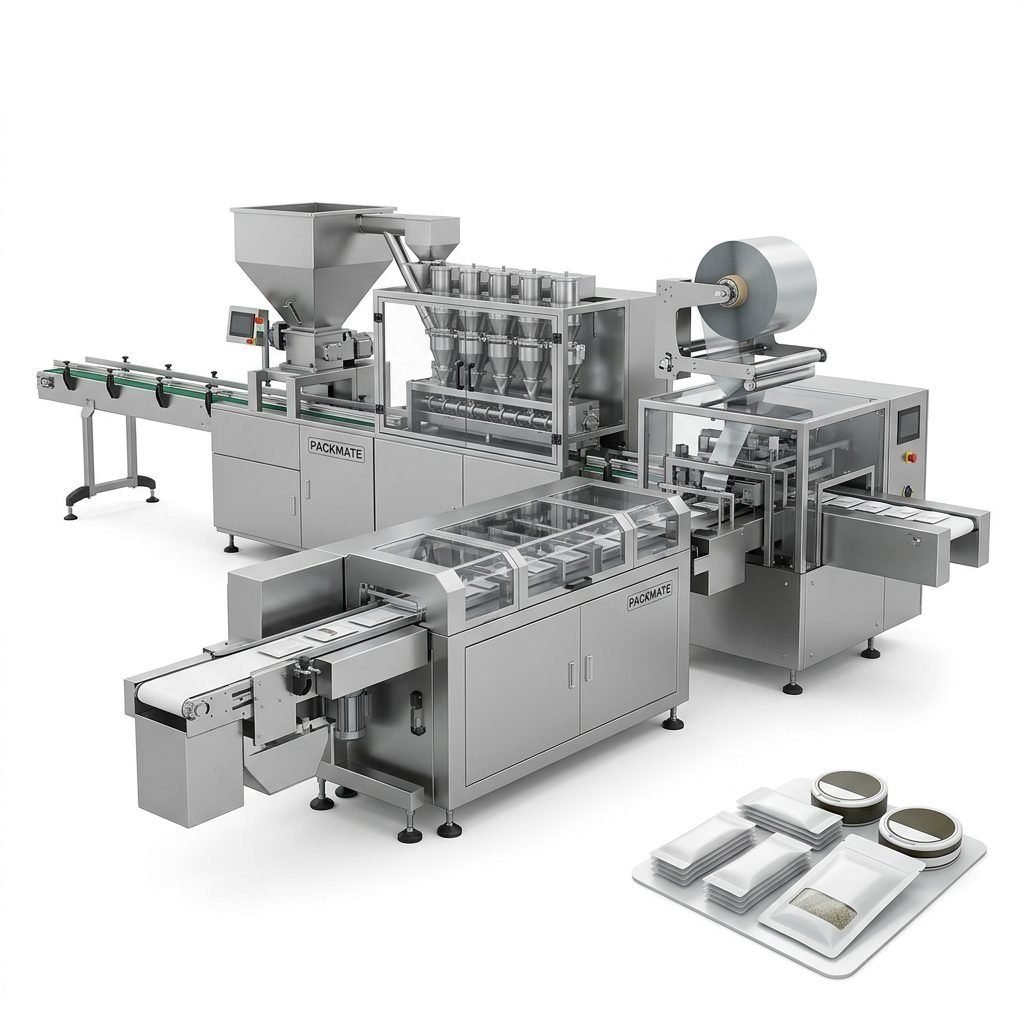
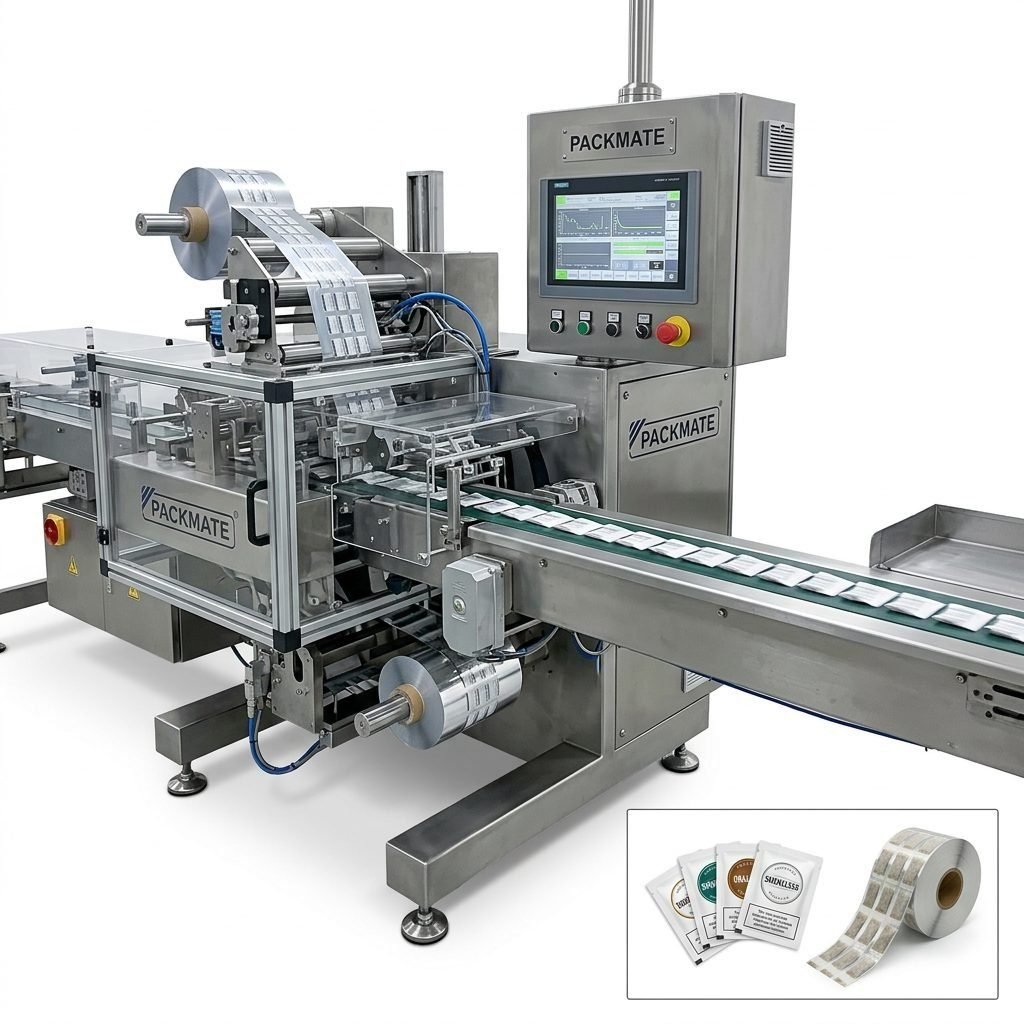
Entering the snus and nicotine pouch market in South Africa demands more than product insight — it requires the right packaging machinery to protect product quality, maintain regulatory compliance, and scale production efficiently. This guide breaks down how to choose the best snus packaging machine in South Africa, covering market needs, machine types, critical technical specifications, supplier selection tips, and ROI considerations so you can make a confident purchasing decision.
🔎 Market Context: Why the Right Machine Matters
South Africa’s growing tobacco alternatives and nicotine pouch segments mean producers face diverse packaging demands: small-dose pouches, sachets, stick packs, and multi-lane output for high-volume runs. Choosing an appropriate machine impacts product shelf life, portion consistency, branding flexibility, and total cost of ownership. A well-chosen packaging line reduces waste, minimizes downtime, and ensures consistent presentation on shop shelves.
🎯 Key Business Goals to Clarify
Before evaluating machines, define goals: target daily output, pouch formats, fill materials (powder, granule, or paste), regulatory needs (labelling, seal integrity), and budget range. These targets narrow your options and reveal if you need a simple single-lane machine or a high-speed multi-lane solution.
Tip: If your brand plans to scale quickly in volume, prioritize modular machines that can be upgraded to multi-lane or linked into automated filling and packaging lines.
🛠 Types of Snus Packaging Machines and When to Use Them
Selecting the right machine family is the first technical decision. Below are the most common options for snus and nicotine pouch producers:
Stick Pack Machines
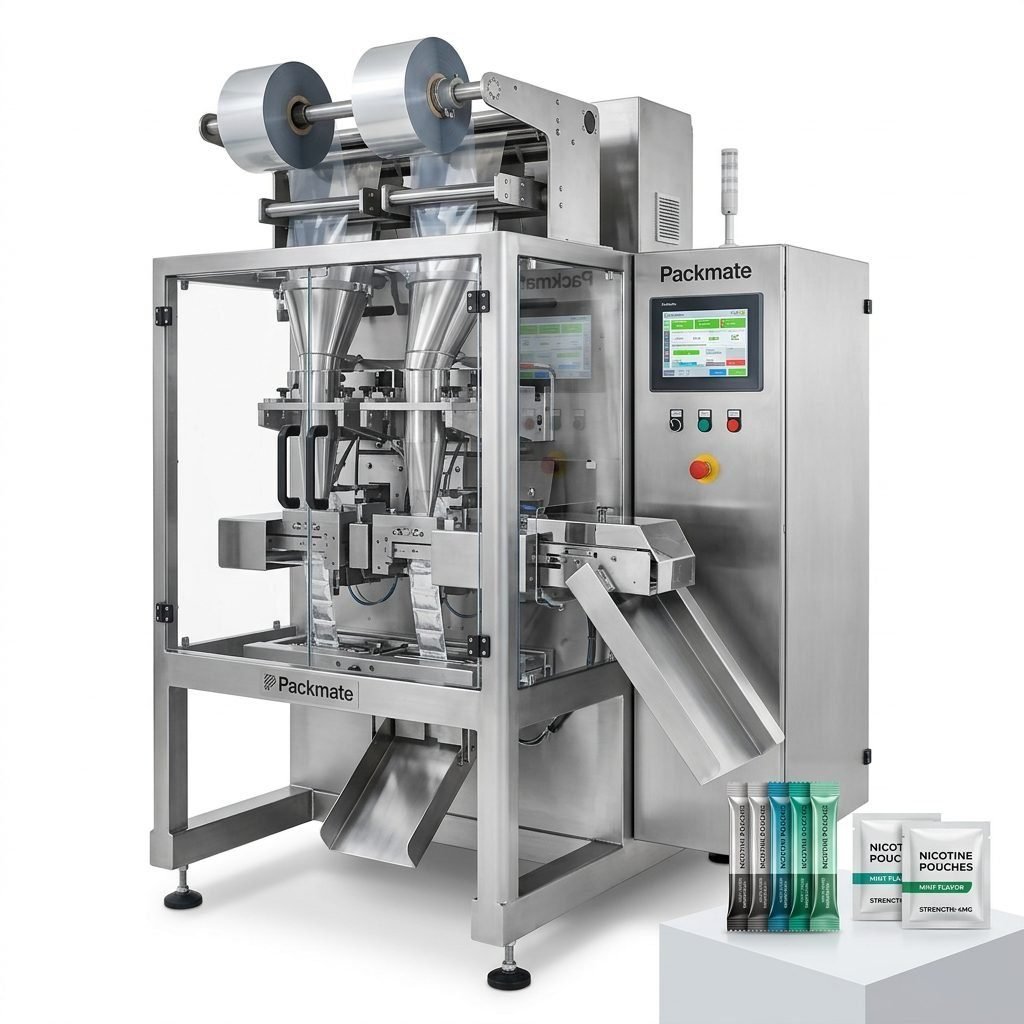
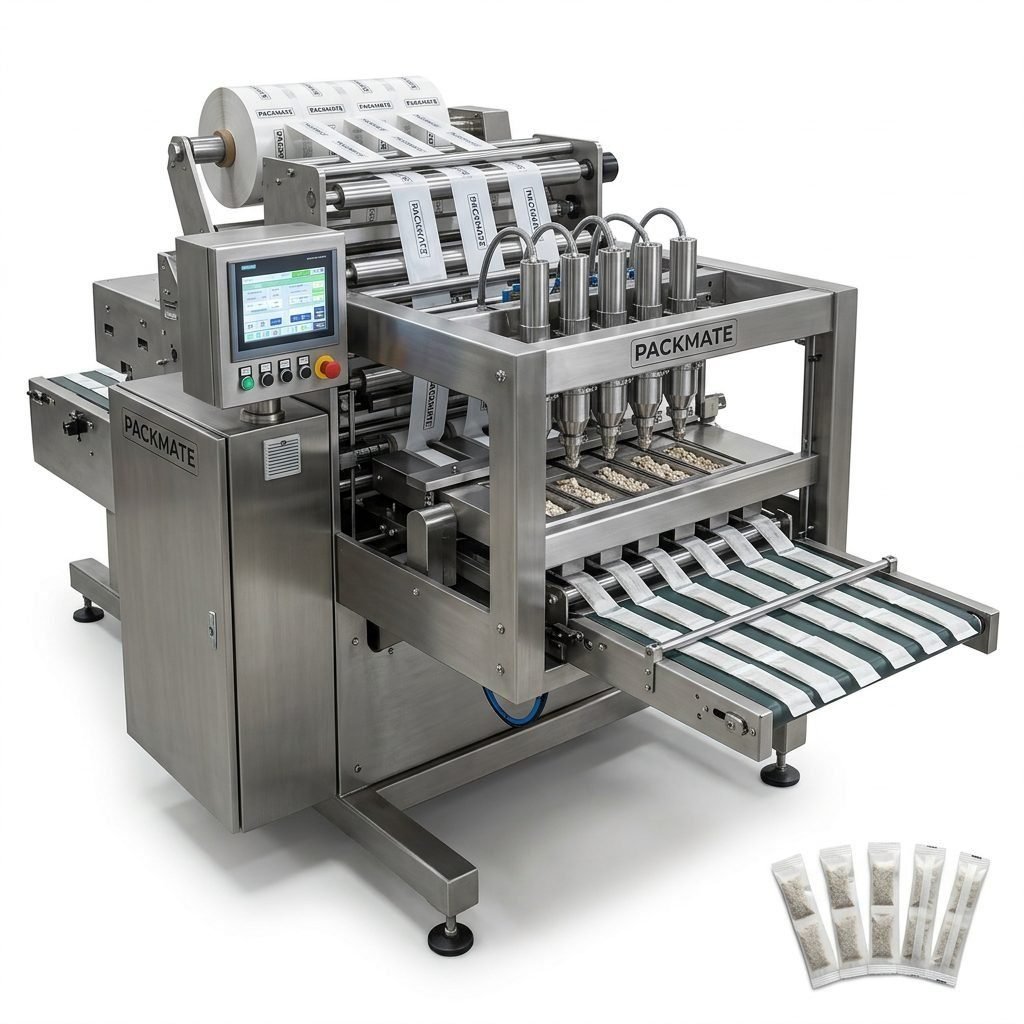
Stick packs are ideal for single-portion sachets with narrow sealed ends. Use a stick pack machine when you need precise dose control, compact consumer portions, and attractive single-use packaging. High-speed stick pack machines serve high-throughput factories.
Sachet & Multi-Lane Machines
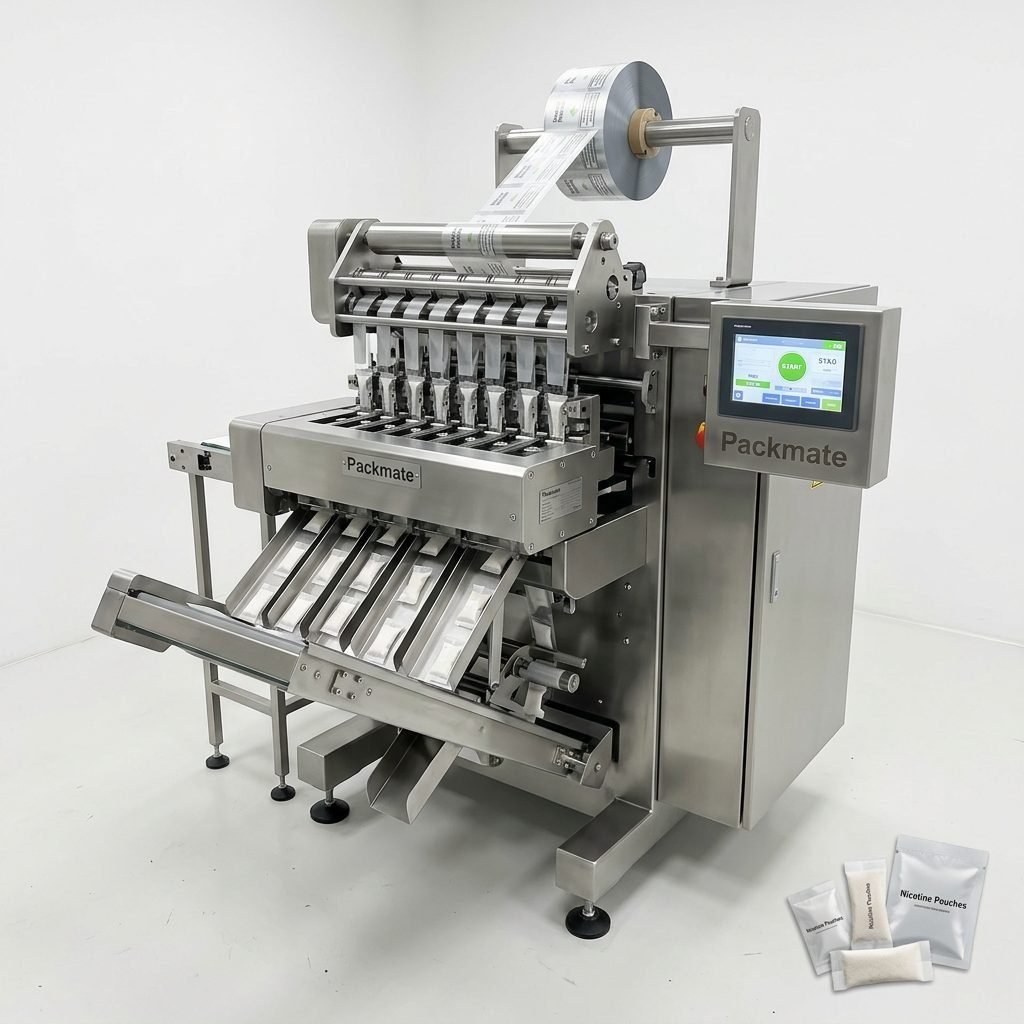
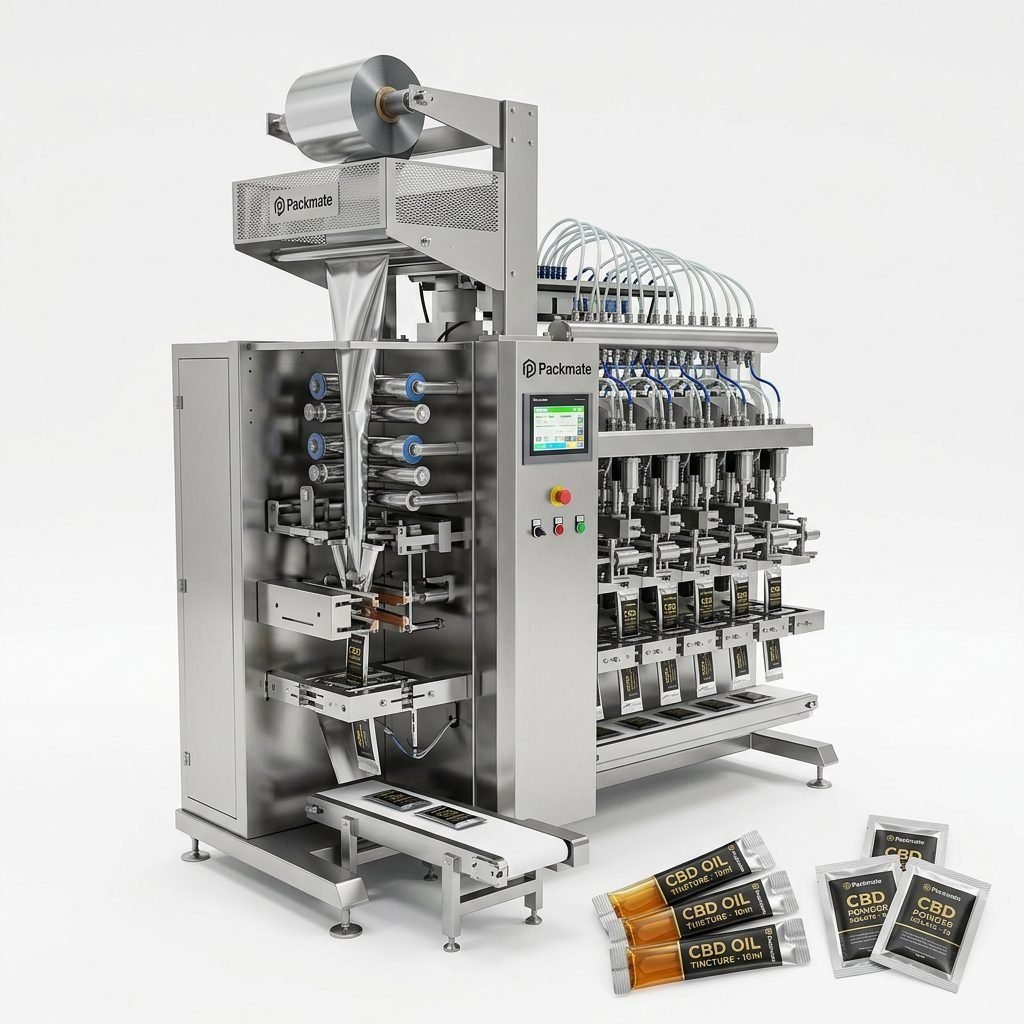
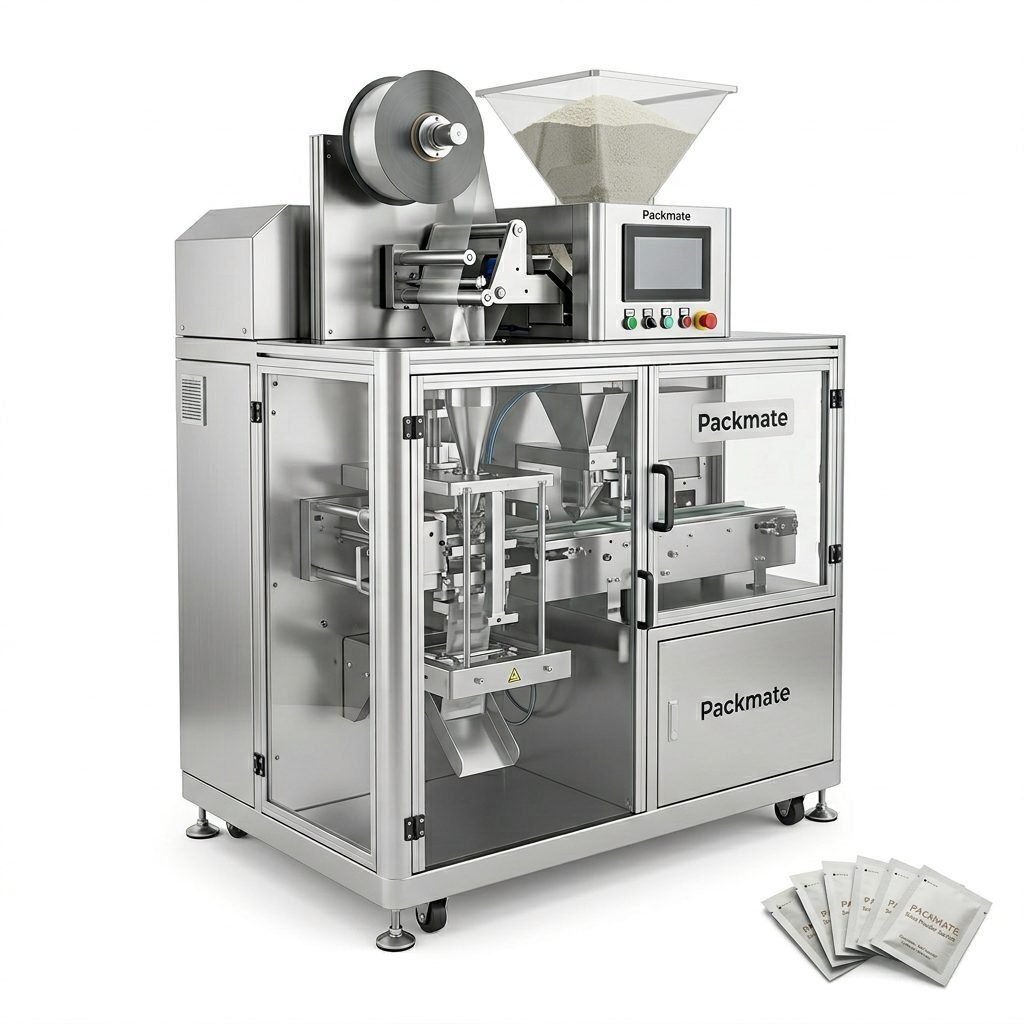
Sachet machines (including multi-lane variants) are perfect for flat pouches and small-dose snus pouches. Multi-lane systems significantly increase output without dramatically expanding floor space by running several lanes in parallel.
Form-Fill-Seal Systems and Pouch Packaging Lines
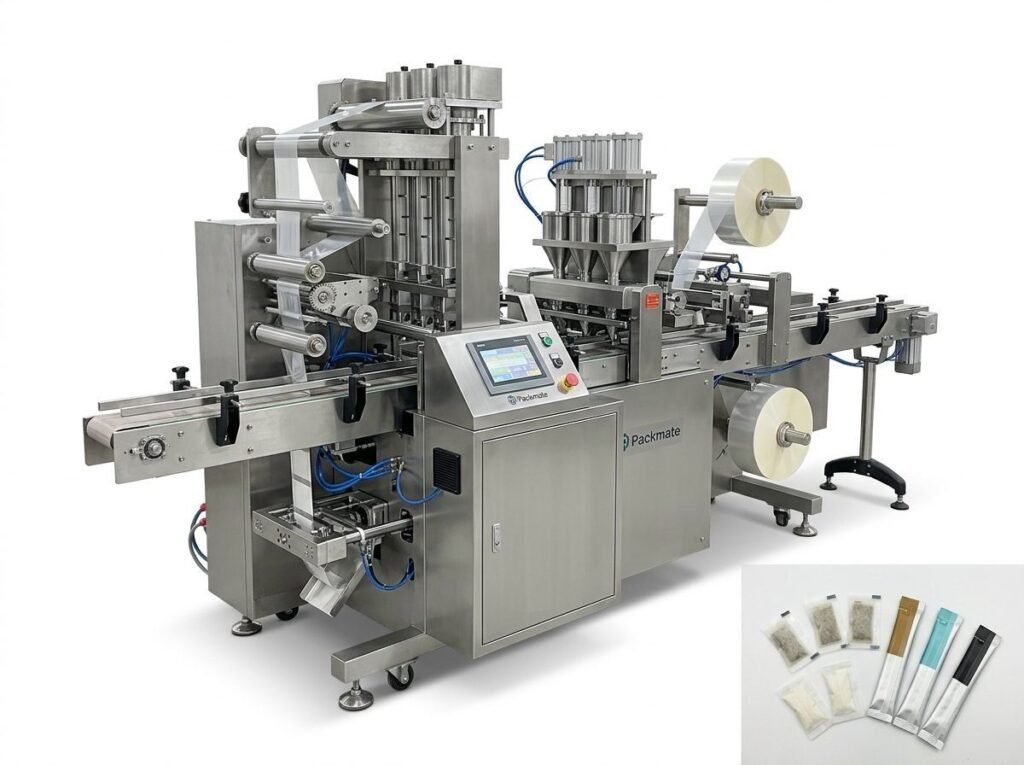
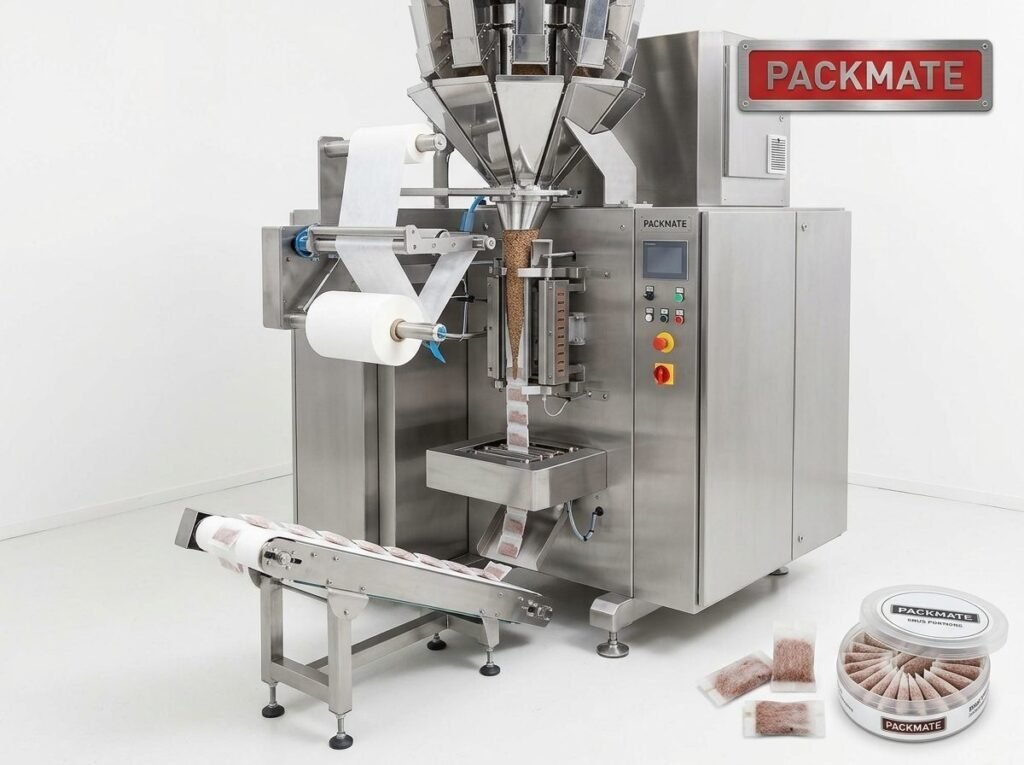
Integrated form-fill-seal (FFS) lines offer turnkey automation — from pouch forming to filling, sealing, and discharge. Choose FFS when you want minimal manual handling, consistent hygiene control, and tight format repeatability.
Explore machine categories and specifications from proven manufacturers to match your format: Snus & Nicotine Packaging Machines, Sachet & Stick Pack Machines, or Bag & Pouch Packaging Machines.
⚙️ Technical Factors to Compare
1. Filling Accuracy and Weighing System
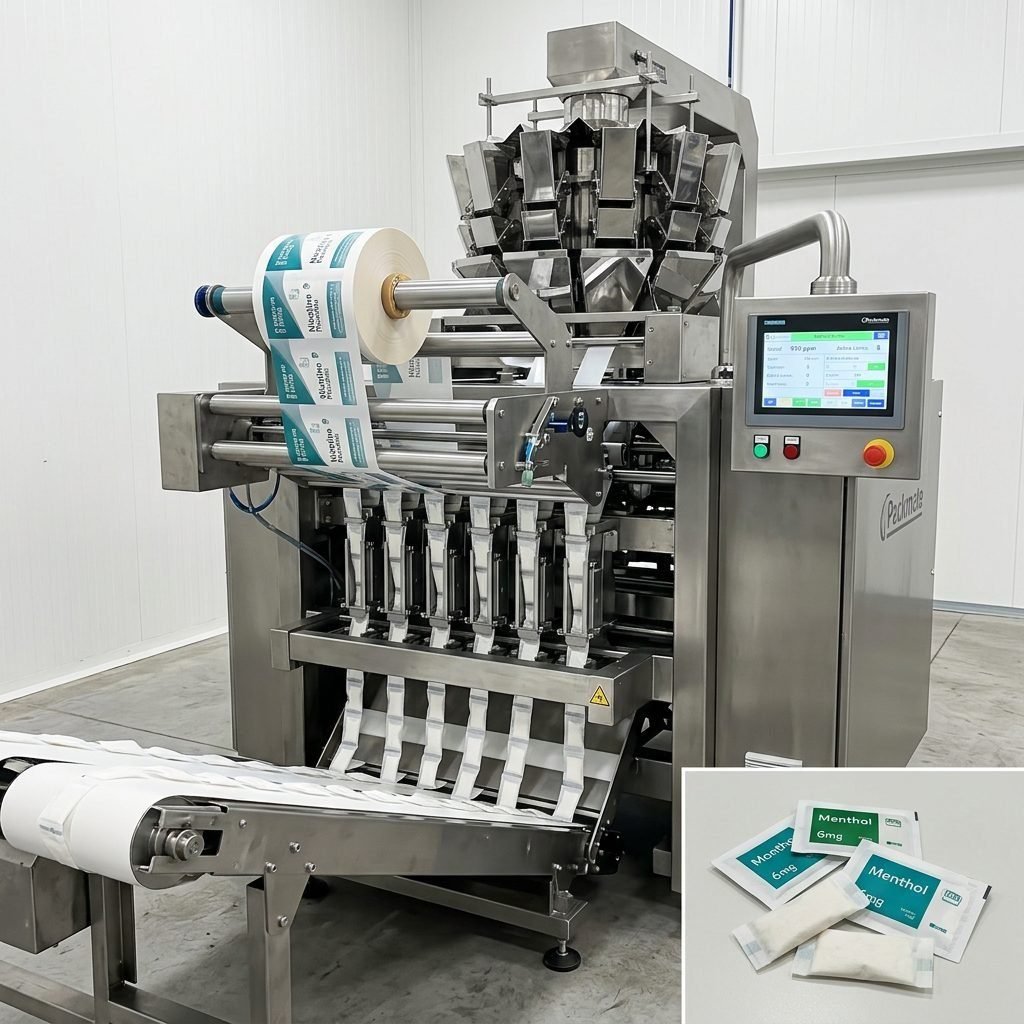
Snus pouch success depends on accurate dosing. Evaluate machines with high-precision dosing systems — auger, volumetric, or multi-head weighers — based on product characteristics. For ultra-small doses, consider integrated weighing systems that deliver ±0.1–0.5% accuracy to avoid regulatory and brand consistency issues.
2. Output Capacity and Scalability
Define required pieces per minute (ppm) and daily throughput. Single-lane machines are suitable for small batches; multi-lane (4-, 6-, 8-lane) models are vital for high-volume operations. Ensure spare parts and upgrades are available to scale capacity without full replacement.
3. Format Flexibility and Changeover Time
Packaging lines that support multiple pouch sizes and types reduce tooling costs. Check tool-change design: rapid-change rails, quick-release jaws, and digital recipes in the HMI shorten downtime and improve line responsiveness to market trends.
4. Material Handling & Compatibility
Confirm compatibility with your chosen barrier films and laminates. Heat-sealability, UL/food-grade approvals, and moisture barrier properties influence machine sealing temperatures, dwell times, and sealing jaw design.
5. Automation, HMI & Industry 4.0
Modern machines provide intuitive HMIs, recipe storage, remote diagnostics, and PLC-based automation. Choose equipment with built-in data logging and connectivity to support predictive maintenance and production traceability.
6. Hygiene, Materials & Build Quality
Stainless steel construction, easy-to-clean surfaces, and hygienic design minimize contamination risk. Verify CE/ISO compliance and whether machine components meet GMP expectations for the nicotine product category.
💡 Supplier & After-Sales Considerations
A machine’s long-term value depends heavily on supplier competence and support. Prioritize vendors offering local service partners, fast spare-parts delivery, online technical support, installation, and commissioning.
Must-check: warranty terms, spare parts lead times, remote troubleshooting capability, and availability of training for South African operators and maintenance teams.
Certifications & Compliance
Ensure the equipment meets international safety and quality standards (CE, ISO). For nicotine pouches and related products, cross-check local South African regulations regarding packaging, labelling, and material migration where applicable.
💰 Cost Breakdown & ROI Analysis
Total cost of ownership extends beyond capital outlay. Include installation, commissioning, training, spare parts, consumables, and projected downtime. Model the ROI by estimating per-unit production cost savings from higher accuracy, reduced waste, and improved throughput.
Example ROI factors to calculate: reduction in overfill, reduced scrap, labor savings from automation, and increased sales due to consistent premium presentation.
✅ How to Evaluate & Shortlist Suppliers
Use a structured checklist during supplier evaluation. Ask for on-site references, recent case studies, and demonstration videos. If possible, arrange a factory visit or remote demo to watch the machine handling materials similar to yours.
Supplier Checklist
– Proven experience in snus/nicotine pouch machines and turnkey lines.
– Availability of spare parts and local technical support in South Africa or nearby regions.
– Clear warranty and service agreements with SLAs.
– Demonstrable certifications (CE, ISO) and positive customer references.
– Flexible options for modular upgrades to multi-lane systems.
For additional supplier background and product portfolios, consider reviewing the manufacturer’s global profile and product pages, such as About Packmate and the Snus & Nicotine Packaging Machines catalog.
🔧 Installation, Commissioning & Training
Efficient handover is critical. Confirm the supplier provides complete installation, onsite commissioning, and staff training covering operation, routine maintenance, and basic troubleshooting. Good training reduces operator errors and downtime.
Spare Parts & Remote Support
Verify lead times for critical spare parts and the availability of remote diagnostic tools. Suppliers who offer predictive maintenance packages help reduce unexpected stoppages.
📦 Example Implementation Roadmap
1) Define product formats and volumes.
2) Create technical requirement spec (dosing accuracy, ppm target, formats).
3) Shortlist vendors and request demos or sample runs.
4) Conduct site readiness check (power, floor loading, utilities).
5) Install, commission, and train. Begin with pilot batches and ramp up to full production.
📣 Real-World Case & Manufacturer Strength
Manufacturers with decades of engineering experience and dedicated production facilities are more likely to deliver reliable, scalable lines. For instance, Packmate Snus Machine emphasizes 30+ years of engineering heritage, a 20,000㎡ manufacturing facility, and 50+ machine models, offering tailored turnkey solutions — strengths that matter when selecting a long-term partner. Learn more about their product range and case examples: Case and Filling & Packaging Lines.
Quick Checklist: define volumes, choose format, demand accuracy specs, verify supplier service and certifications, schedule demos, and plan spare parts inventory.
🔁 Final Procurement Tips
– Prioritize machines with modular scalability.
– Ask for production samples using your actual product.
– Negotiate training and spare-parts packages into the contract.
– Seek references in similar product segments and climates.
– Consider total lifecycle cost, not just the purchase price.
📨 Need More Info or a Demo?
When you’re ready to request quotations, machine specifications, or a virtual demonstration, contact reputable manufacturers directly for tailored solutions and site-specific recommendations. For direct contact and service resources, visit the manufacturer’s contact page: Contact Us.
❓ Frequently Asked Questions
1) What machine speed do I need for a small production run?
For small-scale production (a few thousand pouches per day), a single-lane stick or sachet machine with 40–120 ppm may suffice. For larger daily targets, evaluate multi-lane systems that multiply per-lane speeds while keeping a compact footprint.
2) How important is certification?
Certifications like CE and ISO ensure machine safety, build quality, and regulatory alignment. They also indicate robust manufacturing processes and easier import clearance into many markets.
3) Can I upgrade a machine later to increase capacity?
Many modern lines are modular. Upgrades may include adding lanes, automating feeding systems, or integrating more precise dosing. Confirm upgrade paths and associated costs with the supplier before purchase.
4) Where can I see real-world examples?
Review manufacturer case studies and exhibition demonstrations to see machines in operation. Manufacturer pages and case references often include videos and customer testimonials: Our Exhibition and Case.
5) What support should I expect after purchase?
Expect installation, commissioning, training, spare-part availability, and remote support or on-site service options. Include service-level agreements in purchase contracts to secure response times and parts availability.