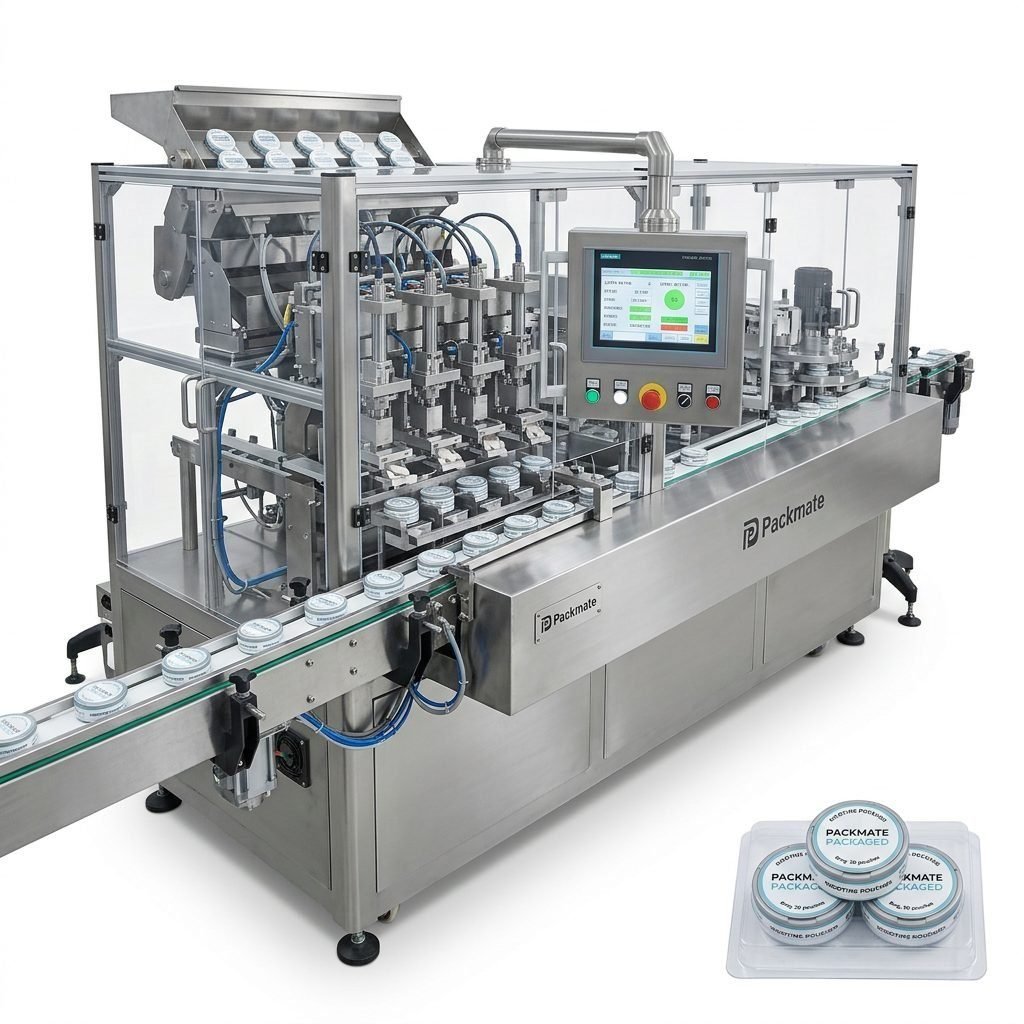
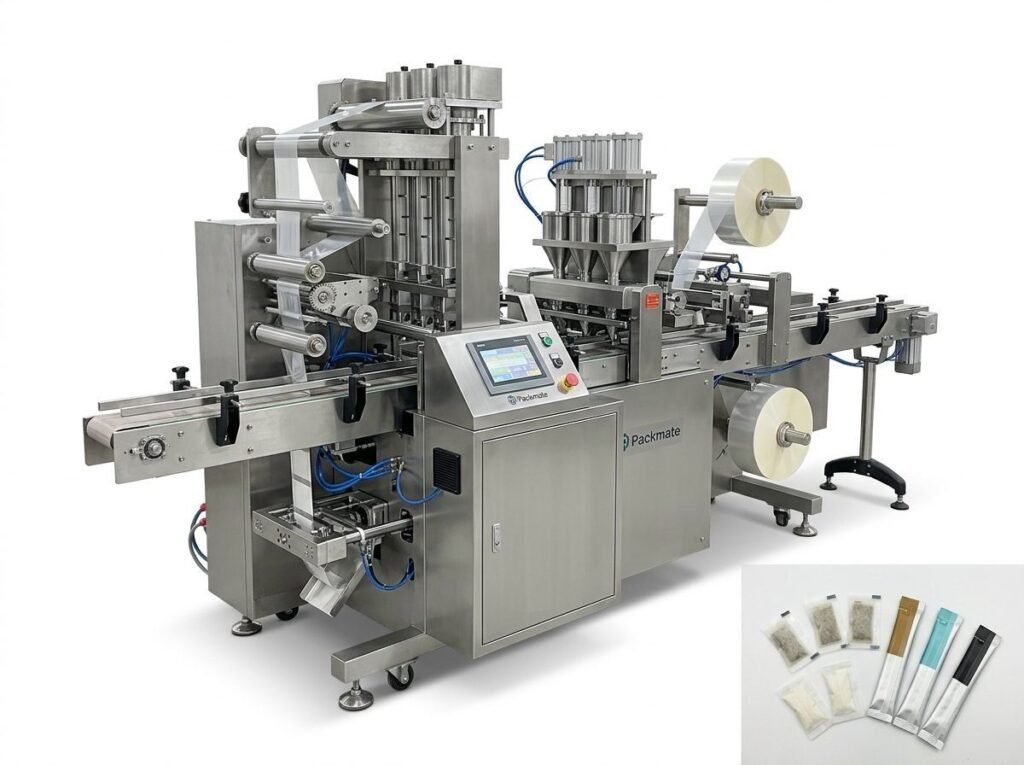
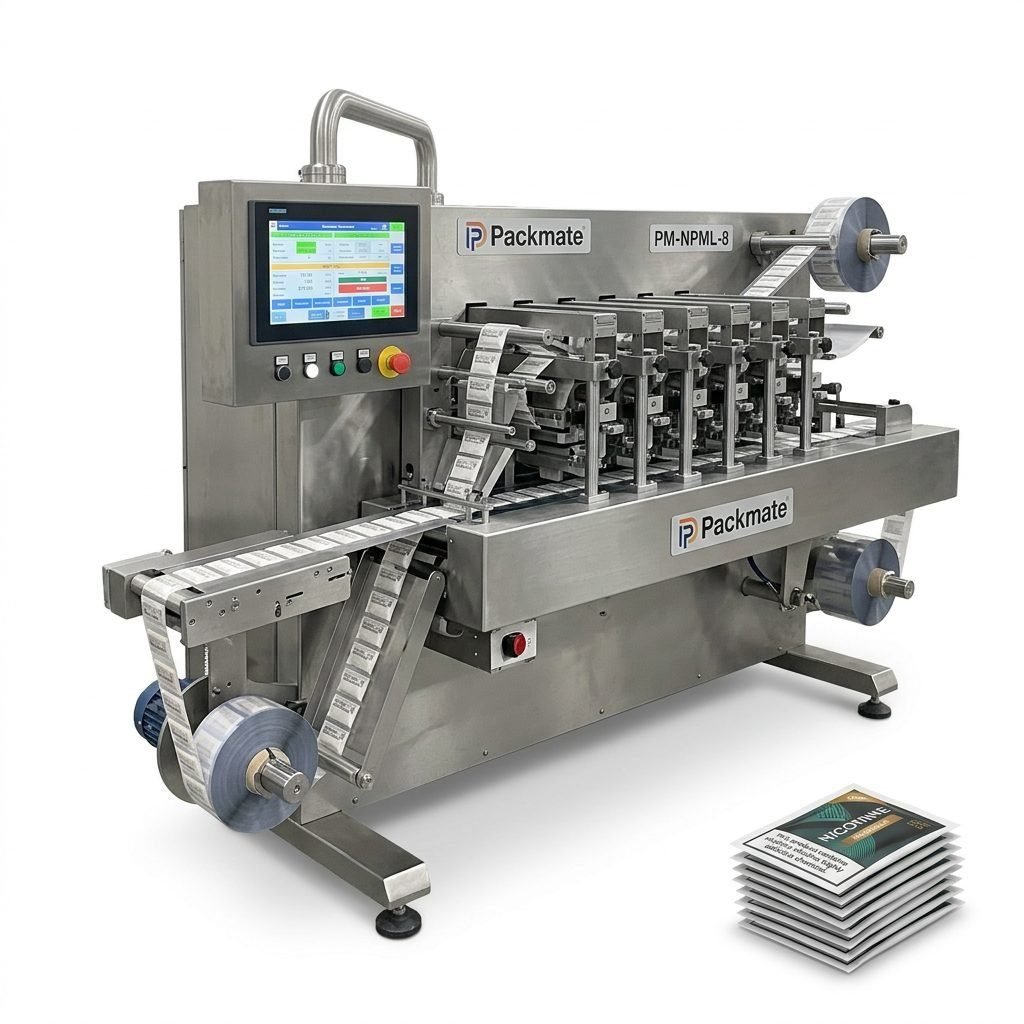
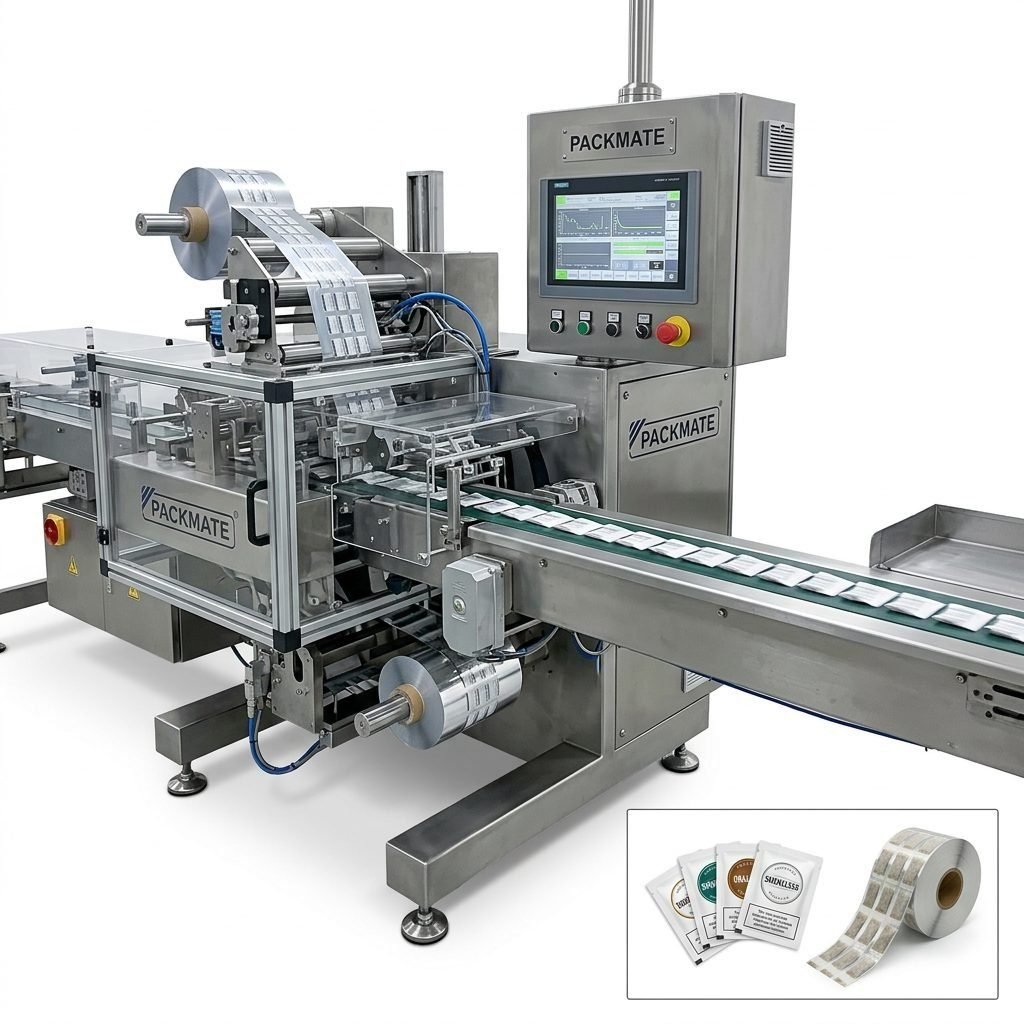
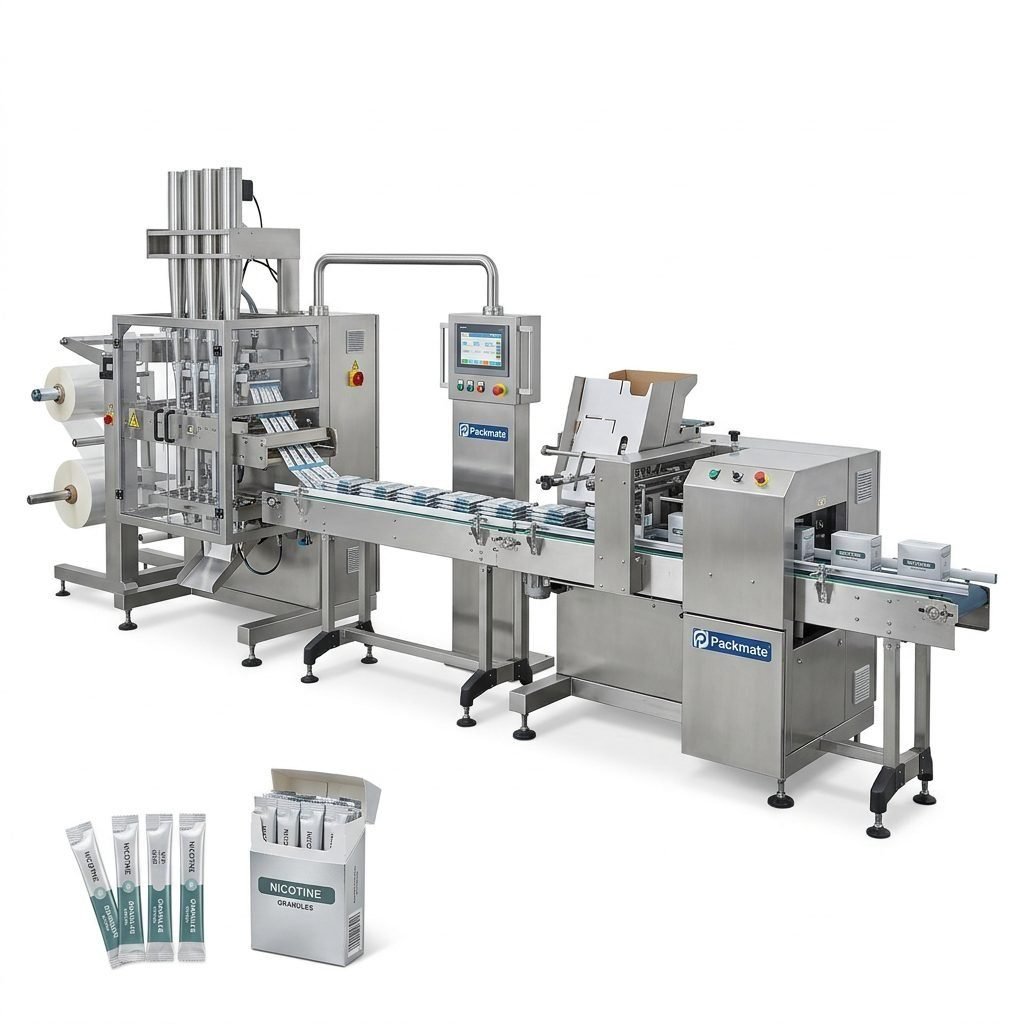
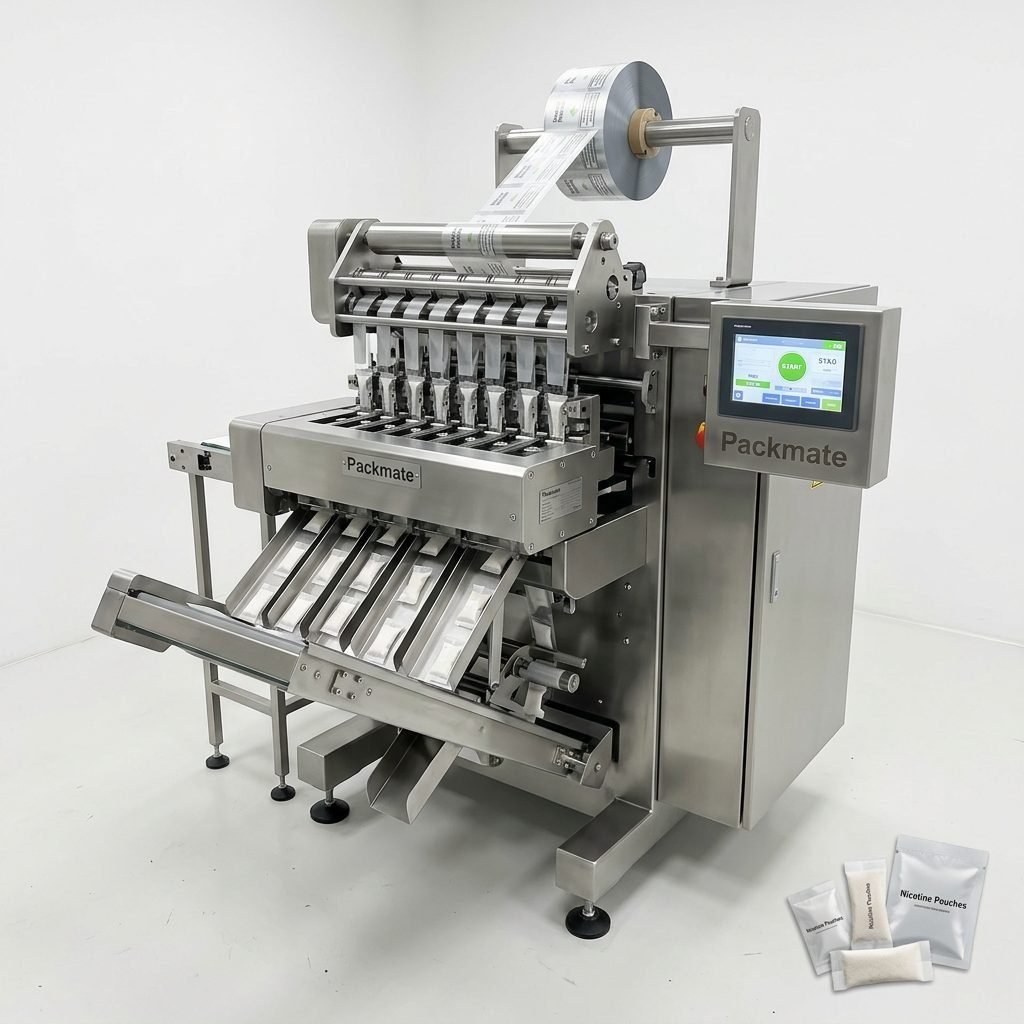
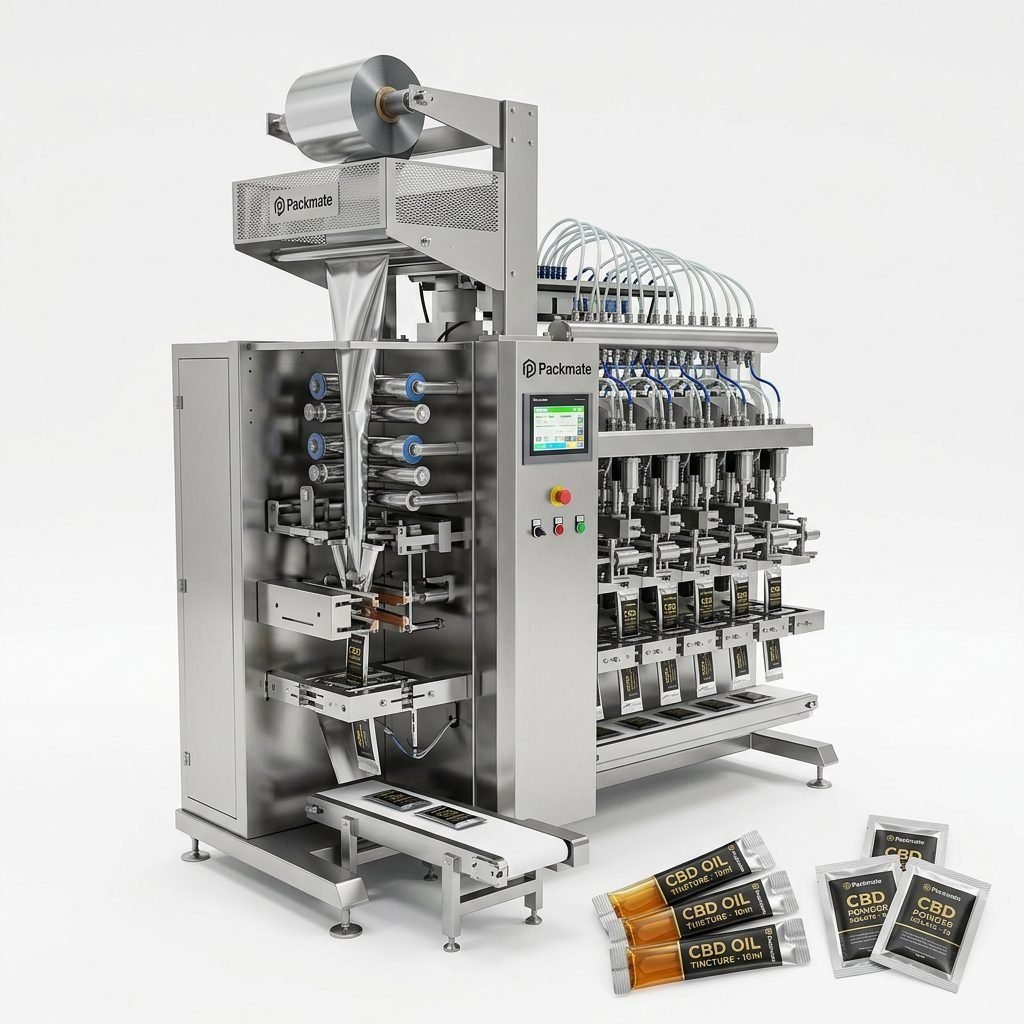
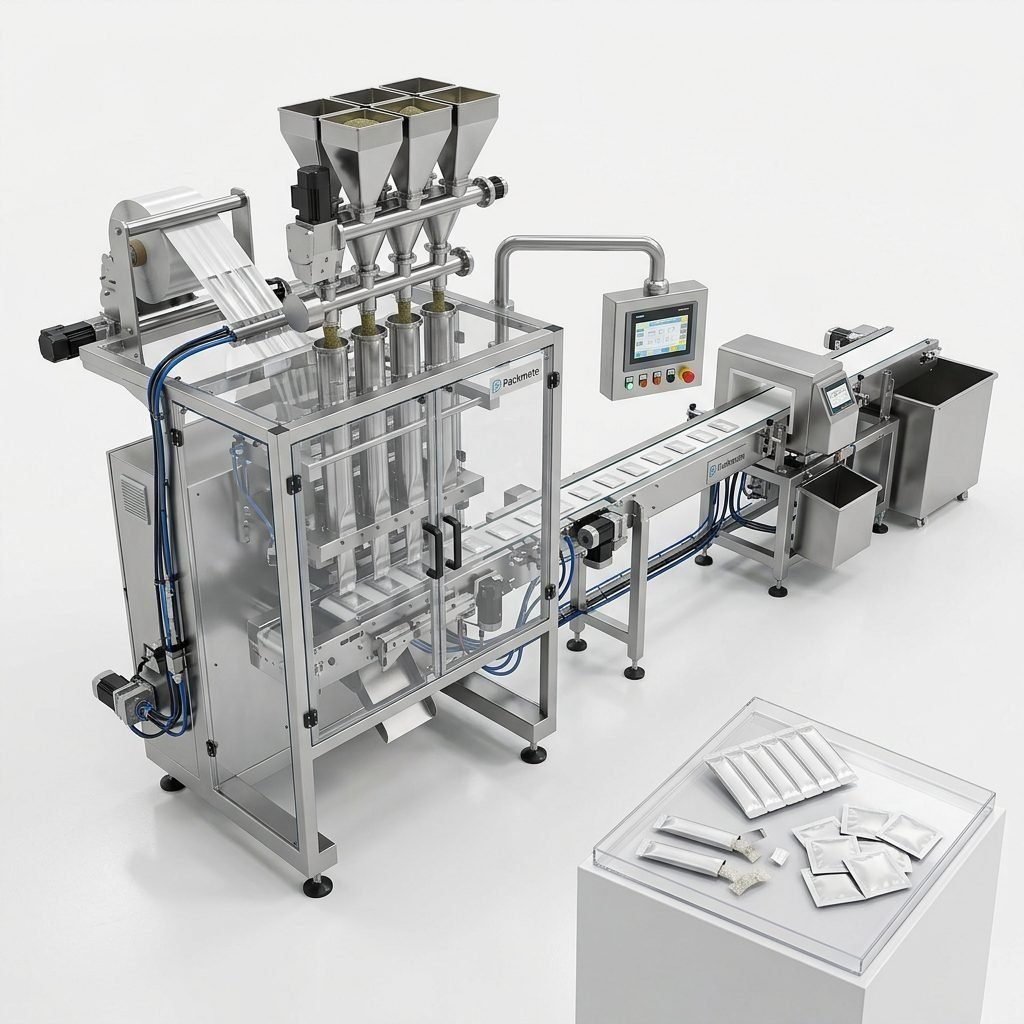
Improving the efficiency of snus packaging machines is a practical necessity for manufacturers aiming to increase throughput, reduce waste, and lower operating costs. This guide covers pragmatic upgrades, process optimizations, and cost-saving strategies tailored for snus and nicotine pouch packing lines. It blends mechanical, electrical, and operational improvements with real-world best practices to help plant managers, engineers, and procurement teams achieve measurable gains in Overall Equipment Effectiveness (OEE).
Why Efficiency Matters for Snus Packaging Lines
Snus and nicotine pouch production demand high precision, repeatability, and multi-lane synchronization. Inefficiencies translate to lost revenue through downtime, rejects, and energy waste. Key performance drivers include changeover speed, machine uptime, packing accuracy, and material handling. Focusing on these areas not only improves throughput but also enhances product consistency and regulatory compliance.
Key Metrics to Track
Before implementing upgrades, establish baseline metrics. Track:
-
Production rate (pouches/min per lane)
-
OEE (Availability × Performance × Quality)
-
Changeover time and frequency
-
Reject rate and root cause categories
-
Energy consumption per 1,000 packs
Mechanical Upgrades That Deliver Immediate Impact
Mechanical reliability is the foundation of a high-efficiency line. Consider the following upgrades:
🔧 Precision cams and hardened tooling: Replace worn cams and install hardened sealing jaws and forming tools. This reduces variability in pouch shape and sealing integrity, cutting rejects and rework.
Additional mechanical improvements:
-
Upgrade bearings and linear guides to reduce vibration and improve alignment.
-
Install quick-change tooling to shorten changeovers between SKUs.
-
Improve hopper and feeder geometry to minimize bridging and dosing inconsistency.
Control System & Automation Enhancements
Modern controls and software bring precision and diagnostics that legacy systems lack. Consider:
⚙️ Servo-driven motion: Upgrade cams and belts with servo axes for exact synchronization across multi-lane systems. Result: higher speed with consistent pouch quality.
Other control-focused measures:
-
Remote HMI recipes and PLC recipe management for fast, error-free SKU changes.
-
Predictive maintenance modules and vibration/temperature sensors to prevent unplanned stops.
-
Integration with MES/WMS and data logging for traceability and continuous improvement.
Optimizing Material Handling and Supply Systems
Material flow bottlenecks often limit effective capacity. Focus on feeder consistency, accurate dosing, and minimized line stoppages:
📈 Multi-lane synchronization: Ensure dosing heads, conveyors, and sealing stations maintain precise phase alignment across lanes to avoid cross-lane rejects that multiply waste.
Practical steps:
-
Install level sensors and automatic refill systems to prevent hopper dry runs.
-
Adopt gravimetric or multi-head weighers for precise dosing—especially important for regulated nicotine pouch fills.
-
Implement synchronized conveyors and gentle transfers to reduce product damage and rejects.
Quality Assurance and Inline Inspection
Inline inspection reduces escapes and costly recalls. Use automated detectors and feedback loops:
✅ Vision systems & leak detection: Install high-speed cameras for print and seal verification, and integrate pressure/trace gas leak testers for seal integrity on moisture-sensitive products.
Benefits include lower RMA rates, faster root-cause identification, and reduced waste. Combine this with automated rejection and segmentation to isolate bad runs quickly.
Maintenance, Training and OEE Programs
People and processes are as important as hardware. A structured reliability program yields sustainable efficiency gains.
-
Planned Preventive Maintenance (PPM): Schedule inspections, lubrication, and parts replacement by runtime hours, not just calendar dates.
-
Operator training & standardized work: Implement quick reference guides and HMI-driven changeover checklists to reduce human error.
-
Continuous Improvement (Kaizen) routines: Hold short daily reviews of downtime causes and implement countermeasures.
Energy Efficiency and Cost Reduction
Energy is a significant cost center. Lowering consumption reduces operating expenses and carbon footprint.
💡 VFDs and intelligent shutdowns: Use variable frequency drives, optimize motor loading, and configure idle shutdowns for pumps and blowers during stoppages.
Additional tactics:
-
Optimize sealing and heating profiles to minimize wasted energy while preserving seal quality.
-
Use LED lighting and efficient vacuum pumps where applicable.
-
Negotiate bulk material contracts and reduce packaging complexity to cut material costs.
Integration & Turnkey Solutions
For many businesses, working with an experienced packaging partner speeds up ROI. End-to-end solutions can include dosing, multi-lane packing, secondary packaging, and line control integration.
Explore specialized solutions such as Snus & Nicotine Packaging Machines and Sachet & Stick Pack Machines for purpose-built performance and compliance with international standards.
Implementation Roadmap: From Audit to Scale
Follow a staged approach to minimize disruption:
-
Conduct a detailed performance audit to identify bottlenecks and loss categories.
-
Prioritize low-cost/high-impact upgrades such as tooling refresh and operator training.
-
Implement control and servo upgrades for synchronization and speed gains.
-
Integrate inline inspection and MES data capture for continuous improvement.
-
Scale changes across similar lines and extend best practices plant-wide.
Case Example: Multi-lane Upgrade
A mid-size manufacturer upgraded mechanical tooling, installed servo axes, and added vision inspection to a 4-lane snus line. The result: a 35% throughput increase, 60% reduction in rejects, and payback within 14 months. For similar turnkey options see the Case page.
Checklist: Quick Wins to Start Today
• Review spare parts and replace critical components proactively
• Implement recipe-driven HMI screens for SKU changes
• Add basic in-line reject logic and sample inspection points
• Train operators on quick-change procedures and troubleshooting
When to Consider a New Line vs. Upgrade
Upgrades are cost-effective when the machine frame is robust and core systems are serviceable. Choose replacement when the line cannot reach target speeds, parts are obsolete, or retrofitting costs approach the price of a modern machine. For complete lines and turnkey assistance, review options under Filling & Packaging Lines and contact a supplier for a tailored ROI analysis via Contact Us.
Budgeting & ROI Considerations
Estimate improvements conservatively and include hidden savings: reduced scrap, lower labor hours, and fewer customer complaints. Typical payback periods for targeted upgrades range from 6 to 24 months depending on line utilization and upgrade scope.
Final Recommendations
Start with a focused audit, implement low-risk quick wins, and then invest in automation upgrades that improve synchronization and diagnostics. Combine mechanical reliability with modern controls and operator excellence to sustain improvements.
Frequently Asked Questions
Q1: How much throughput gain can I expect from servo retrofits?
A1: Typical gains range from 15% to 40% depending on lane count and previous control precision. Real-world gains depend on ancillary bottlenecks like dosing and downstream packing.
Q2: Are inline vision systems cost-effective for snus lines?
A2: Yes. Vision systems substantially reduce escapes and allow automated grading. For regulated nicotine products, the reduction in recalls and quality incidents often justifies the investment quickly.
Q3: What is the lowest-risk upgrade to start with?
A3: Replace worn tooling and sealing jaws, implement recipe-based HMI screens, and formalize operator changeover procedures. These steps deliver immediate stability with minimal capital expense.
Q4: Can Packmate provide turnkey solutions and compliance documentation?
A4: Yes. The company offers turnkey production lines and supports compliance with CE and ISO standards. Learn more on the About Packmate and Certificate pages.