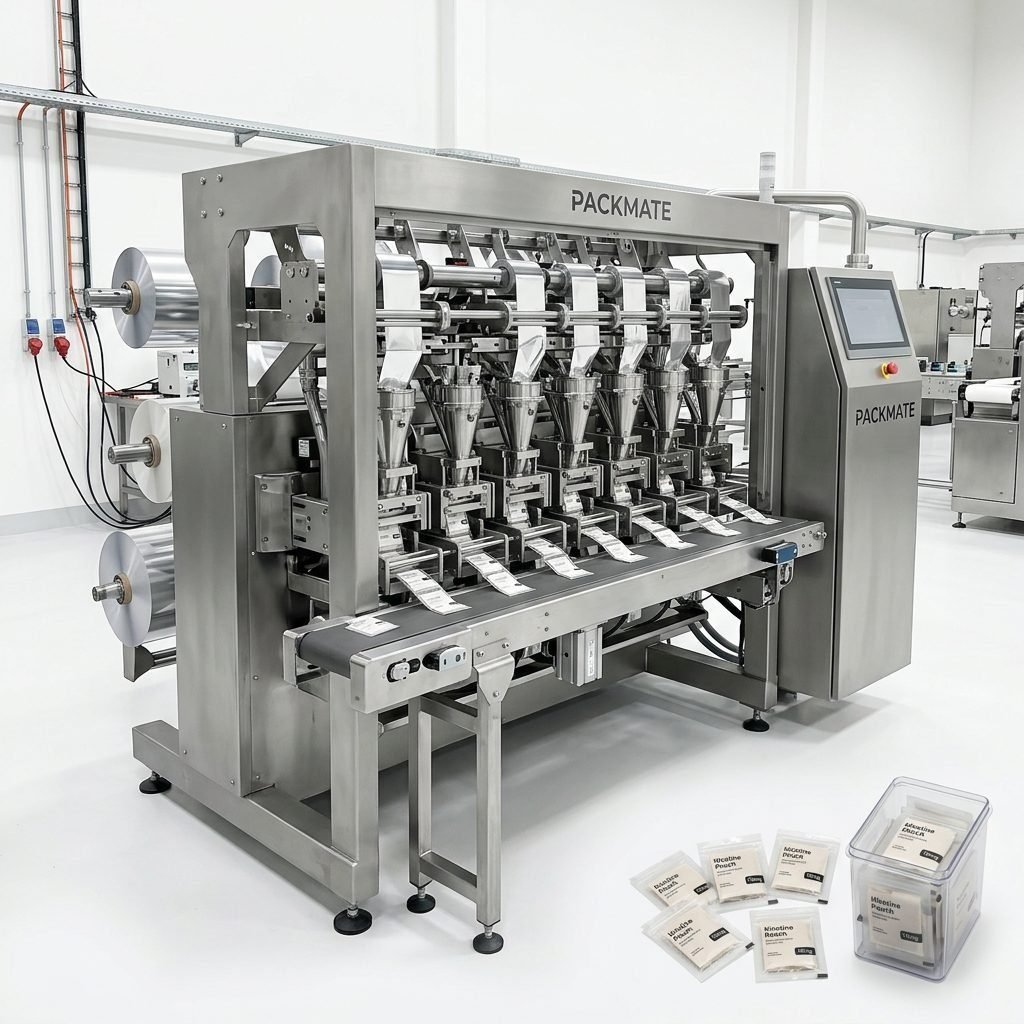
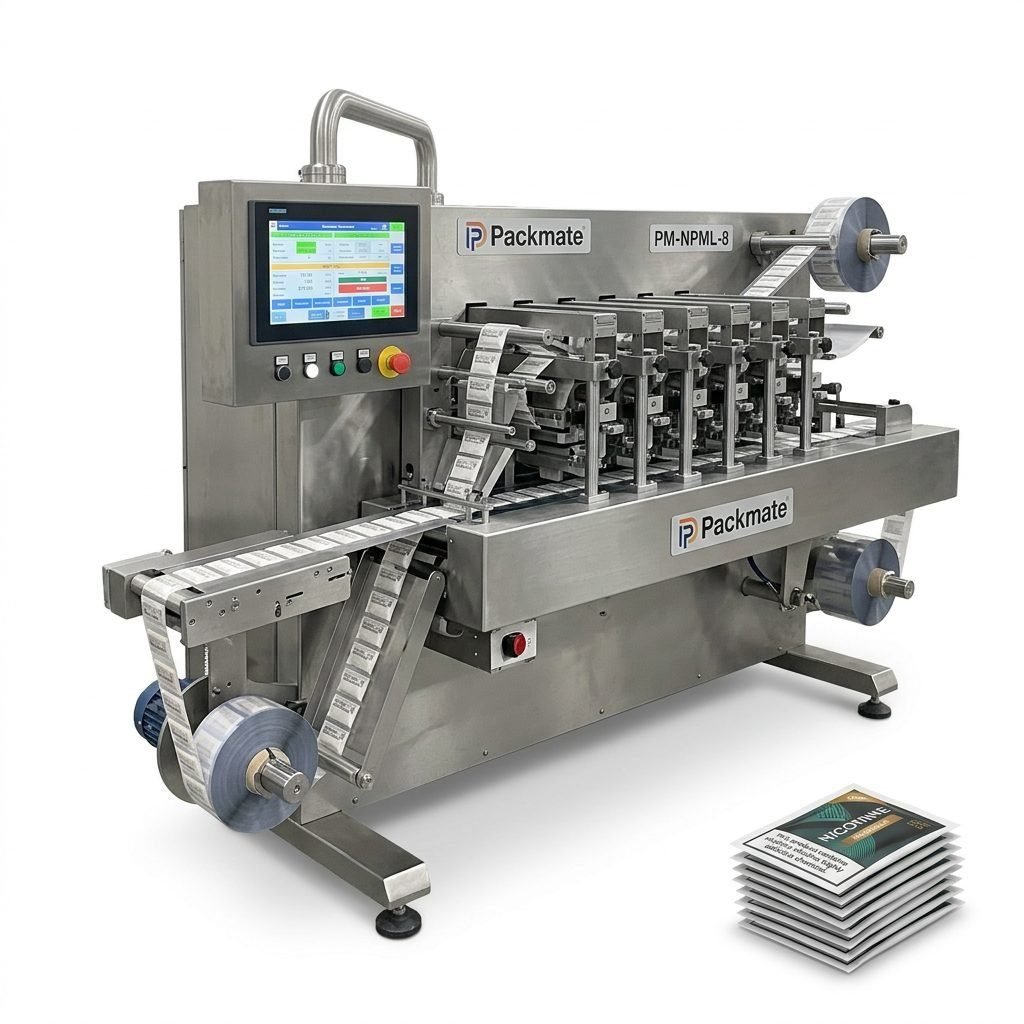
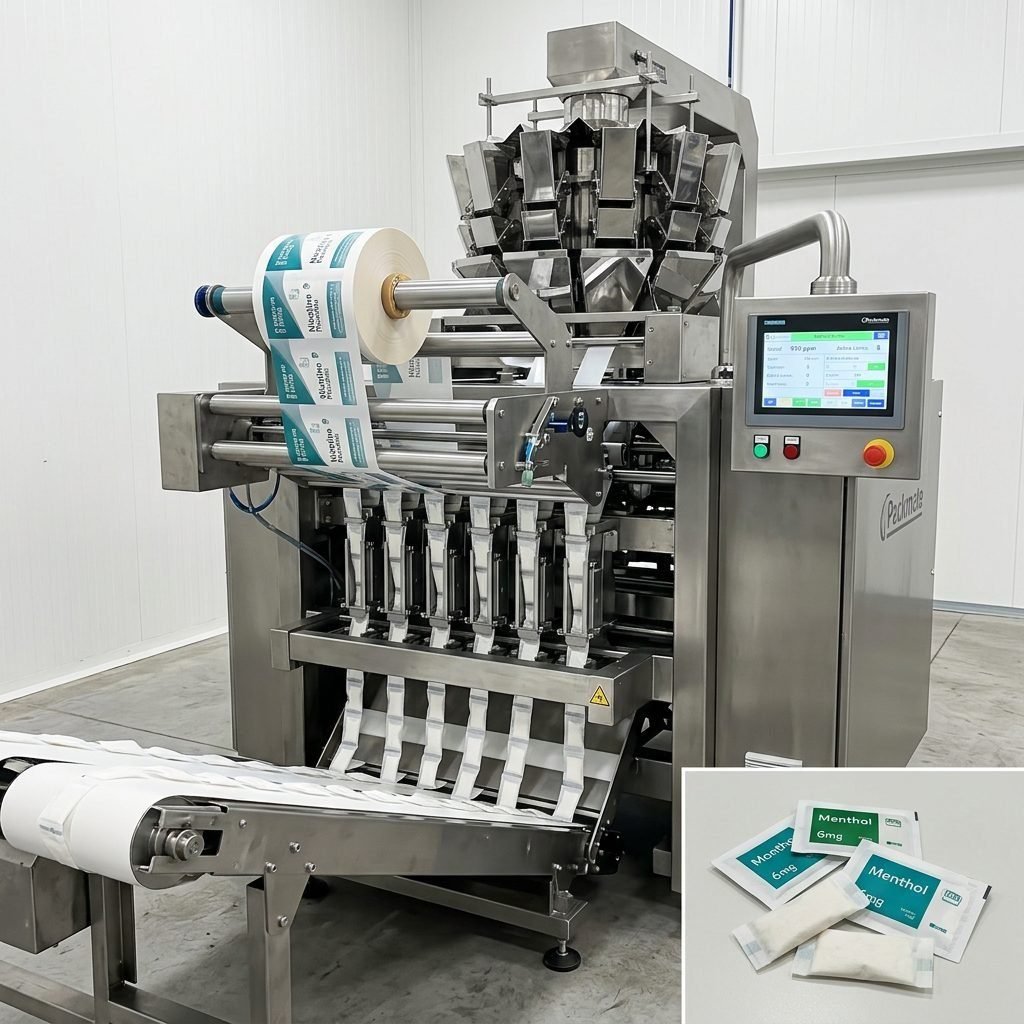
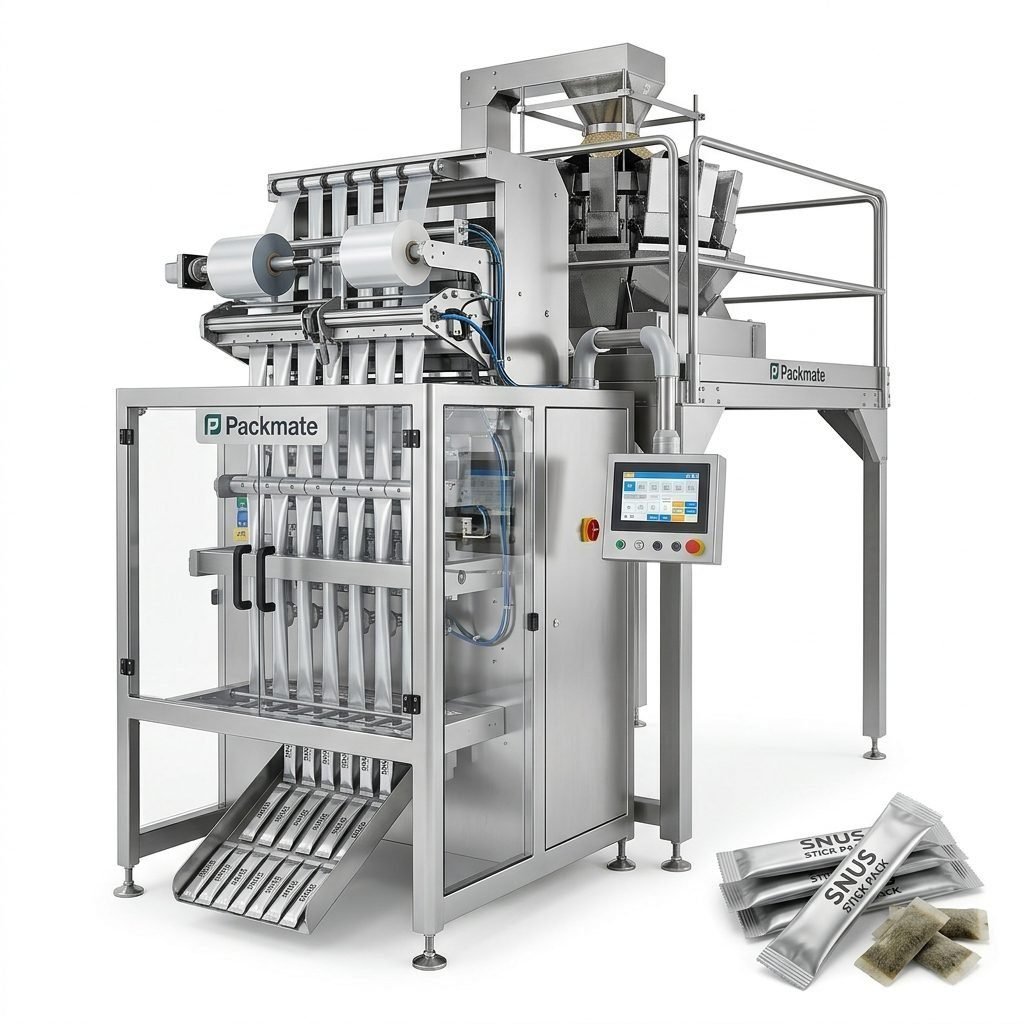
In today’s fast-moving consumer goods market, a reliable snus packaging machine can transform your production line from a bottleneck into a competitive advantage. This article explores efficient automatic portion packing solutions for snus and nicotine pouches, helping manufacturers choose the right equipment, optimize throughput, and comply with global quality standards. Whether you produce small-dose pouches, sachets, or multi-lane packs, you will find practical guidance, real-world considerations, and actionable tips to plan and scale your packaging operations.
Why Choose Automated Snus Packaging?
Automated packaging is no longer a luxury — it’s a necessity for manufacturers who need consistent product quality, traceability, and cost-efficiency. An automated snus packaging machine reduces manual handling, minimizes contamination risks, and increases repeatability for each portion packed. Key benefits include:
Higher throughput ⚙️ — Machines can run multiple lanes at high speed, dramatically increasing daily output.
Consistent portion control 📦 — Precision dosing systems ensure each pouch contains the right amount, reducing waste and improving customer trust.
Reduced labor costs 🔧 — Automation cuts repetitive manual tasks and reallocates staff to higher-value activities.
Core Components of a Snus Packaging Machine
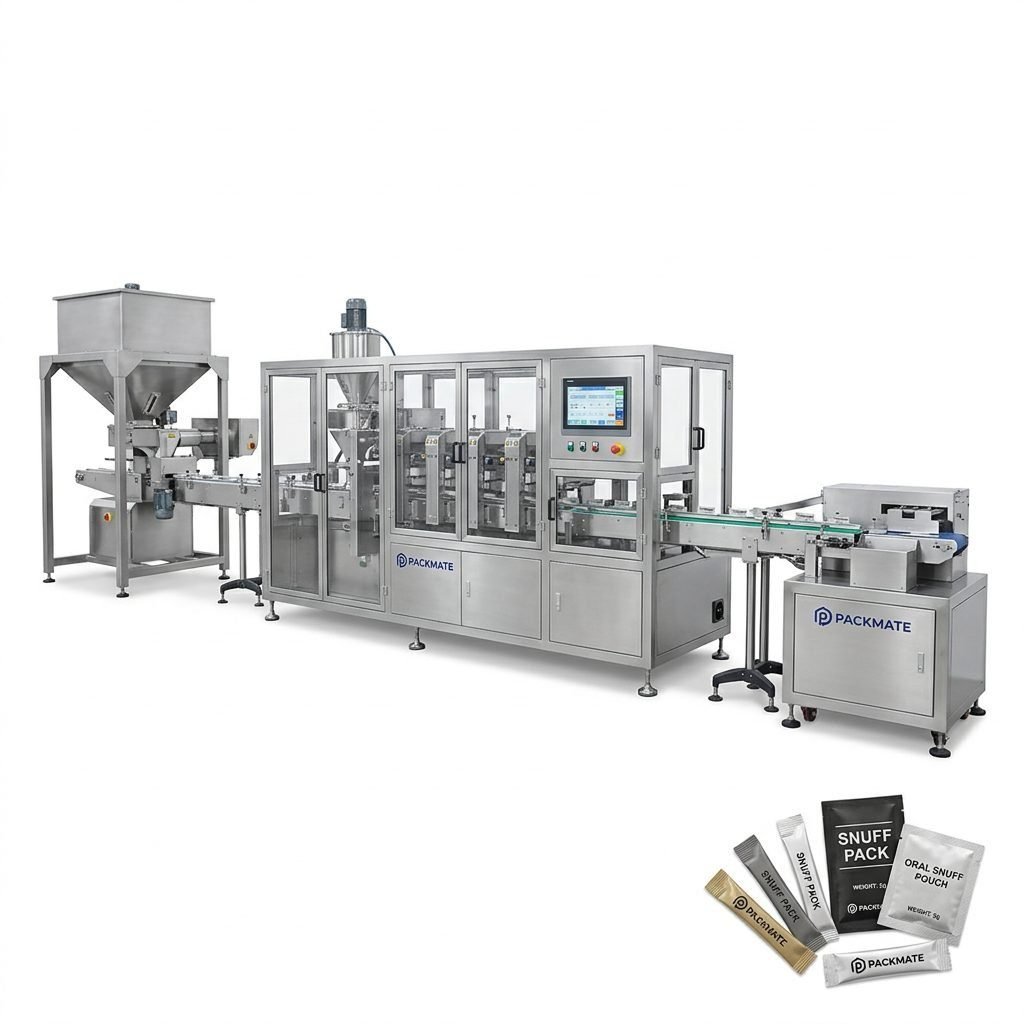
A modern snus packaging line integrates multiple subsystems to form a turnkey solution. Understanding these components helps you specify the right machine for your process:
1. Feeding and Dosing System
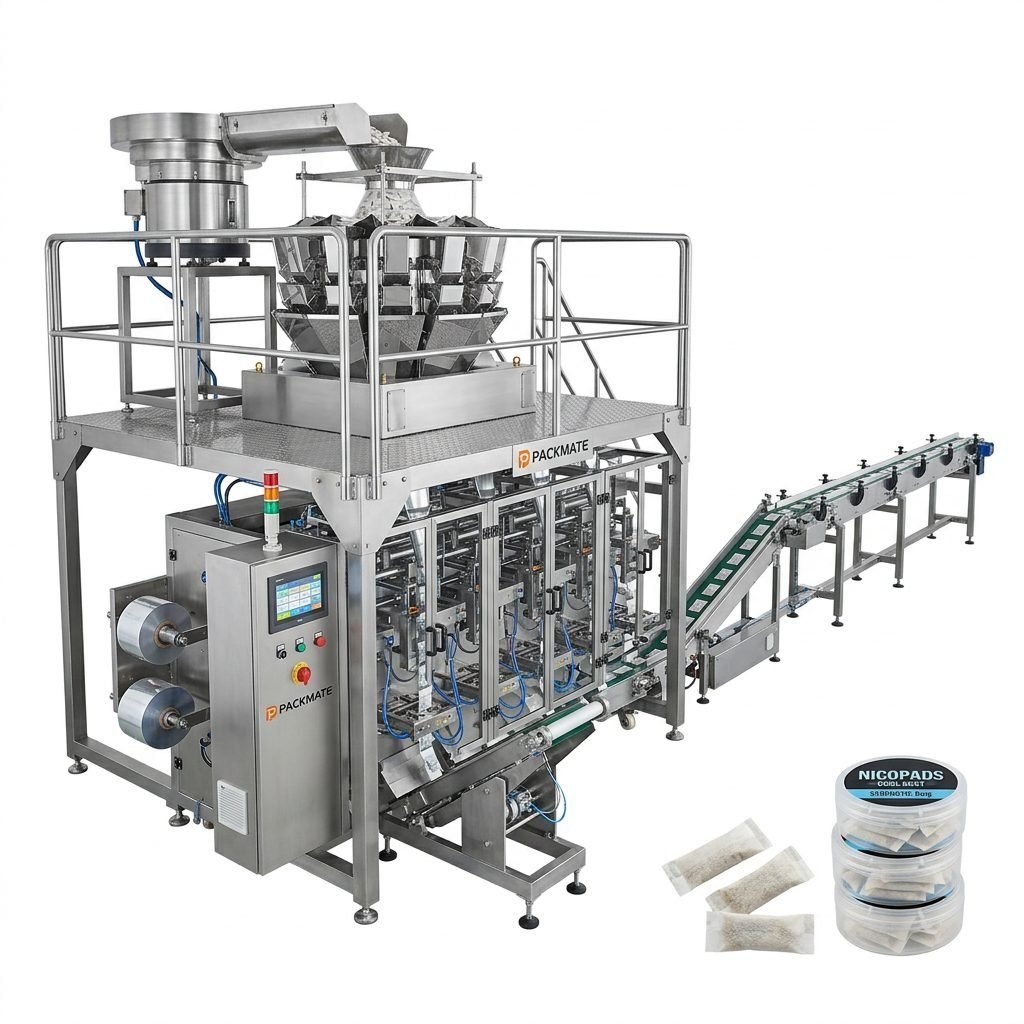
Accurate feeding and dosing are critical for small-dose products like nicotine pouches. High-precision weighers, vibratory feeders, or auger fillers can be selected depending on product characteristics (powder, granule, or wet blend). For multi-lane systems, synchronized dosing ensures uniform fill across each lane.
2. Form-Fill-Seal (FFS) and Pouch Handling
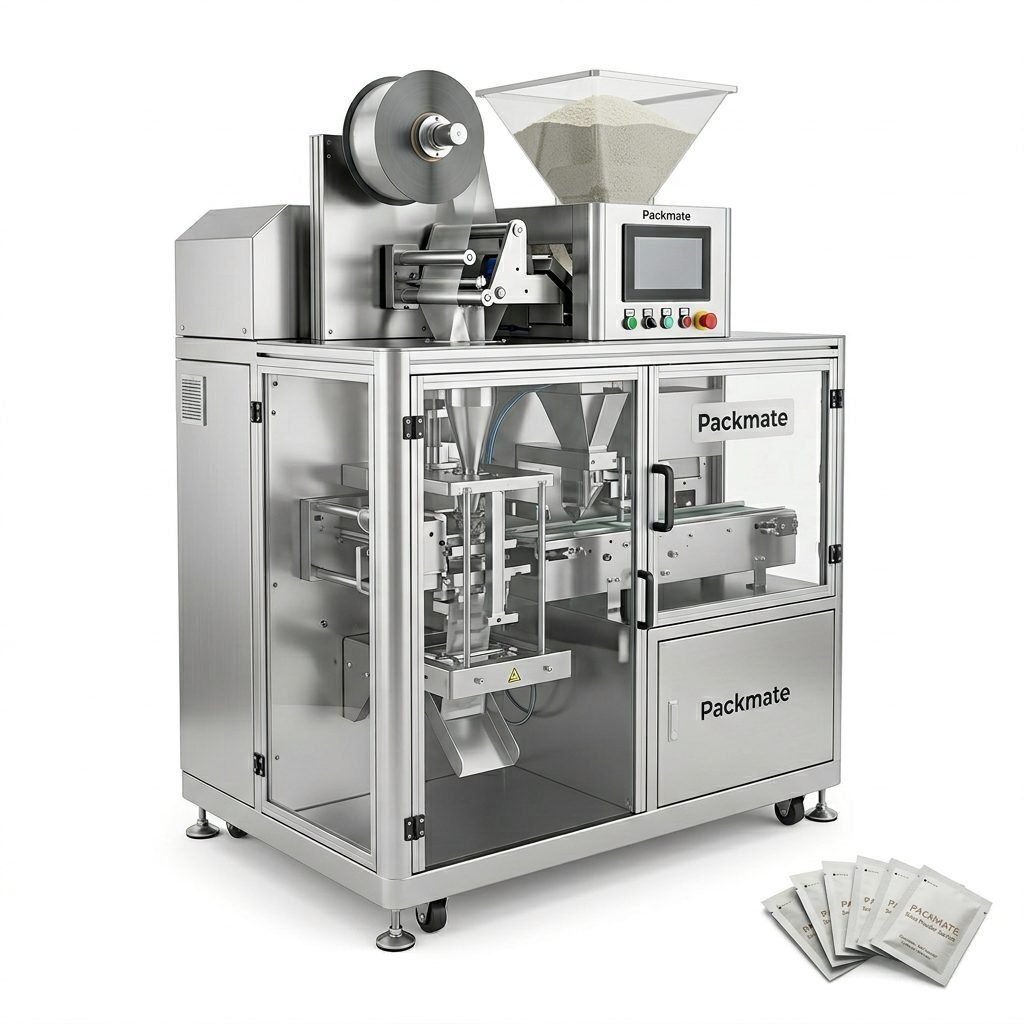
The FFS mechanism shapes the pouch, fills it with the measured portion, and seals it. Machines may support sachets, stick packs, or discrete portion pouches with heat-seal or ultrasonic sealing options. Robust conveyor design and gentle handling protect product integrity and presentation.
3. Multi-Lane Synchronization
Multi-lane configurations multiply output without increasing footprint proportionally. Synchronization electronics and servo-controlled axes keep timing precise across lanes so that every pouch is formed, filled, and sealed identically.
4. Quality Control & Traceability
Vision systems, metal detection, checkweighers, and batch coding units are commonly integrated to ensure regulatory compliance and product safety. Data logging and MES connectivity enable lot traceability and support audits.
Selecting the Right Machine: Key Considerations
Choosing an appropriate snus packing machine depends on production goals, product characteristics, and compliance needs. Consider the following factors before committing to a purchase:
Production Volume & Throughput Targets
Define your daily and peak production targets. Machines can be single-lane for low-volume start-ups or multi-lane for high-volume operations. Factor in future growth so your investment scales with demand.
Product Format Flexibility
If your line needs to handle different pouch sizes, shapes, or materials, choose a modular machine that enables quick changeovers. Some suppliers offer conversion kits to switch between stick packs, sachets, and portion pouches.
Material Compatibility & Sealing Technology
Film type, barrier requirements, and sealing method influence machine selection. Heat-seal, ultrasonic, and cold-seal options each suit different film laminates and regulatory environments. Test with your actual packaging material before finalizing specs.
Tip: Request trial runs or demonstrations with your product to verify fill accuracy, seal integrity, and visual appearance.
Installation, Commissioning & After-Sales Support
A reliable supplier offers not only machines but also on-site commissioning, training, and long-term service. Consider suppliers with proven experience in snus and nicotine pouch markets, international certifications, and spare-parts availability.
Factory Acceptance Test (FAT) and Site Acceptance Test (SAT)
Insist on a FAT at the factory and an SAT at your site. These tests validate machine performance and allow your team to learn operation and maintenance procedures before full production.
Training & Documentation
Comprehensive operator and maintenance training reduce downtime. Good documentation, including electrical schematics, PLC programs, and spare parts lists, enhances self-sufficiency.
Compliance and Certifications
Global markets expect CE, ISO, and other local certifications depending on region and application. Machines used in consumable packaging must meet hygiene and safety standards — choose vendors who can demonstrate compliance and provide necessary certificates.
Case Studies and Proven Outcomes
Real-world cases show how robust design and engineering translate to production gains. Packmate’s experience across Europe, Asia, and the Americas demonstrates the value of combining multi-lane systems with precise dosing for small-dose pouch production. For examples of installed lines and performance metrics, review customer case studies and exhibition demonstrations.
Explore project examples and performance summaries: Case
Modular Solutions: From Filling to Secondary Packaging
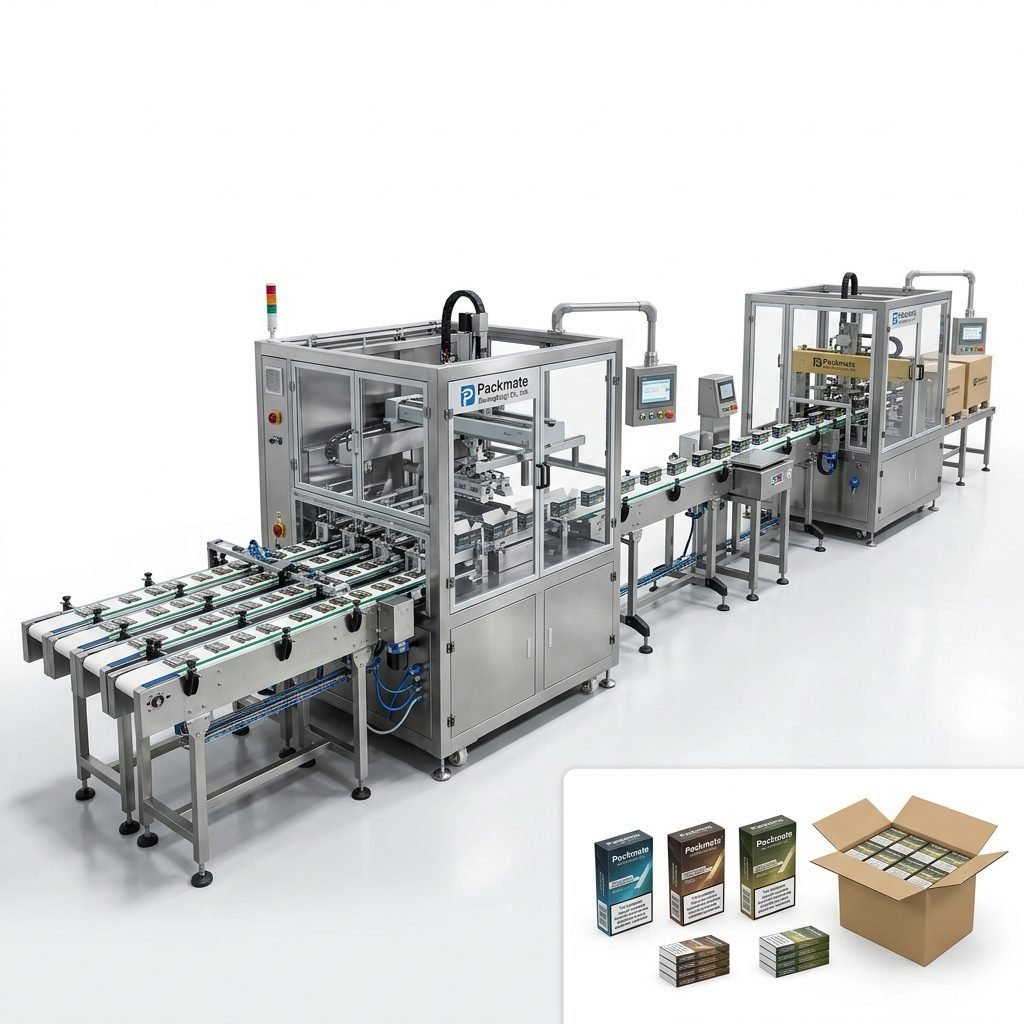
A full packaging solution includes primary pouch filling and secondary processes like cartoning, shrink-wrapping, and case packing. Modular lines allow you to add or upgrade modules like weighing systems, labeling, or serialization to meet evolving regulatory or market needs.
Auxiliary Equipment
Auxiliary machines such as feeders, conveyors, and buffer stations help maintain a continuous flow and reduce changeover times. Visit auxiliary equipment pages to see compatible modules and accessories.
Related resources: Auxiliary Packaging Equipment
Maintenance Best Practices
Preventive maintenance is essential to sustain uptime. Implement scheduled inspections for wear items (seals, belts, bearings), keep spare kits on hand, and follow lubrication and cleaning schedules. A documented maintenance plan reduces emergency repairs and keeps OEE high.
Maintenance Checklist: daily cleaning, weekly seal inspection, monthly calibration of weighing systems, quarterly PLC backup.
Customization and Turnkey Projects
Manufacturers often require tailored solutions that match product specs, plant layout, and regulatory demands. Reputable suppliers offer turnkey services from initial layout and engineering to installation and training. When considering customization, evaluate supplier engineering capacity, factory size, and machining capabilities to ensure they can deliver quality results on schedule.
Learn more about turnkey packaging lines and machine families: Snus & Nicotine Packaging Machines | Sachet & Stick Pack Machines
Cost of Ownership and ROI Considerations
Upfront equipment cost is only one part of the equation. Include installation, commissioning, spare parts, energy use, and labor savings when calculating total cost of ownership. Faster changeovers, reduced waste, and higher yields deliver ROI over months to a few years depending on utilization and volume.
Choosing a Reliable Supplier
When evaluating suppliers, prioritize these attributes:
- Proven industry experience and production capacity
- Comprehensive testing and quality control (CE/ISO)
- Global service network and spare parts availability
- Transparent documentation and training programs
For company background, certifications, and exhibition presence, visit the official profile: About Packmate and Certificate.
Deployment Timeline: From Order to Production
Typical timelines vary by complexity:
Standard Machine
Lead time: 8–12 weeks. Includes manufacturing, FAT, shipping, installation, and SAT.
Customized Turnkey Line
Lead time: 12–24 weeks depending on customization, approvals, and integration of auxiliary equipment.
Common Challenges & Troubleshooting
Manufacturers often face operational challenges during ramp-up. Common issues include film wrinkles, inconsistent fill, and seal failures. These are typically addressed through machine adjustments, material testing, and operator training. Remote support and quick spare part delivery accelerate resolution.
How to Request a Quote and Next Steps
To get an accurate quotation, prepare the following details: product description, target throughput, pouch dimensions, film type, desired automation level, and site electrical specifications. Suppliers will often propose machinery options, layout drawings, and budgetary cost estimates.
Contact the sales team and request a catalog and machine datasheets: Catalog | Contact Us
Final Reminder: Validate machine performance with product trials and request full documentation for regulatory compliance before deployment.
Frequently Asked Questions
1. What throughput can a multi-lane snus packaging machine achieve?
Throughput varies with lane count, pouch size, and dosing speed. Typical multi-lane systems can increase output several times compared to single-lane equipment. Suppliers will provide per-minute pouch rates during FAT based on your product.
2. Can the machine handle different pouch formats and materials?
Many machines are modular and support quick changeovers between sachets, stick packs, and portion pouches. Compatibility depends on sealing technology and film laminate; testing is recommended.
3. What certifications should I expect for export markets?
CE and ISO certifications are commonly required for European markets. Other regions may need additional compliance or safety documentation. Your supplier should provide relevant certificates and support.
4. How is after-sales service typically managed?
Reputable vendors offer on-site commissioning, remote troubleshooting, spare parts supply, and scheduled maintenance programs. Verify service response times and local support channels during selection.
5. Where can I see machines in action?
Attend industry exhibitions or request demonstration videos and factory visits. Many suppliers also host live demos and present case studies documenting installed lines and performance data.
For deeper technical resources, product lines, and service offerings, explore related pages: Bag & Pouch Packaging Machines | Weighing & Packaging Systems | Service