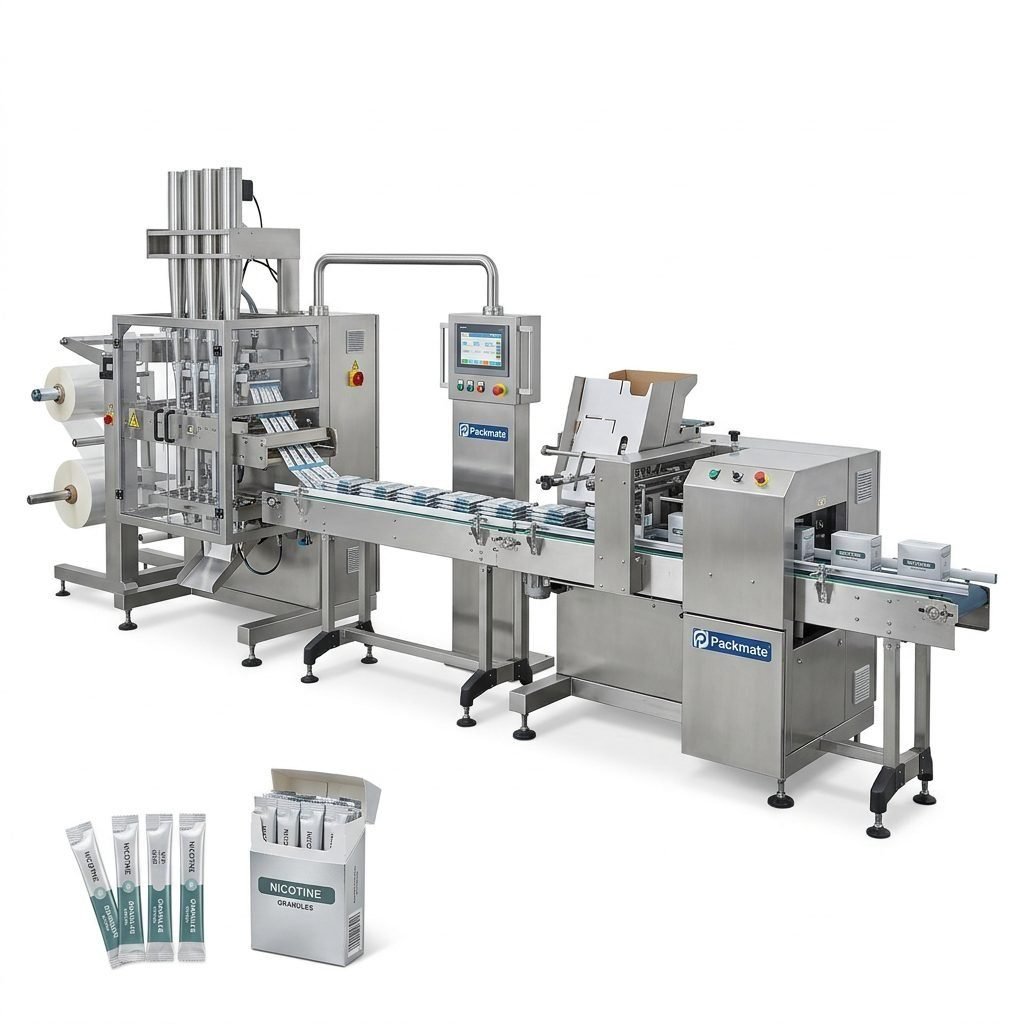
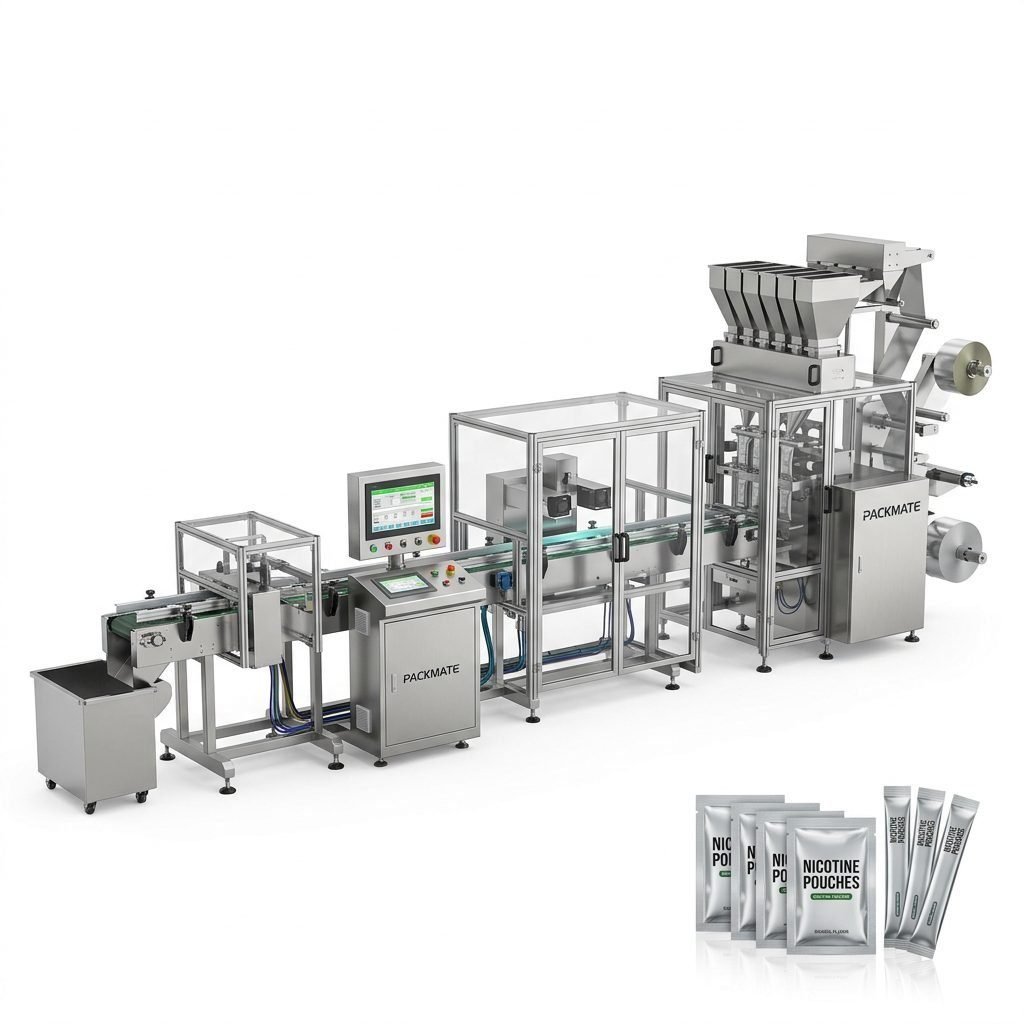
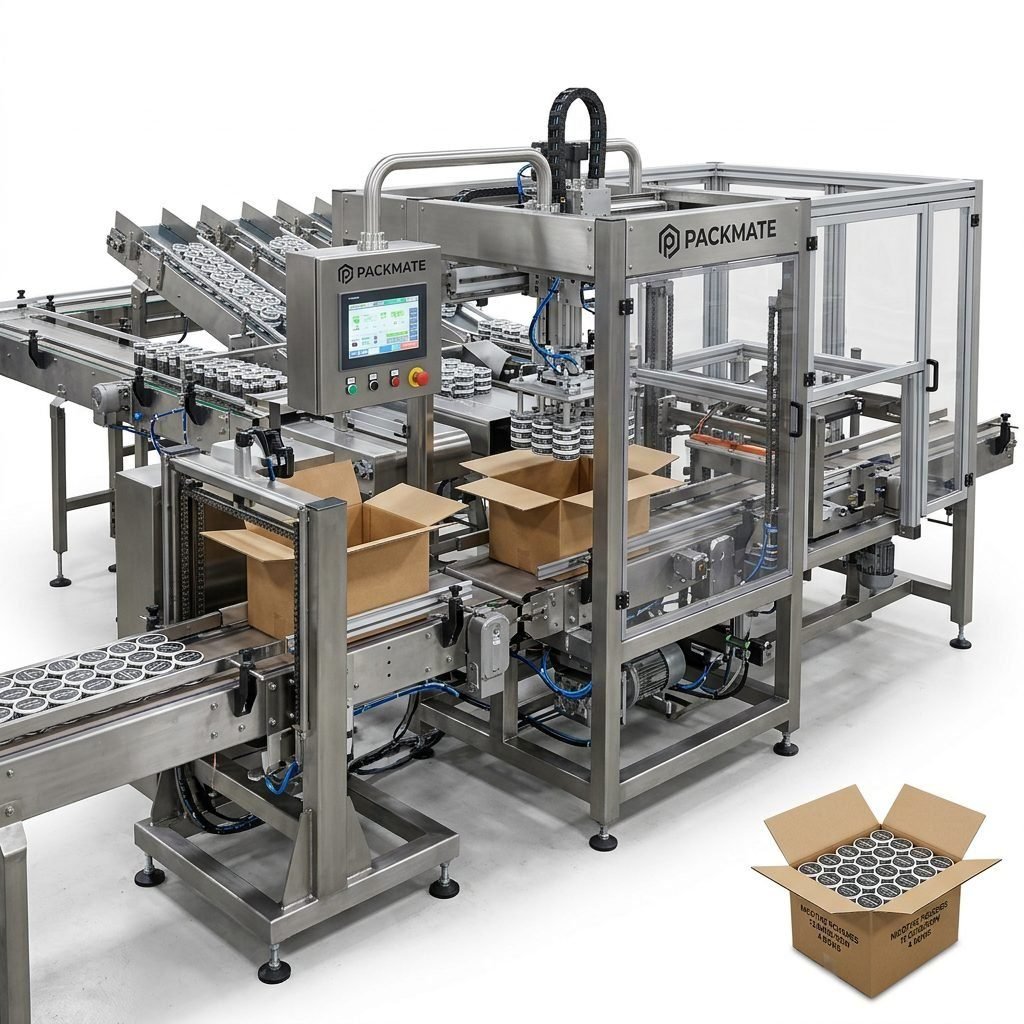
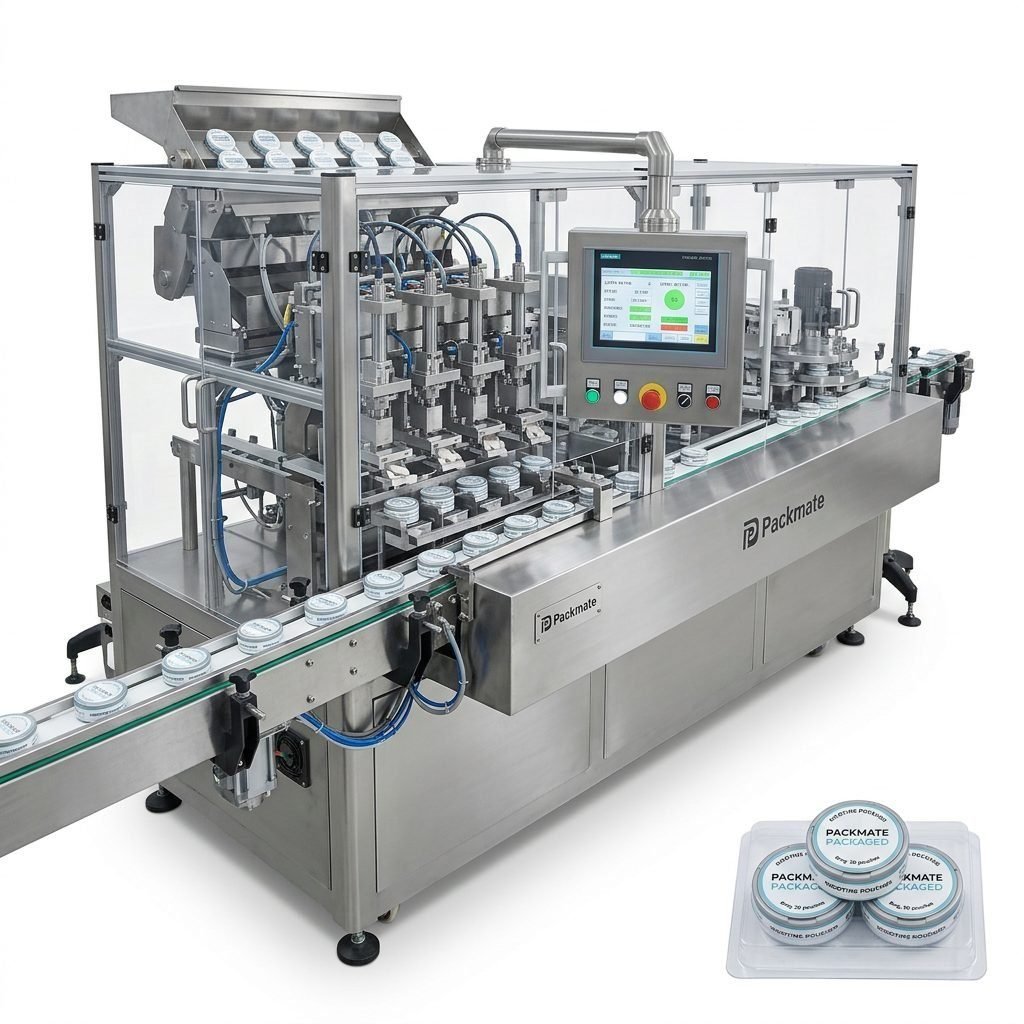
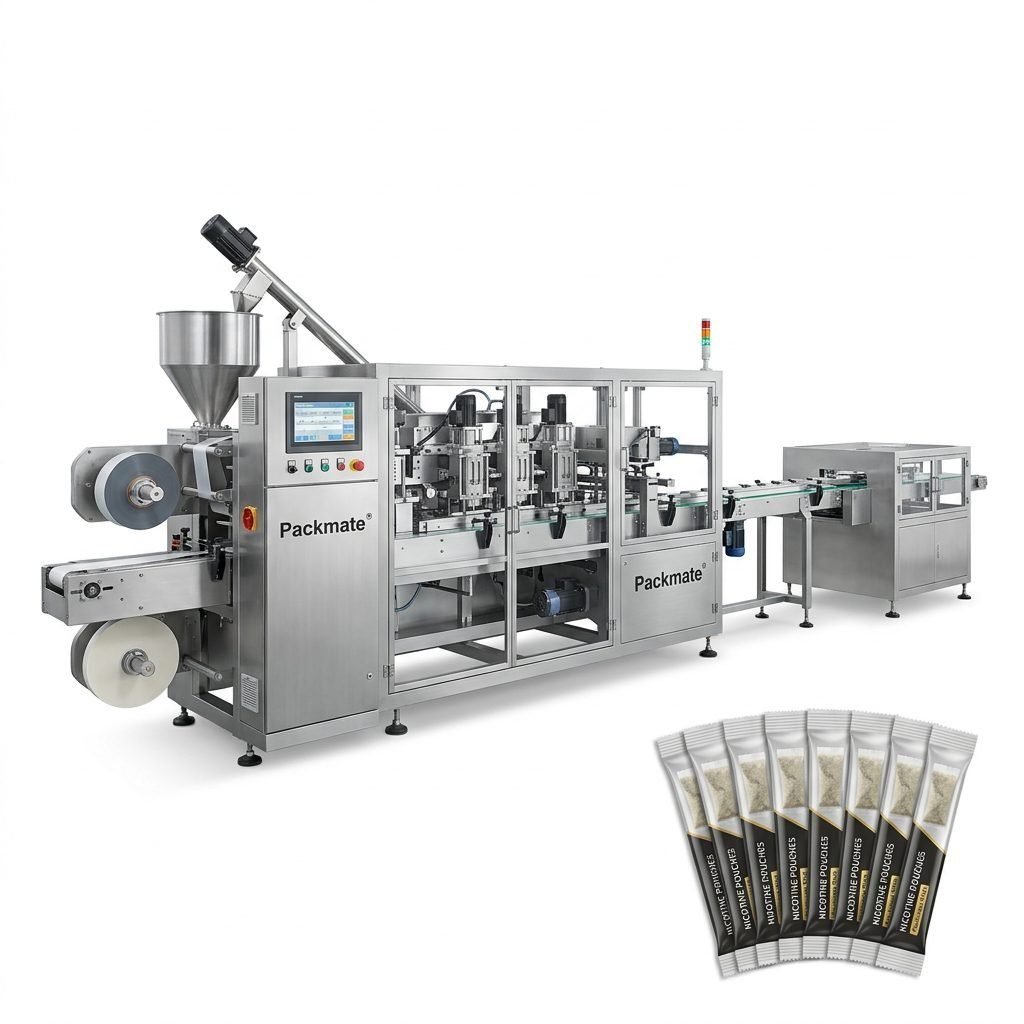
Choosing the right snus packaging machine in Yemen requires balancing technical performance, regulatory compliance, and after-sales support. This guide walks you through the practical factors every buyer should evaluate — from machine type and production capacity to installation, customs logistics, and long-term service considerations. Whether you are a start-up entering the nicotine pouch market or an established processor upgrading production, these insights will help you make a confident decision.
Understand Your Product and Packaging Format ⚙️
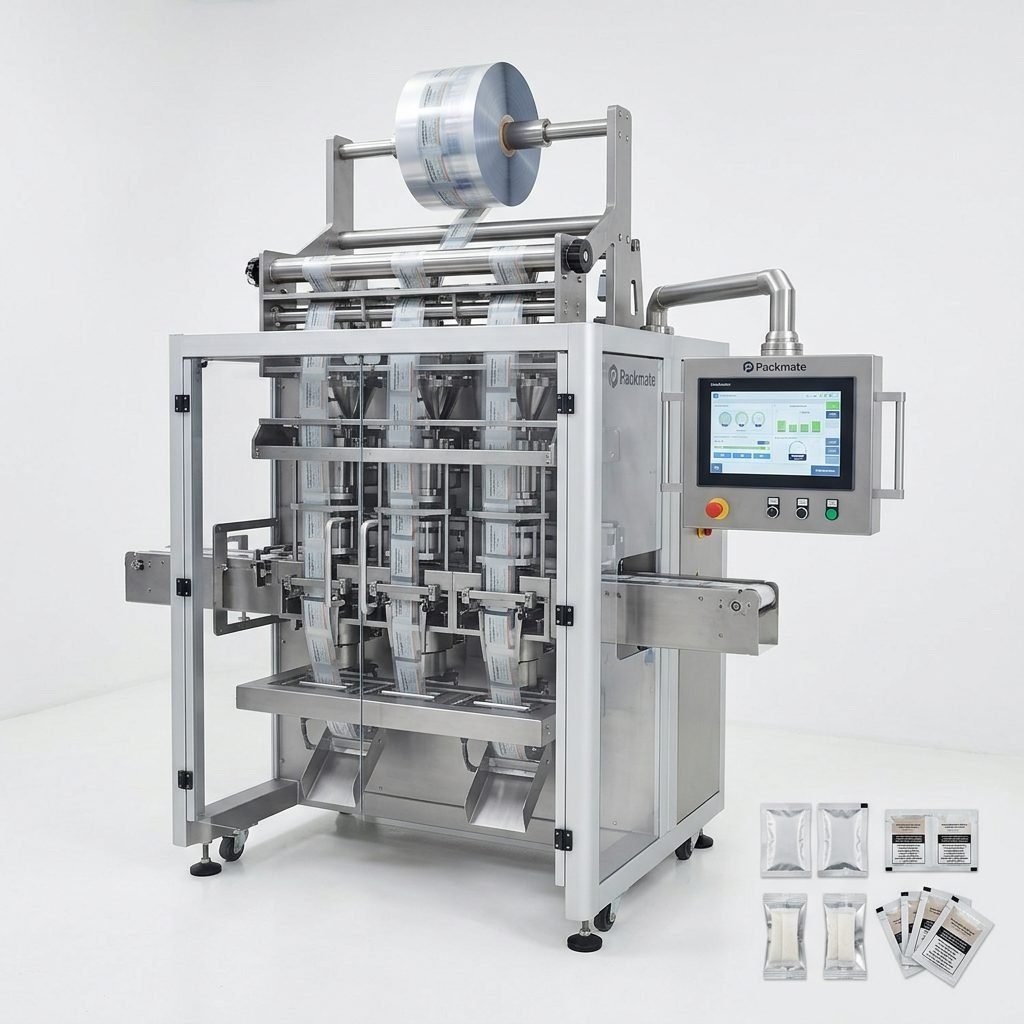
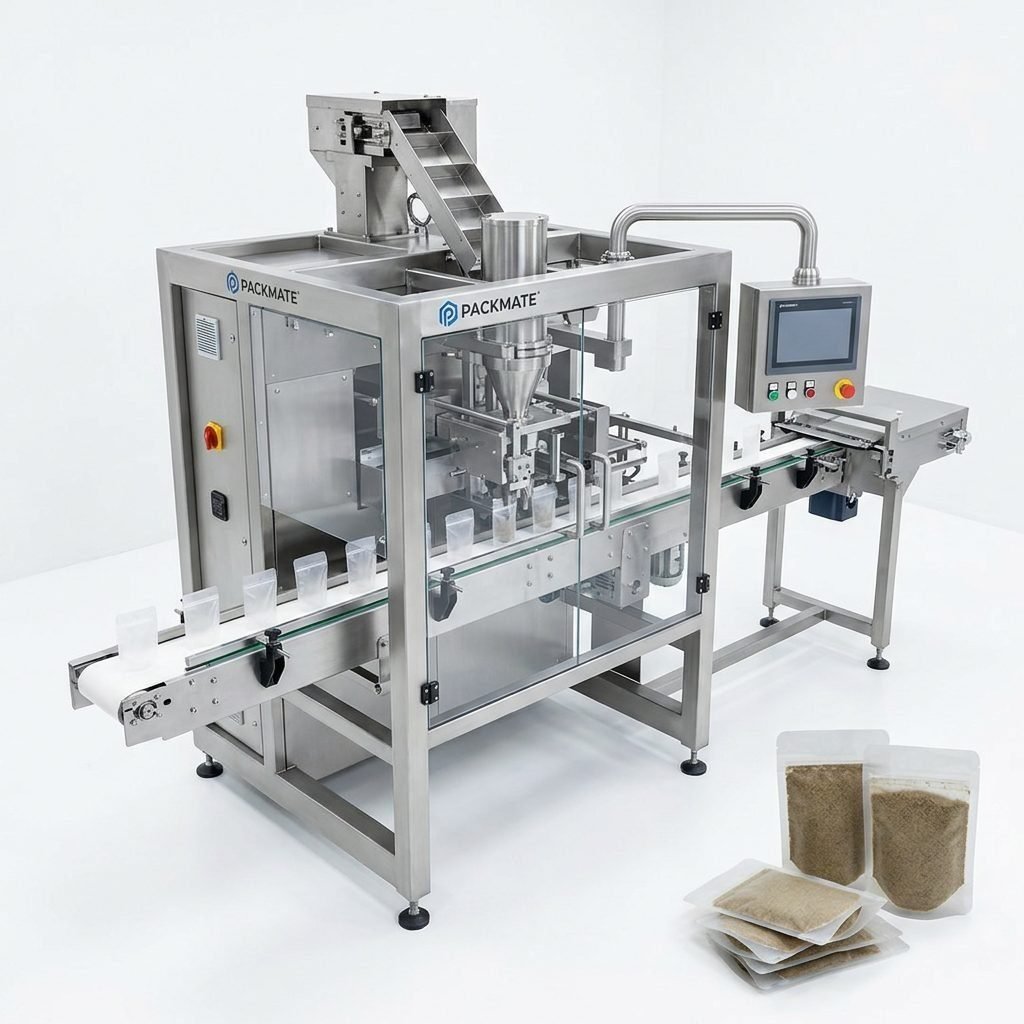
Start by clarifying exactly what you need to package. Snus and nicotine pouches come in multiple formats — single-dose sachets, multi-lane pouch strips, stick packs, and resealable pouches. Each format demands different filling, sealing, and forming technologies. For example, multi-lane systems are ideal for high-volume production of small-dose pouches, while stick pack or sachet machines may be better for single-serve retail packs.
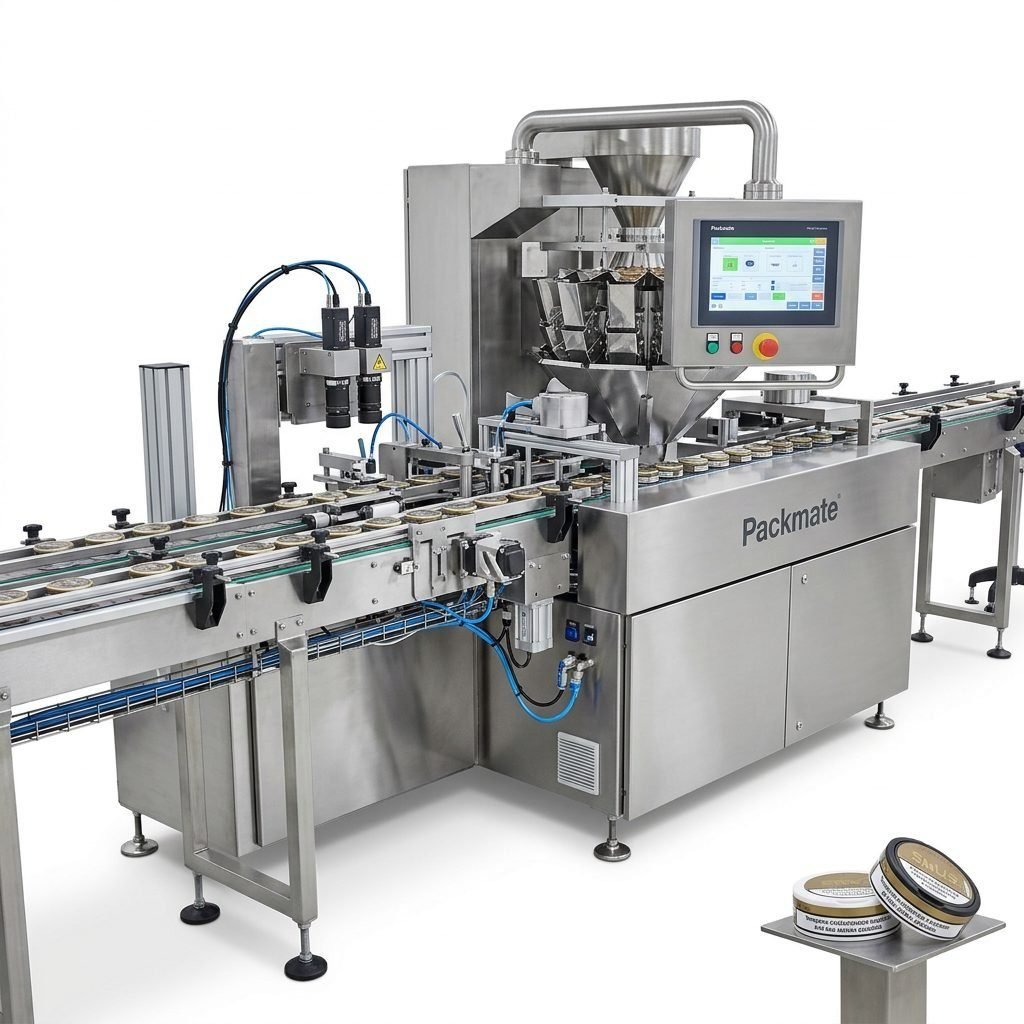
If your product contains powders, granules, or micro-pouches, ensure the chosen machine supports accurate metering and gentle handling to protect product integrity. For a quick look at specialized solutions, review specialized lines such as the manufacturer’s Snus & Nicotine Packaging Machines and Bag & Pouch Packaging Machines.
Production Capacity and Line Speed 📦
Match machine throughput with realistic production targets. Capacity is commonly measured in pouches per minute (ppm) or packs per minute. Consider peak demand, future expansion, and shift patterns in your facility. A machine that is slightly above your current needs offers room for growth, but avoid excessive overspecification that increases initial cost and complexity.
Key metric: Calculate your daily required output (target units per day) and include planned downtime, maintenance windows, and changeover time to determine the true required line speed.
Automation Level and Integration 🔧
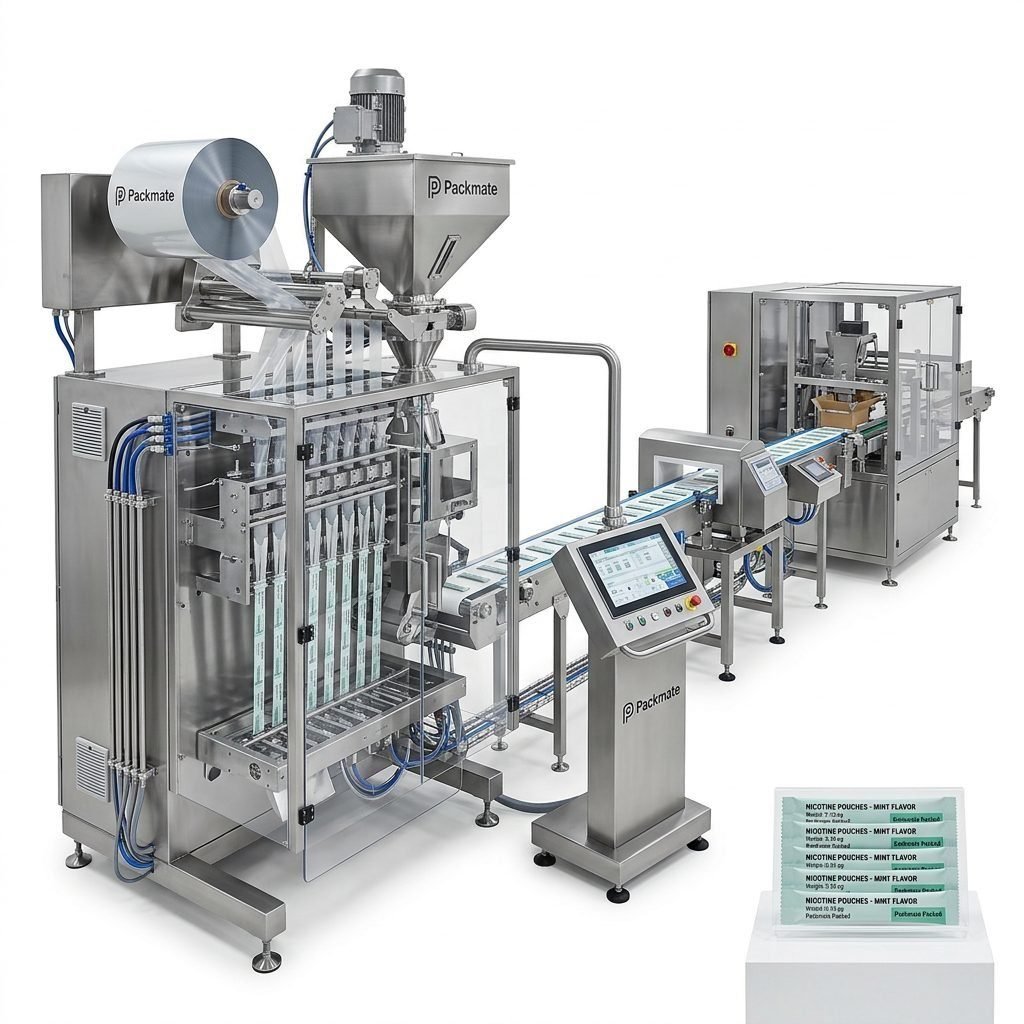
Automation options range from semi-automatic tabletop machines to fully automated turnkey production lines that include feeding, weighing, filling, sealing, labeling, and end-of-line packing. If you need a complete solution, consider integrated systems that combine filling & packaging lines with weighing & packaging systems to ensure synchronized throughput and quality control.
Fully automated setups reduce labor costs and improve consistency, but they need greater initial investment and technical expertise for maintenance. Evaluate whether your workforce can operate and troubleshoot advanced control systems or if you will rely on supplier support.
Hygiene, Materials, and Food-Safe Design 🧴
Materials that contact snus or nicotine pouches must be corrosion-resistant and easy to clean. Stainless steel (304/316) contact parts and hygienic machine frames minimize contamination risks and simplify washdown. Choose equipment with smooth surfaces, easy-access guards, and quick-release parts for cleaning.
If your product is sensitive, ask about machine options for controlled environments and CIP (clean-in-place) compatibility. Certifications like CE and ISO indicate adherence to international manufacturing safety and quality standards.
Customization and Flexibility 🔁
Markets evolve rapidly. A supplier that offers modular designs and customization can help you adapt quickly to new packaging sizes, materials, or product recipes. Look for adjustable tooling, changeover kits, and software-configurable parameters that reduce downtime when switching SKUs.
Manufacturers with a broad portfolio — including Sachet & Stick Pack Machines and auxiliary packaging equipment — can often provide matching ancillaries like conveyors, cartoners, and case packers for a smoother integration.
Quick checklist (choose a machine if it):
– Matches your pouch format and product characteristics
– Offers required throughput with headroom
– Provides hygienic design and easy sanitization
– Supports reliable spare parts and local service
Supplier Reputation and After-Sales Service 🌐
In Yemen, local technical service and a dependable spare parts pipeline are critical. Prioritize suppliers with proven global deployments and a clear service network. Packmate, for instance, emphasizes global turnkey solutions and international exhibition presence, providing confidence that they support installations worldwide.
Ask for case studies or references in similar climates and regulatory environments. Check whether the manufacturer provides installation, operator training, commissioning, and long-term maintenance contracts.
Warranty, Spare Parts, and Training
A practical warranty, guaranteed spare parts availability, and documented training reduce the risk of prolonged downtime. Confirm lead times for critical components and whether the supplier can pre-package spare kits tailored to your machine model.
Certifications, Compliance, and Local Regulations 🏷️
Snus and nicotine pouch products face stringent regulatory scrutiny in many markets. Although Yemen’s local regulations may differ, international certifications such as CE and ISO indicate the equipment meets recognized safety and quality standards — which simplifies future exports.
Verify electrical specifications, safety interlocks, and labeling compliance. If you plan to export, ensure the machine documentation supports audits and regulatory submissions.
Power, Climate, and Installation Site Considerations ⚡
Yemen’s electrical supply and ambient conditions vary by region. Determine whether your location has stable three-phase power, or if voltage stabilizers and UPS systems are needed. High temperatures, dust, and humidity may require additional protective measures such as filtration, air conditioning for control cabinets, or upgraded bearings and seals.
Also confirm floor loading capacity, ceiling height for infeed/outfeed conveyors, and clearances for maintenance access.
Logistics, Shipping, and Customs for Yemen 🚢
Plan shipping routes, packaging for long transit, and any required export documentation. Heavy machinery often ships in crates or containers; check if disassembly or special packing is needed. Work with freight forwarders experienced in Yemeni import processes and customs clearance to avoid delays and unexpected costs.
Ask the supplier about export packing lists, certificates of origin, and machine manuals in English (or your preferred language) to facilitate customs inspections.
Price vs Total Cost of Ownership (TCO) 💰
The purchase price is only one component. Factor in installation, spare parts, consumables, energy consumption, training, and expected maintenance. A slightly higher upfront cost for a robust, energy-efficient machine can deliver better ROI through reduced downtime and lower operating expenses.
Create a 3-5 year TCO projection to compare machines fairly. Include expected depreciation, maintenance intervals, and potential productivity gains from automation.
Procurement negotiation tips:
– Request full quotations including installation and spare parts
– Ask for factory acceptance test (FAT) videos and documentation
– Negotiate training days and initial spare kit inclusion
Factory Acceptance Test (FAT) and Site Acceptance Test (SAT) ✅
Insist on a FAT at the supplier’s facility to witness the machine running with your product or a close simulation. A thorough FAT demonstrates performance and helps define acceptance criteria. After installation, the SAT verifies that the machine performs as expected in your environment.
Document acceptance conditions: production speed, product quality parameters, sample retention, and alarm handling. Secure a signed report before releasing final payments.
Local Support, Spare Part Strategy, and Remote Diagnostics 🔍
Ask whether the supplier offers remote diagnostics and software updates. Remote monitoring can reduce downtime by quickly identifying faults. Establish a spare parts strategy: maintain a safety stock of wear parts and critical electronics to avoid long stoppages, especially given shipping times to Yemen.
Consider signing an annual support contract covering periodic maintenance visits and priority spare parts shipment.
Case studies & references
Prior purchasing decisions are strengthened by reviewing real implementations. Explore manufacturer case examples and exhibition demos to see how machines perform in diverse scenarios. For more information and real-world projects, check cases and product pages such as Filling & Packaging Lines and the company case portfolio.
Final decision framework (use this before signing):
1. Confirm product compatibility and desired formats.
2. Validate throughput against realistic production targets.
3. Verify hygienic design, certifications, and FAT documentation.
4. Ensure spare parts, training, and local support are available.
5. Assess TCO and negotiate a clear service level agreement.
Where to Learn More and Next Steps 🔗
If you want to explore tailored solutions, review detailed product categories and contact the supplier for a tailored consultation. Useful reference pages include:
– Snus & Nicotine Packaging Machines: https://www.snusmachinery.com/products/snus-nicotine-packaging-machines/
– Bag & Pouch Packaging Machines: https://www.snusmachinery.com/products/bag-pouch-packaging-machines/
– Filling & Packaging Lines: https://www.snusmachinery.com/products/filling-packaging-lines/
– Contact the manufacturer: https://www.snusmachinery.com/contact-us/
Practical next steps
1. Prepare a specification sheet covering product type, pouch format, target capacity, and desired automation level.
2. Request quotes and FAT videos from multiple suppliers.
3. Evaluate TCO and support agreements.
4. Schedule a factory visit or remote demonstration where possible.
Conclusion
Selecting the right snus packaging machine for Yemen is a strategic decision that affects product quality, operational cost, and market responsiveness. Prioritize compatibility with your product, realistic throughput, hygienic design, and a supplier that offers reliable global support. A considered procurement process and a clear service plan will maximize uptime and return on investment.
Frequently Asked Questions
Q1: What machine format is best for small-dose nicotine pouches?
A1: Multi-lane pouch systems are often best for high-volume small-dose pouches because they combine high throughput with compact floor space and precise dosing.
Q2: How important is CE/ISO certification for packaging equipment?
A2: Certifications like CE and ISO indicate adherence to international safety and quality standards. They are important for export markets and provide assurance of basic safety and manufacturing quality.
Q3: What lead times should I expect for delivery to Yemen?
A3: Lead times vary with machine complexity and spare parts. Allow extra time for packing, shipping, customs clearance, and potential local modifications — discuss realistic timelines with the supplier.
Q4: Can I get remote support and diagnostics for complex machines?
A4: Many modern suppliers offer remote diagnostics, software updates, and online troubleshooting — confirm availability and security protocols before purchase.
Q5: How should I plan spare parts inventory for a packaging line in Yemen?
A5: Maintain an inventory of critical wear parts and electronic spares to bridge typical shipping times. Ask the manufacturer for a recommended spare parts kit tailored to your model.