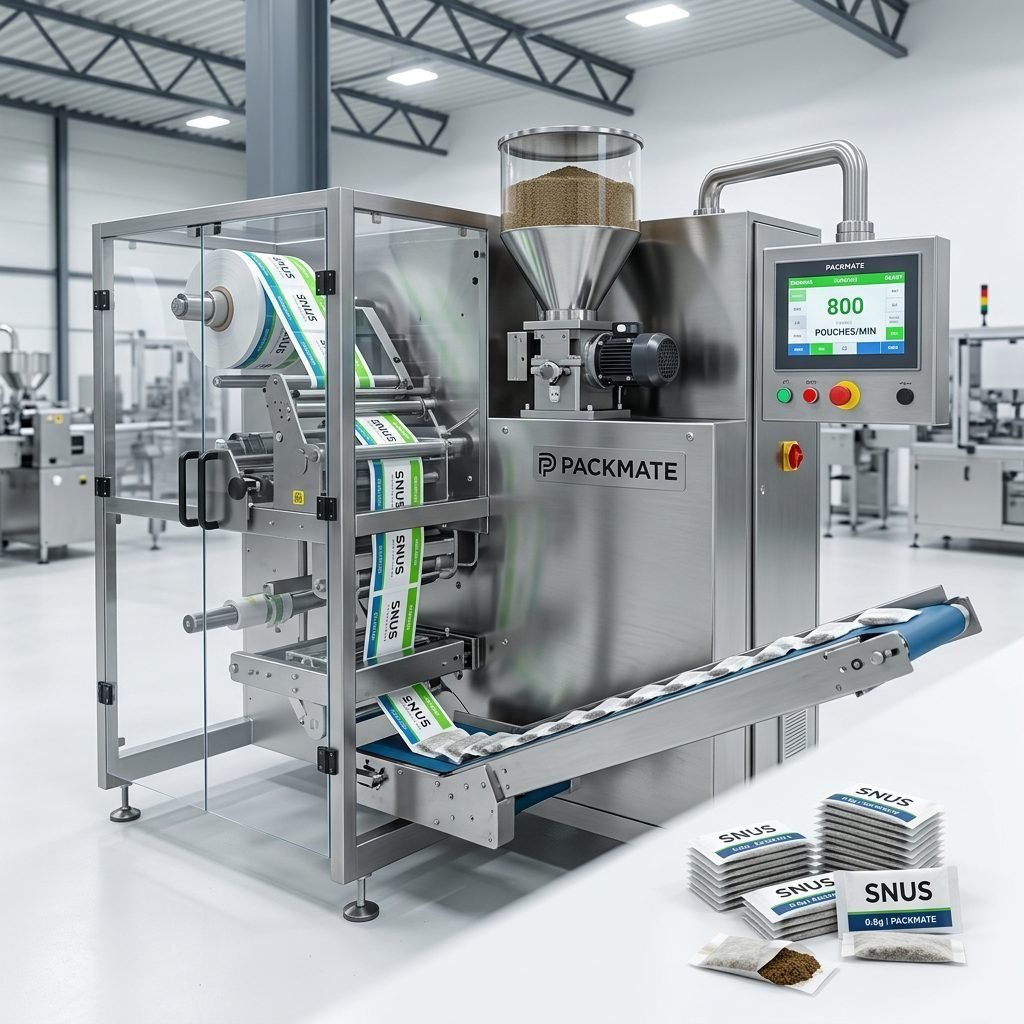
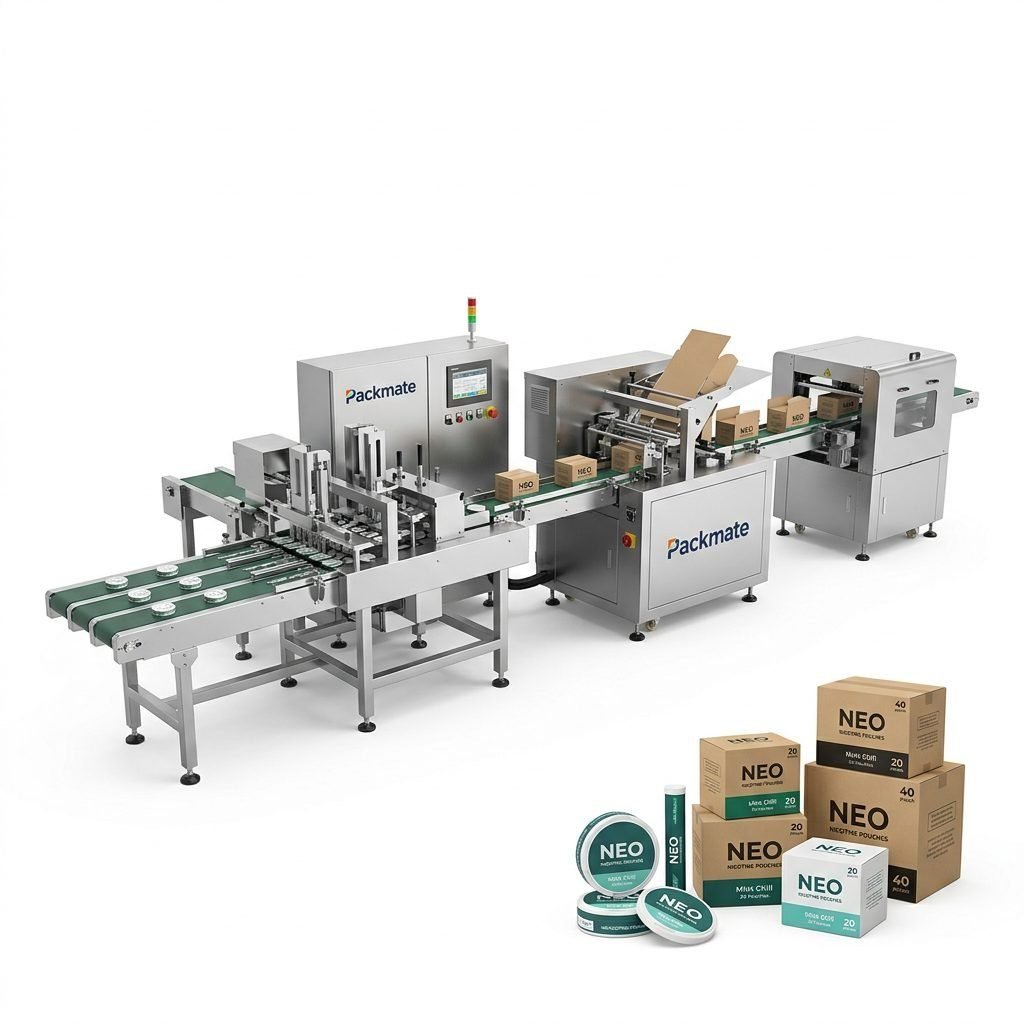
Choosing the right automatic snus packing solution for contract manufacturing is a strategic decision that affects product quality, production costs, regulatory compliance, and customer satisfaction. This guide walks contract manufacturers through the critical factors to evaluate when selecting a snus machine, with practical tips on capacity planning, machine configuration, quality controls, and supplier selection. Whether you are scaling an existing snus line or launching a new nicotine pouch brand, this article will help you make a confident, ROI-driven choice.
Understand Your Production Requirements First
Start by specifying the most important production parameters for your contract manufacturing customers: expected annual volume, peak daily throughput, number of SKUs, pouch formats (loose-fill pouch, stick pack, sachet, multi-lane pouches), target cycle times, and acceptable changeover windows. These inputs determine whether you need a high-speed multi-lane line or a flexible single-lane solution.
For example, if customers demand multiple small-batch SKUs with frequent changeovers, prioritize machines with fast tool-free or quick-change tooling and user-friendly recipe management. If you must meet high-volume contracts with long production runs, focus on machines with high uptime, redundancy, and robust feeding systems.
Key Technical Criteria to Compare
Choosing a snus machine requires a careful look at technical capabilities. Below are the non-negotiable items contract manufacturers should evaluate:
1. Filling Accuracy & Dosing Flexibility
Filling consistency directly affects regulatory compliance, weight control, and product costs. Look for machines that support precise volumetric or gravimetric dosing with tight tolerances and integrated weighing or feedback loops. Accurate dosing minimizes giveaway and ensures each nicotine pouch meets label claims.
2. Multi-Lane vs Single-Lane Architecture
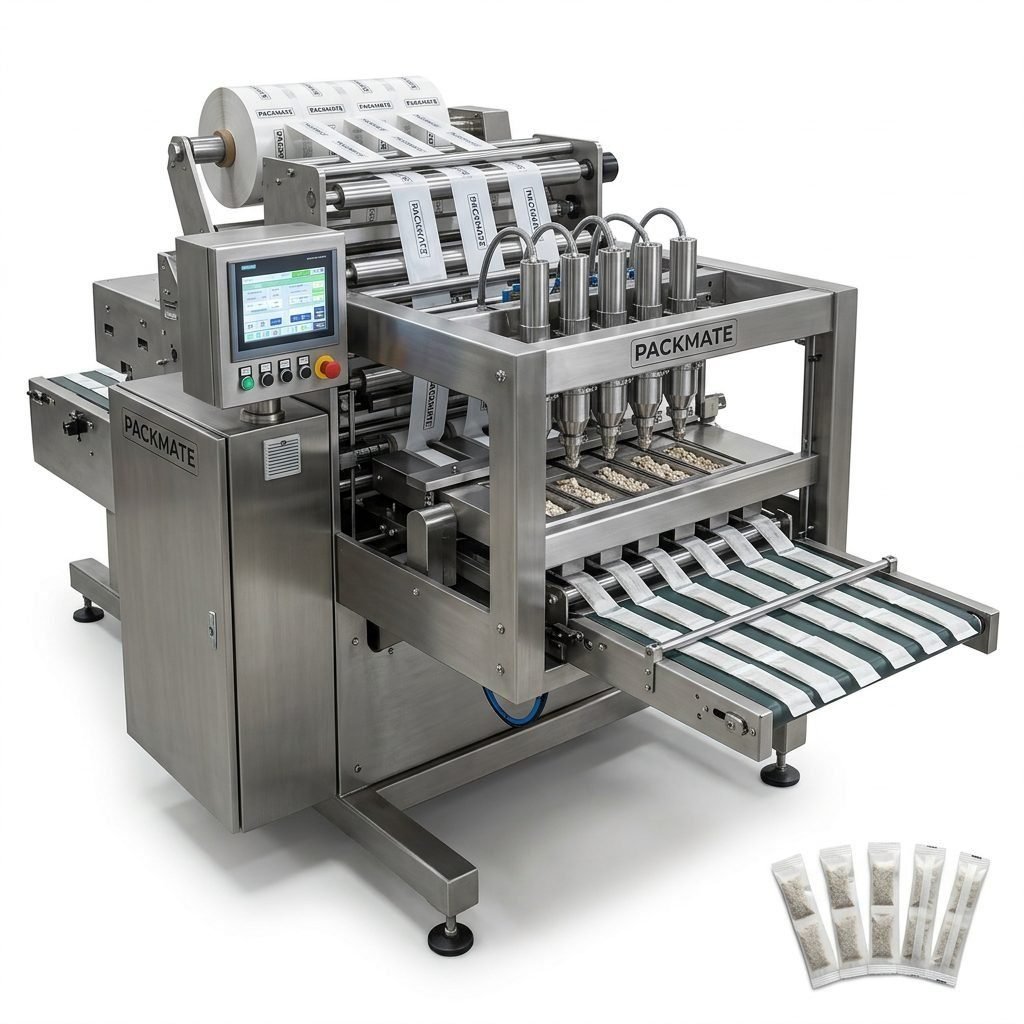
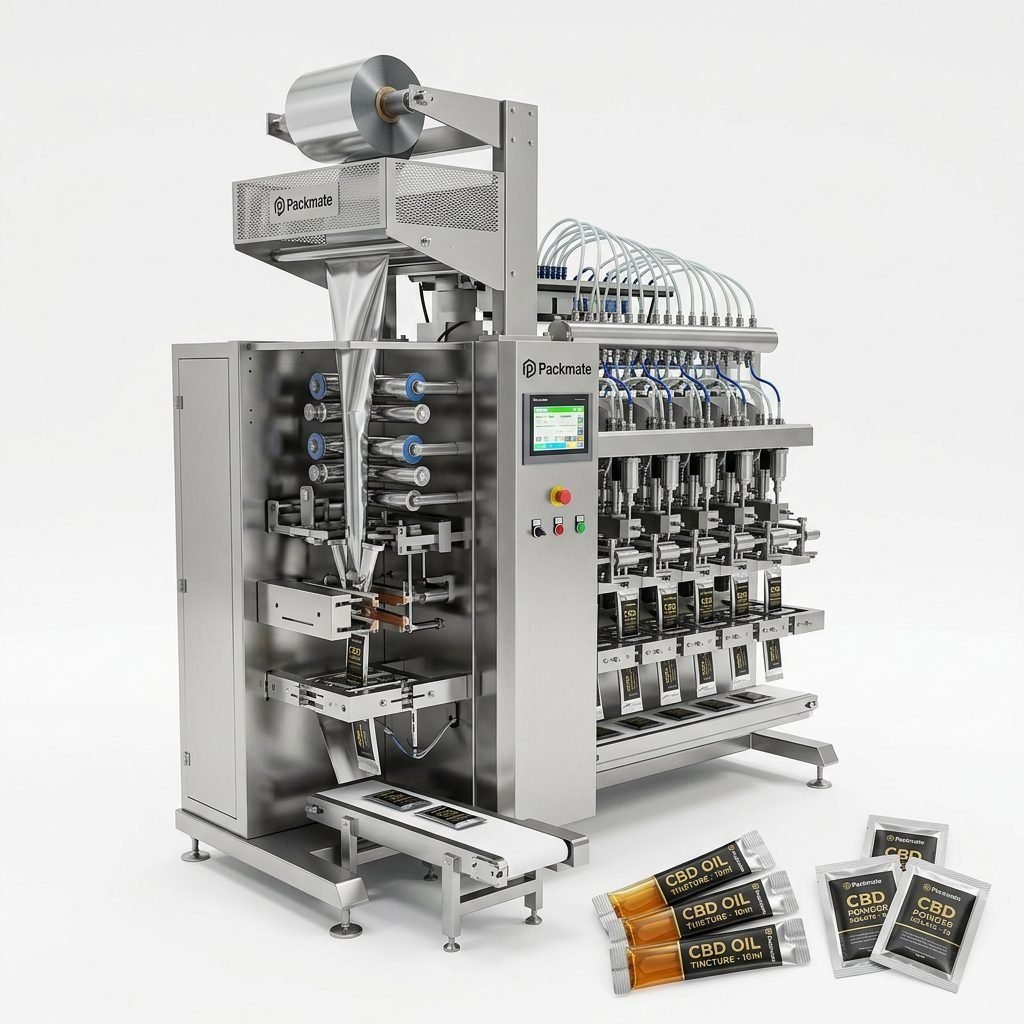
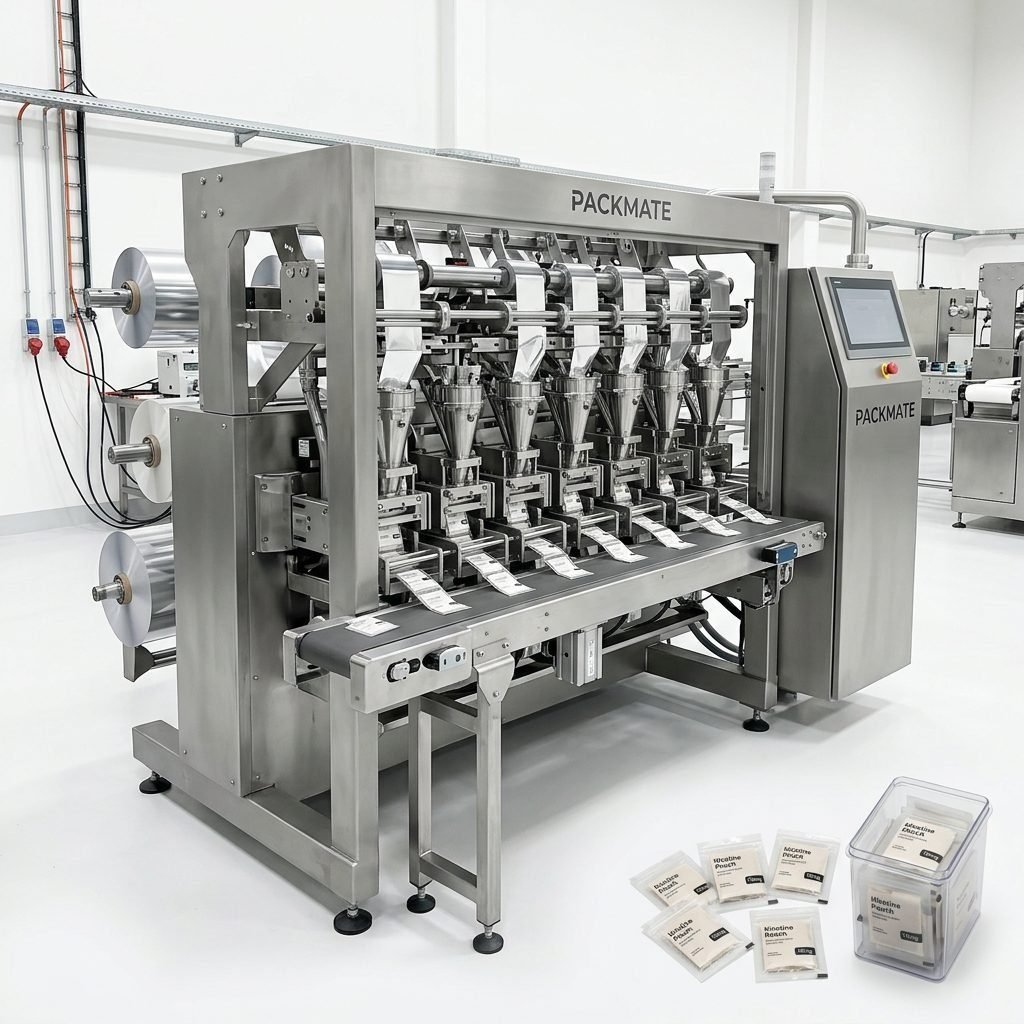
Multi-lane systems increase throughput and are ideal for high-volume contract work, but they require more complex synchronization and maintenance. Single-lane machines are simpler and better for frequent SKU changes. Evaluate product flow, footprint constraints, and expected uptime when choosing lane architecture.
3. Pouch Forming & Sealing Technology
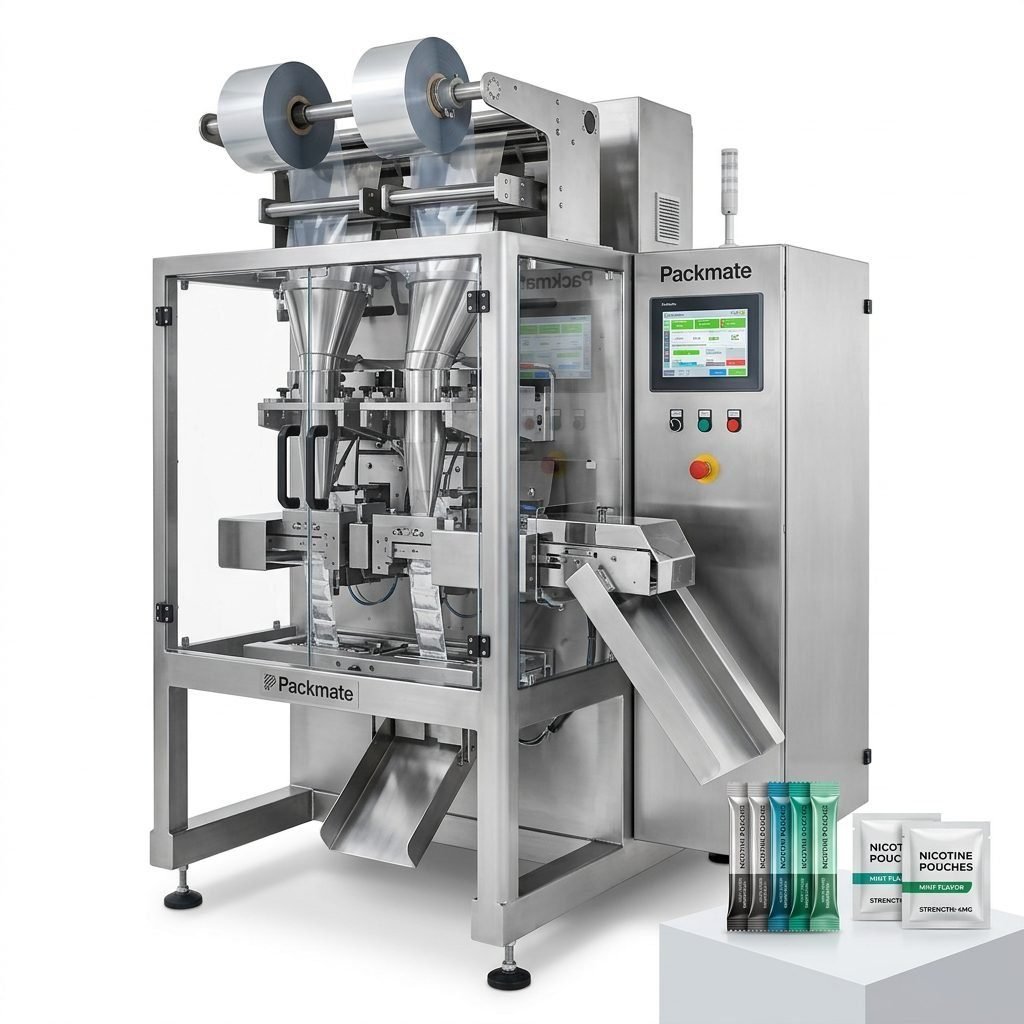
The integrity of seals and pouch appearance matters for shelf life and brand image. Choose machines with controlled heat sealing, accurate film tension systems, and options for nitrogen flushing or controlled atmosphere to extend product stability. For stick packs and sachets, robust cutting and sealing mechanisms reduce rework.
Operational Features That Impact Cost and Quality
Operational reliability and ease of use directly influence total cost of ownership. Below are features that will bring real benefits to contract manufacturers:
✓ Quick changeover systems reduce downtime between SKUs; look for cassette-style tooling and recipe recall.
✓ Modular design allows you to start with a base unit and add lanes, feeders, or vision inspection later as demand grows.
✓ Automated in-line quality control (weight checks, camera inspection, metal detection) reduces manual sampling and improves first-pass yield.
4. Cleanability & Material Handling
Food and nicotine pouch lines demand hygienic design: stainless steel contact surfaces, minimal crevices, and easy access for cleaning. Machines with quick-release hoppers and smooth sloped stainless surfaces speed CIP and reduce cross-contamination risks.
5. Automation & Integration
Consider machine PLC/HMI standards, Industry 4.0 readiness, and how easily the machine will integrate with upstream filling, downstream cartoning, case packing, and MES systems. Connectivity reduces manual interventions and supports remote diagnostics.
Regulatory, Safety & Certification Considerations
Contract manufacturers must meet regulatory obligations for nicotine product handling. Select suppliers with internationally recognized certifications and a clear approach to safety and traceability.
Key certificates to request: CE and ISO compliance for machinery safety and quality systems. Also clarify documentation for machine validation, material certificates for contact parts, and maintenance records that support audits.
Supplier Evaluation: Beyond the Spec Sheet
A machine’s specification is only part of the story. For reliable contract manufacturing you need a supplier who offers long-term support, spare parts availability, and proven global references.
⚙️ Factory capability: Verify the supplier’s factory size, machining capabilities, and quality control processes. A well-equipped factory reduces lead times and supports custom requests.
📦 Spare parts & service: Ask about spare parts lead times and service contracts. Contract manufacturing cannot tolerate long downtime.
🌍 Global references: Request case studies or references in similar markets. If you need examples, check Packmate’s global case portfolio to see proven lines in operation. Case
After-Sales & Training
Onboarding, operator training, and proactive maintenance plans are essential. Prefer suppliers who provide on-site commissioning, remote support, and structured operator and maintenance training. A supplier with regional service teams or global partners shortens response times.
Customizability & Turnkey Solutions
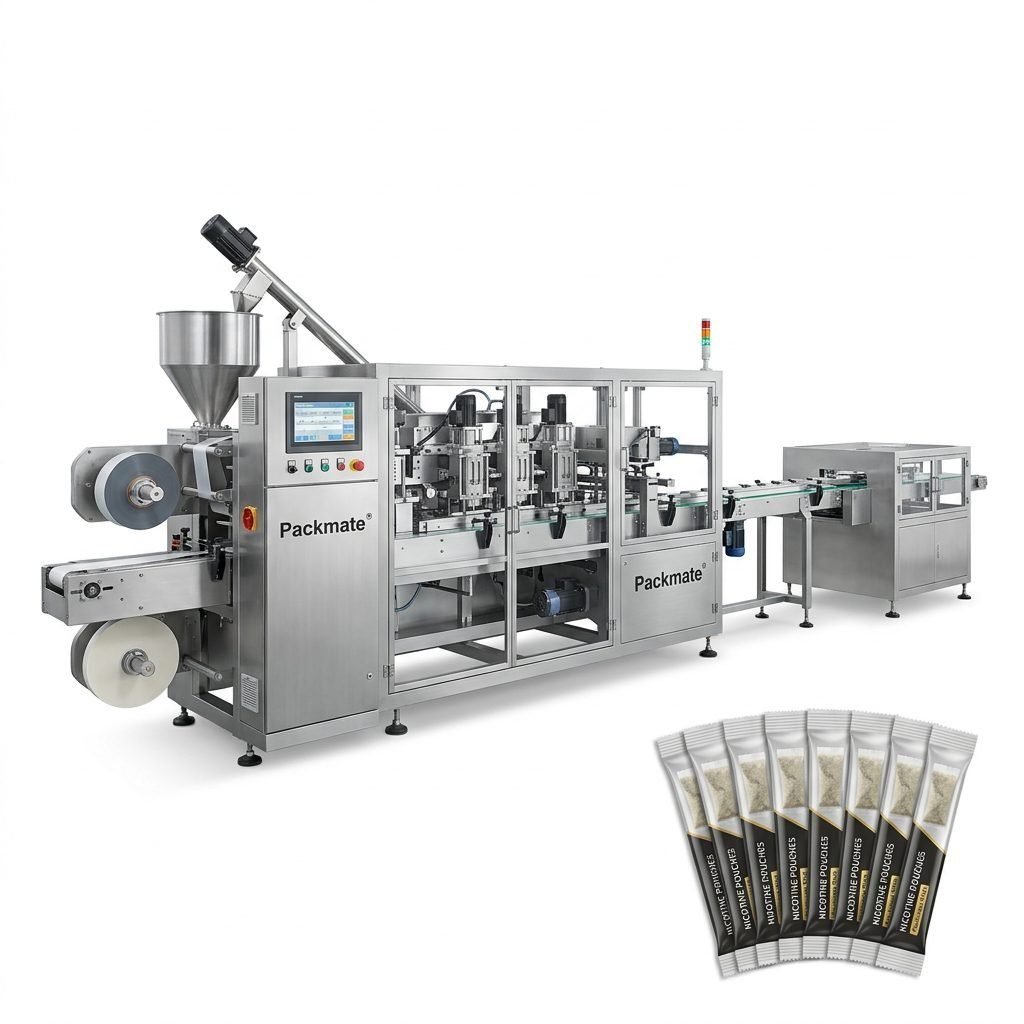
Many contract manufacturers need more than a single machine—they need integrated lines combining weighing, dosing, pouch forming, sealing, cartoning and secondary packaging. Look for suppliers offering turnkey solutions and experience integrating weighing & packaging systems and filling & packaging lines.
A turnkey approach reduces project management complexity, and a single point of responsibility improves delivery predictability and functional compatibility among modules.
Economic Factors: CAPEX, OPEX & Lifecycle Costs
Total cost of ownership includes initial capital expenditure, energy consumption, spare parts, labor, and expected lifetime. Request lifecycle cost estimates and performance guarantees: uptime figures, MTBF, and recommended spare part kits. A slightly higher upfront cost can be justified by better energy efficiency and lower maintenance.
Financing & Lease Options
For contract manufacturers expanding capacity, financing or leasing may improve cash flow. Discuss payment terms, leasing packages, or staged delivery to align capital deployment with contract revenue streams.
Real-World Use Cases & Industry Examples
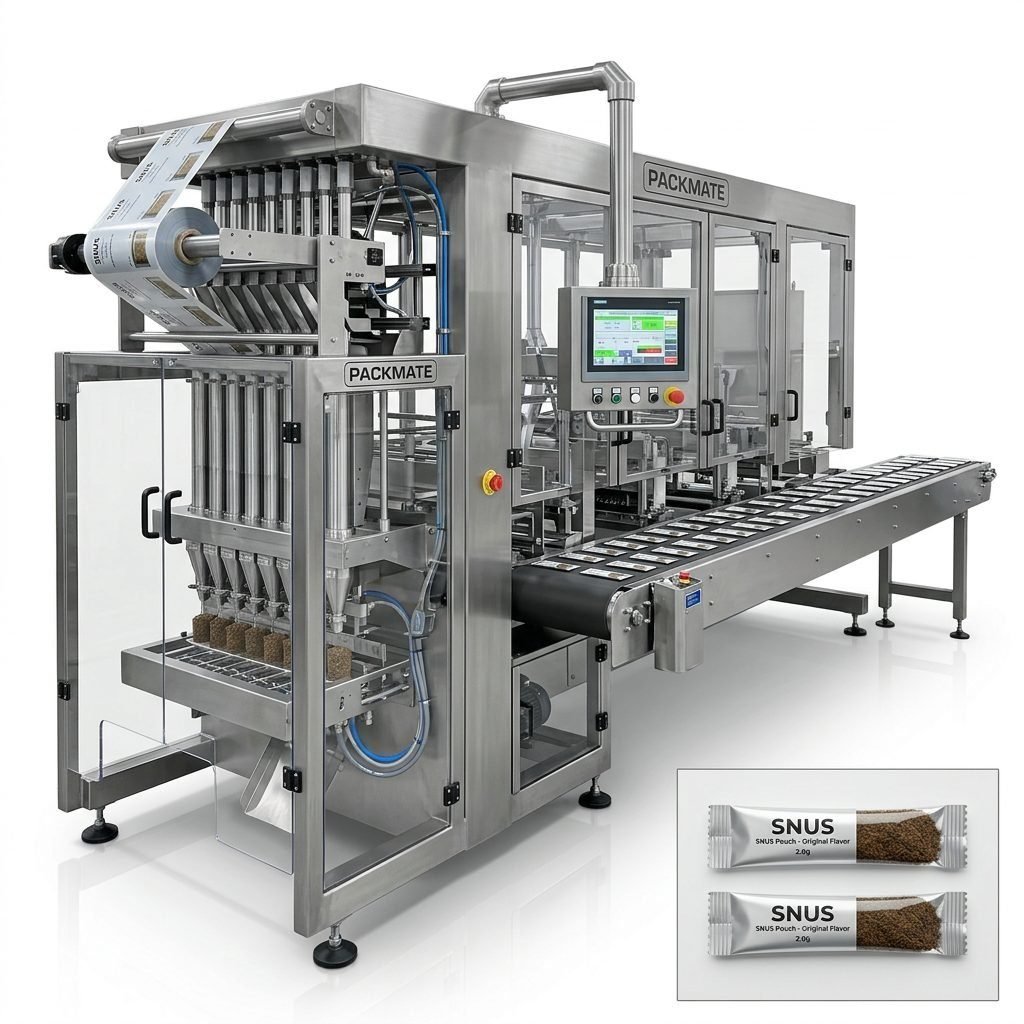
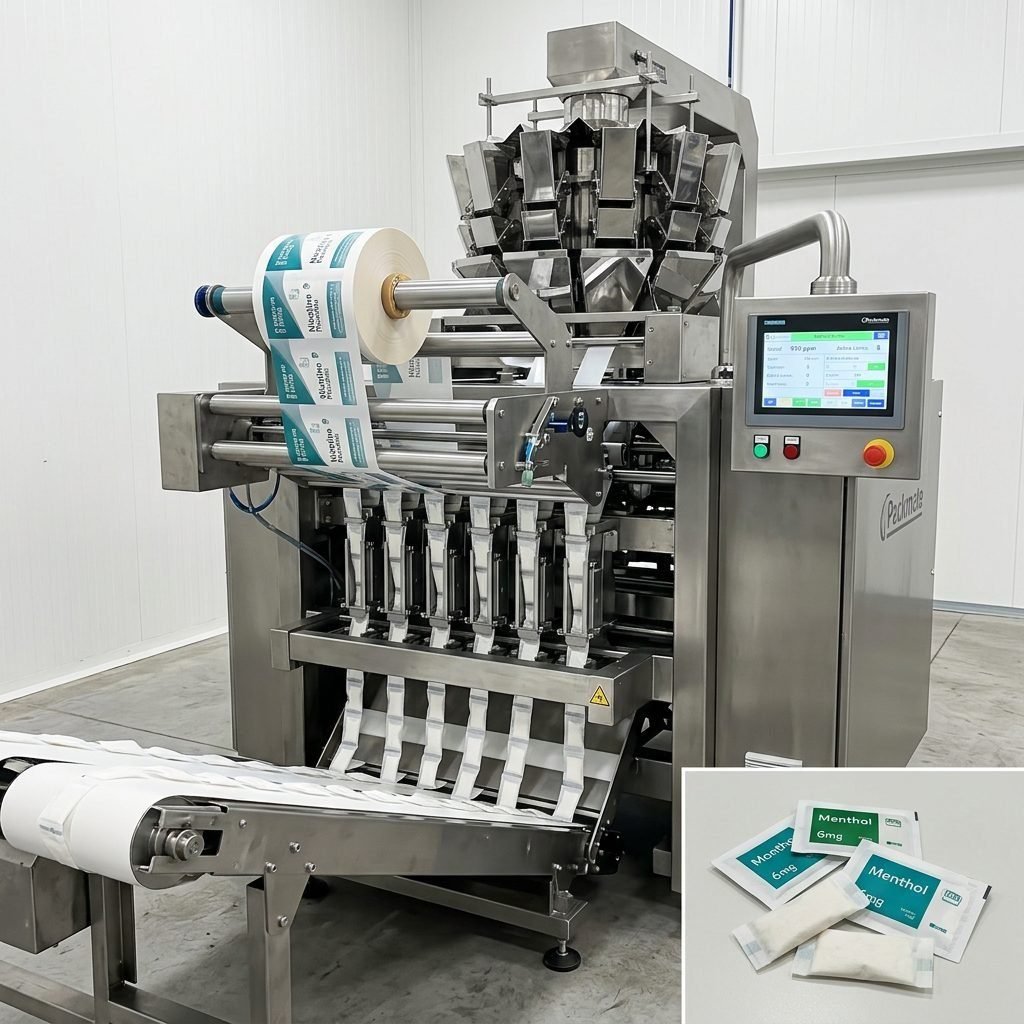
Case studies help validate supplier claims. Look for projects where the supplier delivered multi-lane snus lines for nicotine pouch brands, integrated vision inspection for label integrity, and automated cartoning to meet high-volume retail packaging requirements. Packmate’s multi-lane snus packaging solutions are a useful reference for contract manufacturers requiring scalable high-throughput lines. Snus & Nicotine Packaging Machines
Checklist: Questions to Ask Potential Suppliers
Before signing a purchase agreement, use this checklist during vendor discussions and factory visits:
• Production capacity: Can the line meet your hourly and daily targets with tested OEE?
• Changeover time: How long to switch SKUs and what tools are required?
• Traceability: Does the system support batch coding, serialization, and audit logs?
• Service & parts: What SLAs exist for spare parts and on-site service?
Why Packmate Is Worth Considering
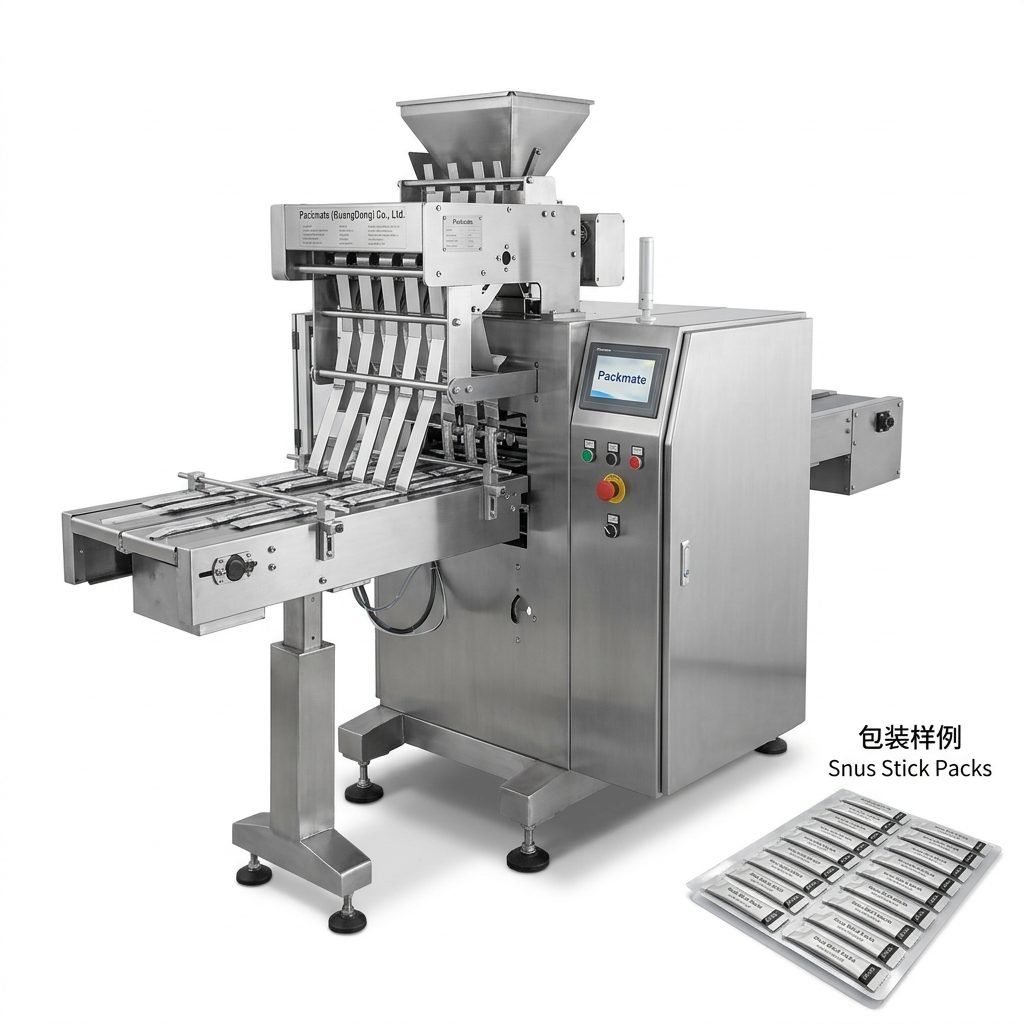
Packmate brings over 30 years of packaging engineering experience and a comprehensive factory footprint with advanced CNC and assembly systems. Their portfolio includes stick pack, sachet, multi-lane snus systems and complete turnkey lines, supported by CE and ISO certifications. For contract manufacturers seeking proven solutions with global references and full-line integration, Packmate’s product range and service capabilities are a practical match. Learn more about the company and specific product lines via their detailed product pages. About Packmate • Sachet & Stick Pack Machines
Final Recommendations for Contract Manufacturers
1) Define your product mix and throughput targets in detail before requesting quotes. 2) Prioritize machines with modular expansion, strong dosing accuracy, and hygienic design. 3) Require factory acceptance testing (FAT) and reference visits. 4) Secure comprehensive service agreements and spare parts commitments. 5) Choose suppliers with documented turnkey integration experience to reduce project risk.
Key takeaway: Matching machine architecture to your contract profile—combined with a supplier who offers strong after-sales support and integrated solutions—delivers the best long-term value for contract snus manufacturing.
Frequently Asked Questions
Q1: How do I decide between a multi-lane and single-lane snus machine?
A1: If you have large continuous volumes of a few SKUs, multi-lane saves footprint and increases throughput. For many SKUs and rapid changeovers, single-lane offers flexibility and easier maintenance.
Q2: What certifications should snus packaging equipment have?
A2: Expect CE compliance for European markets and ISO certified manufacturing processes. Also request documentation for food-contact materials, safety risk assessments, and validation support.
Q3: How important is in-line inspection and traceability for contract manufacturing?
A3: Very important—automated weight checks, vision systems, and batch coding protect product integrity, meet client QA expectations, and simplify recalls if they ever occur.
Q4: Can I expand a basic snus machine into a full line later?
A4: Yes—choose modular machines with expansion options. Many suppliers, including manufacturers of stick pack and pouch systems, support phased upgrades to integrate weighing, cartoning, and case packing.
Q5: What should I expect during commissioning and training?
A5: Expect on-site FAT, machine tuning with your product, operator and maintenance training, and a handover package including spare parts lists, SOPs, and preventive maintenance schedules. Remote support capabilities are a valuable addition.