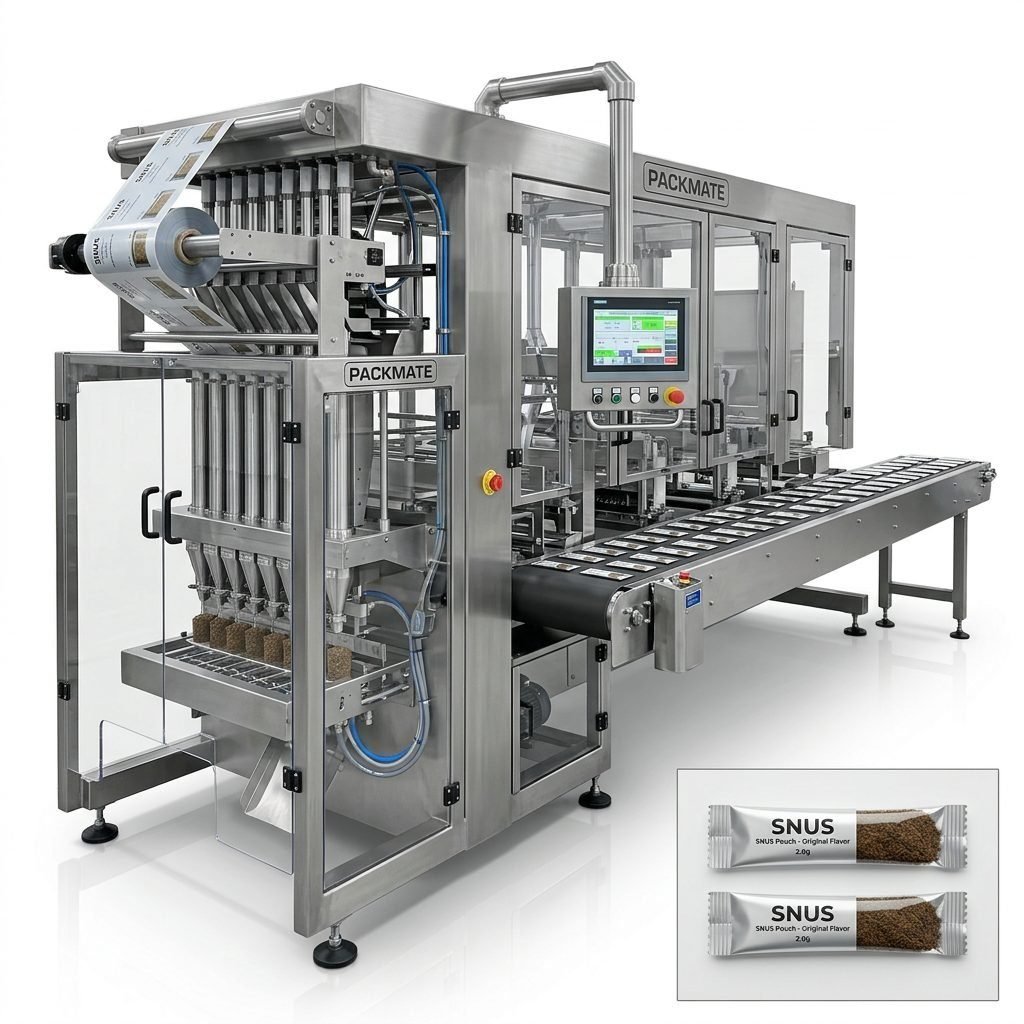
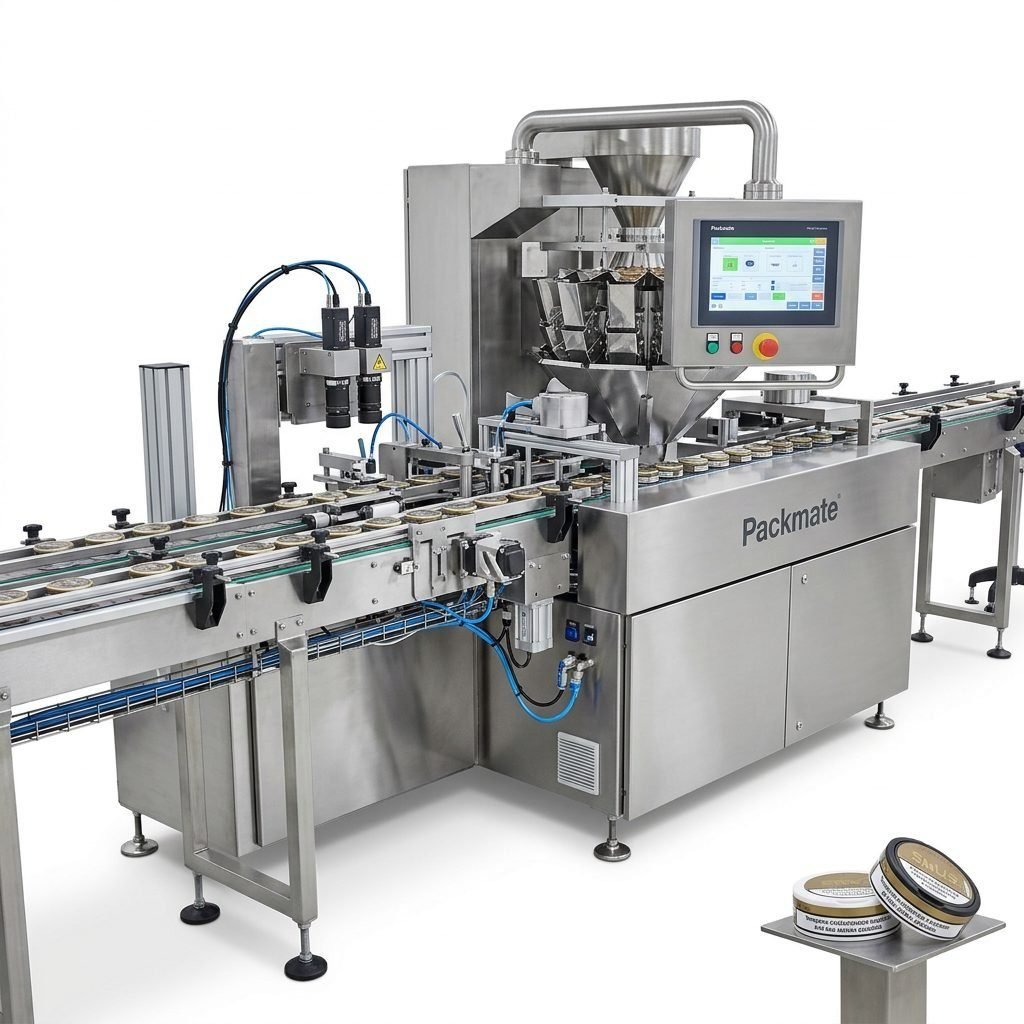
Choosing the right nicotine (snus) packaging machine for your business in Côte d’Ivoire requires more than price comparison. You need to align machine capability with product format, production targets, local regulations, and long-term service. This guide walks you through the practical steps, key specifications, and procurement tips so you can make an informed purchase that scales with your operation.
1. Assess Your Product and Packaging Format
📦 Start by defining your product characteristics: are you producing nicotine pouches, snus, powders, or granules? Each product type impacts filling systems, dosing accuracy, and material handling. Nicotine pouches require airtight, tamper-resistant packaging with precise small-dose weighing, whereas bulk powders or granules may need different feeders and sealing strategies.
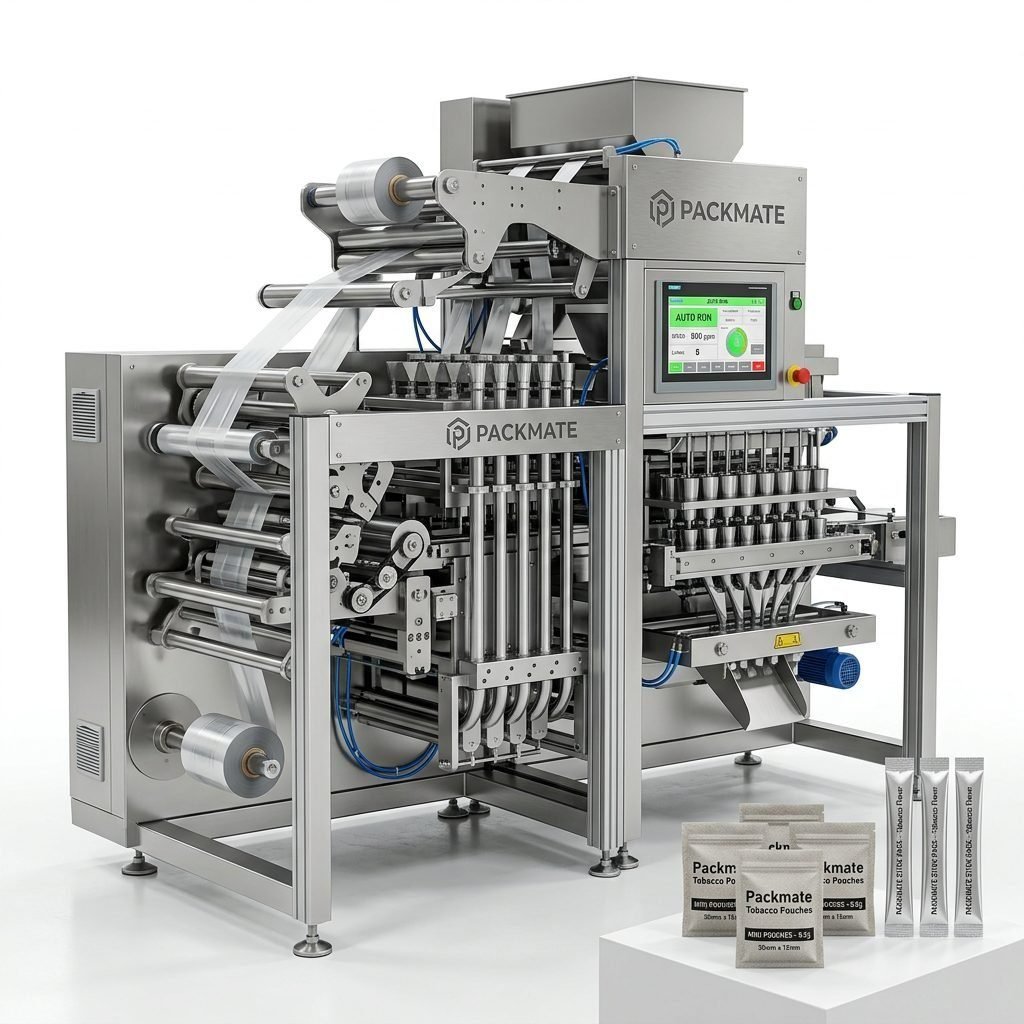
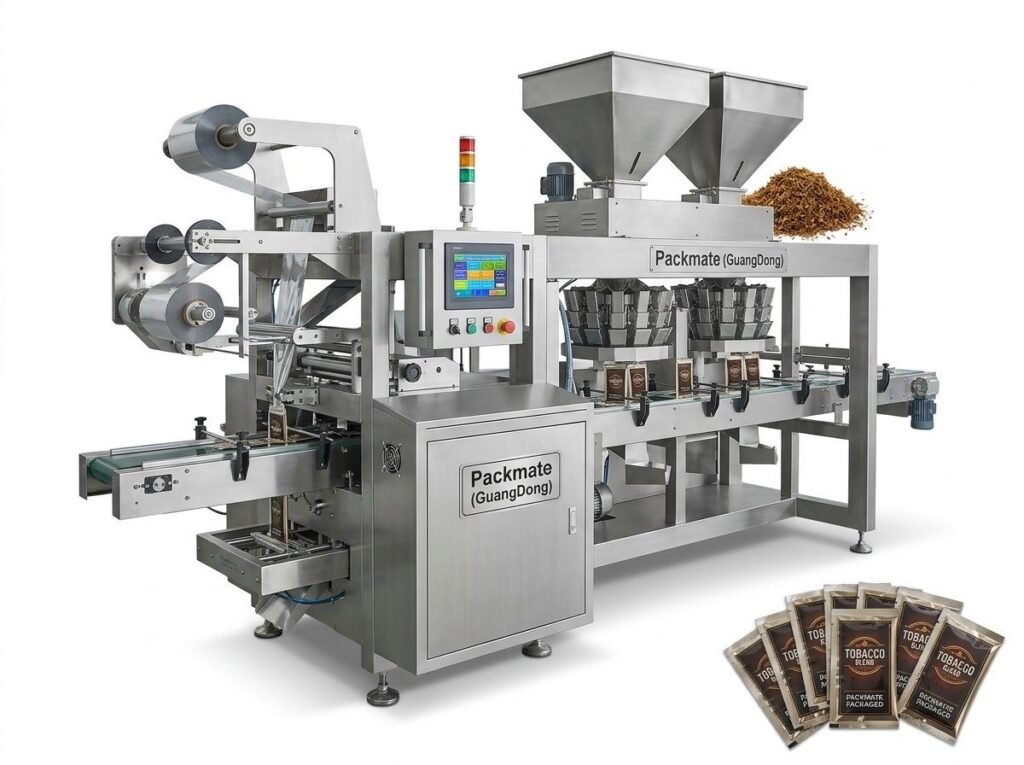
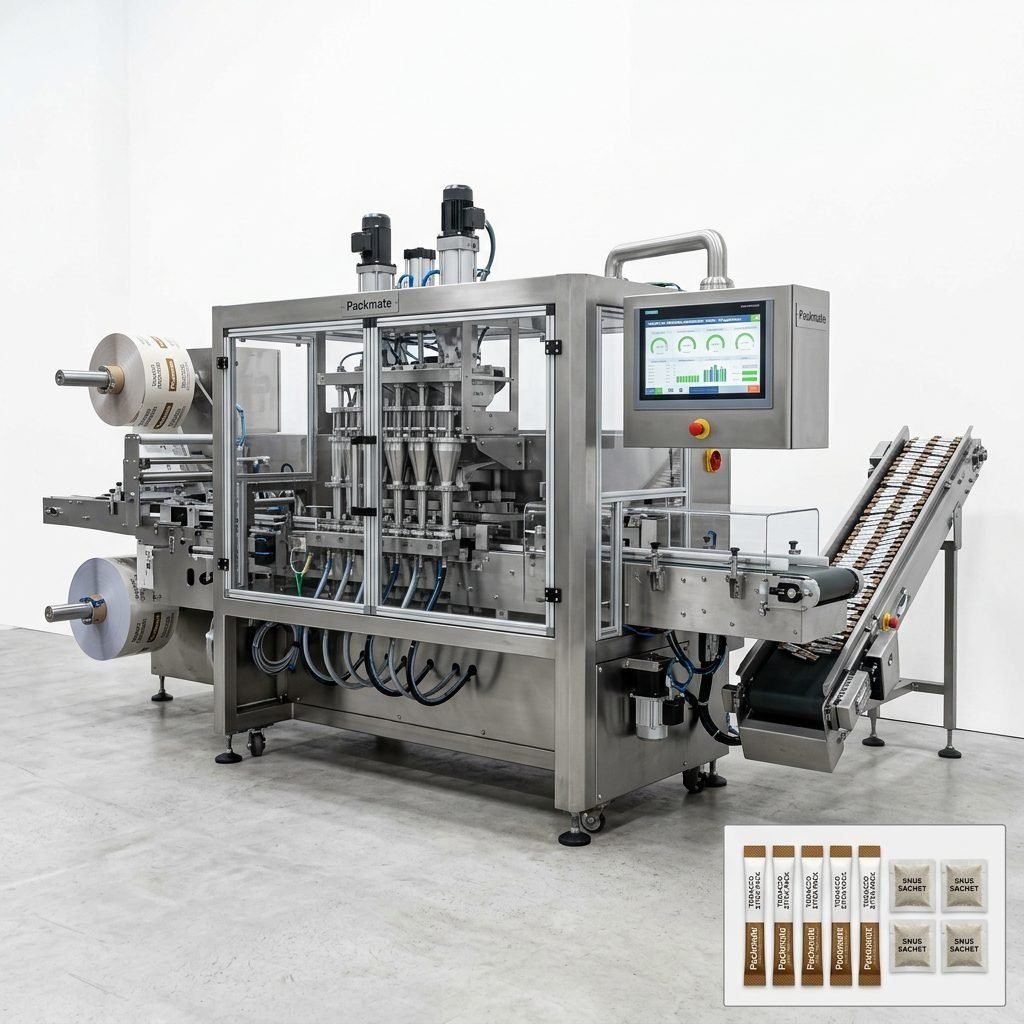
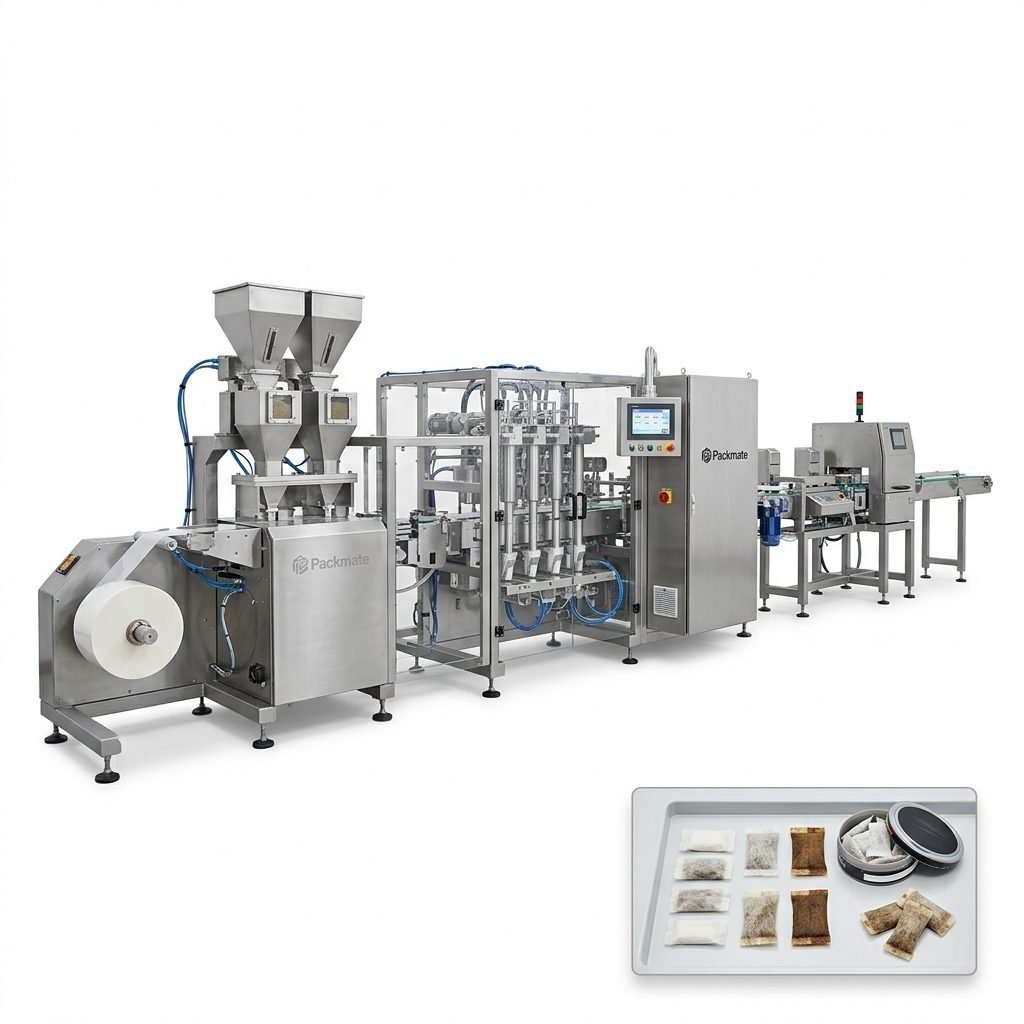
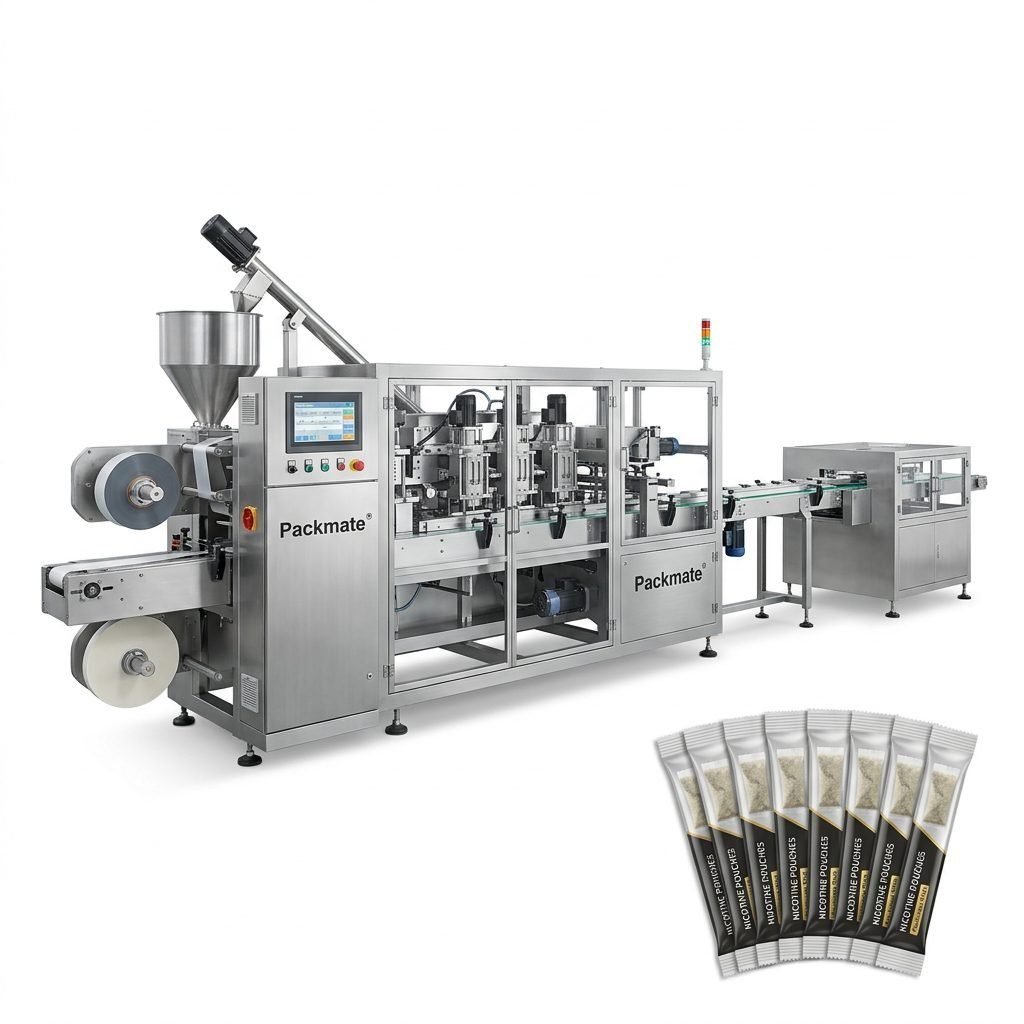
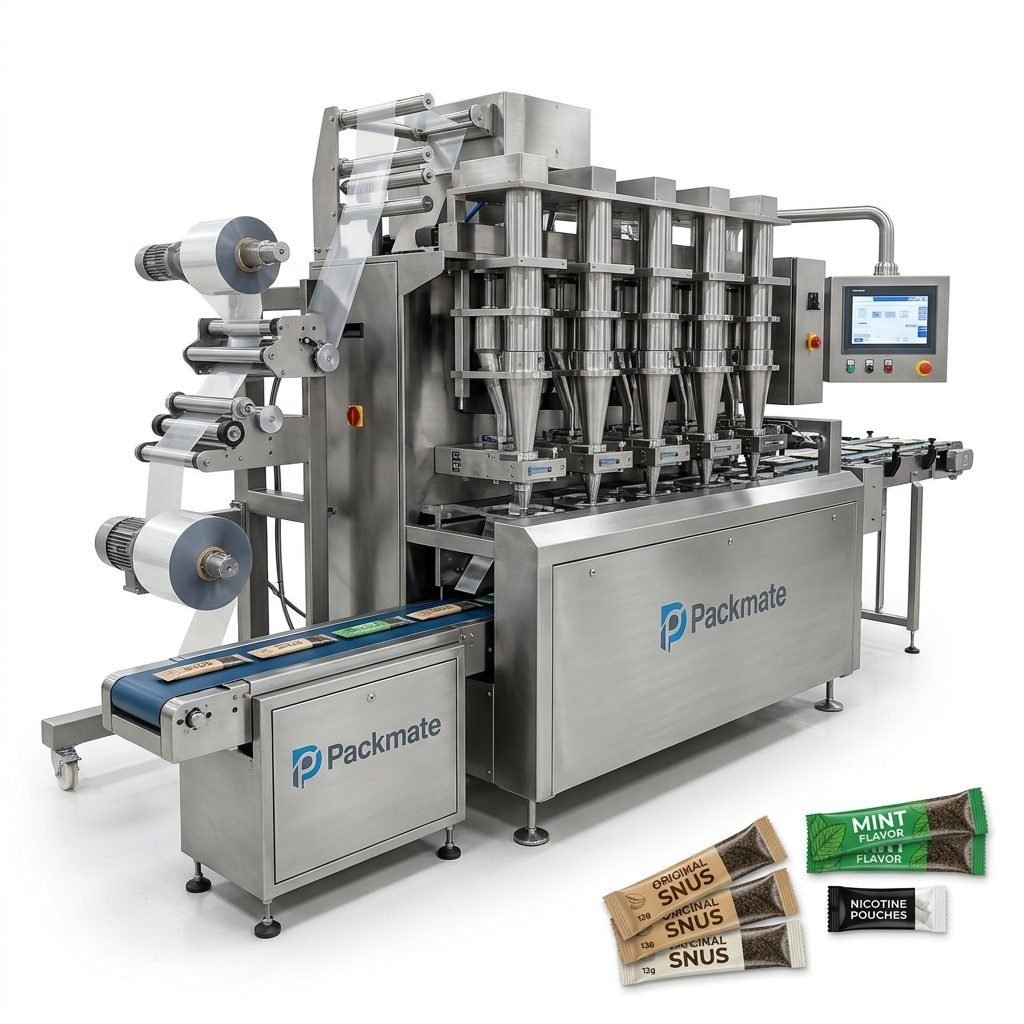
Consider the pouch format: stick packs, sachets, or multi-lane small-dose pouches. Machines specialized for snus & nicotine pouch formats will often offer multi-lane options and specialized pouch forming and sealing modules. Explore dedicated product lines such as Snus & Nicotine Packaging Machines and Sachet & Stick Pack Machines for format-specific capabilities.
2. Determine Required Output Capacity
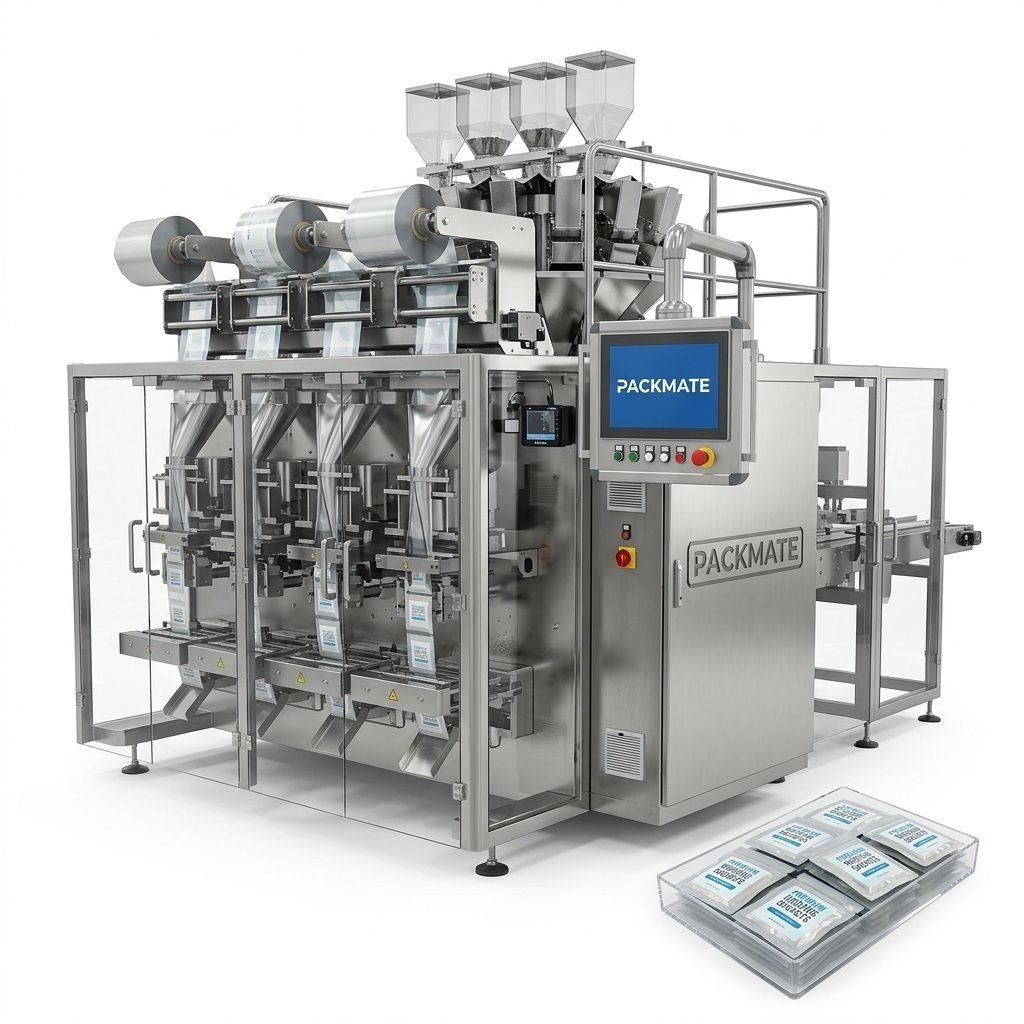
⚙️ Production capacity is a core decision driver. Calculate your target throughput in pouches/minute and daily/weekly volumes. Machines vary from single-lane systems (lower CAPEX, smaller footprint) to high-speed multi-lane systems that deliver high output for commercial scale. If you plan to expand quickly, prioritize modular systems that allow later upgrades.
Quick tip: Choose a machine with 20–30% higher capacity than your current peak forecast to avoid bottlenecks during ramp-up or seasonal demand spikes.
3. Prioritize Filling Accuracy and Material Compatibility
🎯 For nicotine pouches, dosing precision is critical both for compliance and product consistency. Look for machines with high-precision weigher integrations or volumetric dosing options certified for small-dose accuracy. Check compatibility for product powders, granules, and blend stability — some systems include vibration or anti-bridging mechanisms to ensure smooth feeding.
If your process requires a weighing & packaging systems integration, consider combined solutions such as Weighing & Packaging Systems to ensure accurate dosing and seamless transfer from weighers to form-fill-seal machines.
Key specs to verify
• Dosing accuracy (e.g., ±X mg) — essential for nicotine content control.
• Hopper capacity and agitation systems — to prevent caking.
• Sanitary construction (stainless steel contact parts) for cleaning and regulatory requirements.
• Changeover time between formats — impacts downtime and SKU flexibility.
4. Evaluate Machine Reliability and Build Quality
🔩 Long-term reliability saves costs. Purchase from manufacturers with proven industry experience, documented factory capabilities, and robust after-sales support. A manufacturer with advanced CNC machining centers, rigorous quality testing, and a comprehensive parts inventory will reduce downtime risk. Packmate’s factory profile reflects these strengths, offering multiple machine models and global turnkey solutions.
Manufacturing indicators to check: facility size, machine model range, CNC capability, and whether the manufacturer provides full testing and CE/ISO certifications.
5. Service, Spare Parts & Local Support in Côte d’Ivoire
🔧 After-sales support is as critical as the machine itself. Confirm spare parts availability, average lead times for replacement parts, and options for remote troubleshooting. Where possible, choose suppliers who provide commissioning and operator training on-site or via comprehensive digital documentation.
If the manufacturer has exhibition presence and global cooperation cases, that signals a mature support network. You can also check their service pages and case studies to verify response capabilities: Service and Case.
6. Compliance, Certifications and Local Regulations
✅ Verify that the equipment meets international standards (CE, ISO) and local regulatory needs for nicotine product handling and packaging. Compliance affects material selection, guarding, and labeling capabilities. Machines that include traceability features and easy access for cleaning reduce regulatory headaches.
Note: Regulatory requirements for nicotine products can evolve. Choose vendors who proactively update machine firmware and hardware to meet new compliance standards.
7. Total Cost of Ownership: Beyond the Purchase Price
💸 Consider lifecycle costs: energy consumption, spare parts, consumables (seals, films), maintenance labor, and expected depreciation. A lower-priced machine with high maintenance needs can cost more in 2–3 years than a higher-quality, energy-efficient system.
Ask suppliers for a breakdown of typical consumables and maintenance intervals. Evaluate warranty terms, extended support packages, and options for installing auxiliary equipment like feeders, vision systems, or automatic carton packers.
8. Automation, Integration and Future-Proofing
🔗 Modern packaging lines require connectivity. Check whether the machine supports PLC/HMI standards, data logging for production metrics, and interfaces for upstream/downstream equipment. If you plan to integrate weighers, labelers, or case packers, look for compatible communication protocols and mechanical integration options.
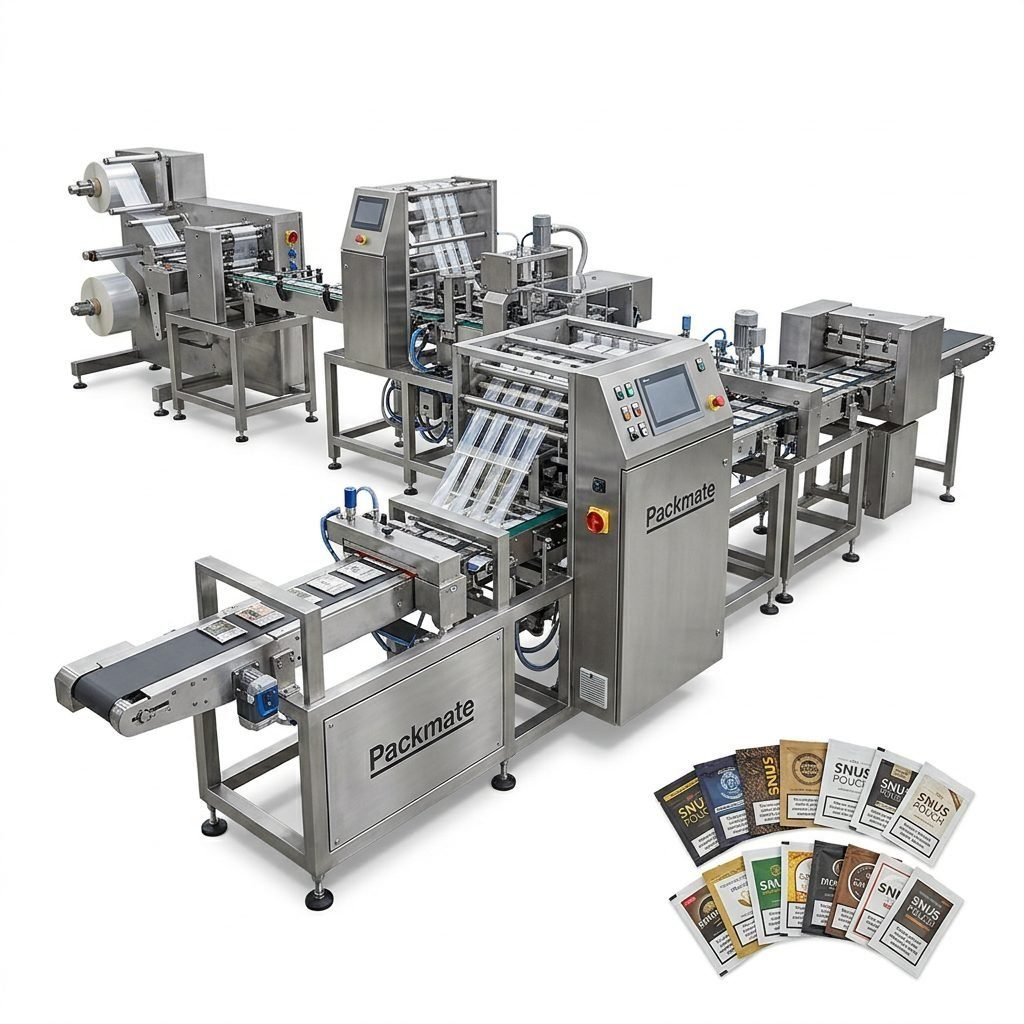
For fully integrated packaging lines, review offerings such as Filling & Packaging Lines which combine multiple functions into a turnkey solution—ideal for scaling production with minimal integration risk.
Practical checklist before purchase
• Confirm target throughput and choose single vs. multi-lane accordingly.
• Verify dosing accuracy and test samples using your actual product.
• Inspect build quality and materials (SUS304/316 where necessary).
• Ask for a factory acceptance test (FAT) video or invite a visit to the manufacturer.
• Clarify warranty, spare parts lead time, and service SLA for Côte d’Ivoire.
9. Installation, Training and Ramp-Up Support
👷♂️ Plan for installation and operator training. A detailed commissioning plan helps shorten ramp-up time. Confirm the supplier’s training offerings, documentation language, and availability of spare kits for early-stage operations.
Ask your supplier: Do they include onsite/start-up support? Is remote troubleshooting available? What is the expected training duration for operators and maintenance engineers?
10. Selecting a Trusted Supplier: What to Look For
🔍 Choose a manufacturer with a clear history of packaging machine engineering, an established factory with advanced machining, and a portfolio of similar machines. Evidence of global turnkey solutions, exhibition participation, and client case studies strengthens supplier credibility. For detailed supplier insights, see About Packmate and their Our Exhibition records.
Red flags to avoid
• Vague technical specifications or missing test data.
• No factory acceptance testing or refusal to share machine videos.
• Limited spare parts availability or unclear warranty terms.
• Suppliers without international certification or production track record.
11. Negotiation and Purchase Strategy
📝 When negotiating, request a detailed contract covering delivery timelines, acceptance criteria (FAT/SAT), payment milestones, and after-sales service commitments. Consider including penalties for missed delivery or agreed uptime levels for production-critical lines.
If you need tailored guidance, the manufacturer should provide customization options—e.g., multi-lane configurations, specific dosing modules, or packaging material recommendations. For direct contact and support, use official channels such as Contact Us.
12. Final Decision Matrix
Use a weighted matrix to decide: assign weights to throughput, accuracy, reliability, service, compliance, and TCO. Score each supplier option and compare totals. This objective method reduces emotional bias and helps justify the investment to stakeholders.
Closing recommendations
Bottom line: Buy the best machine you can reasonably afford that meets required throughput and dosing accuracy, has proven manufacture quality, and offers strong after-sales support. Prioritize suppliers with turnkey packaging solutions and clear track records in snus and nicotine pouch equipment.
Frequently Asked Questions (FAQs)
1. How do I test my nicotine pouch formulation on a new machine? — Arrange a factory acceptance test (FAT) with your actual product samples. Request performance data on dosing accuracy and sealing integrity during FAT.
2. What certifications should I expect from a reputable supplier? — Look for CE and ISO certifications, documented electrical and mechanical safety checks, and compliance documentation for food/pharmaceutical-grade contact parts.
3. Are multi-lane machines better than single-lane for small-dose pouches? — Multi-lane systems offer higher throughput and efficient floor space usage but come with higher CAPEX. Choose based on current volume and growth plans.
4. How quickly can spare parts be delivered to Côte d’Ivoire? — Lead times vary by supplier and part. Confirm typical delivery times and whether the supplier keeps a spare parts kit for quick repairs.
5. Can packaging machines be customized for local labeling and language requirements? — Yes. Reputable manufacturers provide customization for labeling, HMI language options, and local regulatory needs—confirm these during contract negotiation.