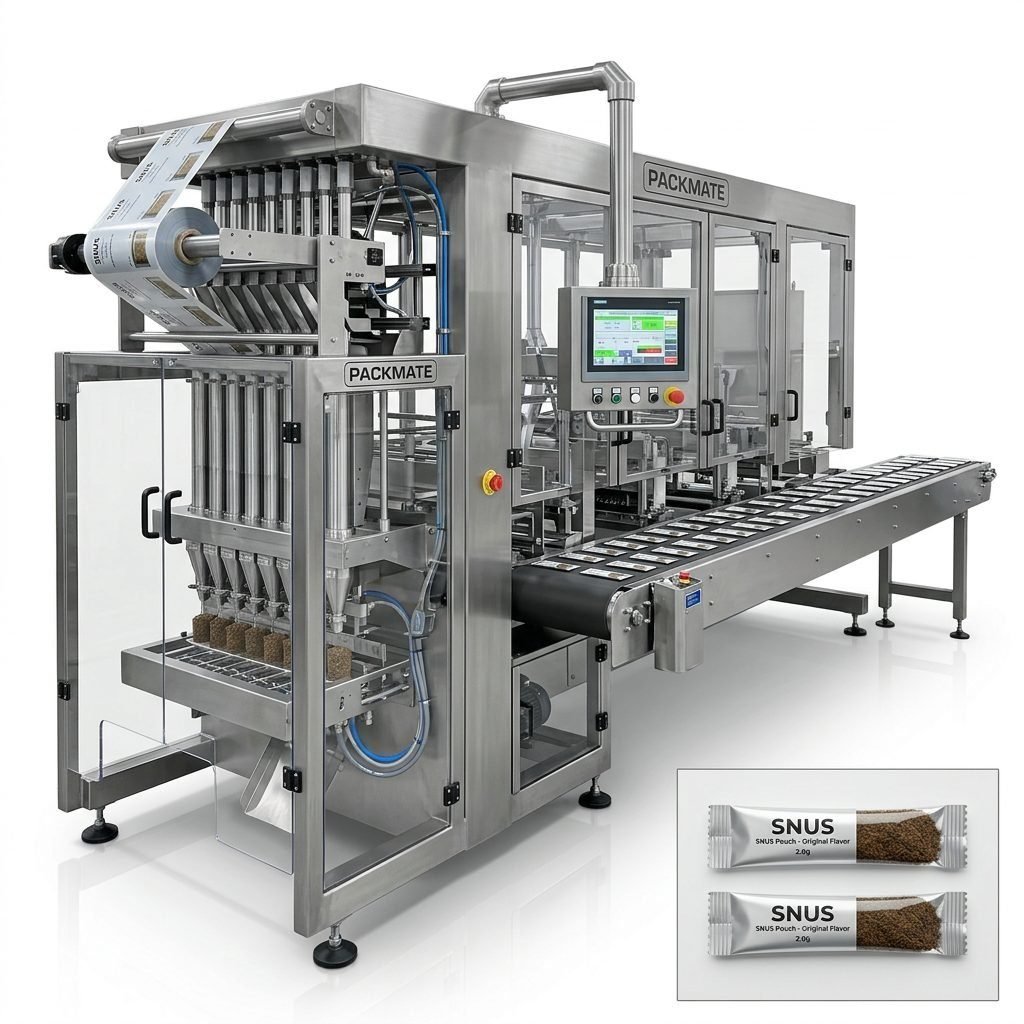
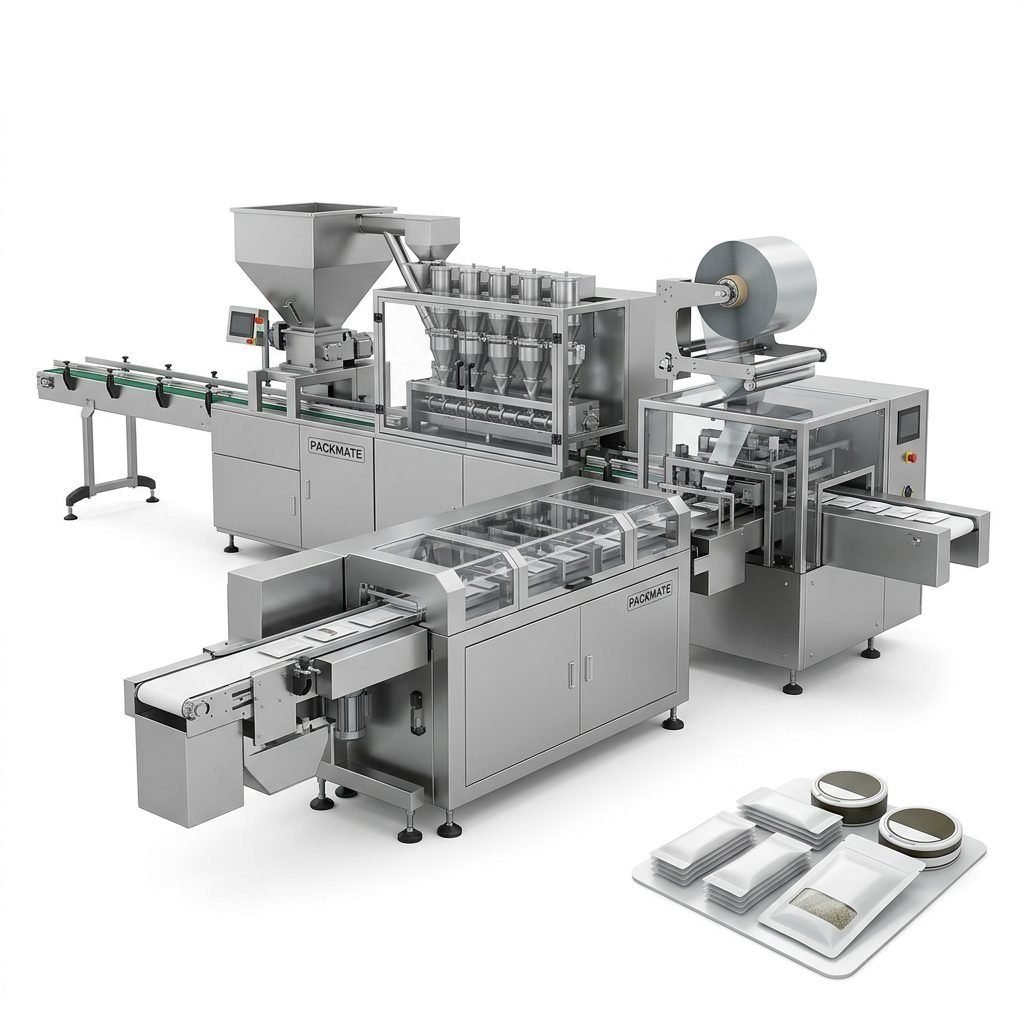
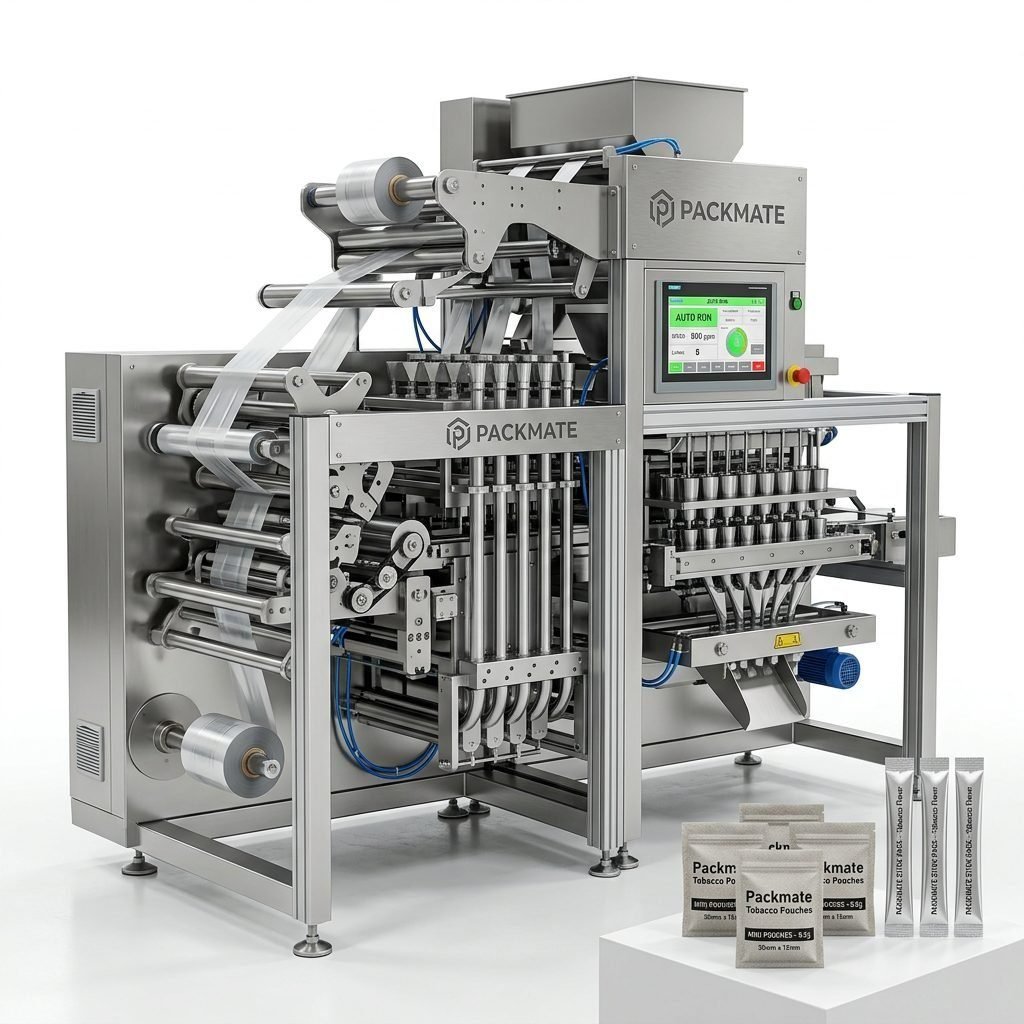
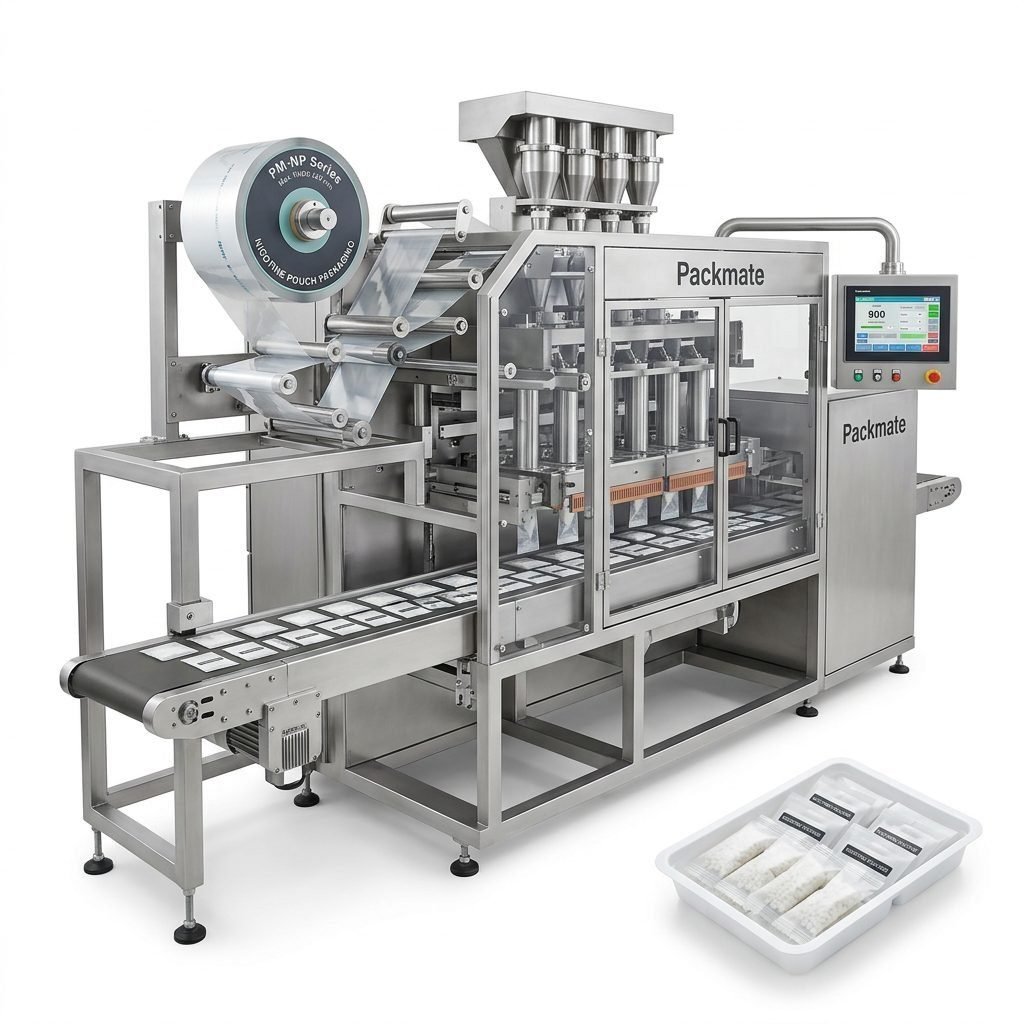
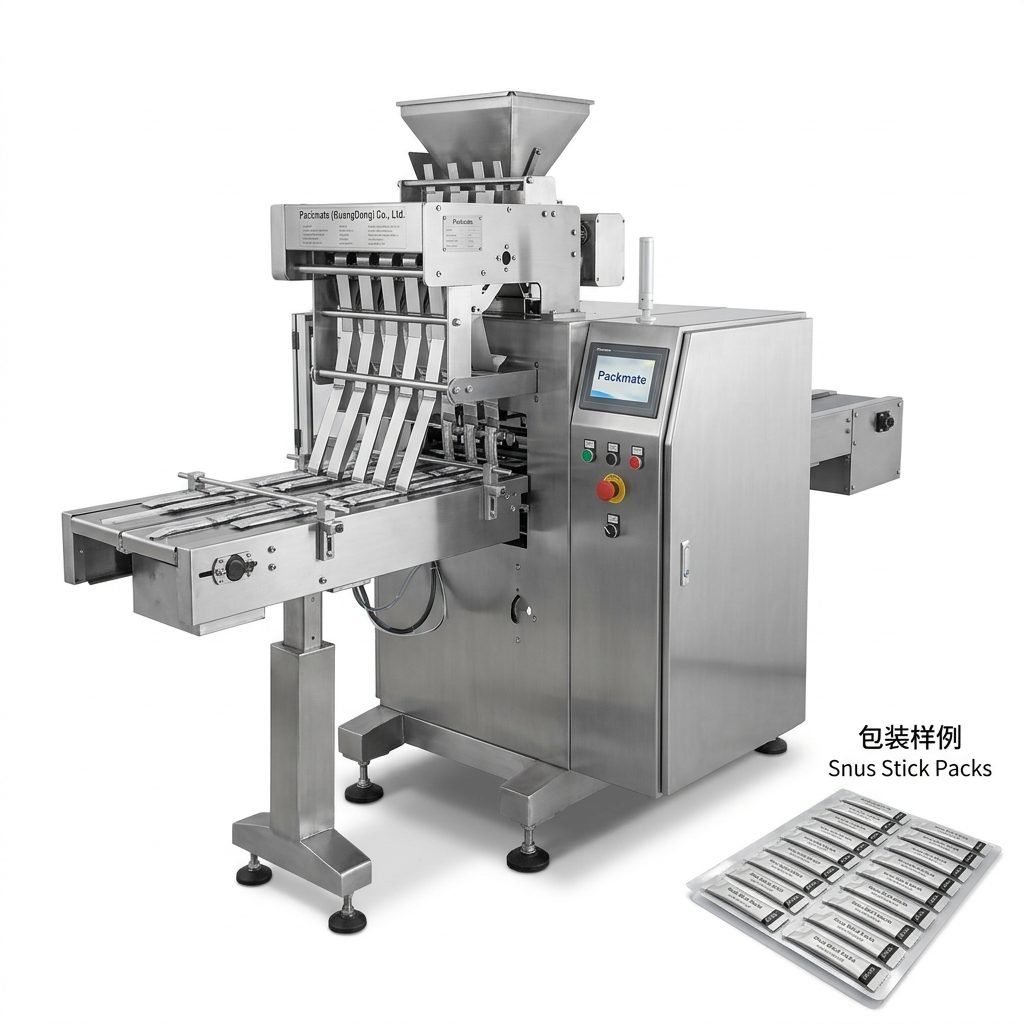
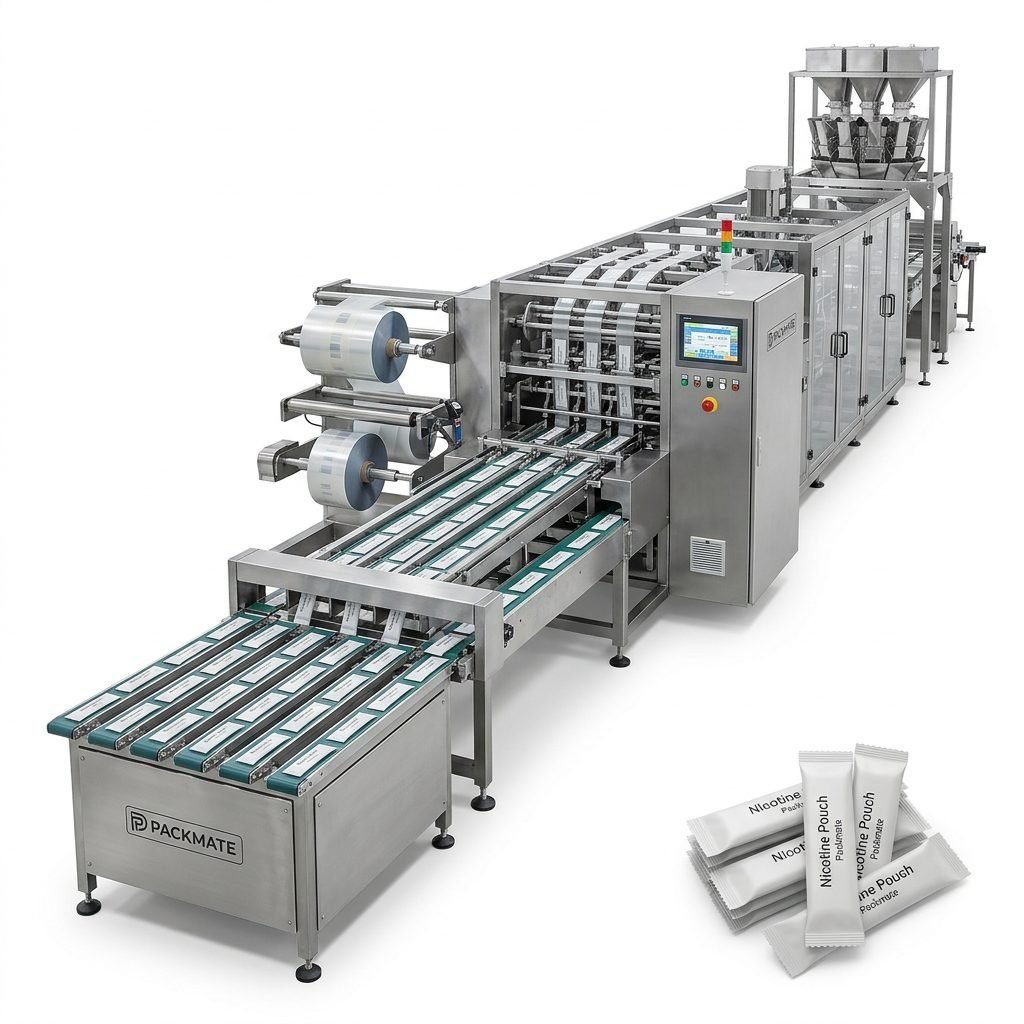
In an era where manufacturing costs and environmental impact drive purchasing decisions, choosing the right snus production line can make a measurable difference to your bottom line and brand reputation. This article outlines practical strategies and technologies for selecting and running the best low energy snus production line — tailored for manufacturers looking to reduce energy consumption, cut operational costs, and maintain high output quality and reliability.
Why Low Energy Snus Production Lines Matter
Manufacturers of snus and nicotine pouches face rising energy prices, stricter environmental regulations, and increasing demand for sustainable products. A low energy production line addresses these challenges by lowering energy consumption per pouch, reducing utility bills, and improving overall equipment effectiveness (OEE). Beyond cost savings, energy-efficient lines often deliver quieter operation, less heat waste, and extended component life — creating operational advantages across maintenance, labor, and product quality.
Key Benefits at a Glance ✓ Energy Savings
Reduced kilowatt-hours per 1,000 pouches, translating directly to lower monthly energy bills and improved unit economics.
✓ Lower Total Cost of Ownership — energy efficiency often correlates with lower wear and longer service intervals.
✓ Compliance & Brand Value — reduced carbon footprint and compliance with CE/ISO standards help when entering regulated markets and meeting customer sustainability expectations.
Core Technologies That Drive Low Energy Performance
To achieve substantial energy reductions, manufacturers should focus on upgrading or specifying production lines built with modern energy-saving technologies and smart integration.
Servo-driven Motion Systems
Servo motors provide precise motion control with lower idle losses than older pneumatic or vibration-based systems. Precision reduces material waste, shortens cycle times, and minimizes overheating — all contributing to energy savings.
Efficient Heating & Temperature Control
In processes that require sealing or drying, modern PID controllers and insulated, low-mass heating elements cut energy use dramatically by reducing standby losses and quickly reaching stable temperatures only when needed.
Smart Drives & Regenerative Braking
Regenerative systems recover kinetic energy during deceleration and feed it back to the grid or reuse it within the line, lowering net consumption during start-stop cycles typical in pouch and stick-pack operations.
Integrated Weighing & Filling Precision
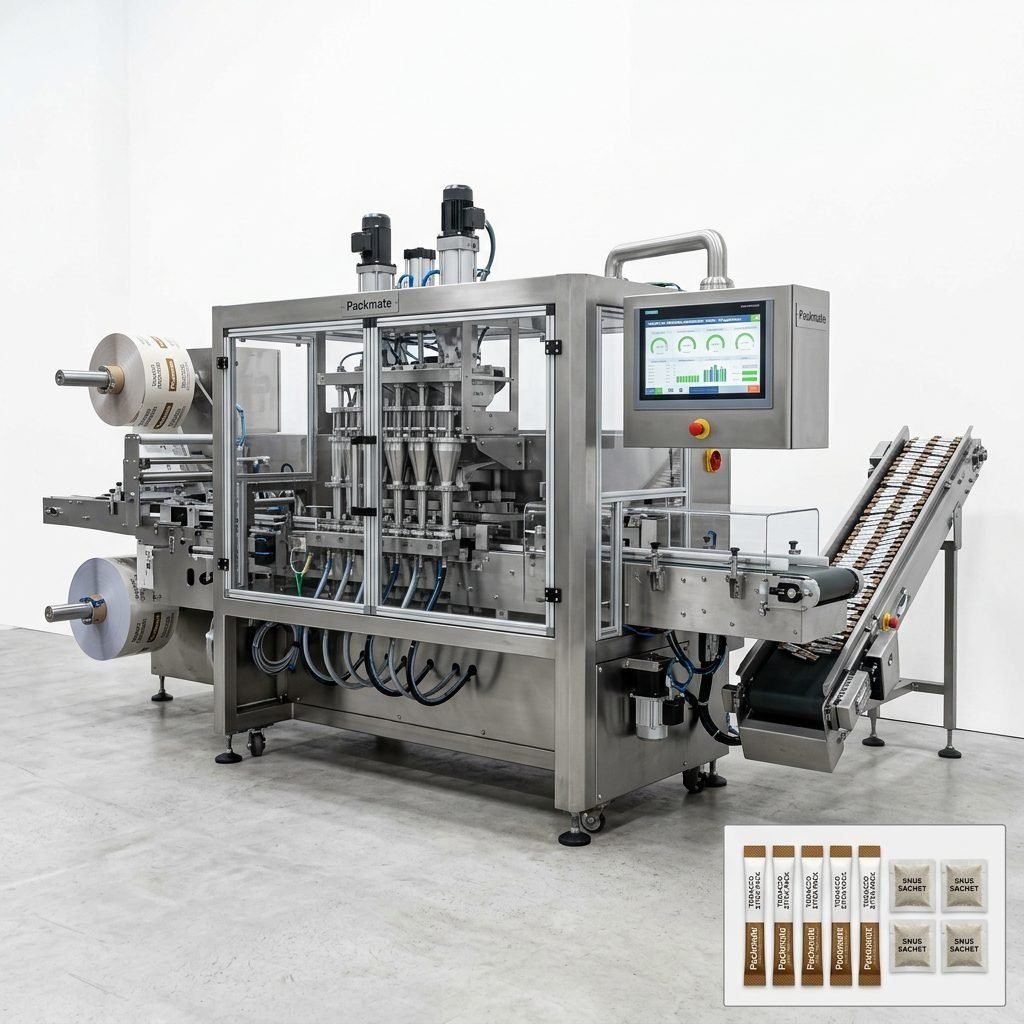
High-accuracy weighing minimizes overfill and reduces the material required per unit. When coupled with fast, balanced multi-lane fillers, the system maintains throughput while eliminating waste — a direct energy and material efficiency gain. Explore weighing & packaging options for modern lines here.
Smart Controls & IIoT: Data for Efficiency
IIoT-enabled PLCs and HMI dashboards allow real-time monitoring of energy use, cycle times, and faults. With data-driven tuning, lines can operate at peak efficiency and schedule energy-intensive processes during off-peak hours.
Design Considerations When Selecting a Low Energy Snus Production Line
Not all low energy claims are equal. When evaluating machines or full production lines, prioritize proven engineering features and test data that demonstrate actual energy and throughput performance under your production conditions.
- Energy-Per-Unit Metrics: Request kWh per 10,000 pouches at target speeds and formats.
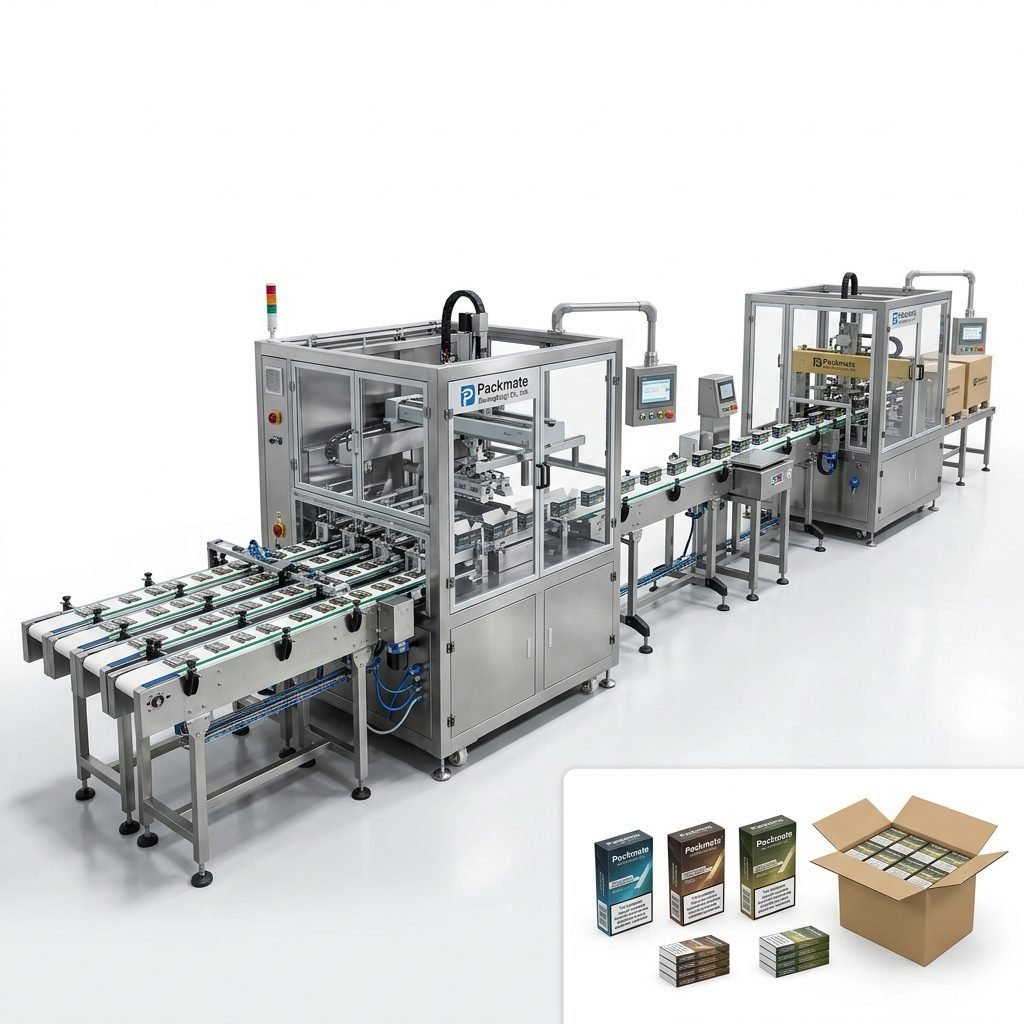
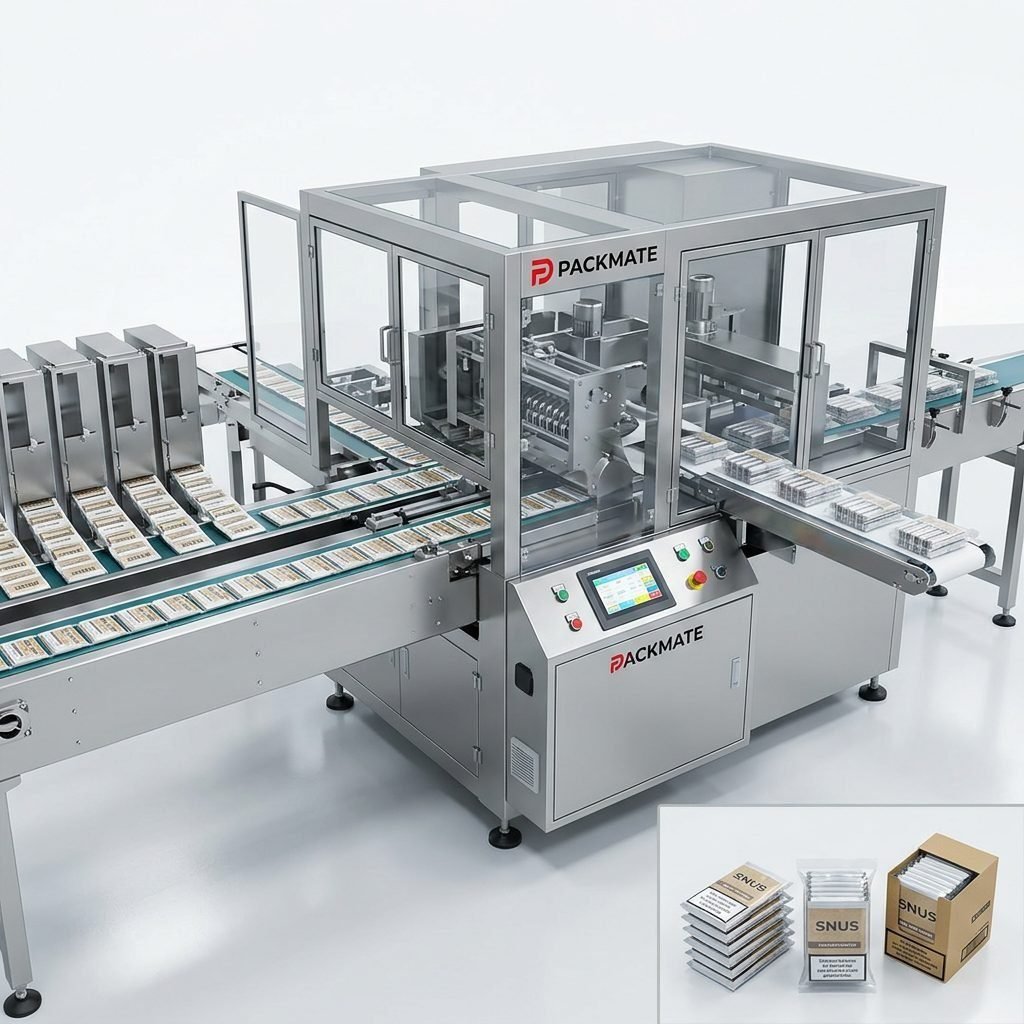
- Turnkey Integration: A fully integrated line combining filling, weighing, sealing, and packaging reduces transfer losses and redundant motors.
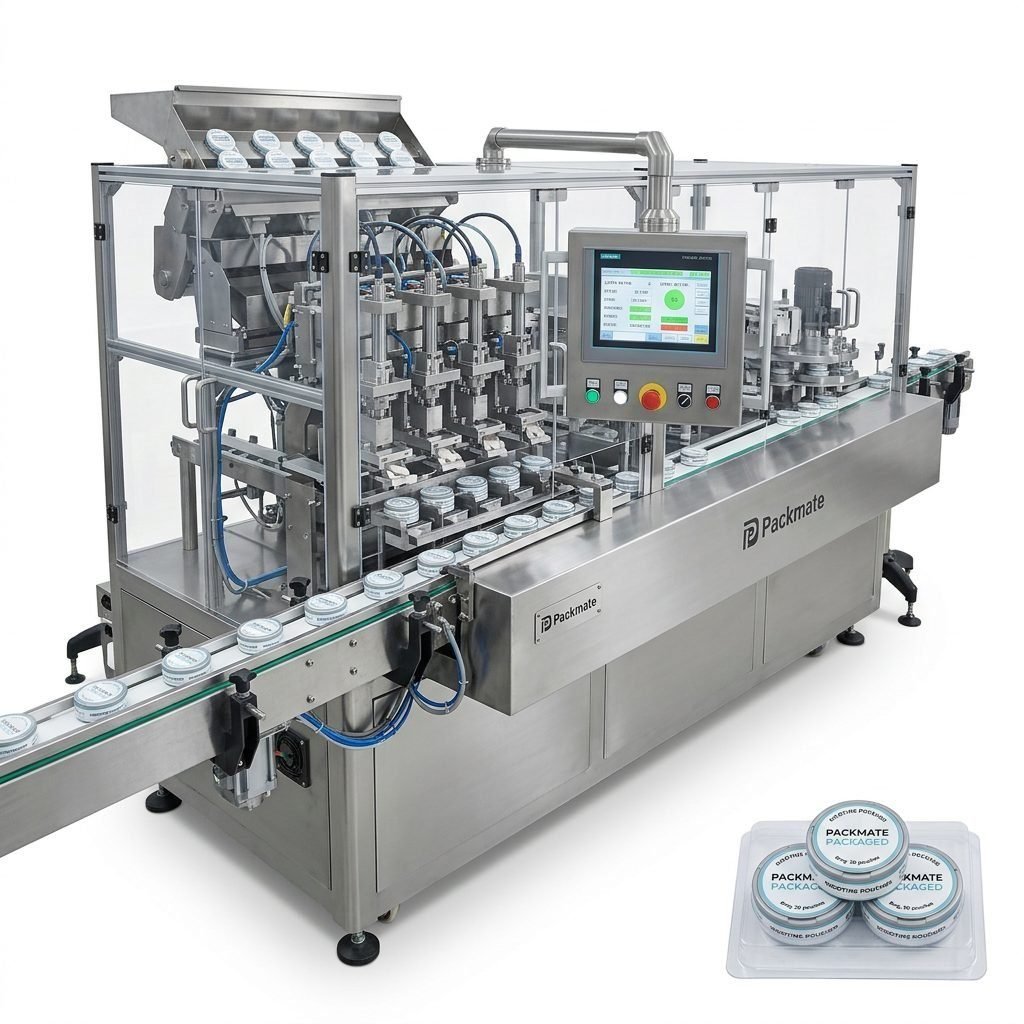
- Multi-Lane Scalability: Multi-lane systems increase output without a linear increase in energy consumption — ideal for small-dose nicotine pouches.
- Maintenance & Serviceability: Easy access to components and modular design reduce downtime and energy spikes caused by malfunctions.
Packmate Case Study: Low Energy Gains from Modernization
Packmate Snus Machine has decades of experience in packaging solutions and has equipped customers worldwide with energy-efficient snus lines. By retrofitting older systems with servo controls, regenerating drives, and precision fillers, many clients report energy reductions of 15–30% while maintaining or increasing throughput. For more examples and case references, visit our project gallery here.
Real-World Outcomes
🔧 Reduced Downtime: Modular assembly and quick-change tooling reduce maintenance time and energy spikes during restarts.
📈 Improved Yield: Precise dosing and consistent sealing lower rework and material loss — lowering embedded energy per sellable pouch.
Operational Strategies to Maximize Efficiency
Beyond machine selection, operational practices significantly influence energy use. Implement the following best practices to ensure your line runs at optimal efficiency daily.
Start-Up & Shut-Down Protocols
Optimize warm-up sequences and avoid prolonged idling. Smart scheduling that batches similar SKUs reduces the energy costs associated with frequent format changes.
Preventive Maintenance & Training
A consistent preventive maintenance program prevents energy-draining faults such as misaligned seals, worn bearings, or unbalanced drives. Staff training focused on efficient operation and quick troubleshooting sustains long-term savings.
Material & Packaging Design
Optimized pouch materials and sealing profiles can reduce heating requirements and cycle times. Collaborate with your packaging supplier and equipment manufacturer to fine-tune materials for energy-efficient forming and sealing.
Choosing the Right Vendor: What to Ask
Selecting a supplier with a track record in low-energy snus equipment is critical. Use the checklist below to qualify vendors and machine offers.
- Energy Performance Data: Ask for measured kWh per output unit under comparable conditions.
- References & Site Visits: Inspect operating lines and speak with existing customers about long-term performance.
- Service & Spare Parts: Confirm availability of local support, spare parts, and quick-response maintenance contracts.
- Certification: Verify CE/ISO compliance for safety and reliability documentation.
For detailed machine categories and technical specifications, review product families such as Snus & Nicotine Packaging Machines and Sachet & Stick Pack Machines. For full line solutions, consider integrated offerings on the Filling & Packaging Lines page.
How Packmate Supports Your Sustainability Goals
With 30+ years of engineering experience and a 20,000㎡ manufacturing facility, Packmate provides turnkey lines that combine energy-efficient hardware, precise filling systems, and global service support. Our machines are designed for low power consumption while meeting international certifications like CE and ISO. Learn more About Packmate.
For demonstration schedules and exhibition appearances, check our events calendar here.
Practical Checklist Before Purchase
Before committing to a low energy line, use this practical checklist to validate the investment and project timelines.
- Request a site-specific energy consumption projection and ROI analysis.
- Confirm spare parts lead times and local service arrangements.
- Schedule FAT (Factory Acceptance Test) and SAT (Site Acceptance Test) with energy monitoring enabled.
- Verify compatibility with material suppliers and desired pouch formats.
- Plan for operator training focused on energy-aware operation and maintenance.
Final Recommendations
Investing in a low energy snus production line is not just an equipment purchase — it’s a strategic decision that affects long-term costs, sustainability metrics, and production reliability. Prioritize machines with servo-driven motion, precision filling, smart controls, and regenerative technologies. Combine the right equipment with disciplined operations and maintenance for the best outcomes.
Need a Tailored Solution?
Packmate specializes in snus and nicotine pouch packaging lines with customizable options and global support. Review product categories or contact our team for a tailored energy-efficiency assessment: Contact Us.
Common Questions
Q1: How much energy can I realistically save by upgrading to a modern snus line?
A1: Typical upgrades with servo drives, efficient heaters, and smart controls can yield energy reductions in the range of 15–30%, depending on your current baseline and production profile.
Q2: Are energy-efficient upgrades compatible with multi-lane small-dose production?
A2: Yes. Multi-lane systems are often more energy-efficient per unit because they increase throughput without a linear increase in energy consumption. Discuss multi-lane options when evaluating machines.
Q3: What certifications should I expect from a reputable snus machine supplier?
A3: Look for CE and ISO compliance as a baseline. Also request performance documentation, FAT/SAT procedures, and operational references from existing customers.
Q4: Can Packmate provide turnkey lines including filling, weighing, and pouch packaging?
A4: Yes. Packmate provides comprehensive filling & packaging lines and auxiliary equipment to build a complete production solution. Browse full-line options here.
Q5: How do I start a project evaluation?
A5: Begin by sharing your target output, pouch formats, current energy costs, and any site constraints with the supplier. Packmate offers consultations, energy assessments, and case studies to guide your decision — learn more on our service page here.