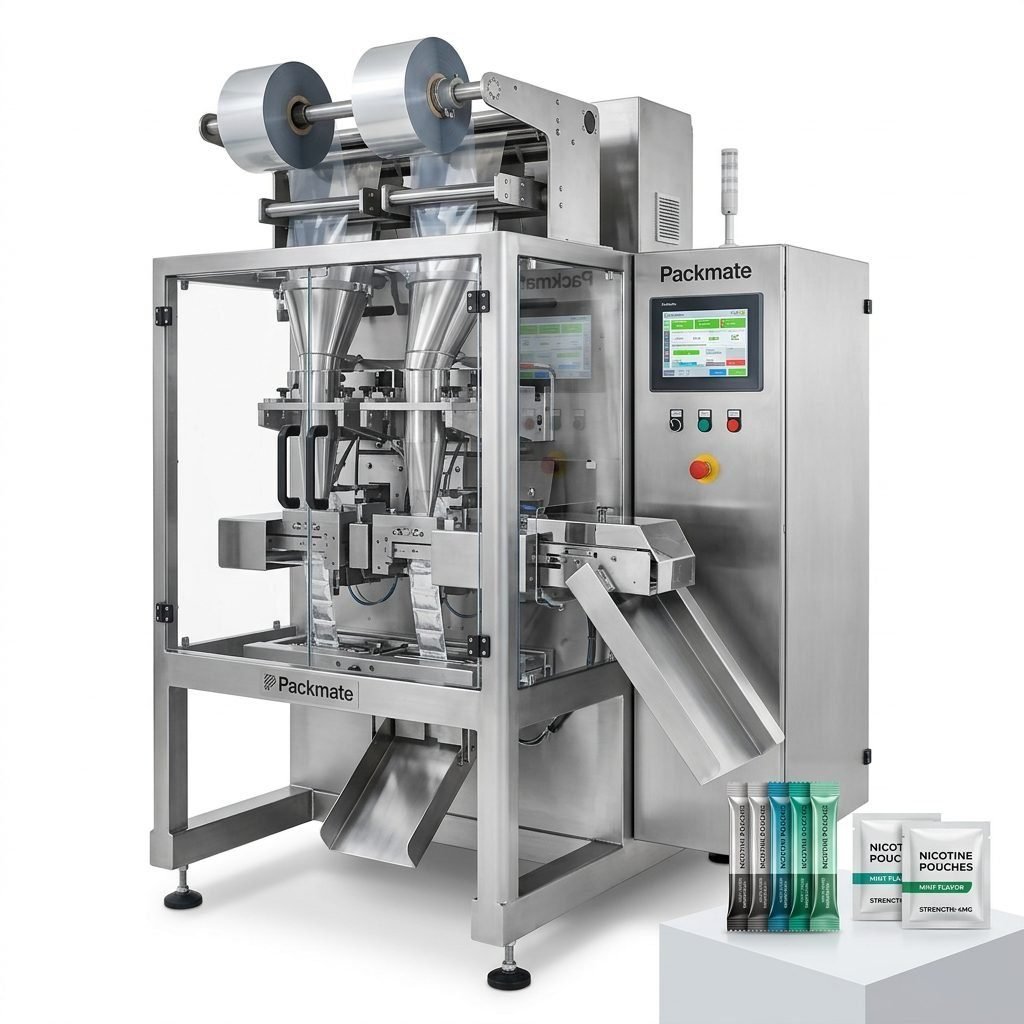
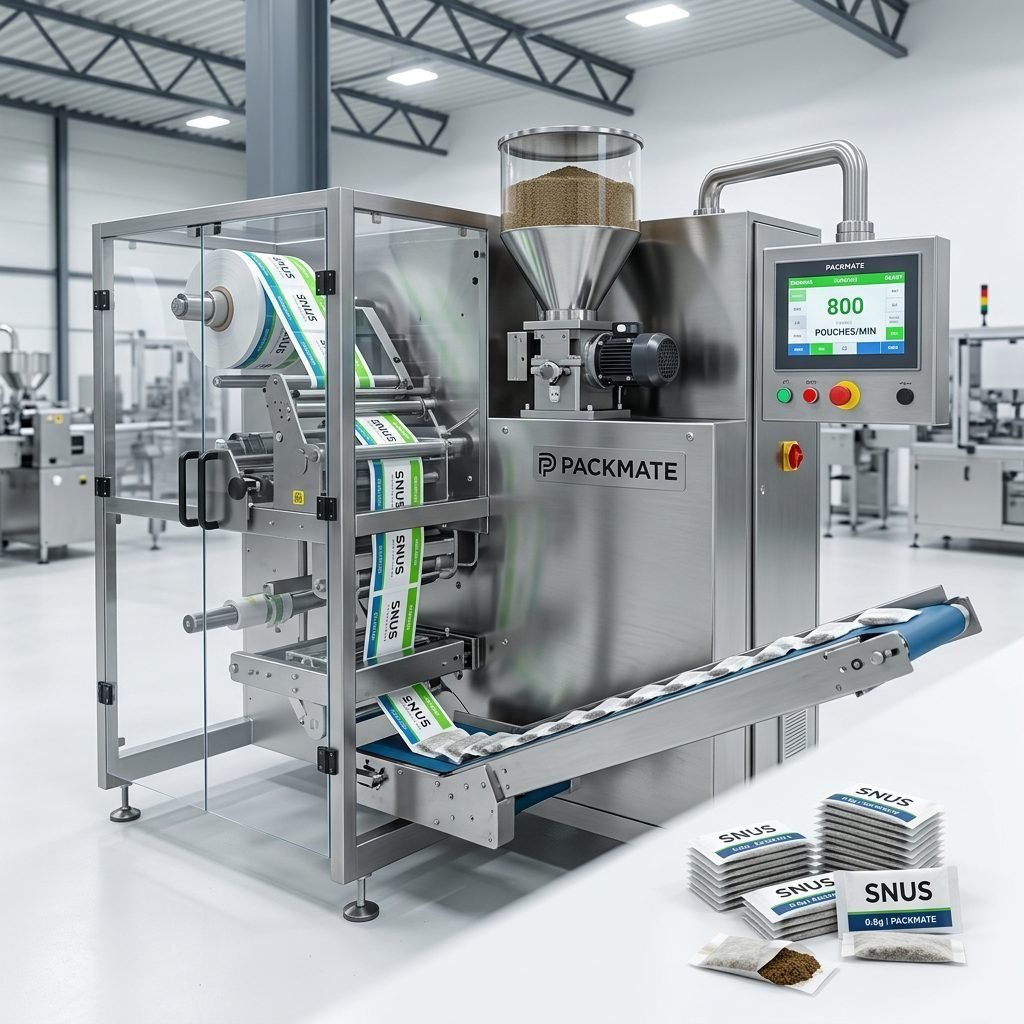
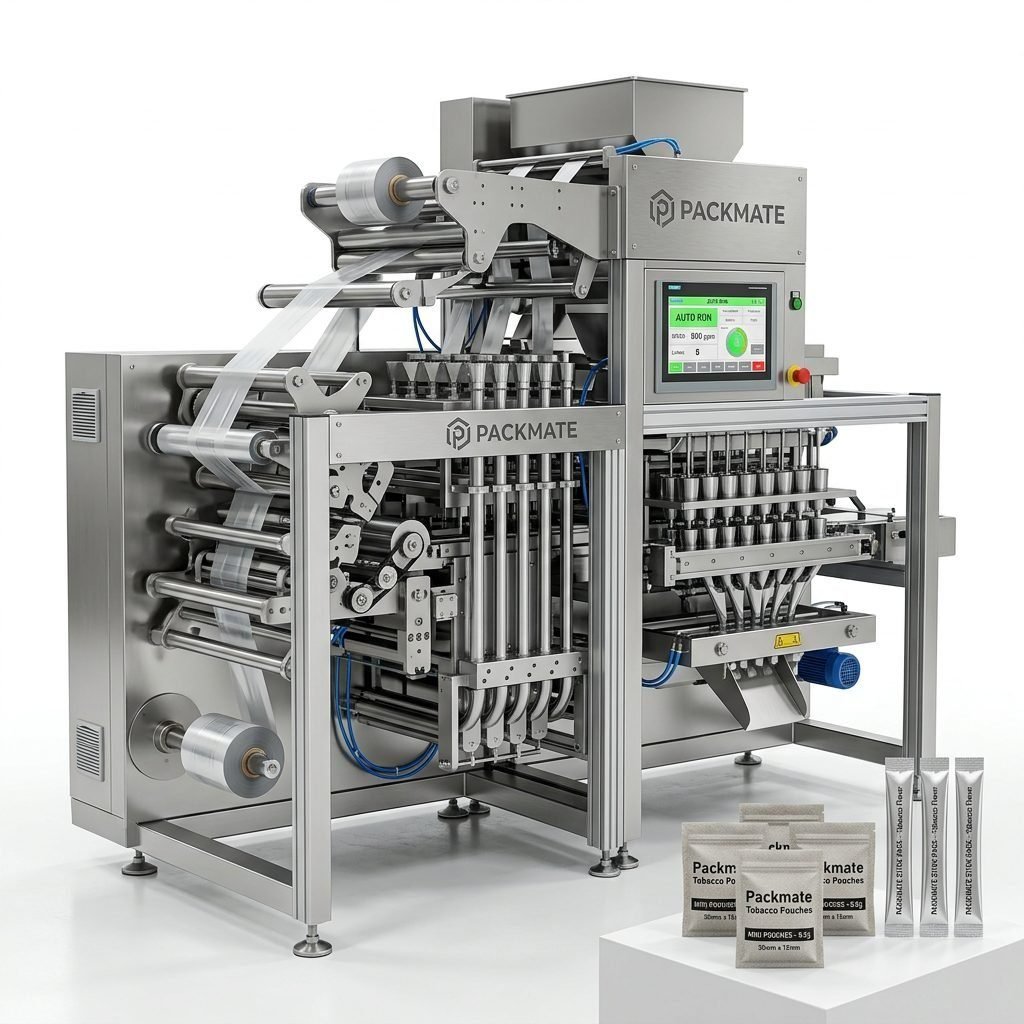
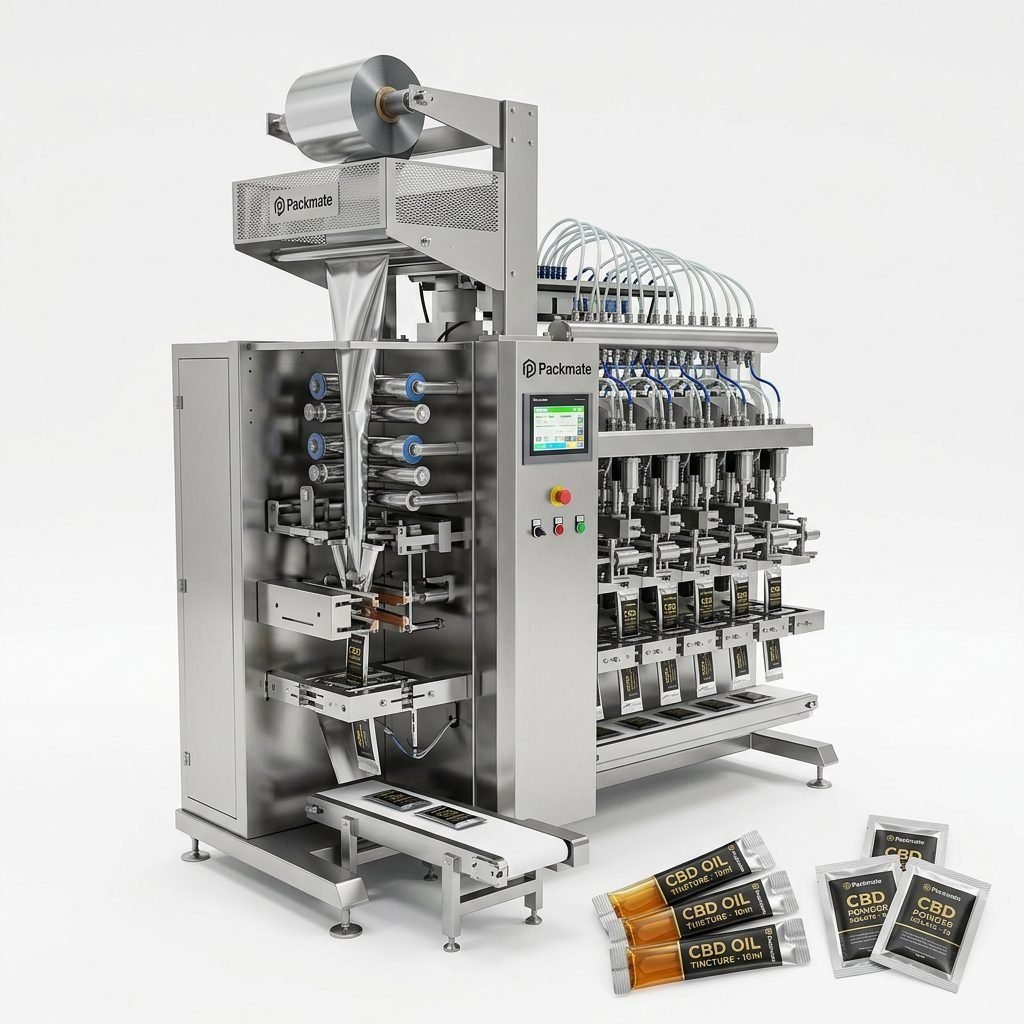
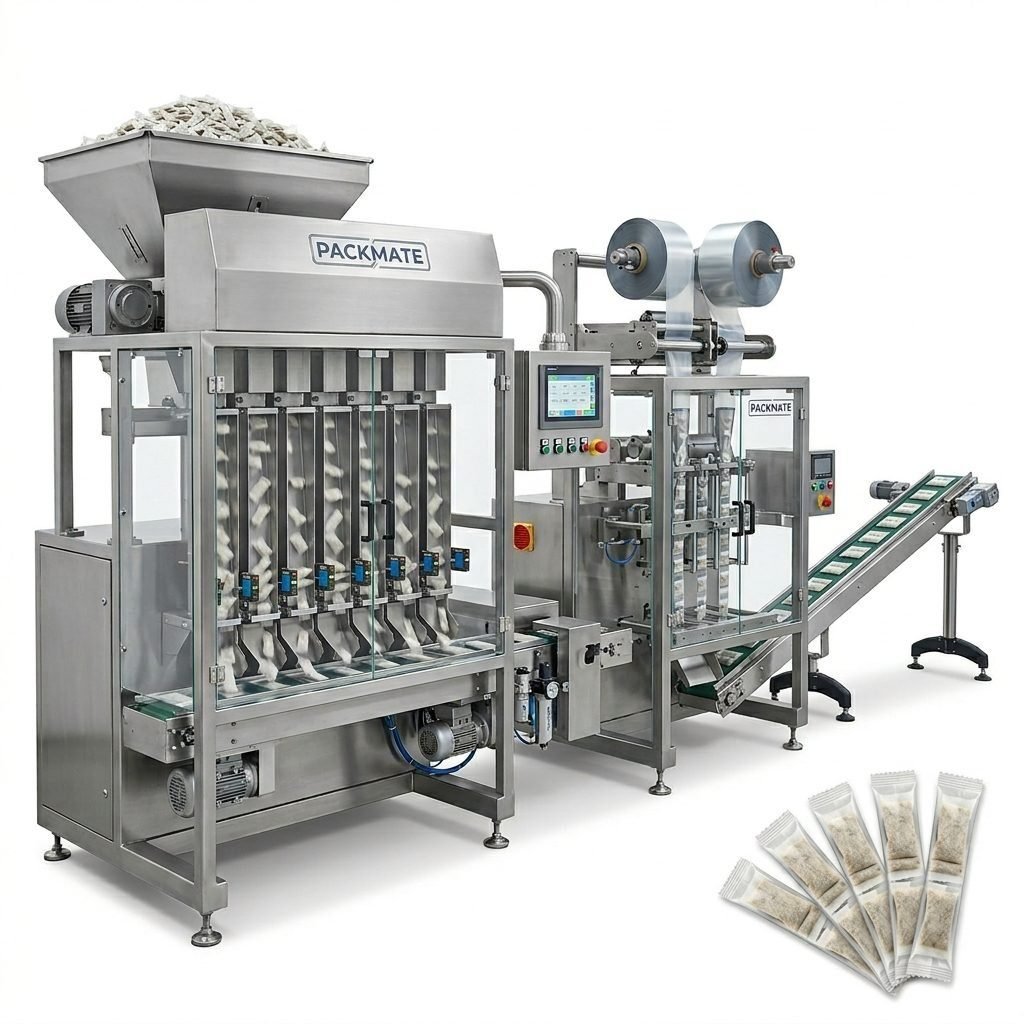
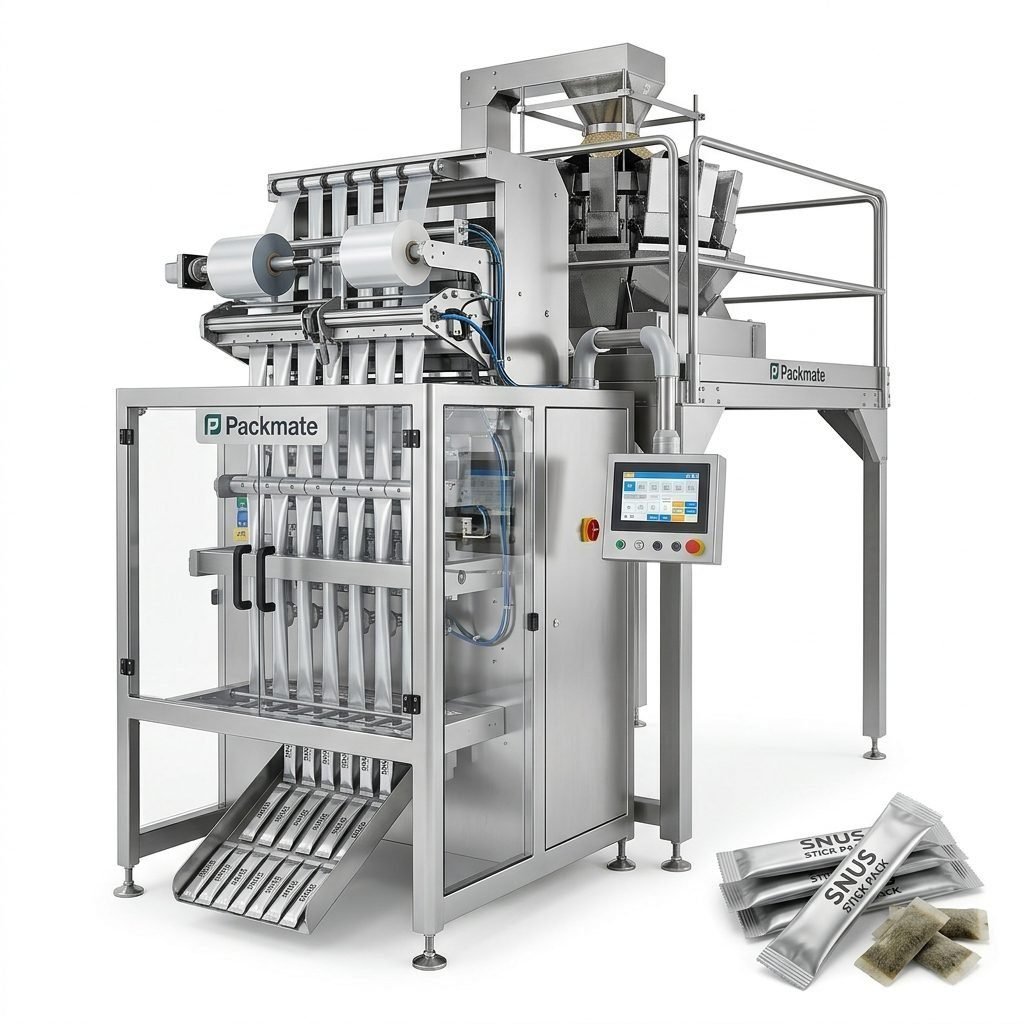
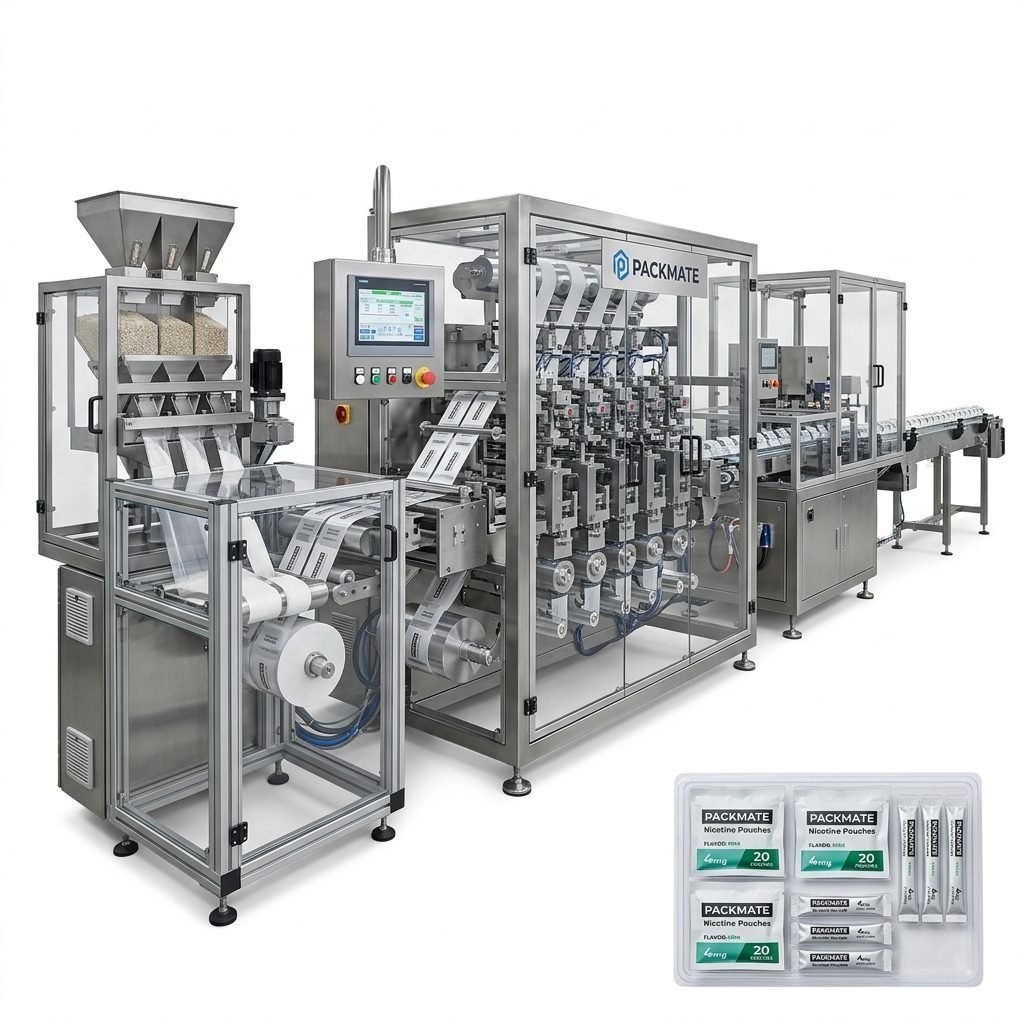
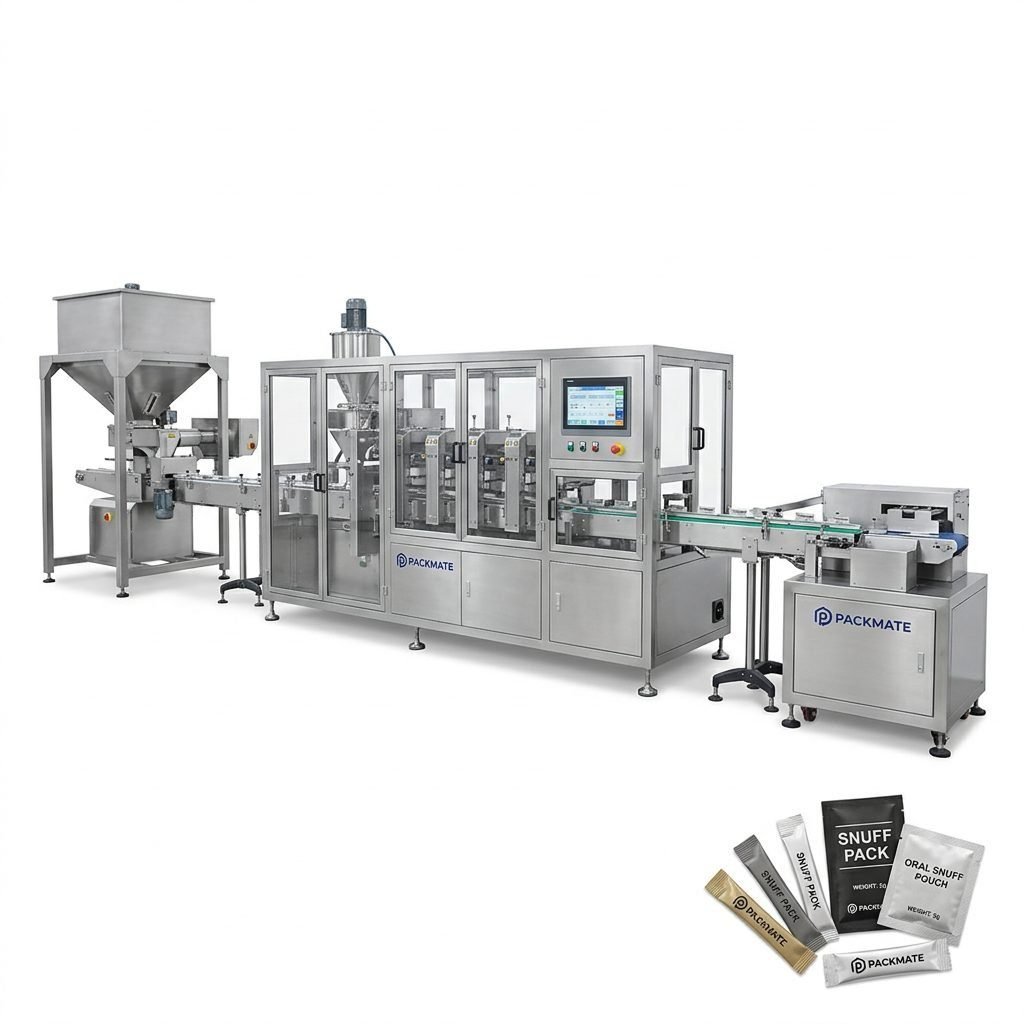
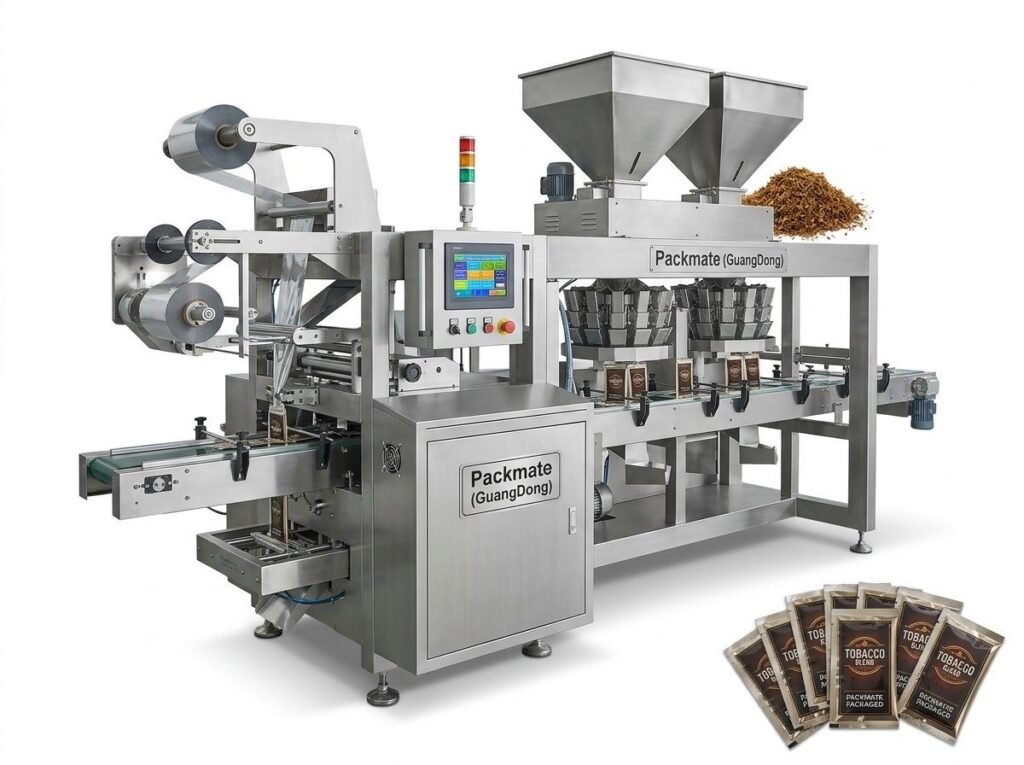
Choosing the right nicotine packaging machine manufacturer in Trinidad and Tobago is a strategic decision that impacts product quality, regulatory compliance, and long-term operating costs. Whether you’re producing nicotine pouches, snus, sachets, or stick packs, understanding the technical capabilities, after-sales support, and local logistical considerations will save time and money. This guide walks you through the most important factors to evaluate and offers practical tips tailored to the Trinidad and Tobago market.
Understand Local Market and Regulatory Context 🇹🇹
Trinidad and Tobago has a unique regulatory and cultural landscape. Regulations related to nicotine, tobacco alternatives, and import duties may change frequently. Before contacting manufacturers, clarify local rules about nicotine product importation, labelling, and taxation. Local customs, port procedures at Port of Spain, and the need for compliant documentation are practical constraints that affect delivery timelines and total landed cost.
Why this matters:
Delays in clearance or non-compliant machine documentation can derail installation and commissioning. Choose a manufacturer experienced in international shipments and familiar with Caribbean logistics, or a supplier willing to provide detailed export paperwork and support.
Key Technical Criteria to Evaluate ⚙️
When comparing manufacturers, focus on technical metrics that determine production efficiency and product quality. These include accuracy of dosing, sealing quality, multi-lane synchronization for small-dose pouches, changeover time, and compatibility with your packaging materials.
Quick checklist:
⚡ dosing accuracy ± tolerance • 🔒 seal integrity (heat or ultrasonic) • 🧩 multi-lane capability • 🔄 ease of changeover • 🛠️ spare parts availability
Dosing & Filling Accuracy
Nicotine pouches and snus require precise dosing, often at small volumes. Ask for performance data such as ±% dosing accuracy, type of feeder (vibratory, auger, weighers), and real-world references. Manufacturers with integrated weighing and packaging systems can reduce waste and ensure consistent product weight.
Sealing and Material Compatibility
Verify which film materials and pouch formats the machine supports: laminated films, paper pouches, heat-seal or ultrasonic sealing. Tropical climates like Trinidad and Tobago’s high humidity mean film selection and sealing control are critical to prevent seal failure and preserve shelf life.
Assess Manufacturer Capabilities and Track Record 🏭
A manufacturer’s history, factory capacity, and product range reveal much about their ability to deliver reliable equipment and ongoing support. Look for companies with decades of engineering experience, advanced machining centers, and a broad model range to fit your production scale.
For example, suppliers that emphasize precision engineering and offer turnkey solutions tend to reduce the risk of compatibility issues between weighing, filling, and packaging modules. If you want a manufacturer example to review, explore Snus & Nicotine Packaging Machines for technical references and machine families.
Factory Strength & Certification
Prioritize manufacturers with:
✓ 20,000㎡ or larger production facilities • ✓ Advanced CNC machining • ✓ ISO/CE certifications • ✓ Field-proven multi-lane machines
Service, Spare Parts & Local Support 🔧
After-sales service is critical for uptime. Confirm that the manufacturer offers spare parts, remote troubleshooting, on-site commissioning, and training. In Trinidad and Tobago, timely response may require localized stocking of critical parts or trusted regional partners to reduce downtime.
Ask prospective suppliers about their global service network and whether they have experience exporting to Caribbean markets. Companies that provide detailed service agreements and optional preventive maintenance contracts will help protect your investment.
Customization, Scalability & Turnkey Solutions 🚀
Your chosen machine should match your current production needs and allow for future growth. Manufacturers that offer modular, multi-lane systems and full packaging production lines simplify upgrades. If your product mix may expand (different pouch sizes or formats), select a partner who can deliver flexible, scalable solutions.
For a deeper look at full-line offerings, check Filling & Packaging Lines and Bag & Pouch Packaging Machines to compare how combined systems can reduce integration headaches.
Why turnkey matters in Trinidad and Tobago
Turnkey suppliers manage everything from machine delivery and installation to staff training and documentation — which is especially helpful where local technical skills or quick access to OEM technicians are limited.
Cost vs Value: Total Cost of Ownership (TCO) 💰
Purchase price is only one component. Include installation, shipping, customs duties, spare parts, energy consumption, and expected production yield when calculating TCO. Efficient machines with higher upfront cost may pay back quickly through reduced waste and labor savings.
TCO items to request from vendors:
shipping estimates • expected electricity load • spare parts list & prices • mean time between failures • installation & training fees
Factory Visits, References & Live Demonstrations 📦
Request factory tour videos or invite the manufacturer to demonstrate machines at a local facility, if possible. A live demonstration with your actual material is the most reliable way to verify dosing, sealing, and cycle speeds. Check case studies and client references; global exhibition participation is also a good sign of credibility.
For example, many reputable manufacturers showcase live demos and real-world cases—explore Case and Our Exhibition pages to review successful installations and customer feedback.
Negotiation Tips & Contract Essentials ✍️
When negotiating, clarify lead times, payment milestones, warranty coverage, acceptance testing criteria, and terms for spare parts supply. Include penalties or remedies for missed delivery or performance guarantees, and ensure all agreements reflect required export and import documentation for Trinidad and Tobago customs.
Documentation to request:
• Detailed machine specifications and electrical schematics • CE/ISO certificates • FAT (Factory Acceptance Test) and SAT (Site Acceptance Test) procedures • Parts list and CAD drawings for installation planning.
Practical Considerations for Trinidad and Tobago Buyers 🚢
– Shipping windows: Weather and port congestion can affect arrival dates — build buffer time into your plan.
– Power supply: Confirm machine electrical specifications match local supply and that any transformers or phase converters are included.
– Tropical environment: Ask about corrosion-resistant materials and protective coatings to counteract humidity and salt air near ports.
– Local workforce training: Plan comprehensive training sessions and secure bilingual manuals if needed.
Selecting a Trusted Manufacturer — Example Criteria Checklist ✅
Must-have capabilities:
30+ years experience • 50+ machine models • CE/ISO certified • advanced CNC production • turnkey packaging lines • global export experience
Suppliers that match these criteria are better positioned to meet Caribbean buyers’ practical needs. If you want to evaluate specific product ranges while researching vendors, see these helpful product pages: Snus & Nicotine Packaging Machines, Bag & Pouch Packaging Machines, and Sachet & Stick Pack Machines.
How to Run Trials and Acceptance Tests 🔎
Insist on a FAT that demonstrates your actual materials and target output. Acceptance testing should include continuous runs, weight checks, seal integrity tests, and packaging appearance verification. Document acceptance criteria in the purchase contract to avoid disputes after delivery.
Sourcing Decision Flow — Quick Summary Map
1) Define product specs and regulatory constraints in Trinidad and Tobago; 2) Shortlist manufacturers by capability and certifications; 3) Request references, videos, and FAT; 4) Negotiate terms including warranty and spare parts; 5) Plan logistics, installation, and training; 6) Accept machine only after SAT with your materials.
If you would like to learn more about a manufacturer’s background, product range, or previous cases and exhibitions, you can visit About Packmate, Case, and Our Exhibition for detailed company information and real-world examples.
Final Recommendations for Buyers in Trinidad and Tobago 🎯
– Prioritize manufacturers with turnkey capability and proven multi-lane systems for small-dose products.
– Verify certifications and request FAT/SAT using your materials.
– Factor in TCO and regional logistics when comparing quotes.
– Secure service agreements and spare parts access to minimize downtime.
– Work with vendors willing to provide training and clear export documentation.
Need help finding a supplier?
Reach out to manufacturers’ contact pages for tailored quotes and consultation: Contact Us.
Useful links
– Product portfolios: Weighing & Packaging Systems • Filling & Packaging Lines.
– Company background and support: About Packmate.
Common Questions (FAQs)
Q1: How long does delivery to Trinidad and Tobago typically take?
A1: Shipping time varies by factory location and sea freight schedules; allow for manufacturing lead time plus 4–8 weeks sea transit and customs clearance. Ensure your contract includes lead time guarantees and clear export documentation.
Q2: Are nicotine packaging machines compliant with CE/ISO standards?
A2: Reputable manufacturers provide CE and ISO certificates as standard. Ask to see current certificates and ensure electrical and safety standards match local requirements.
Q3: What support is available after installation in Trinidad and Tobago?
A3: Many suppliers offer remote support, on-site commissioning, and spare parts shipping. Negotiate a service-level agreement and evaluate options for local partner support to shorten response time.
Q4: Can machines handle tropical humidity conditions?
A4: Ask vendors about corrosion-resistant components, protective coatings, and recommended maintenance schedules. Proper film selection and controlled storage are essential in humid climates.
Q5: How do I validate a machine before purchase?
A5: Require a Factory Acceptance Test (FAT) using your materials, documented performance metrics, and video evidence or an on-site demo. Include clear acceptance criteria in the contract.