Entering the nicotine pouch or snus market in Moldova means balancing local consumer habits, regulatory awareness, and efficient production. Choosing the right packaging machinery supplier is one of the most consequential decisions you will make. The right partner helps you scale safely, maintain consistent quality, and control cost-per-unit while reducing downtime. This guide outlines a practical, Moldova-centered approach to selecting a nicotine packaging machinery supplier that meets your production objectives.
Understand Moldova’s Market Reality and Cultural Context
Moldova is a small but strategically located market with close ties to neighboring Romania and Ukraine. When planning production here, consider consumer preferences (taste profiles, pouch sizes), distribution channels (local tobacconists, cross-border trade, online retail), and common business etiquettes. Moldovan buyers often value face-to-face relationships and trust-building, so suppliers who offer on-site visits, demonstrations, or regional representation will have an advantage. Additionally, language flexibility (Romanian and Russian) and clear documentation in English help smooth contract negotiations and technical transfers.
Start with a Clear Production Specification
Before contacting suppliers, define your production goals. Key variables include:
- Target output (pouches per minute and daily capacity)
- Package formats (single-dose nicotine pouches, multi-lane sachets, stick packs)
- Filling accuracy and allowable variance (mg tolerance)
- Compatible materials (laminates, biodegradable films, foil)
- Required automation level (manual loading vs. fully automated lines)
Choose the Right Machine Type for Your SKU Mix
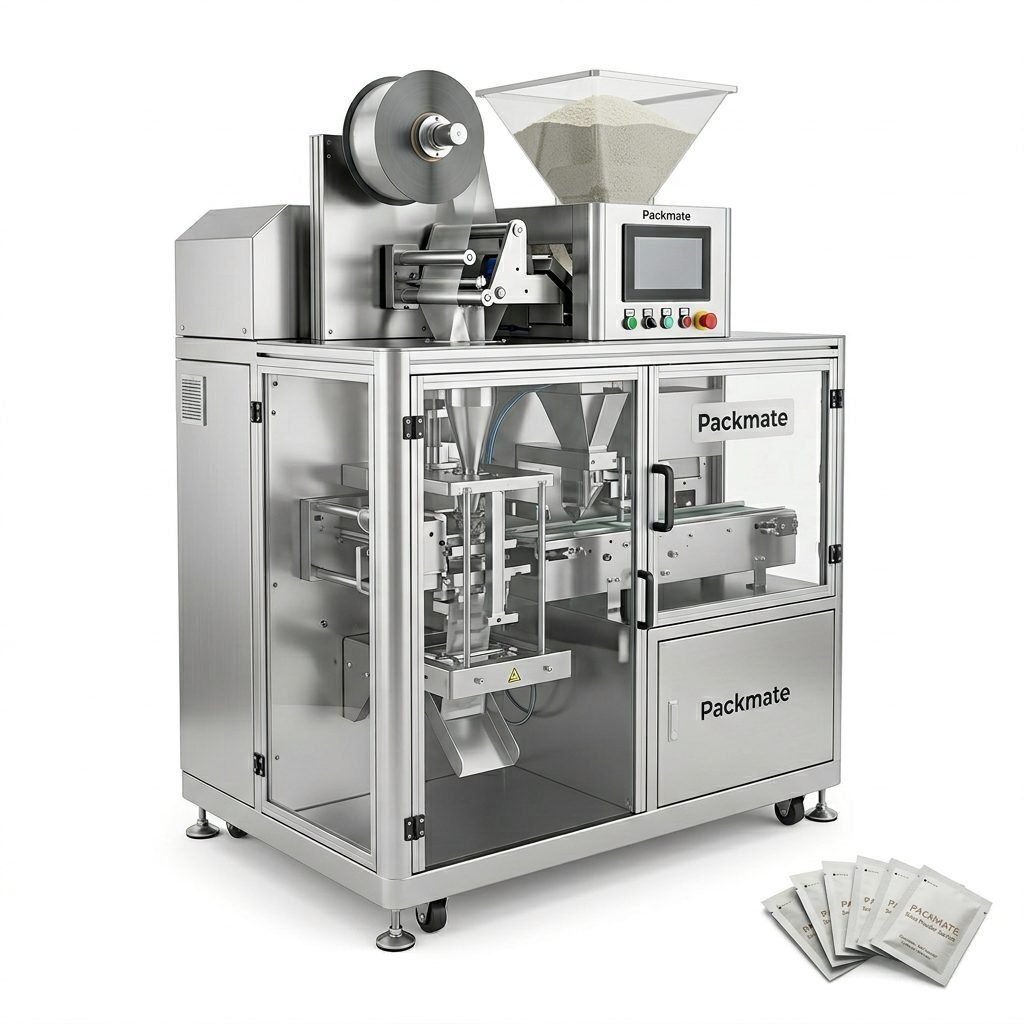
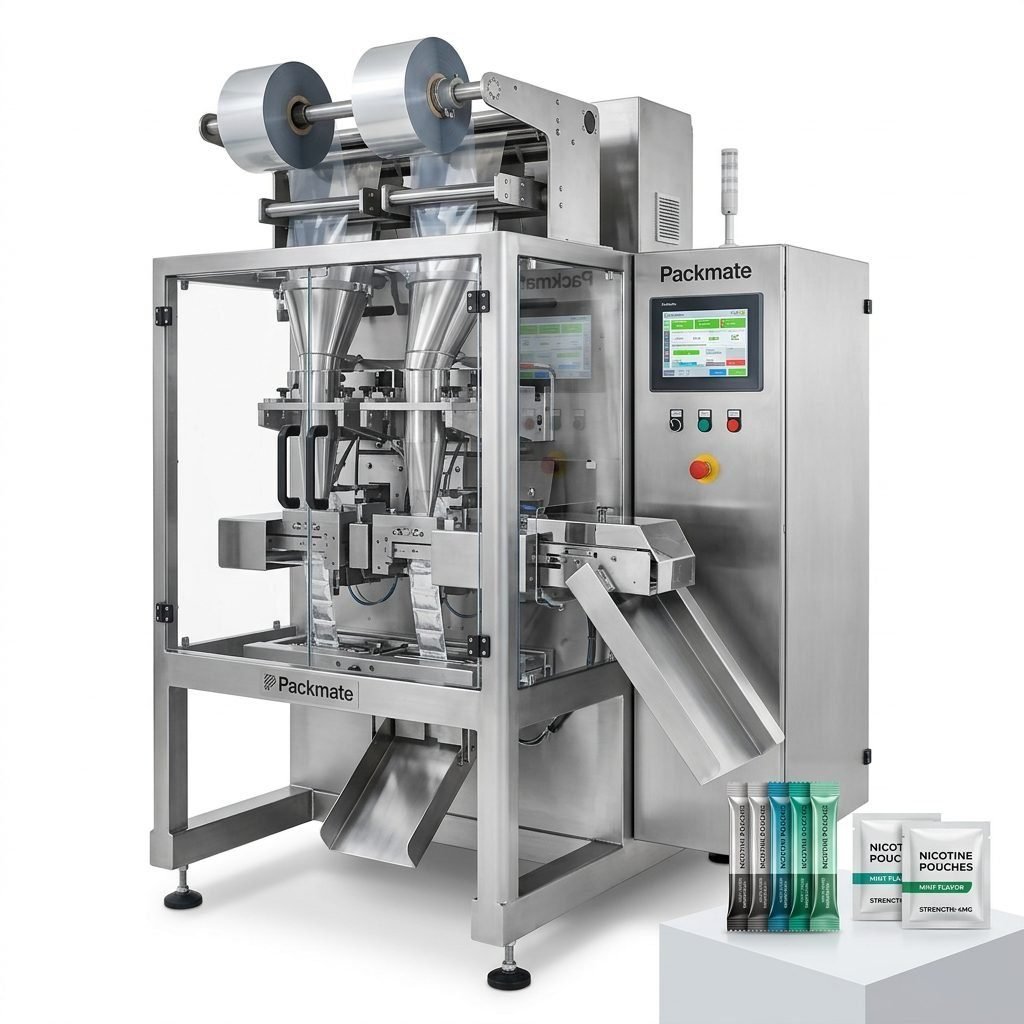
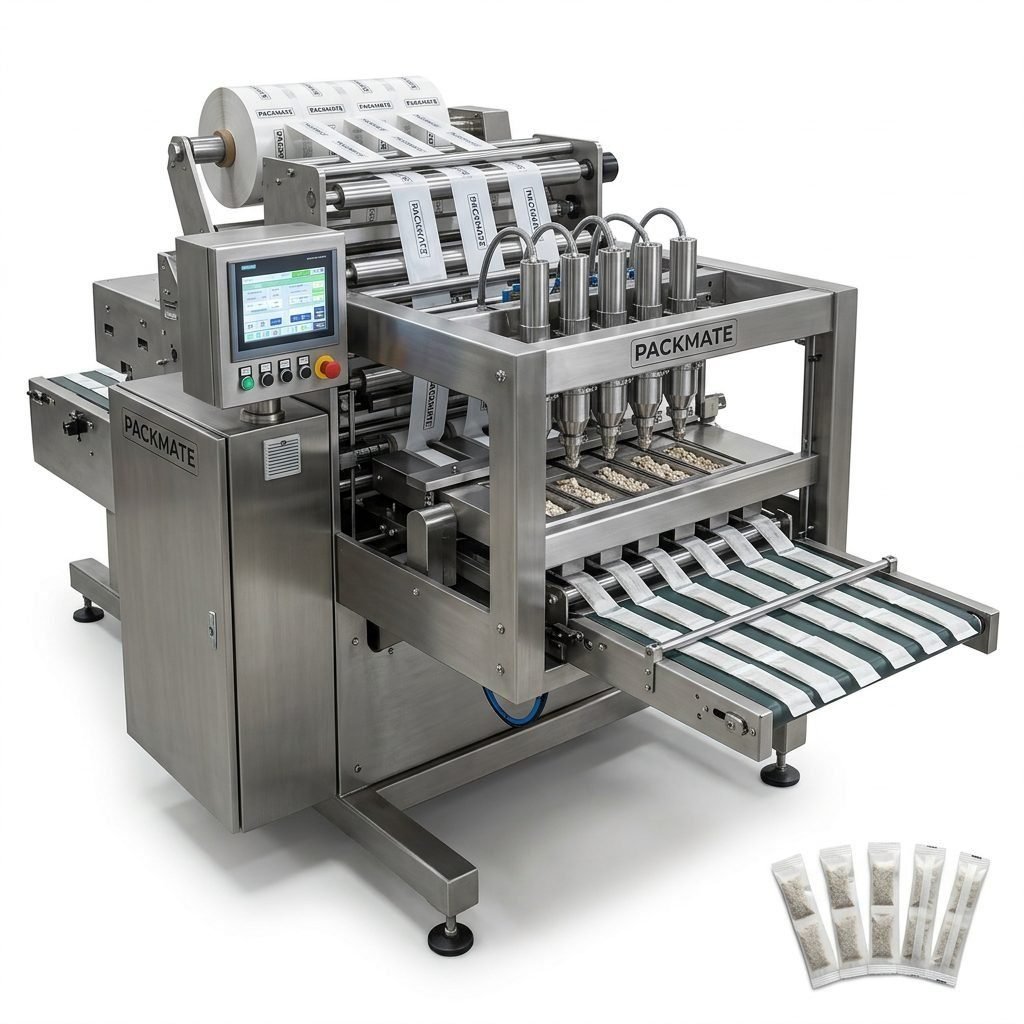
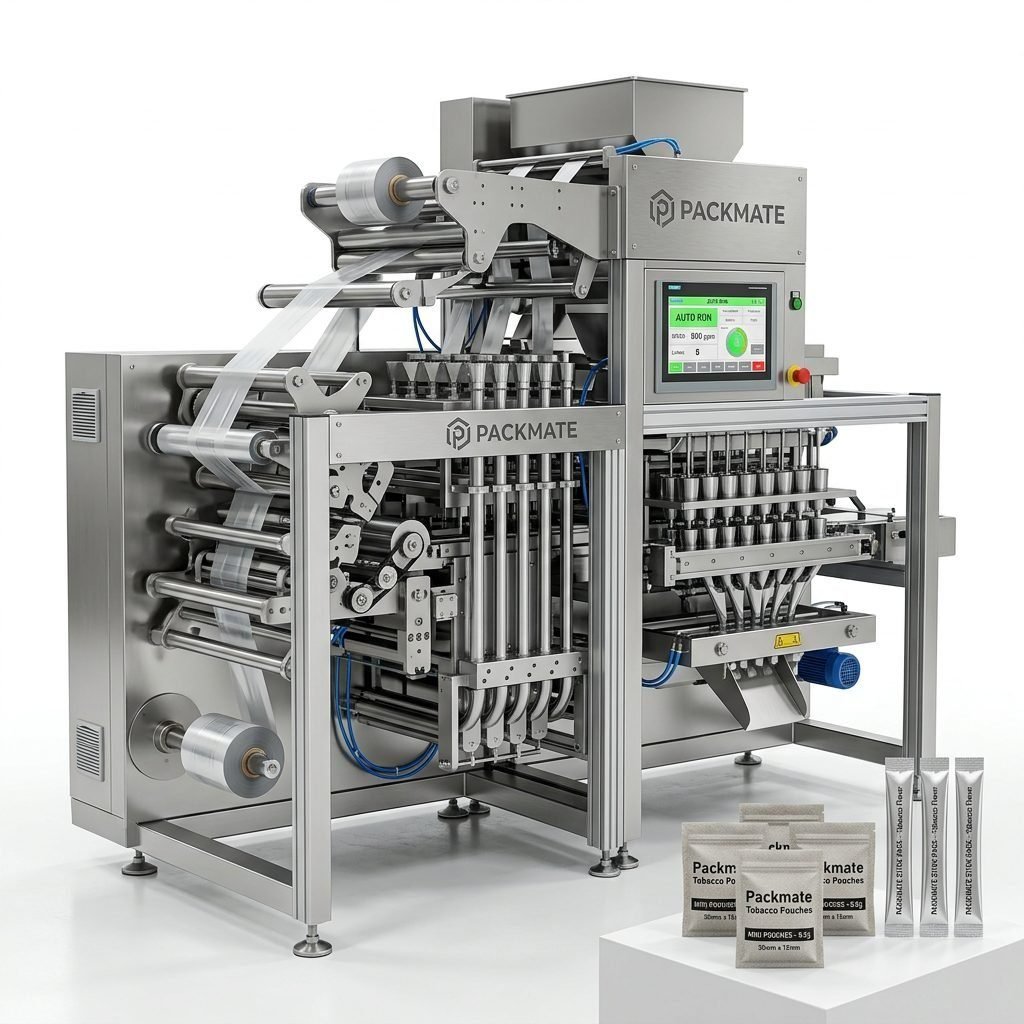
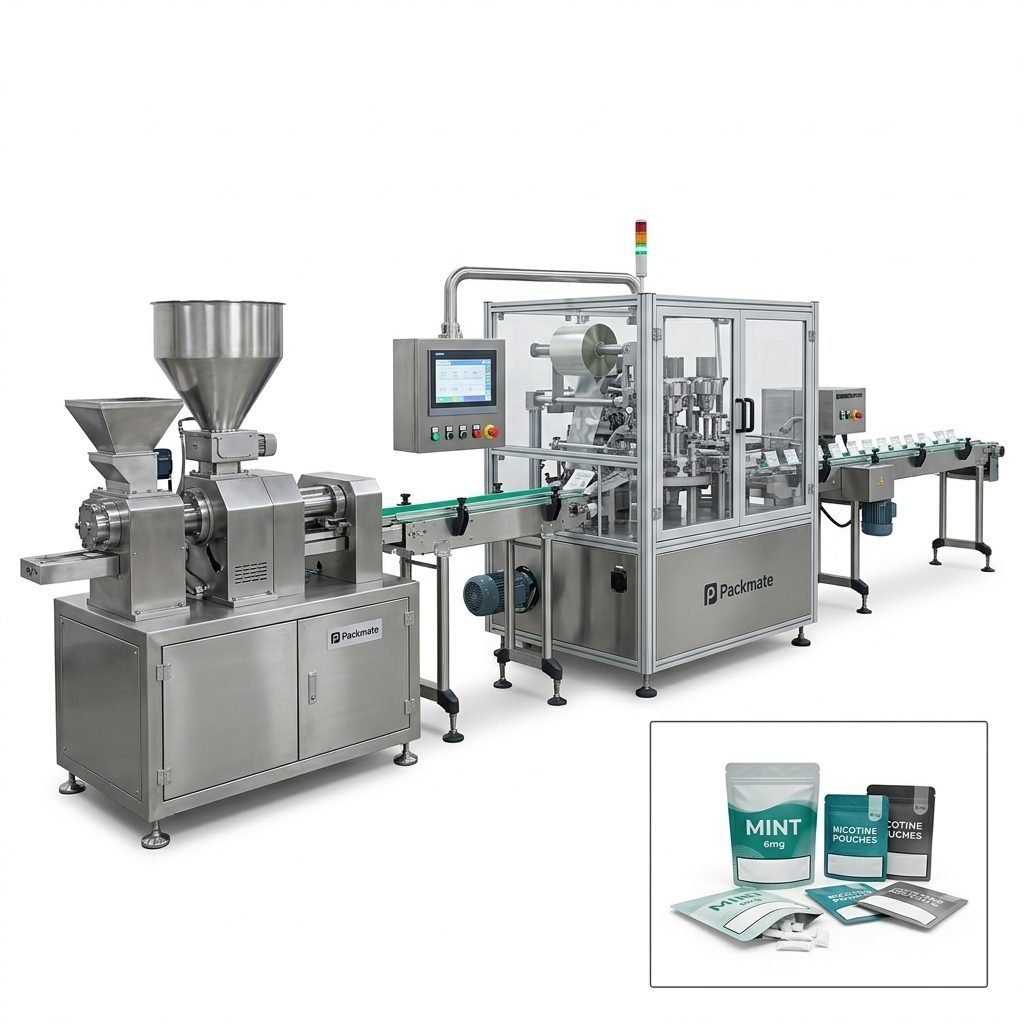
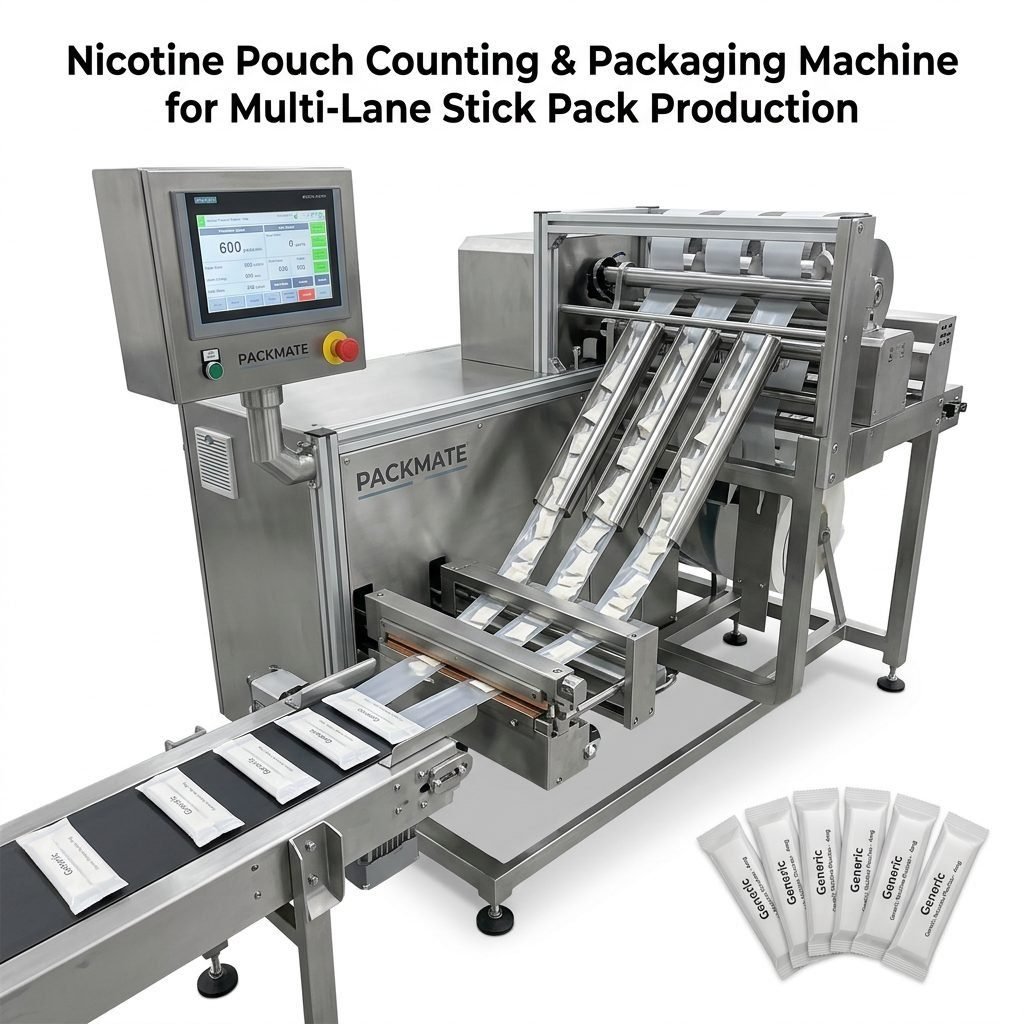
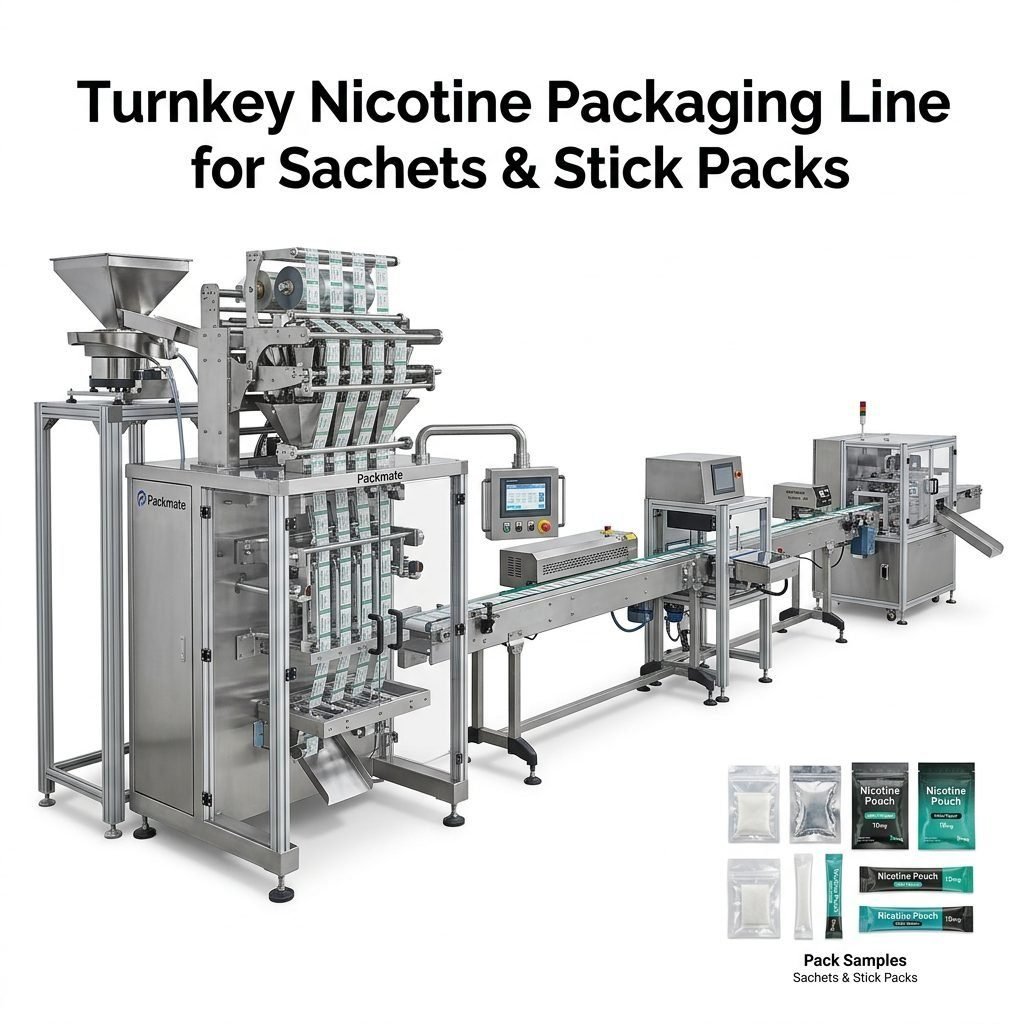
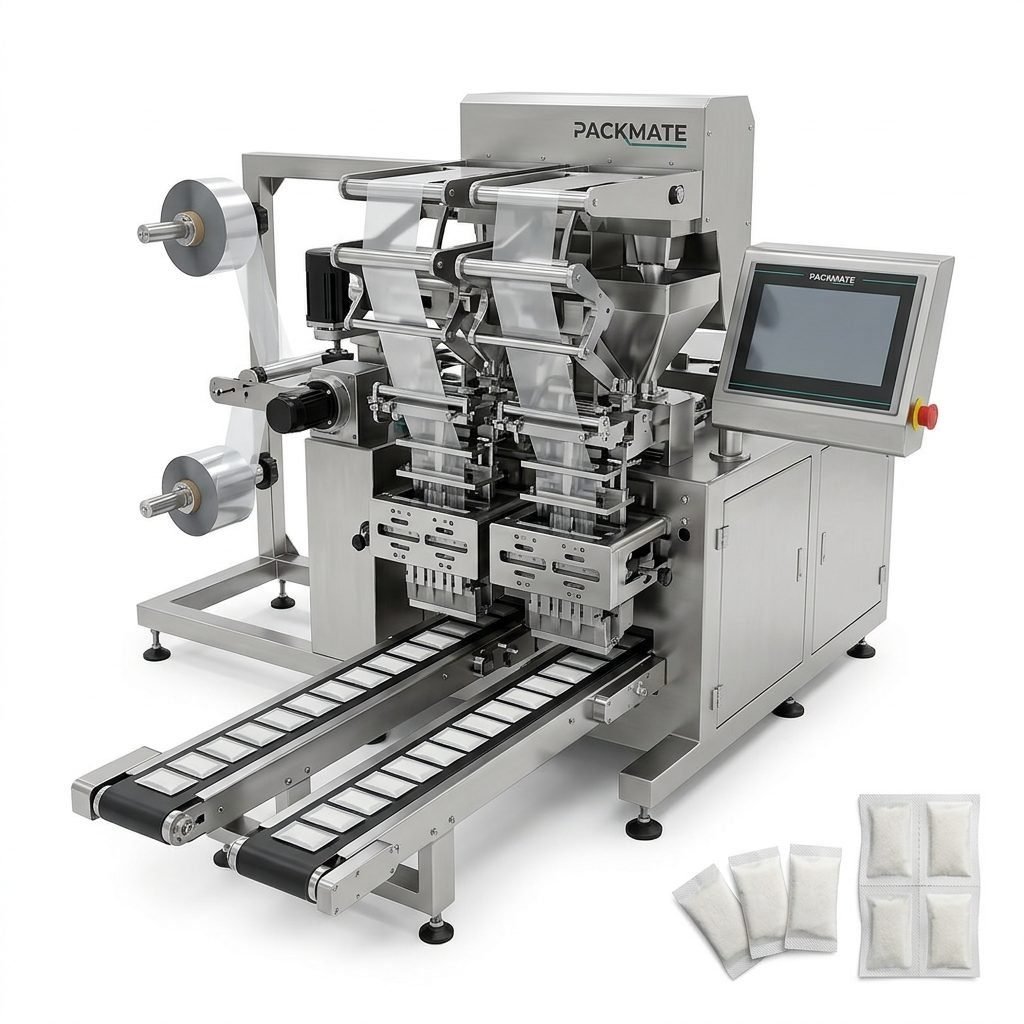
Not all packaging machinery is equally suited for nicotine pouches. Typical options include sachet and stick pack machines, multi-lane pouch lines, and specialized snus packing systems. Look for suppliers with proven experience in nicotine pouch equipment: they understand dosing of small particulate material, sealing techniques for moisture-sensitive products, and multi-lane synchronization. For example, Packmate specializes in snus and nicotine packaging machines and offers solutions across stick packs, sachets, and multi-lane configurations—useful if you plan to expand your SKU range (see Snus & Nicotine Packaging Machines).
Key technical specifications to request
When comparing quotations, ask for:
- Nominal speed and guaranteed throughput at your product specs
- Filling accuracy and dosing technology (volumetric, auger, micro-weighing)
- Changeover time between formats and toolkits included
- Power consumption and compressed air requirements
- Spare parts list and recommended stocking levels
- Validation documentation and CE/ISO compliance
Evaluate Supplier Credentials and Factory Strength
Prioritize suppliers with robust manufacturing capacity, consistent quality control, and transparent certifications. Suppliers like Packmate present a strong case: 30+ years of engineering experience, a 20,000 m² factory with CNC machining centers, and CE/ISO compliance. Verifying factory size, accessibility for factory acceptance tests (FAT), and assembly workflows helps avoid surprises during installation. If feasible, request video tours or, better yet, plan a visit—Moldovan business culture appreciates relationship-oriented negotiations, which factory visits support.
Inspection, Certification, and Regulatory Compliance
Regulatory compliance is essential for nicotine products. Work with suppliers who provide full certification packages (CE and ISO certificates) and can support validation documentation for hygiene and safety. In addition, verify that machines can be configured to meet packaging material restrictions and traceability requirements (batch codes, date coding). Suppliers that participate in international exhibitions and publish detailed certificates build confidence—see Certificate and Our Exhibition for examples of a supplier’s global presence and credentials.
After-Sales Service, Spare Parts, and Local Support
After-sales service significantly impacts uptime. Look for:
- Local or regional service partners and availability of rapid-response technicians
- Clear warranty terms and preventive maintenance packages
- Stock of critical spare parts and lead times for replacements
- Remote support options such as video troubleshooting, PLC access, and spare-part kits
In Moldova, proximity to service personnel reduces transport delays. Confirm whether your supplier can offer training in Romanian or Russian, or provide bilingual manuals and on-site sessions.
Factory Acceptance Test (FAT) and Site Acceptance Test (SAT)
A rigorous FAT and SAT are crucial. FAT should demonstrate full functionality using your product samples, and SAT should prove performance after installation in your plant. Ensure FAT reports include runtime data, production yield, sealing quality, and video evidence. If a supplier is unwilling to perform FAT with your materials, treat that as a red flag.
Total Cost of Ownership (TCO) and ROI Considerations
Price is only one piece of the puzzle. Calculate TCO by factoring in energy consumption, spare parts, downtime cost, consumables, and labor requirements. Higher initial cost can be justified by lower variability, higher uptime, and faster changeovers. Ask suppliers for case studies or real-world ROI metrics—these help forecast break-even points based on your expected throughput and margins.
Logistics, Import, and Payment Terms for Moldova
Moldova’s location makes cross-border logistics both an opportunity and a complexity. Verify supplier experience with export documentation, freight forwarding, and customs clearance to avoid delays. Agree on clear Incoterms (e.g., FOB, CIF) and discuss lead times, factory packing standards, and transit insurance. For payment, Moldovan companies often use bank transfers; negotiate phased payments tied to milestones such as order confirmation, FAT completion, shipment, and SAT completion.
Customization, Scalability, and Future-Proofing Your Line
As product portfolios evolve, you need a line that scales. Important aspects include:
- Modularity for adding lanes or modules without major rebuilds
- Software flexibility for recipe storage and rapid changeovers
- Compatibility with future packaging types and secondary packaging units
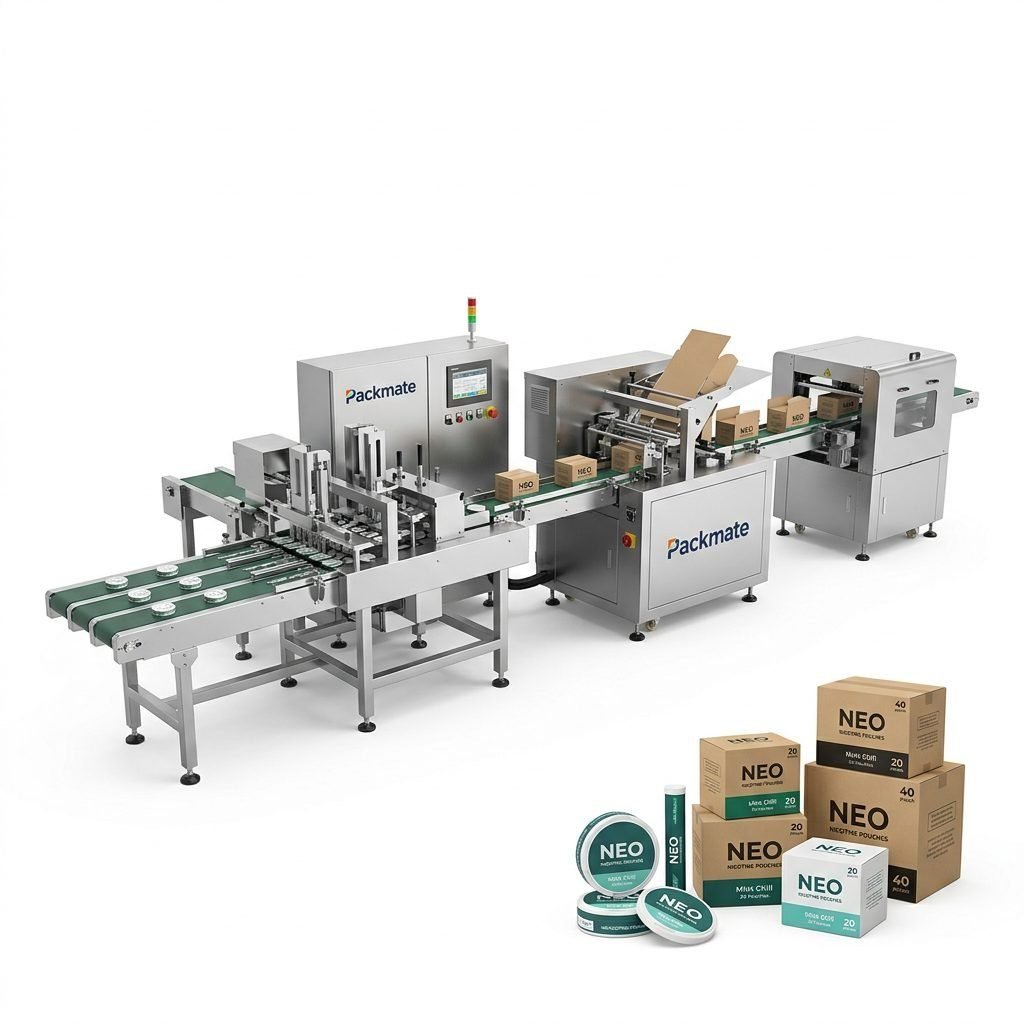
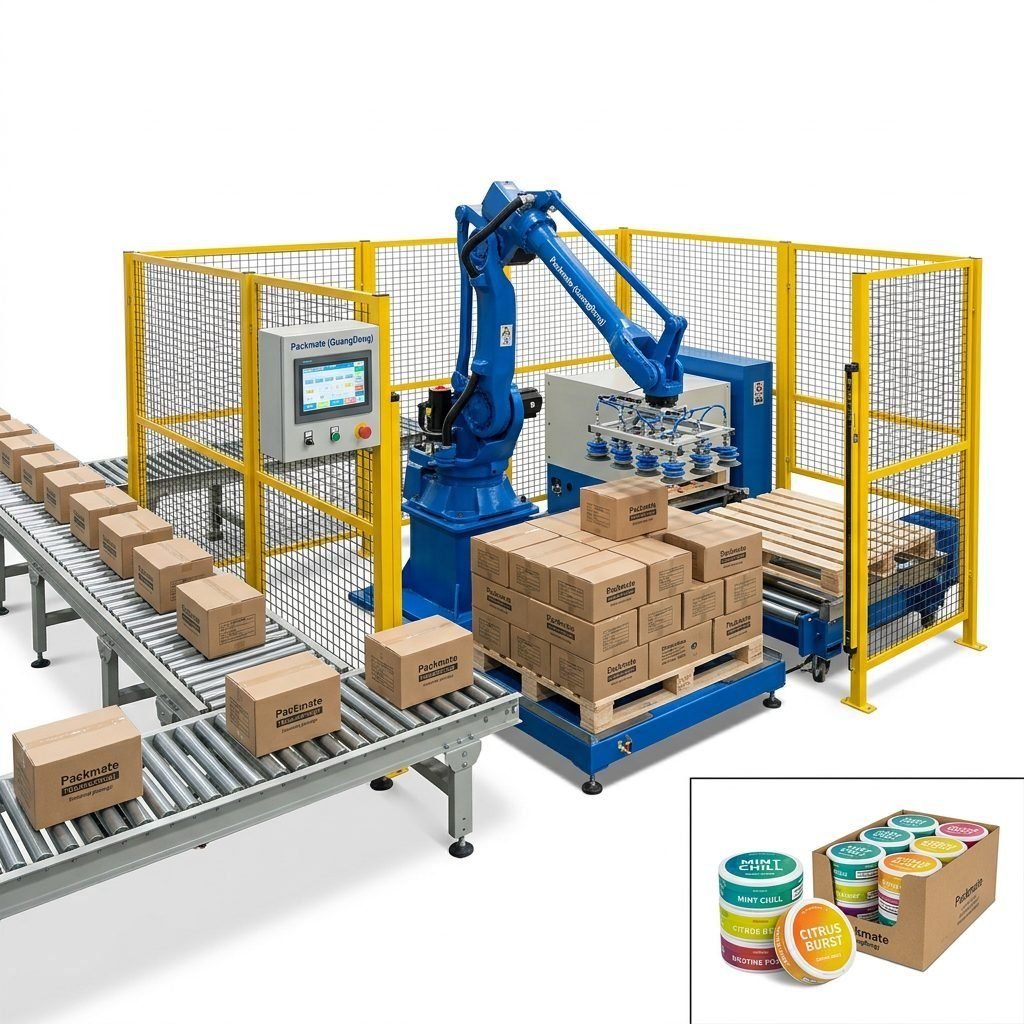
Suppliers that provide customized turnkey solutions—including auxiliary equipment such as weighers and cartoners—reduce integration risk. See Filling & Packaging Lines and Weighing & Packaging Systems for examples of integrated offerings.
Evaluate References and Case Studies
Request case studies and client references—especially those in Europe or similar regulatory environments. Ask for contacts who can attest to installation quality, on-time delivery, and post-sale support. A credible supplier should provide machine demonstration videos, detailed case reports, and contactable references (for instance, check Case).
Contract Essentials and Warranties
Ensure contracts clearly define deliverables, acceptance criteria, warranty coverage, spare-part packages, and dispute resolution clauses. Clauses should cover machine performance guarantees and penalties for missed milestones. Also, confirm availability of extended warranties and service-level agreements (SLAs).
How to Conduct a Side-by-Side Supplier Comparison
When you have multiple quotes, use a consistent comparison matrix that weighs technical fit, TCO, lead time, support capabilities, and cultural fit. Assign higher weight to items that directly affect production continuity: uptime guarantees, spare-part availability, and local language support.
Quick comparison checklist (icon annotated)
🔶 Technical fit — Does the machine meet your filling accuracy and throughput?
✅ Service & parts — Local support availability and spare-part lead times.
🔶 Compliance — CE/ISO and documentation support for Moldovan import.
✅ Proven cases — References in Europe or similar markets.
🔶 Commercial terms — Payment milestones and Incoterms.
Why Packmate Can Be a Strategic Choice for Moldova Producers
Suppliers with deep snus and nicotine experience bring domain-specific engineering advantages: accurate small-dose filling, multi-lane synchronization, and moisture control. Packmate’s 30+ years of experience and a wide product portfolio (Snus & Nicotine Packaging Machines, Sachet & Stick Pack Machines, Weighing & Packaging Systems) position it as a turnkey partner for producers who want to scale while maintaining product integrity. Their factory capabilities and international certifications make them a compelling option for producers in Moldova seeking reliability and compliance.
Final Practical Tips for Moldovan Buyers
– Schedule a factory acceptance test using your actual pouch materials and formulations whenever possible.
– Negotiate spare-part kits and startup training in your primary language (Romanian or Russian) if needed.
– Consider leasing or phased investments if you’re scaling production in stages.
– Confirm export documentation timelines and customs handling to avoid plant idle time.
– Opt for suppliers offering remote diagnostics to reduce local technician dependency.
Where to learn more and who to contact
Explore product lines and company information to shortlist potential partners: Snus & Nicotine Packaging Machines, About Packmate, Certificate, and Contact Us. These resources help you verify technical specs, certifications, and sales support options before initiating procurement.
Closing Summary
Selecting a nicotine packaging machinery supplier in Moldova requires a methodical approach—define your specs, verify factory strength and certifications, insist on FAT/SAT, and prioritize after-sales service. By focusing on total cost of ownership and supplier transparency, you can choose a partner that helps you scale reliably while meeting local market and regulatory expectations.
Frequently Asked Questions
Q1: How important is FAT before shipment?
A: FAT is essential. It verifies that the machine runs with your product and meets agreed performance metrics. Ask for video records and a signed FAT report.
Q2: What spare parts should I stock initially?
A: Stock critical wear parts: sealing jaws, belts, sensors, bearings, and dosing components. Your supplier can recommend a starter kit based on projected throughput.
Q3: Can suppliers help with regulatory documentation for Moldova?
A: Reputable suppliers provide CE/ISO certificates and machine documentation. For product-specific regulatory filings, engage local legal or regulatory consultants to ensure compliance with Moldovan requirements.
Q4: How do I ensure language and cultural fit during commissioning?
A: Request bilingual manuals and on-site training in Romanian or Russian, or schedule a local interpreter for commissioning. A supplier familiar with regional norms will streamline communication.