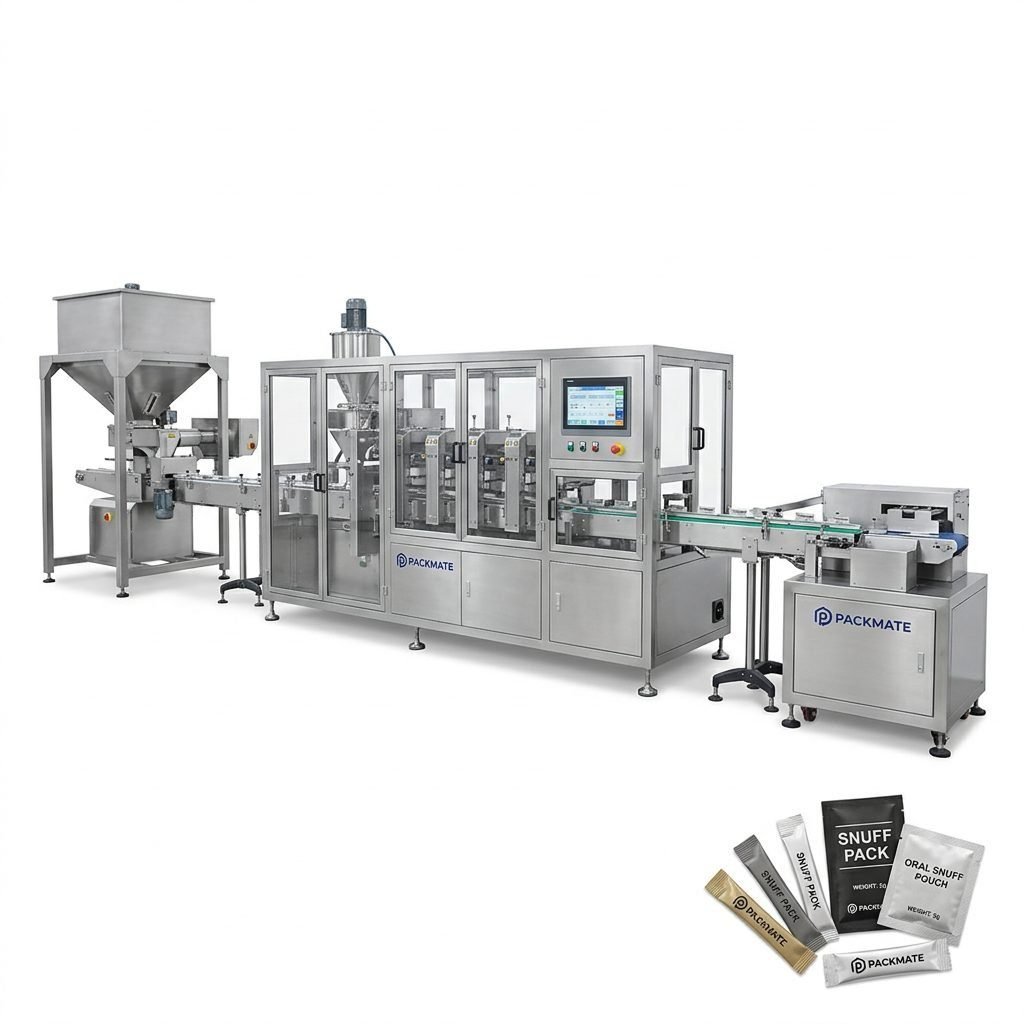
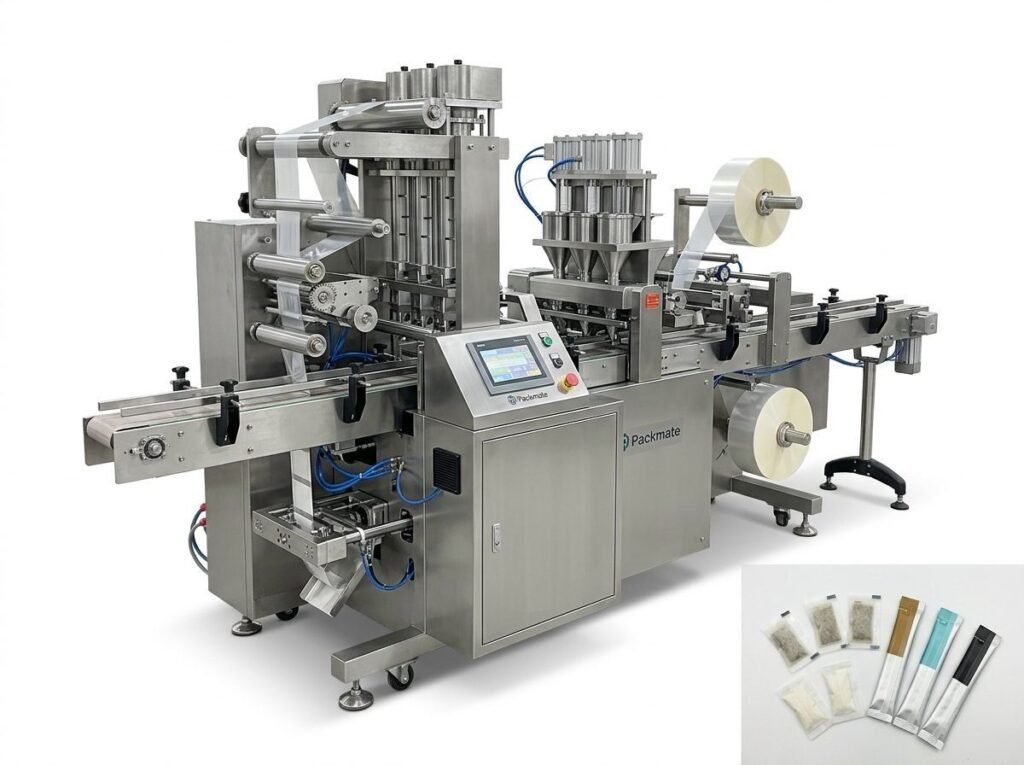
Choosing the right nicotine packaging machine for production in Eswatini requires balancing local market needs, regulatory constraints, and long-term operational considerations. This guide walks you through practical factors—from machine types and technical specs to supplier evaluation and lifecycle costs—so you can select a reliable solution that scales with your business.
Understand Your Product and Market Needs
Before evaluating machines, define the key characteristics of your nicotine product: pouch size and format, target output per minute, packaging material (film, foil laminate, paper), and any secondary packaging (cartons, trays). In Eswatini, small-batch flexibility can be as important as high throughput due to market size and distribution patterns.
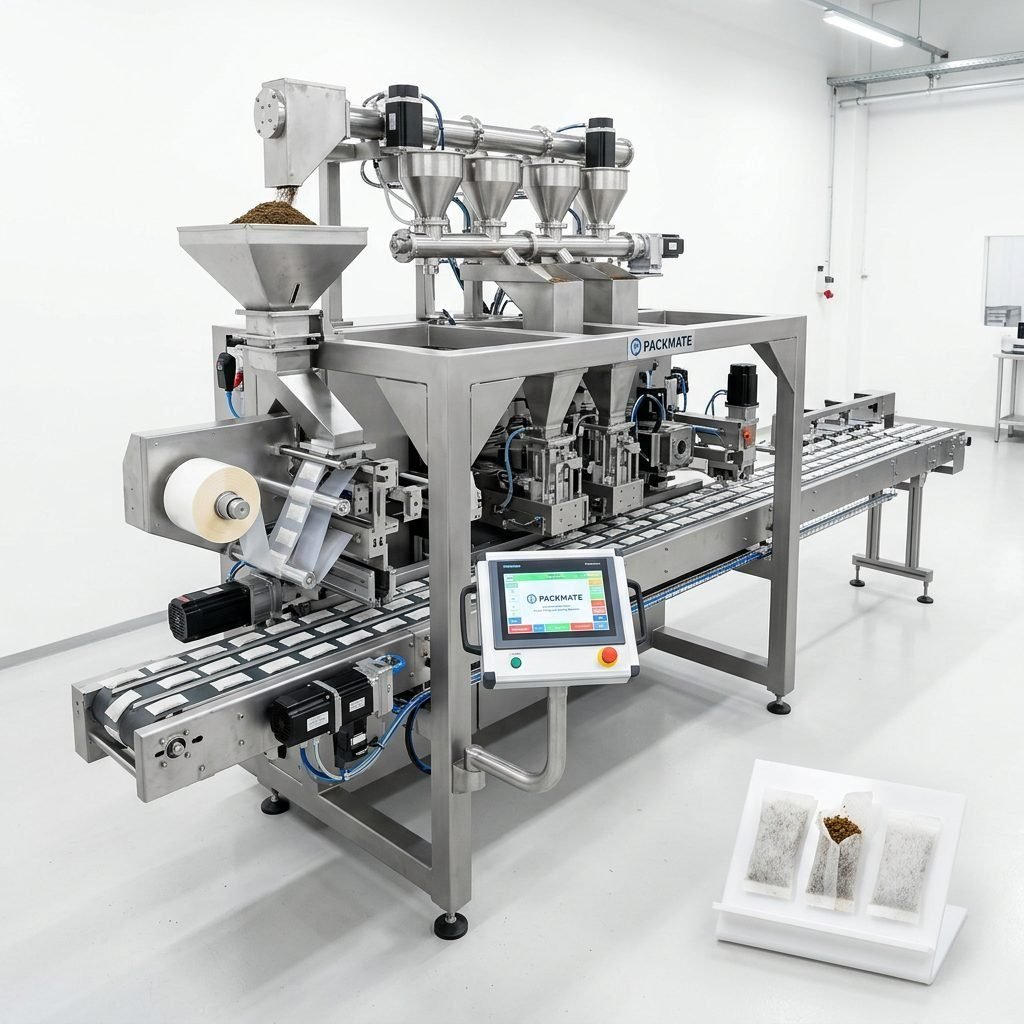
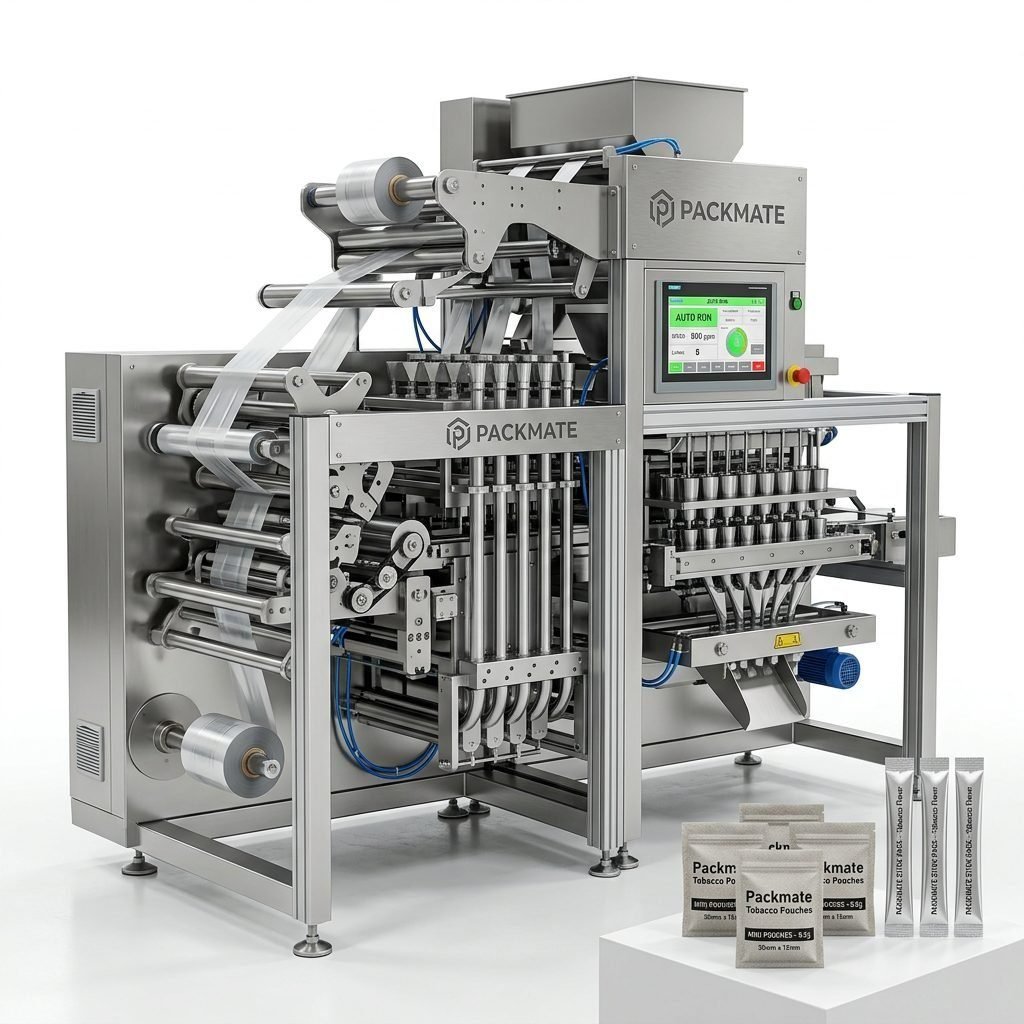
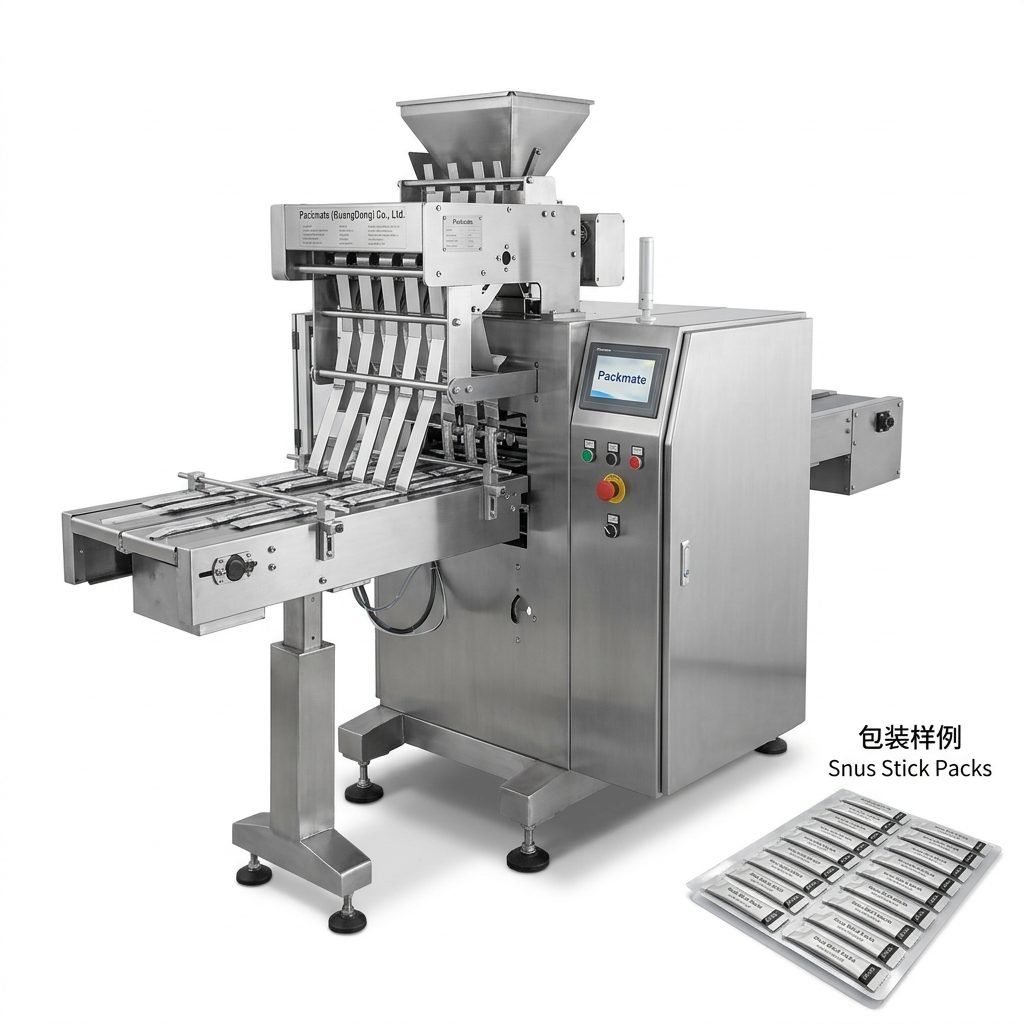
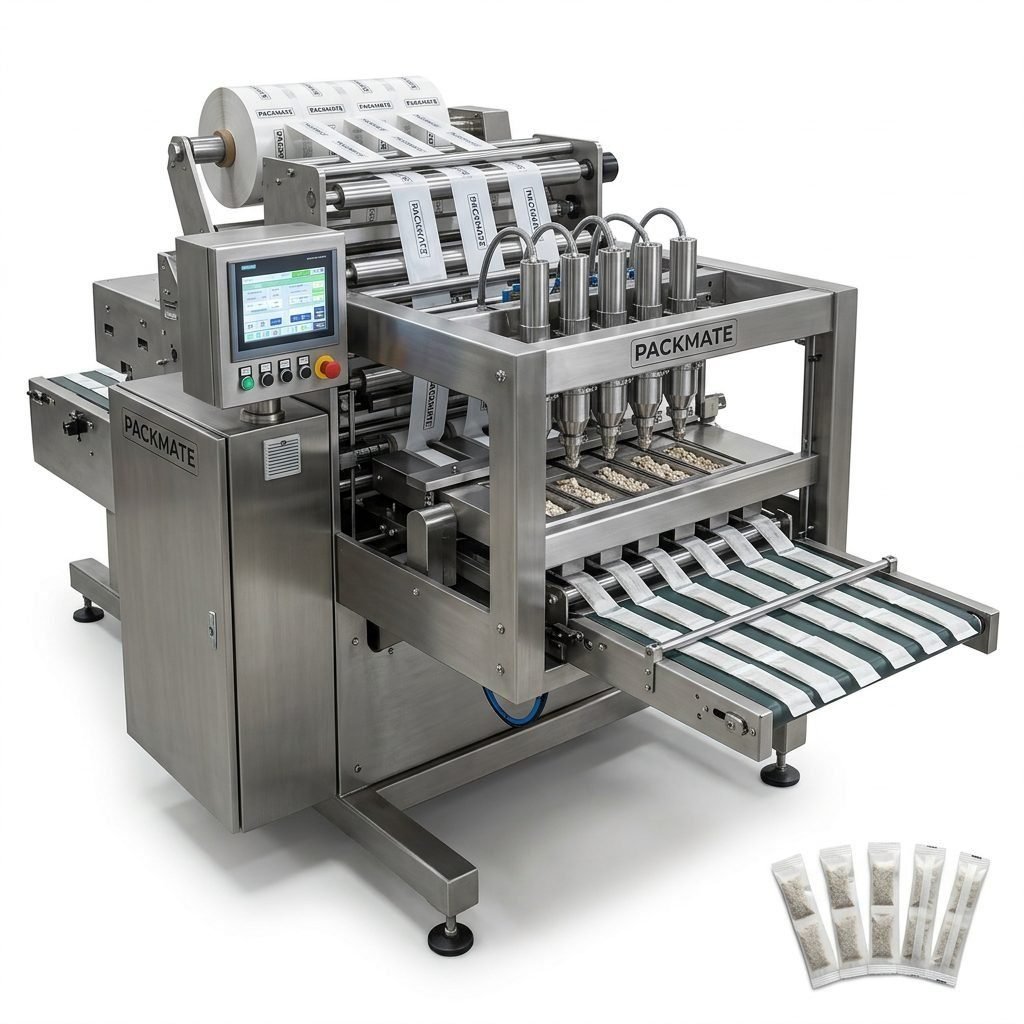
Match machine format to your pouch type — stick pack, sachet, or multi-lane snus/nicotine pouches require different filling and sealing modules. Explore specialized options such as multi-lane systems when you plan to scale production.
Regulatory and Compliance Considerations
Nicotine products are subject to strict regulations in many markets. Ensure the equipment you choose supports traceability, hygiene standards, and any labeling or tamper-evidence features required by Eswatini authorities or export markets. Machines with CE and ISO certifications give added assurance when you need to comply with international standards.
Select the Right Machine Type
Common machine categories for nicotine pouch production:
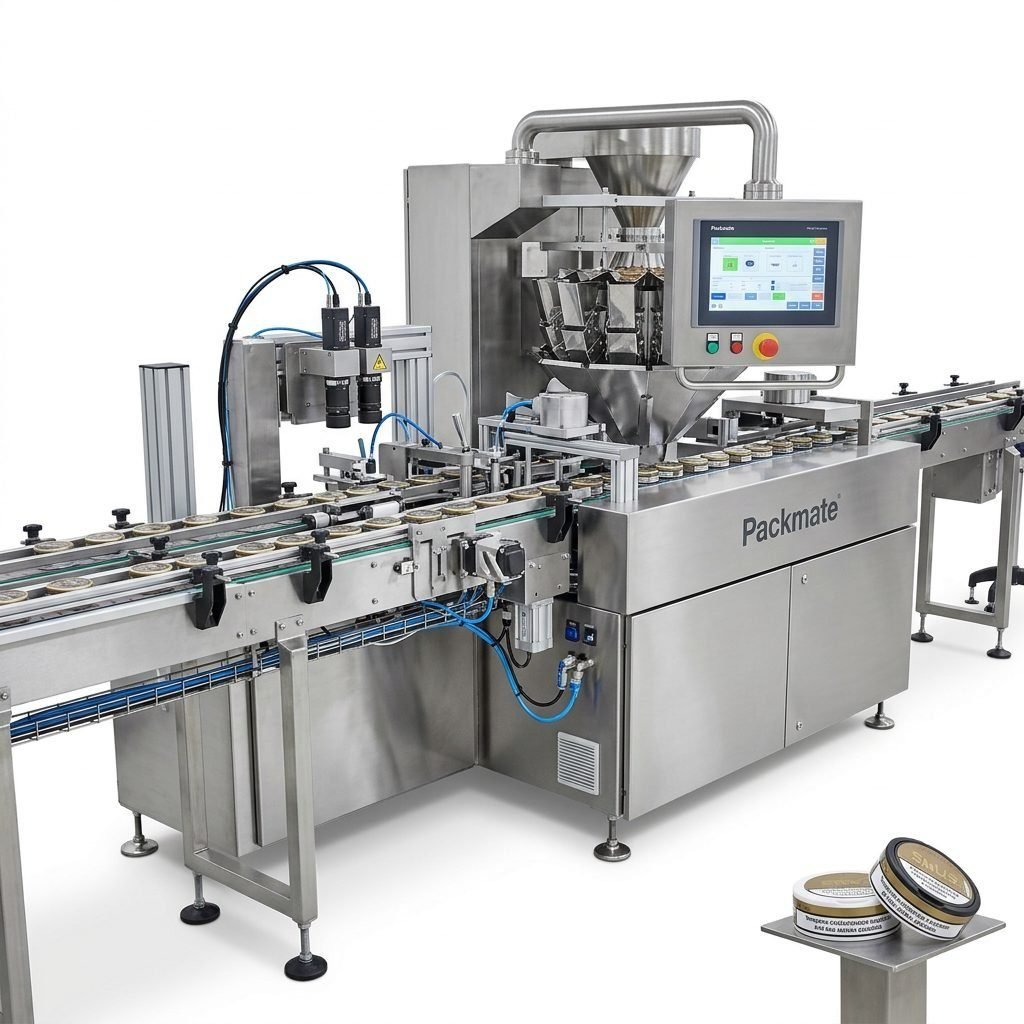
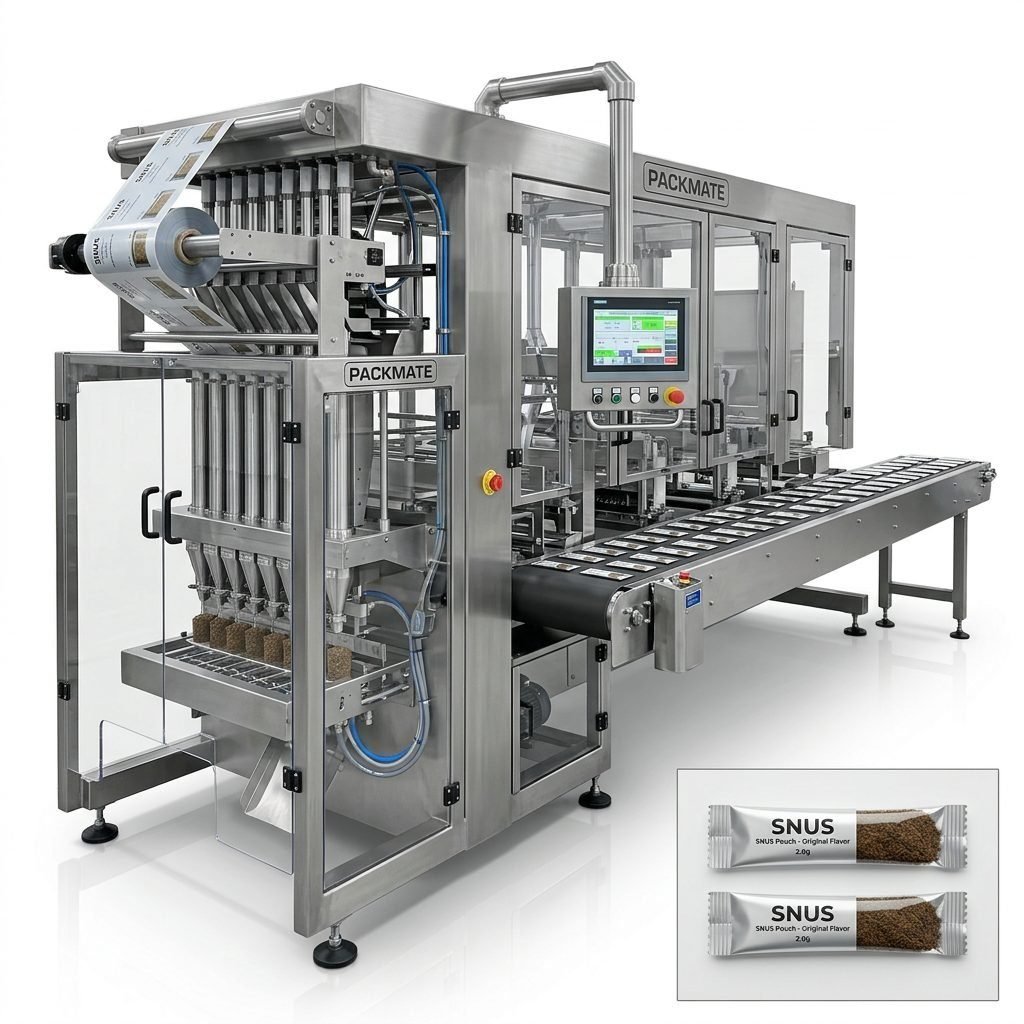
- Snus & Nicotine Pouch Packing Machines — ideal for single-dose pouches and multi-lane formats (see Snus & Nicotine Packaging Machines).
- Sachet & Stick Pack Machines — best for stick or sachet formats with flexible dosing and sealing options (see Sachet & Stick Pack Machines).
- Multi-lane Systems — increase yield per machine footprint, ideal for higher volume operations or where quick scaling is expected.
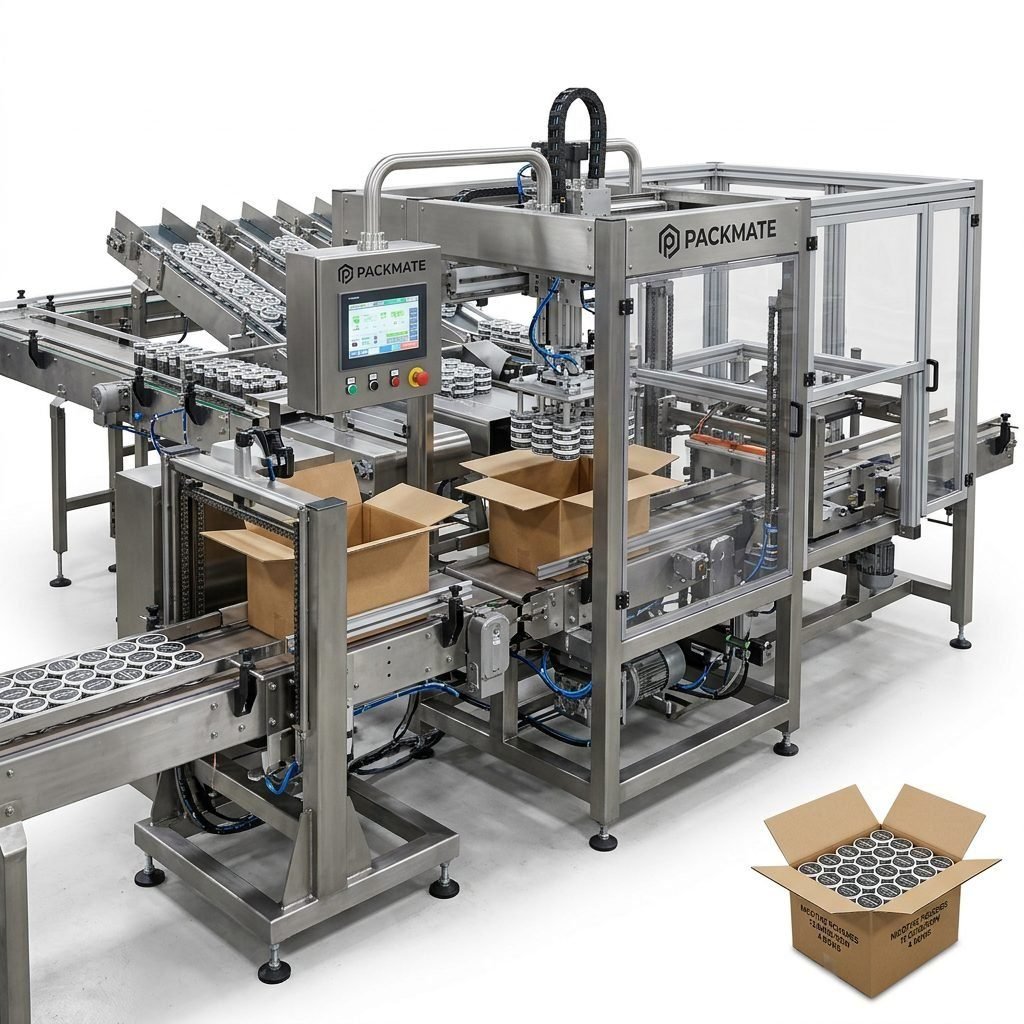
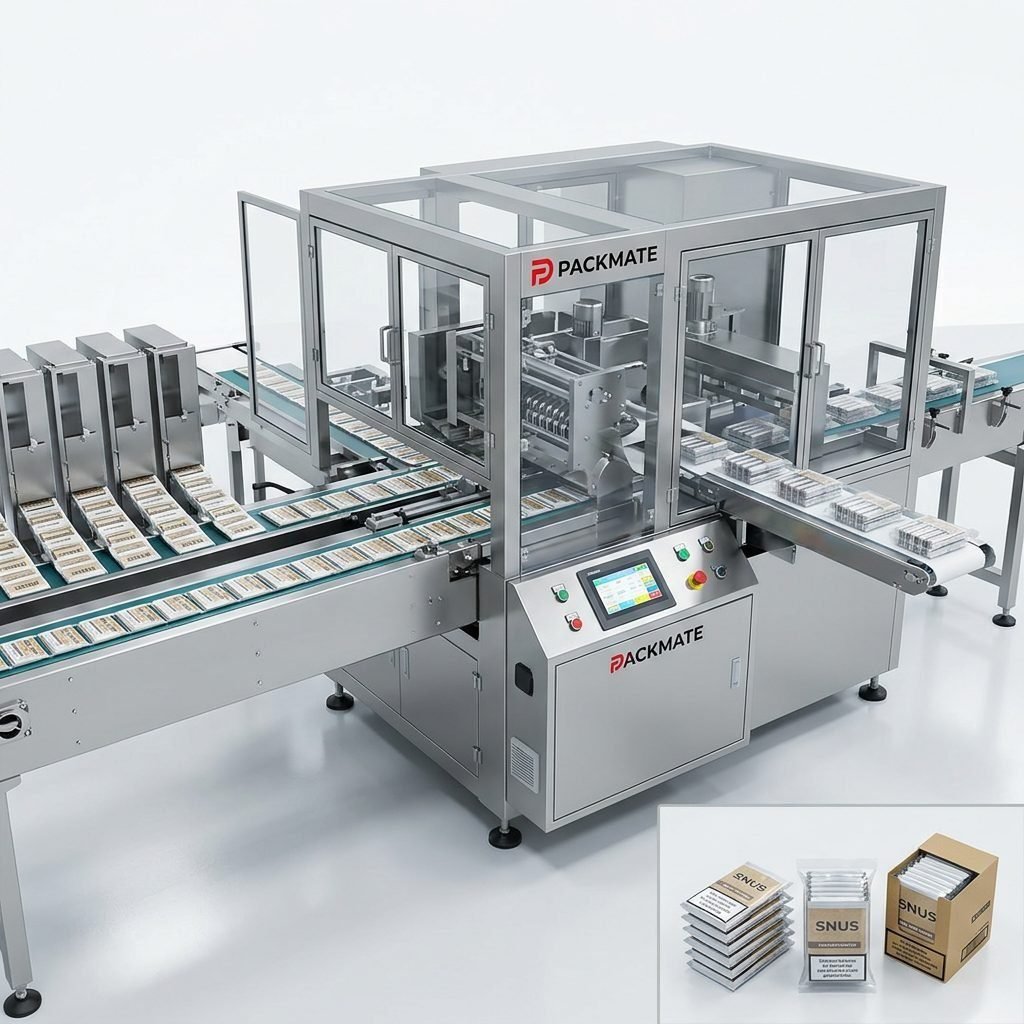
- Auxiliary Equipment — weighers, feeders, and cartoners that integrate into a turnkey line (see Auxiliary Packaging Equipment).
A multi-lane snus packing line can dramatically reduce per-unit cost when running medium-to-high volumes, while single-lane machines offer greater flexibility for frequent format changes.
Core Technical Specifications to Compare
When comparing models, focus on these technical elements:
- Capacity and Speed: measured in pouches/min or lanes × pouches/min.
- Lane Count & Expandability: start with the lanes you need and confirm upgrade paths for future expansion.
- Dosing Accuracy: critical for regulatory compliance and consistent product weight.
- Material Compatibility: verify the machine supports your film/laminate type and thickness.
- Changeover Time: fast tool-less changeovers reduce downtime when switching flavors or pouch sizes.
- Hygiene & Cleanability: stainless contact parts, easy disassembly, and dust control features are essential.
Automation, Integration and Turnkey Lines
If your operation in Eswatini aims for consistent high output, prioritize machines that are designed to integrate with upstream and downstream equipment: automatic feeders, weighers, formation modules, and cartoners. Suppliers offering complete turnkey lines can save you integration time and reduce compatibility issues.
Consider the supplier’s system engineering experience. Companies with decades of packaging line design can help match weighing & packaging systems to your niche (see Weighing & Packaging Systems).
Why Manufacturing Strength Matters
Choose manufacturers with proven factory capability: advanced CNC machining, precision assembly lines, and QC systems help ensure machine longevity and consistency. For example, Packmate Snus Machine’s 20,000㎡ facility and 30+ years of engineering experience illustrate the type of capacity that supports reliable global supply and custom engineering.
- Clear factory footprint and machining capabilities
- Documented case studies and exhibition presence (see Case and Our Exhibition)
- Certifications such as CE and ISO
- Responsive after-sales service and spare parts availability
Operational Costs and ROI
Upfront purchase price is just one factor. Estimate total cost of ownership including installation, training, spare parts, consumables (films, seals), energy consumption, and downtime. Calculate payback time by comparing current production costs and expected efficiency gains from automation.
For businesses in Eswatini, consider shipping and customs, local power conditions, and whether the supplier offers on-site commissioning or remote training to reduce travel time and cost.
Service, Training and Spare Parts
After-sales support is critical. Confirm lead times for spare parts and availability of local technicians or remote diagnostic support. Suppliers that provide operator training, preventive maintenance schedules, and comprehensive service agreements reduce long-term risk.
Customization & Future-Proofing
Your chosen machine should support product evolution: variable pouch sizes, different nicotine doses, and new materials. Work with a supplier that offers modular designs or bespoke solutions when standard models don’t meet specific needs.
Confirm software upgrade paths and whether PLC/HMI interfaces allow easy recipe management for multiple SKUs. Machines that store multiple recipes cut changeover time and reduce operator error.
Sustainability Considerations
Evaluate energy-efficient drive systems, low-waste forming processes, and compatibility with recyclable or reduced-thickness films. Efficient machines lower consumable usage and improve your environmental profile—an increasingly important factor for export markets.
Inspect spare parts stock levels and typical component lifetimes before purchase. Critical components like sealing jaws, sensors, and dosing pumps should be readily available.
Evaluate Vendor Reputation and References
Vet vendors through case studies, customer references, and exhibition demonstrations. A reputable manufacturer will have documented installations across regions and industries. Learn about manufacturer history and capabilities to assess long-term viability (see About Packmate).
Example Selection Process
1) Define target output and pouch formats. 2) Shortlist machines that match capacity and dosing accuracy. 3) Request factory acceptance test videos and references. 4) Evaluate lifecycle costs and service agreements. 5) Confirm lead time, installation, and commissioning plan.
Practical Checklist Before Purchase
- ✔ Production target: Verified pouches/min & daily output.
- ✔ Material tests: Sample film runs to validate sealing and forming.
- ✔ Factory acceptance: Video or on-site FAT demonstration.
- ✔ After-sales plan: Spare parts, technician training, and remote support SLA.
- ✔ Compliance: Certs and labeling capabilities for export markets.
How to Work with International Suppliers from Eswatini
International suppliers can ship complete lines or modular systems. Plan for customs clearance, local installation partner selection, and training schedules. Use clear project timelines with milestones for shipping, installation, FAT (factory acceptance test), SAT (site acceptance test), and ramp-up.
For peace of mind, request performance guarantees and a spare parts kit with your first shipment. Also, verify whether the supplier can assist with local commissioning visits or remote support.
Where to Get More Information
Review product portfolios and technical catalogs from established vendors. Packmate provides a broad range of snus and nicotine packing solutions, from stand-alone machines to full filling and packaging lines (see Filling & Packaging Lines and Catalog).
Final Recommendations
– Align machine selection with your 12–36 month growth plan.
– Prioritize dosing accuracy and ease of cleaning for nicotine products to meet quality and compliance standards.
– Choose suppliers who demonstrate manufacturing strength, documented case studies, and robust after-sales support.
Contact the manufacturer or sales team to discuss your production targets and request tailored recommendations (Contact Us).
Frequently Asked Questions
Q1: What is the best machine for small-batch nicotine pouches?
A1: For small-batch production, a flexible single- or dual-lane snus pouch machine with quick changeover and easy recipe management is ideal. These offer lower capital cost and accommodate frequent flavor or size changes.
Q2: How important is lane count when selecting a machine?
A2: Lane count directly affects throughput. If you expect to scale, multi-lane systems can deliver higher output per footprint and lower per-unit cost. However, higher lane counts can increase complexity and maintenance needs.
Q3: What certifications should I ask for?
A3: Request CE and ISO certifications as a baseline for manufacturing quality and safety. Also verify any customer-specific compliance documentation needed for export markets.
Q4: How do I ensure reliable after-sales service in Eswatini?
A4: Negotiate a service agreement that includes spare parts kits, remote diagnostics, operator training, and defined response times. Confirm whether the supplier has local partners or can dispatch technicians for commissioning and maintenance visits.