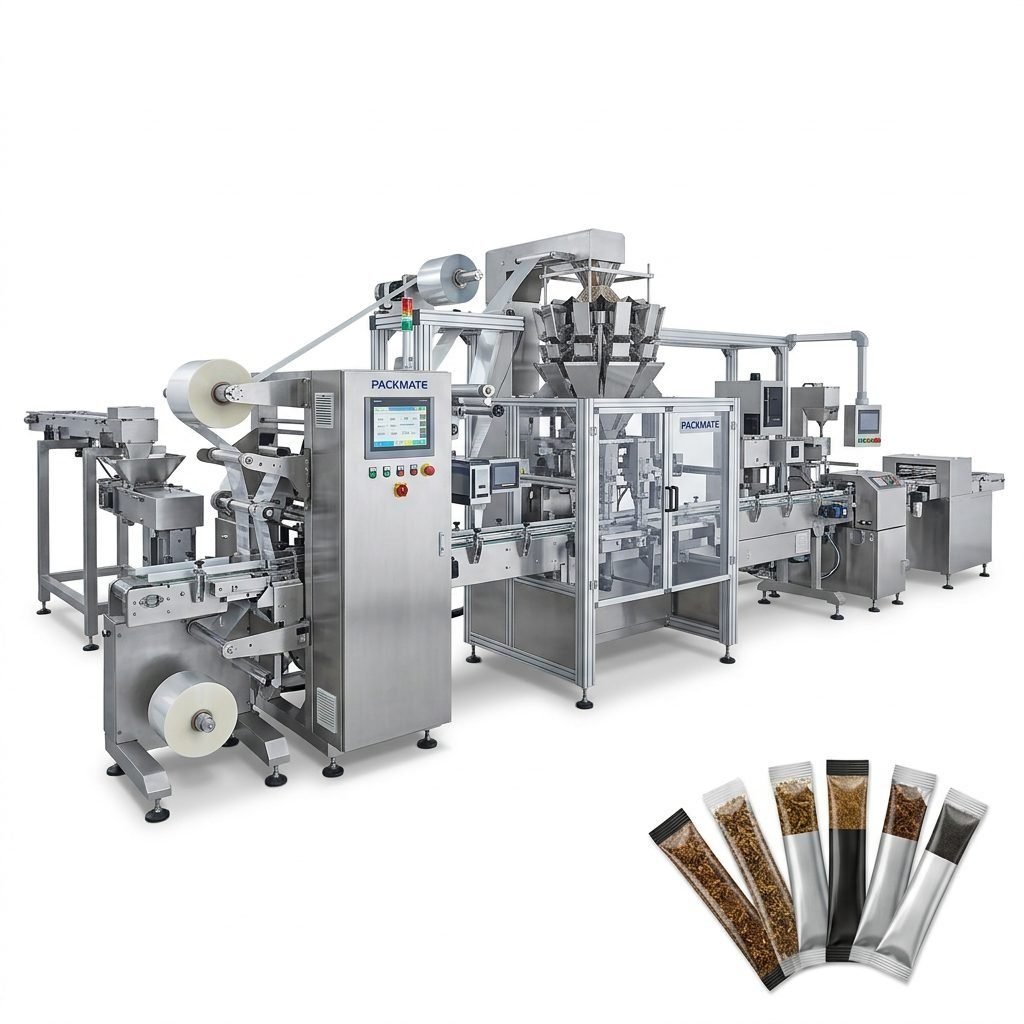
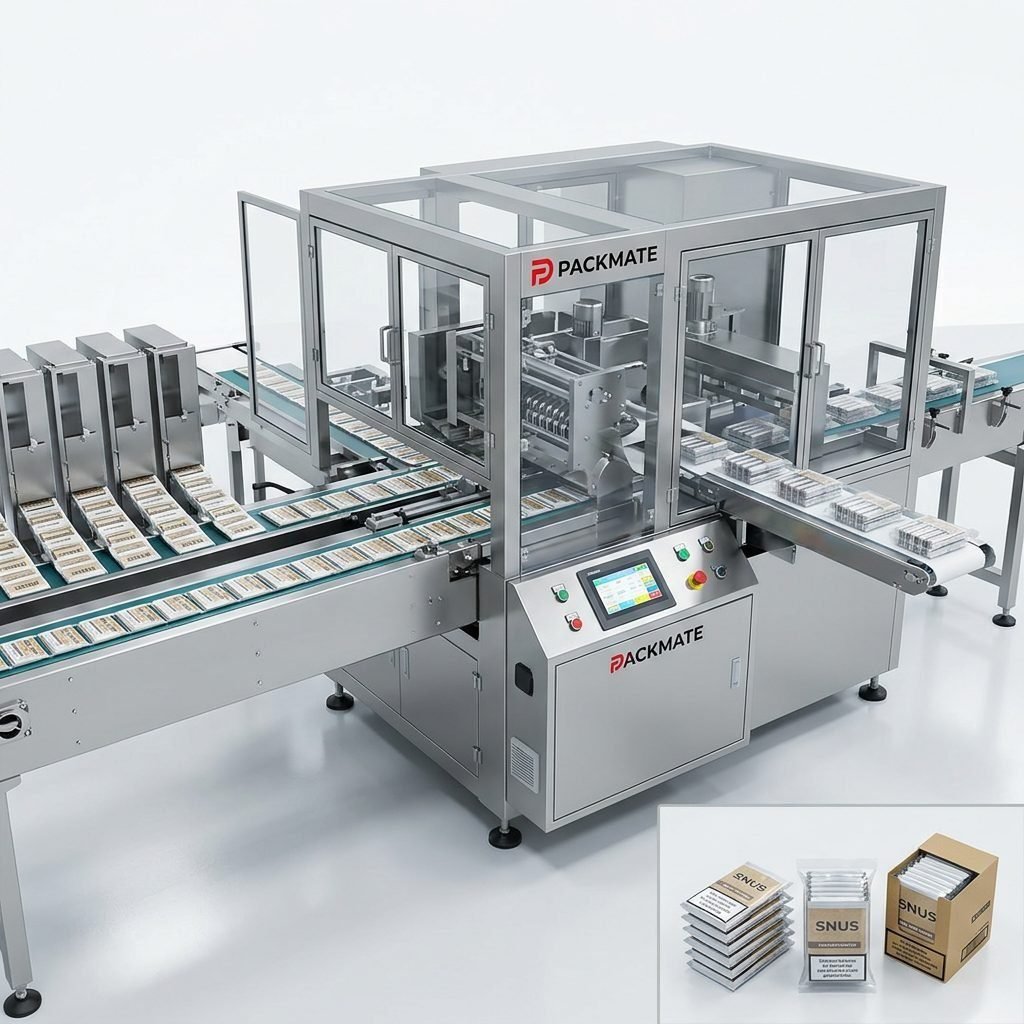
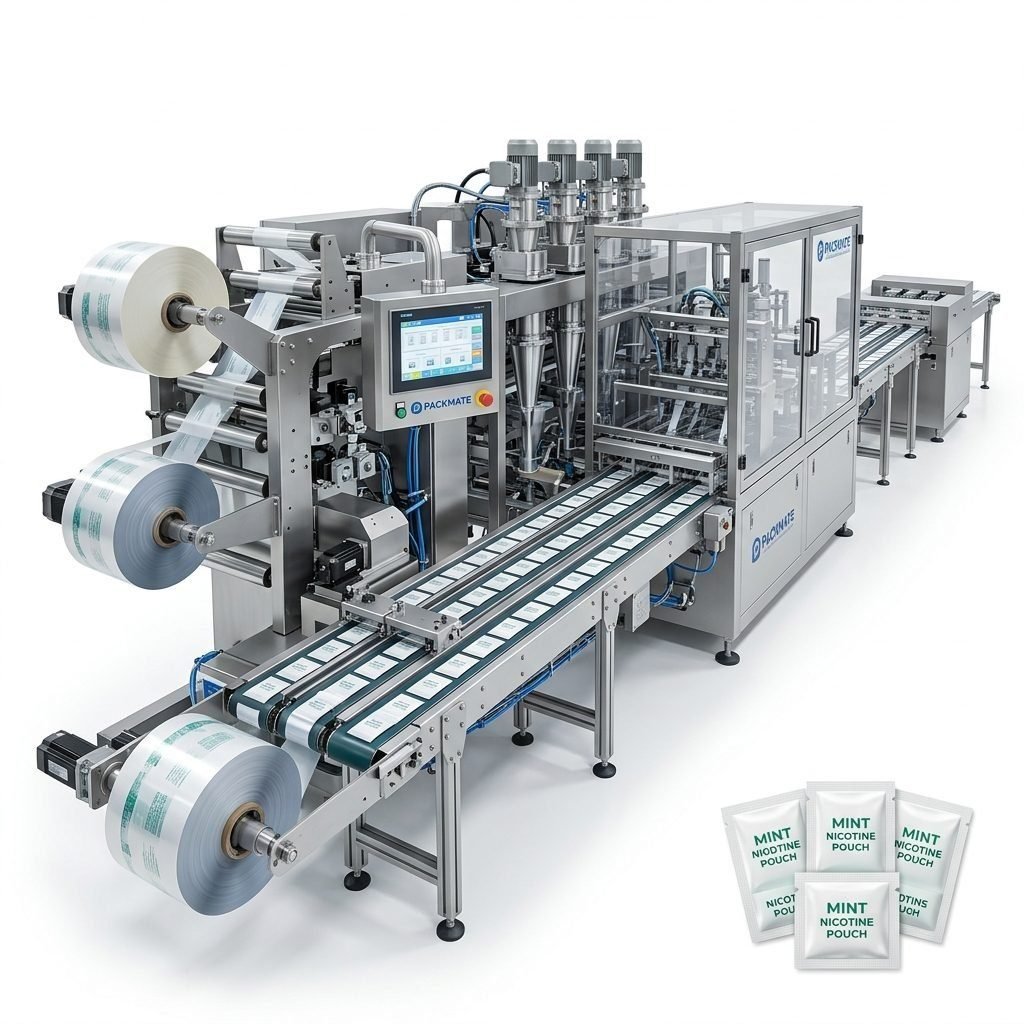
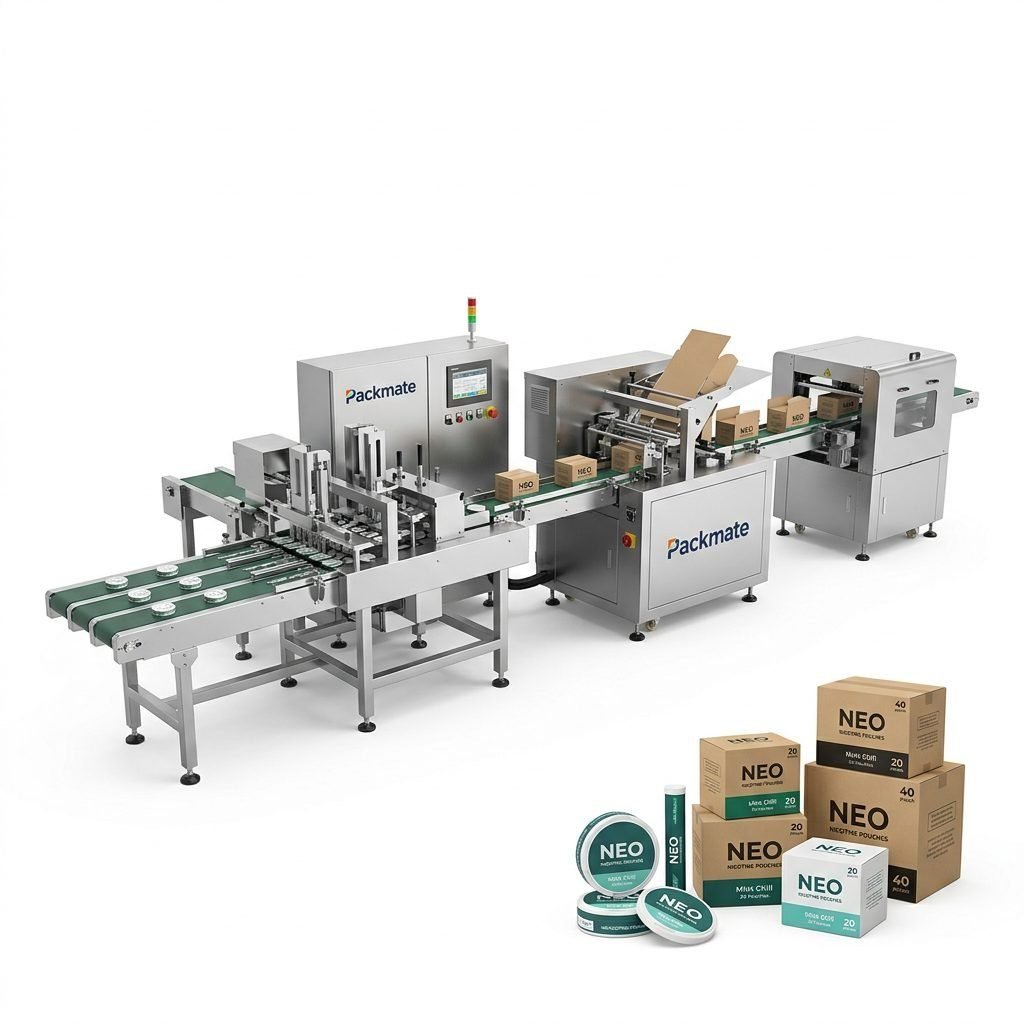
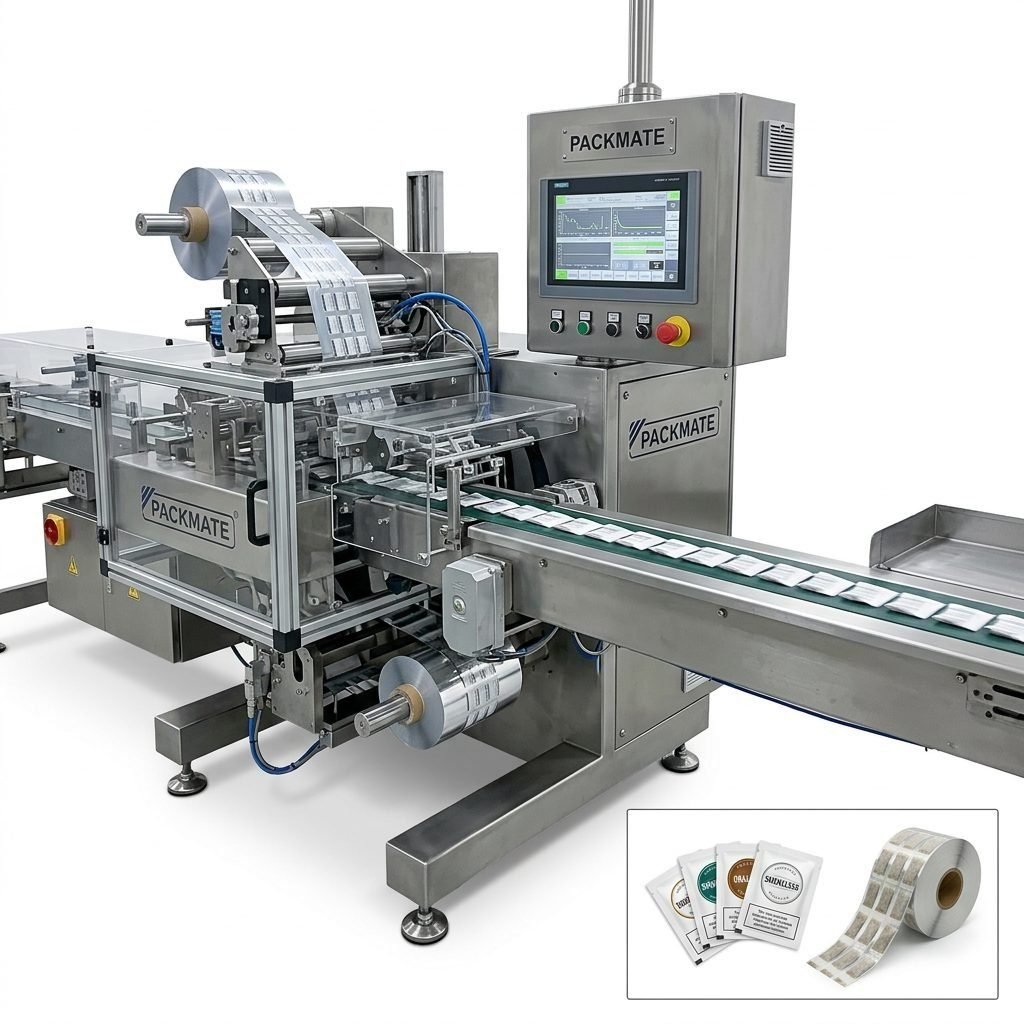
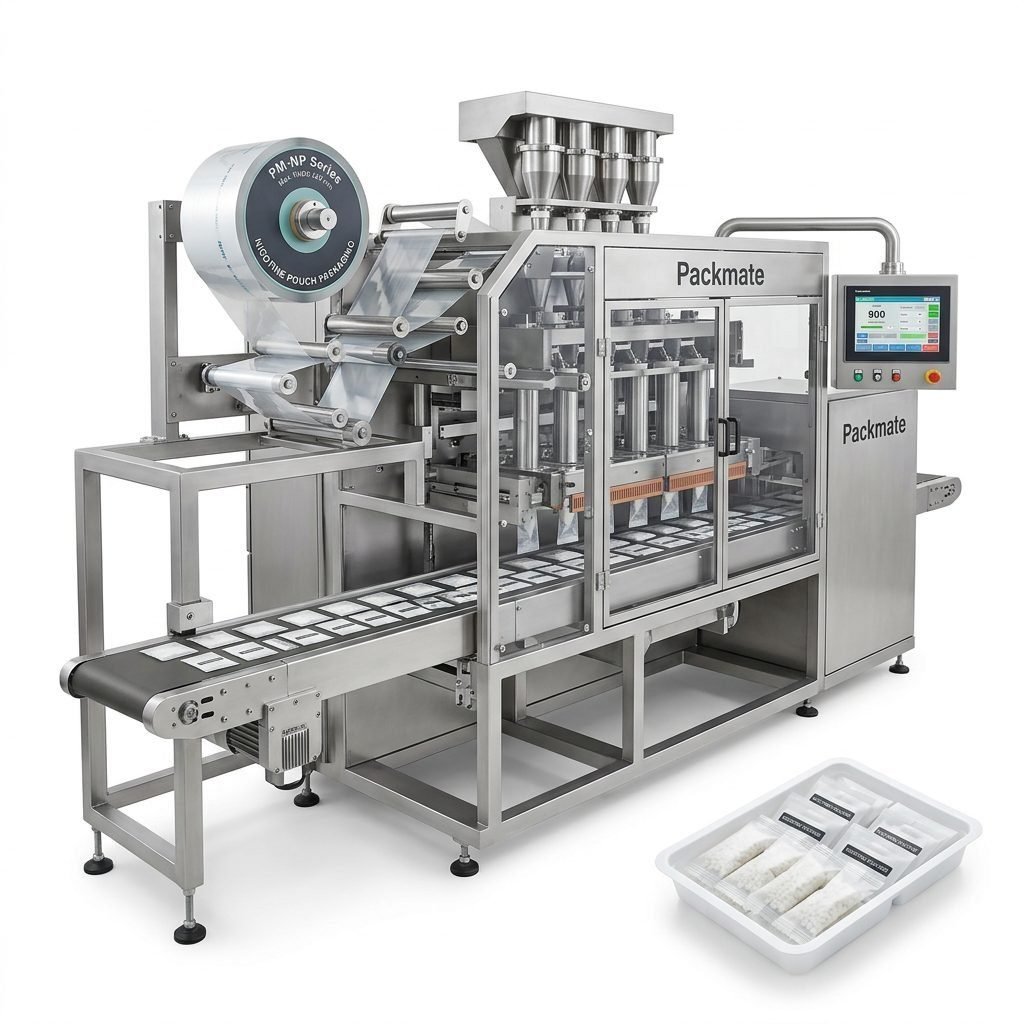
In highly competitive nicotine pouch production lines, even small improvements in machine efficiency can translate into substantial reductions in operating costs and environmental impact. This article explores practical energy-saving solutions for nicotine pouch machines and full packaging lines, helping operations managers, plant engineers, and purchasing teams identify upgrades and strategies that deliver measurable savings while maintaining product quality and output.
Why Energy Efficiency Matters in Nicotine Pouch Production
Energy is a major component of total production cost in modern packaging plants. For nicotine pouch and snus manufacturers, continuous operation of motors, heaters, vacuum systems, and auxiliary equipment can account for a sizeable portion of monthly expenses. Beyond cost, energy-efficient machines reduce carbon footprint and support corporate sustainability targets, which are increasingly important to global buyers and regulators.
Key areas to target for immediate savings
Focus upgrades and operational changes on systems that run continuously or have high peak draws:
🔋 Drive systems and motors — Replace older NEMA/IE1 motor systems with high-efficiency motors and inverter-driven (VFD) controls to reduce energy consumption during part-load operation and soft start cycles.
⚙️ Heating elements and sealing jaws — Use precision temperature control, better thermal insulation, and on-demand heating strategies to cut unnecessary standby losses on pouch sealing and forming stations.
💨 Vacuum and compressed air systems — Optimize piping, add leak detection and fix leaks promptly, install efficient compressors with storage receivers and intelligent controls, and consider local vacuum pumps only where required.
🔁 Control architecture and automation — Advanced PLC/HMI systems and smart I/O let you reduce idle cycles, streamline line changeovers, and implement energy-aware production schedules.
Machine-Level Energy Saving Features
Upgrading or selecting nicotine pouch packaging machines with the following built-in features delivers consistent savings and faster payback:
✅ Modular servo drive systems — Reduce mechanical inertia and eliminate clutch/brake losses with coordinated servo motion for filling, sealing, and cutting.
✅ On-demand heating controls — PID controllers that maintain target temperatures only when the sealing head is active prevent continuous wasteful heating.
✅ Energy recovery and soft start — Systems that recover energy from deceleration and reduce inrush current lower peak demand charges.
✅ Efficient material handling — Lightweight and optimized feeding mechanisms reduce required torque and power draw compared with bulky, antiquated feed systems.
Selecting the Right Nicotine Pouch Machine
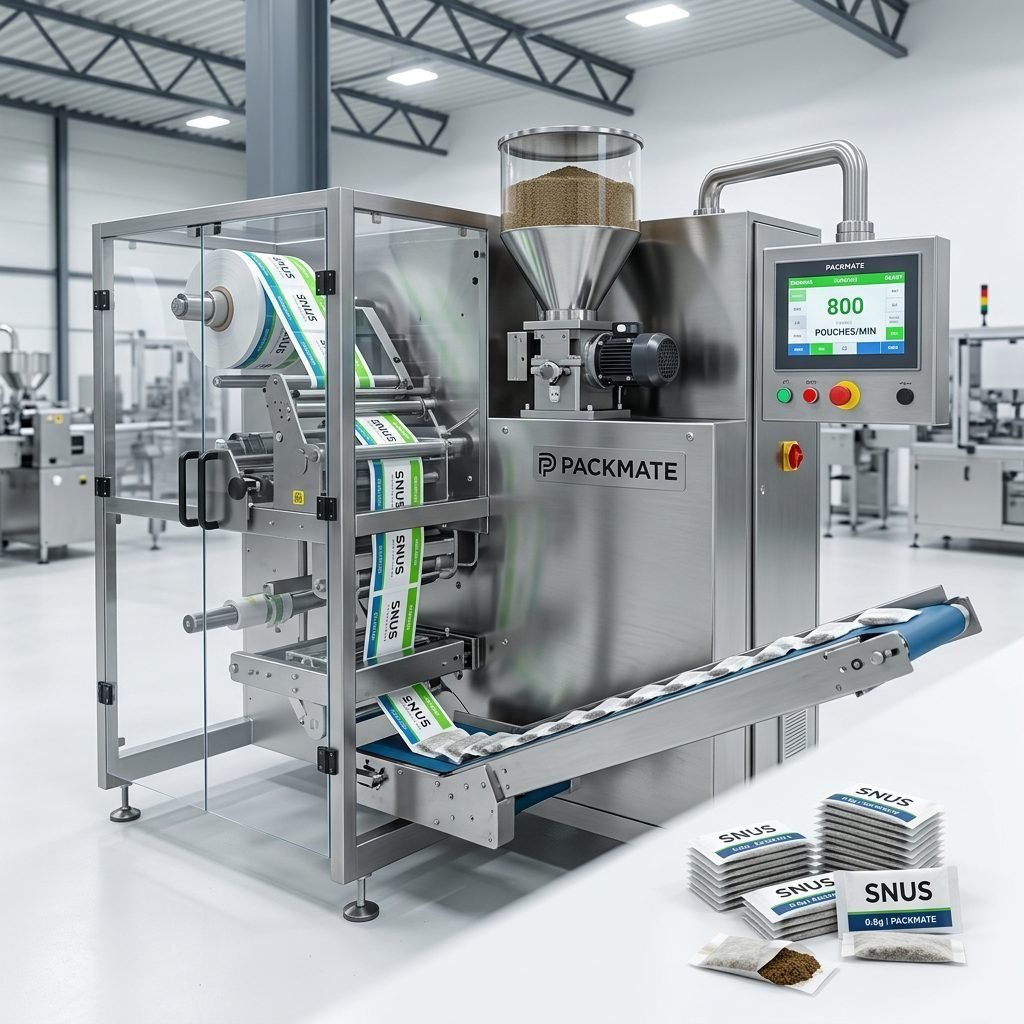
When evaluating new equipment, compare machines based on real operating power consumption rather than nameplate ratings. Request energy profiles under typical production scenarios: start-up, steady-state at target speed, and during frequent changeovers. Reputable manufacturers and suppliers provide performance data and can arrange on-site demonstrations. Packmate Snus Machine offers a range of solutions tailored for snus and nicotine pouch production — see their core product range for reference: Snus & Nicotine Packaging Machines.
High-efficiency configurations to consider
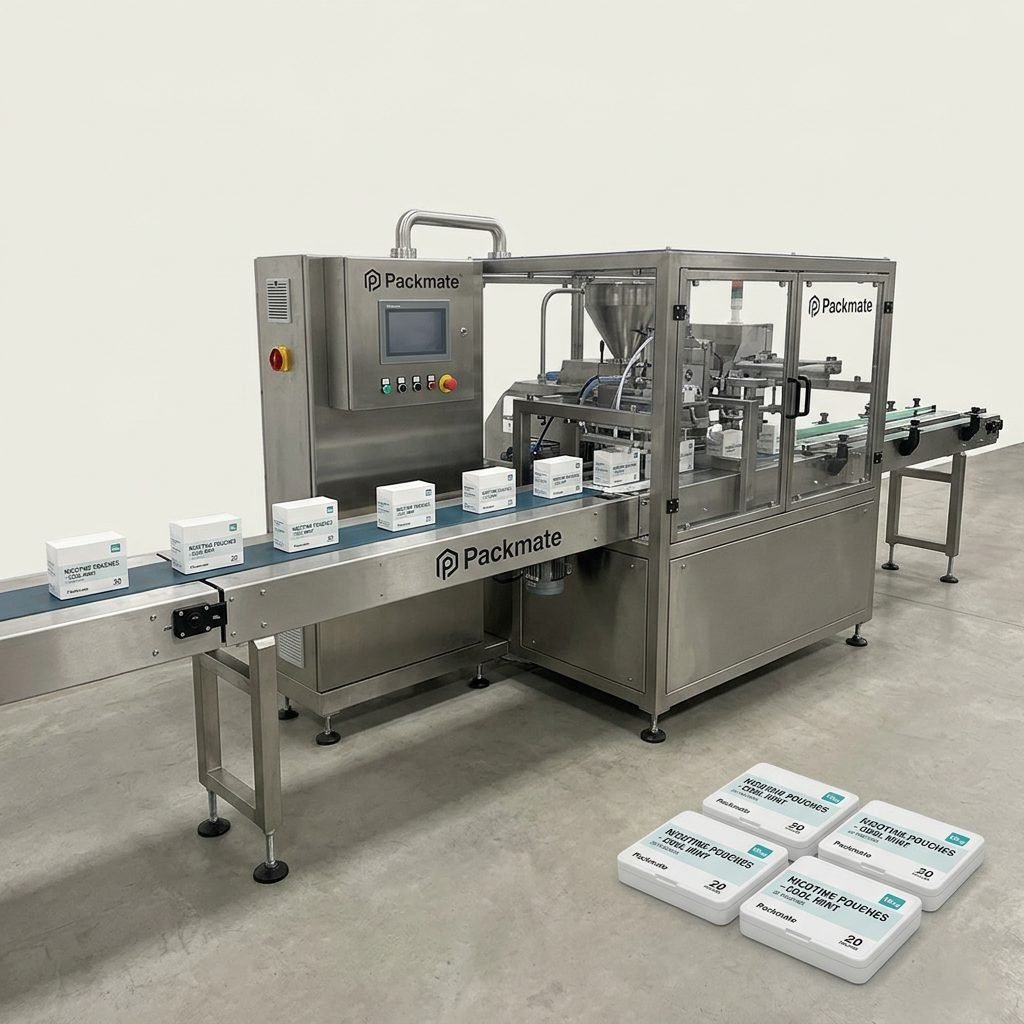
📦 Multi-lane pouch systems that optimize throughput per motor and save energy per pouch produced. Consider models that balance lane count vs. changeover complexity.
🧩 Hybrid servo-electromechanical systems combine the benefits of low-energy servo positioning with durable mechanical linkages for repetitive motions.
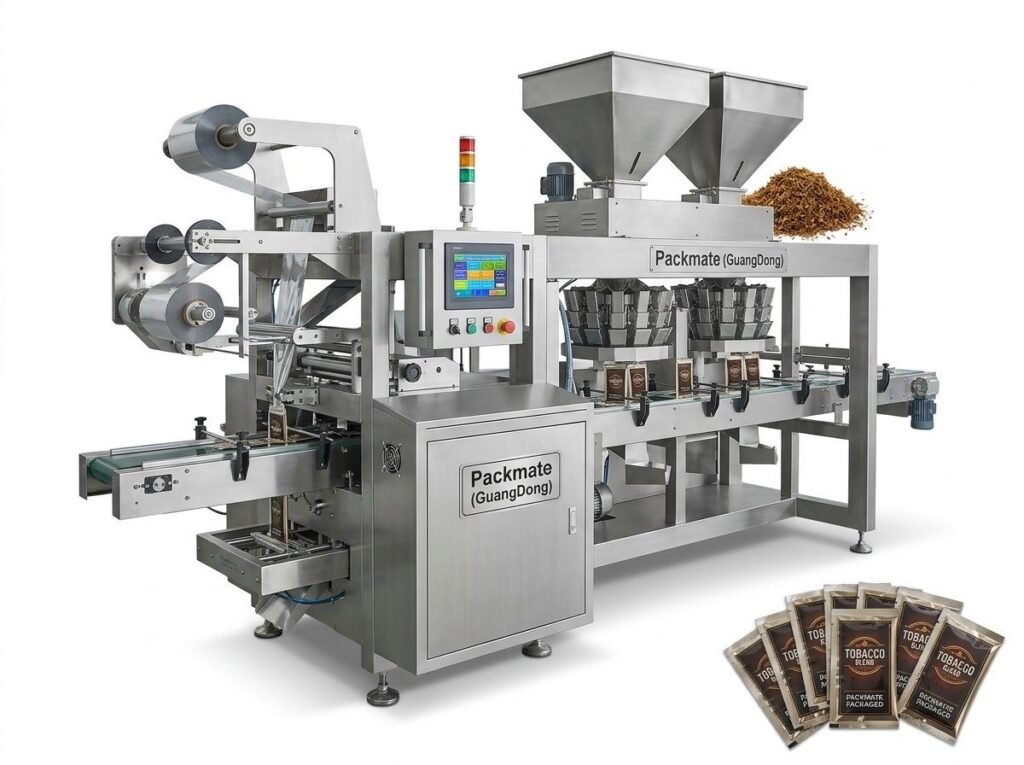
🧯 Integrated weighing & dosing with precise feeders reduce overfill and waste, cutting material and process energy losses — explore Weighing & Packaging Systems for options.
Operational Best Practices That Save Energy
Operational tweaks often deliver immediate returns without heavy capital expense:
🔧 Preventive maintenance — Keep belts, bearings and drives well-lubricated and aligned to prevent excessive current draw and heat losses.
🕒 Smart scheduling — Batch similar SKUs together to reduce frequent changeovers and heater warm-up cycles.
🔎 Energy audits — Perform regular audits to identify leaks, idle machines, and compressor inefficiencies.
📊 Monitoring and KPIs — Track energy per 1,000 pouches and set goals for continuous improvement.
Real-World Example: Packmate’s Approach to Efficiency
Packmate Snus Machine combines decades of packaging engineering experience with factory-level manufacturing controls to deliver high-efficiency solutions. With a 20,000㎡ manufacturing facility equipped with advanced CNC machining centers and precision assembly lines, Packmate develops machines that emphasize energy-conscious features — from servo motion to on-demand heating. Learn more about the company and its capabilities: About Packmate.
Case highlights
🏁 A multi-lane nicotine pouch line retrofitted with new servo drives and optimized heaters reduced energy consumption by an estimated 18% and improved throughput by 12%. Full case details and other client examples are available in project documentation: Case.
ROI Calculations: Estimating Payback
To estimate payback, calculate current annual energy spend for packaging systems, multiply by the expected percentage reduction after upgrades, and divide the capital cost of improvements by the annual savings. Example:
If a packaging line costs $30,000 per year in energy and upgrades reduce consumption by 20%, the annual savings = $6,000. If upgrades cost $24,000, the simple payback = 4 years. Many projects return faster when considering reduced maintenance and increased yield.
Practical Steps to Implement Energy Savings
Follow a structured plan to ensure upgrades deliver expected results:
1. Conduct an initial energy audit to identify largest consumers.
2. Prioritize low-cost/high-impact measures like leak repairs and temperature optimization.
3. Define KPIs and instrument the line for measurement — energy meters, runtime monitors, and digital dashboards.
4. Implement modular upgrades — replace drives, improve thermal control, upgrade feeding and dosing systems.
5. Validate savings with before-and-after measurements and refine operations with continuous improvement cycles.
Complementary Investments That Improve Efficiency
Some investments outside the main packaging machine can compound savings:
• Better insulation and HVAC management in the production area reduces ambient demands on heaters and reduces total plant energy use.
• Intelligent compressed air management reduces waste and lowers compressor runtime.
• Centralized service and remote monitoring reduce travel and downtime and allow faster troubleshooting — learn about Packmate’s after-sales support and services: Service.
Design and Materials Considerations
Material selection and product design also affect energy per unit. Reducing material thickness where possible, optimizing pouch geometries for faster forming and sealing, and minimizing unnecessary conveyor distances all contribute to lower machine energy intensity.
Why Partner With an Experienced Packaging Manufacturer?
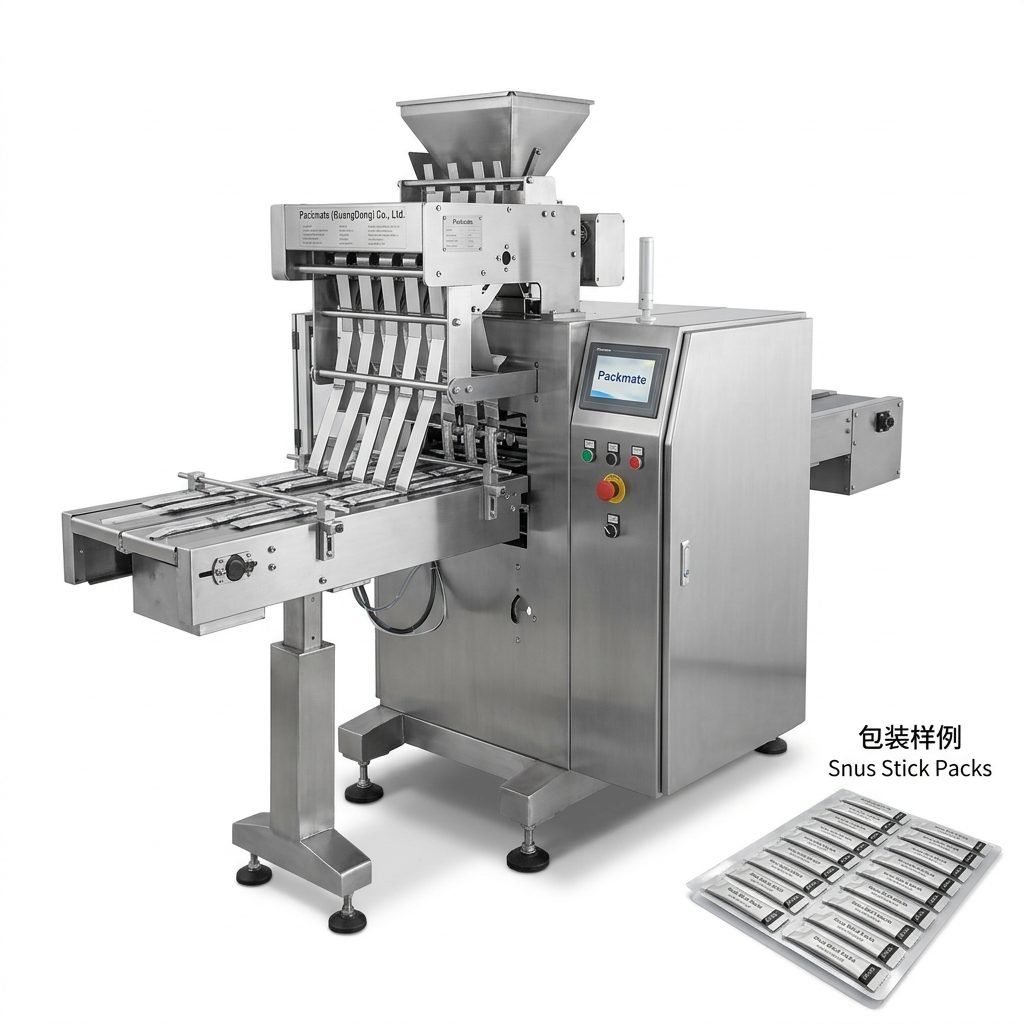
Choosing a partner with deep experience in snus and nicotine pouch equipment ensures that energy-efficient design decisions are embedded from concept to commissioning. Packmate’s 30+ years of engineering experience and wide model range — including stick pack and sachet lines — help manufacturers achieve balanced solutions. Explore the product ecosystem, including Sachet & Stick Pack Machines if multi-format packaging is part of your roadmap.
Checklist: Energy-Saving Purchase Criteria
Use this checklist when comparing suppliers and machines:
• Request measured power curves at different speeds
• Verify availability of servo-driven options and VFDs
• Confirm PID or smart heating control for sealing stations
• Ask about modular retrofits for future improvement
• Check references and case studies for similar throughput and processes
Final Recommendations
Start with a targeted audit, implement low-cost operational changes first, and phase capital investments focusing on drives, heating control, and automation. Always validate results with metered data and tie energy goals to production KPIs for continuous improvement. Manufacturers like Packmate can assist with turnkey solutions and tailored configurations to meet efficiency and output goals.
Common Questions
Q1: How quickly can I expect payback from energy-efficiency upgrades on a nicotine pouch line?
A1: Payback typically ranges from 1.5 to 5 years depending on the scope. Simple operational fixes pay back fastest, while comprehensive retrofits or new machine purchases require longer evaluation but often deliver greater lifecycle savings.
Q2: Are servo systems always more energy-efficient than traditional motors?
A2: In most modern packaging applications, servo systems reduce energy use during variable-speed and frequent-start-stop operations. They provide precise motion control and often cut waste, but selection must match the application to realize full benefits.
Q3: Can I retrofit my existing nicotine pouch machine to be more efficient?
A3: Yes—common retrofits include replacing drives with VFDs or servos, upgrading control systems, improving heater control, and optimizing feeding systems. Consult the machine manufacturer or service vendor for compatibility and ROI analysis.
Q4: What role does material design play in energy reduction?
A4: Product and material optimization reduce cycle times and sealing energy requirements. Lighter materials and improved pouch geometries can reduce machine load and heat dwell time, lowering per-unit energy use.
Q5: Where can I find energy-efficient packaging machines and support?
A5: Explore specialized suppliers that focus on snus and nicotine pouch equipment, offer case studies, and provide after-sales service. For a comprehensive range of solutions, refer to Packmate’s equipment categories and services across packaging formats and production scales.