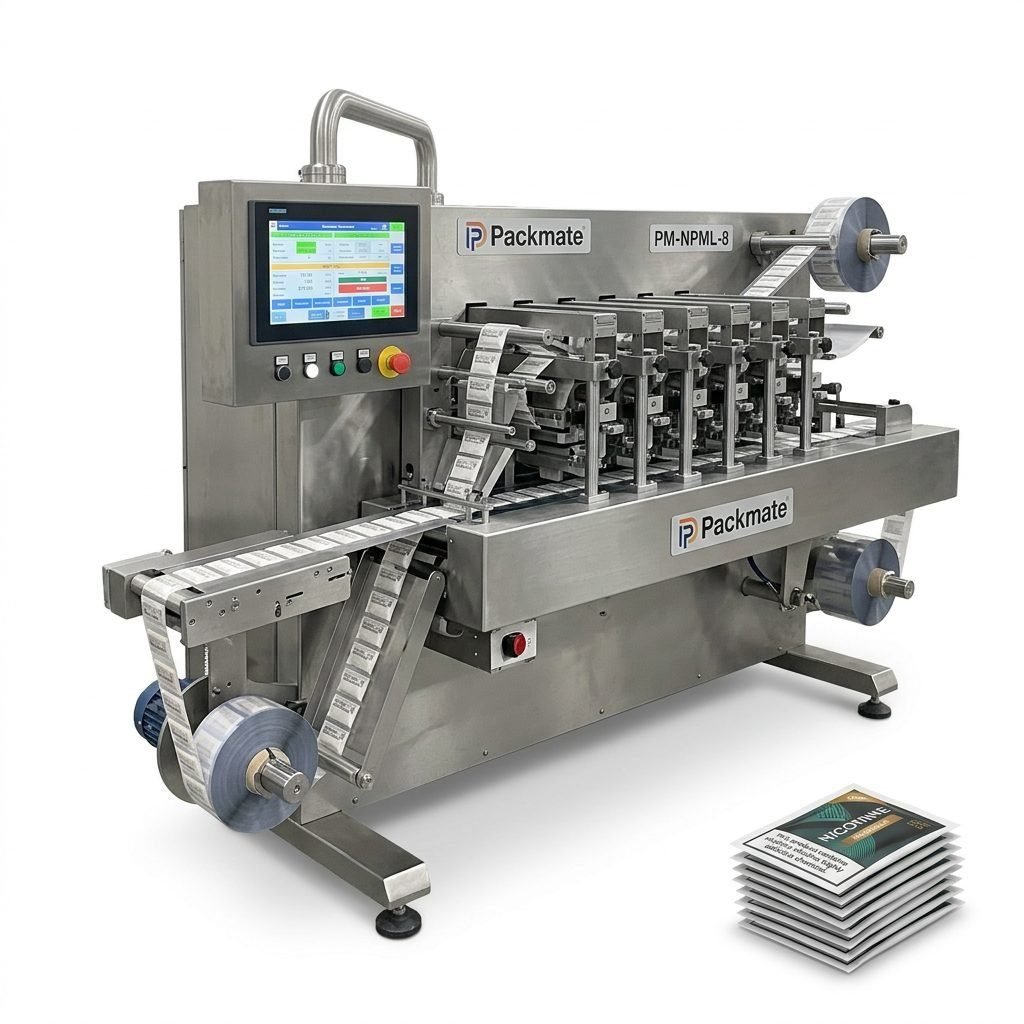
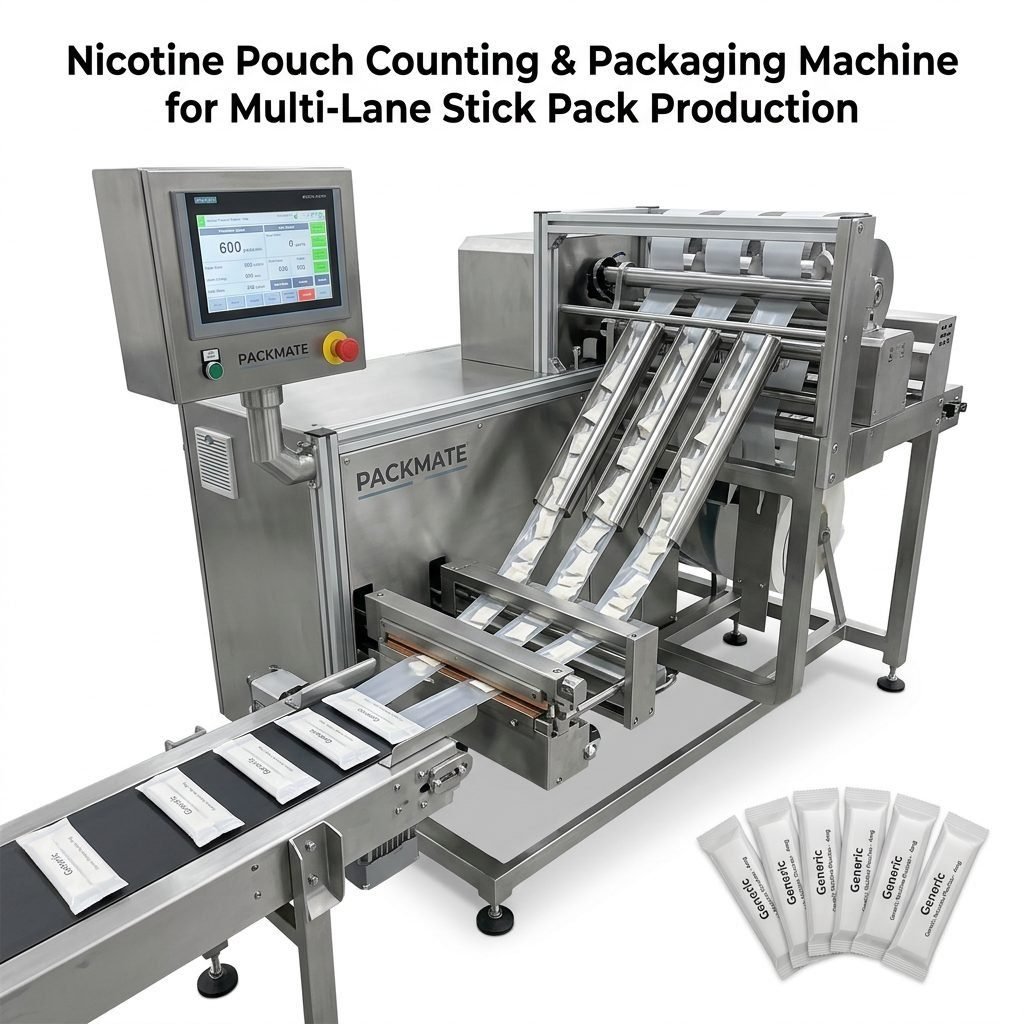
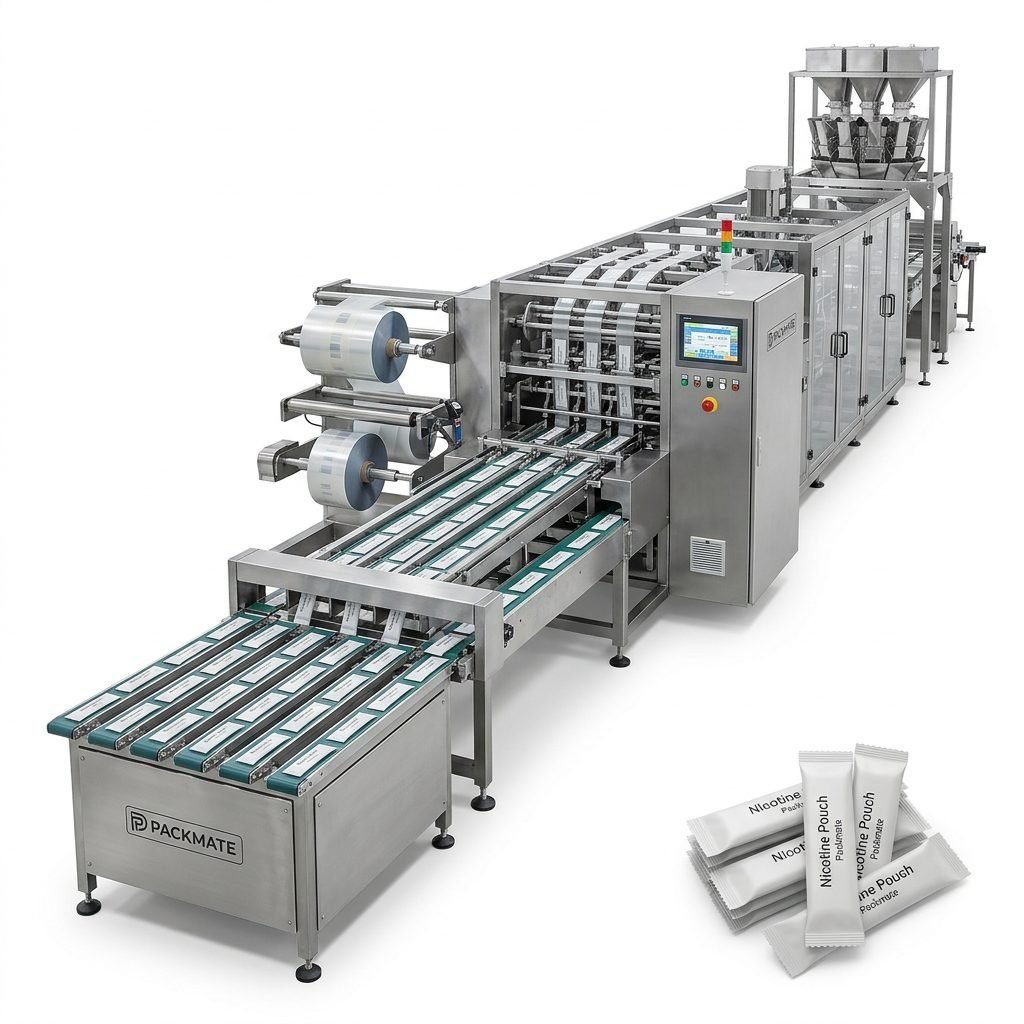
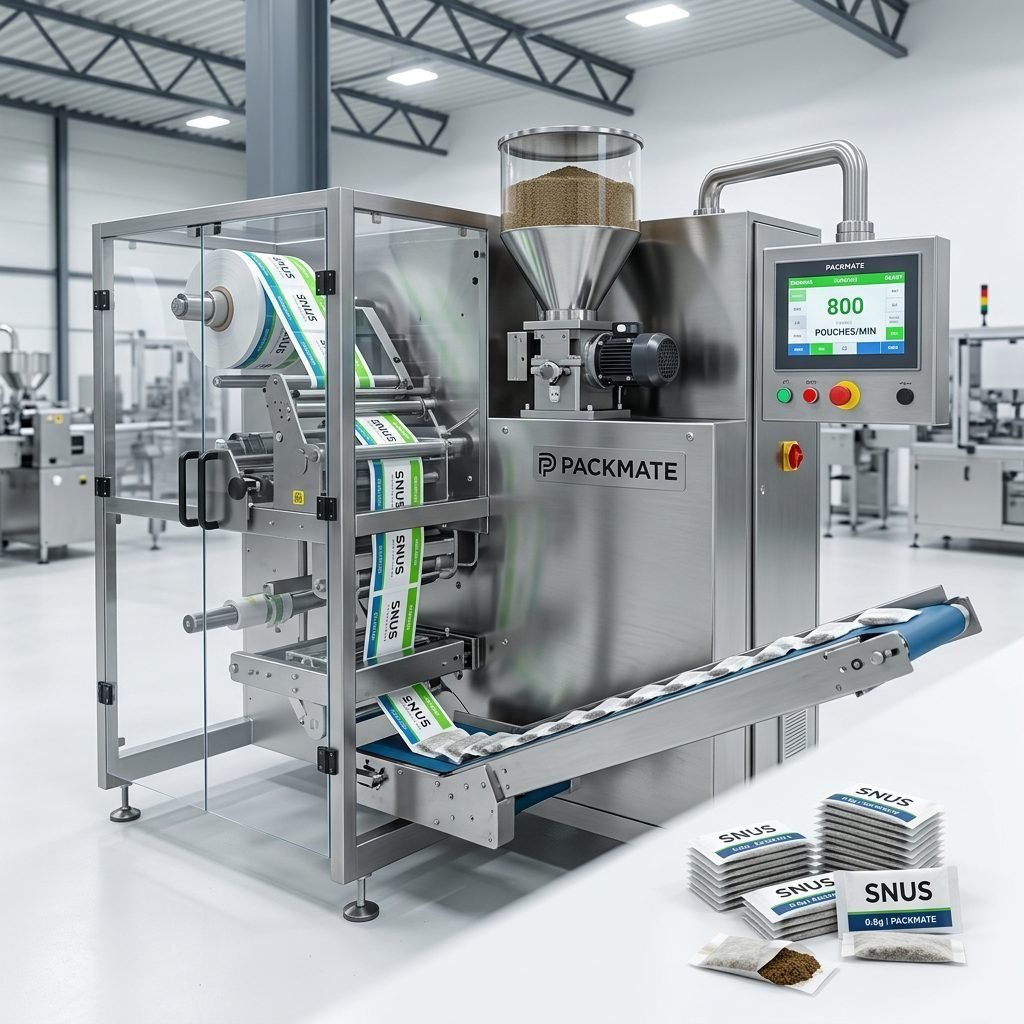
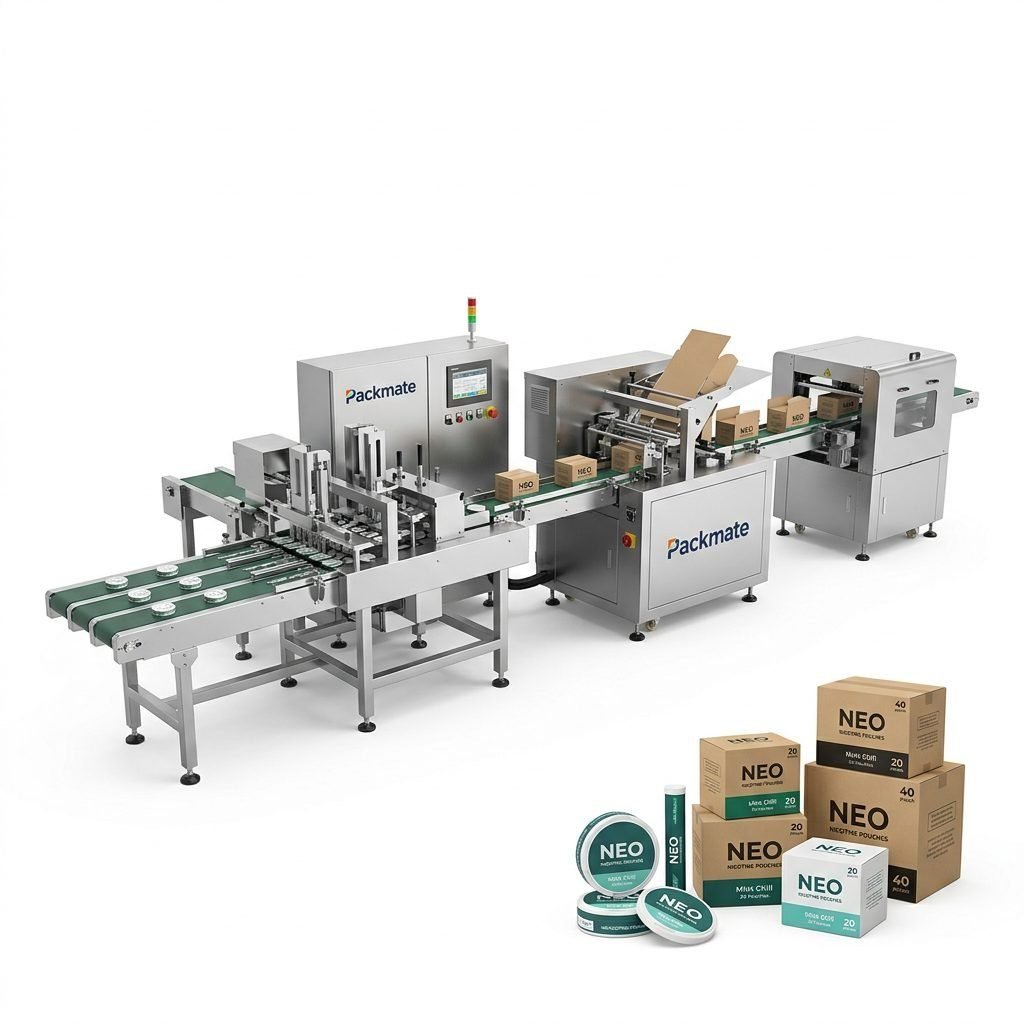
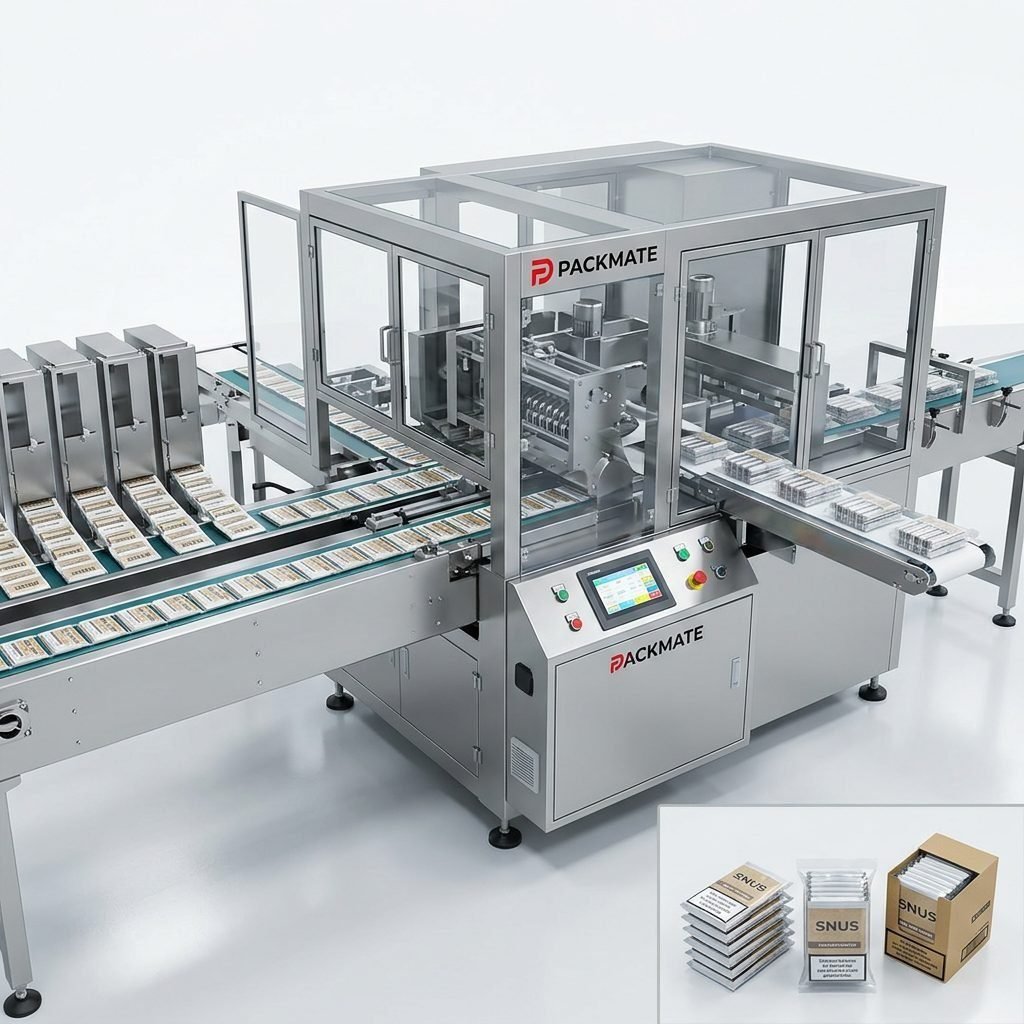
Nicotine pouches—compact, discreet, and increasingly popular—require packaging solutions that meet strict regulatory, aesthetic, and functional demands. Advances in pouch design, materials science, and automation have transformed how manufacturers approach production, creating lines that are faster, more flexible, and more reliable. This article explores the latest innovations in nicotine pouch packaging with practical guidance on design, materials, equipment, and full-line automation.
Design Trends: From Minimalism to Functionality
Modern nicotine pouch design balances brand storytelling with user convenience. Clean, minimalist artwork continues to dominate retail shelves, but functional features—tamper-evident seals, resealable pouches, and clear dosing information—are becoming essential. Designers and engineers collaborate early in development to ensure that aesthetics do not compromise pack integrity or machine compatibility.
- Portion shape and size to match filling accuracy and consumer ergonomics.
- Sealing area width and location for reliable hermetic closure during high-speed runs.
- Exterior finish (matte vs. gloss) to influence perceived quality and brand positioning.
Portion Geometry and Machine Compatibility
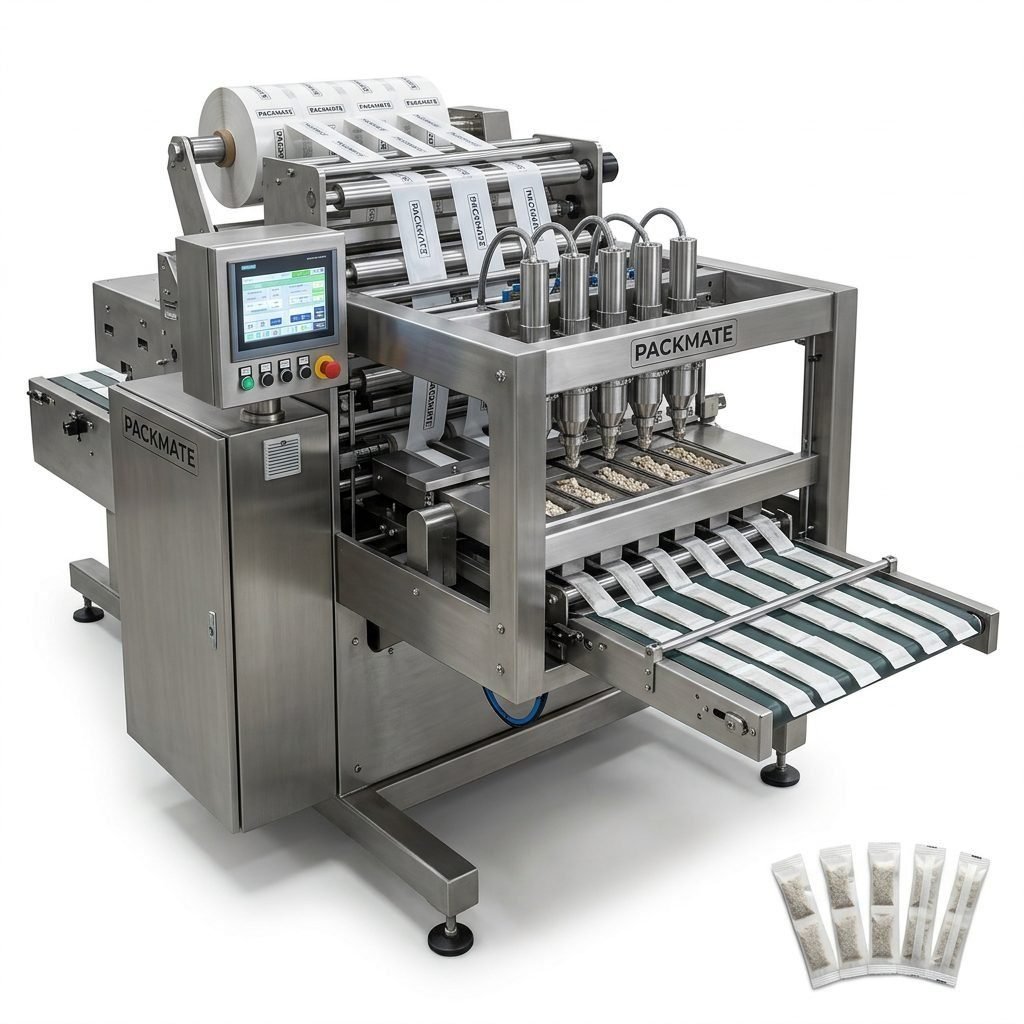
Portion geometry impacts dosing, feed mechanisms, and pouch forming. Manufacturers often standardize portion shapes for high-speed multi-lane systems. When developing new pouch shapes, consultation with equipment suppliers ensures that tray pick-and-place, dosing, and sealing stages are optimized. For integrated solutions, see specialized lines such as Snus & Nicotine Packaging Machines.
Materials Innovation: Barrier Films, Sustainable Options, and Printability
Material selection is crucial for shelf life, product safety, and brand expression. Advances in high-barrier films and laminates have extended shelf stability while enabling thinner, more sustainable structures. At the same time, demand for recyclable and mono-material solutions is growing, driving R&D in new polymer blends and coatings.
- High-barrier multi-layer laminates for oxygen and moisture control.
- Mono-polypropylene (mono-PP) and polyolefin-based films designed for recyclability.
- Printable surfaces that accept high-resolution flexo or digital inks without compromising seal strength.
Barrier Performance vs. Sustainability
Achieving both barrier performance and sustainability is a technical challenge. Laminates can deliver outstanding protection but are often multilayer and difficult to recycle. Recent developments in co-extruded mono-material films and advanced coatings are narrowing the gap—allowing brands to reduce environmental impact while maintaining product integrity.
Automation Solutions: Speed, Accuracy, and Smart Integration
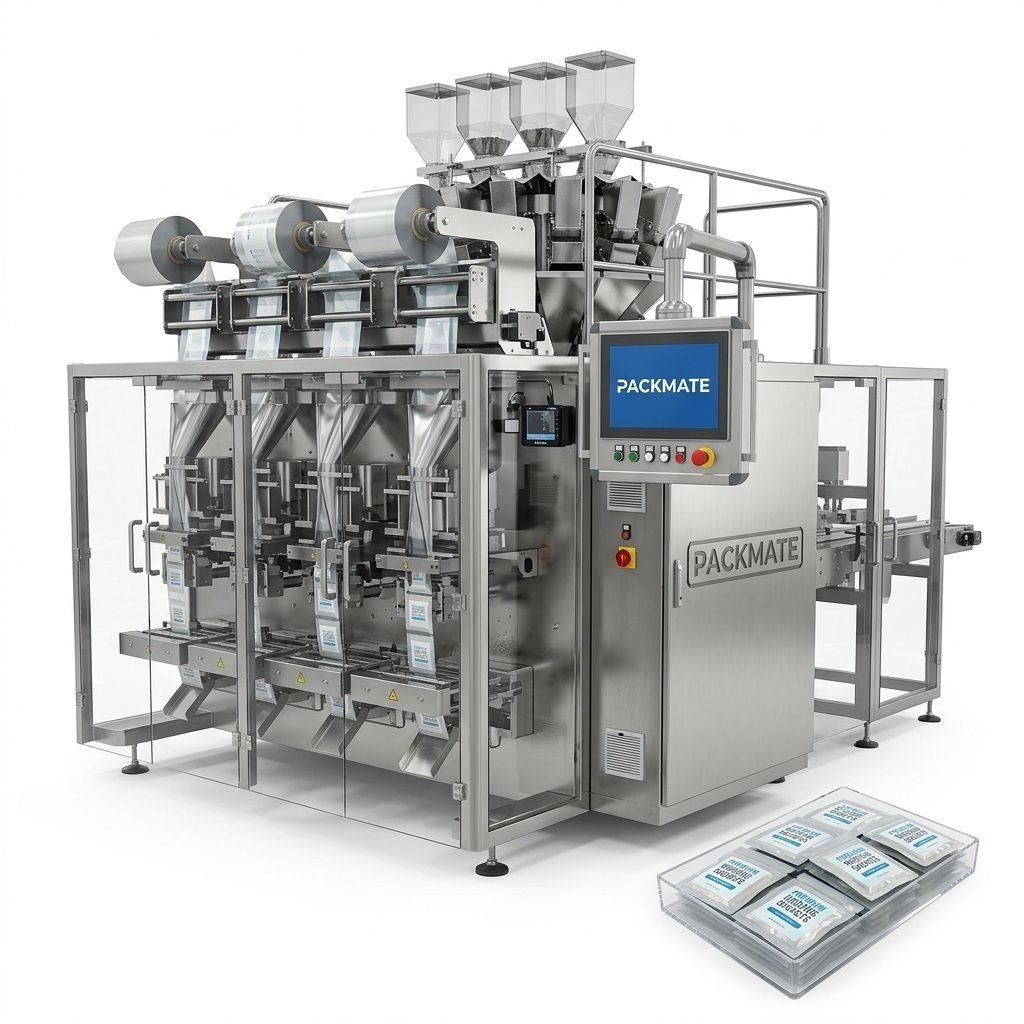
Automation remains the primary lever for improving throughput and reducing per-unit costs. Leading manufacturers deliver integrated production lines that combine filling, portioning, pouch forming, sealing, and secondary cartoning into synchronized systems. The emphasis today is on modularity, remote monitoring, and ease of changeover.
- High-precision dosing systems to maintain portion consistency across lanes.
- Quick changeover mechanisms for multi-flavor or multi-format production.
- Industry 4.0 connectivity for predictive maintenance and real-time OEE tracking.
Multi-Lane Systems and Throughput Scaling
Multi-lane pouch machines are a major innovation for small-dose products. By packaging multiple portions in parallel lanes, manufacturers can achieve very high outputs while maintaining portion accuracy. Multi-lane systems require robust synchronization between feeders, weighers, and sealing stations; leading suppliers provide turnkey solutions tailored to nicotine pouch production—see examples under Sachet & Stick Pack Machines.
Filling Technologies: Precision and Gentle Handling
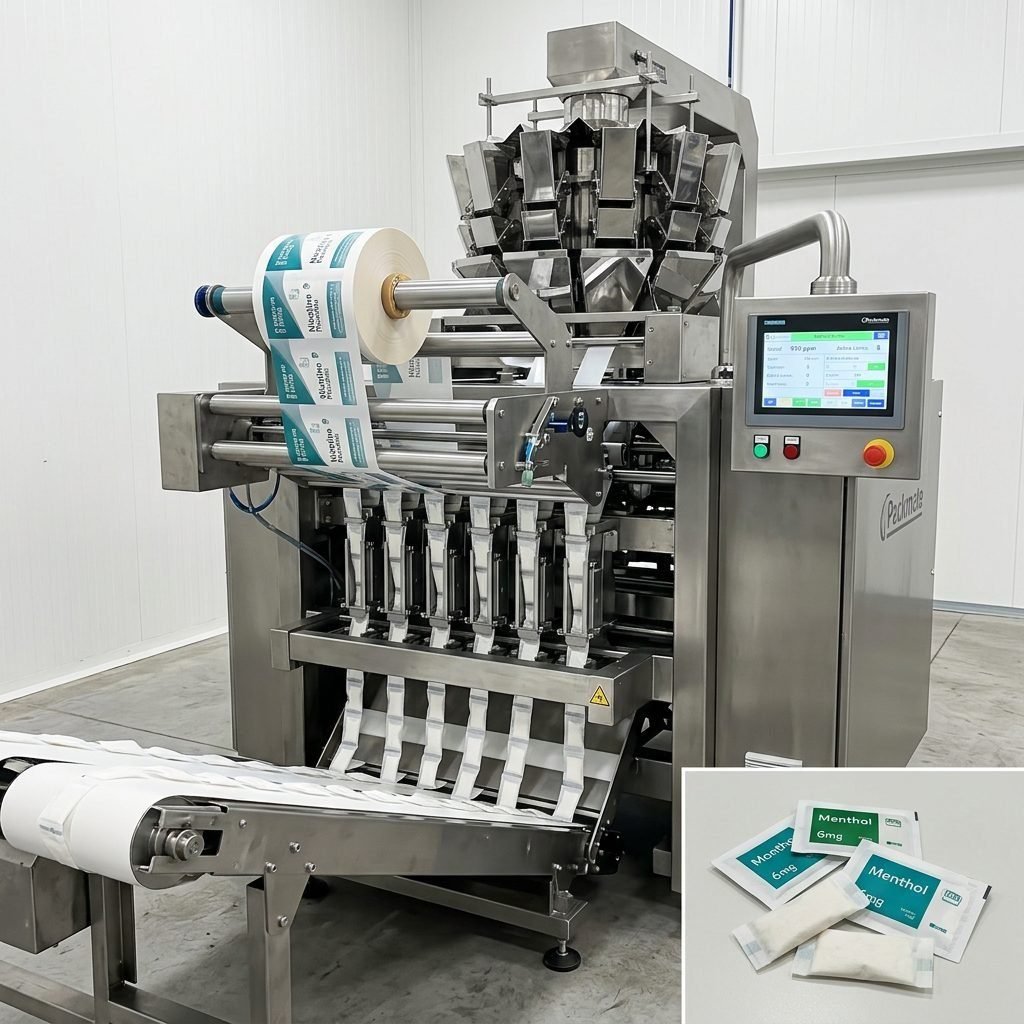
The filling stage for nicotine pouches must balance speed and gentle handling to preserve product integrity. Vibratory feeders, pistons, and augers are all used depending on product texture. For granular or powder blends, high-accuracy weighers coupled with multi-head or loss-in-weight systems provide consistent dosing across long production runs.
- Use closed hoppers and dust control for regulatory compliance and operator safety.
- Integrate in-line checkweighers to detect out-of-spec portions immediately.
- Optimize feed belts and guides to reduce misfeeds into multi-lane infeed systems.
Integration with Weighing & Packaging Systems
Seamless integration between weighing units and primary packaging machines is essential. Suppliers of weighing & packaging systems can deliver matched interfaces and communication protocols, ensuring consistent dosing and fast troubleshooting. Explore integrated options via Weighing & Packaging Systems.
Secondary Packaging and Traceability
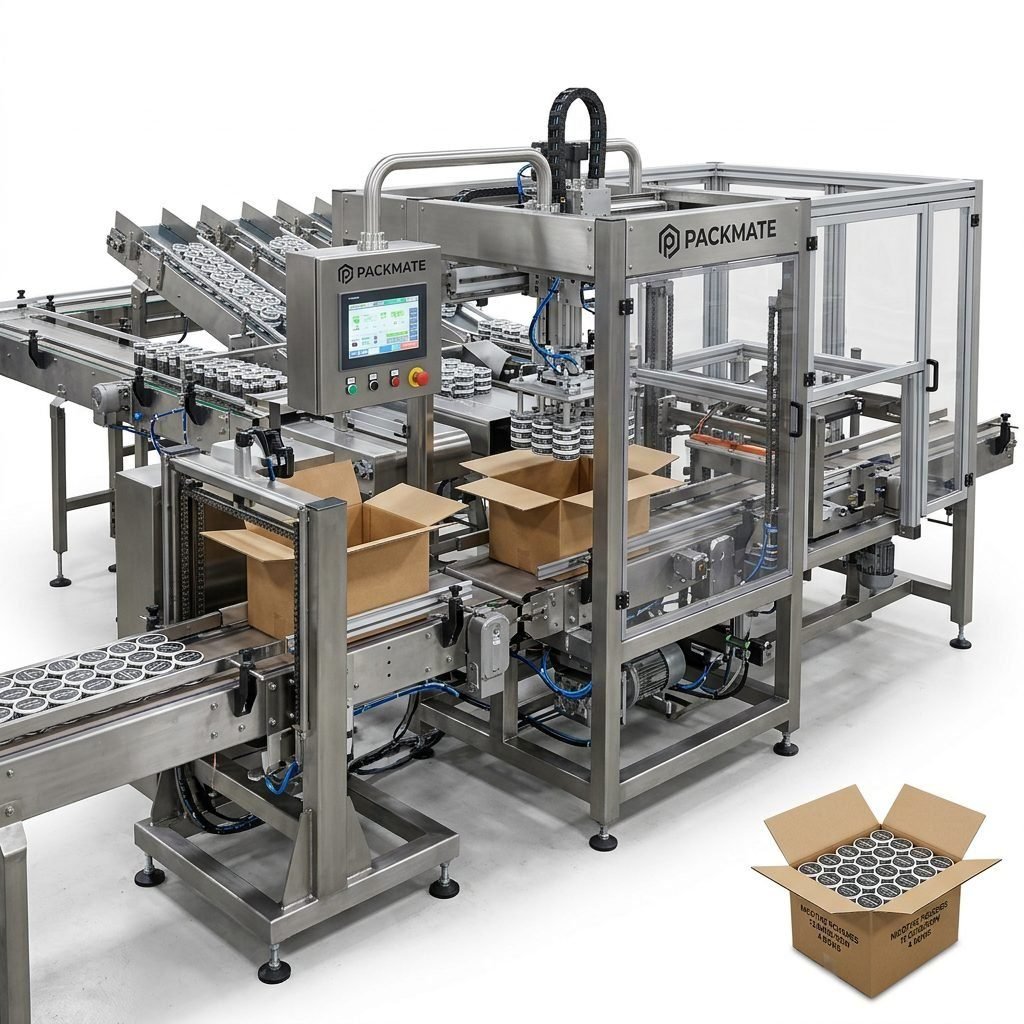
Secondary packaging (cartoning, shrink-wrapping, case packing) completes the product journey and must preserve package legibility for labeling and traceability. Modern lines integrate serialization and vision inspection systems to ensure accurate lot coding, tamper indication, and regulatory compliance.
- High-resolution inkjet or laser coders for batch and expiry information.
- Vision systems for print verification and label presence checks.
- Data capture and MES integration to record production metrics and QC results.
Case Studies and Turnkey Lines
Experienced manufacturers offer turnkey lines that include primary pouch machines, weighing systems, secondary packing, and control software. These integrated projects reduce engineering overhead and speed time-to-market. For examples of complete lines and case references, view Case.
Quality, Compliance and After-Sales Support
Compliance with international standards (CE, ISO) and local nicotine product regulations is non-negotiable. Suppliers with strong engineering and manufacturing capabilities provide rigorous testing, documentation, and validation support. After-sales service—including spare parts, remote diagnostics and preventive maintenance—ensures uptime in high-demand production environments.
- On-site commissioning and operator training for rapid ramp-up.
- Spare parts availability and recommended spares kits for critical wear items.
- Remote support and predictive maintenance to minimize unscheduled stops.
Choosing a Supplier
When selecting an equipment partner, evaluate engineering experience, manufacturing footprint, and the ability to customize solutions. Packmate Snus Machine, for example, offers a wide range of snus and pouch-specific machinery alongside full turnkey capabilities—review their portfolio at About Packmate and explore relevant machine categories like Bag & Pouch Packaging Machines.
Practical Tips for Line Optimization
Small adjustments can significantly improve yield and reduce downtime. Standardize materials where possible, invest in operator training, and schedule regular preventive maintenance. Employ in-line inspection to detect defects early, and maintain precise environmental controls when production involves hygroscopic blends.
- Standard operating procedures (SOPs) for changeovers and cleaning.
- Use of automation-friendly film reels with consistent web tension and registration.
- Periodic validation of dosing accuracy and seal integrity under production conditions.
Emerging Technologies and the Road Ahead
Looking forward, expect to see greater adoption of digital print for personalization, AI-driven vision systems for defect detection, and continued material innovation focusing on recyclability. Robotics will also play a larger role in secondary packaging and palletizing to improve flexibility and reduce labor dependencies.
Summary
Successful nicotine pouch production requires a systems approach: thoughtful design, the right materials, and tightly integrated automation. By partnering with experienced suppliers who offer both machines and full-line services, manufacturers can reduce risk, accelerate time-to-market, and maintain consistent product quality. For detailed product lines and auxiliary options, review Auxiliary Packaging Equipment and comprehensive filling & packaging lines at Filling & Packaging Lines.
✓ Validate packaging materials with your machine supplier.
✓ Invest in precise dosing and multi-lane technologies for scale.
✓ Ensure after-sales service and spare parts availability for continuous production.
FAQs
Q1: What are the most reliable pouch formats for nicotine pouches?
A: Stick, sachet, and multi-portion pouches are commonly used. The choice depends on dosing accuracy, consumer preference, and compatibility with existing machinery. Multi-lane sachet systems offer high throughput for small-dose products.
Q2: How important is material selection for shelf life?
A: Extremely important. Barrier performance against oxygen and moisture directly affects nicotine stability and flavor. Consider high-barrier laminates or advanced mono-material films designed for your targeted shelf life.
Q3: Can manufacturers switch between formats on the same line?
A: Yes, with modular machines and quick-change tooling, manufacturers can switch between formats. However, changeover time and validation should be planned to minimize production loss.
Q4: What role does automation play in regulatory compliance?
A: Automation improves traceability, repeatability, and monitoring, all of which are critical for compliance. Integrated coding, vision inspection, and digital batch records help meet regulatory requirements.
Q5: Where can I find turnkey suppliers for nicotine pouch production?
A: Look for experienced suppliers with proven multi-lane systems and full-line integration capabilities. Vendors with certifications and global support networks are preferable. For example, Packmate Snus Machine provides a comprehensive portfolio and global solutions—see their machine categories and services for more information.