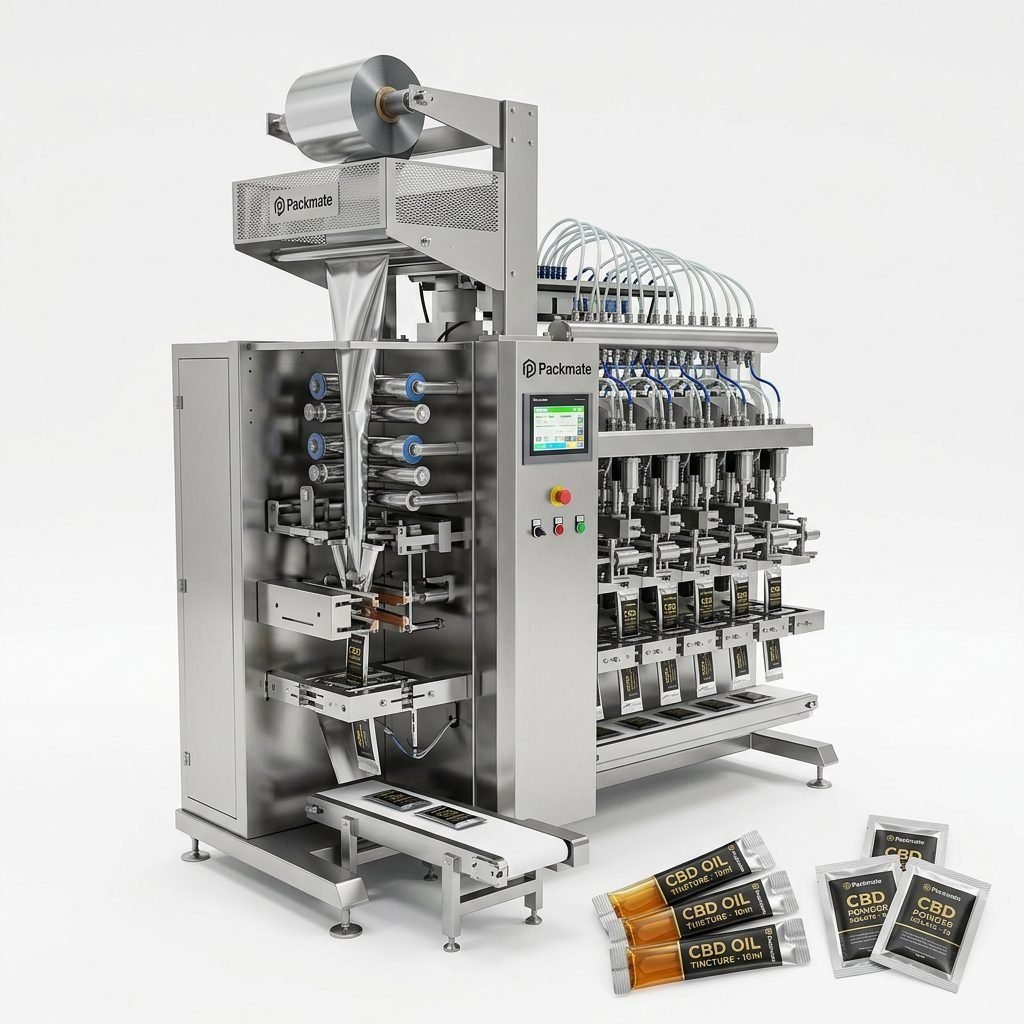
Choosing the right nicotine packaging machinery in China is a strategic decision that affects product consistency, regulatory compliance, production cost, and time-to-market. Whether you run a start-up producing nicotine pouches or manage an established plant scaling up operations, this guide walks you through practical steps and selection criteria to help you find machines that deliver performance, reliability, and long-term value.
🔍 Why the right machine matters
The wrong machine choice can lead to wasted production runs, compliance risks, high maintenance costs, and frequent downtime. You should prioritize machines that match your product format (snus, nicotine pouches, sachets, stick packs), production speed, and packaging materials, while ensuring traceability and clean operation. Efficiency, product protection, and consistent dosing are non-negotiable.
📦 Key decision drivers at a glance
Production capacity: daily output and future growth.
Format flexibility: single-lane vs multi-lane, stick vs pouch.
Filling accuracy: dosing tech for powders, granules, or liquids.
Hygiene & compliance: cleanability, certification (CE/ISO).
After-sales & spare parts: local support, training, and warranty.
1. Assess your production profile
Map out your current and projected needs. Ask: What is your target output per hour/day? Which formats (snus pouch, nicotine pouch, stick pack, sachet) will you produce? Do you need multiple sizes or flavors on the same line? The answer determines whether you go for single-lane precision machines or high-throughput multi-lane systems. Consider peak seasons and expansion plans: buying a slightly more capable machine today can save CAPEX and downtime tomorrow.
Capacity examples and what they imply
Low-volume pilot lines: prioritize flexibility and quick format changeover.
Mid-volume production: choose modular machines that scale with additional lanes or feeders.
High-volume lines: prefer robust multi-lane systems with synchronized dosing and automated quality checks.
2. Select the correct packaging format and machine type
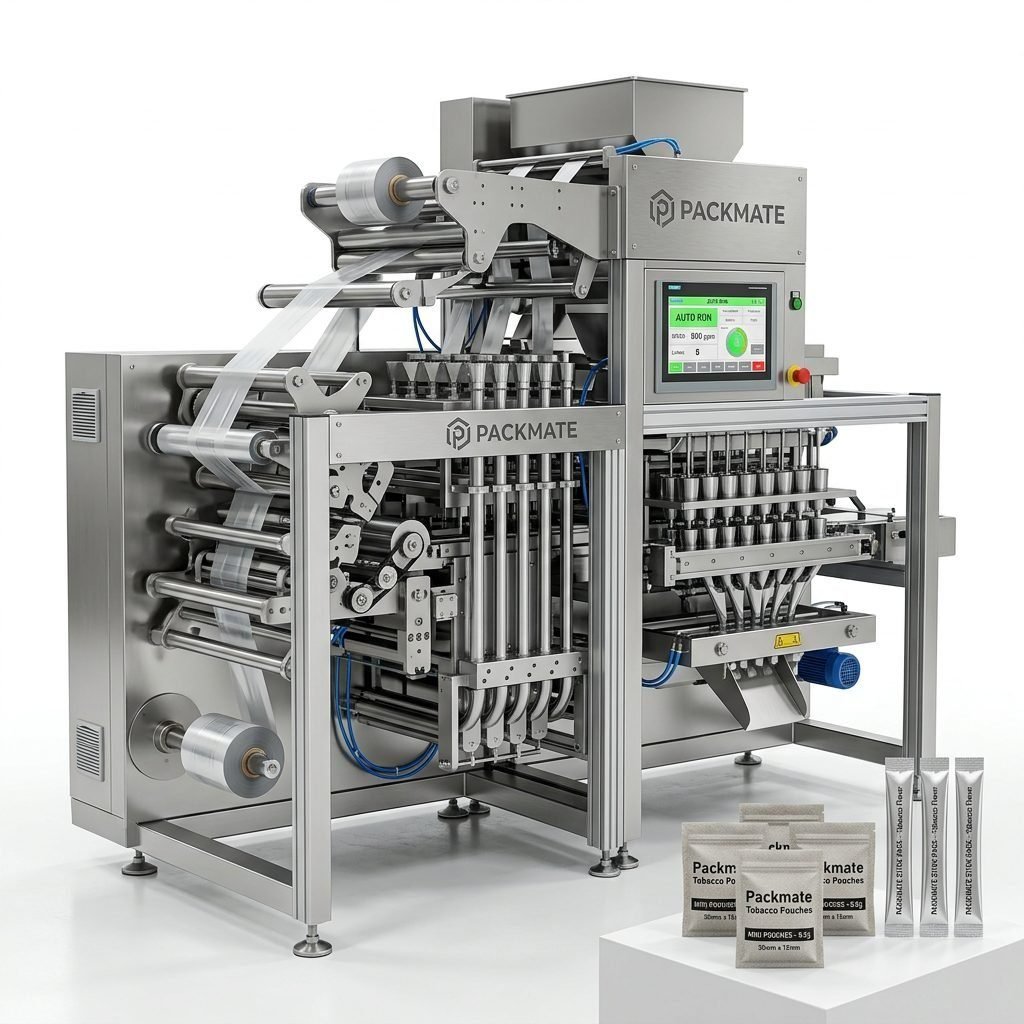
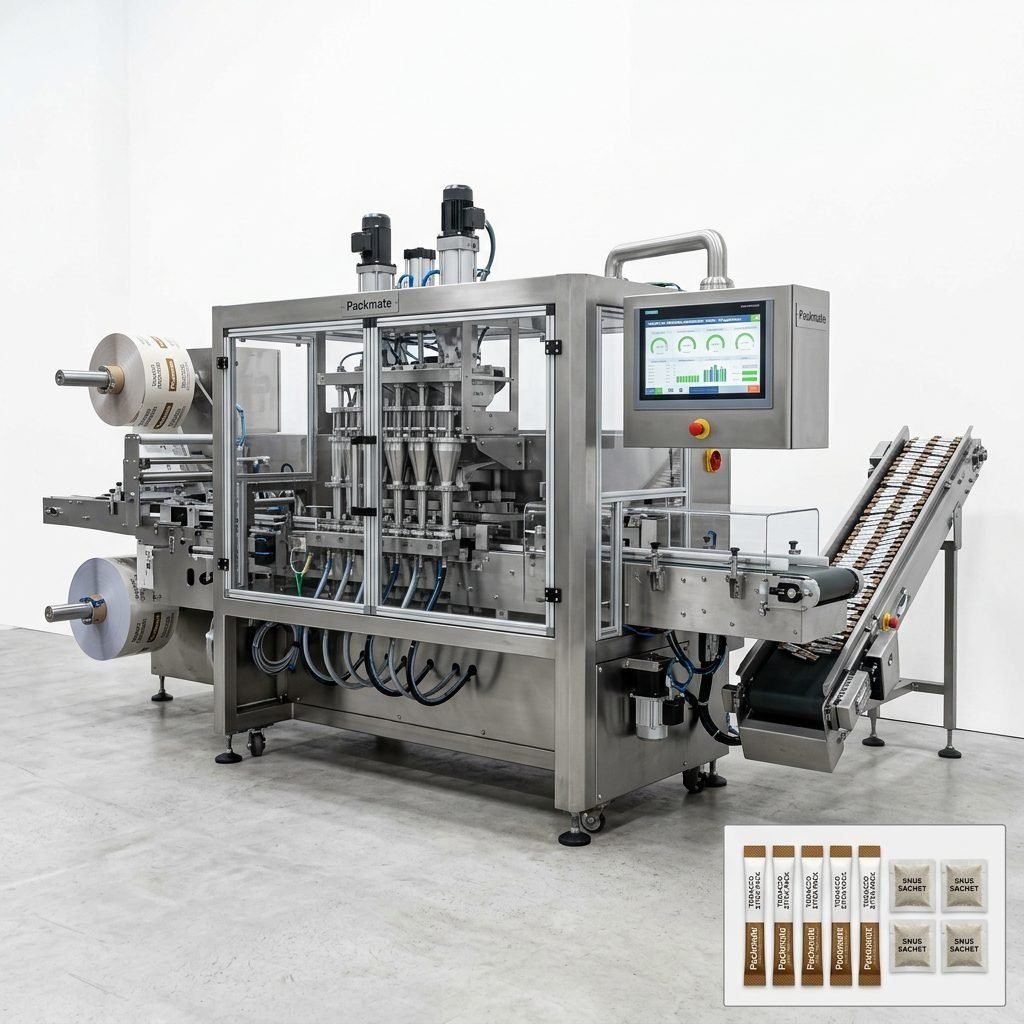
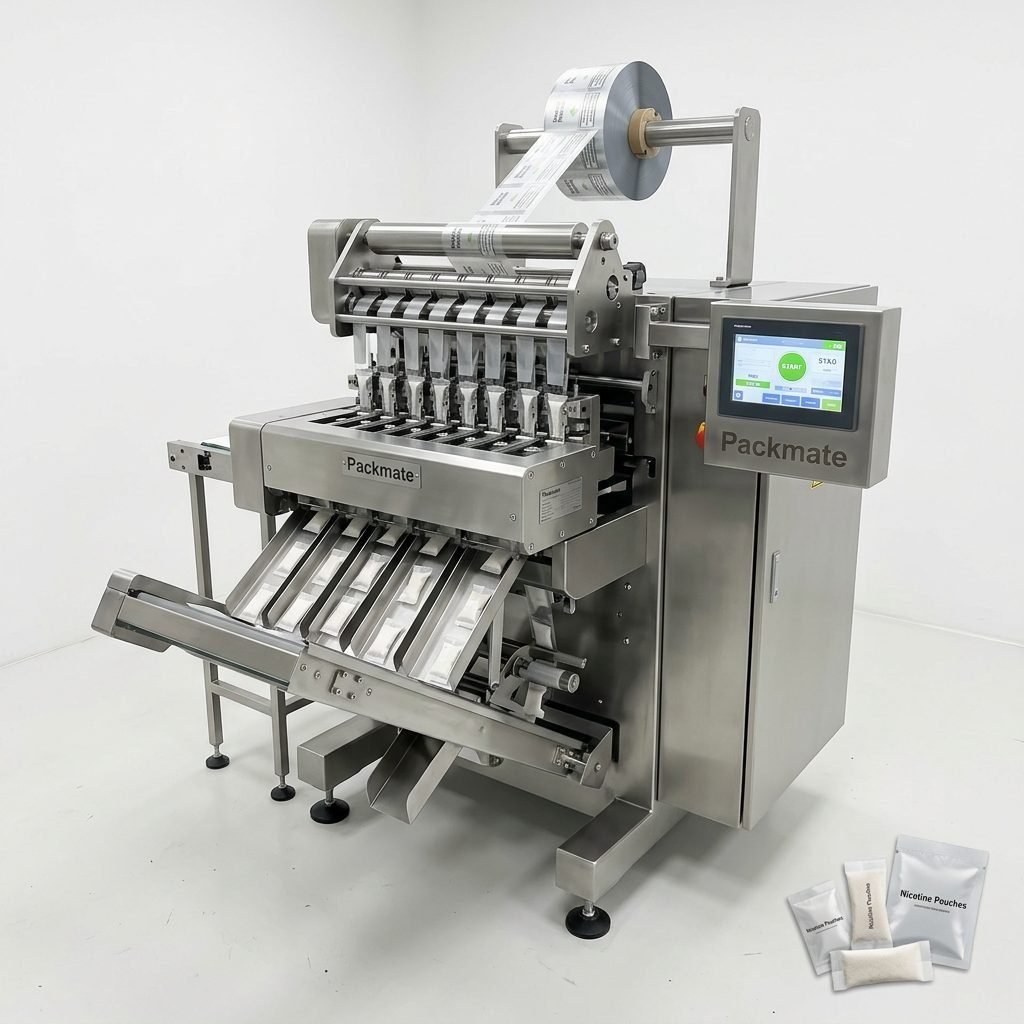
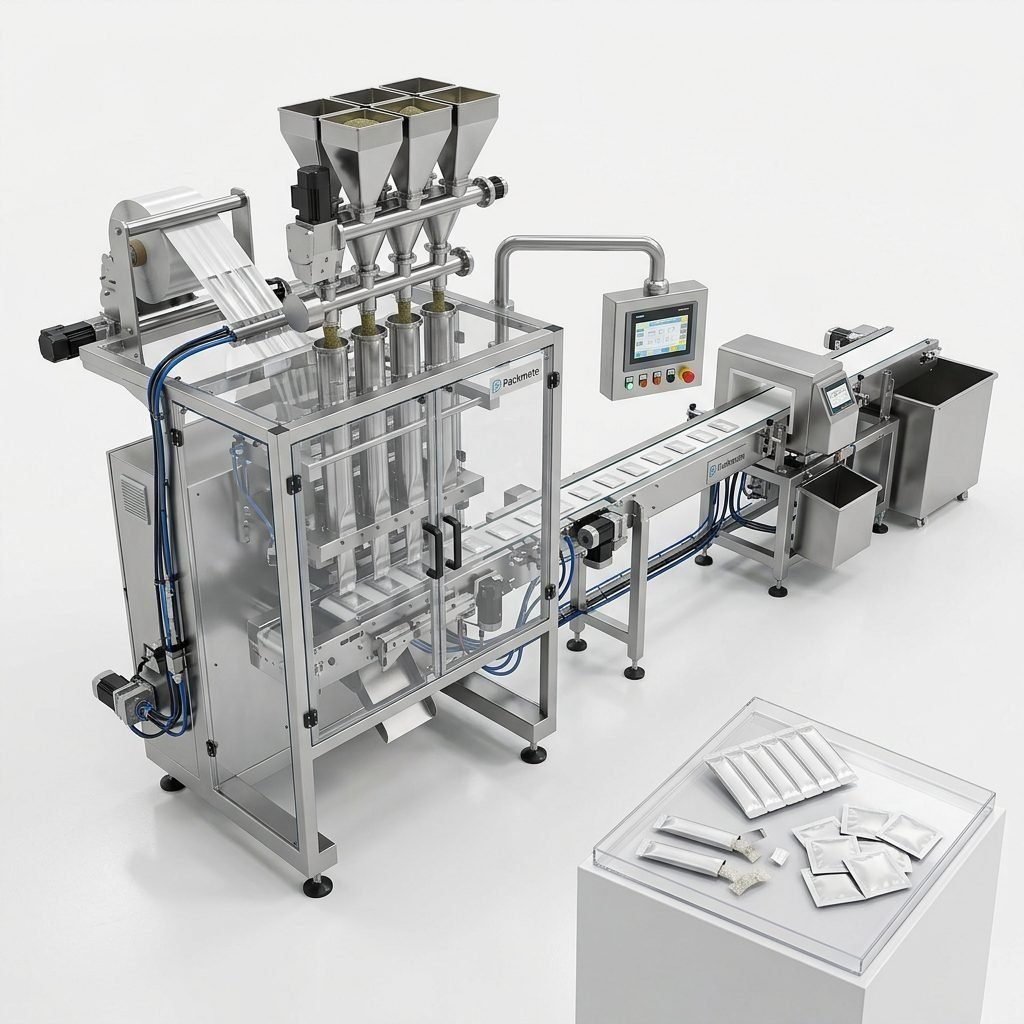
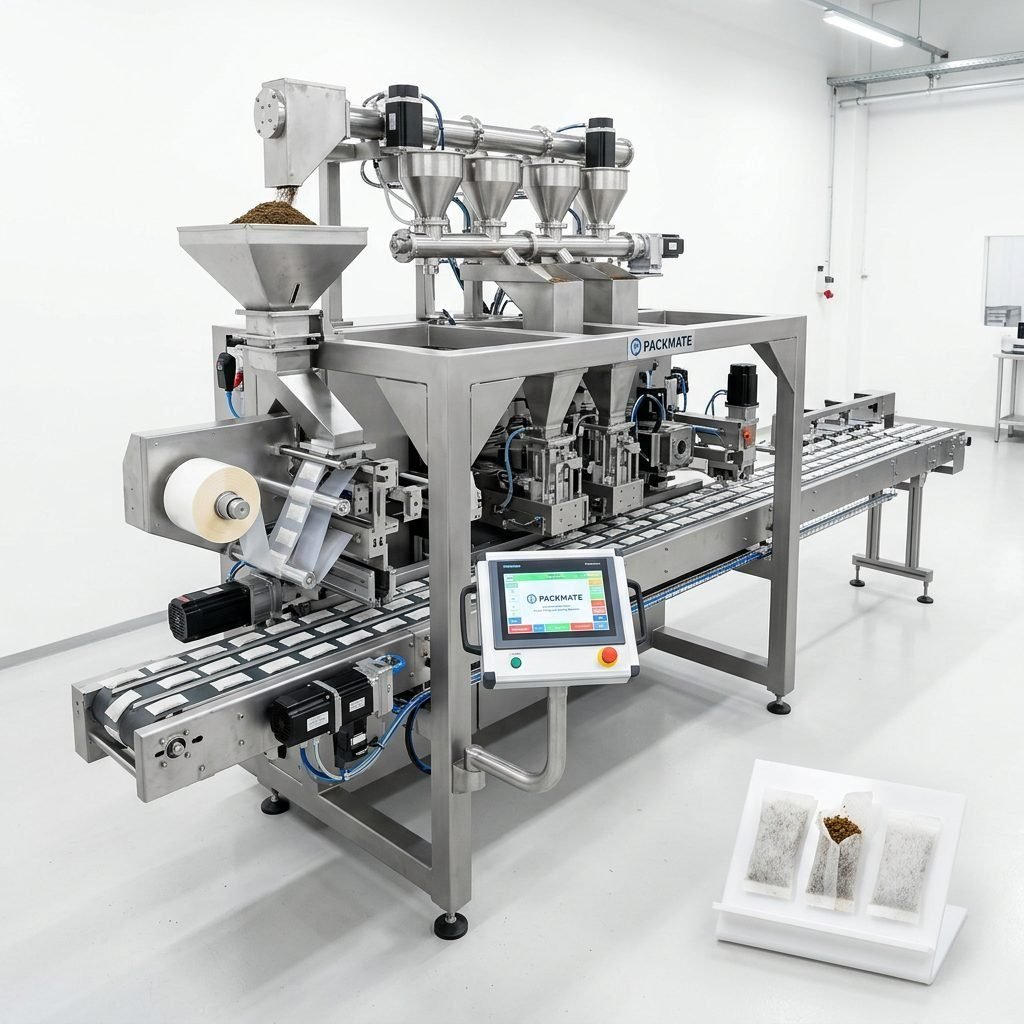
Different products require specific machine types. For nicotine pouches and snus, you may need pouch-making and filling solutions; for small-dose stick packs, high-speed rotary or form-fill-seal machines are common. Explore machines that can handle your chosen materials: laminated film, foil, or paper-based pouches.
Useful product pages for reference:
Snus & Nicotine Packaging Machines,
Sachet & Stick Pack Machines,
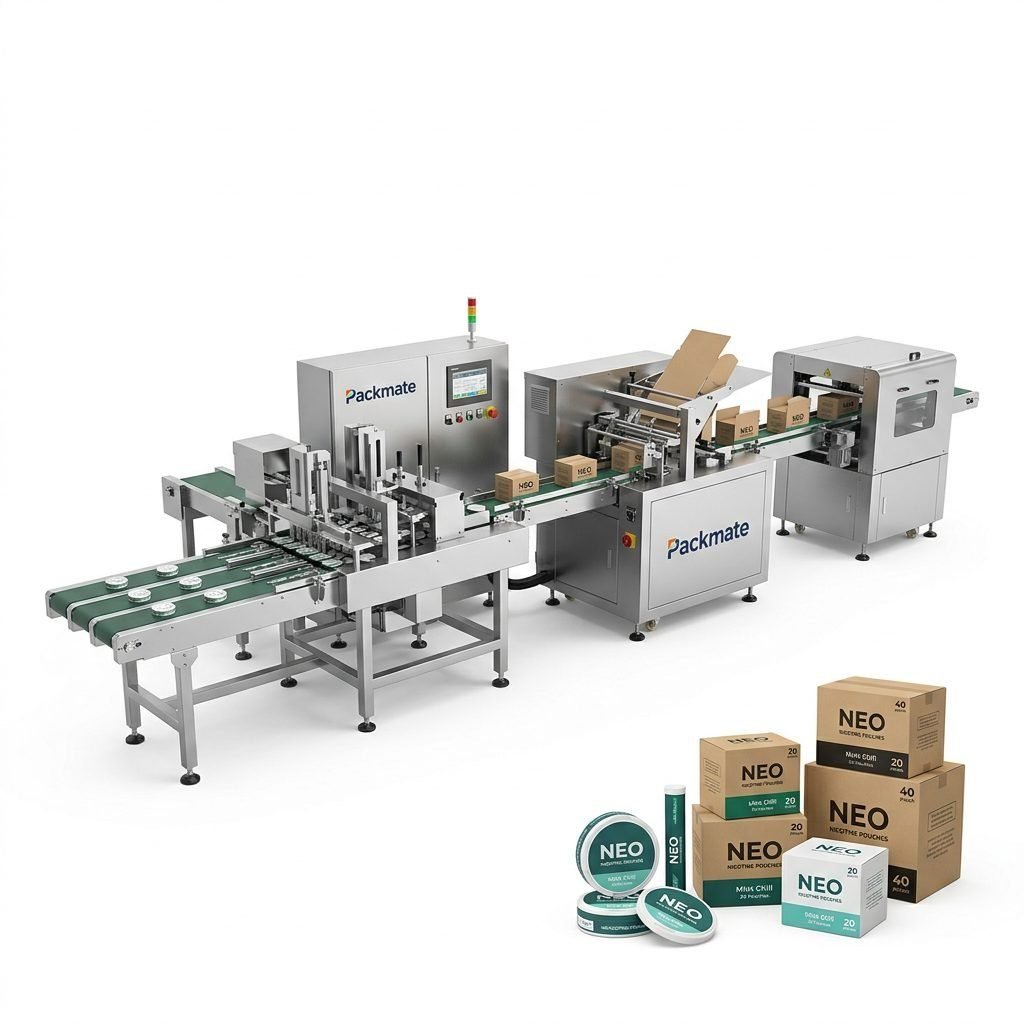
Filling & Packaging Lines.
3. Capacity vs. lane configuration: single-lane or multi-lane?
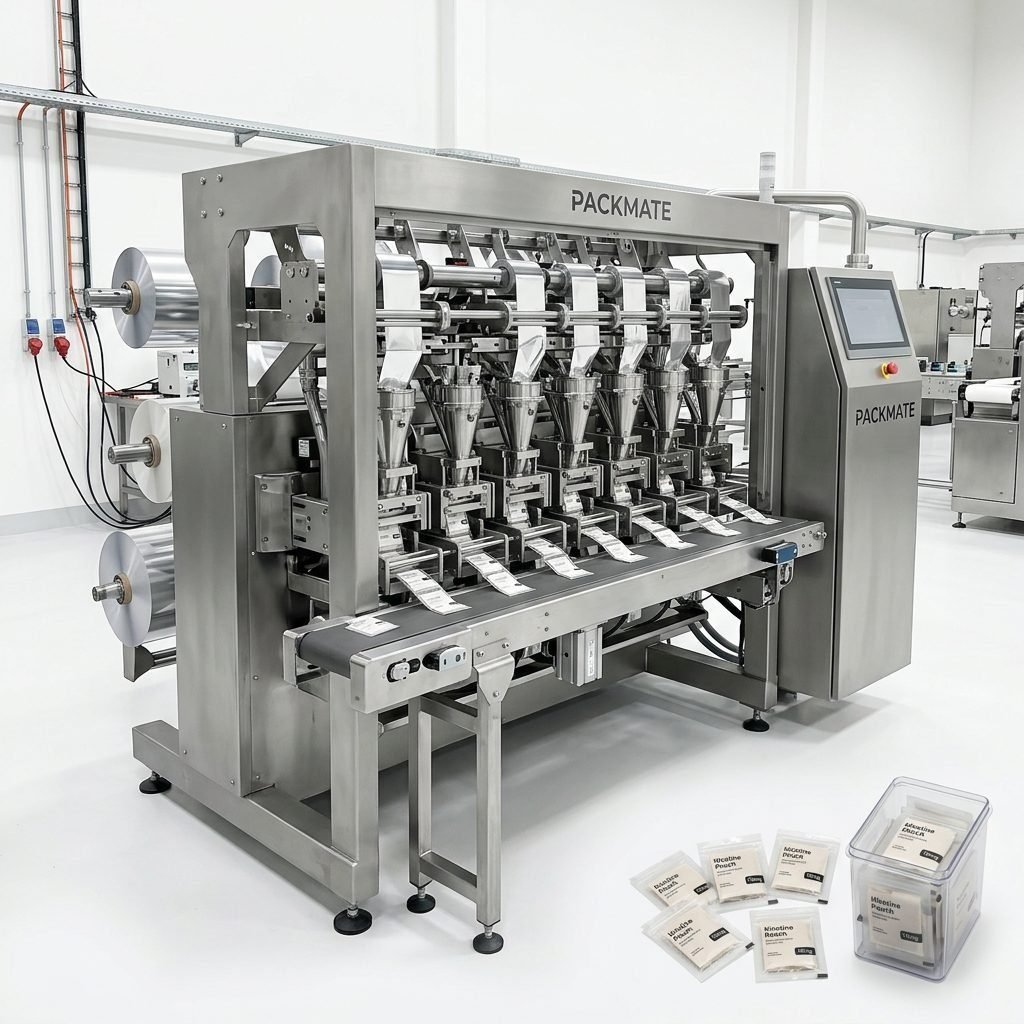
Single-lane machines offer precision and cost-effectiveness for niche or laboratory runs. Multi-lane solutions multiply throughput by running several product channels in parallel. If your business aims for mass-market supply, consider multi-lane systems with synchronized dosing and common control panels to reduce operator overhead and footprint.
Pro tip: Choose machines with modular lanes so you can add lanes without replacing the entire platform.
4. Filling accuracy and dosing technology
Dosing technology is critical for nicotine products where precise weight affects potency and compliance. Volumetric, auger, piston, or vibratory dosing systems each have strengths. For powders and micro-doses, precision auger or multi-head weighing systems are often best. If you plan to handle liquids or oils, verify compatibility and sealing quality.
For complex formulations, consider integrated weighing & packaging systems:
Weighing & Packaging Systems.
5. Materials compatibility and sealing performance
Ensure the machine can handle your chosen film types and seal requirements. High-barrier films are often used for nicotine pouches to ensure shelf life and moisture control. Machines must provide consistent heat-sealing, ultrasonic sealing (if needed), and reliable cutting to avoid leakage or spoilage. Test your exact material in real-world runs before final purchase.
6. Hygiene, safety and regulatory compliance
Machines used for nicotine or tobacco-adjacent products must meet high hygiene standards. Stainless steel construction, CIP-friendly design, and easily removable parts simplify cleaning and sanitation. Certifications like CE and ISO indicate adherence to international standards — verify documentation and request test reports.
Checklist: stainless contact parts, enclosed moving parts, reachable seams, and documented cleaning procedures.
7. Automation, control systems and Industry 4.0 features
Modern packaging lines include PLC control, touch HMI, recipe management, and remote diagnostics. These features reduce operator error, make changeovers faster, and enable predictive maintenance. Ask about software upgrade pathways and communication protocols (OPC UA, Ethernet/IP) to integrate with MES or ERP systems.
8. Reliability, maintenance and spare parts
Uptime is everything. Choose manufacturers with proven quality control, in-house machining, and rapid spare parts supply. Some Chinese manufacturers operate large factories with CNC capabilities and assembly lines, enabling faster part delivery and customization. Verify warranty terms, response time for service, and availability of local technicians or authorized partners.
Example: What to ask suppliers
Average MTBF (Mean Time Between Failures) for core modules?
Lead time for critical spare parts?
Availability of local on-site engineers and training?
9. Factory evaluation and testing
Visit the manufacturer’s factory when possible or request live demonstrations. Look for traceable manufacturing processes, test reports, and sample runs using your materials. A responsible supplier will offer FAT (Factory Acceptance Test) and SAT (Site Acceptance Test) with documented acceptance criteria.
Packmate Snus Machine emphasizes production testing and global support from a 20,000㎡ facility with advanced CNC and assembly systems — this type of capacity often correlates with better parts availability and quality assurance. Learn more About Packmate.
10. Total cost of ownership (TCO) vs. initial price
The cheapest machine upfront may cost far more in lost production and repairs. Calculate TCO including installation, training, spare parts inventory, energy consumption, and expected lifetime. Prioritize machines with energy-efficient drives, easy changeover mechanisms, and durable wear parts.
11. Supplier reputation and references
Check case studies, client lists, and exhibition participation. Suppliers that present real-world case studies and attend international exhibitions show commitment to global markets and standards. Inspect references and, if possible, contact existing clients for feedback on performance and after-sales support.
See real-world examples at the manufacturer’s case page: Case.
12. Turnkey solutions and line integration
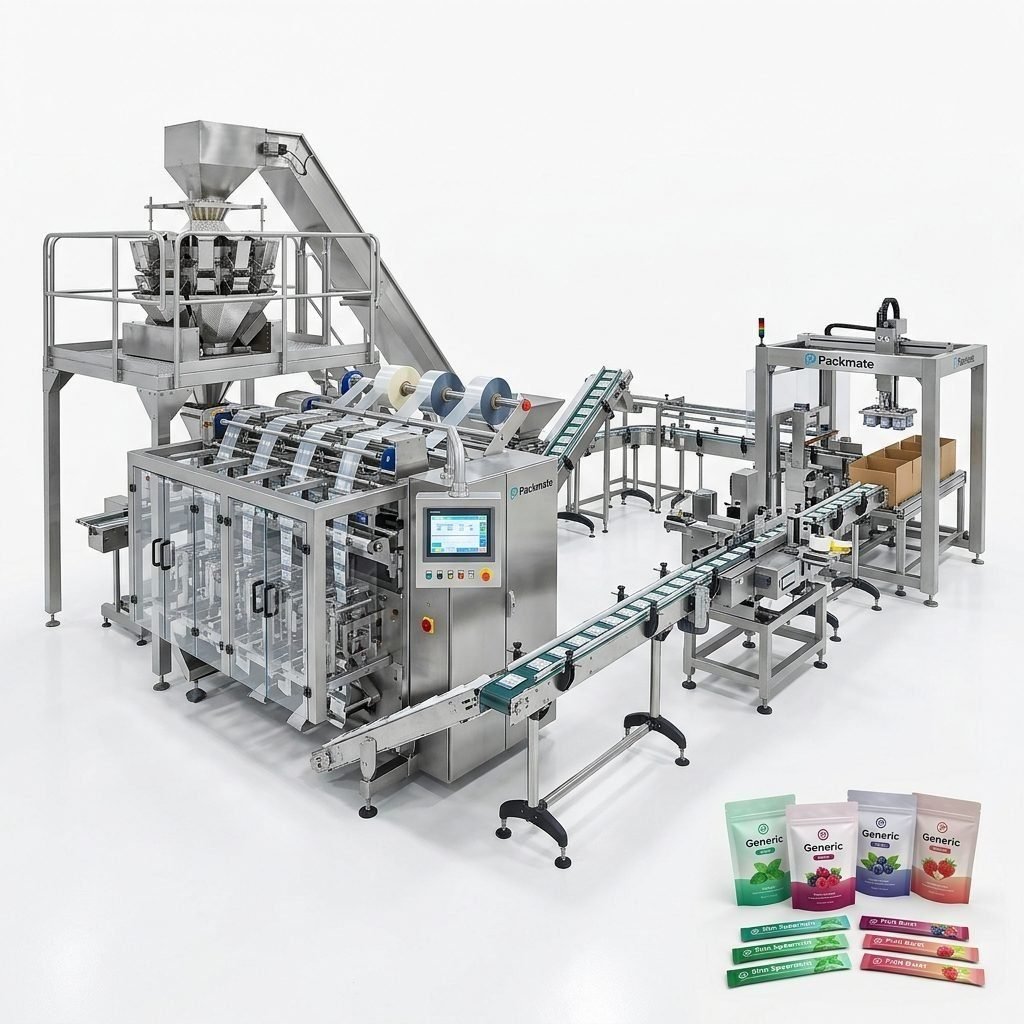
For streamlined commissioning, consider suppliers offering turnkey solutions: integrated filling, pouch forming, dosing, labeling, inspection, and secondary packaging. A single-source supplier can reduce integration risk and simplify project timelines. Confirm who will be responsible for system integration, electrical drawings, and commissioning protocol.
13. After-sales services: training, warranty and spare parts
Ask about operator training, preventive maintenance plans, remote troubleshooting, and spare parts kits. A strong after-sales structure often includes online support, on-site technicians, and comprehensive documentation. If a supplier has global partners or local service centers, your downtime risk decreases significantly.
14. Negotiation tips and contract considerations
Negotiate clear acceptance criteria, penalties for missed delivery, and agreed training scope. Ensure documentation covers electrical drawings, PLC source code ownership, spare parts list, and warranty exclusions. Include performance guarantees and FAT/SAT milestones in the contract.
15. Recommended evaluation checklist before purchase
1) Verified production speed with your material and format.
2) Sealing and integrity tests passed for your films.
3) Maintenance plan, spare parts lead time, and warranty agreed.
4) Software & control compatibility with your plant network.
5) Factory acceptance test and installation plan scheduled.
Conclusion
Choosing the best nicotine packaging machinery requires a holistic view of current needs, future growth, material compatibility, regulatory requirements, and supplier reliability. Prioritize machines with proven dosing accuracy, flexible lane configurations, robust sealing, and strong after-sales support. Work with reputable manufacturers that offer testing, clear documentation, and turnkey integration to minimize commissioning time and maximize uptime.
Resources & next steps
If you want to explore product lines and equipment options, review Packmate’s product categories for in-depth specifications:
Bag & Pouch Packaging Machines,
Auxiliary Packaging Equipment.
For direct inquiries, use the manufacturer’s contact page: Contact Us.
Frequently Asked Questions
Q: How do I test my film material before buying a machine?
A: Request a sample trial run during FAT using your exact film and product. Confirm sealing integrity, pouch shape, and production speed. A reputable supplier will perform this test and document results.
Q: What is the typical lead time for custom snus packaging lines from China?
A: Lead times vary by capacity and customization, typically 8–20 weeks. Complex multi-lane turnkey lines may take longer. Confirm timelines and milestones in the purchase agreement.
Q: Can I upgrade a single-lane machine to multi-lane later?
A: Some manufacturers design modular systems that allow additional lanes or modules to be added. Verify upgrade pathways and mechanical/electrical compatibility before purchase.
Q: What certifications should I ask for when buying nicotine packaging machinery?
A: Common certifications include CE and ISO for quality and safety. Also request documented FAT results, material certificates, and relevant electrical safety approvals for your market.
Q: How important is after-sales support and spare parts availability?
A: Extremely important. Quick spare part supply and responsive technical support minimize downtime and protect production continuity. Prefer suppliers with local partners or a proven global service network.