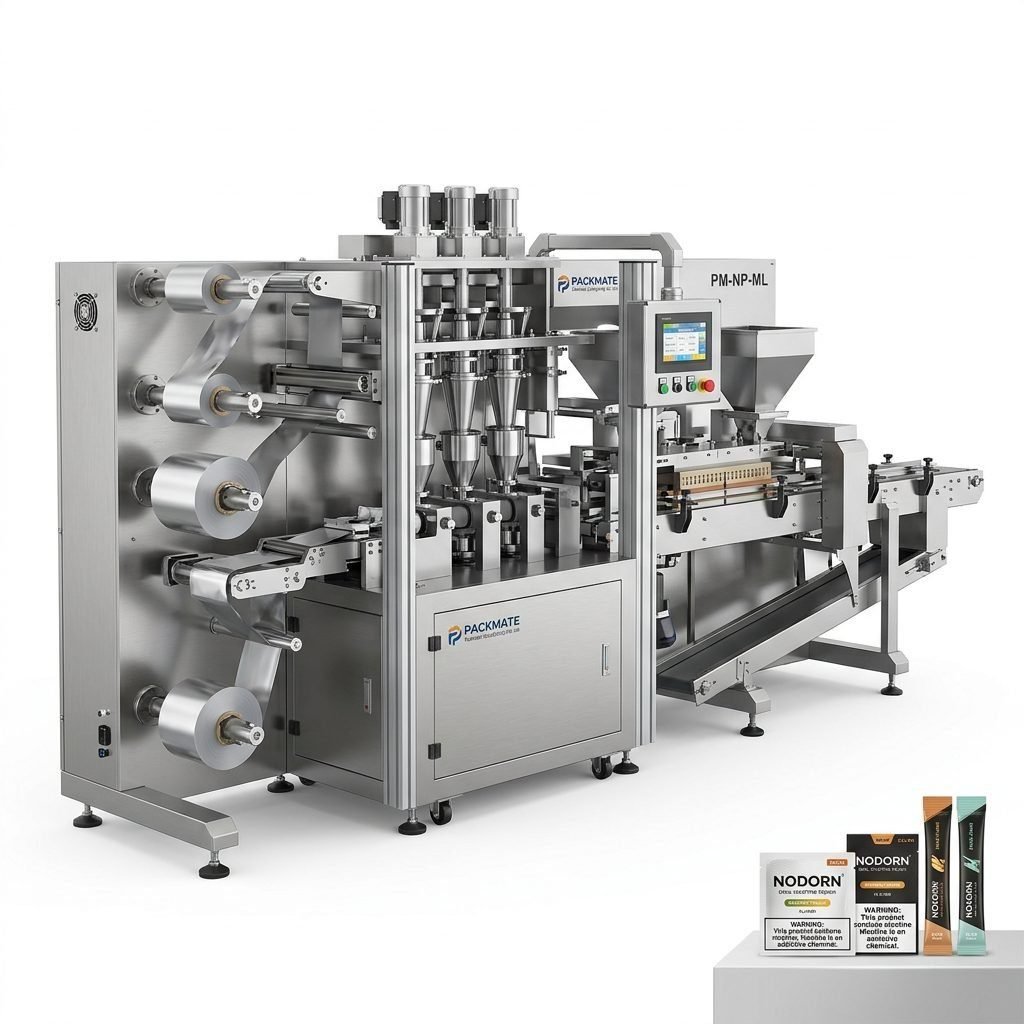
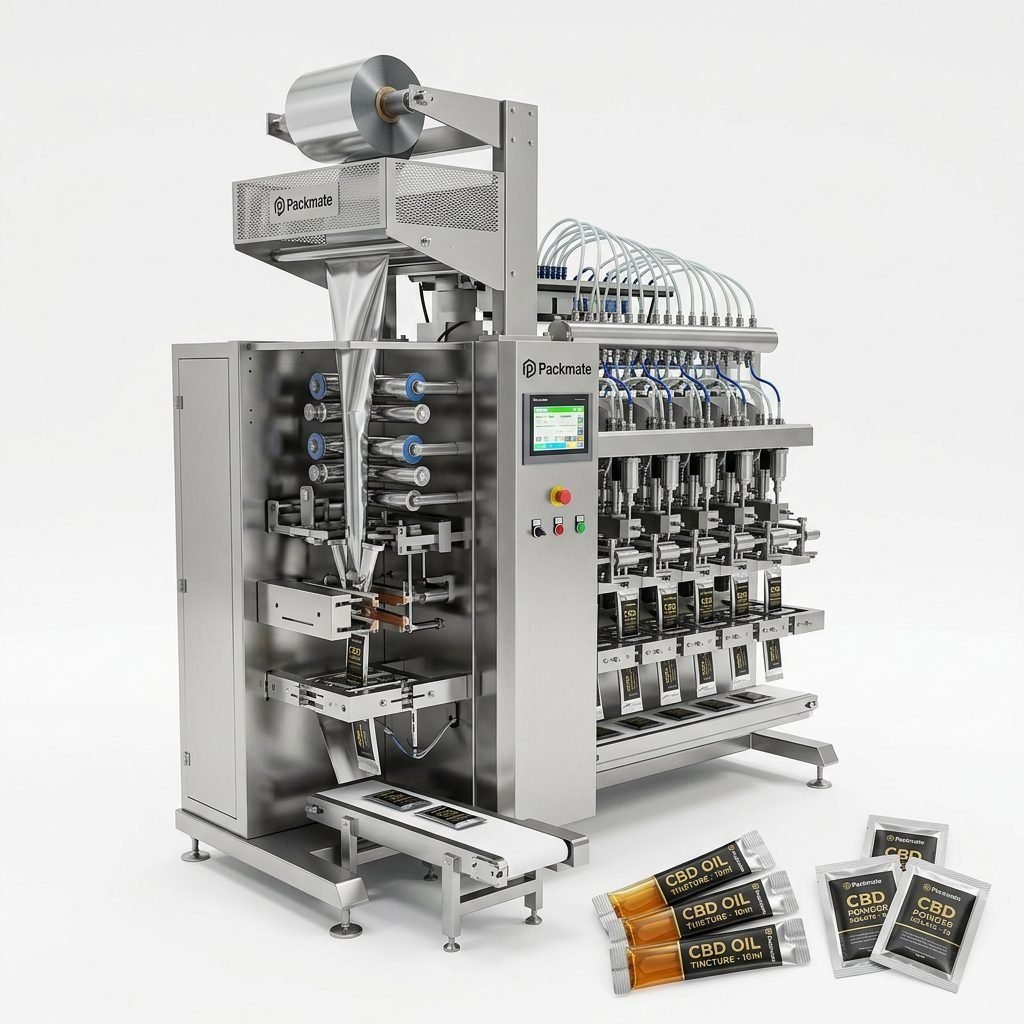
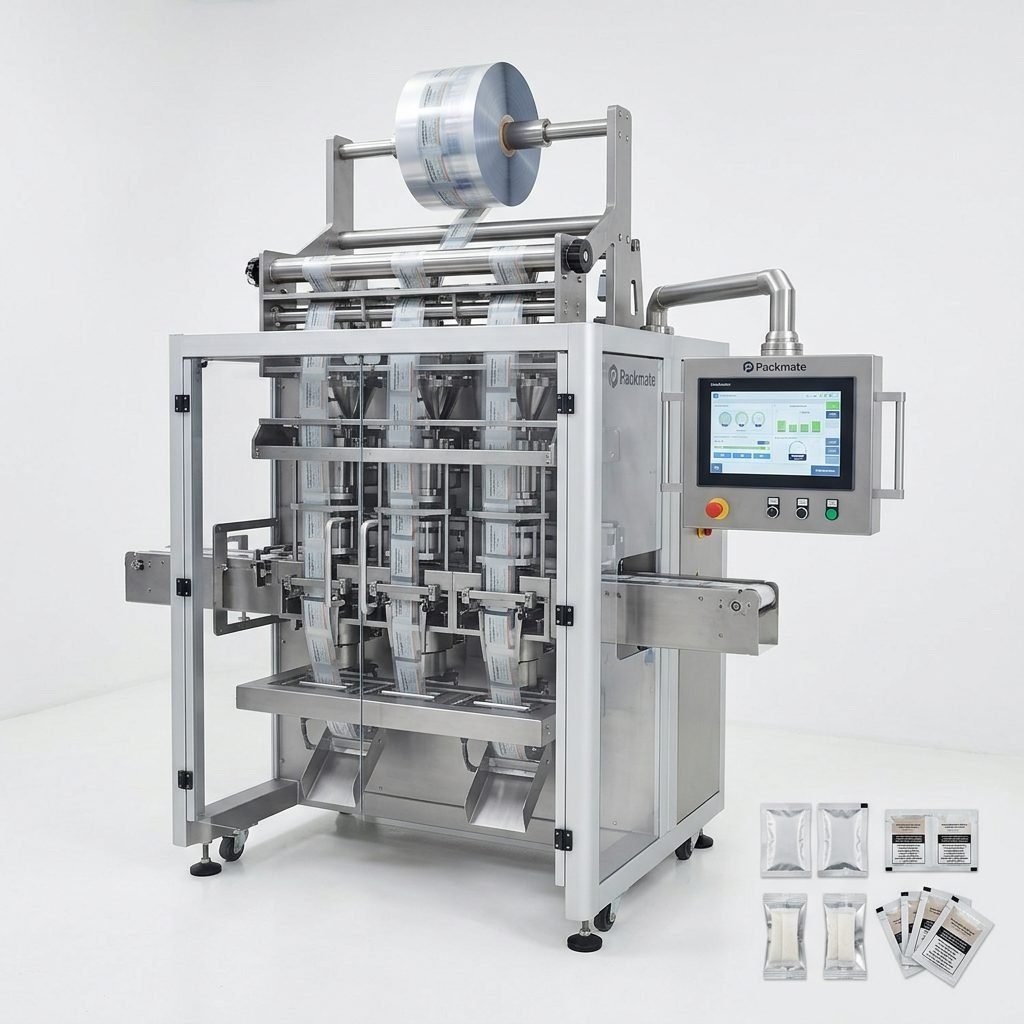
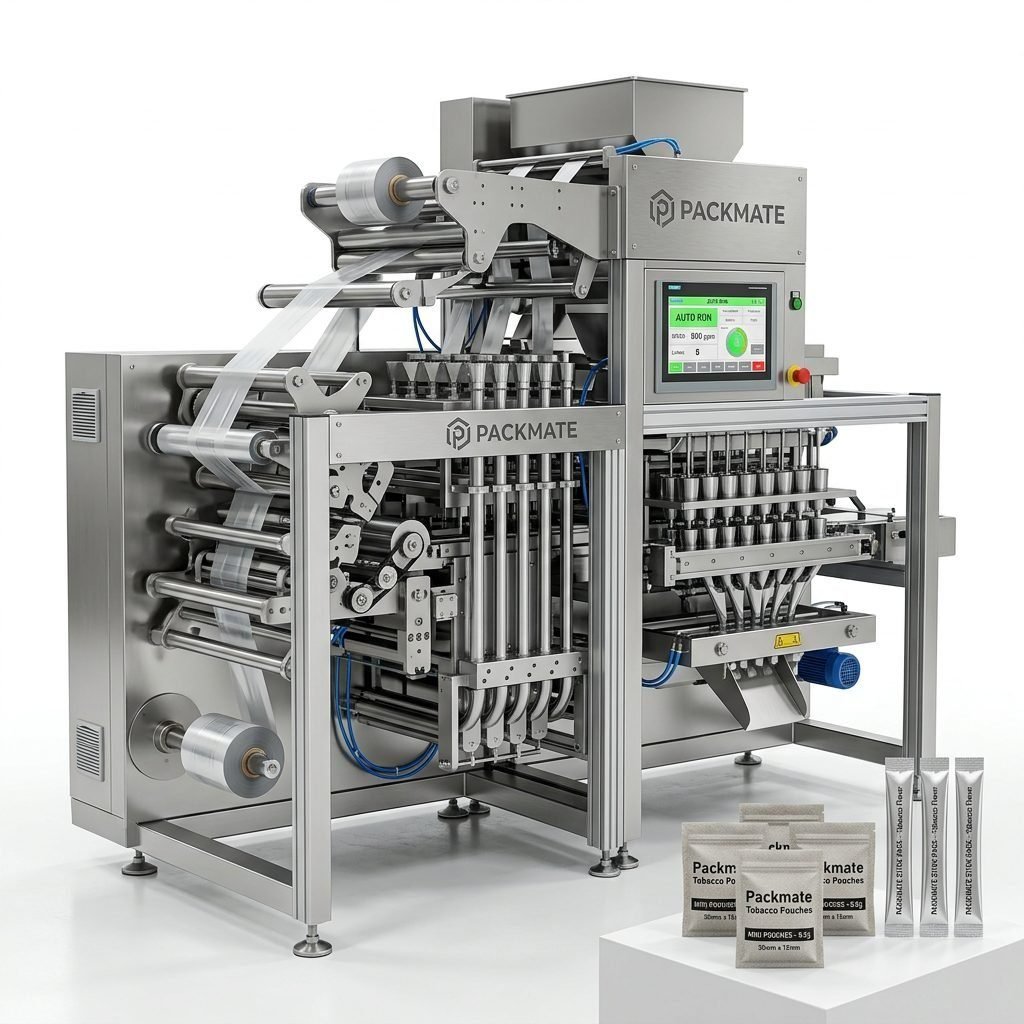
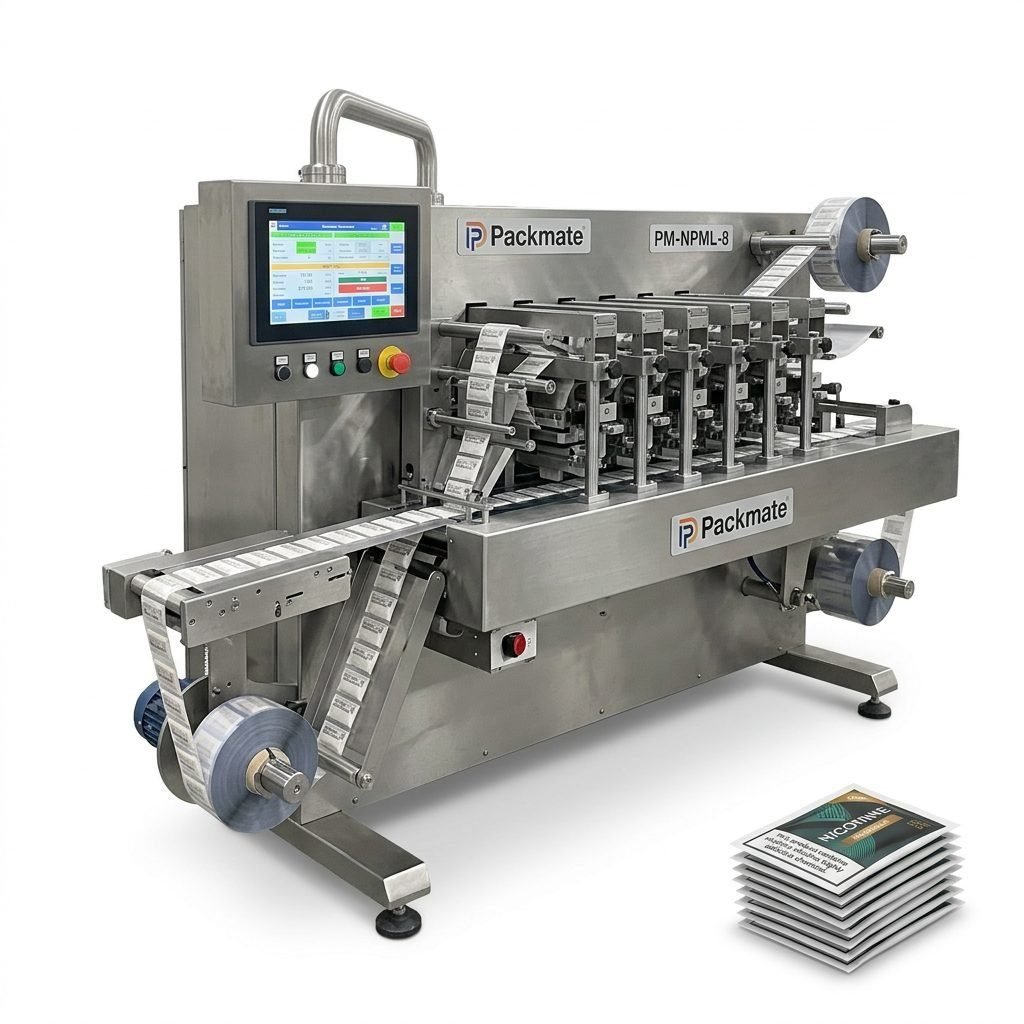
Choosing the right snus packaging machinery for your Cambodian production line is more than selecting a machine that wraps pouches — it is about matching throughput, reliability, regulatory compliance, and long‑term service to your business goals. This guide walks you through the practical steps and technical considerations to help you select the best snus / nicotine pouch packaging equipment for your factory, whether you are launching a new brand or scaling an established operation.
Understand Your Product and Packaging Format
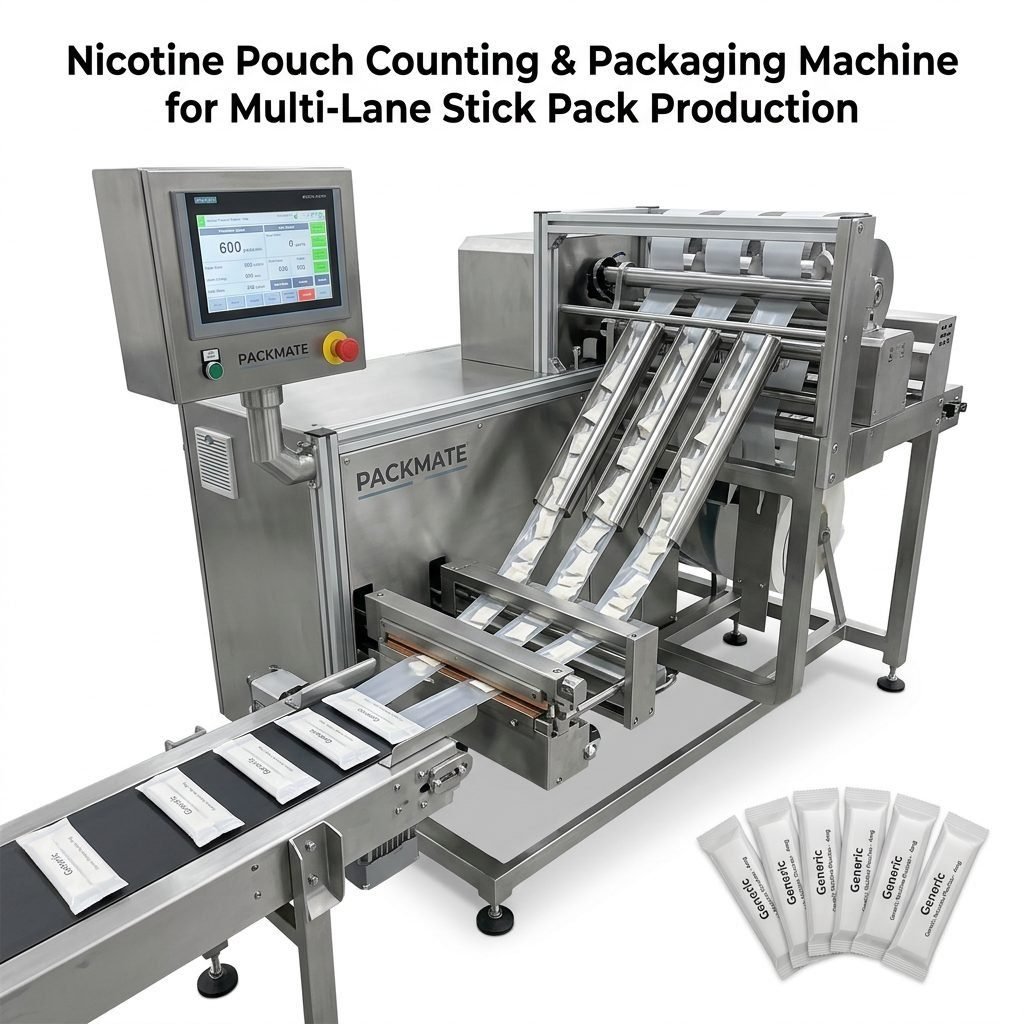
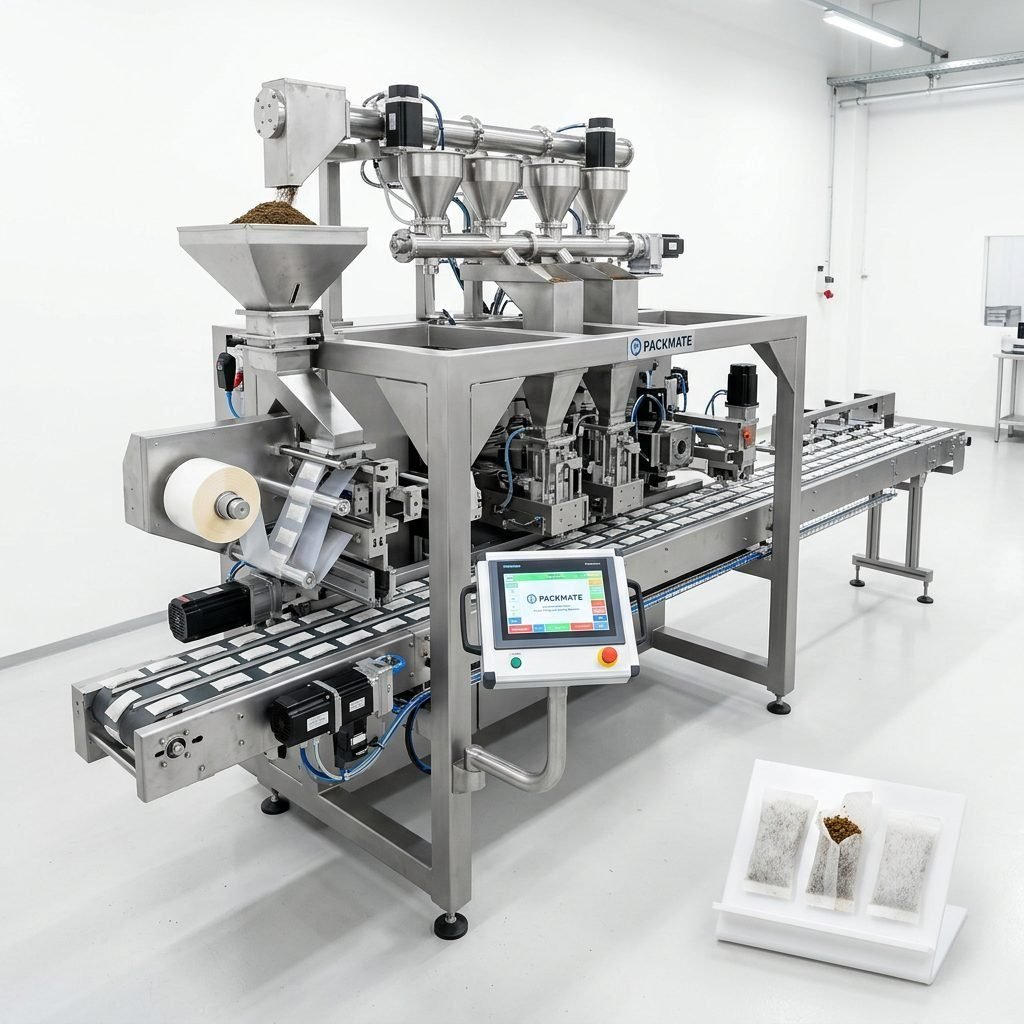
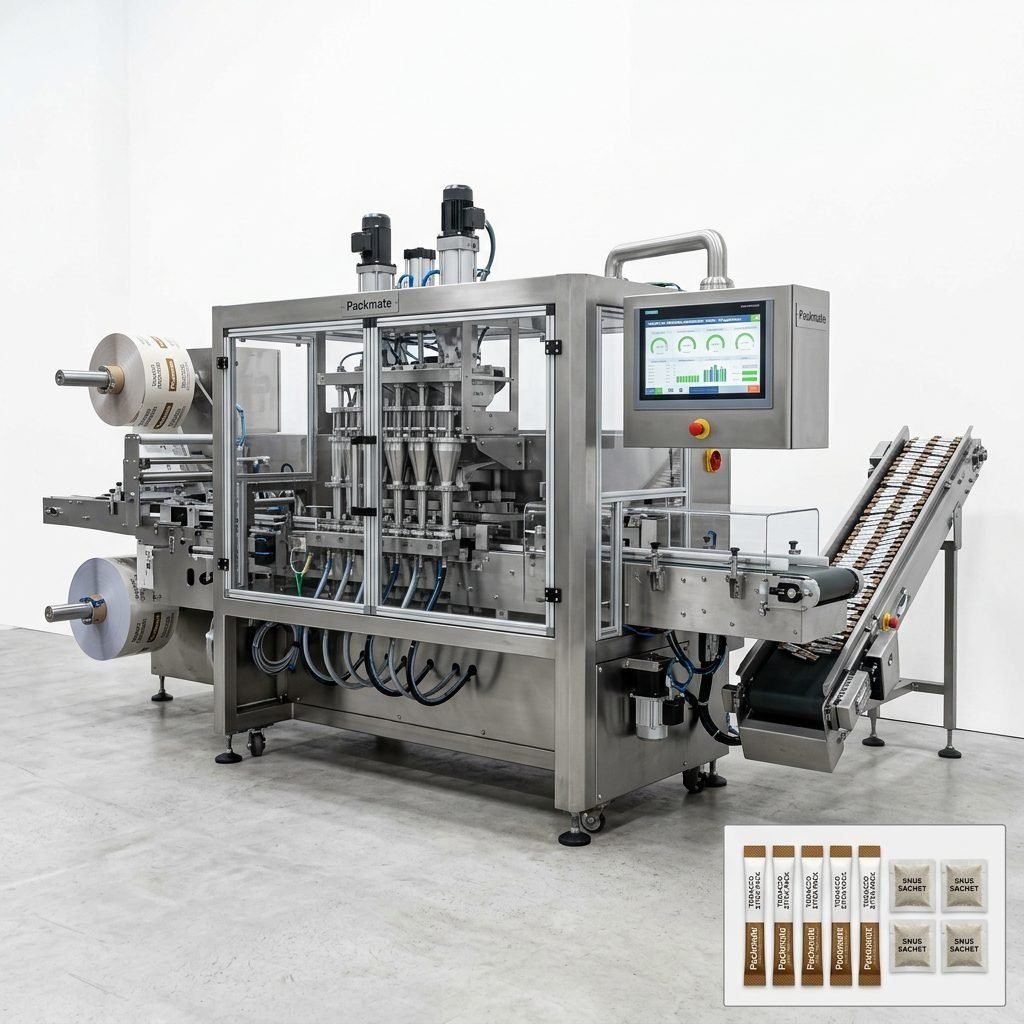
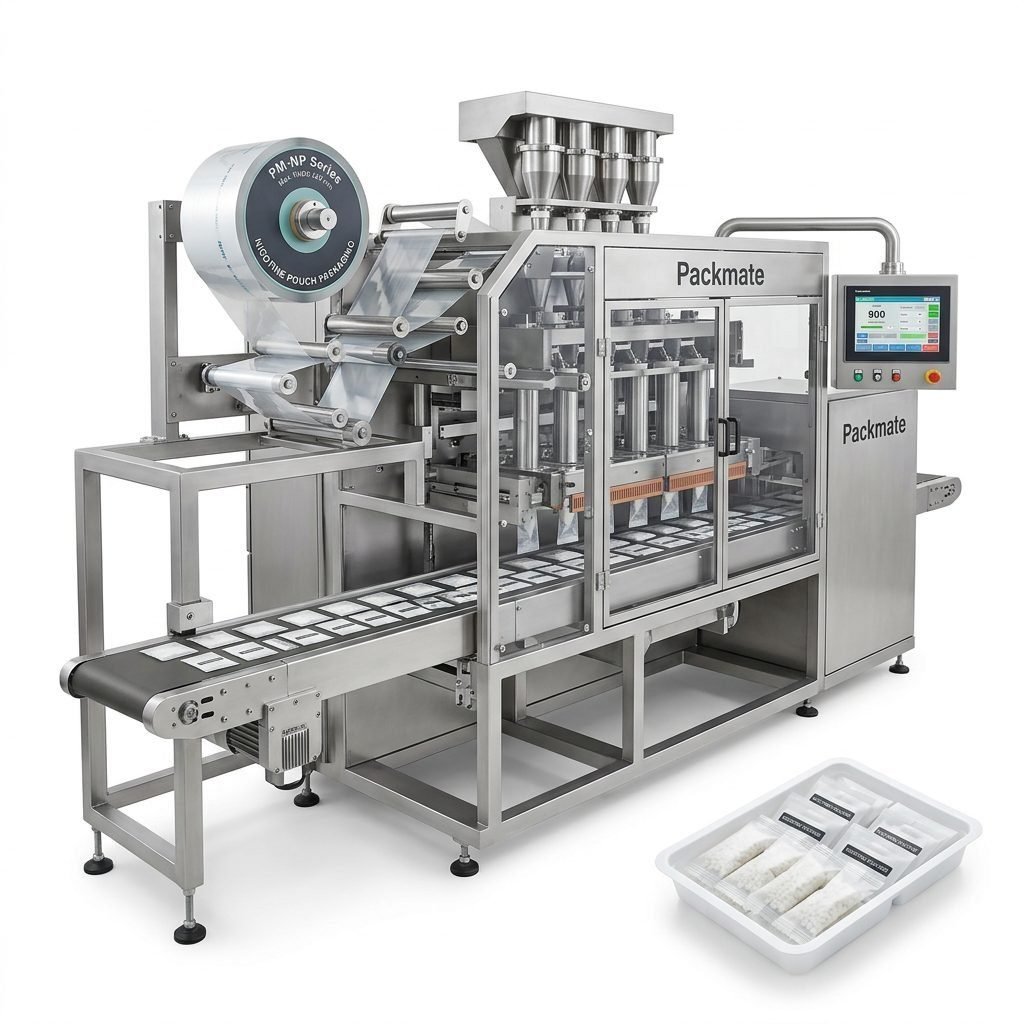
The first step is to define the exact product formats you will produce. Snus and nicotine pouches can be packaged in multiple formats such as stick packs, sachets, single-portion pouches or multi-lane small-dose pouches. Each format affects machine choice, tooling complexity, and line integration.
Key format questions: What pouch size ranges do you need? Will you run powder, granule or pre-filled liquid formats? Do you need multi-lane production for small-dose pouches to reach higher throughput? Answering these upfront narrows the machine selection significantly.
Quick reference: common formats
🔧 Stick packs — ideal for single-dose, elongated shapes
📦 Sachets / Pouches — flexible sizes, good barrier sealing
🧩 Multi-lane snus pouch systems — high yield for small doses
Production Capacity and Throughput Needs
Estimating your required throughput is essential. Machine models vary widely — from single-lane, moderate-speed machines to high-speed multi-lane systems capable of tens of thousands of pouches per hour. Align machine lane count and speed with realistic production forecasts and planned SKU expansions.
Practical rule: Choose a machine that can run about 20–30% above your average expected output to provide headroom for peak demand and planned growth.
Considerations for Cambodian operations
Cambodia presents unique factors: local labor skills, power stability, site space, and customs/import timelines. Machines with user-friendly HMI, remote support capability, and robust electrical tolerance will reduce downtime in environments with variable utilities.
Machine Reliability, Precision, and Quality Control
Snus pouch integrity, weight accuracy, and seal quality are non‑negotiable. Look for machines with precise dosing systems, reliable sealing technology, and integrated quality inspection options (such as vision systems or metal detectors) for in-line rejection.
Must-have features: servo-driven dosing, automatic tension control for film, PID-controlled sealing temperatures, and simple quick-change tooling for fast SKU swaps.
Materials Compatibility and Barrier Requirements
Packaging film selection is tightly linked to product shelf life. Nicotine pouch materials often require high-barrier films or laminated structures to maintain freshness and control moisture. Verify the machine’s film unwinding and sealing compatibility with your preferred films, and consider ease of film splicing to avoid long downtime.
Automation Level and Line Integration
Decide how much automation you need. Fully automated turnkey lines reduce manual handling and contamination risk but require higher capital investment and more floor space. Semi-automated lines can be more affordable and adaptable for small batches.
If you plan to add upstream weighers or downstream cartoning, choose equipment that supports standard communication protocols and mechanical interfaces. You can explore modular options like weighing & packaging systems or auxiliary equipment to build a complete line: Weighing & Packaging Systems.
Compliance, Certification and Local Regulation
International certifications (CE, ISO) reflect sound engineering, safety design and consistent production quality. For export markets, ensure the equipment supports regulatory requirements such as material traceability, cleanable contact surfaces, and documented validation where necessary.
Packmate Snus Machine provides equipment that meets international standards; review certifications and ask for factory inspection records prior to purchase: Certificate.
Service, Spare Parts and Local Support
Long-term uptime depends on after-sales service, availability of spare parts, and training. Prefer manufacturers with global spare parts logistics, documented maintenance schedules, and remote diagnostic capability to support operations in Cambodia quickly.
🔁 Ask for spare parts lead times and local stocking arrangements — reduced downtime is worth the investment.
Factory Capacity, Customization and Turnkey Solutions
When selecting a supplier, factory scale matters. A manufacturer with extensive CNC machining centers, precision assembly lines and the ability to customize tooling will deliver machines better suited to your product variations. Packmate, for example, operates a 20,000㎡ facility and offers customized turnkey solutions for snus lines.
View typical product families to compare models and features: Snus & Nicotine Packaging Machines and Bag & Pouch Packaging Machines.
Factory audit checklist
– Visit production lines to confirm build quality and assembly practices. ⚙️
– Inspect CNC and tooling capabilities for replacement parts and custom dies. 🛠️
– Confirm testing and quality control procedures and final inspection reports. 🔍
Total Cost of Ownership (TCO) vs. Purchase Price
Do not judge solely by purchase price. TCO includes installation, training, spare parts, energy consumption, changeover time, and expected lifetime. A slightly higher upfront cost can pay off quickly through reduced scrappage rates and faster changeovers.
💡 Tip: Request a modeled TCO from potential suppliers, with scenarios for 1, 3 and 5 years of operation.
Installation, Commissioning and Training
Ensure the supplier provides on-site commissioning, performance qualification, and operator training in your local language if possible. Remote commissioning support and training videos help accelerate the learning curve and allow local technicians to handle routine maintenance.
Look for packages that include start-up spares and a service agreement for at least 12 months after installation.
Practical Selection Roadmap
1) Define product specs and planned SKUs (sizes, weights, materials). ℹ️
2) Estimate hourly throughput and desired lane count. 📈
3) Shortlist manufacturers with relevant experience and certifications. 🔎
4) Request performance videos, case studies and references from similar projects. (See case examples: Case)
5) Ask for a formal quote including TCO, spare parts list, and delivery timeline. 🧾
Questions to ask suppliers
– What is the machine’s uptime guarantee and mean time between failures (MTBF)?
– How fast is the changeover between SKUs, and what tools are required?
– What are the typical consumables and their replacement intervals?
– Can you provide remote monitoring and spare parts logistics to Cambodia?
Why Choose an Experienced Snus Packaging Specialist?
A specialist manufacturer who focuses on snus and nicotine pouch lines understands the nuanced needs of this category: small-dose accuracy, multi-lane synchronization, moisture control, and regulatory documentation. Working with an experienced supplier reduces integration risks and accelerates time-to-market.
Learn more about a dedicated supplier’s background and mission here: About Packmate.
Local Relationship and Logistics
Establish a local logistics and service plan. Importing a machine to Cambodia involves customs, transportation and local installation contractors. A supplier with export experience and established logistics partners simplifies the process and minimizes hidden costs.
Action checklist before ordering: confirm machine specifications, agree acceptance testing criteria, secure spare parts list, schedule on-site training, and sign a clear warranty & service contract. 📋
After-Sales: Spare Parts, Upgrades and Long-Term Support
Ask about spare parts kits, recommended consumables, and availability of local technicians or authorized service agents. A proactive maintenance plan with remote support capability is critical to keep a snus line running continuously.
For ongoing support, explore dedicated service pages and contact options: Service and Contact Us.
Final selection summary
Selecting the best snus packaging machinery in Cambodia means balancing format flexibility, throughput, build quality, local operational considerations, and long-term service. Prioritize vendors with proven snus expertise, transparent TCO, and strong after-sales support.
Bottom line: Invest in a machine that offers precise dosing, reliable sealing, easy maintenance, and scalable automation. The right choice reduces waste, increases yield, and accelerates your growth in the competitive nicotine pouch market.
Frequently Asked Questions
1) What machine speed do I need for a new snus brand?
Answer: Base your choice on target daily output and SKU mix; aim for 20–30% headroom above forecasted demand. Multi-lane machines are ideal for high-volume small-dose pouches.
2) How important are certifications like CE and ISO?
Answer: Certifications indicate compliance with international safety and quality standards and are especially important for export markets and consistent manufacturing practices.
3) Can I integrate a weighing system with my pouch machine?
Answer: Yes. Most modern snus packaging lines support integrated weighing and dosing upstream. Explore complementary systems here: Weighing & Packaging Systems.
4) What should I expect for spare parts lead time in Cambodia?
Answer: Lead times vary by supplier; prioritize vendors with regional warehouses or express shipping options. Ask for a detailed spare parts list and recommended on‑site stock to minimize downtime.
5) How do I choose between turnkey vs. modular solutions?
Answer: Turnkey is best if you want a fully integrated, validated line with single-point responsibility. Modular is suitable if you prefer staged investments or need to mix-and-match specific subsystems.