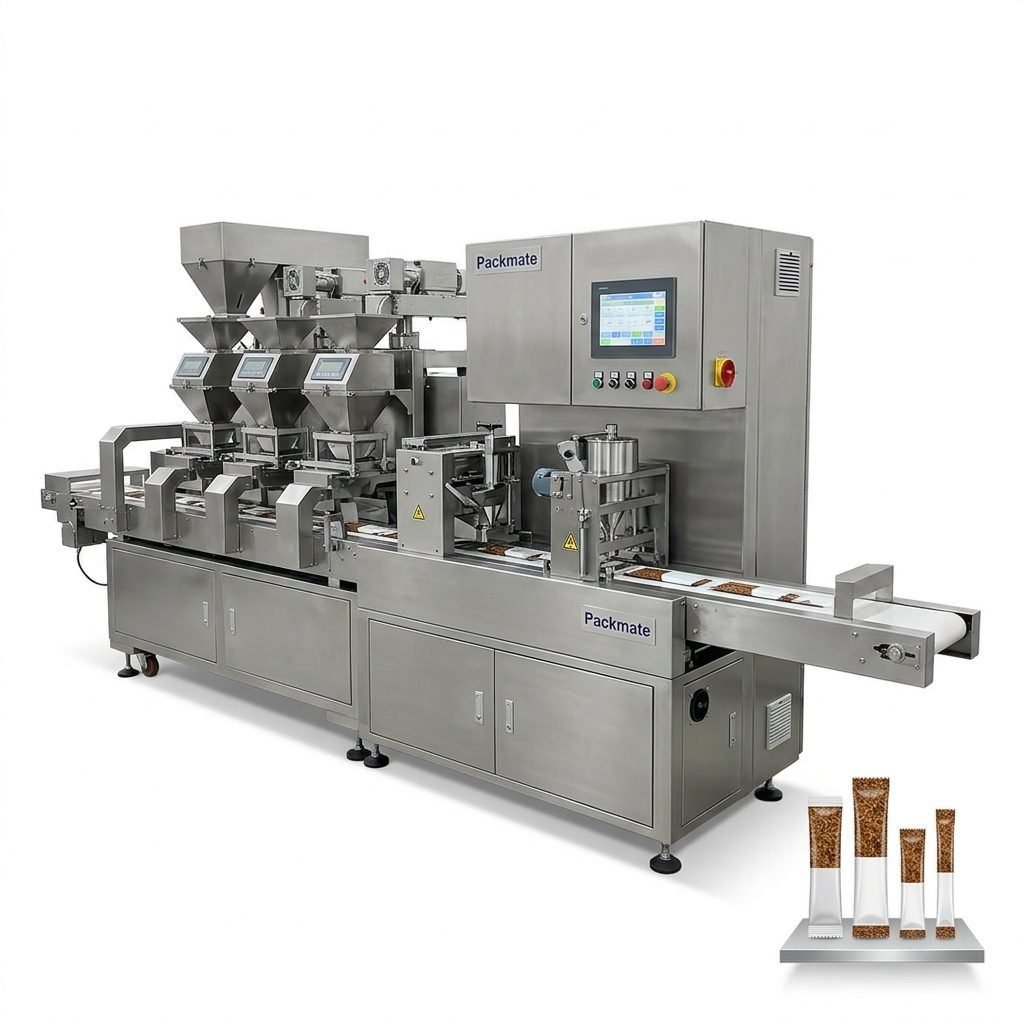
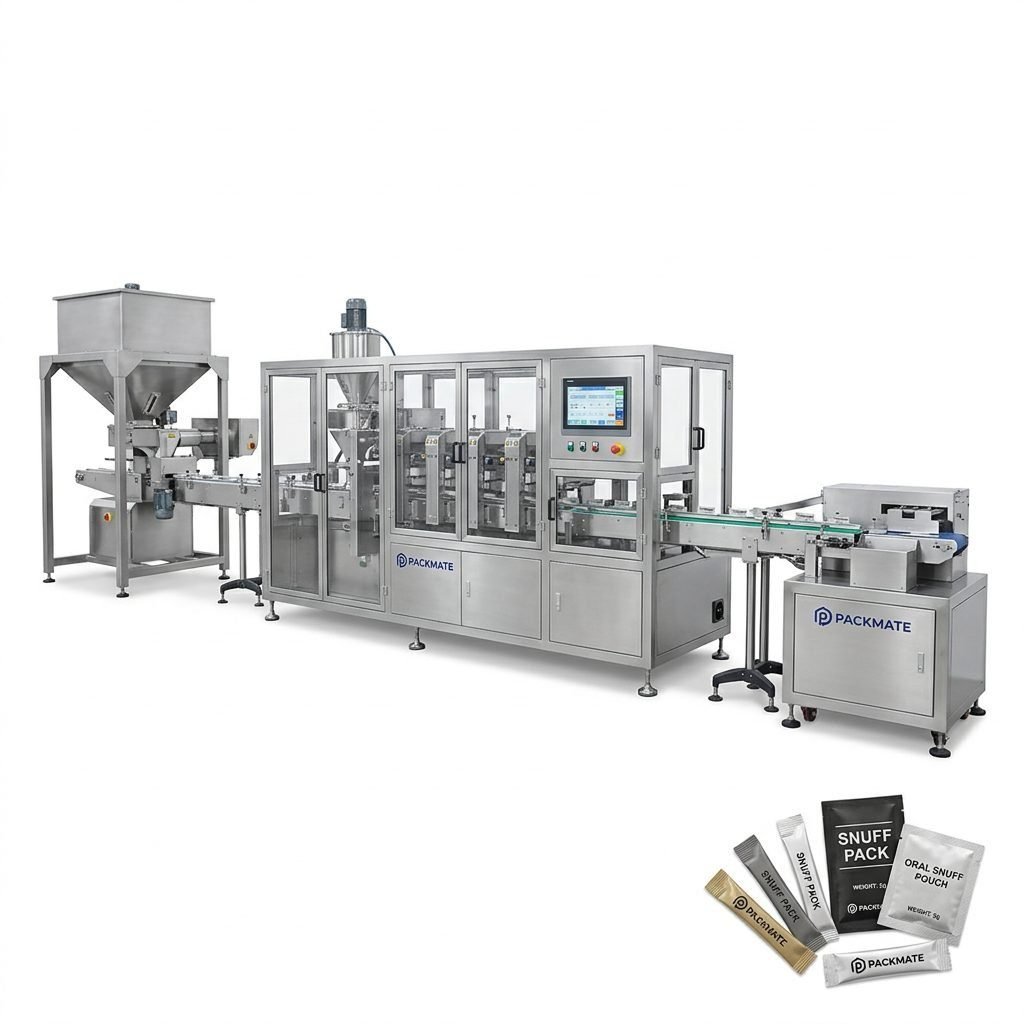
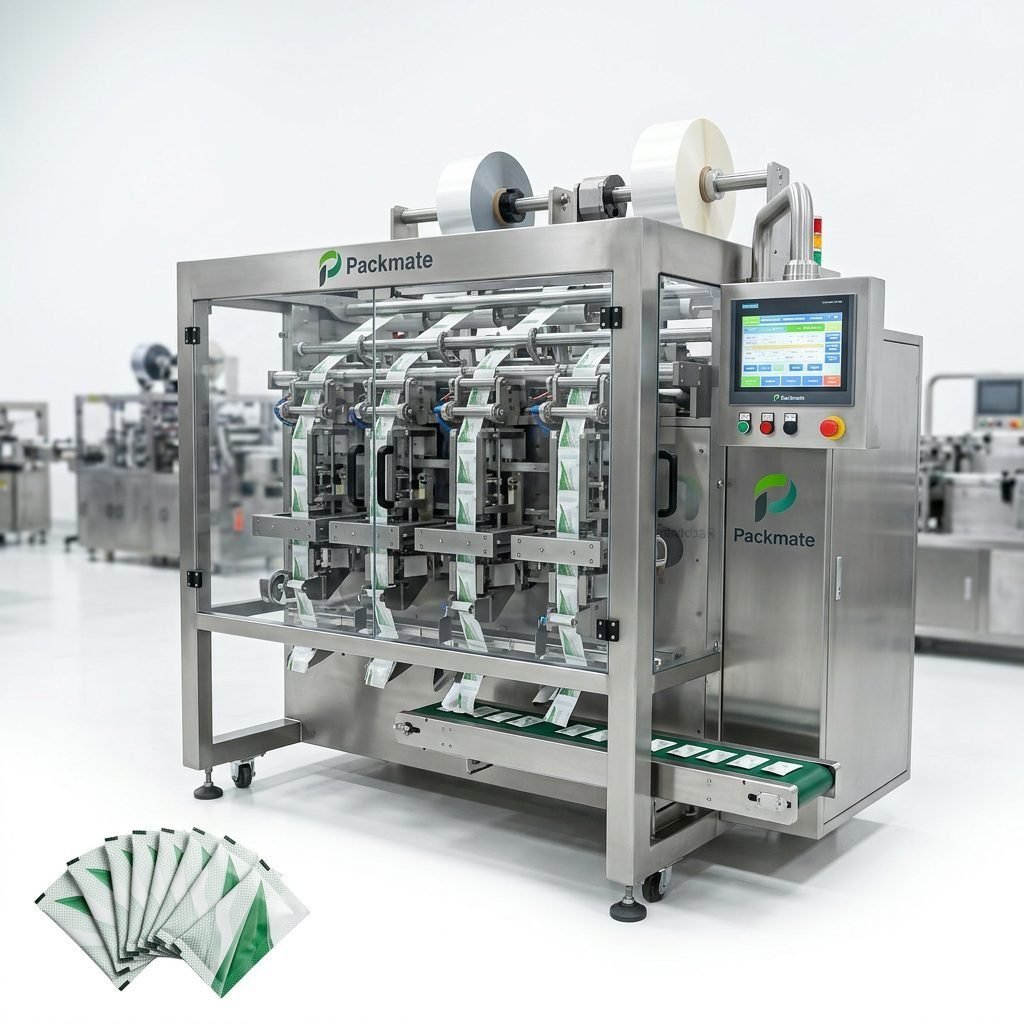
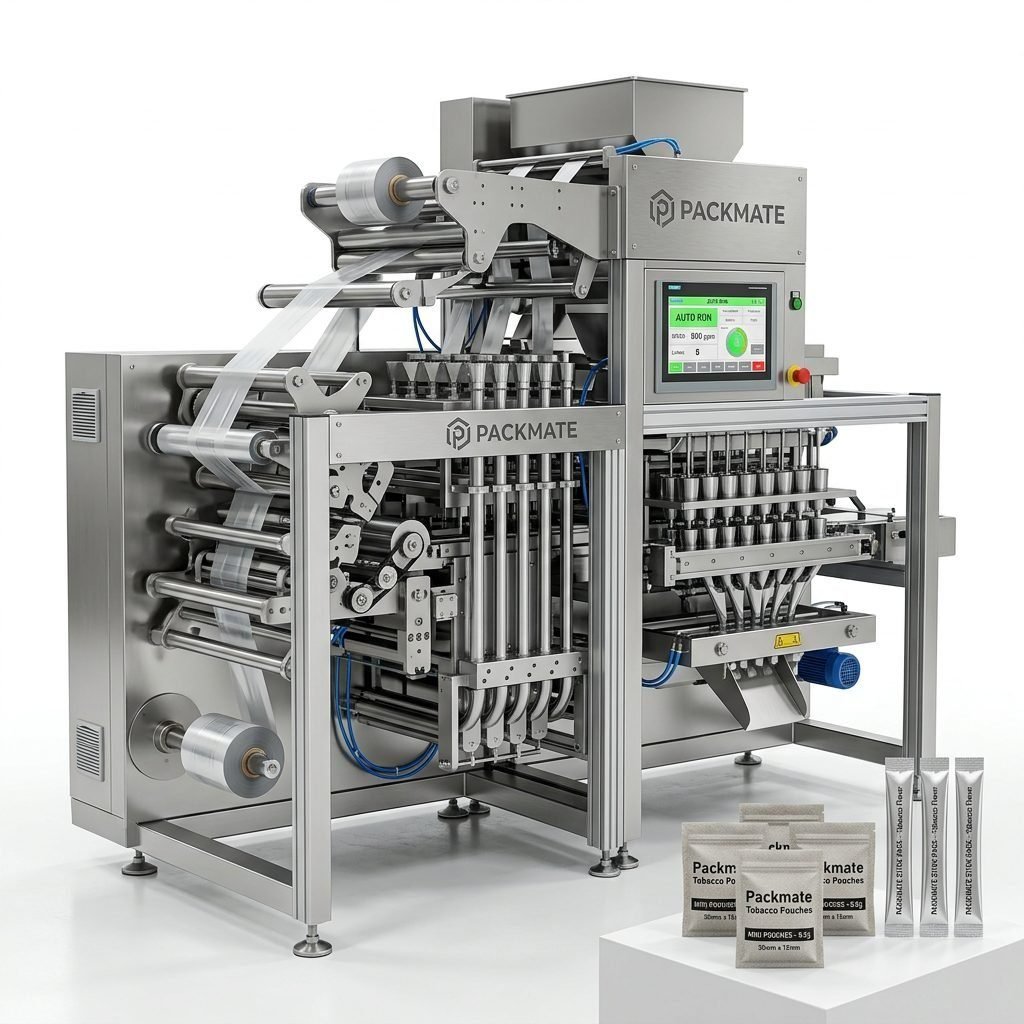
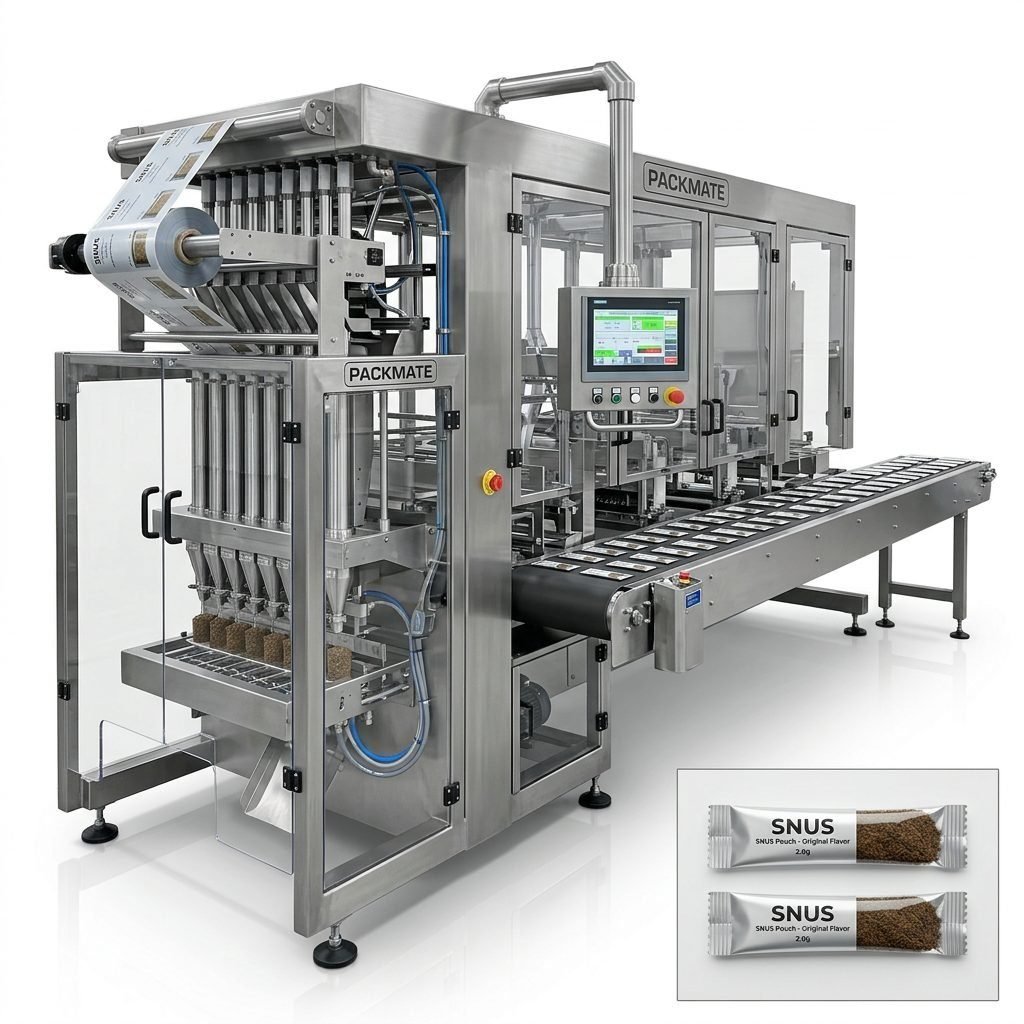
Choosing the right snus packing machine is a strategic decision that affects product quality, production capacity, compliance, and long-term costs. This guide breaks down the typical price ranges, explains the main factors that drive cost, and offers practical tips for evaluating machines and suppliers so you can make an informed purchase decision.
Overview: Typical Snus Packing Machine Price Ranges
Snus packing equipment spans a wide price spectrum depending on format, speed and automation level. Below are general ranges to help you set realistic expectations:
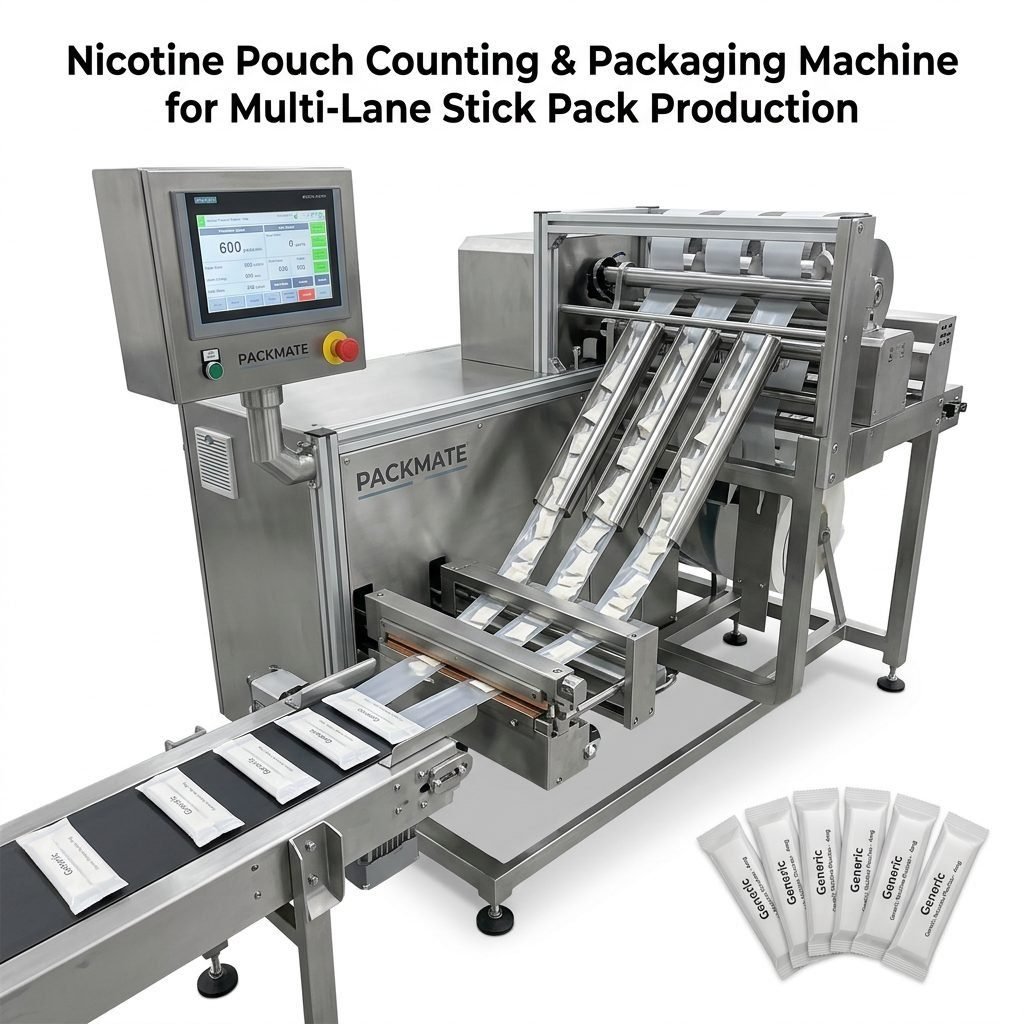
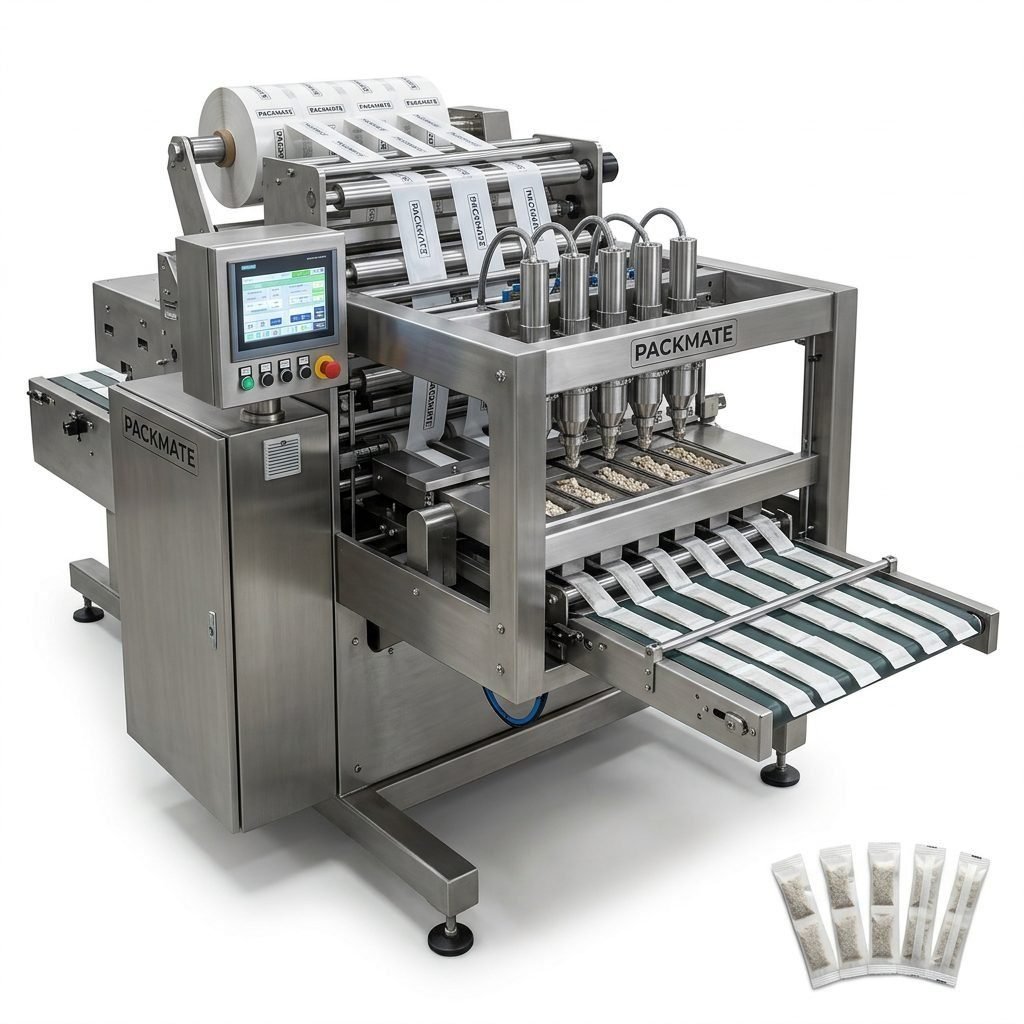
- Entry-level single-lane sachet/stick pack machines: $15,000 – $40,000
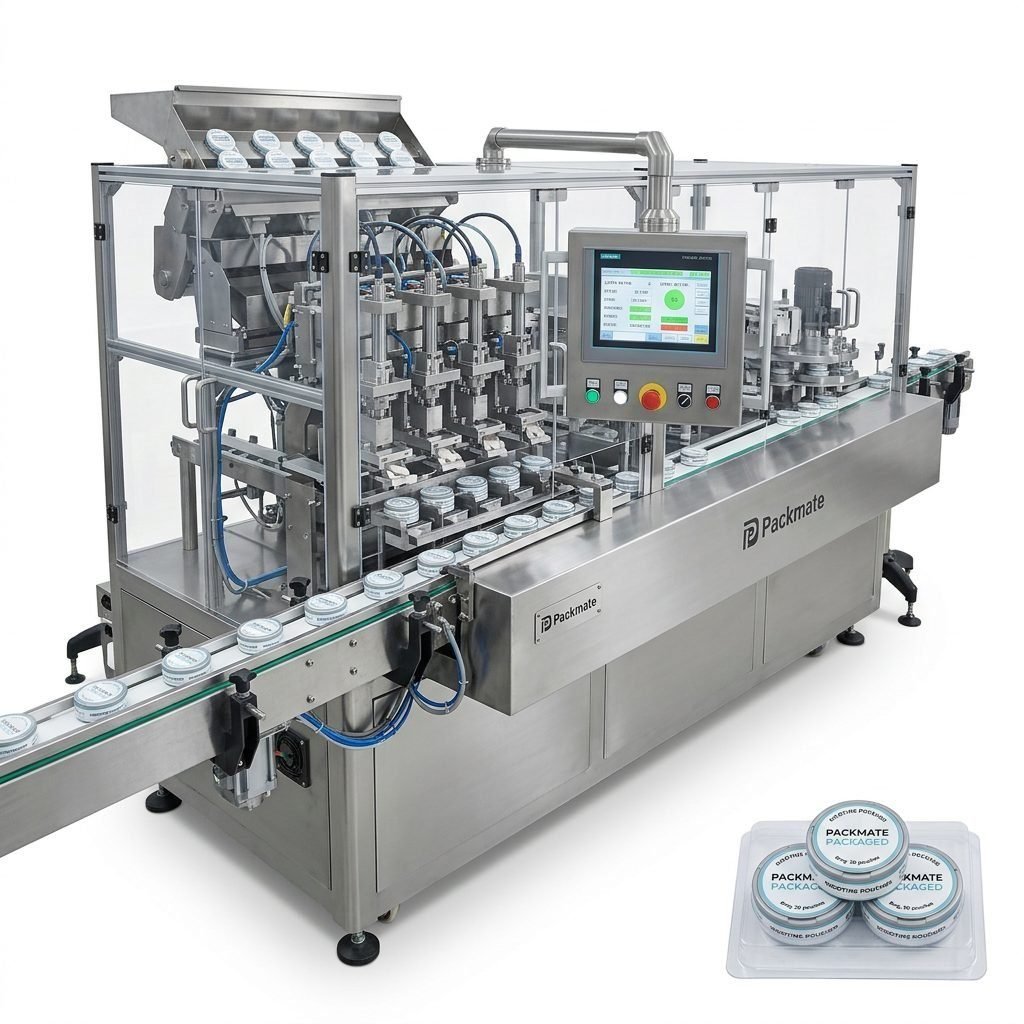
- Mid-range multi-lane or higher-precision snus pouch machines: $40,000 – $120,000
- High-speed multi-lane automated snus production lines: $120,000 – $400,000+
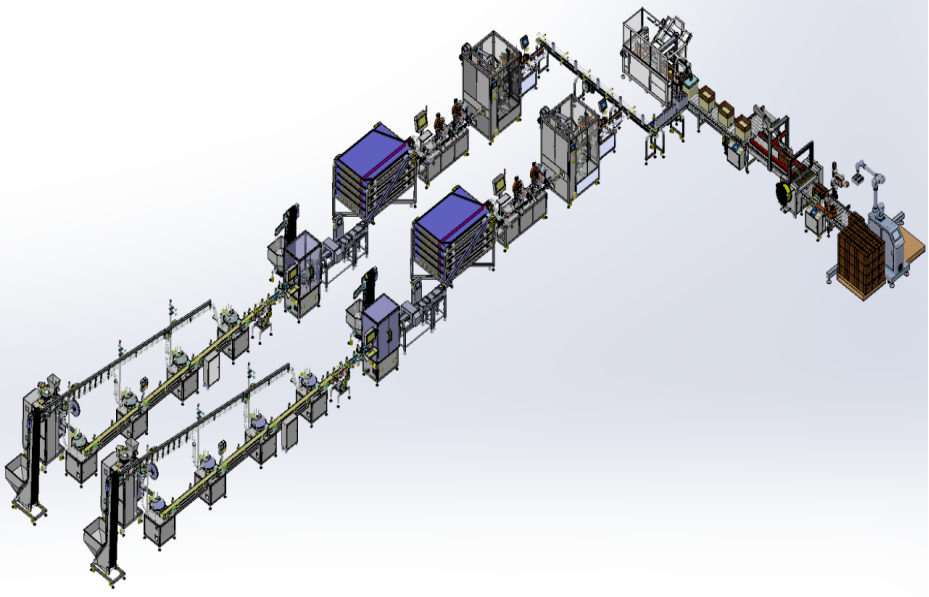
- Fully integrated turnkey lines (weighing, filling, packaging, automation): $200,000 – $1,000,000+
Note:
Actual pricing will vary based on configuration, country of origin, customization and local service. For product portfolios and specific models see the manufacturer’s product catalog.
Snus & Nicotine Packaging Machines
Key Factors That Affect Machine Price
When comparing quotes, pay attention to these major cost drivers.
1. Packaging Format and Machine Type
Different formats require different mechanics. Stick pack and sachet machines can be less complex than multi-lane snus pouch systems that feed, weigh and place small-dose pouches precisely. Specialized pouch formats, zipper features or unusual materials increase complexity and price.
2. Speed and Throughput
Higher-speed machines and those with multiple lanes (4, 8, 12 lanes, etc.) demand stronger frames, advanced control systems and more precise servo drives. Expect costs to scale with target pieces-per-minute and daily throughput.
3. Degree of Automation and Integration
Standalone packing machines are less expensive than fully integrated lines that include dosing/weighing, conveyor sorting, case packing and automated inspection. Turnkey systems require engineering time and testing, which adds to cost.
4. Components and Control Systems
Premium components (brand-name servos, PLCs, motion controllers, and sensors) increase reliability and price. Cheaper parts lower upfront cost but can increase downtime and maintenance spending later.
5. Materials, Build Quality and Compliance
Stainless steel contact parts, sanitary design, and CE/ISO certification add manufacturing cost but are critical for food and nicotine pouch production. Compliance with regulatory standards is essential for international markets.
Value reminder:
Spending more on durable components and certified machinery often reduces total cost of ownership through less downtime and lower maintenance.
Hidden and Ongoing Costs to Budget For
Beyond the machine price, consider these recurring or one-time expenses:
- Shipping, insurance and import tariffs — can add 5–30% depending on origin and destination.
- Installation, commissioning and on-site testing — often quoted separately.
- Operator training and documentation — sometimes included, sometimes extra.
- Spare parts kits and preventive maintenance contracts.
- Custom tooling, molds or format change parts for different pouch sizes.
Evaluating Suppliers: Price vs. Long-Term Support
A low initial price can be attractive but evaluate total value by examining after-sales support, spare parts availability, training, and the supplier’s track record. A few supplier checklist items:
- Certifications: CE, ISO and other relevant standards.
- Factory & Engineering Capacity: workshop size, CNC systems and production capabilities.
- Service Network: local partners or remote support capabilities.
- Case Studies & References: successful lines in markets similar to yours. See real examples in the supplier’s case library.
Explore manufacturer credentials and real-world projects on the company’s website:
Case |
About Packmate |
Sachet & Stick Pack Machines
How to Get an Accurate Quote: Questions to Ask
Prepare a clear technical brief so suppliers can quote accurately. Include:
- Product characteristics: weight per pouch, particle size, moisture and flowability.
- Target capacity: pouches per minute and daily/annual production goals.
- Pouch format and film types: materials, thickness and any special barrier requirements.
- Required level of automation: manual, semi-automatic, or fully integrated line.
- Regulatory and quality requirements: CE/ISO, sanitary design, etc.
- Site details: power supply, floor space, and access for delivery/installation.
Tip:
Suppliers can optimize a configuration if you provide a sample product or detailed specification. Many manufacturers also offer on-site trials or pilot lines for validation.
ROI perspective:
When comparing prices, calculate cost-per-pouch, expected uptime and labor savings. A more expensive machine that runs faster with less downtime often yields a better return on investment.
New vs. Used Machines: Pros and Cons
Used machines can be attractive for tight budgets, but they come with trade-offs.
- Used benefits: lower upfront cost and faster delivery.
- Used risks: limited warranty, unknown wear, outdated control systems and possible lack of spare parts.
- New benefits: up-to-date tech, full warranty, certifications, and tailored support.
If considering used equipment, request a full service history, inspection report and ideally a run test with your product. For reliable new equipment and a wide range of models, view product lines like Bag & Pouch Packaging Machines and Weighing & Packaging Systems.
Practical Buying Tips & Negotiation Advice
Follow these steps to improve outcomes when purchasing a snus packing machine:
- Request multiple quotes with identical specs to compare apples-to-apples.
- Ask for references and, if possible, visit an installed line or watch a demo.
- Negotiate inclusion of commissioning, operator training and a spare parts kit.
- Confirm warranty terms and response time for technical support.
- Consider phased investments: start with a core machine and add automation modules later.
Service matters:
A reliable supplier with spare parts in stock and experienced technicians near your region will reduce downtime and protect production continuity.
For direct contact and quotes, visit Contact Us.
Conclusion: Balancing Price, Performance and Support
Selecting the right snus packing machine is about balancing the initial purchase price with expected uptime, product quality and long-term service. Evaluate technical fit, supplier capability and total cost of ownership. Investing in reliable, certified equipment paired with strong after-sales support often delivers the best business outcome.
Common Questions
Q1: How much should I budget for a reliable multi-lane snus pouch machine?
A1: Budget ranges commonly fall between $40,000 and $150,000 for mid- to high-spec multi-lane machines, depending on lanes, speed and automation.
Q2: Are turnkey lines significantly more expensive than standalone machines?
A2: Yes. Turnkey lines combine dosing, filling, packaging and sometimes case packing and inspection. These systems can cost $200,000+ depending on scope.
Q3: Should I prioritize price or brand when choosing a snus machine?
A3: Prioritize total value: brand reputation, component quality, certifications and local support often matter more than the lowest price. Consider long-term maintenance and spare parts.
Q4: Can manufacturers customize machines for unique pouch sizes or special materials?
A4: Most experienced manufacturers provide customization and format change parts. Before ordering, supply samples or detailed specs and request validation tests.
Q5: Where can I view product lines and get a quote?
A5: Visit the manufacturer’s product pages for full model lists and contact details: Filling & Packaging Lines and Auxiliary Packaging Equipment.