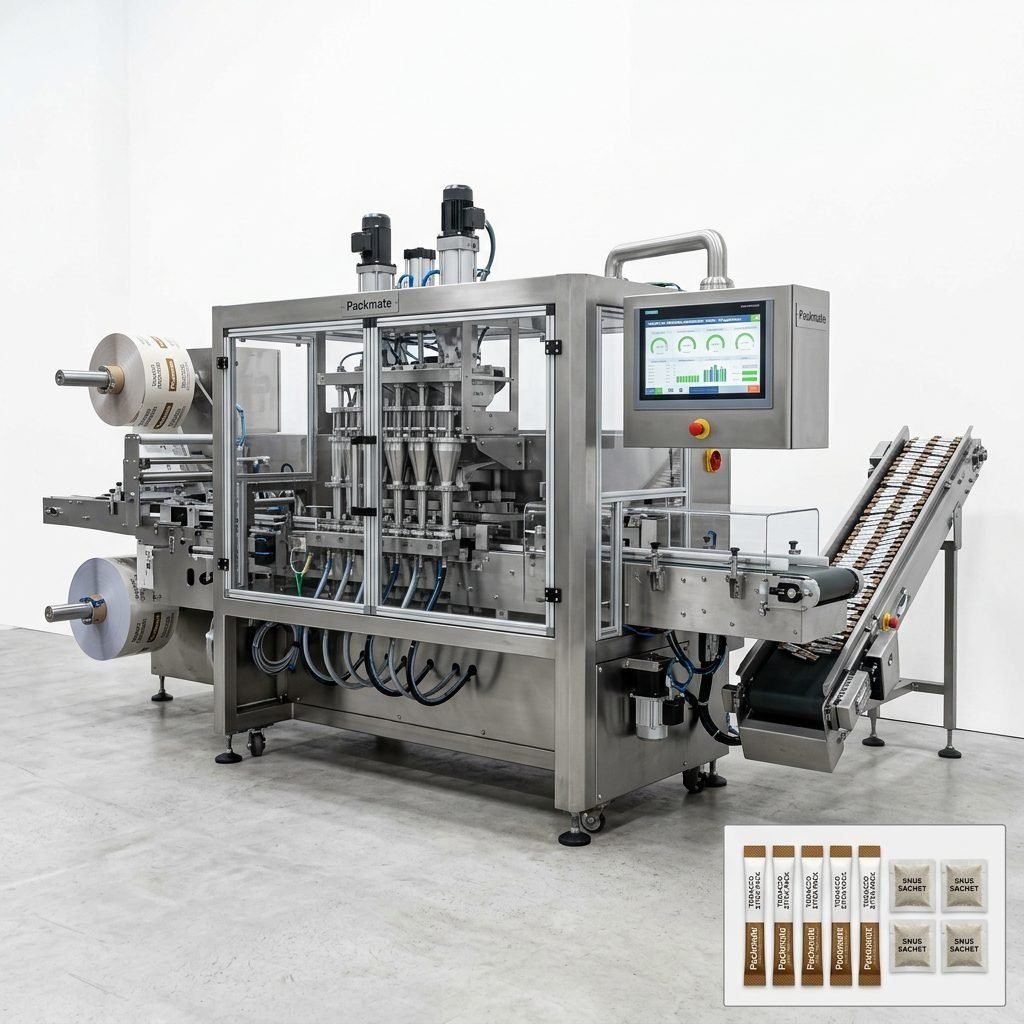
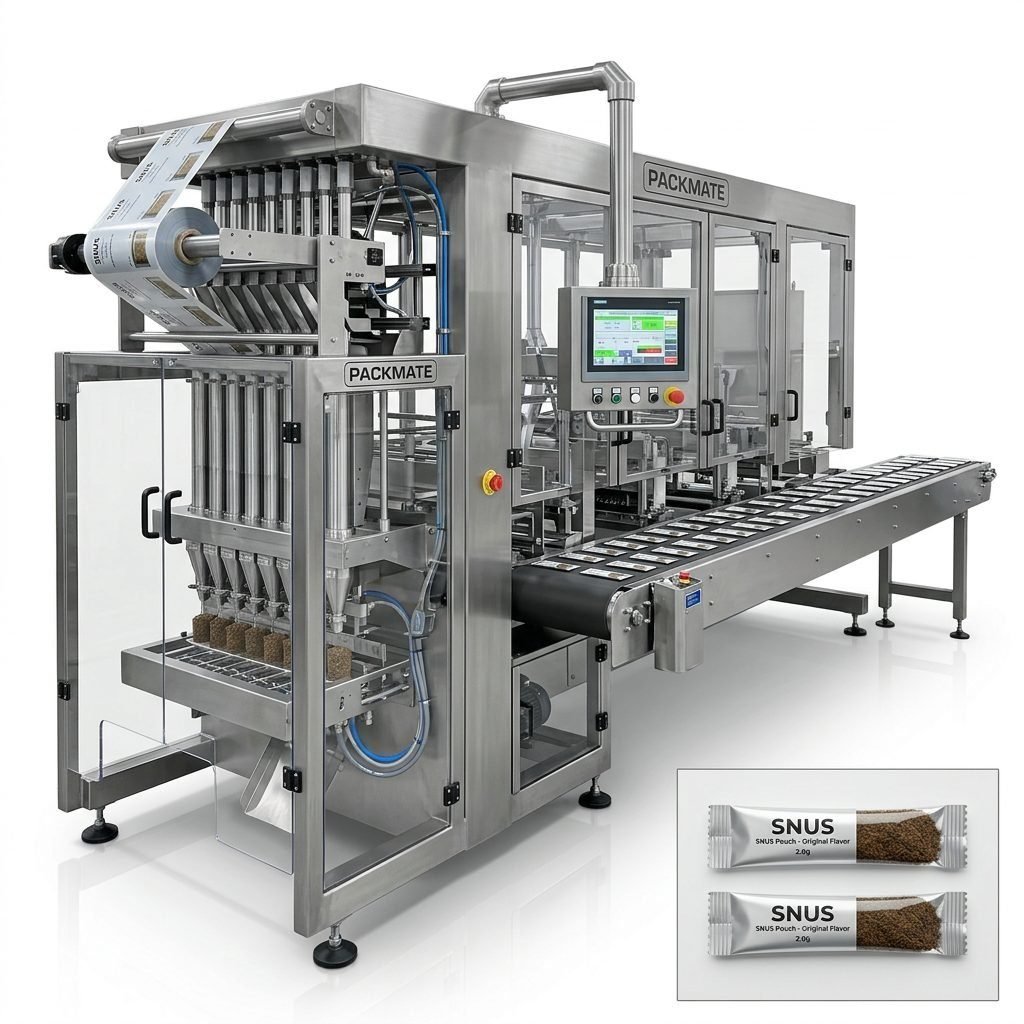
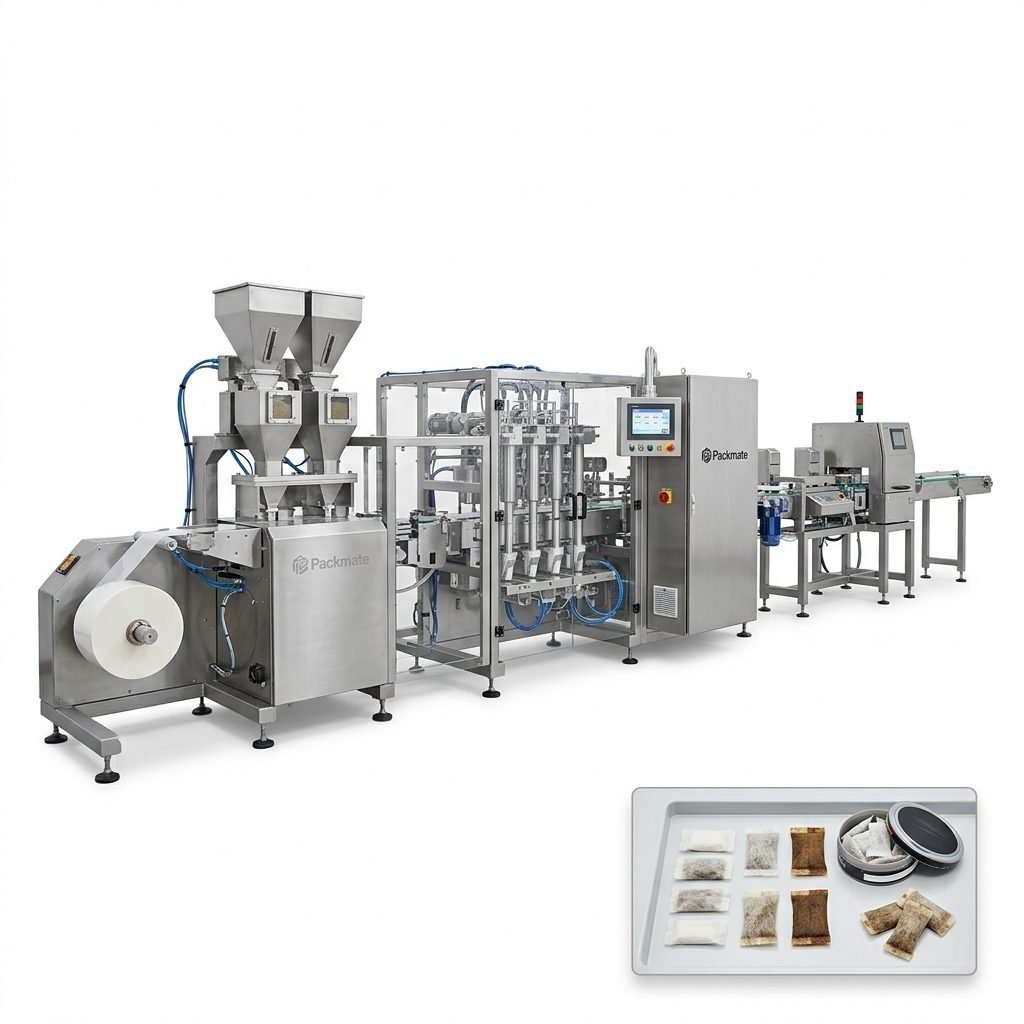
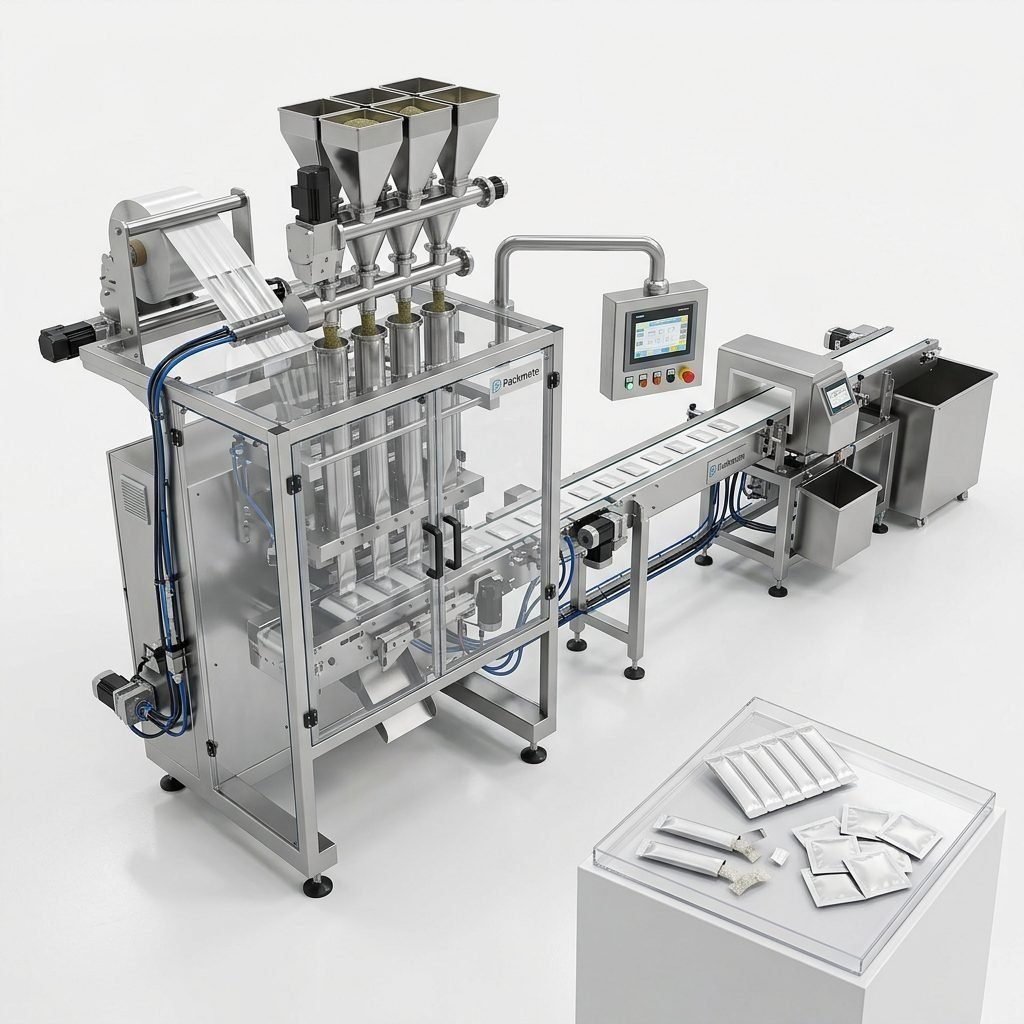
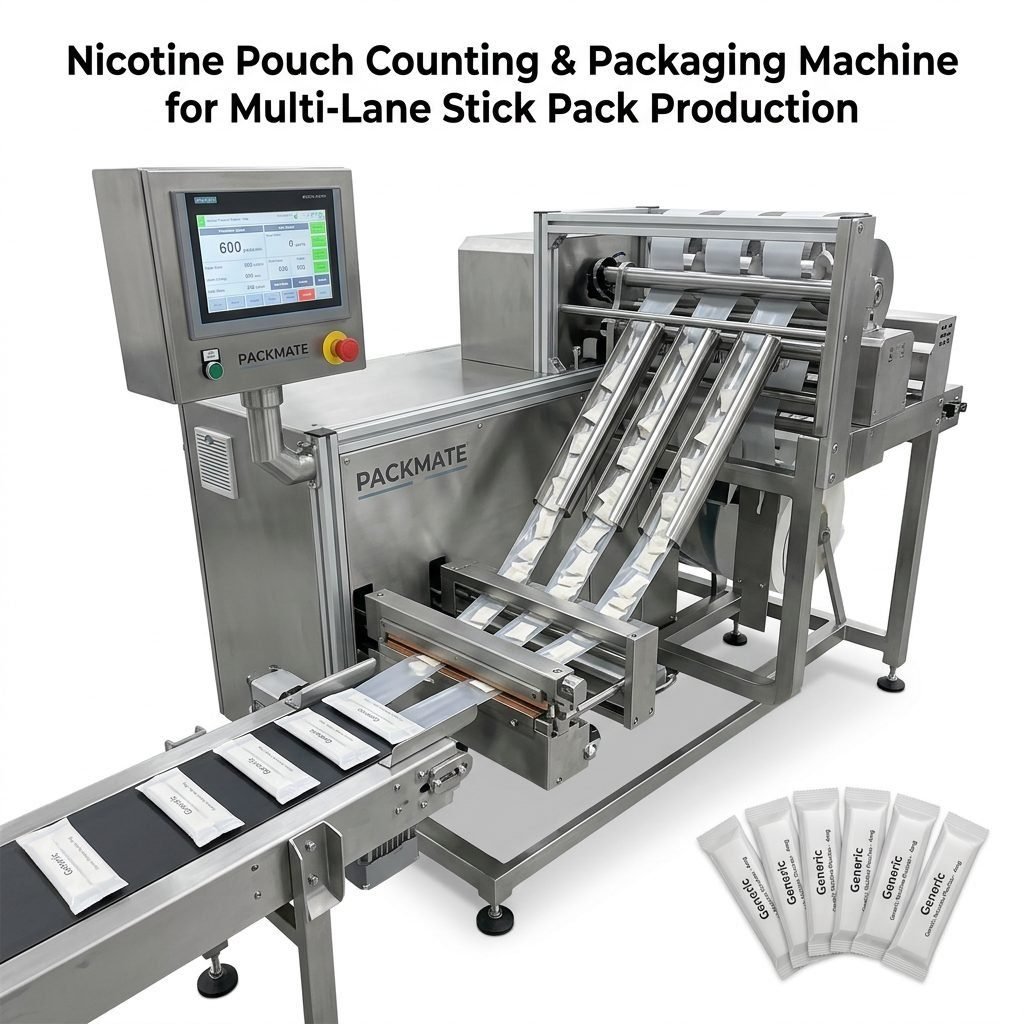
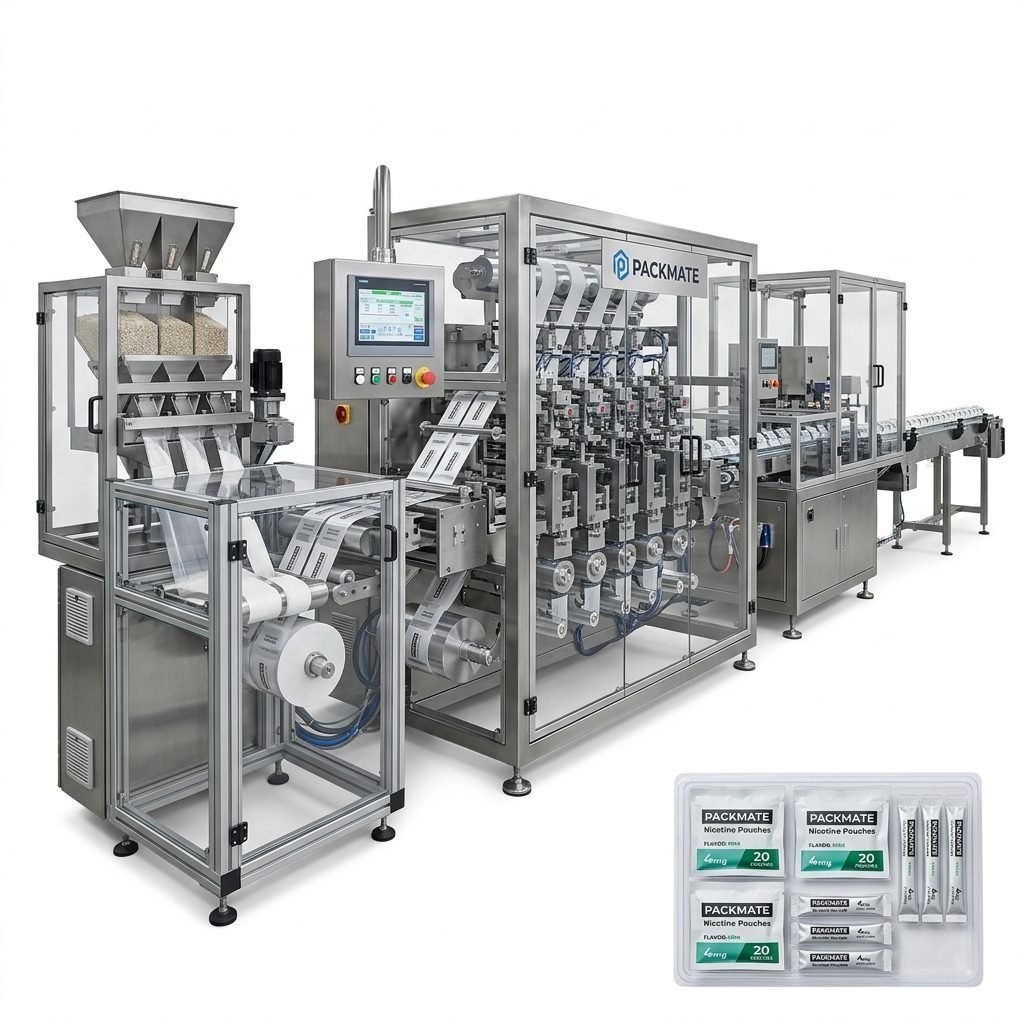
Snus sachet packaging machines are a critical element for manufacturers producing portion snus, nicotine pouches, and similar small-dose consumer products. These automated systems combine precision dosing, high-speed pouch formation, and reliable sealing technology to deliver consistent quality and regulatory compliance. In this article we explore the design, benefits, operation, and customization options of modern snus sachet packaging equipment from an industry perspective, with practical insights into selecting the right line for your production goals.
Why Choose an Automated Snus Sachet Packaging Machine
The decision to invest in an automated snus sachet packaging machine is driven by a few unmistakable advantages: consistency, speed, and hygiene. Automated systems eliminate much of the variability associated with manual filling. By integrating accurate weighing and controlled pouch forming, manufacturers achieve uniform pouch weight and seal integrity, which are essential for consumer safety and brand reputation.
⚙️ Key benefits at a glance: higher throughput, lower labor costs, reduced product waste, and traceable production data for quality control.
Core Components and Their Functions
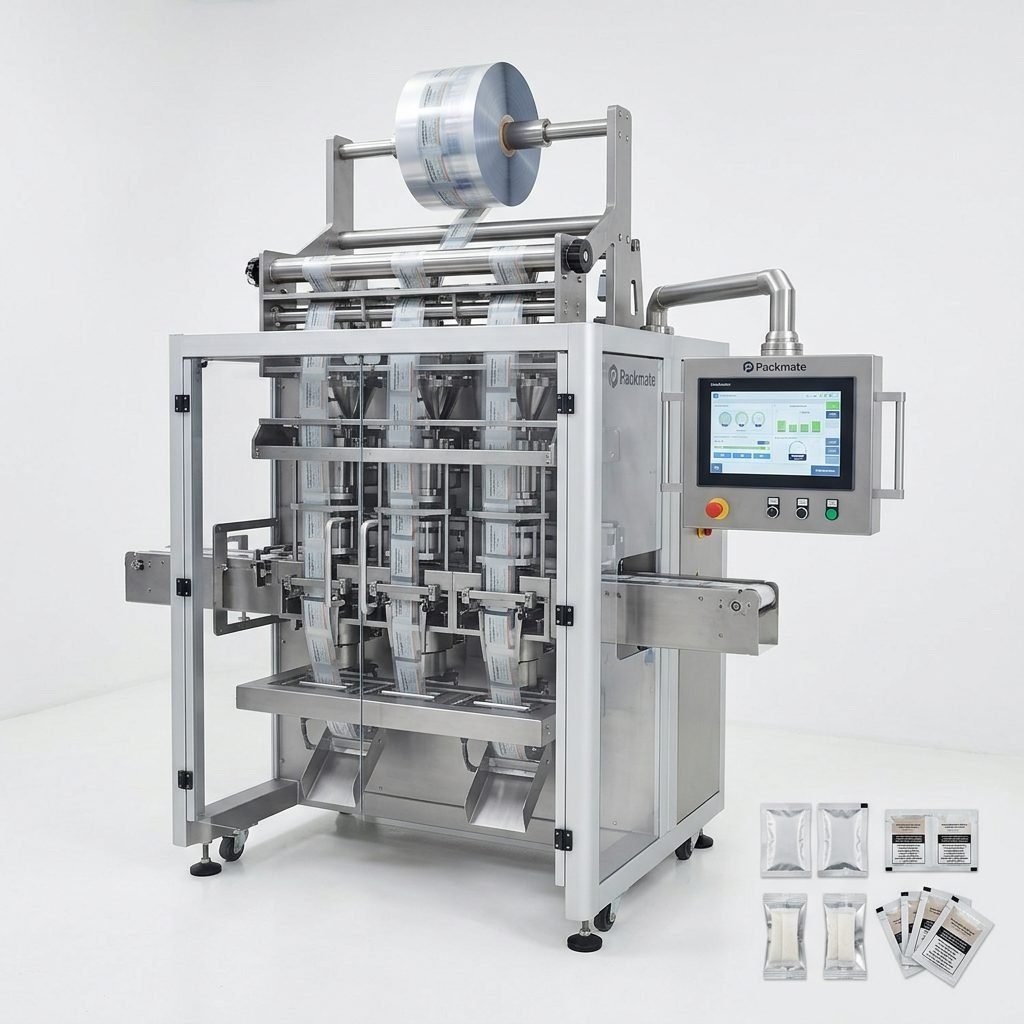
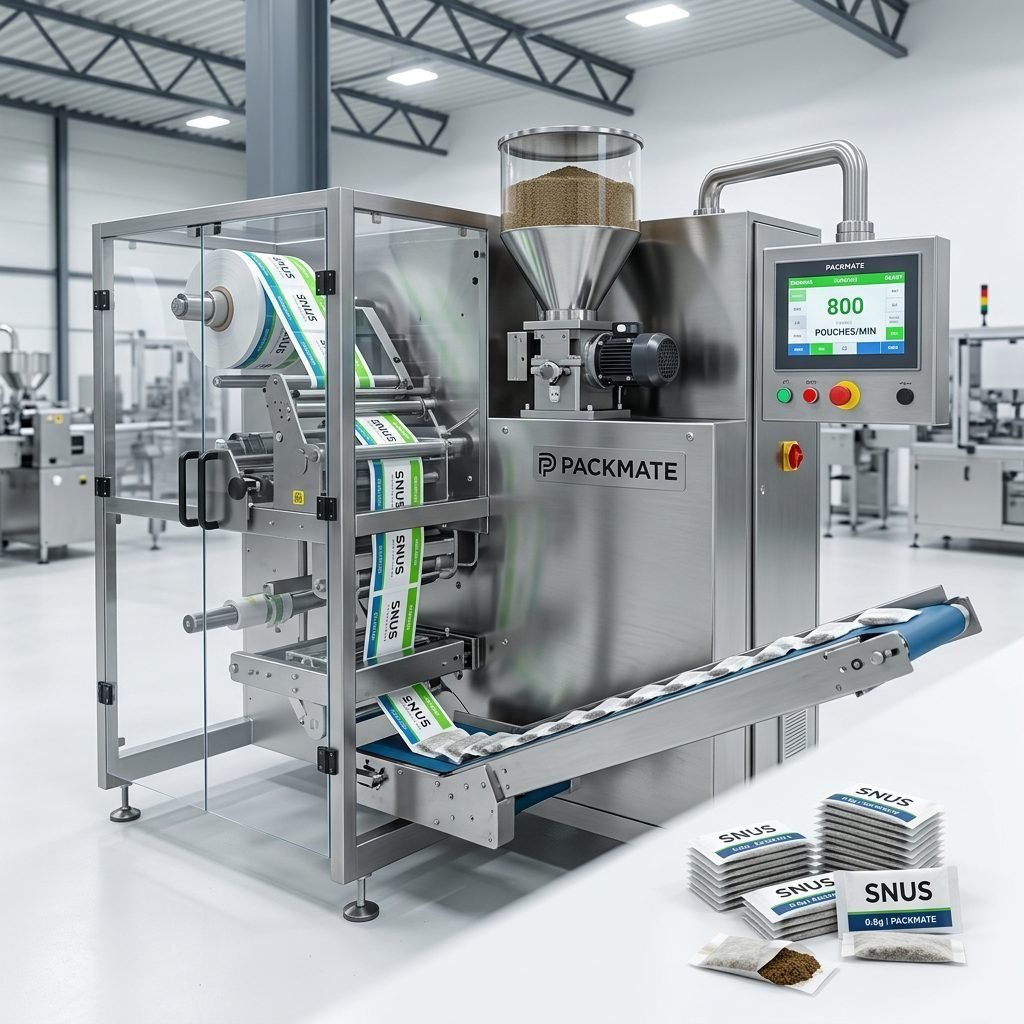
Modern sachet packaging lines typically consist of several integrated modules. Each module is engineered to perform a dedicated task with precision:
• Feeding System — ensures steady supply of base material or tobacco substitute to the weighers.
• Dosing & Weighing — multi-head weighers or volumetric dosers provide accurate portioning for each sachet.
• Pouch Forming Unit — shapes film or laminated material into individual sachets in the required format.
• Filling Station — deposits the measured portion into each sachet with minimal dust and spillage.
• Sealing & Cutting — thermal or ultrasonic sealing methods ensure durable, tamper-evident closures.
• Control System — PLC and HMI interfaces manage operation sequences, alarms, and production reporting.
Performance Metrics: What to Compare
When comparing machines, focus on real-world metrics: pouches per minute, net yield, changeover time, and contamination mitigation. A good supplier will provide tested performance numbers under representative conditions. Cycle speed alone is not everything; reliability, maintenance intervals, and ease of sanitation are often more important for long-term output and total cost of ownership.
✅ Checklist for buyers: validated speeds, spare parts availability, CE/ISO certifications, and a clear service agreement.
Material Compatibility and Sealing Technologies
Snus pouches require films or laminates that support reliable sealing, barrier protection, and sometimes breathability depending on product formulation. Most systems support a range of materials including heat-sealable laminates and biodegradable films. Seal technology choices include impulse heat sealing for thin films and ultrasonic sealing for sensitive laminates. Choosing the right combination of material and seal method is vital for shelf life and product integrity.
Hygiene, Safety, and Compliance
Packaged snus and nicotine pouches must meet regulatory requirements and consumer safety standards. Machines built to CE and ISO standards incorporate food-grade materials, enclosed product paths, and easy-to-clean designs. Automated in-line detection systems (weight, seal integrity, foreign object detection) help maintain compliance and reduce product recalls. For international buyers, confirm that machinery documentation, risk assessments, and traceability protocols meet your local regulations.
Customization and Multi-lane Options
A major advantage of modern packaging manufacturers is the ability to adapt equipment to specific production requirements. Multi-lane sachet machines increase throughput by running several pouch lines in parallel, ideal for scaling production without a proportionate footprint increase. Custom options include special pouch sizes, printed film handling, nitrogen flushing for oxygen-sensitive products, and integrated checkweighers or metal detectors.
🔧 Tip: ask suppliers for a configuration that supports future upgrades — modular machines save capital when demand grows.
Integration with Downstream and Upstream Equipment
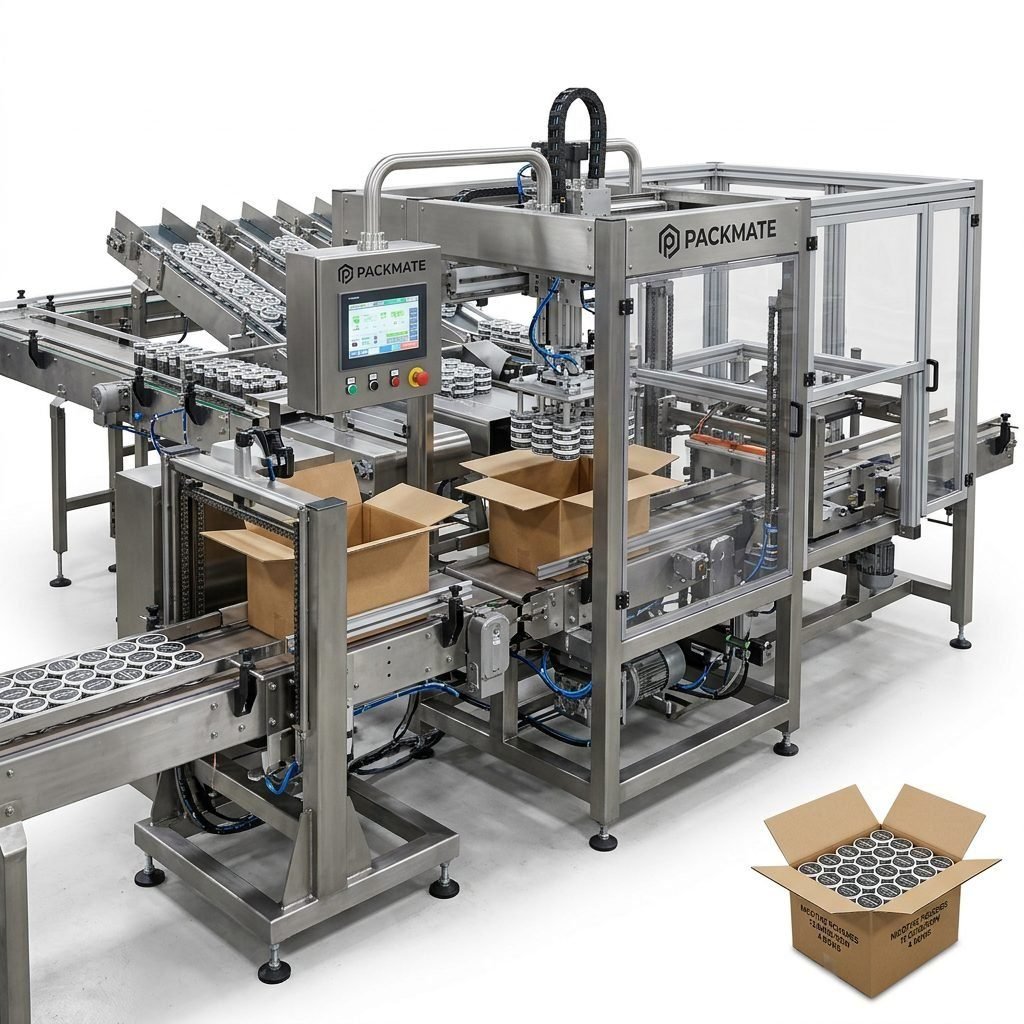
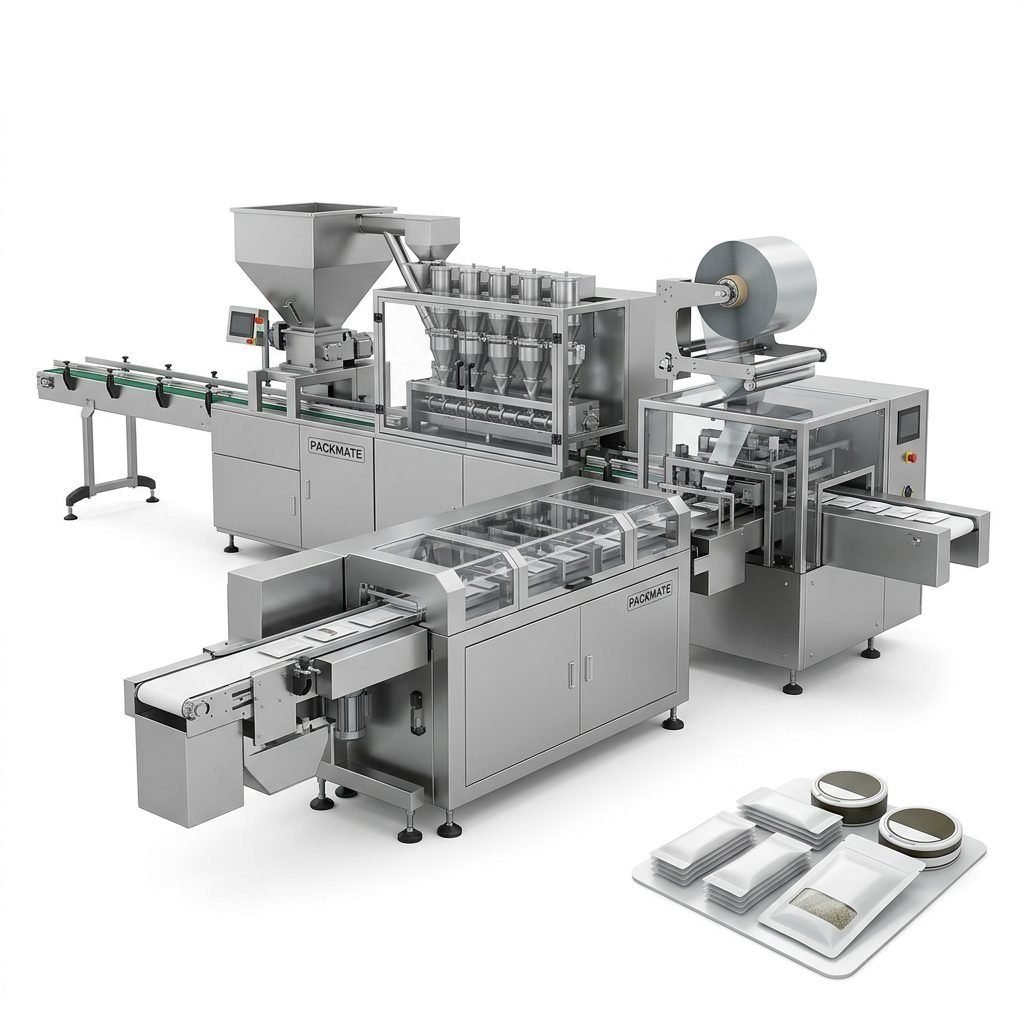
To create a robust production line, sachet machines are often integrated with upstream fillers, weighers, and conveyors, and downstream cartoners or case packers. This integration reduces manual handling and improves line efficiency. A single-vendor turnkey solution, or an experienced integrator familiar with snus packaging, can streamline commissioning and provide a single point of responsibility for performance guarantees. See examples of full-line solutions in the Filling & Packaging Lines catalog.
Maintenance, Spare Parts, and Service Support
Routine maintenance schedules and quick access to spare parts are essential to prevent unplanned downtime. Reputable manufacturers offer preventive maintenance plans, remote diagnostics, and training for on-site engineers. Confirm the availability of critical spares and consider stocking high-wear parts. A strong service network improves mean time to repair and assures production continuity.
Selecting the Right Supplier
When evaluating suppliers, look beyond the brochure. Important indicators include engineering experience, factory capabilities, quality control procedures, and a history of custom projects in the snus sector. Packmate Snus Machine, for example, brings over 30 years of R&D and a 20,000㎡ manufacturing facility. Companies with global case studies and exhibition presence indicate broad market acceptance—review case histories and request references.
For detailed product families and machine models, consider starting with core product pages like Sachet & Stick Pack Machines and the broader Snus & Nicotine Packaging Machines to compare specifications and options.
Installation and Commissioning Best Practices
A successful installation starts with a clear scope and site survey. Floor loading, power supply, utilities, and environmental conditions must be confirmed before the machine arrives. During commissioning, validate tolerances, run full production trials, and capture performance metrics. Comprehensive operator training and clear documentation ensure your team can maintain consistent output after the supplier departs.
📦 Deployment checklist: site pre-check, power & air specs, spare parts, operator training, and acceptance testing protocol.
Sustainability and Material Efficiency
Sustainability is increasingly important. Efficient pouch formats, reduced material waste during changeovers, and compatibility with recyclable or compostable films are features leading manufacturers now offer. Optimizing film usage and reducing product giveaway not only help the environment but also improve margins.
Real-World Case Studies and Exhibitions
Seeing machines in action helps validate supplier claims. Many manufacturers participate in global exhibitions where live demonstrations reveal practical throughput, ease of changeover, and ergonomics. Visit the supplier’s exhibition page or case study listings to evaluate real installations and client feedback. For example, review Packmate’s exhibition participation and case gallery for insights on global deployments at Our Exhibition and Case.
Cost Considerations and ROI
Evaluate capital expenditure against long-term savings: labor reduction, reduced product loss, and improved product quality. Ask suppliers for a Total Cost of Ownership (TCO) estimate that includes maintenance, spare parts, and potential upgrades. Faster return on investment often comes from machines that balance high uptime with low operational complexity.
Final Thoughts and Next Steps
Investing in the right snus sachet packaging machine is a strategic decision. Prioritize suppliers with demonstrable industry experience, robust manufacturing capability, and clear after-sales support. Start with a pilot run or factory acceptance test, evaluate material compatibility, and verify performance under your product conditions. For comprehensive product options, technical documentation, and direct contact, visit the manufacturer’s detailed pages such as About Packmate and use the Contact Us page to request tailored proposals.
Frequently Asked Questions
Q1: What production speeds can I expect from a typical multi-lane snus sachet machine?
A1: Speeds vary by model and configuration. Multi-lane systems may multiply a base lane speed into higher aggregate throughput. Confirm tested pouch-per-minute rates under your product conditions with the supplier.
Q2: How easy is it to switch film types or pouch sizes?
A2: Modern machines are designed for rapid changeover. Expect adjustable guides, quick-release tooling, and changeover procedures that minimize downtime. Request a demonstration of the changeover process during evaluation.
Q3: Are snus sachet machines compatible with metal detectors or other inspection systems?
A3: Yes. Most lines integrate in-line inspection equipment including checkweighers, metal detectors, and vision systems to ensure product safety and regulatory compliance.
Q4: What certifications should I expect from a reputable manufacturer?
A4: Look for CE and ISO certifications, plus documentation demonstrating material traceability, risk assessments, and compliance with local regulations for nicotine-containing products.
Q5: How can I explore turnkey solutions for an entire production line?
A5: Contact experienced suppliers and request portfolio references or visit product pages such as Filling & Packaging Lines to review integrated solutions and case studies.