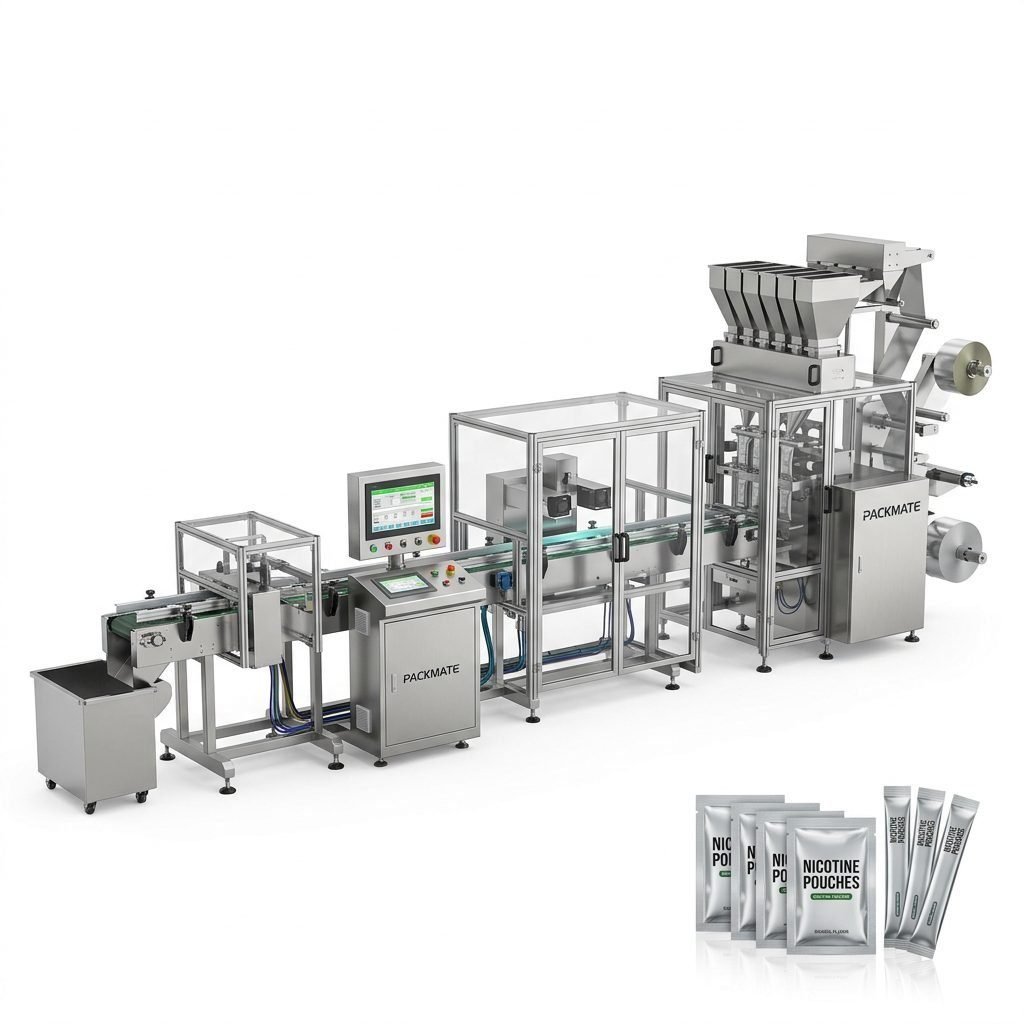
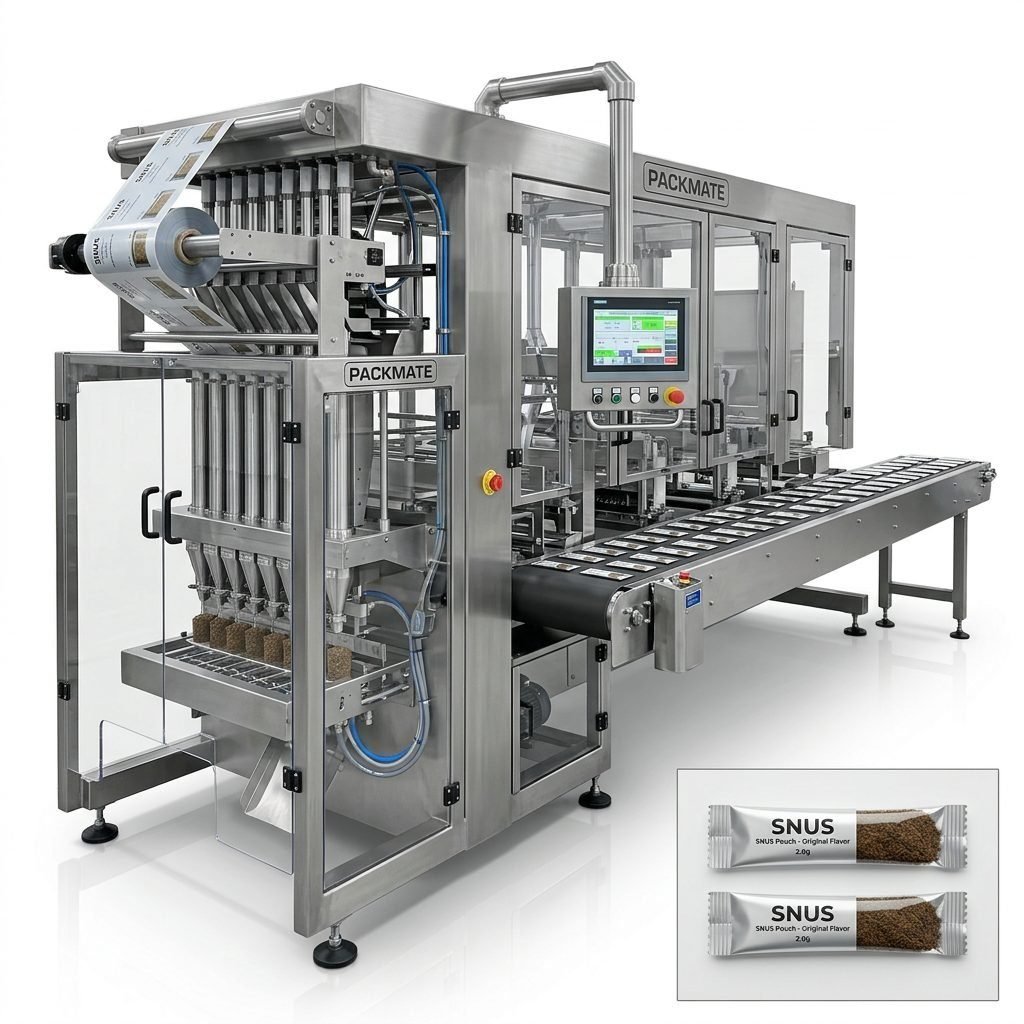
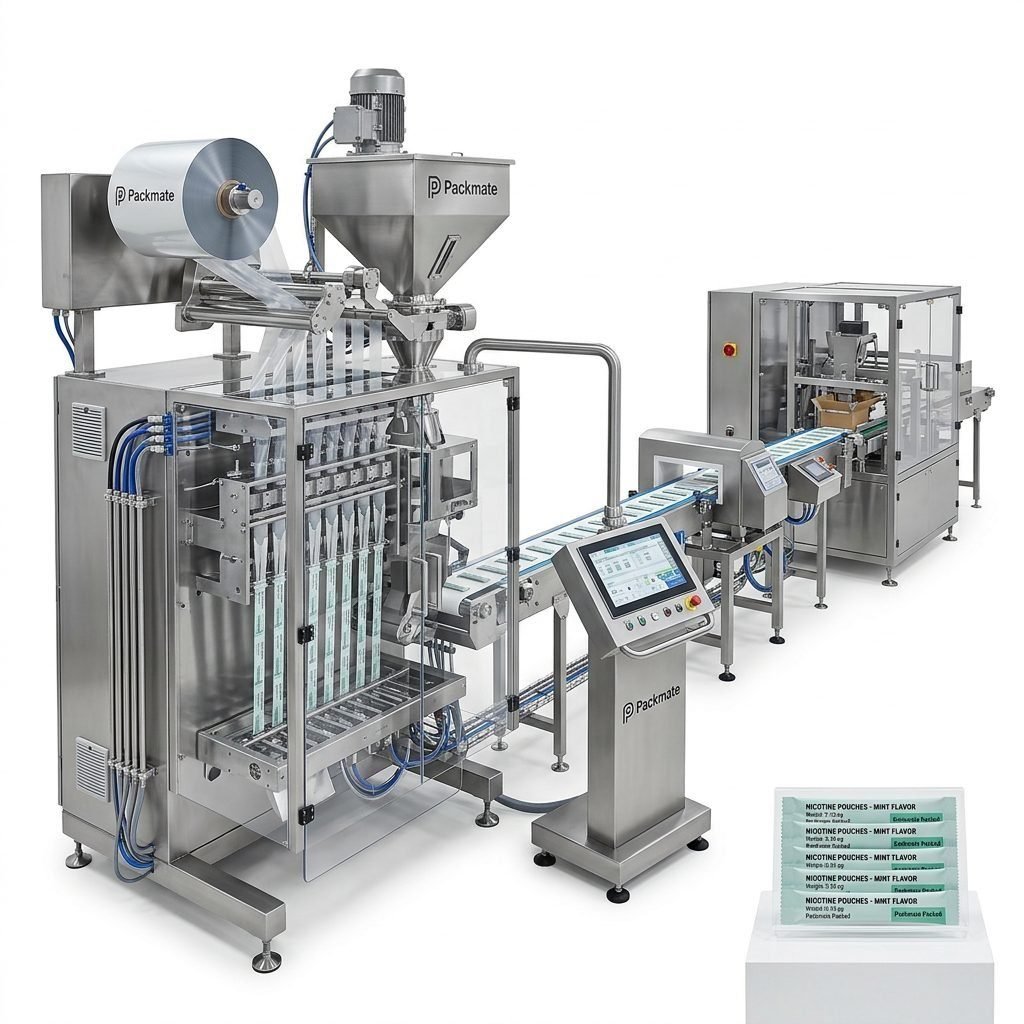
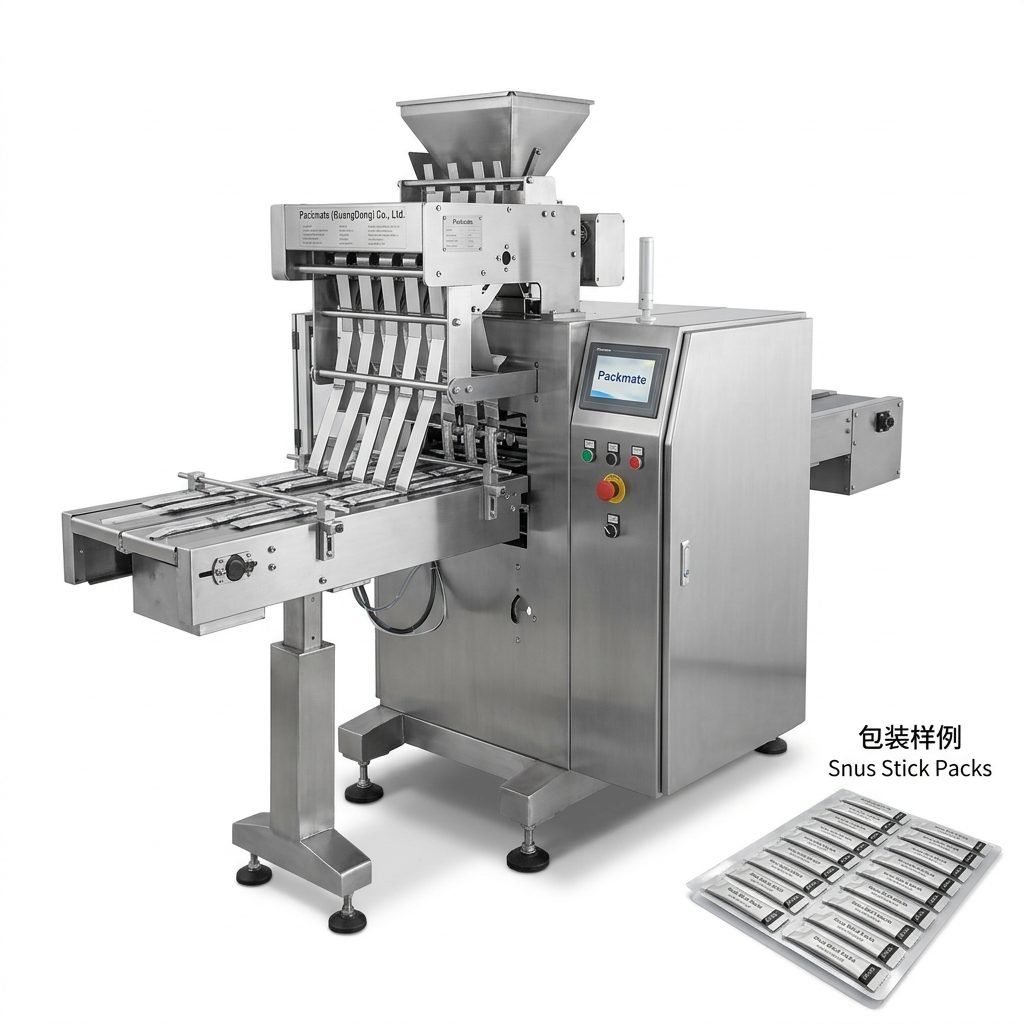
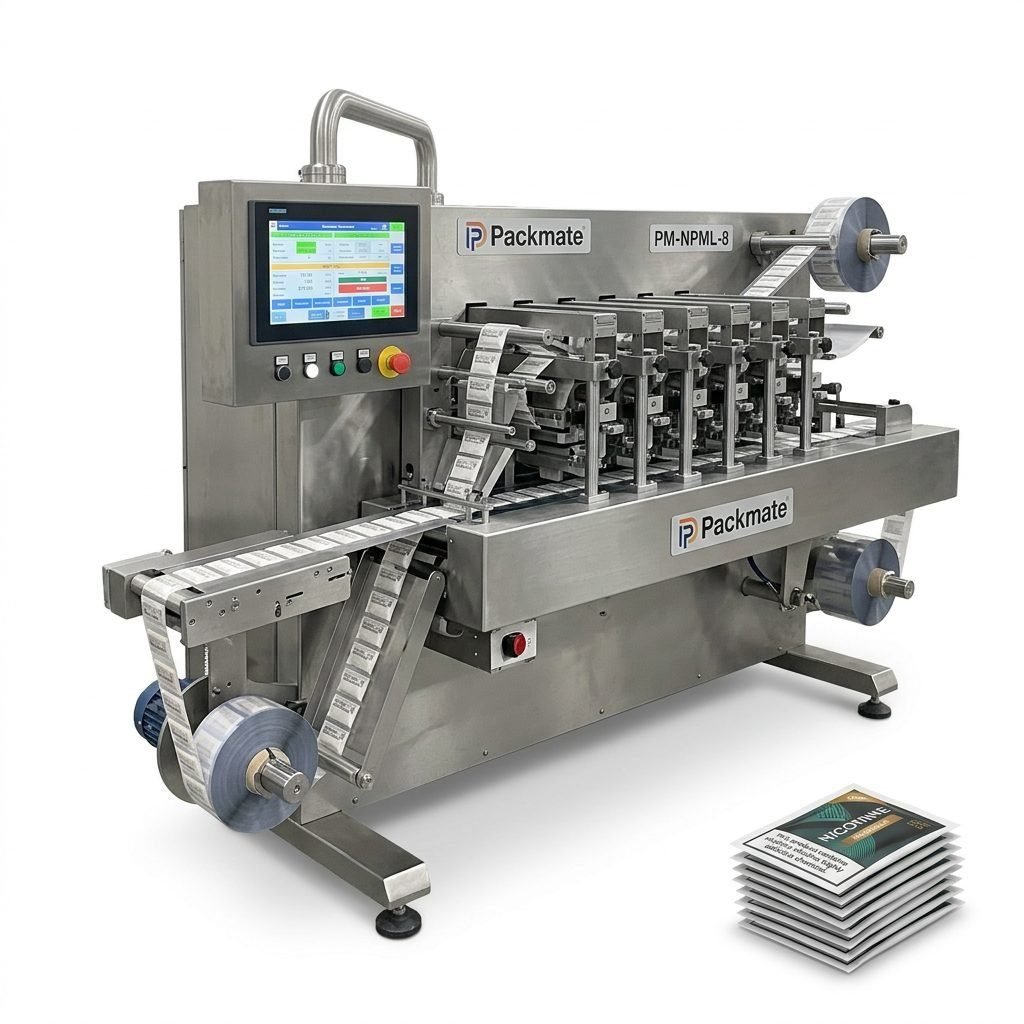
Choosing the right nicotine packaging machine is a strategic decision for any company producing e‑liquids, nicotine pouches, or other vape-related products for global markets. With rising regulatory scrutiny, diverse consumer formats, and the need for high uptime, selecting equipment that matches production goals, compliance needs, and long-term service expectations is essential. This guide walks through the practical criteria, machine types, integration considerations, and procurement tips to help you make a confident choice.
Understand Market Requirements and Product Formats
Before evaluating machines, clarify your product portfolio. Nicotine products vary from single-dose snus and nicotine pouches to multi-dose sachets and stick packs. Each format demands distinct filling, sealing, and secondary packaging technologies. Consider:
• Batch sizes and lane counts: low-volume artisanal runs vs. high-volume continuous lines.
• Product properties: dry powders, granular mixes, pastes, or low-viscosity e‑liquids.
• Packaging materials: foil laminate pouches, heat-seal paper, or custom barrier films.
• Regulatory labeling and serialization needs for different export regions.
Key production formats and recommended machine classes
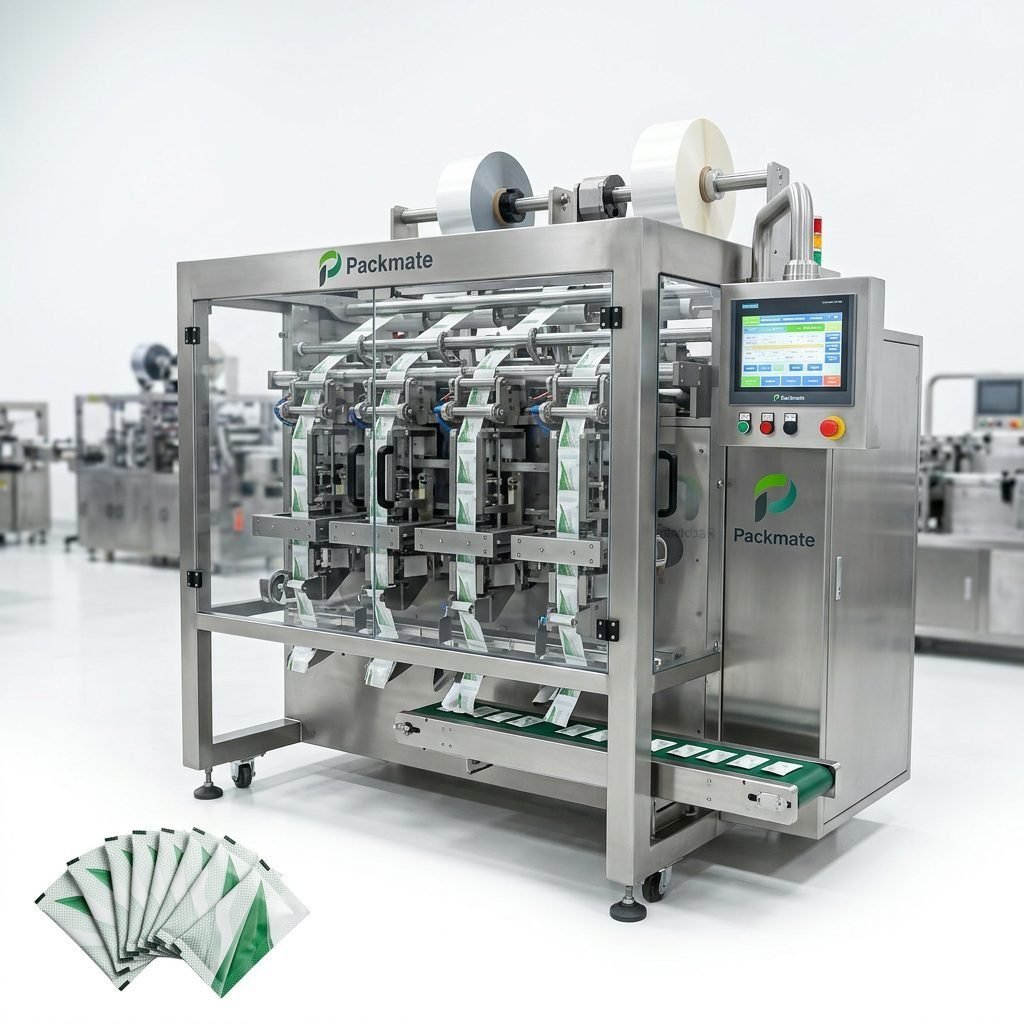
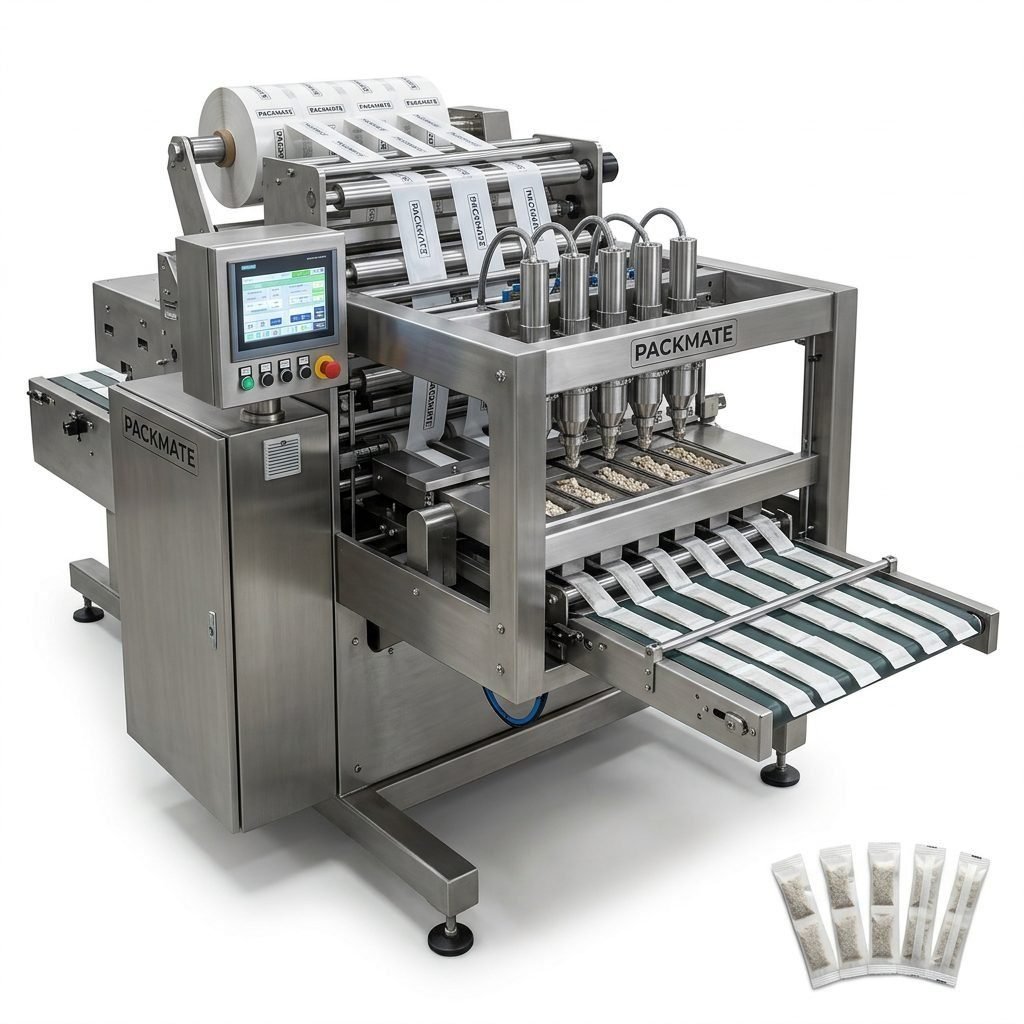
• Stick packs and stick/sachet machines for single-serve dosing.
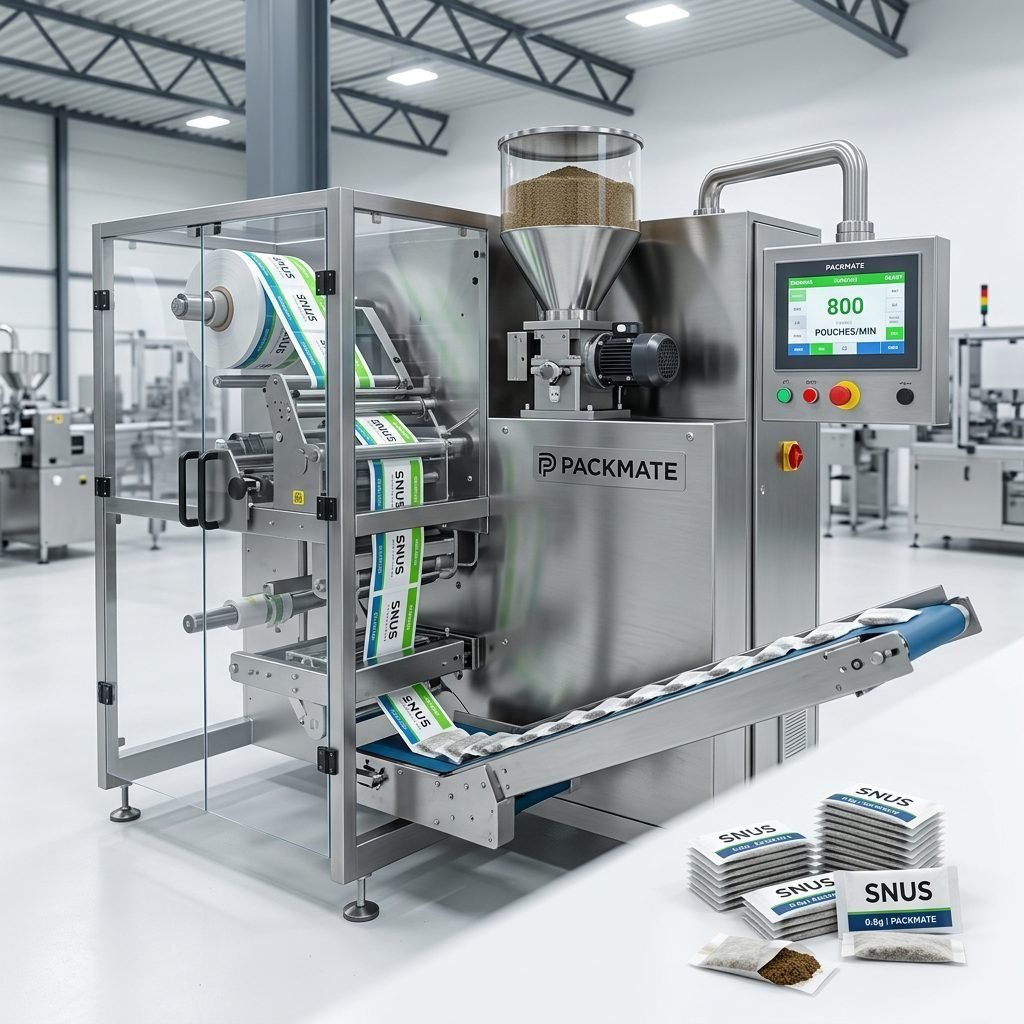
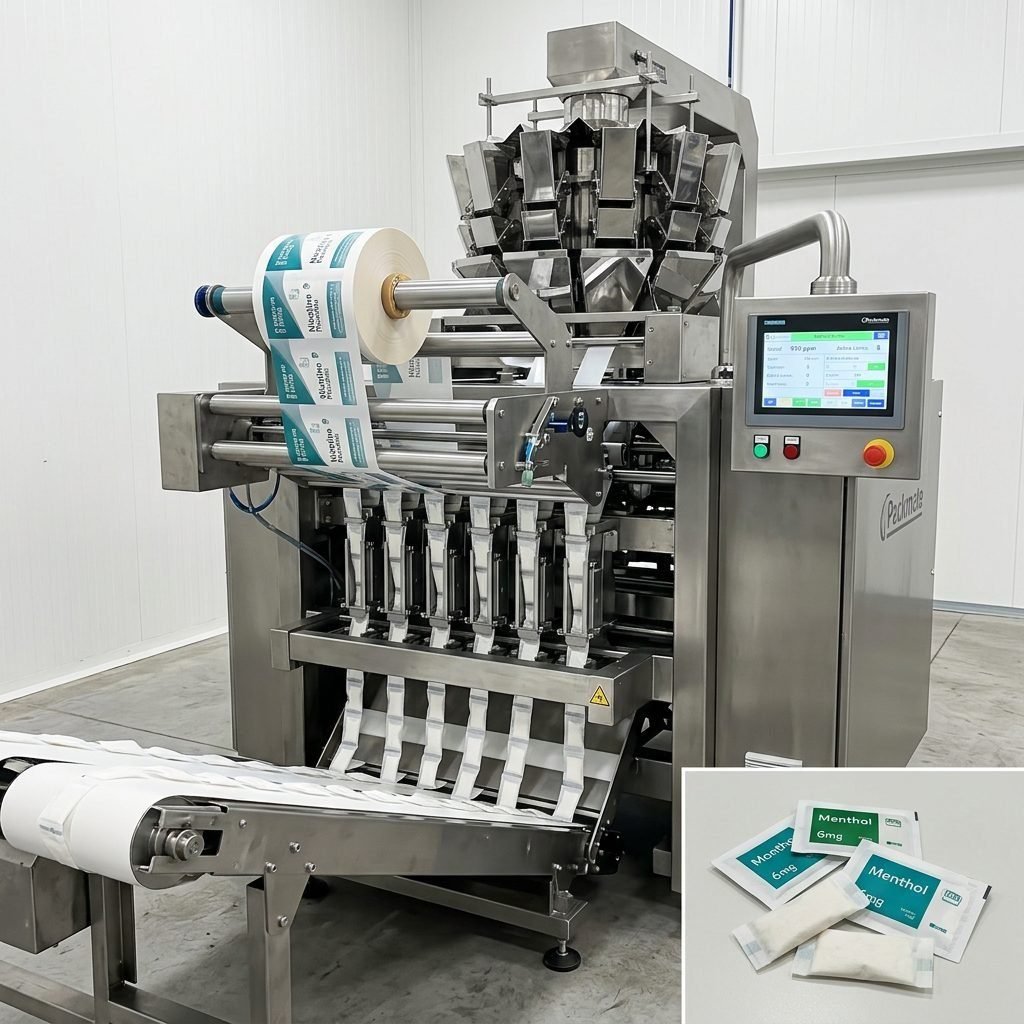
• Multi-lane snus/nicotine pouch systems for small-dose pouches — ideal for scaling. See Snus & Nicotine Packaging Machines.
• Filling and capping modules for e‑liquid bottles or cartridges, integrated into filling & packaging lines.
🔧 Quick note: Multi-lane solutions increase output without doubling floor space, but require precise dosing and synchronization to keep % yield acceptable.
Technical Specifications to Compare
When comparing models, focus on measurable specs rather than marketing claims. Key parameters include:
Throughput (units/min): Choose machines with a maximum throughput above your target to allow headroom for scale.
Accuracy & Tolerance: Dosing accuracy is critical for compliance and cost control, especially with nicotine.
Changeover time: Fast, tool-less changeovers minimize downtime when switching SKUs.
Material compatibility: Check compatibility with your films, pouches, and adhesives.
Automation & integration: PLC/HMI capabilities, upstream/downstream interfaces, and Industry 4.0 readiness.
Precision dosing technologies
For powders and granules, gravimetric or multi-head weighers integrated with the packaging machine give the best accuracy. For liquids, gear or piston pumps with servo control are preferred for low-viscosity e‑liquids. Explore integrated solutions on Weighing & Packaging Systems.
✅ Pro tip: Ask for documented dosing accuracy (e.g., ±x% at y g) and sample reports from similar products.
Regulatory Compliance and Safety
Nicotine products are regulated in most jurisdictions. Equipment must support:
• Traceability features (batch codes, printed lot numbers).
• Cleanability and material contact surfaces compliant with hygiene standards.
• Safety interlocks and CE/ISO conformity for machinery. Packmate machines typically adhere to these standards — see Certificate.
Documentation and validation
Request comprehensive documentation: machine manuals, electrical diagrams, IQ/OQ templates, spare parts lists, and preventive maintenance schedules. Validated SOPs reduce commissioning time and support audits.
Reliability, Service, and Spare Parts
High uptime depends on robust mechanical design, accessible components, and a responsive service network. Evaluate:
• Warranty terms and SLAs for remote/onsite support.
• Availability and lead times for critical spares.
• Local partners or global footprint for emergency response.
⚠️ Ask: Can the manufacturer supply a recommended spares kit for 6–12 months of operation?
Integration into a Turnkey Line
If you plan to build a full production line — upstream fillers, weighers, capping, labeling, and cartoning — choose suppliers experienced in turnkey solutions. Packmate offers integrated lines across nicotine pouch and filling systems; review their project cases at Case.
Synchronous speed matching, conveyors, and line control protocols must be defined early. Also consider spare floor space, utility needs (power, compressed air), and cleanroom classification where relevant.
Design for maintainability
Look for modularity: quick-release guards, standardized fasteners, and accessible drive systems reduce MTTR (mean time to repair). Choose machines with clear diagnostic displays and remote connectivity for troubleshooting.
Supplier Evaluation and Factory Capabilities
Vet suppliers on both technical and operational grounds. Key indicators:
• Years of experience in nicotine/snuse packaging and proven installations globally.
• Manufacturing footprint and capabilities (e.g., CNC centers, assembly lines). Packmate operates a 20,000㎡ facility with advanced CNC and assembly capabilities — learn About Packmate.
• A diversified model range to grow with your needs (50+ models is a positive sign).
• References and exhibition presence for live demonstrations.
ℹ️ Checklist: Request footprint photos, control schematics, and a list of recent international installations to confirm export and support experience.
Total Cost of Ownership (TCO)
Upfront price is only one element. Evaluate TCO across:
• Energy consumption and consumables cost.
• Frequency and cost of spare parts.
• Training requirements and onboarding time.
• Potential downtime and the supplier’s response time.
Financing and phased rollout
Consider phased investments: start with a pilot line or single-lane machine, then scale to multi-lane systems. This approach reduces capital risk and validates workflows before full deployment.
Commissioning, Training, and After-sales
Effective commissioning often determines early success. Insist on:
• Onsite commissioning with process validation.
• Operator and maintenance training, with training materials.
• Remote support and periodic preventative maintenance programs.
🔁 Service tip: Negotiate at least 1 year of on-call support and spare parts availability in the contract to protect early production.
Practical Procurement Checklist
Use this checklist when requesting quotes and bids:
1. Confirm machine model, lanes, and max throughput.
2. Obtain documented dosing accuracy and sample test reports.
3. Verify materials compatibility and sample runs on your films.
4. Ask for IQ/OQ documents and validation support.
5. Clarify warranty, spare kit, and SLA terms.
6. Request a factory acceptance test (FAT) or video demonstration.
7. Confirm packaging integration scope and utility requirements.
8. Negotiate training, commissioning time, and spare parts lead times.
Real-world Example: Scaling from Pilot to Multi-lane Production
A mid-sized manufacturer started with a single-lane stick pack machine for market validation. After confirming demand, they upgraded to a 4-lane pouch system to quadruple output while keeping the same footprint. Benefits included lower per-unit labor, reduced changeover frequency, and improved cost predictability. Such projects rely on suppliers who offer multiple compatible models and turnkey integration — see the company story and global cases at Case.
Final considerations before signing
Before finalizing procurement, validate the following:
• FAT acceptance criteria and penalties for non-conformance.
• Export documentation, customs support, and training timelines.
• Long-term service agreements and remote diagnostics capabilities.
• Clear escalation paths and contact points at the supplier’s service organization — check the manufacturer’s contact info via Contact Us.
🏁 Decision guideline: Prioritize machines that balance precision, scalability, and a reliable support network — these factors reduce risk and protect margins.
Where to learn more and next steps
Visit manufacturer product pages to review technical specs, downloadable catalogs, and contact forms. For example, you can explore Packmate’s product range by category such as Bag & Pouch Packaging Machines and consult their Catalog for detailed model comparisons.
Frequently Asked Questions
Q1: What is the typical lead time for nicotine pouch packaging machines?
Lead times vary by customization and model availability. Standard models may ship within 8–12 weeks, while fully customized multi-lane turnkey solutions can require 16–28 weeks. Early discussions about spare parts and commissioning shorten deployment time.
Q2: How do I ensure dosing accuracy for low-dose nicotine pouches?
Use gravimetric weighers or precision dosing modules with closed-loop servo controls. Validate dosing on-site with sample runs and ask suppliers for performance certificates from similar products.
Q3: Can machines be upgraded from single-lane to multi-lane?
Some platforms are modular and allow lane expansion, but structural, drive, and control changes are often required. Discuss future scalability with suppliers early to minimize retrofit costs.
Q4: What after-sales support should I expect?
Expect training, commissioning, remote diagnostics, spare parts supply, and periodic maintenance programs. Evaluate the supplier’s global service reach and local partner network for faster response times.
Q5: How to verify a supplier’s credibility?
Check years of industry experience, factory capabilities, certifications (CE/ISO), client references, exhibition participation, and case studies. Supplier transparency on documentation and FAT procedures is a strong positive sign.