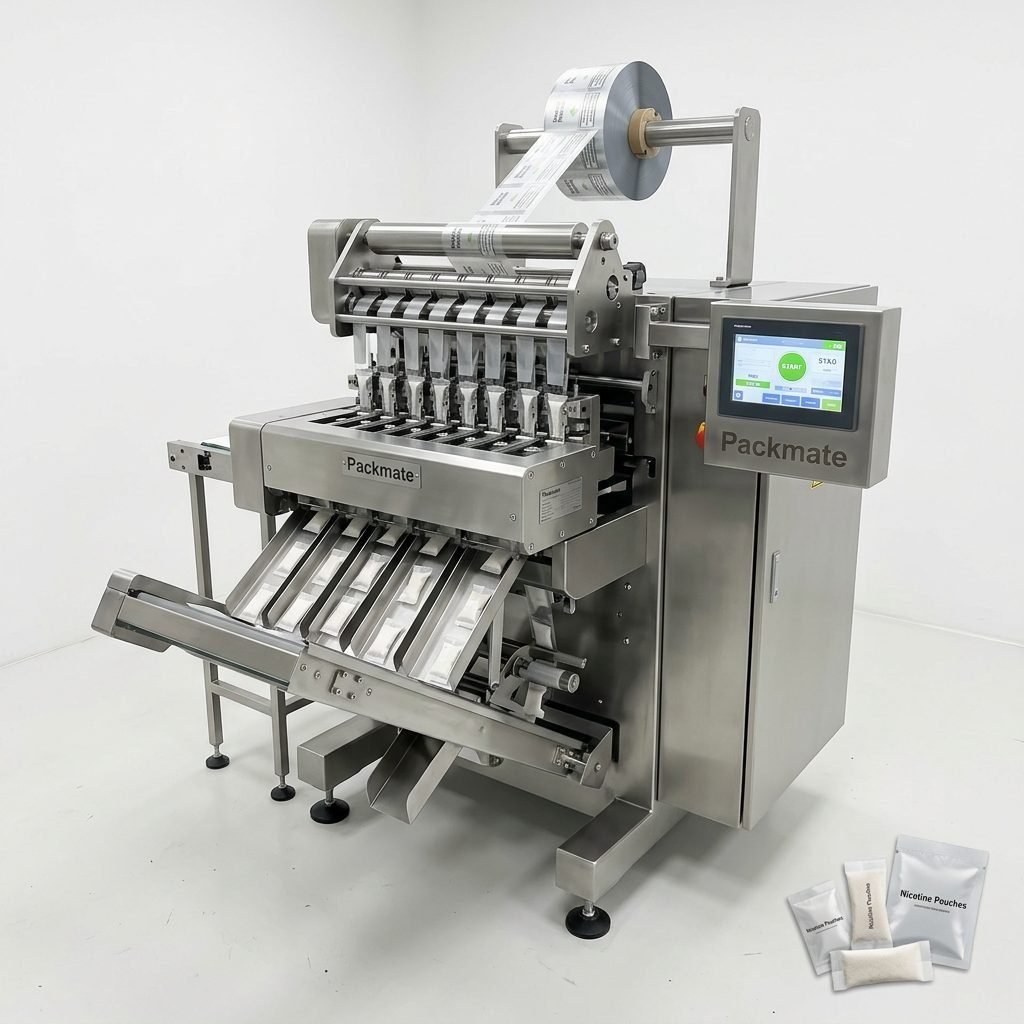
Choosing the right nicotine packaging machinery in Suriname is a critical step for manufacturers seeking efficient, compliant, and safe production of nicotine pouches and snus. This guide walks you through the technical, regulatory, and operational considerations to ensure your packaging line runs smoothly in a tropical environment while meeting international quality standards.
Understand Your Production Requirements
Start by documenting your expected output, product formats, and growth plans. Key metrics include: daily pouch volume, pouch sizes and weights, desired lanes (single vs multi-lane), and packaging styles (stick pack, sachet, multi-lane pouch). These requirements will determine machine throughput, feeder systems, and automation level.
• Expected daily production (pouches/day) · • Product weight tolerance · • Single or multi-lane lines · • Desired packaging type (see Sachet & Stick Pack Machines)
Select the Right Machine Type
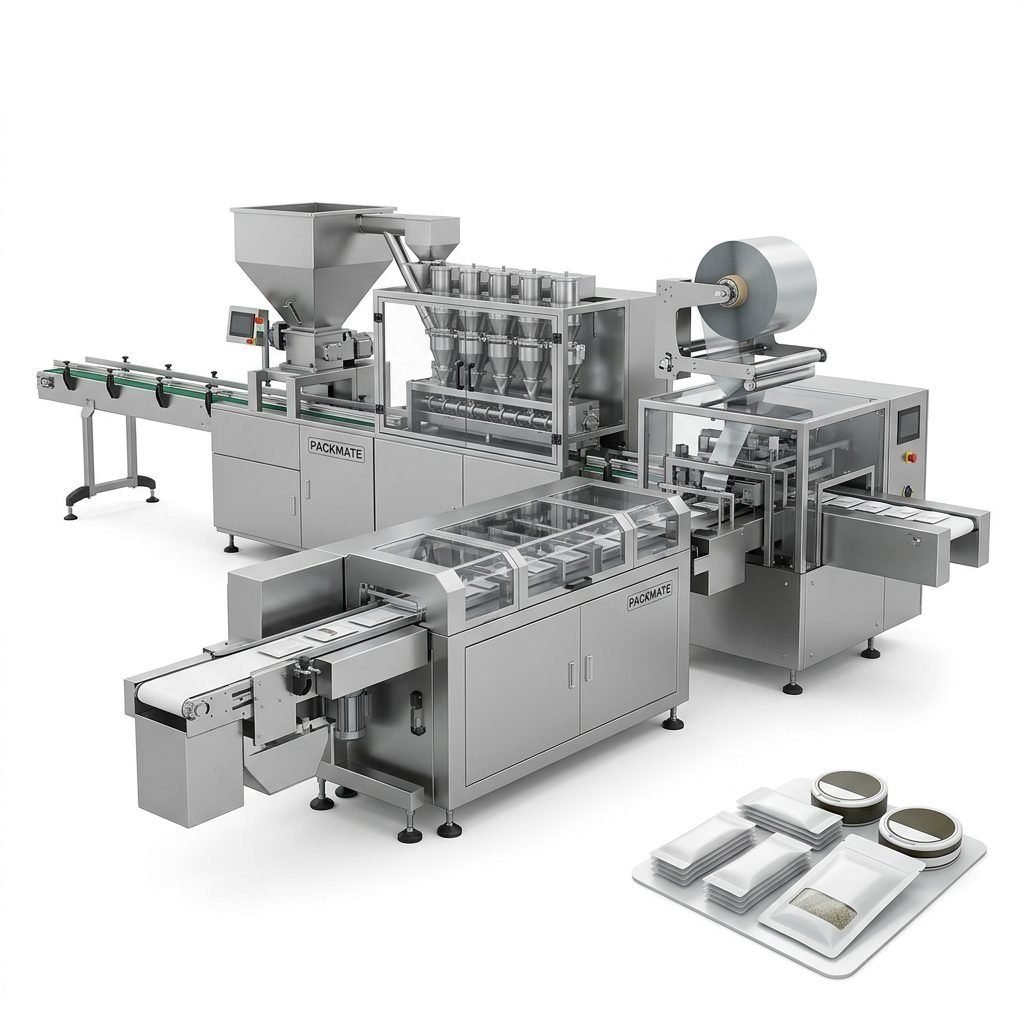
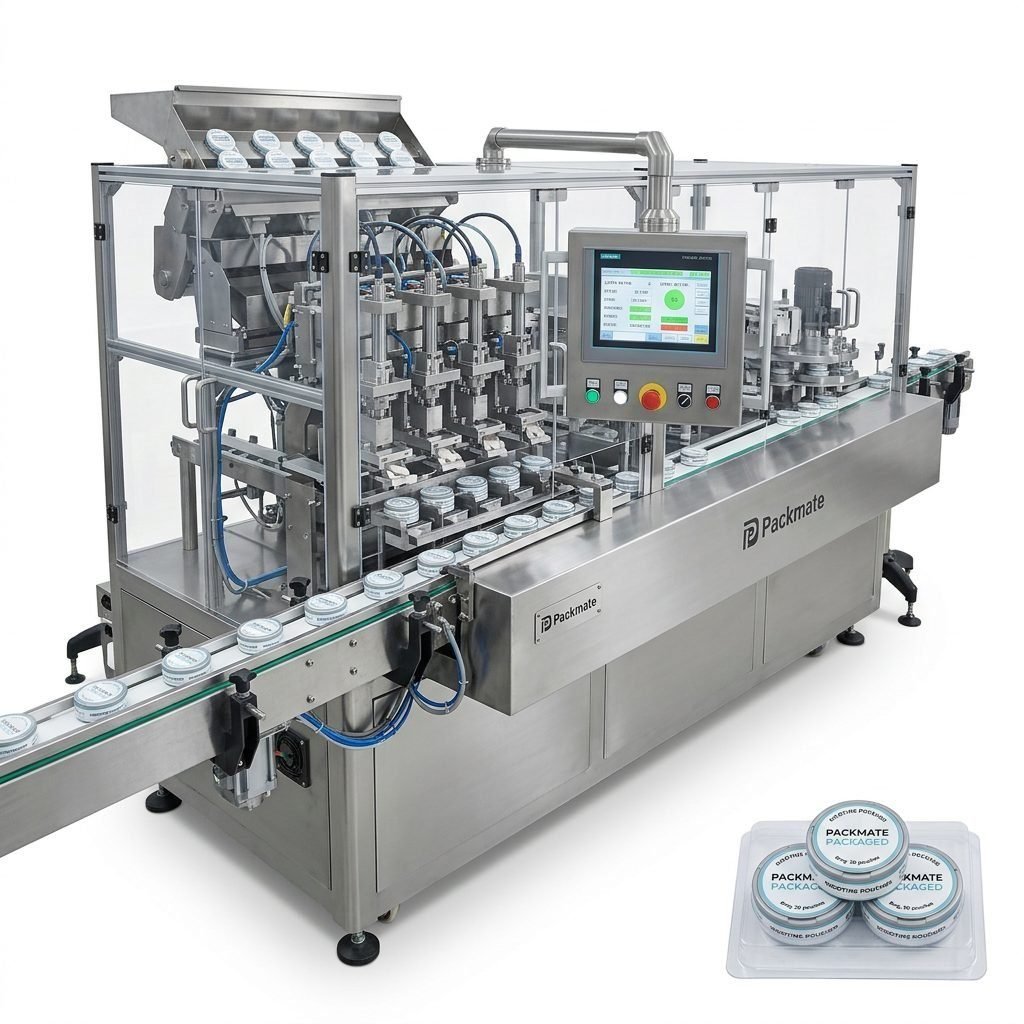
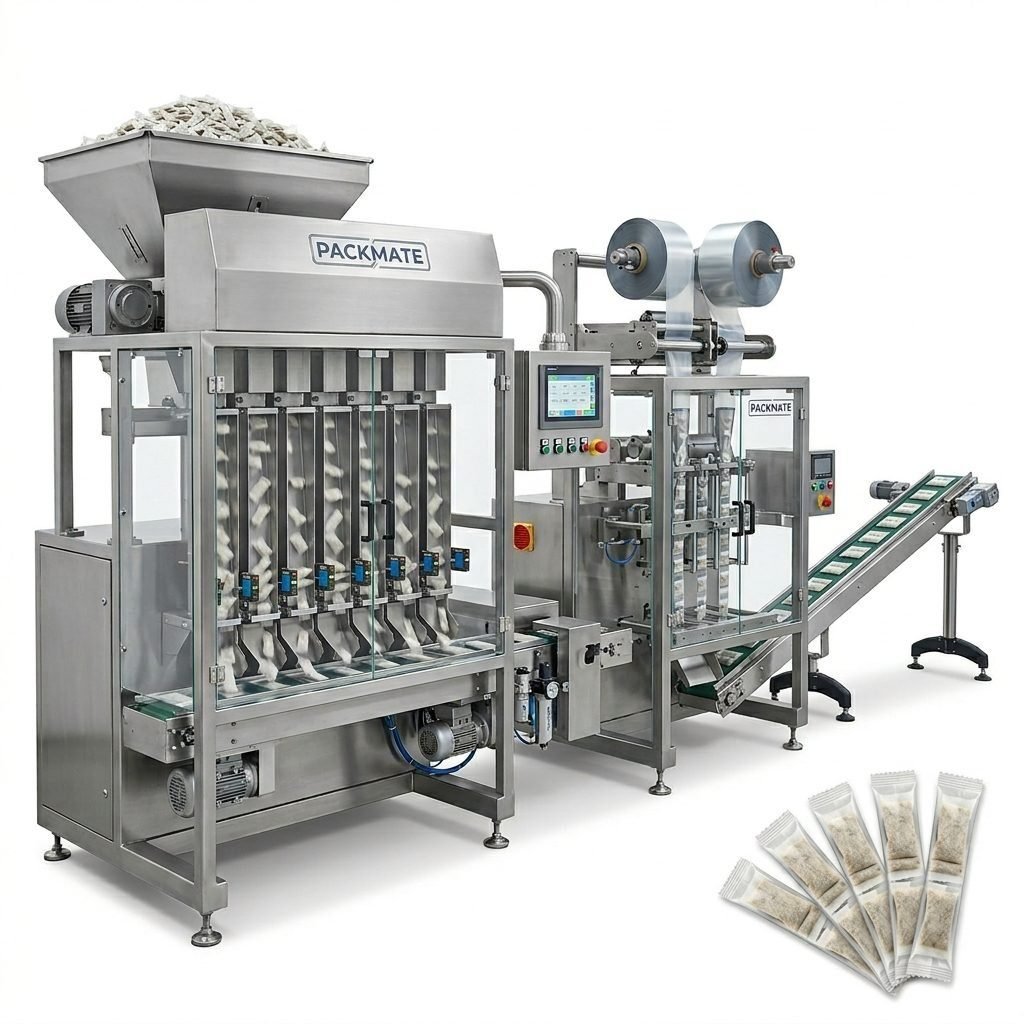
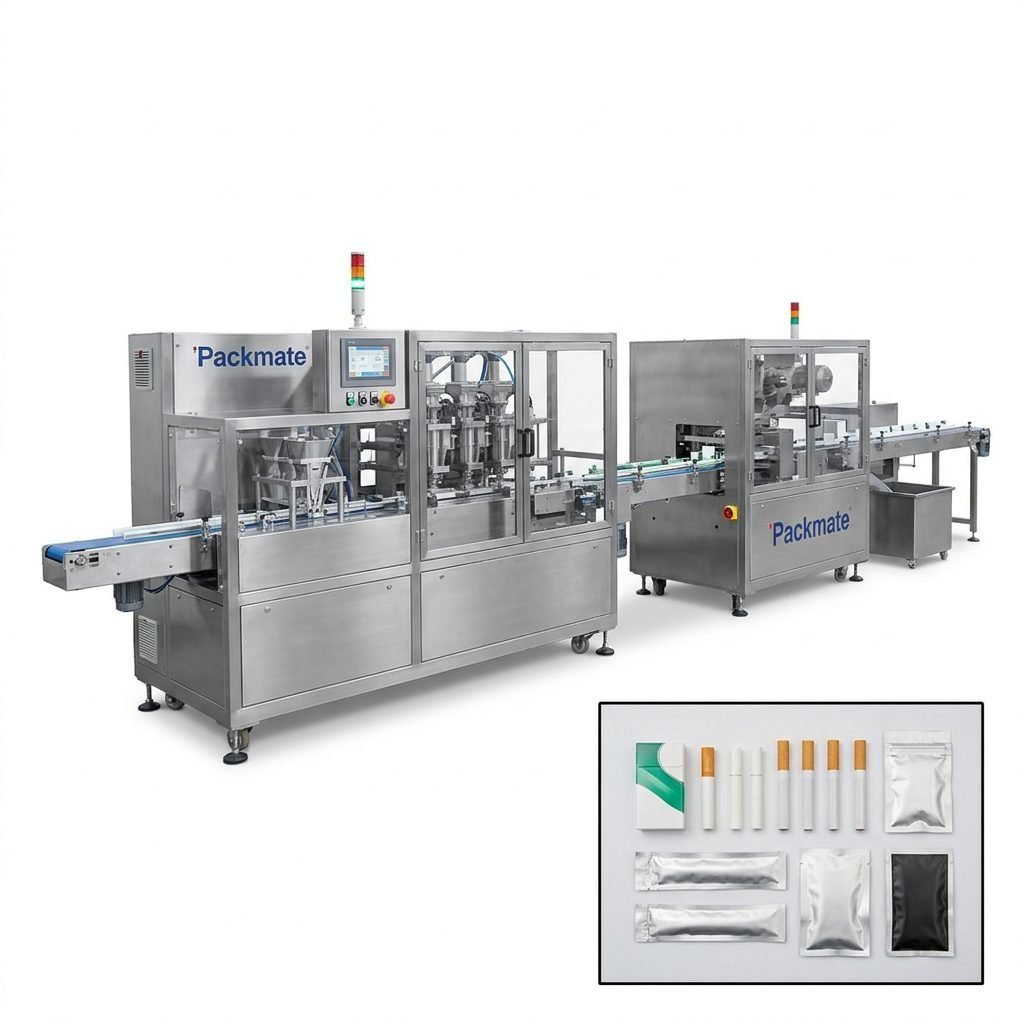
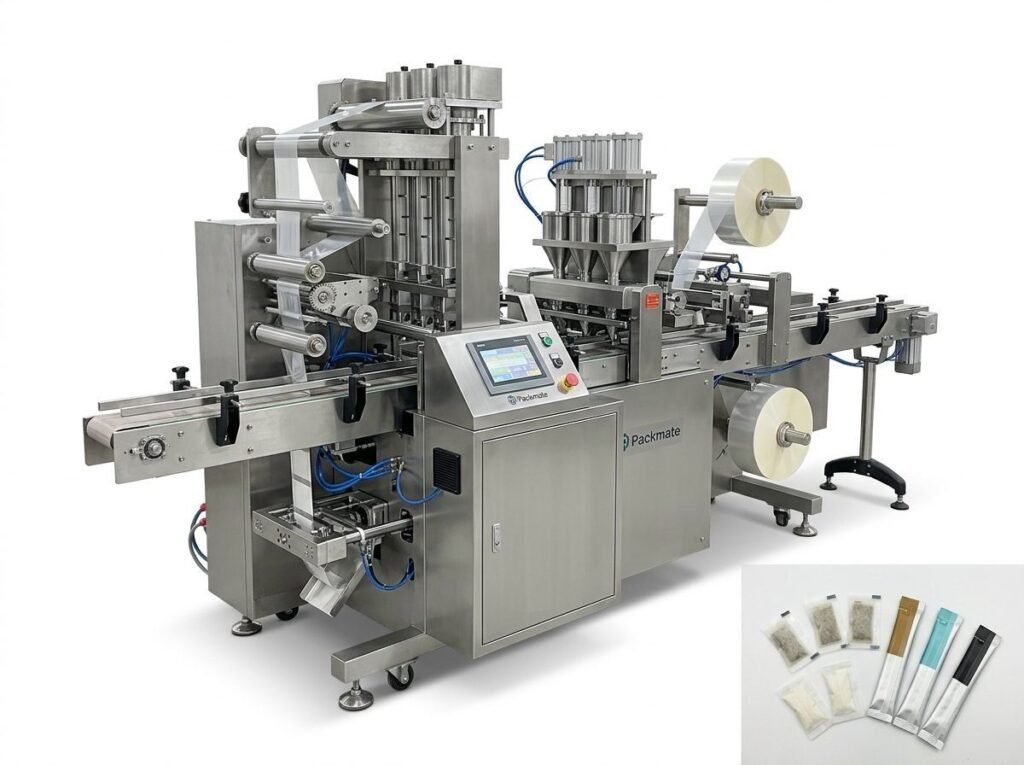
Different machines suit different product requirements. For nicotine pouches and snus, the most common types are vertical pouch machines, stick pack machines, and multi-lane fully-automated lines. Evaluate each by speed, precision, and compatibility with hygroscopic or powder blends.
Multi-lane vs Single-lane Systems
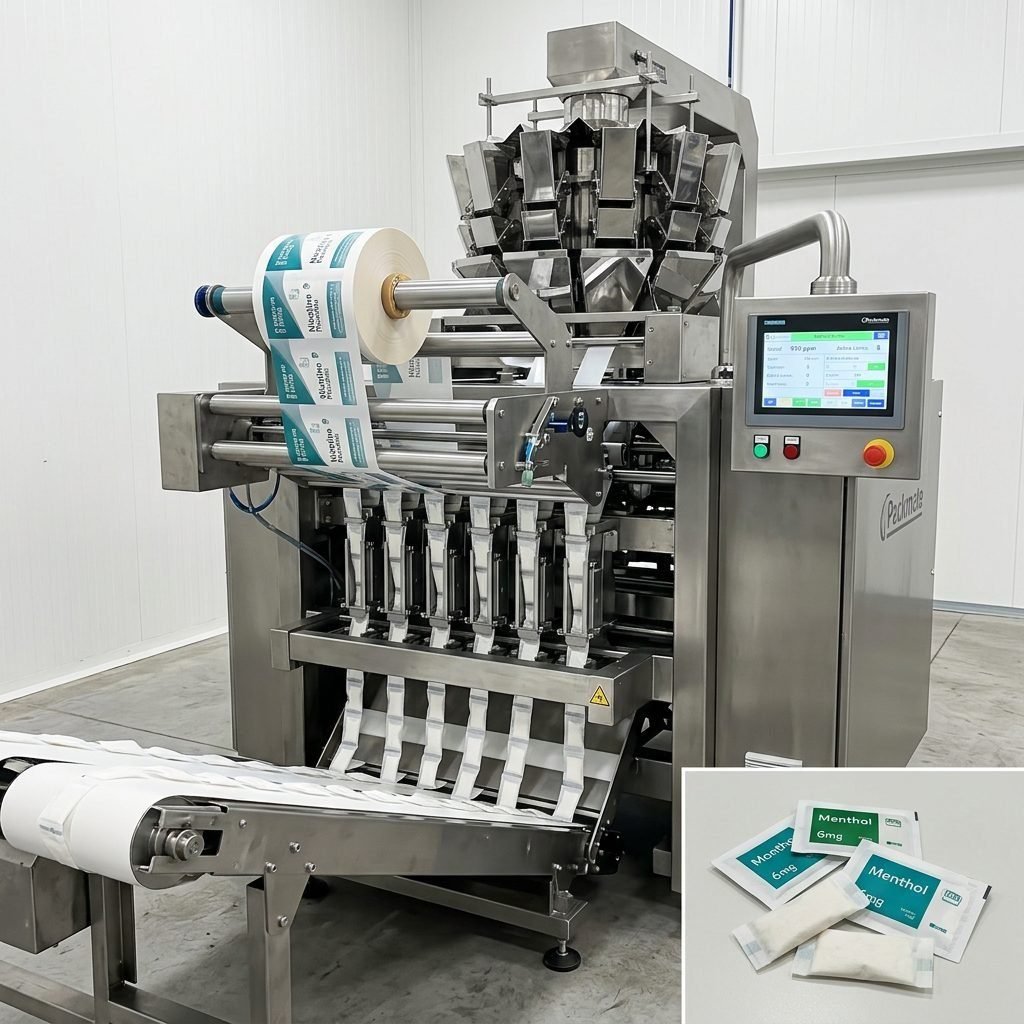
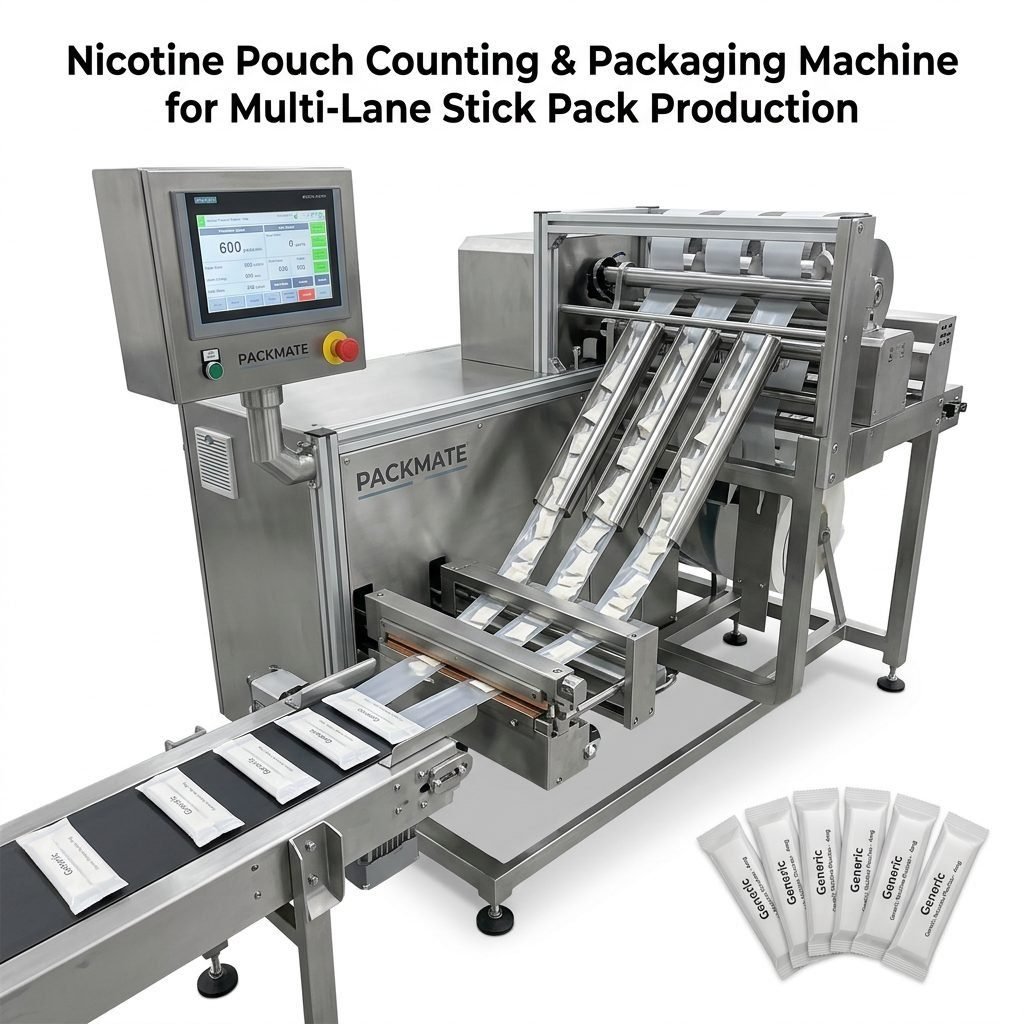
Multi-lane systems deliver higher throughput by producing multiple pouches simultaneously. They are ideal for scaling production but require stricter material handling and more advanced synchronization controls. Single-lane machines are simpler, easier to maintain, and often preferred for small-batch or specialty flavor runs.
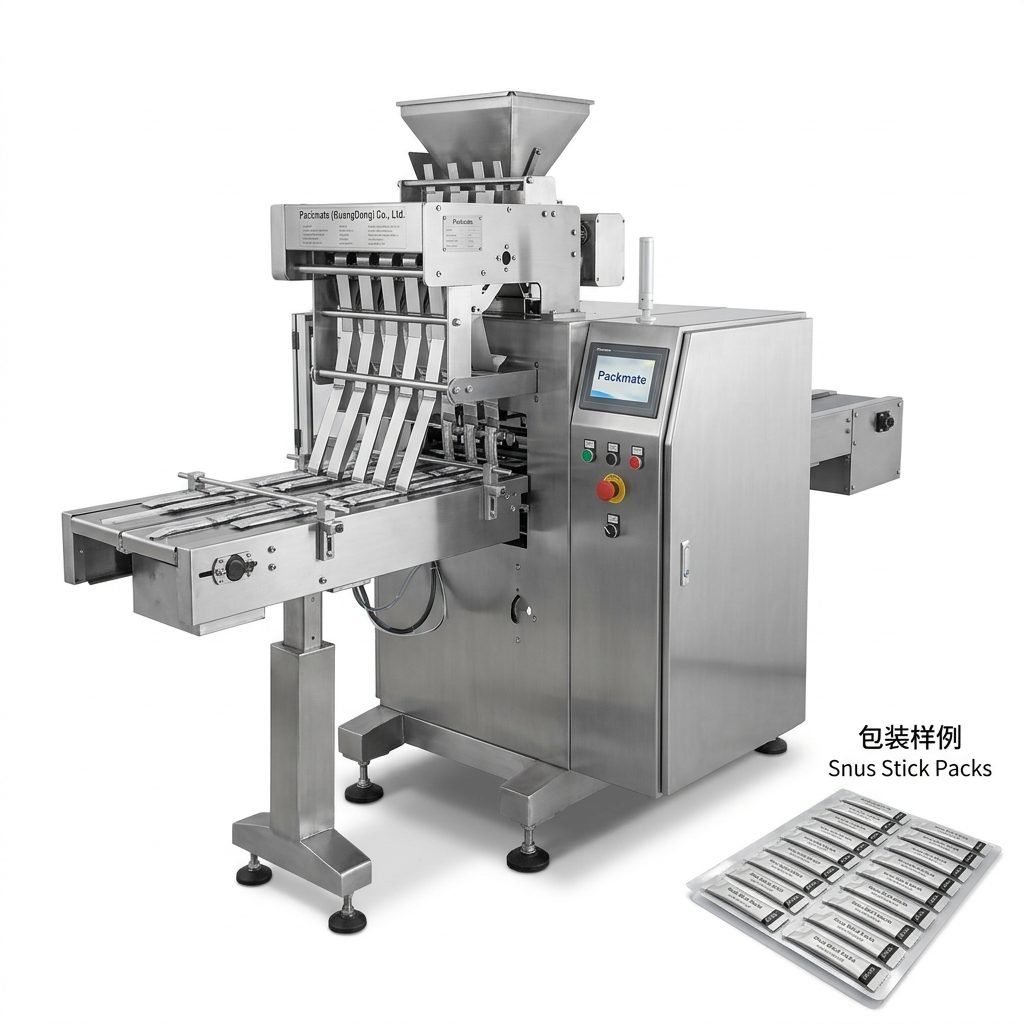
Stick Pack and Sachet Options
If your product portfolio includes slim stick formats or sachets, consider dedicated stick-pack or sachet machines that ensure consistent seal integrity and accurate dosing. Explore models engineered for nicotine pouch consistency in the Snus & Nicotine Packaging Machines category.
Prioritize Safety and Compliance
Regulatory compliance and worker safety are non-negotiable. Choose equipment that conforms to international standards (CE, ISO) and offers safety interlocks, easy-to-clean surfaces, and clear risk assessments for handling nicotine materials.
• Enclosed dosing modules to limit exposure · • Emergency stop & safety light curtains · • Clear cleaning and containment procedures · • Documentation for CE/ISO compliance (see supplier certificates)
Consider Environmental and Local Factors in Suriname
Suriname’s tropical climate and local infrastructure affect machine choice and installation. Machines must withstand high humidity and potential power fluctuations. Plan for climate-control in production areas, corrosion-resistant materials, and reliable local technical support.
Power and Utilities
Verify machine electrical specifications and whether voltage stabilizers, backup power, or step-down transformers are required. Water and compressed air quality are also important for consistent filling and sealing performance.
Supply Chain and Spare Parts
Ensure fast access to spare parts and consumables. Choose suppliers that offer regional logistics solutions or have proven experience shipping globally. Packmate’s global turnkey experience demonstrates how manufacturers can bridge geographic gaps—view their global cooperation cases.
Evaluate Reliability, Maintenance, and After-sales Support
A high-performing machine must also be dependable. Inspect maintenance intervals, mean time between failures (MTBF), and the availability of local service engineers. Prioritize vendors that provide installation, training, and long-term service contracts.
• Keep a stocked spares kit for wear parts · • Schedule preventive maintenance windows · • Document training sessions and SOPs for operators · • Choose modular designs for easier repairs
Assess Technical Features and Automation
Automation can drastically reduce labor costs and improve consistency. Look for PLC controls, HMI touchscreens with recipe management, servo-driven dosing for precise weights, and in-line quality inspection tools (weight checkers, seal-checks).
Traceability and Data Capture
Modern packaging lines should support data capture for traceability — batch IDs, date codes, production logs. Integration with MES or ERP systems helps meet regulatory and commercial reporting demands.
Quality of Construction and Materials
Materials in contact with nicotine formulations should resist corrosion and be easy to sanitize. Stainless steel, hygienic seals, and food-grade components are preferred. Inspect manufacturing facilities, machining standards, and assembly procedures to confirm quality.
Cost Considerations and Total Cost of Ownership (TCO)
Initial purchase price is only one part of cost. Assess installation, training, spare parts, energy consumption, and downtime risks. A robust multi-lane machine might cost more upfront but lower the TCO over time through higher throughput and lower labor.
Choosing a Trusted Supplier
Supplier credibility, engineering experience, and after-sales service are essential. Look for manufacturers with a track record in snus and nicotine pouch equipment, a well-equipped factory, and documented case studies. Packmate (GuangDong) Co., Ltd., for example, highlights decades of experience and turnkey solutions — learn more About Packmate.
What to verify with any supplier
• Factory visit or virtual tour · • Reference customers and machine performance · • Documentation for CE/ISO compliance · • Training and commissioning support · • Warranty and service terms
Installation, Commissioning, and Training
Proper installation and operator training are critical for fast ramp-up. Confirm the supplier’s commissioning scope, timeline, and whether local technicians will receive hands-on training. Ensure manuals and spare parts lists are provided in advance.
• On-site commissioning timeline · • Operator & maintenance training schedules · • Spare parts lead times · • Remote support availability
Packaging Materials and Secondary Equipment
Match your primary machine to compatible film types, laminates, and sealing specifications. Secondary equipment like case packers, checkweighers, and labelers should be selected for speed compatibility and synchronized control. Explore related equipment categories such as Weighing & Packaging Systems and Auxiliary Packaging Equipment.
Local Regulations, Import, and Customs in Suriname
Before procurement, check Suriname’s import duties, certification requirements, and any specific nicotine product regulations. Work with freight forwarders experienced in handling machinery to avoid delays and to ensure safe customs clearance.
Case Studies and References
Reviewing supplier case studies helps assess real-world performance. Many manufacturers publish project references that demonstrate how multi-lane lines and turnkey solutions have been implemented. See examples and completed projects at Case.
Final Recommendations
Choose machines that balance throughput, reliability, and regulatory compliance. Prioritize vendors offering strong after-sales support, spare parts logistics, and field service in your region. For nicotine pouch lines, specialized manufacturers with decades of focus on snus packaging technology often deliver better long-term value.
1) Define production and regulatory needs · 2) Shortlist suppliers with nicotine pouch experience · 3) Request factory acceptance tests and references · 4) Plan installation, climate control, and spare parts strategy · 5) Arrange operator and maintenance training
Need More Information?
If you want tailored advice, reach out to reputable manufacturers for consultations and turnkey proposals. For contact details and further service information, visit Contact Us.
Frequently Asked Questions
Q1: What machine speed do I need for small-scale production?
A1: For small-scale runs, single-lane machines with flexible dosing and speeds of 30–60 pouches/min are common. Choose a model that can be upgraded or coupled with additional lanes if demand grows.
Q2: How important is multi-lane technology for nicotine pouches?
A2: Multi-lane systems significantly increase output and reduce cost per pouch, but they require more precise feeding and synchronization. They are ideal when consistent high-volume production is the goal.
Q3: What support should I expect after purchase?
A3: Expect commissioning, operator training, spare parts lists, remote troubleshooting, and defined warranty terms. Prefer suppliers with regional service partners or proven global logistics capability.
Q4: How do I manage humidity and corrosion risks in Suriname?
A4: Implement climate control in production rooms, use corrosion-resistant materials (stainless steel), maintain desiccant storage for raw materials, and schedule frequent inspections for seals and bearings.
Q5: Where can I see examples of complete snus packaging lines?
A5: Review product and solution pages for end-to-end lines and related equipment sets, such as Filling & Packaging Lines and the company’s project Case studies.