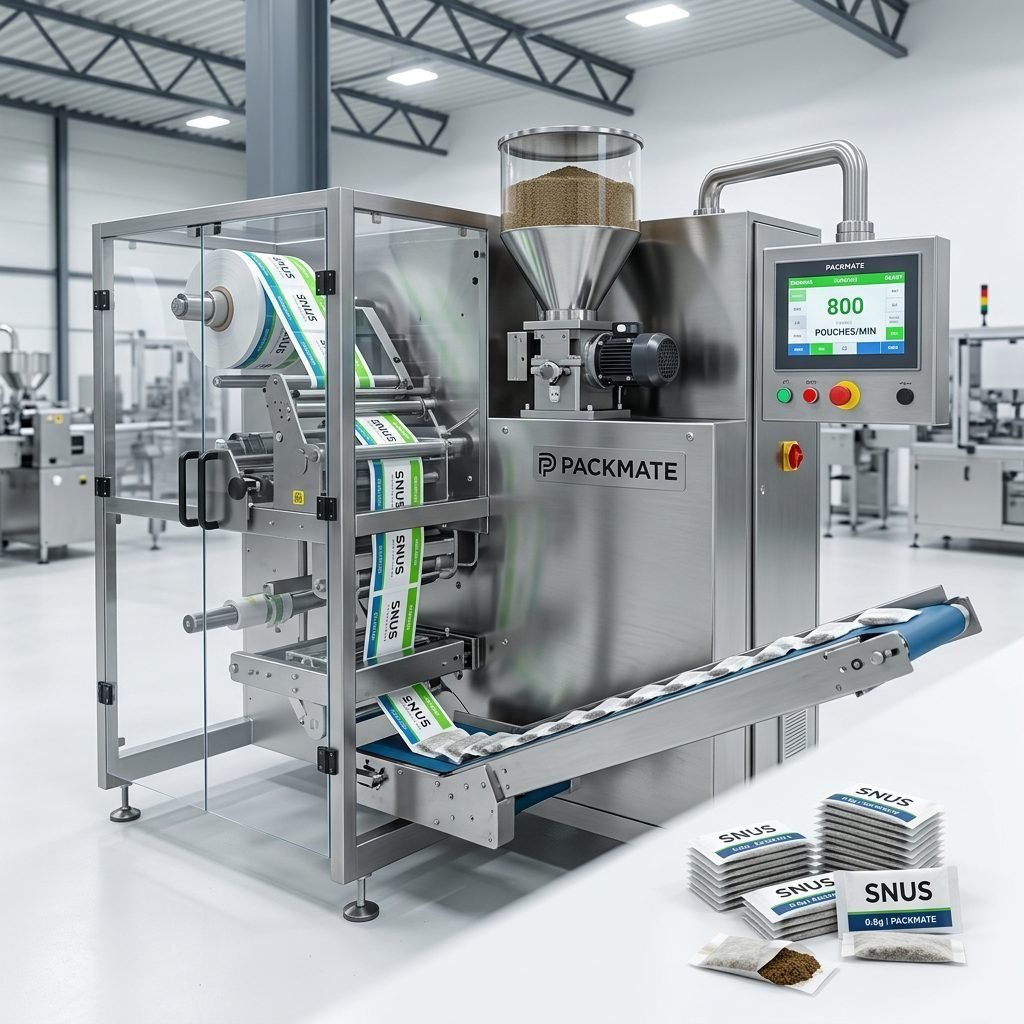
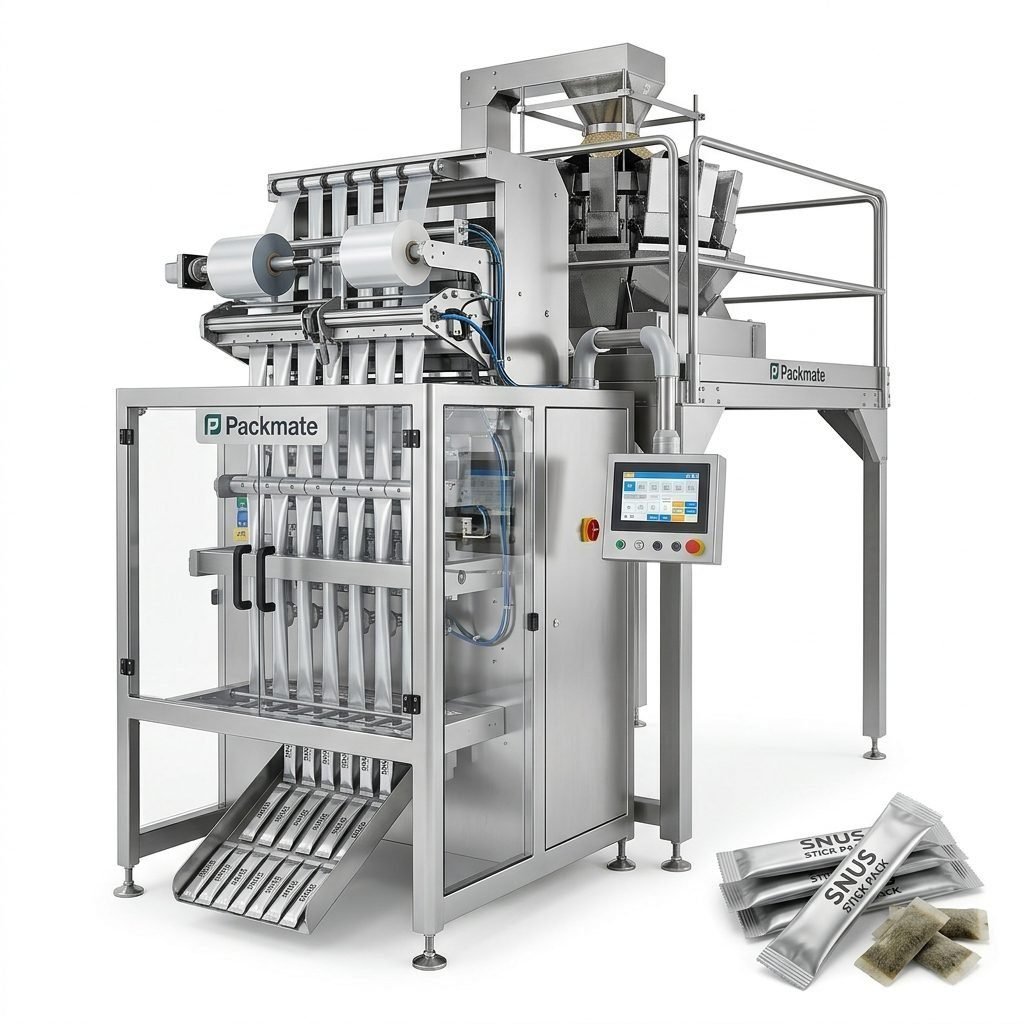
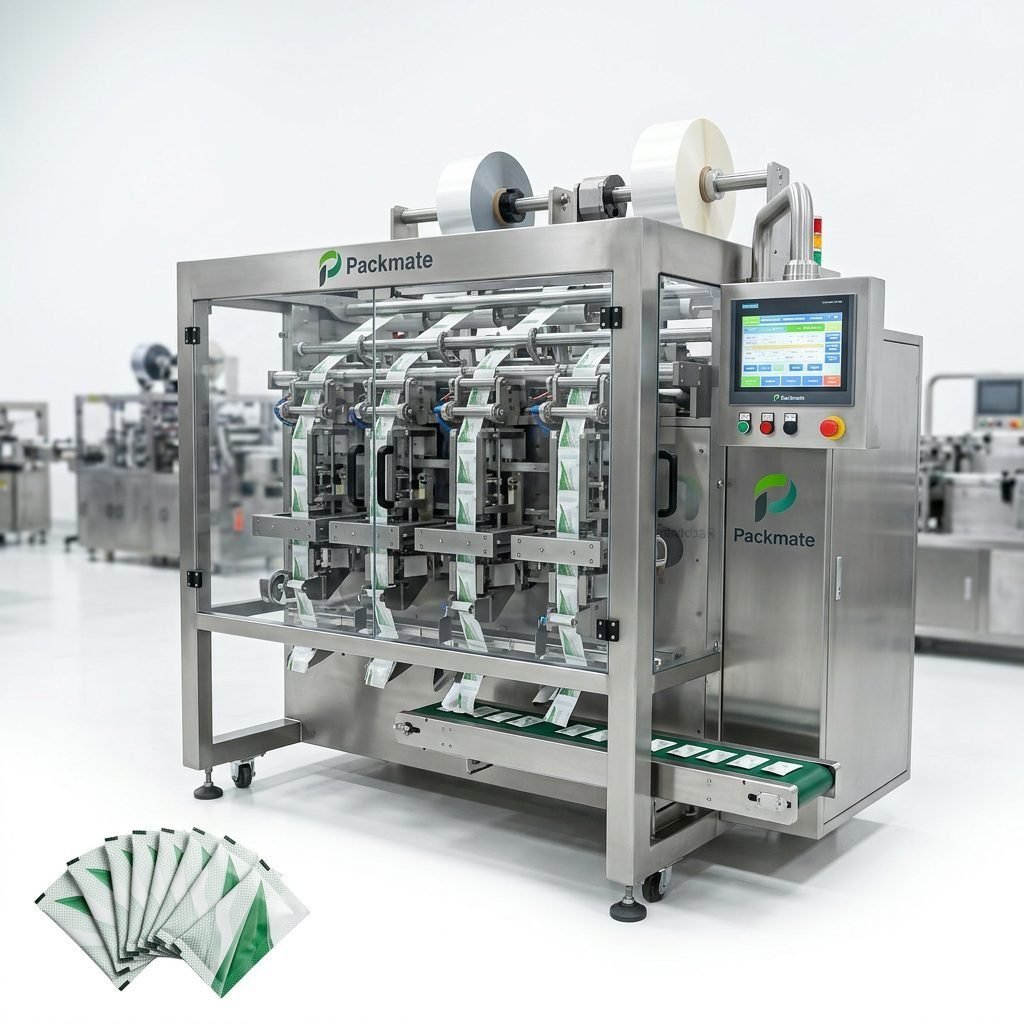
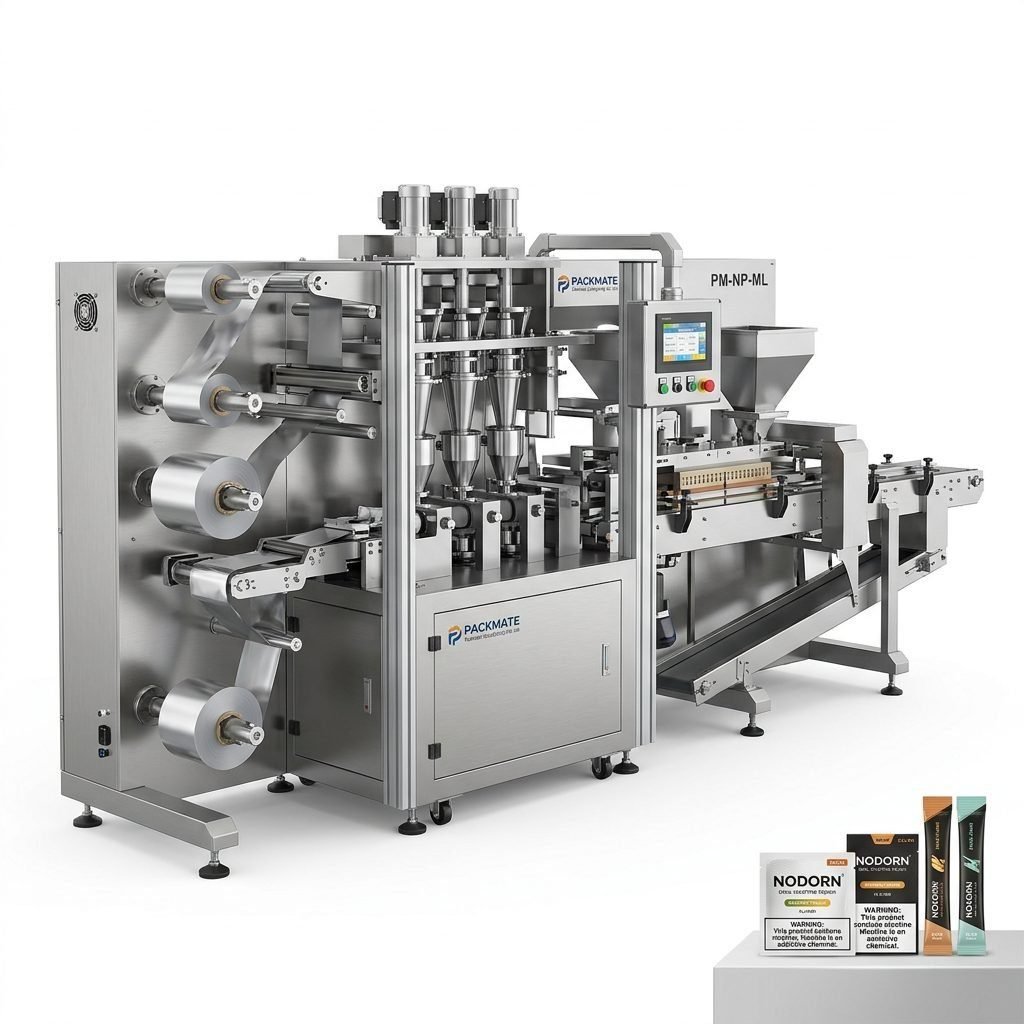
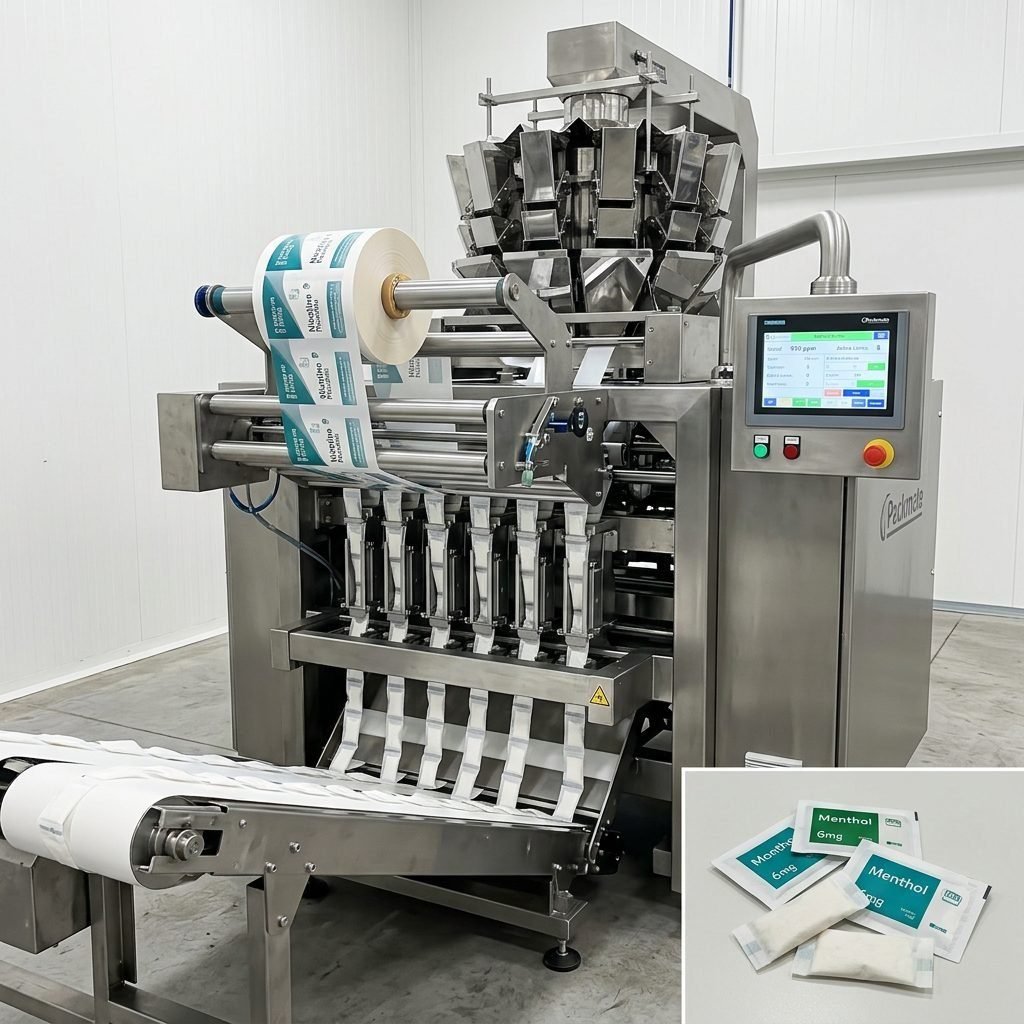
Choosing the right manufacturing partner for nicotine packaging equipment in Uganda can determine the long-term success of your product line. Whether you are launching nicotine pouches, snus, or other pouch-based nicotine products, understanding the local market, technical specifications, and manufacturer capabilities will save time, reduce costs, and improve product consistency. This guide walks you through practical steps, local considerations for Ugandan business practices, and the technical checklist to select the best nicotine packaging machine manufacturer for your needs.
Understand Your Product and Production Goals
Before you start contacting manufacturers, be clear about your product profile and business objectives. Ask yourself:
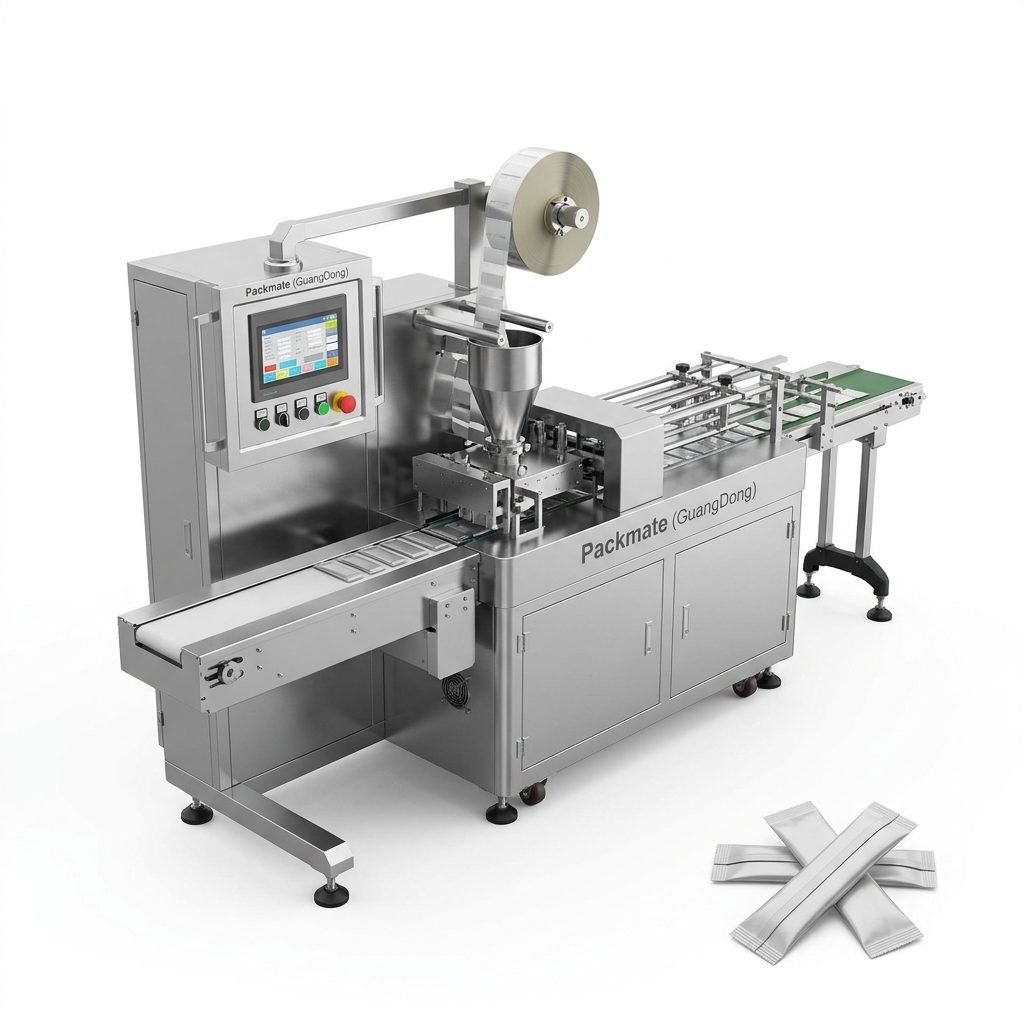
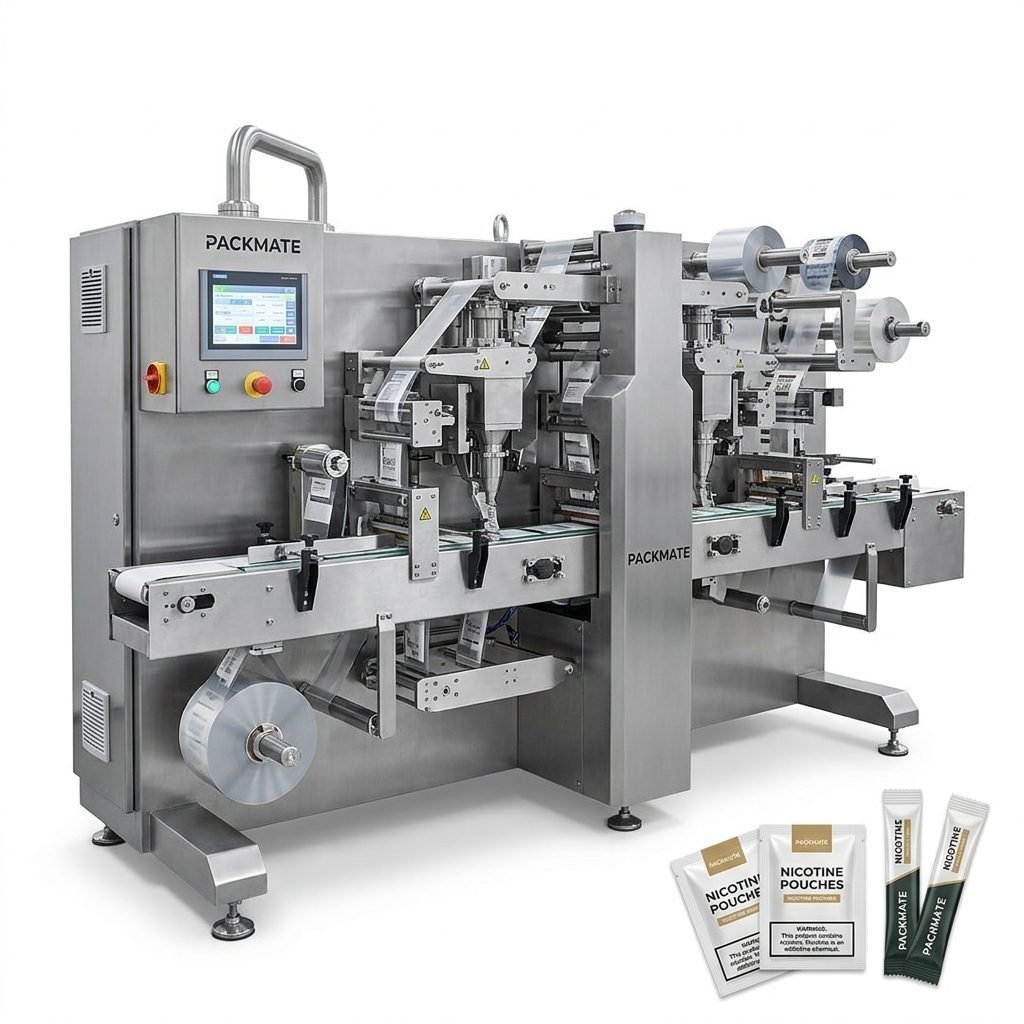
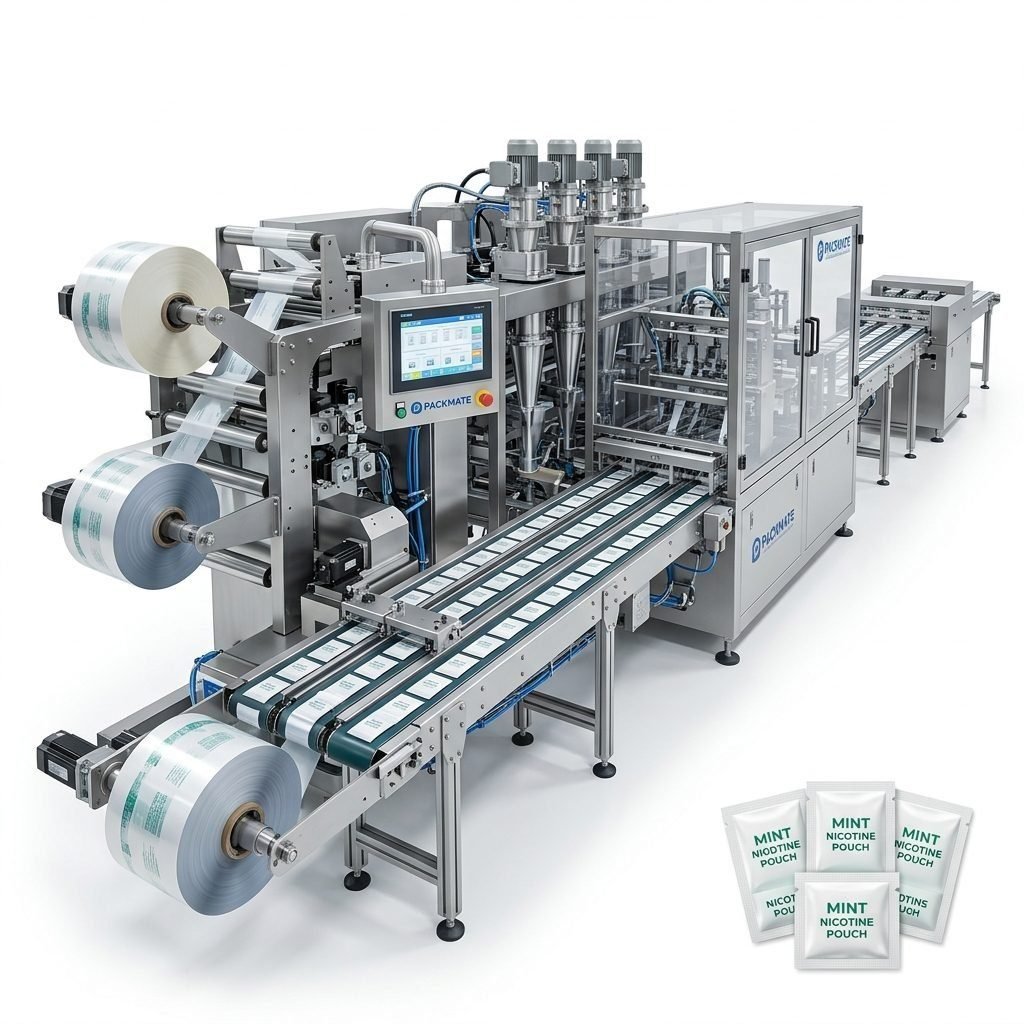
• What type of nicotine product will you package (nicotine pouches, snus, sachets, stick packs)? Each format requires specific machine designs and filling systems. For example, multi-lane systems are ideal for high-output small-dose pouches, while sachet and stick packs suit single-dose products.
• What is your target daily output? Machines range from entry-level to fully automated lines. A clear production target helps you choose between a single machine or a full turnkey line.
• What are your product tolerances and quality expectations (fill weight accuracy, seal integrity, pouch appearance)? Higher precision needs robust weighing and control systems.
Local Market Nuances in Uganda
Doing business in Uganda means understanding distribution channels and informal retail patterns. Urban centers like Kampala rely on retail shops, pharmacies, and kiosks, while rural distribution often depends on small wholesalers and transport by road. This impacts packaging choices—durable outer packing and clear labelling help products travel well through hot, humid climates and informal retail shelves.
Another local factor is energy stability. Power interruptions are not uncommon in parts of Uganda, so consider equipment with robust electrical protections, voltage compatibility, or options for backup power integration. When discussing machines with manufacturers, specify your local voltage and ask about protective features and low-voltage performance.
Evaluate Manufacturer Capabilities and Experience
A strong manufacturer should demonstrate technical depth, factory capacity, and after-sales systems. Look for these signals:
Factory scale and tooling: A modern facility with CNC centers and precision assembly indicates consistent manufacturing quality. Manufacturers with a range of 50+ models can better adapt to custom requirements.
Relevant product focus: Prefer manufacturers experienced specifically in snus and nicotine pouch packaging rather than general packaging companies. Their knowledge of small-dose, high-precision filling and multi-lane pouch forming is critical.
Certifications and compliance: CE, ISO and other certificates are strong indicators of adherence to international quality and safety standards—important when importing equipment into Uganda and for product regulatory compliance.
🔍 Tip: Ask to see factory photos or virtual tours, and check case studies or references. If available, watch machine demos at international exhibitions to evaluate build and operation. Packmate, for instance, shares product lines like Snus & Nicotine Packaging Machines and multi-function options in Bag & Pouch Packaging Machines.
Technical Checklist: What to Inspect and Test
When comparing manufacturers, use a standard checklist for technical comparison. This helps ensure machines meet your operational needs and can withstand local conditions.
Core machine features
• Filling systems: Check whether volumetric, auger, or weigh-based filling is appropriate for your formulation (powder, granule, wet blend). Weighing systems provide better accuracy for small-dose nicotine pouches.
• Pouch forming & sealing: Inspect seal quality and materials compatibility. For shelf life and product safety, strong, uniform seals are essential.
• Multi-lane capability: If you plan to scale, multi-lane lines increase throughput without dramatically increasing floor space.
Control systems & automation
• PLC and HMI: Modern PLCs and touch HMIs enable recipe management and quick changeovers. Ask about language options and the availability of English menus—important in Uganda where English is used in business.
• Remote support & diagnostics: Considering time-zone differences, remote troubleshooting and software support can reduce downtime. Confirm whether the vendor offers remote service and spare parts shipping timelines.
Quality Assurance, Spare Parts and After-Sales Support
Reliable after-sales support is as important as machine quality. A good manufacturer should provide:
Spare parts availability: Check lead times for critical components and whether the manufacturer ships internationally to Uganda. Local stocking options reduce downtime.
Training and commissioning: Factory technicians should provide on-site commissioning, operator training, and SOP development. This is especially valuable for Ugandan teams new to automated lines.
Warranty and service contracts: Negotiate a clear warranty period and the terms for extended service. Ask about service centers or partner technicians in Africa or nearby regions.
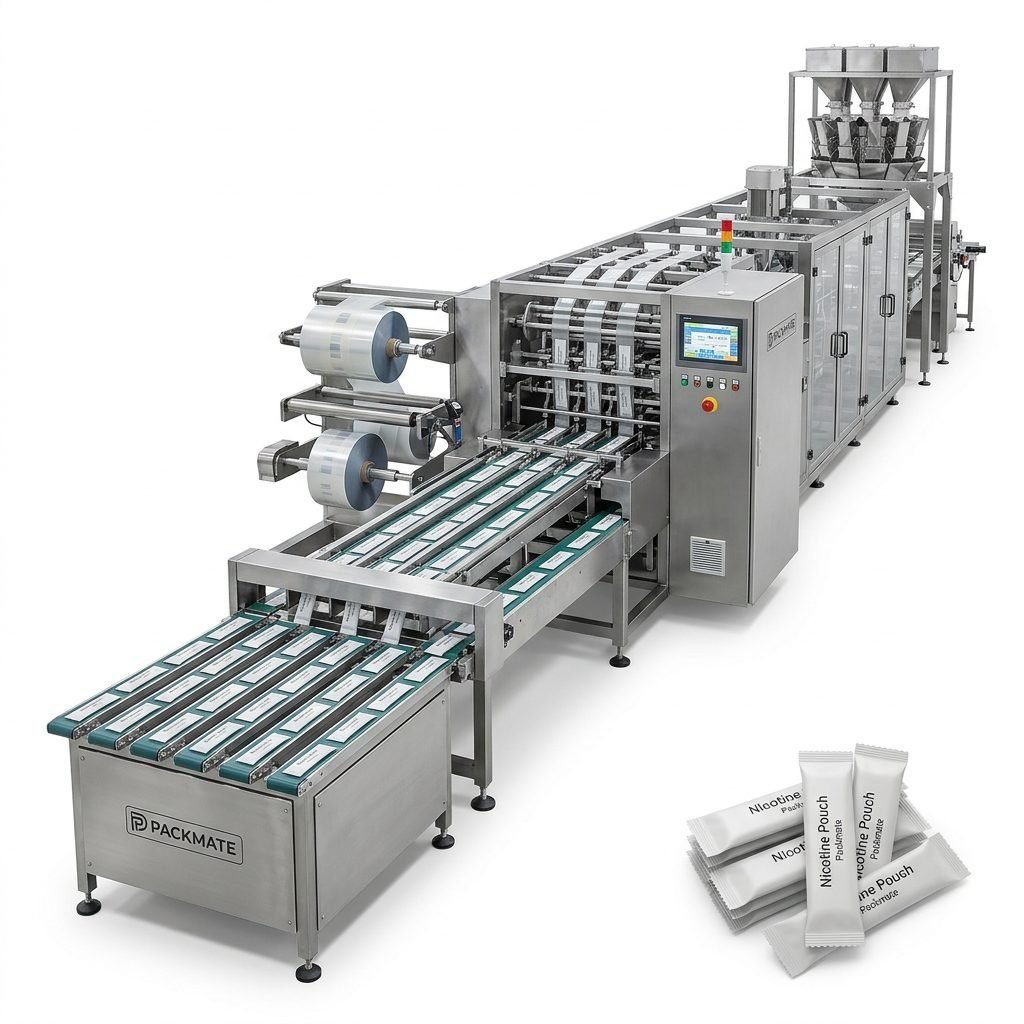
📦 Practical note: Choose a manufacturer that lists weighing & packaging systems and filling & packaging lines as part of their core offerings—this indicates full-line capability from dosing to end-of-line boxing.
Customisation, Regulatory Labels and Localisation
Your packaging needs to meet not only functional requirements but also local regulations and consumer expectations. In Uganda, labelling in English and compliance with health and import regulations are essential. Work with your manufacturer to:
• Ensure machines can handle the specific pouch format, material thickness, and label placement you require.
• Integrate printing and coding systems for batch numbers, expiry dates, and mandated warnings. Inline coding reduces manual handling and speeds compliance.
• Provide sample runs for label verification and shelf presentation testing—important for retail environments in Ugandan markets that include both formal retail chains and informal kiosks.
Cultural & consumer considerations in Uganda
Packaging aesthetics and product information influence local acceptance. Clear, concise labeling in English, durable outer cartons for road transport, and tamper-evident seals help build trust with consumers and distributors. Consider offering smaller trial packs to appeal to price-sensitive customers and to facilitate trial via small shops and kiosks.
Logistics, Import and Installation in Uganda
When importing machinery, plan for customs, shipping, and installation. Key steps include:
• Confirm HS codes, import duties, and required certifications for machinery and nicotine-related product lines with Ugandan authorities. Local customs agencies or a freight forwarder can assist.
• Opt for crating and shipping methods that protect precision equipment during long road transport to inland locations.
• Schedule installer arrival and machine commissioning in line with power availability and workshop readiness. Ensure the factory floor meets weight, foundation, and ventilation needs outlined by the manufacturer.
Local partnerships
Partnering with a local engineering firm or agent can smooth customs clearance, handle spare parts stocking, and provide rapid first-line support. Manufacturers that offer global cooperation cases and on-site training—such as those who display case studies—tend to facilitate smoother handovers.
Price vs Value: How to Compare Quotes
Don’t focus solely on the lowest purchase price. Evaluate total cost of ownership (TCO) including:
• Installation & commissioning costs
• Shipping and customs fees to Uganda
• Spare parts and consumable availability
• Energy efficiency and maintenance schedule
A machine with robust build quality and reliable after-sales support can lower long-term costs through reduced downtime and fewer repairs.
⚙️ Value check: Ask for a detailed quote with itemised costs for optional features, spare parts kits, and recommended maintenance plans. Also confirm expected yield, uptime, and performance metrics from the vendor.
Selecting the Right Partner: Questions to Ask Vendors
When speaking with prospective manufacturers, use this shortlist of questions:
• Can you provide references from customers in Africa or similar markets?
• What certifications do you hold (CE, ISO)? Can you provide documentation for customs?
• What is your lead time from order to shipping?
• What training and commissioning are included? Is local technician training available?
• How do you handle spare parts and what are typical lead times to Uganda?
Supplier transparency and communication
Good suppliers will be transparent about production schedules, testing results, and will share video demonstrations and factory credentials. Check their online resources—pages like About Packmate and exhibition histories provide insight into experience and global presence.
Final Decision and Next Steps
After narrowing vendors, request a factory acceptance test (FAT) or video demonstration with your specific material samples. A FAT helps validate performance before shipment and reduces surprises during commissioning in Uganda. Confirm warranty terms in writing and detail the responsibilities for shipping, insurance, and installation.
Once you finalize the purchase order, maintain close communication on packing lists, shipping documents, and a clear schedule for remote or on-site commissioning. Establish a spare parts plan and consider stocking critical consumables locally to reduce lead time for repairs.
📞 Need assistance? If you want manufacturer details, project quotes, or to schedule a demonstration, use contact resources like Contact Us and explore product categories for matching lines and options.
Summary: Key Action Items
1. Define product format and daily output targets. 2. Evaluate manufacturers for relevant snus/nicotine experience and certifications. 3. Verify machine features: filling accuracy, sealing, multi-lane options, and control systems. 4. Check spare parts logistics, warranty, and remote support options. 5. Plan import, installation, and local training with an eye on Uganda’s market and infrastructure realities.
Frequently Asked Questions
Q1: How do I choose between a single machine and a full turnkey packaging line?
A1: Base the decision on projected throughput, space, and budget. Start with a single machine for small-scale launch, and scale to a turnkey line with integrated weighing and boxing when demand grows.
Q2: What local factors in Uganda should affect my machine purchase?
A2: Consider power reliability, road logistics for shipping, labelling in English, informal retail channels, and customs/import procedures. Ensure machines have voltage compatibility and protective features for local conditions.
Q3: How important is supplier certification and factory capability?
A3: Very important—CE and ISO certifications, CNC manufacturing, and a history of snus/nicotine equipment are strong indicators of consistent quality and easier regulatory clearance.
Q4: What after-sales services should I prioritise?
A4: Prioritise spare parts availability, commissioning and training, remote support, and a clear warranty. Local agent partnerships can accelerate repairs and spare parts delivery.
Q5: Where can I find product lines and demos?
A5: Review manufacturer product pages and case studies for demonstrations and line configurations—explore machine categories and company information via product links and the company’s exhibition or case pages.