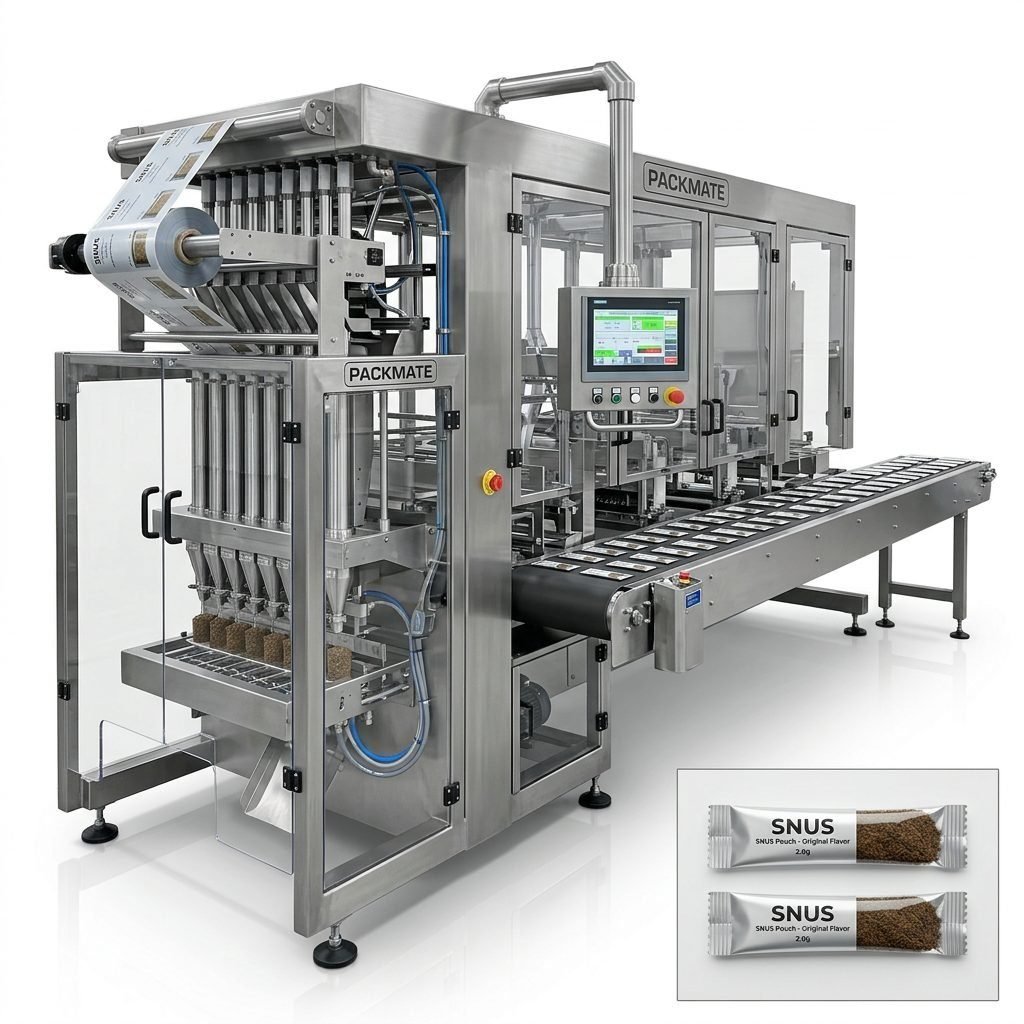
Choosing the right nicotine packaging machine in Ukraine requires more than comparing price tags. 🇺🇦 With growing demand for nicotine pouches and snus across Eastern Europe, Ukrainian manufacturers and entrepreneurs must weigh production capacity, local consumer habits, regulatory compliance, and long-term service support when investing in automated packaging lines. This guide walks you through the practical factors buyers must know to select a reliable, high-performance solution that fits Ukraine’s market realities.
🔍 Why Ukraine is a strategic market for nicotine pouch packaging
Ukraine’s nicotine market is shaped by regional tastes, seasonality, and language preferences. Consumers often expect clear Ukrainian (and sometimes Russian) labeling, flavor diversity (menthol, berry, herbal), and convenient single-dose formats. Additionally, manufacturers operating in Ukraine must consider logistics across varied climates—from humid ports near Odesa to colder inland warehouses—which can affect packaging integrity and storage.
Local preferences and customs
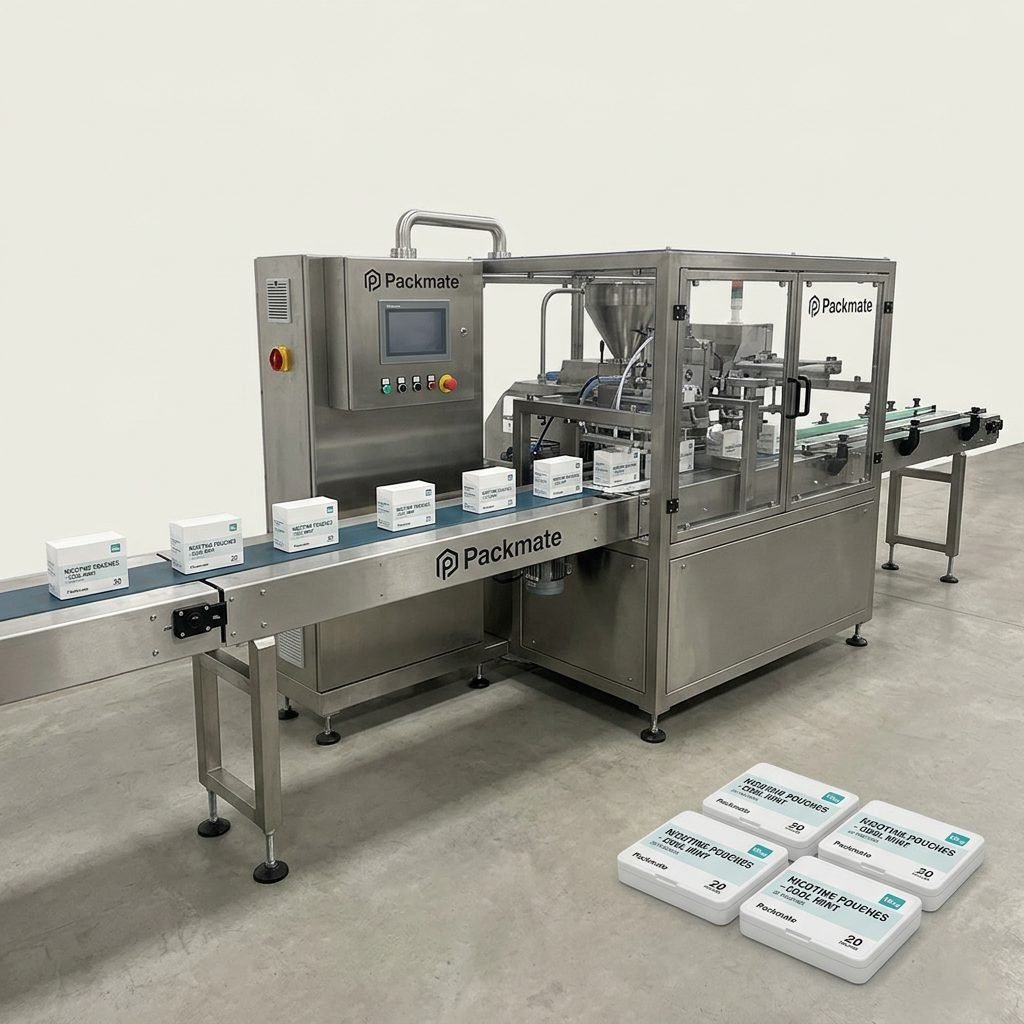
Ukrainian buyers often look for compact, discreet packaging suitable for on-the-go use. Retail display space and kiosk sales are common, so machines that produce small-dose sachets and multi-pouch cartons are in demand. It’s also common to supply both domestic retail and exports to nearby EU markets, so machines with flexible format changeover save time and money.
⚙️ Core factors to evaluate when selecting a nicotine packaging machine
1. Production capacity & multi-lane capability
Demand forecasts drive your capacity choice. For regional distribution in Ukraine, small to medium producers often benefit from multi-lane systems that multiply output without a proportional footprint increase. If you plan rapid volume growth or seasonal spikes, prioritize machines that offer scalable lanes and modular expansion.
2. Packaging formats and format flexibility
Nicotine pouches use multiple packaging formats: stick packs, sachets, flat pouches, and small cans. Choose equipment that supports the primary formats you need today and offers easy changeovers for new SKUs tomorrow. A machine family with 50+ models and customization options can be a key advantage if you expect product line diversity.
3. Filling accuracy & weight control
Precise dosing is critical for nicotine products. Overfills increase cost, while underfills risk regulatory issues and customer complaints. Confirm the machine’s weighing precision (e.g., multi-head or auger with real-time feedback) and whether it integrates with quality control systems that reject out-of-spec packs automatically.
4. Hygiene, materials & food-contact compliance
Even though nicotine pouches are not food, hygienic design matters. Look for stainless steel contact parts, sealed bearings, and easy-to-disassemble components for cleaning. Machines certified to CE and ISO standards simplify export paperwork and demonstrate compliance to Ukrainian and EU partners.
5. Automation, controls & Industry 4.0 readiness
Modern HMI, PLC controls, and remote diagnostic features reduce downtime and speed troubleshooting—important when factory technicians are not locally available. Seek systems that enable data logging for batch traceability and production analytics.
6. Ease of maintenance & spare parts availability
In Ukraine, having rapid access to spare parts or local service partners prevents prolonged stops. Evaluate the supplier’s spare parts inventory, lead times, and whether the vendor offers on-site commissioning and operator training in Ukrainian or Russian.
7. Energy efficiency & footprint
Energy costs and floor space are real operating expenses. Machines with compact footprints and optimized drives reduce utility bills and permit flexible factory layouts—helpful for small production sites typical in Ukraine.
8. Certification & regulatory compliance
Ensure machines meet international standards such as CE and ISO, which helps when exporting to the EU or meeting local regulator expectations. Certificates also reflect the manufacturer’s quality systems and reduce compliance risk.
Quick checklist (✔️):
Production rate, format flexibility, dosing accuracy, hygiene design, spare parts lead time, certifications, energy use, and service agreement.
🛠️ Practical features to request during demo & factory acceptance
When assessing vendors, ask for live demonstrations using your actual product formula or a close simulant. Request sample runs for different sachet sizes and multi-lane operation. Important acceptance items include run-time stability, seal integrity under Ukrainian climate conditions, changeover time between SKUs, and integration with upstream filling or downstream cartoning lines.
Trial production and sampling
Insist on machine acceptance tests and documented sampling. A reputable manufacturer will run pre-delivery tests and provide traceable data on filling accuracy and rejection rates.
Training and documentation
Operator and maintenance training is crucial. Confirm the vendor offers multilingual manuals and on-site training sessions. Local-language manuals (Ukrainian or Russian) reduce operator errors and speed adoption.
📦 Packaging machine types commonly used in Ukraine
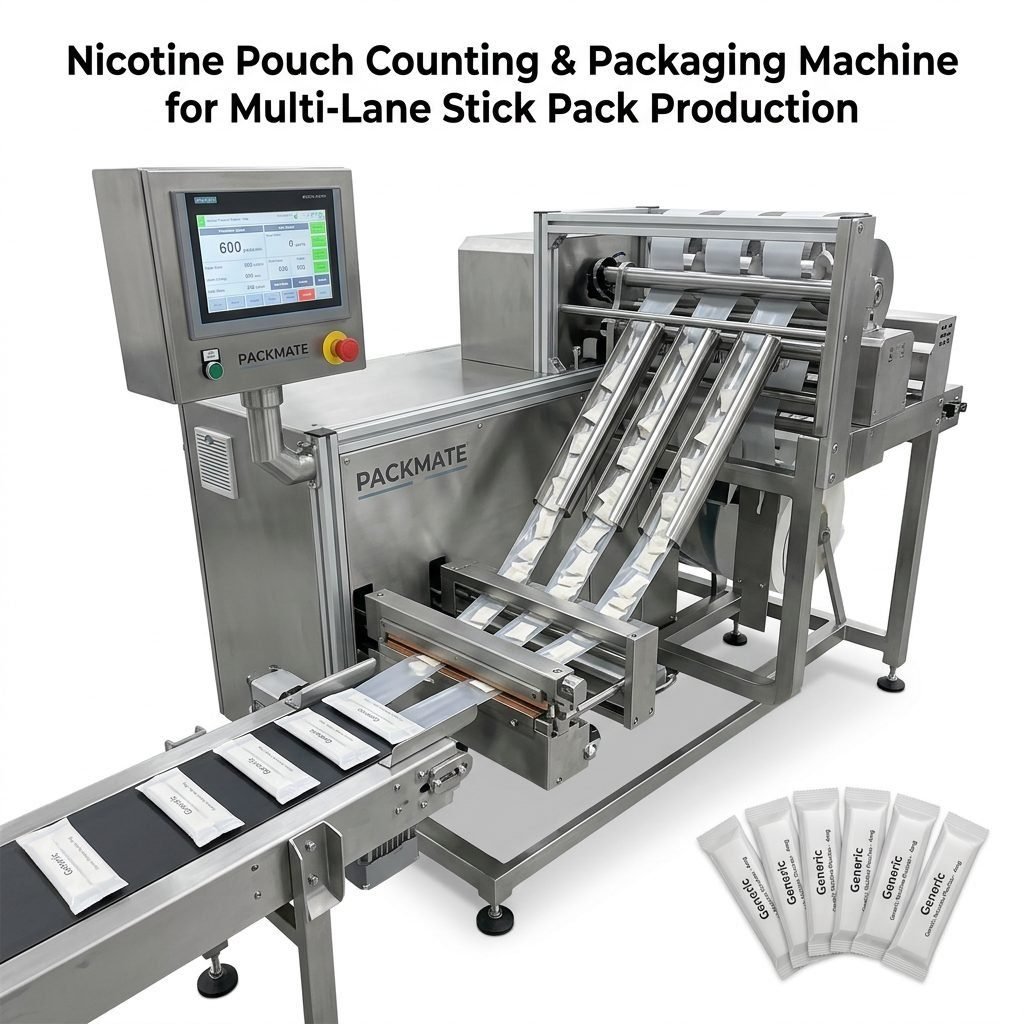
Popular formats include stick packs, sachets, multi-lane pouch systems, and pre-made pouch fillers. Each format has trade-offs: stick packs are economical for single-doses, sachets are versatile for sample packs, and multi-lane lines maximize throughput for high-volume producers.
Stick pack and sachet machines
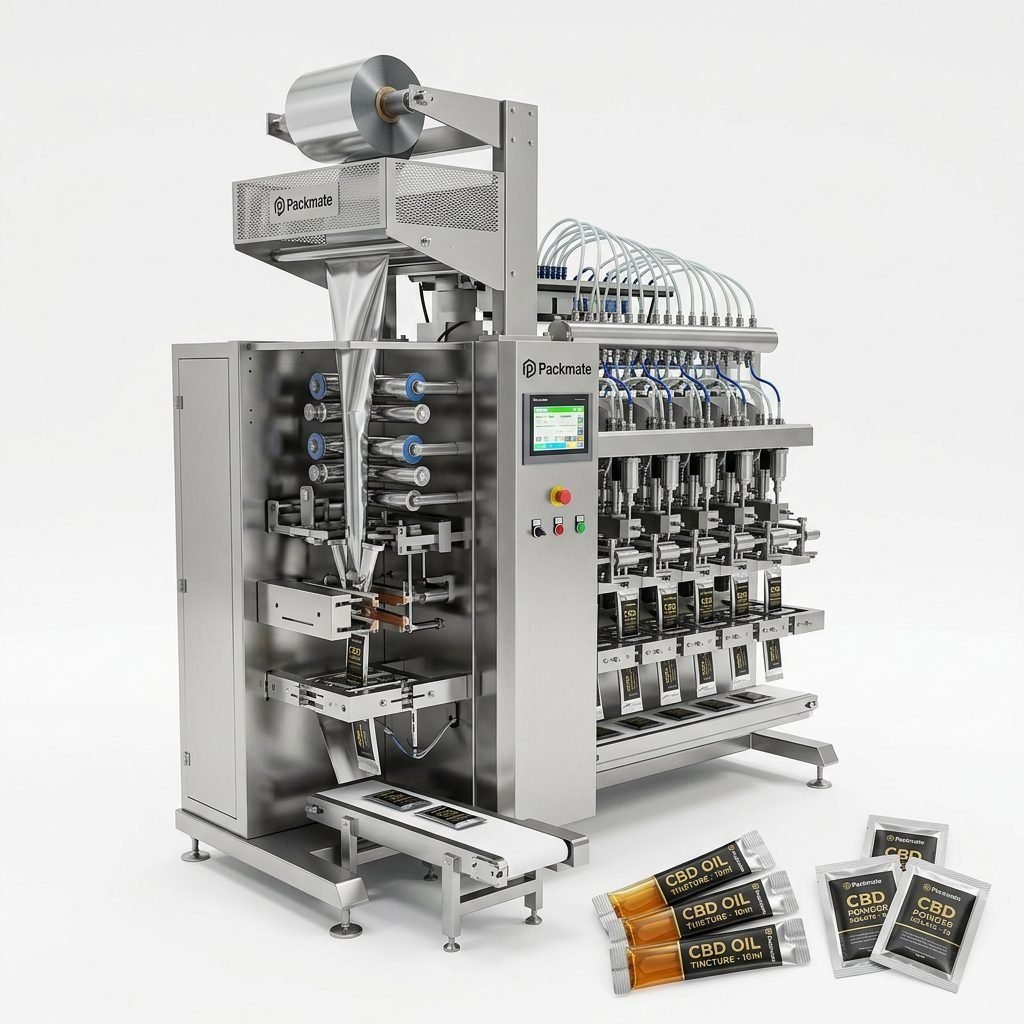
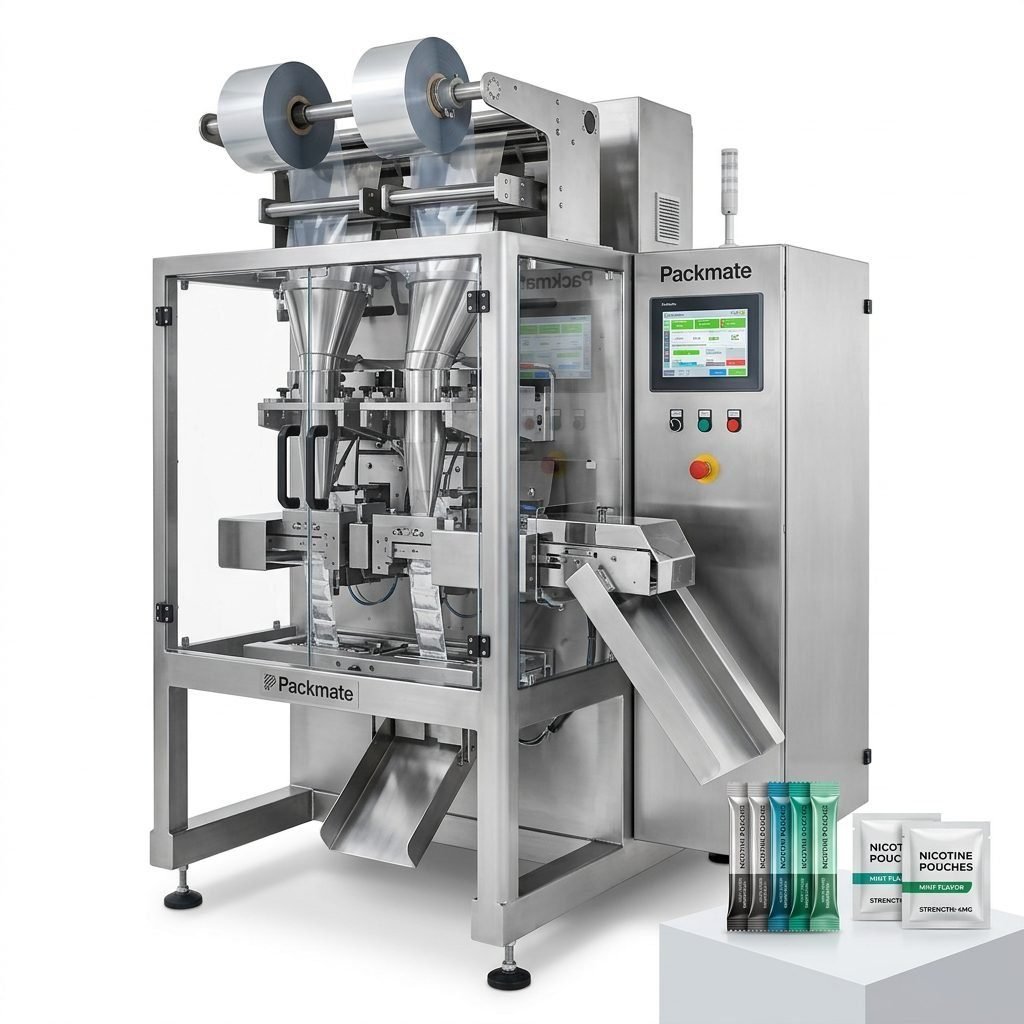
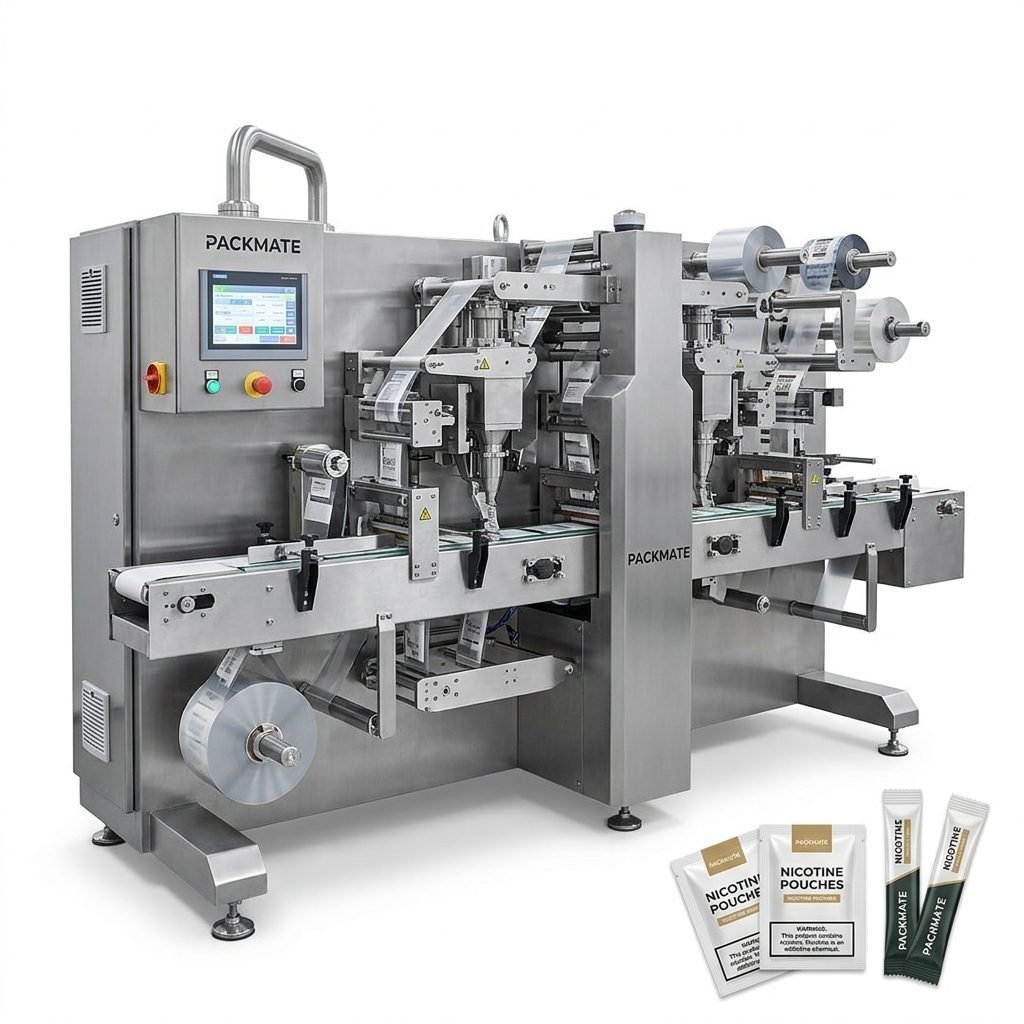
Stick pack machines are ideal for slim, single-dose sachets sold in bulk displays. Sachet machines support wider pouch formats with resealable options. Both types must ensure consistent sealing performance to prevent leakage and maintain shelf life.
Multi-lane pouch systems
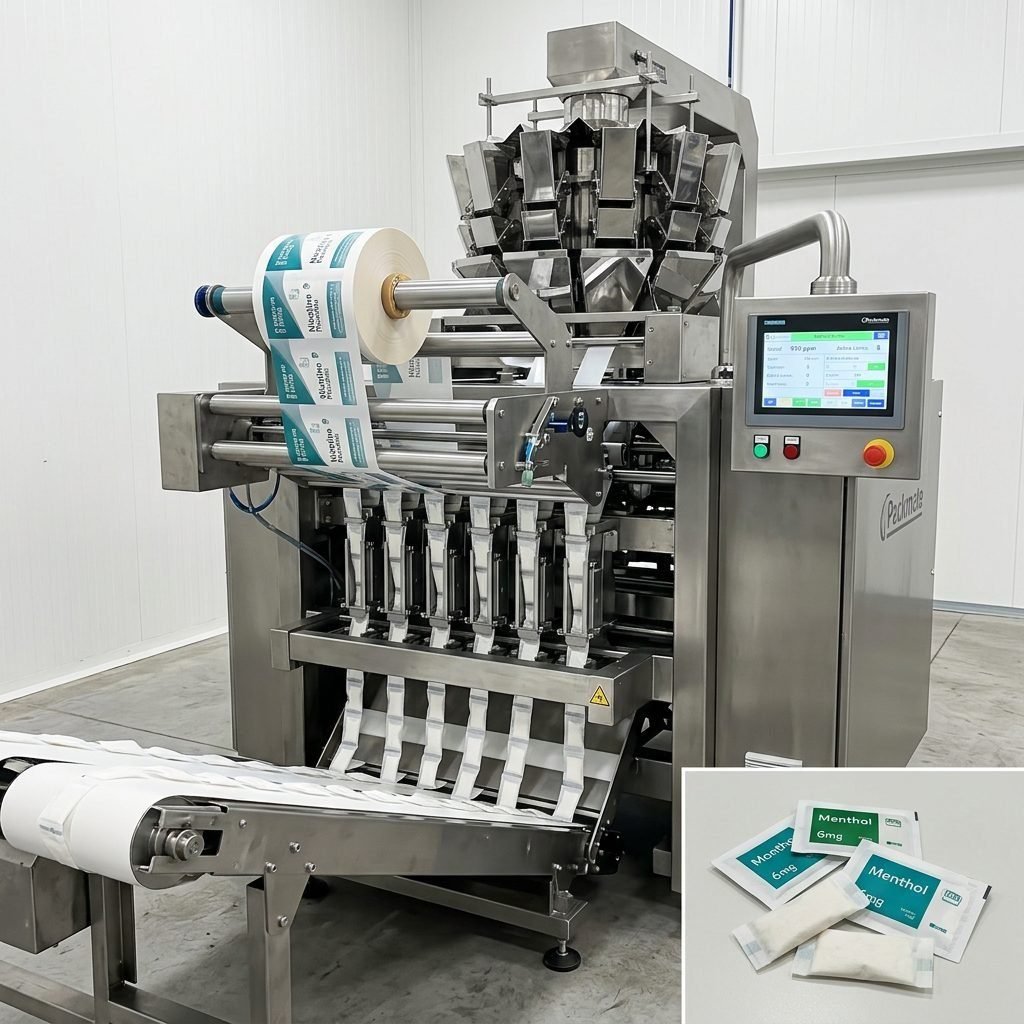
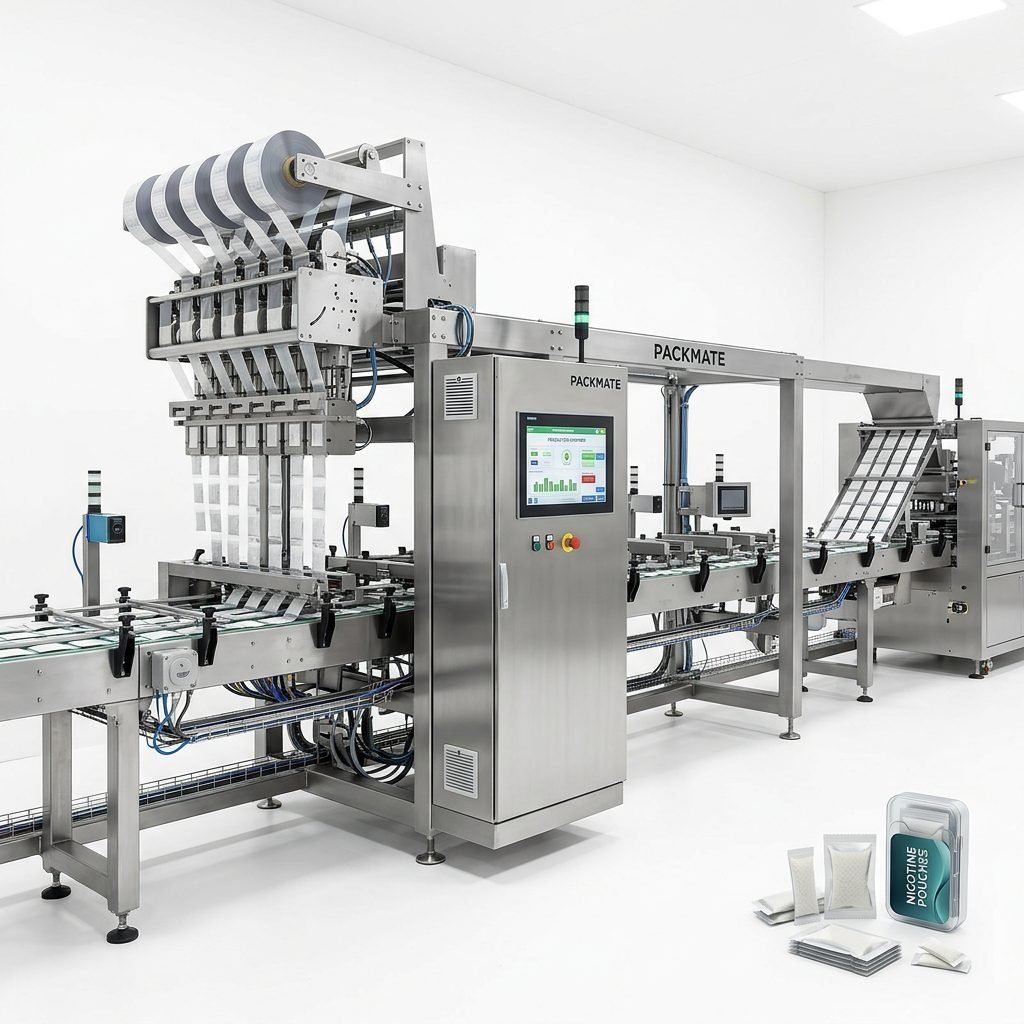
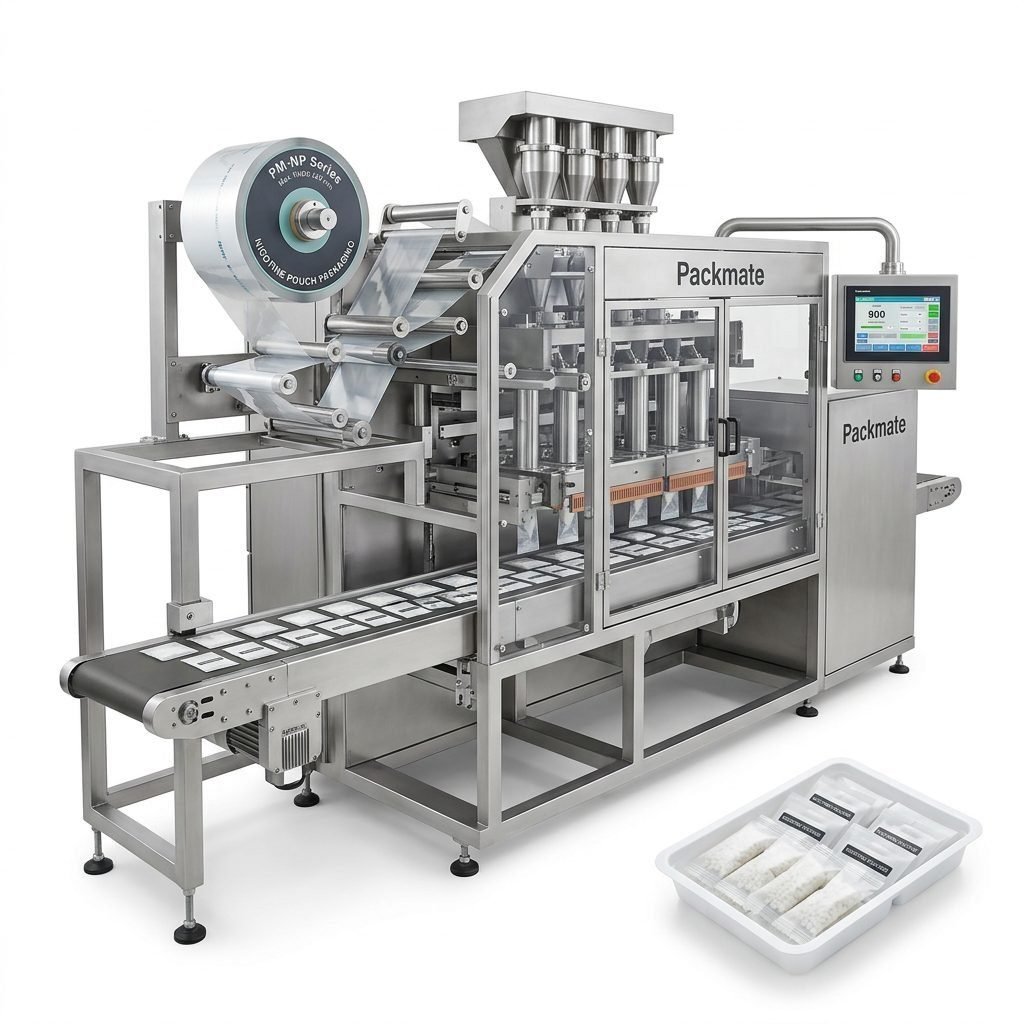
For manufacturers aiming to rival larger European producers, multi-lane systems enable parallel pouch production across several lanes—tripling or quadrupling output within the same footprint. Look for synchronized controls and lane balancing to prevent product loss.
🏭 Why factory strength and manufacturer history matter
A manufacturer’s engineering depth, workshop scale, and longevity often predict product reliability. For example, Packmate Snus Machine brings 30+ years of experience, a 20,000㎡ facility with advanced CNC machining, and more than 50 machine models. Choosing such a supplier reduces risk: proven design practices, tested multi-lane solutions, and robust spare-part systems.
Learn more about available machine categories and technical specs at the manufacturer’s product pages: Snus & Nicotine Packaging Machines and Sachet & Stick Pack Machines.
🤝 After-sales service and local partnerships in Ukraine
Reliable after-sales service is critical. Confirm whether the supplier provides remote diagnostics, spare-part kits, service contracts, and local partners or certified technicians who can respond quickly in Ukraine. If onsite visits are required, verify logistics support for export and import clearances.
Warranty, spare parts & long-term support
Check warranty terms and spare parts availability. A manufacturer with global turnkey experience and exhibition presence is more likely to maintain spare inventories and offer training: see the supplier’s profile at About Packmate and real-world implementations at Case.
Service tip:
Negotiate a service level agreement (SLA) that covers response times for critical components and includes remote troubleshooting to minimize downtime in Ukraine’s regions.
💡 Cost, ROI and total cost of ownership
Initial purchase price is only part of the equation. Calculate the total cost of ownership including installation, training, spare parts, energy, and expected yield (rejects and rework). Machines that reduce material waste, speed changeovers, and minimize labor often deliver faster ROI—even when their capital cost is higher.
✅ Final selection checklist before signing a contract
Before you commit, ensure the supplier provides:
- Detailed technical specification and power/air requirements
- Sample production runs and documented acceptance criteria
- Clear warranty, spare parts list, and lead times
- Training plan and multilingual documentation
- References or case studies from similar markets
For technical consultations and custom turnkey solutions, manufacturers with dedicated packaging lines and global export experience—like Packmate Snus Machine—can provide tailored options. Explore their full offering including weighing systems and auxiliary equipment at Weighing & Packaging Systems and Auxiliary Packaging Equipment.
📌 Practical next steps for Ukrainian buyers
1) Define your production goals and preferred formats. 2) Shortlist vendors with multi-lane experience and CE/ISO certification. 3) Arrange on-site demonstrations with your product. 4) Confirm local-language documentation and service options. 5) Negotiate delivery, installation and training terms.
❗Conclusion
Investing in the right nicotine packaging machine in Ukraine means balancing production needs, regulatory compliance, and long-term service support. Prioritize vendors with proven engineering experience, multi-format flexibility, spare-part readiness, and transparent acceptance testing. With the right partner, you can build a scalable, efficient packaging line that meets both local and export market demands.
Frequently Asked Questions
Q1: How important is multi-lane capability for Ukrainian production?
A1: Multi-lane systems significantly increase output without proportionally increasing footprint—ideal if you need to serve both domestic and export markets. They are especially valuable when demand can spike seasonally.
Q2: Do I need EU certifications to sell nicotine pouches in Ukraine and neighboring countries?
A2: CE and ISO certifications are not always mandatory for domestic sales, but they simplify cross-border trade and demonstrate quality. Certifications also help with retailer acceptance and regulatory inspections.
Q3: What support should a supplier provide for installation and training?
A3: The supplier should provide on-site commissioning, operator and maintenance training, supply of spare parts for initial months, and multilingual documentation. Remote diagnostics and an SLA for response times are highly recommended.
Q4: How can I test a machine before purchase?
A4: Request a factory acceptance test (FAT) with your product or a valid simulant. A reputable supplier will run sample production and provide measurable acceptance criteria such as fill accuracy, seal strength, and rejection rates.
Q5: Where can I find trusted suppliers and more information?
A5: Review manufacturer profiles, case studies, and product pages to compare solutions. For example, visit the supplier’s contact and service resources at Contact Us and check their FAQs at FAQs for typical buyer questions.