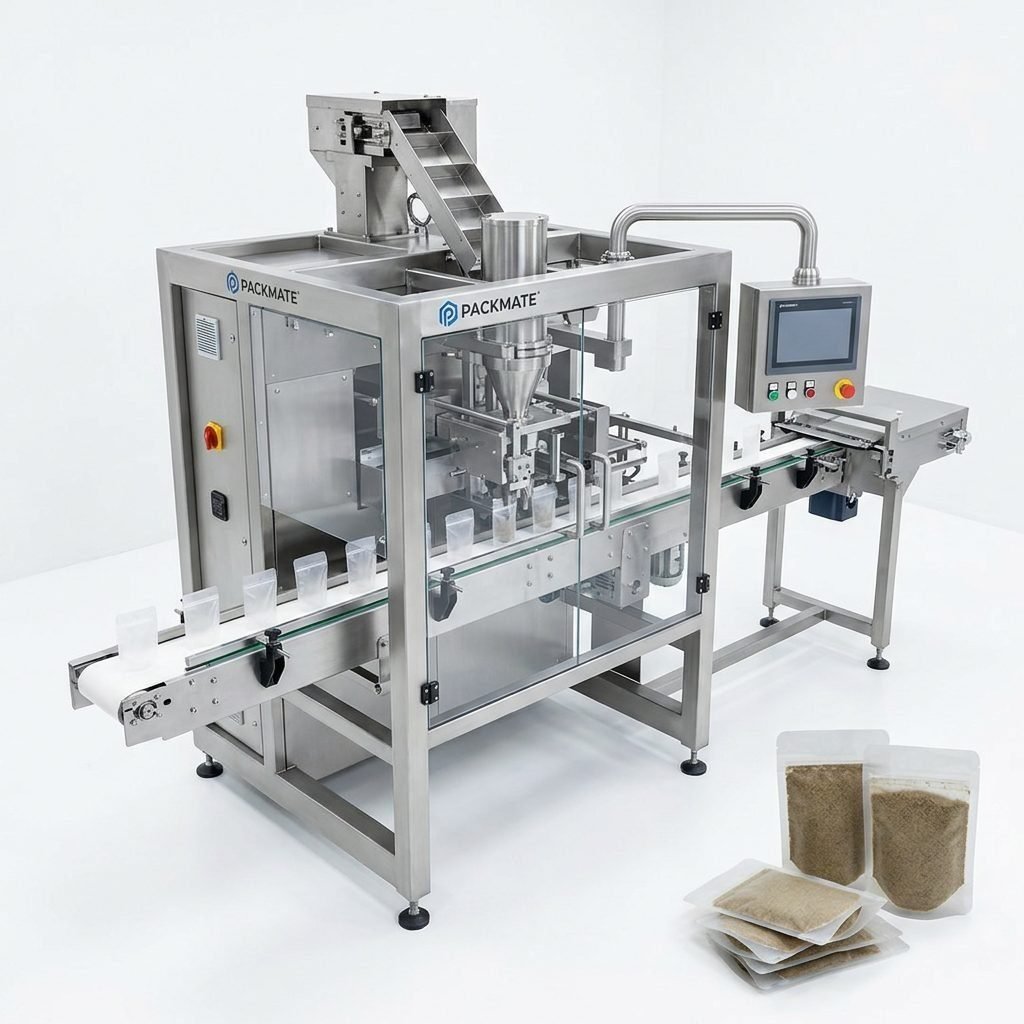
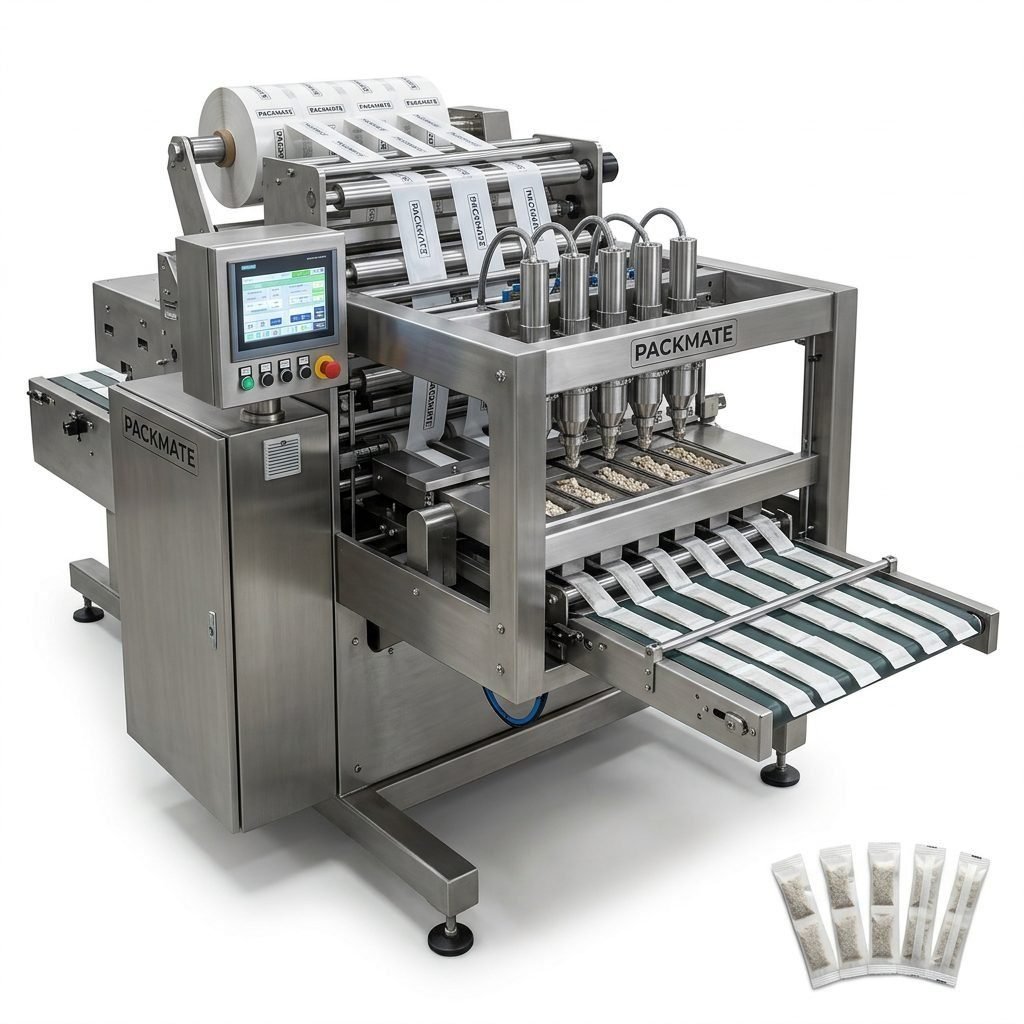
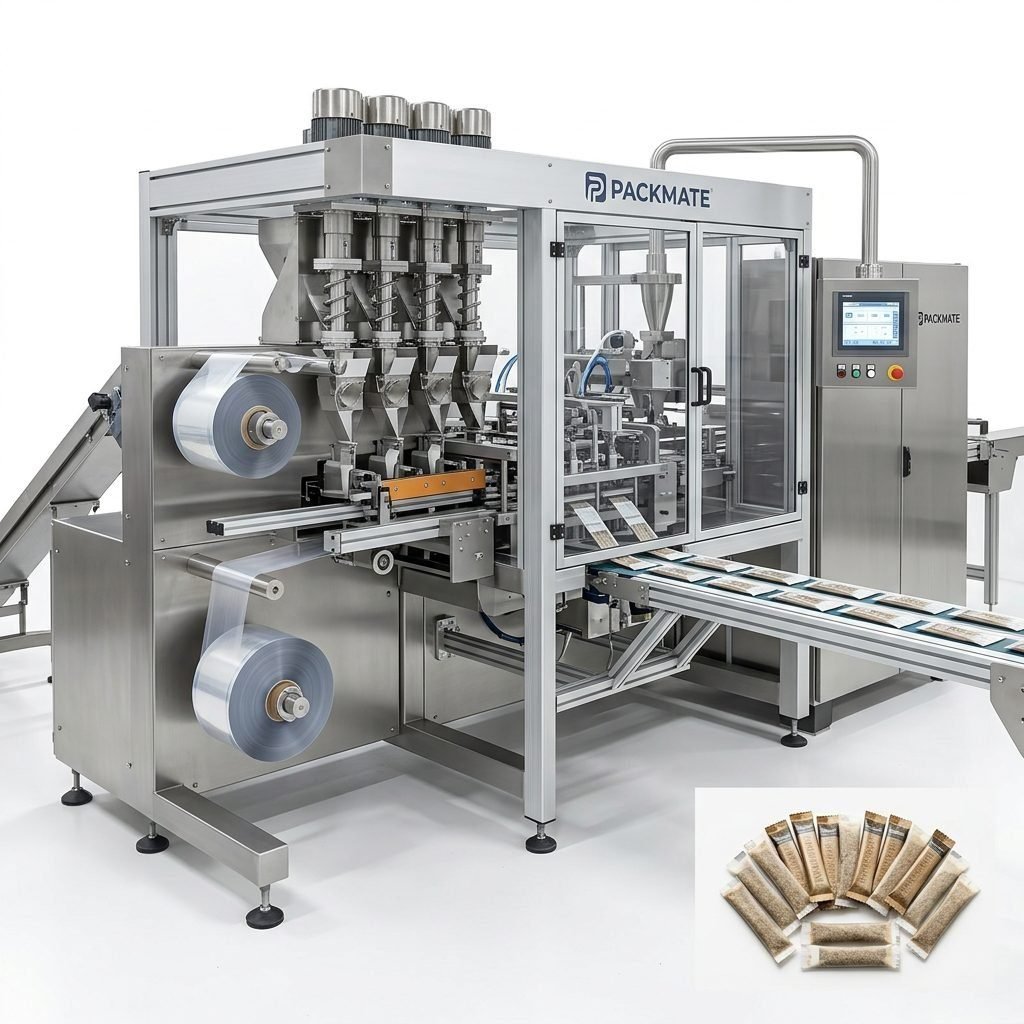
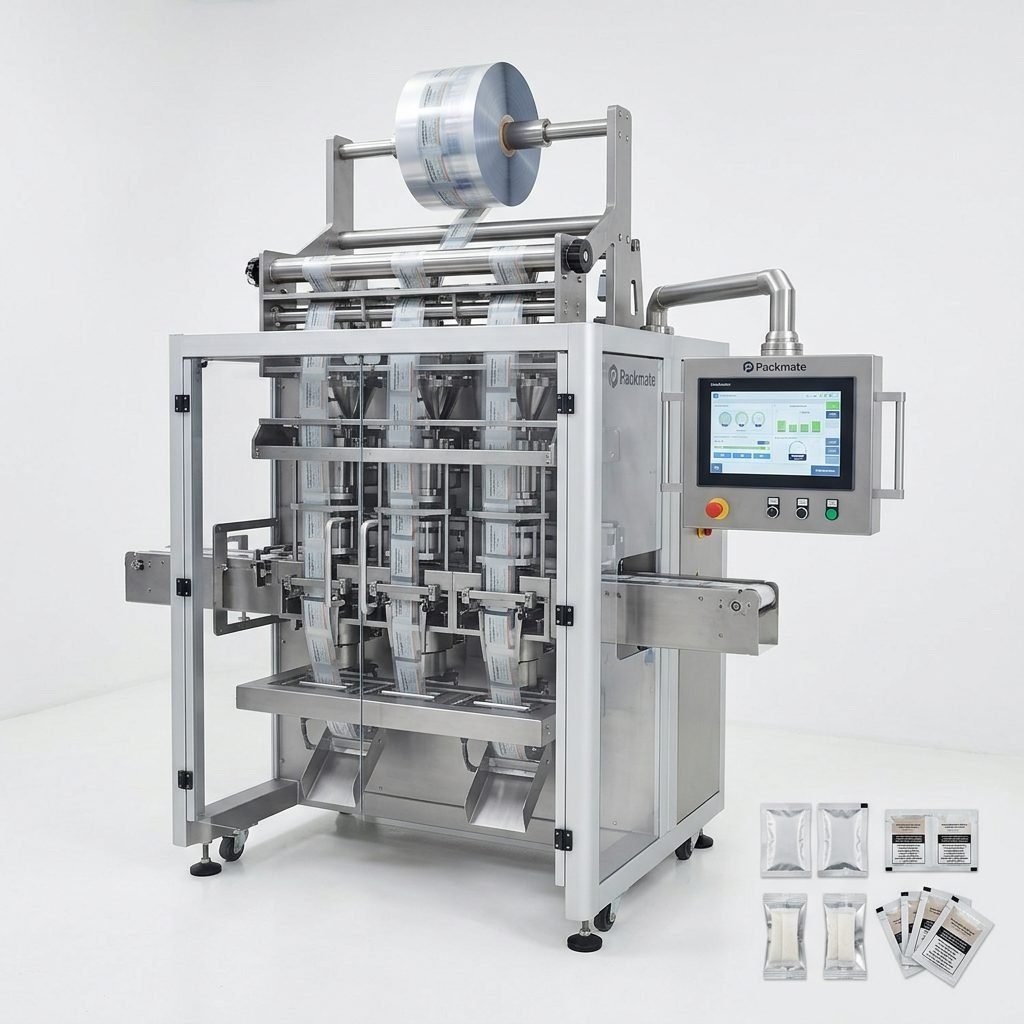
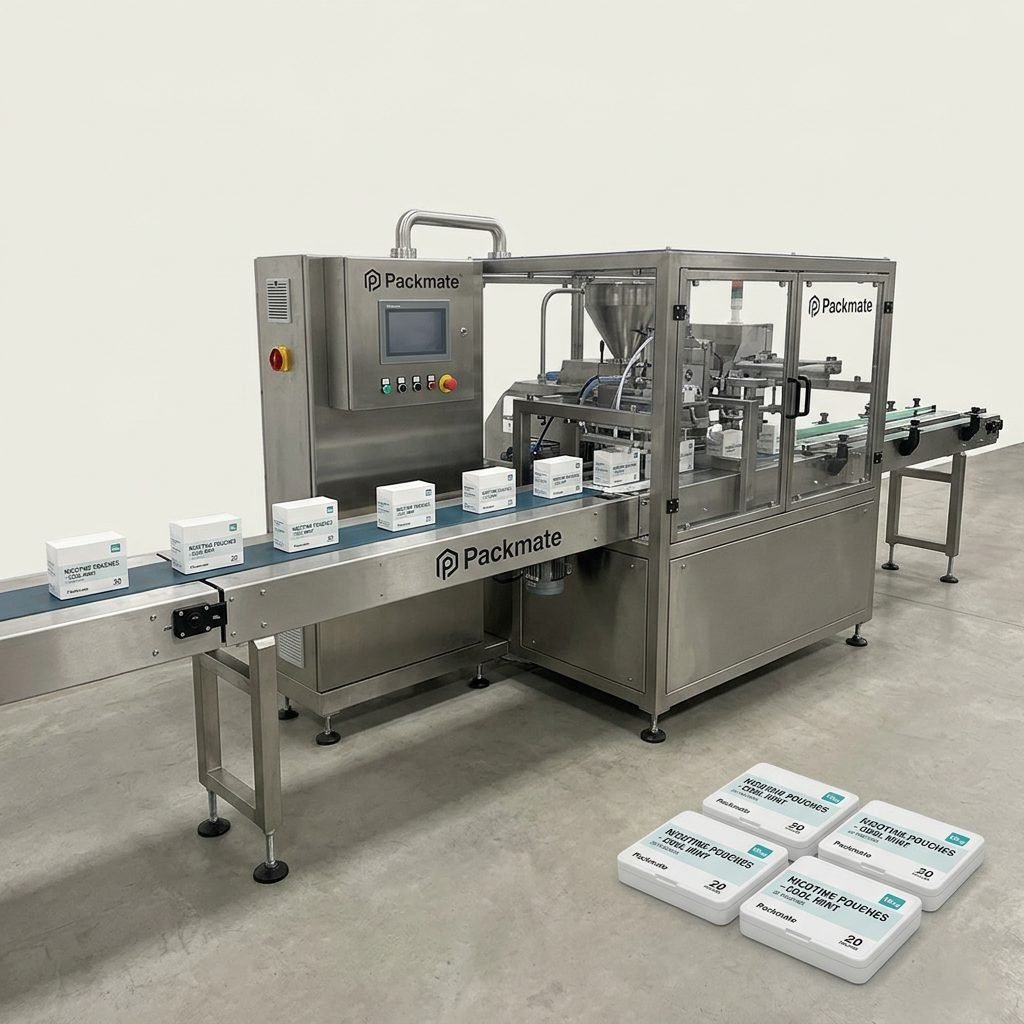
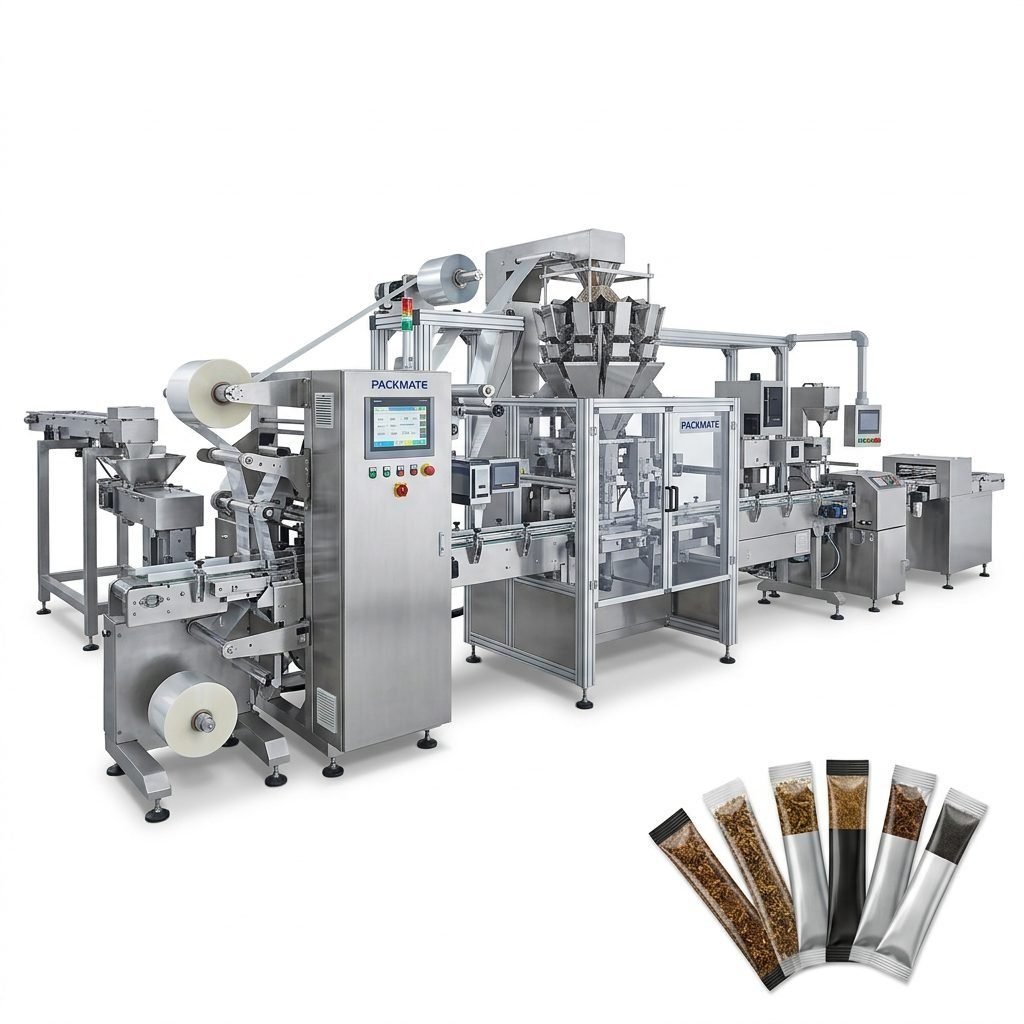
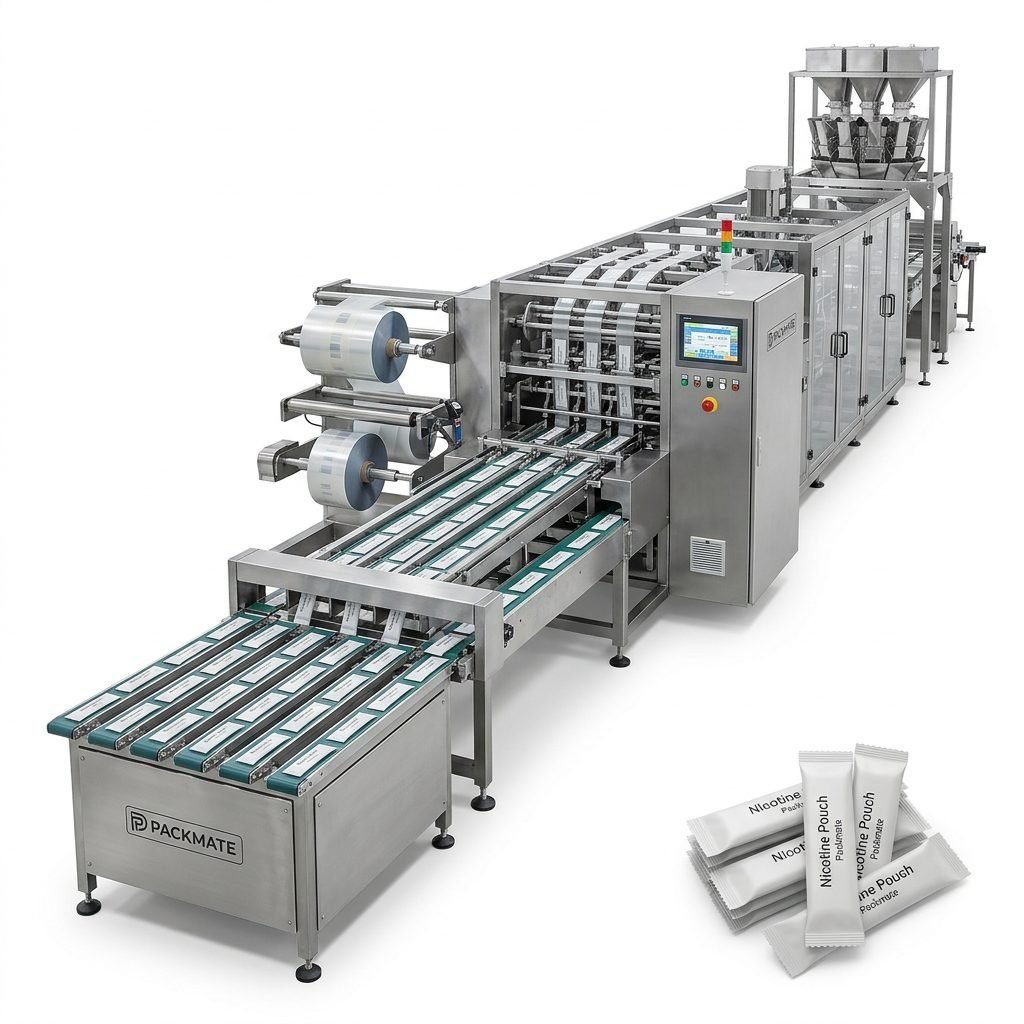
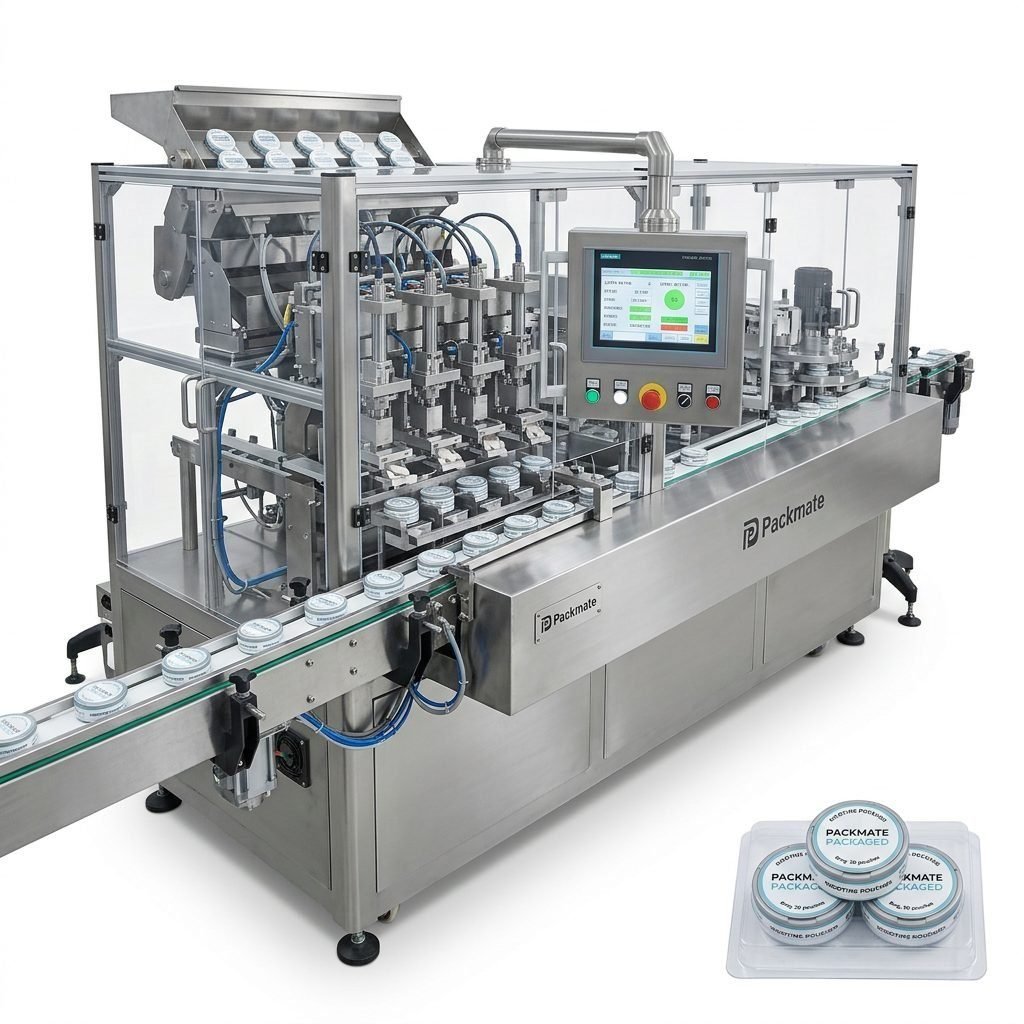
Choosing the right nicotine packaging machinery for a production line in Bhutan requires a clear understanding of product formats, regulatory constraints, production targets, and local after-sales support. This guide walks production managers, procurement teams, and plant engineers through practical steps to evaluate machines, compare vendors, and design an efficient, compliant packaging line for nicotine pouches and related products.
Market context in Bhutan and why the right machine matters
Bhutan’s manufacturing sector is evolving, and companies entering nicotine pouch packaging face unique challenges: small-batch trials for market acceptance, strict import requirements, and varying consumer formats. Selecting an adaptable, reliable packaging line reduces downtime and ensures fast time-to-market. A machine that handles multiple pouch sizes, offers stable dosing, and supports hygienic operation will drive ROI while maintaining regulatory compliance.
Core selection criteria: what to evaluate first
Before reviewing specific models, assess these critical selection factors:
✔️ Production capacity — How many sachets/pouches per minute do you need during peak shifts?
✔️ Product format flexibility — Can the machine handle nicotine pouches, snus, stick packs, or multi-lane outputs?
✔️ Automation level & integration — Do you require a standalone machine or a fully integrated filling + weighing + packaging line?
✔️ Regulatory & safety compliance — Ensure CE/ISO or equivalent certifications for import and operational safety.
✔️ Serviceability and spare parts availability — Local or regional support shortens downtime.
⚠️ Quick tip: If you expect frequent product changes or small-batch runs, prioritize machines with tool-less changeovers and digital recipe storage. This reduces setup time significantly and preserves product consistency.
Production capacity and speed considerations
Production targets drive machine specification. For new operations in Bhutan, estimate daily and monthly volumes and factor in seasonality. Matching machine throughput to your packaging workflow reduces bottlenecks:
– For trial/entry-level production: machines that run 40–120 pouches/min are common.
– For mature operations or contract manufacturing: consider multi-lane systems that scale to 300–1,000+ pouches/min.
Important: available floor space, utilities, and operator staffing affect achievable output more than theoretical machine max speed.
Machine uptime and reliability
Choose proven designs with robust mechanical parts and a clear preventive maintenance schedule. Ask vendors for MTBF (mean time between failures) and typical uptime numbers from similar customers. Machines with fewer custom components often mean easier access to spares and simpler repairs.
Packaging formats and machine versatility
Nicotine products come in multiple styles: round or oval pouches, sachets, stick packs, and multi-pouch trays. Prioritize a line that supports the formats you plan to sell today and can be adapted for tomorrow. Modular machines and interchangeable tooling allow versatile production without large capital reinvestment.
Consider reviewing specific equipment categories: Snus & Nicotine Packaging Machines, Sachet & Stick Pack Machines, or modular Filling & Packaging Lines for integrated setups.
Design note: Multi-lane pouch machines are ideal for high-volume producers; single-lane machines offer lower capital cost and fast format changes for niche products.
Automation, integration and Industry 4.0 features
Automation reduces labor costs and error rates. Evaluate:
⚙️ Recipe management and HMI touchscreens for quick recall of machine settings.
⚙️ Integration with weighing and filling systems to maintain accurate nicotine dosing per pouch.
⚙️ Remote diagnostics and data logging to monitor performance and support predictive maintenance.
Connectivity and reporting
If you manage multiple lines or plan to scale, ask about OPC-UA, MES compatibility, and cloud-based monitoring. These features make quality traceability and production optimization much easier.
Compliance, hygiene, and certifications
Nicotine products require strict handling protocols. Verify the machine design supports:
✔️ Easy-to-clean surfaces and food-grade contact materials where applicable.
✔️ Guarding and safety interlocks to meet CE/ISO standards for export and local operation.
✔️ Accurate dosing systems to ensure product consistency and regulatory labeling accuracy.
Check certifications and request documentation from the vendor—clear paperwork accelerates import processes into Bhutan and reassures local regulators and partners.
After-sales support, spare parts and training
Local or regional technical support reduces downtime. Evaluate a supplier on:
• Availability of spare parts and typical delivery lead times to Bhutan.
• Training packages for operators and maintenance staff.
• Remote support options and documented maintenance schedules.
Vendor checklist: Ask for case studies and references — a supplier with proven global installations and exhibition presence often indicates mature production and reliable support. See examples under Case and Our Exhibition.
Total cost of ownership (TCO) beyond the machine price
When comparing quotes, consider:
– Installation and commissioning costs
– Shipping, import duties, and customs clearance in Bhutan
– Local civil works and utilities upgrades (compressed air, power, drainage)
– Warranty terms, spare parts pricing, and training commitments
A slightly higher initial cost can be justified by lower downtime, reduced scrap, and lower lifetime maintenance if the machine is robust and well-supported.
Selecting the right vendor: evaluation checklist
Use this practical checklist when comparing vendors:
1. Engineering experience — How many years and how many models do they supply?
2. Factory capability — Do they have CNC machining, precision assembly, and testing labs?
3. Customization — Can they deliver turnkey lines tailored to nicotine pouch specifics?
4. Certifications — Ask for CE, ISO documentation and safety test records.
5. References — Request references from clients in similar markets or product categories.
Packmate Snus Machine, for example, emphasizes 30+ years of engineering experience, a 20,000㎡ factory footprint, and over 50 machine models — attributes that often matter to buyers seeking reliable long-term partners. Learn more About Packmate.
Installation planning and factory layout tips
Plan the layout before machine arrival. Key points:
• Allocate additional space for maintenance access around machines.
• Route utilities (air, power, vacuum) with future expansion in mind.
• Design ergonomic operator stations and material flow to minimize handling.
Layout reminder: Reserve space for auxiliary equipment such as weighing systems or conveyors. See auxiliary options at Auxiliary Packaging Equipment.
Commissioning, training and performance validation
Comprehensive commissioning includes mechanical setup, electrical verification, process validation, and operator training. Require the supplier to run performance validation using your actual product (or a representative sample) to confirm line yield, dosage accuracy, and packaging integrity before acceptance.
Training scope
Operators should be trained on daily changeovers and troubleshooting; maintenance staff need preventive procedures, spare part list familiarity, and basic PLC/HMI fault resolution.
Why choose an experienced manufacturer
Manufacturers with decades of experience and a range of models provide advantages: optimized mechanical design, tested automation logic, clear spare parts supply chains, and proven global references. They also understand regulatory variations and can help with export documentation for Bhutanese customers.
Explore product categories and technical specs to narrow choices: Bag & Pouch Packaging Machines, Weighing & Packaging Systems.
Final selection advice: Visit the supplier if possible, watch live demos, and request a factory acceptance test (FAT) to confirm the machine meets your specs before shipment.
Next steps for buyers in Bhutan
1. Define your product specs, batch sizes, and target outputs. 2. Shortlist 2–3 vendors and request detailed proposals including OEE expectations. 3. Visit or request FAT, check references, and confirm spare parts lead times. 4. Plan factory layout and utility upgrades. 5. Negotiate commissioning, training, and spare part kits in the contract.
Where to get more information and supplier contact
For product details, technical specifications, and to discuss turnkey solutions, contact established equipment manufacturers and view their catalogs and certificates. See Catalog, Certificate, or reach out via Contact Us.
Selecting the right nicotine packaging machinery in Bhutan combines clear production planning, careful vendor evaluation, and attention to regulatory and service details. With the right partner and specifications, you can build a flexible, efficient, and compliant packaging line that scales with your business.
Frequently Asked Questions
Q1: How do I estimate the right machine speed for my needs?
A1: Start with projected daily output and working hours, then include yield losses and downtime buffers. Discuss product line scenarios with the vendor to match machine throughput realistically.
Q2: What certifications should I request from a packaging machine supplier?
A2: At minimum, request CE and ISO certificates. For nicotine products, validate material compatibility, safety guards, and electrical standards relevant to your import and operational region.
Q3: Can I start with a single-lane machine and upgrade later?
A3: Yes. Many suppliers design modular systems that allow adding lanes or integrating upstream filling/weighing modules as demand grows. Ensure the initial layout reserves space and utilities for future upgrades.
Q4: How important is on-site training and commissioning?
A4: Critical. Proper commissioning verifies performance with your product and trains your team to operate and maintain the line, significantly reducing early-life failures and production losses.
Q5: What support should I expect after purchase?
A5: Expect spare parts kits, remote diagnostics, preventive maintenance schedules, and guaranteed response times for critical issues. Confirm these details in the purchase agreement.