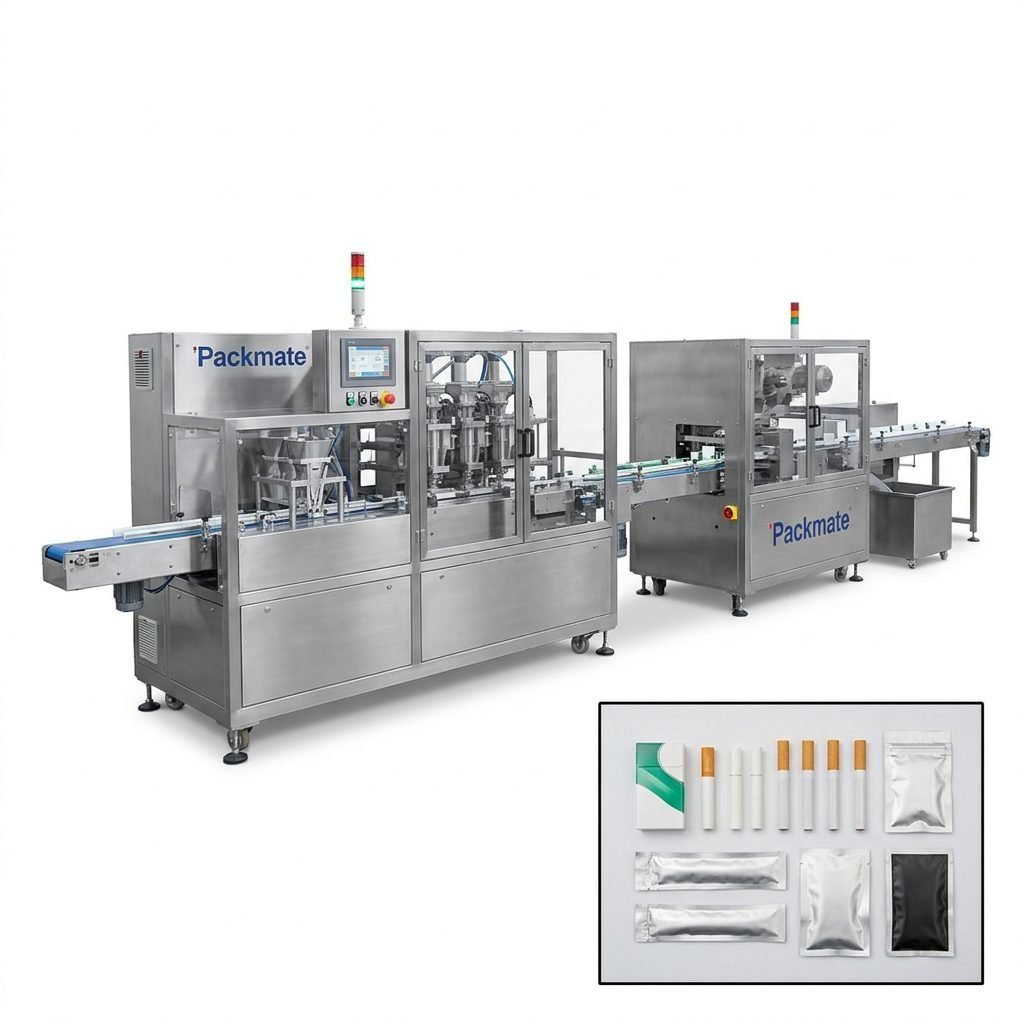
In this comprehensive video guide we walk through how modern snus packaging machines operate and how they deliver measurable production gains. Whether you are evaluating a new line for nicotine pouches, snus, sachets, or multi-lane stick pack systems, this article breaks down machine components, workflow sequences, automation features, troubleshooting tips, and commercial benefits so you can assess the right solution for your factory.
Video Overview: What You Will See
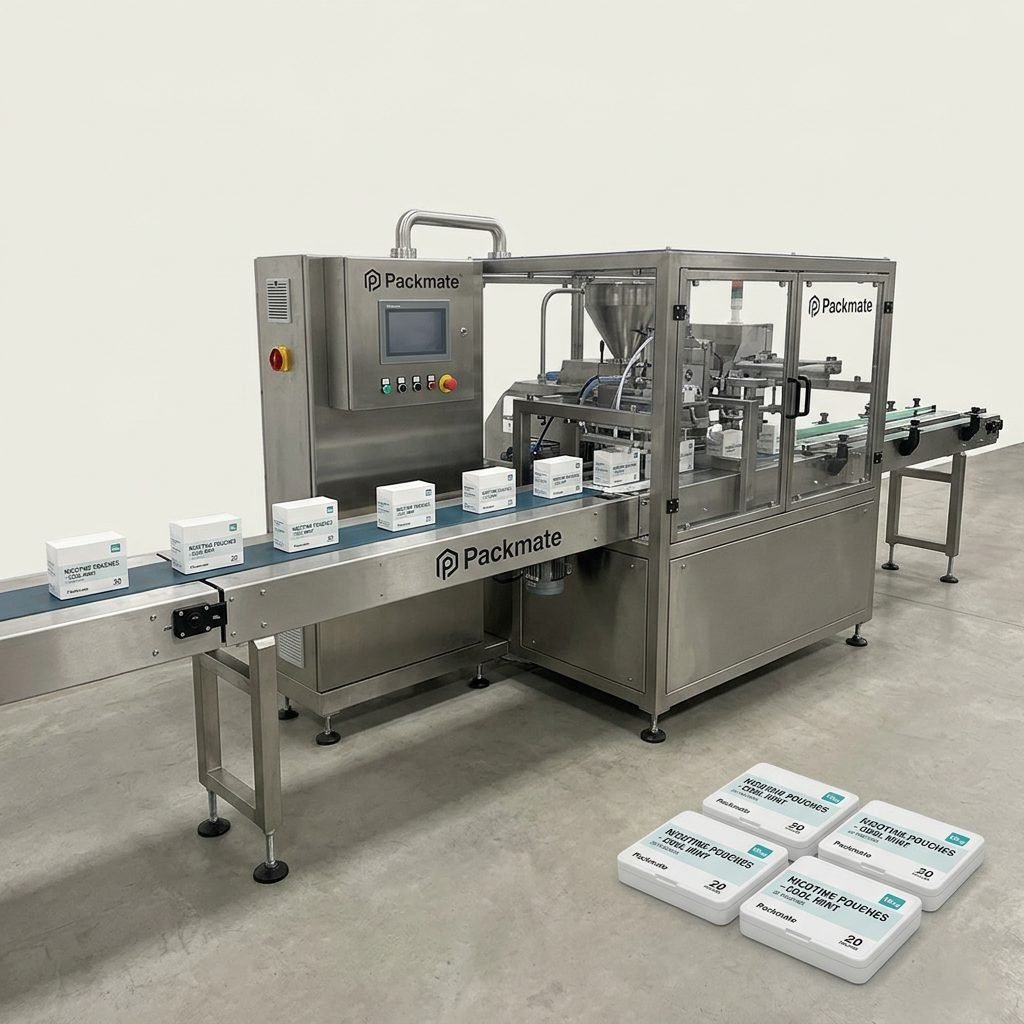
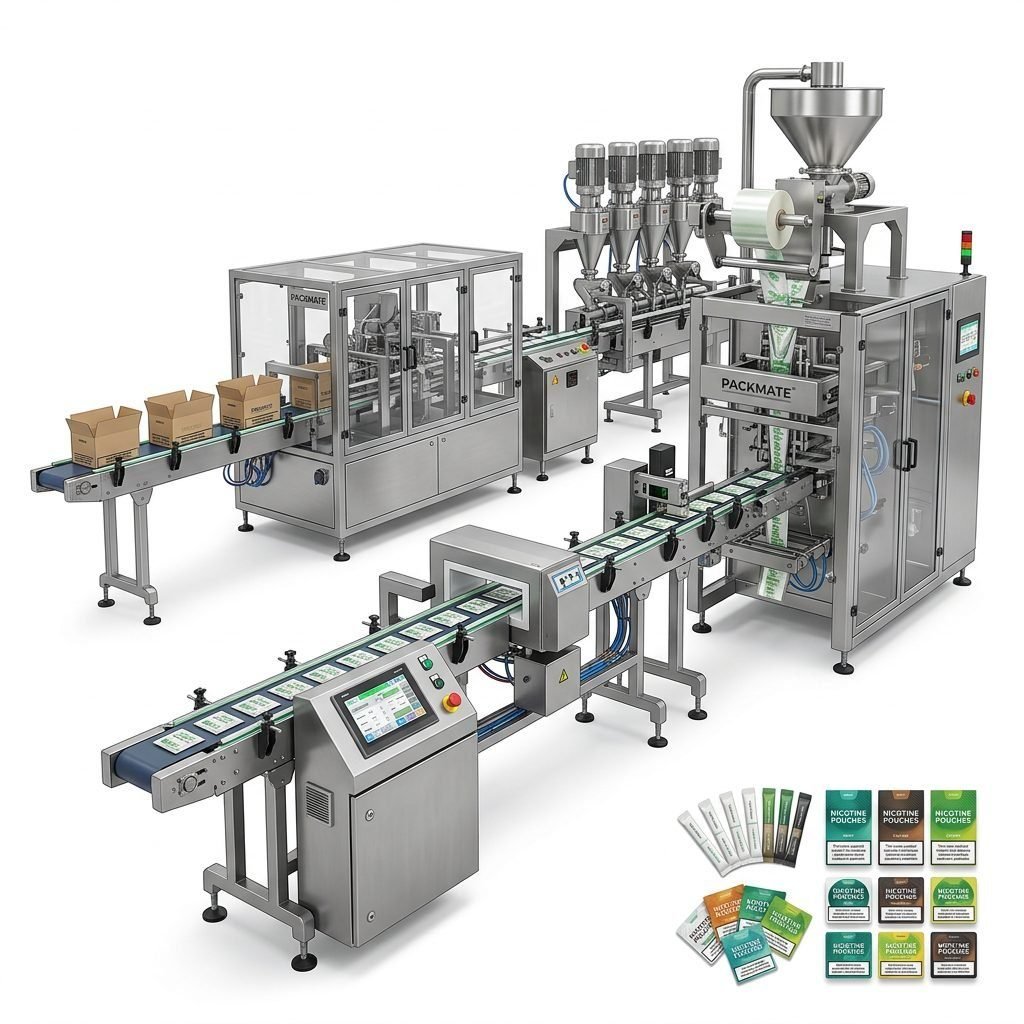
The video segments typically begin with a full-line overview, followed by close-ups of key modules: the feeding system, dosing and weighing stations, pouch forming and sealing stations, date coding and inspection points, and finally the discharge and packaging conveyor. Look for high-resolution clips that show synchronous motion, speed transitions, and digital HMI screens controlling batch sizes and lane balance. A quality demo will also include audible cues for alarms and brief interviews with operators highlighting setup times.
Why Watch the Video First?
Watching a detailed demo video saves time and clarifies how theoretical specs translate into real operations. You can observe critical dynamics — how the machine handles small-dose pouches, lane-to-lane consistency, and how gentle the product handling is for delicate contents. Videos also reveal build quality, cable routing, and safety guarding that pictures or spec sheets might omit.
Core Components and How They Work
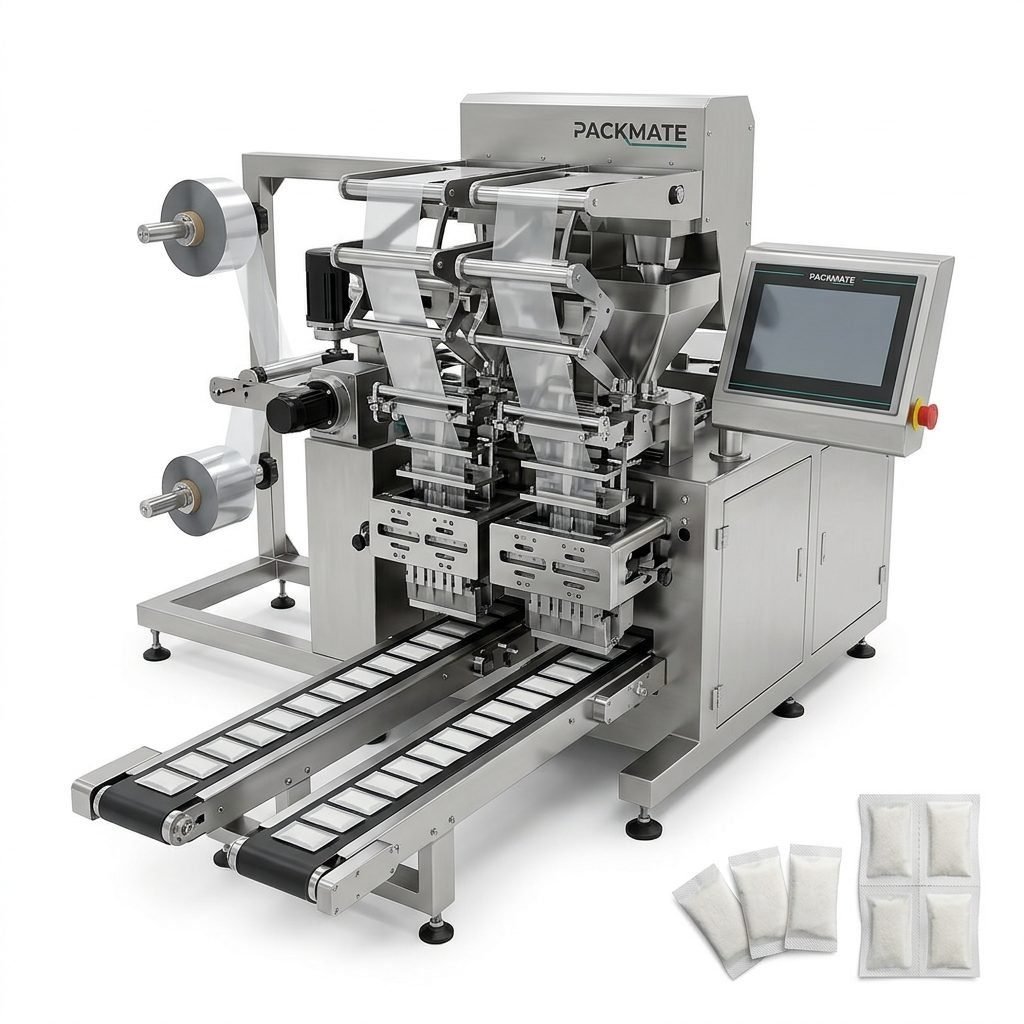
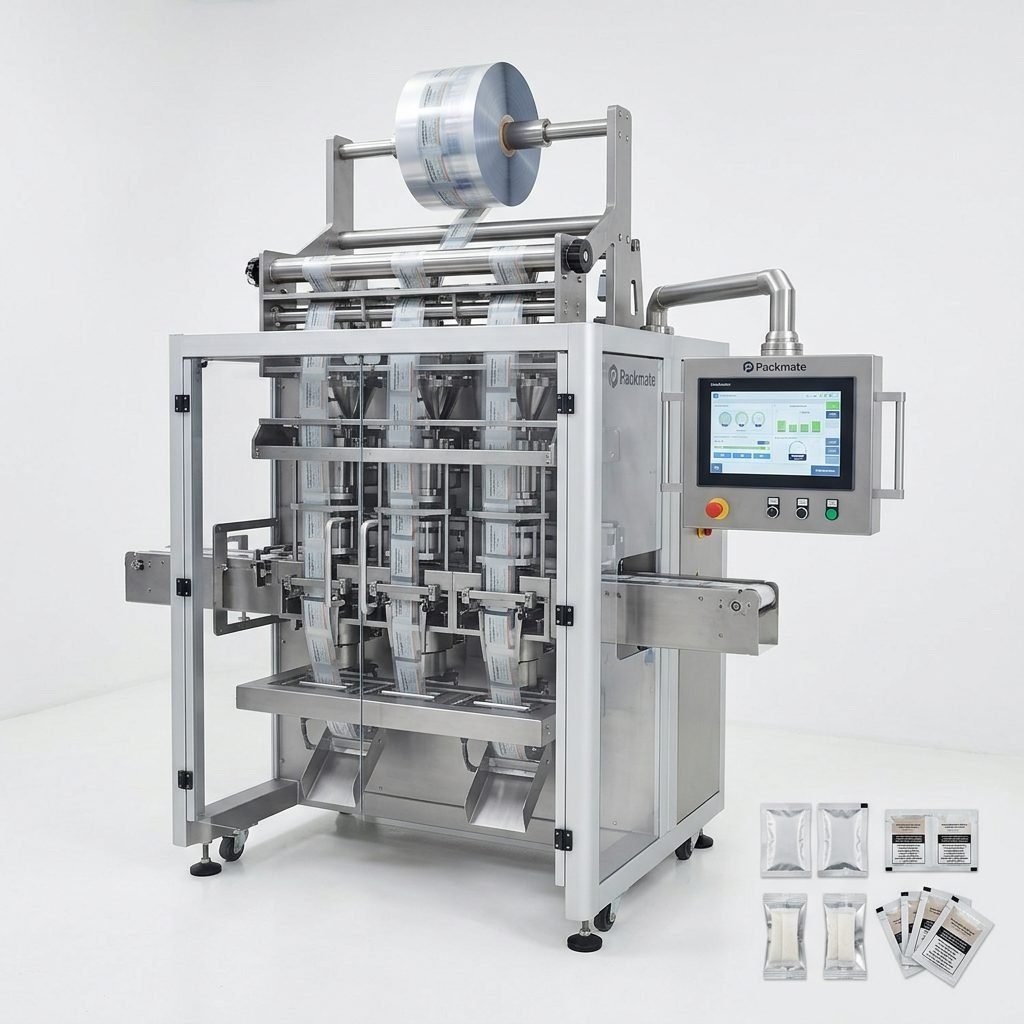
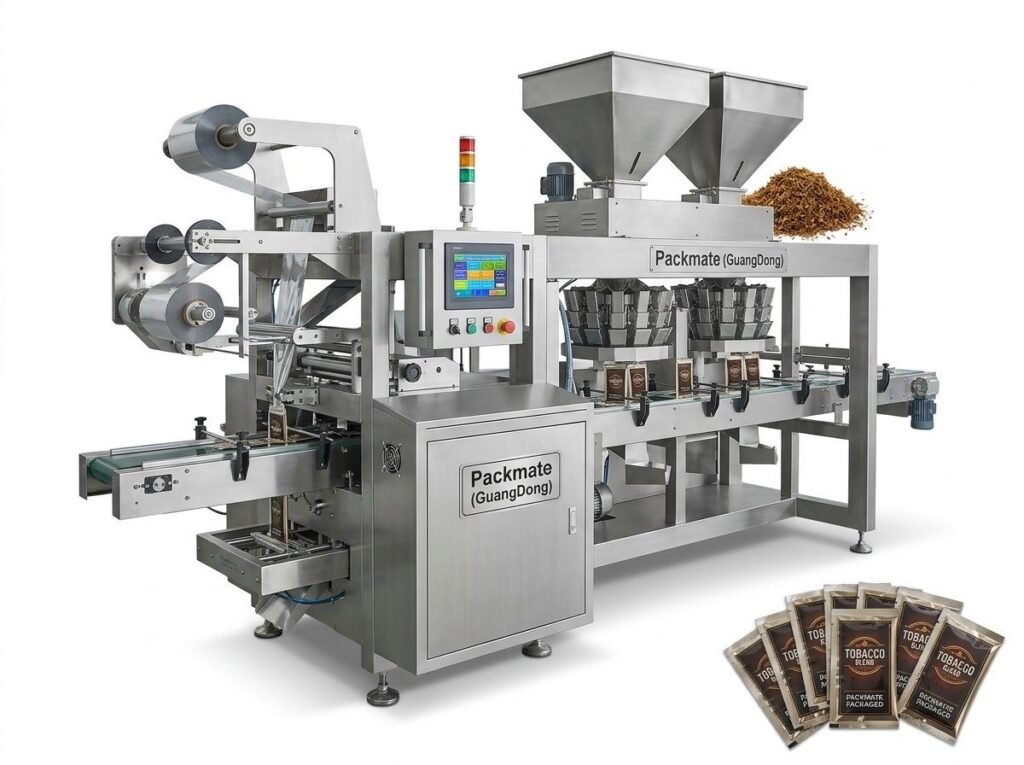
Modern snus packaging lines are modular and include these essential components. Each module is shown in the video with labeled callouts to help you identify parts and their roles on the line:
✓ Feeding & Metering – Controlled supply of raw pouches, cut films or pre-made pouches and steady dosing of powders or liquids. High-precision auger or piston fillers are shown aligning feed rates with machine speed.
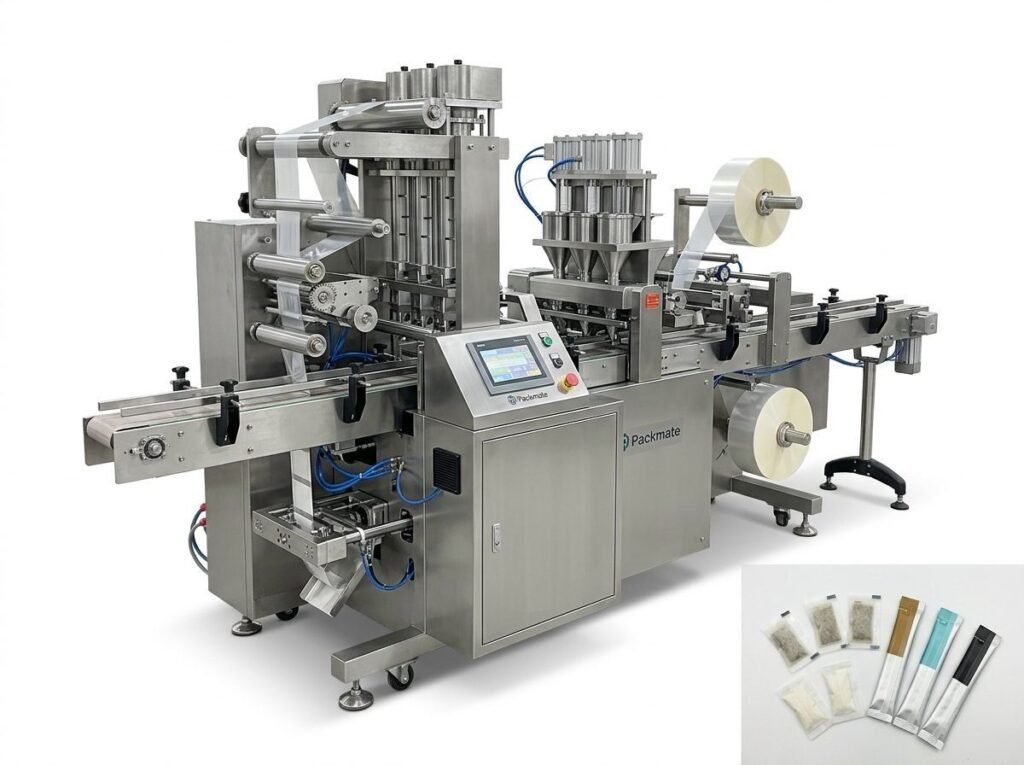
✓ Pouch/Forming Station – For roll-fed systems you will see forming shoulders shaping the film and precise longitudinal and transverse sealing jaws. Multilane systems show mirrored shoulders for balanced lanes.
Sealing, Coding, and Inspection
Sealing technology (heat, ultrasonic, or impulse) is critical. The video should highlight consistent seal bars and temperature control across lanes. Pay attention to the coding heads and inline inspection cameras; they ensure lot traceability and reject non-conforming packages automatically.
Automation Features That Boost Throughput
Automation is more than speed — it is about repeatability and reduced labor. Look for the following in demonstrations:
⚙️ Integrated Weighing & Dosing – Synchronized weighers keep fill accuracy within tight tolerances, reducing giveaway and waste.
⚙️ Multi-Lane Balancing – Intelligent controllers balance lane speeds to maximize total throughput even when some lanes require different dosing parameters.
Smart HMI and Recipe Controls
The HMI should allow recipe storage for different pouch sizes, materials, and fill weights. Videos often demonstrate how a single operator can switch from one SKU to another in minutes by loading a saved recipe — a major advantage for short-run flexibility.
Real-World Benefits: Productivity and Quality
When evaluating how a snus packing machine will improve production, consider these quantifiable benefits:
• Increased OEE (Overall Equipment Effectiveness) — Less downtime for changeovers and higher run speeds raise equipment utilization.
• Improved Fill Accuracy — Precise dosing reduces product giveaway, directly improving material costs.
Consistency and Regulatory Compliance
Inline metal detection, visual inspection cameras, and synchronized coding ensure compliance with food and pharmaceutical traceability rules. Many machines are shown with CE and ISO labeling and include features that simplify audits and batch records.
How a Typical Production Run Looks Step-by-Step
A detailed video walks through a production sequence from raw material setup to boxed output. Expect these steps to be indicated:
1) Material loading and film threading — operators show tension control and film alignment.
2) Recipe selection on HMI — confirm pouch size, fill weight, and lane settings.
3) Dry runs and vacuum checks — safety and vacuum levels are validated.
4) Start-up and ramp to target speed — watch for stable motion and synchronized feeds.
5) Inline inspection and rejection — defective pouches are automatically removed.
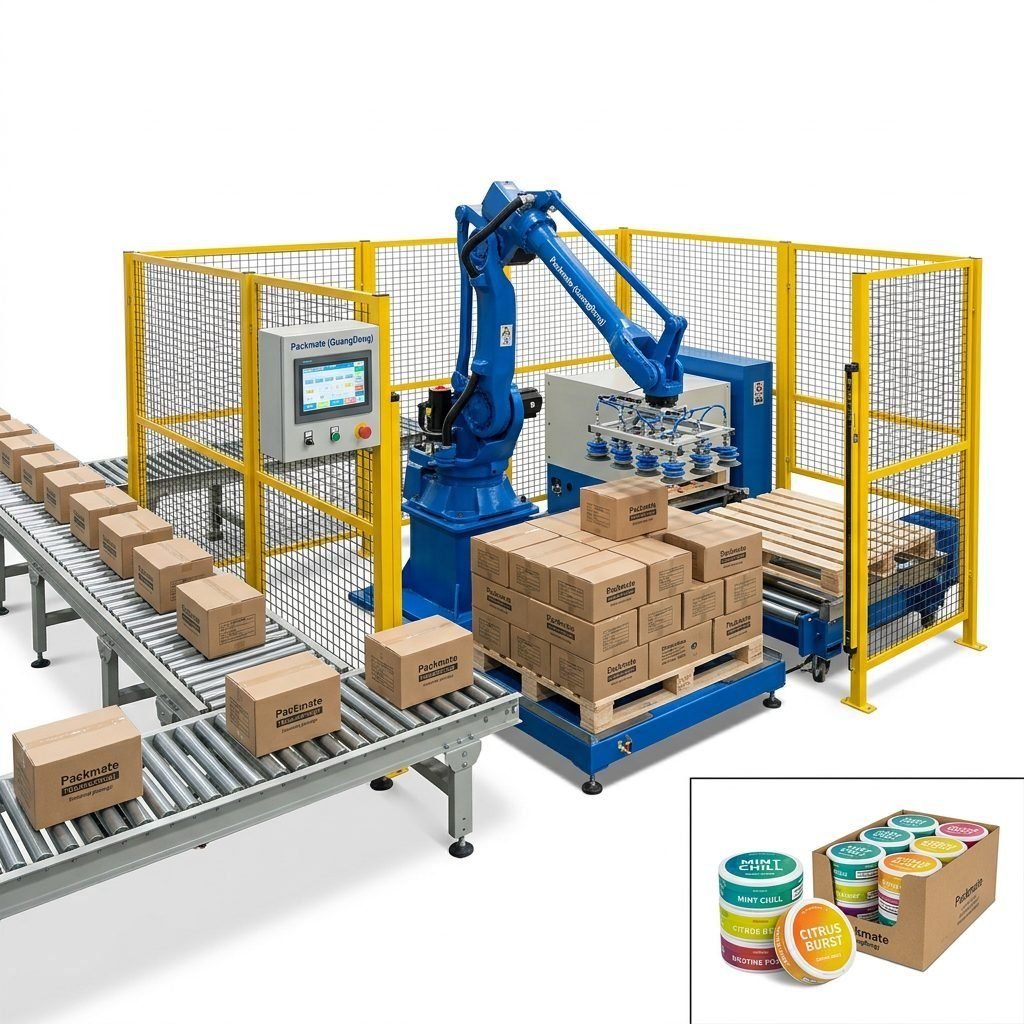
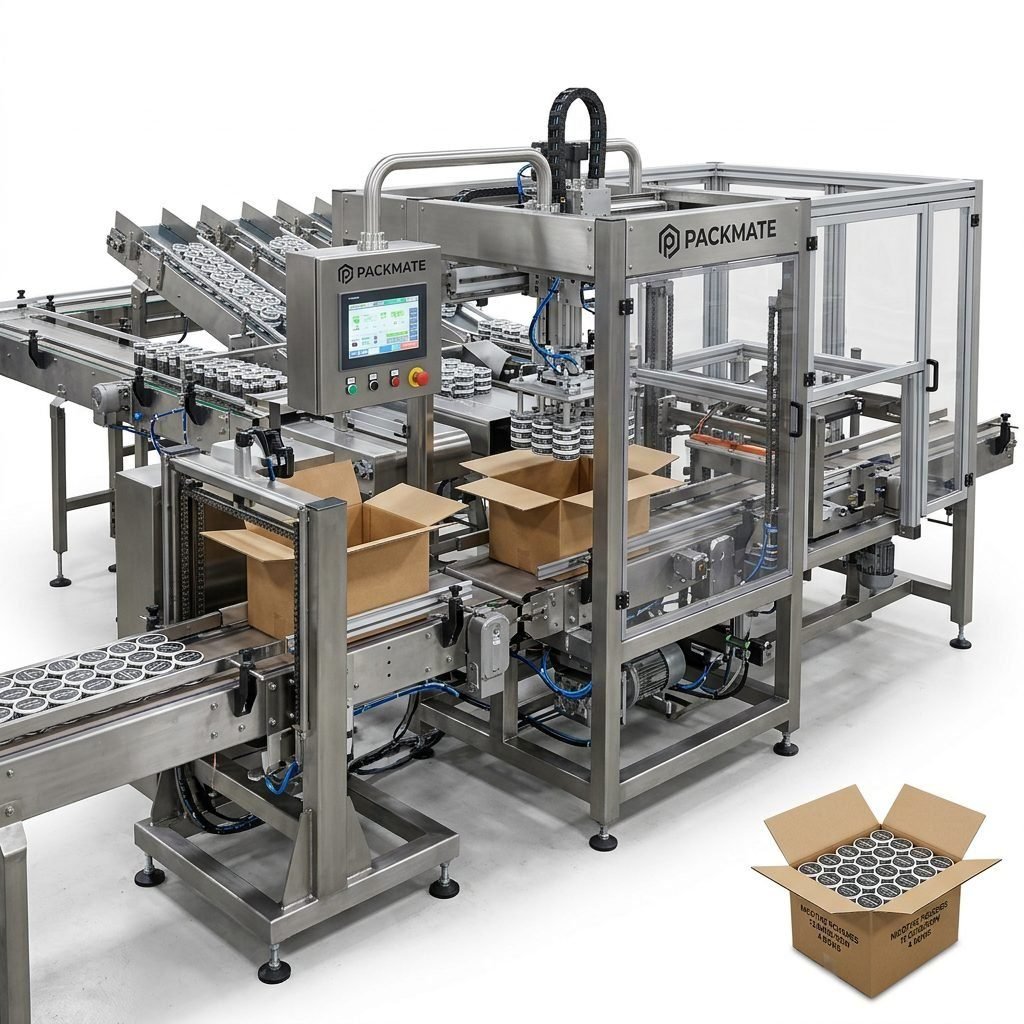
6) Accumulation, case packing, and palletizing — final packaging and line handoff.
Maintenance, Spare Parts, and Service
The maintenance chapter of the video usually shows daily checks and recommended lubricants. Good suppliers highlight critical wear parts and provide spare kits to minimize downtime. Look for clear labeling of part numbers and demonstration of simple swap procedures for belts, sensors, and seal bars.
After-Sales and Global Support
Manufacturers with global reach often provide remote diagnostics, spare parts warehouses, and technician training. For turnkey suppliers like Packmate, you can review factory capability and service offerings on their About page and Service sections — these links provide additional detail and are useful references when comparing vendors:
Explore product families and design examples: Snus & Nicotine Packaging Machines and Sachet & Stick Pack Machines. For full production line options including filling and ancillary equipment see Filling & Packaging Lines. Learn more about the company background at About Packmate.
Interpreting Performance Metrics in the Video
Videos often display operational statistics. Here is what to watch for and how to interpret them:
Throughput (units/min) — Check whether the speed shown is for single-lane or multi-lane operation. Multiply single-lane speeds by the number of lanes to estimate total output.
Yield Rate (%) — The higher the yield, the less waste and rework. Look for on-screen pass/fail counts to verify inline inspection effectiveness.
Selecting the Right System for Your Needs
Your choice depends on product type (powder, granule, liquid), pouch style (stick, sachet, pre-made pouch), and desired throughput. Multi-lane systems deliver high output for small-dose pouches, while single-lane stick pack machines may suit higher-volume single-format lines.
Key Decision Factors
– Flexibility vs. Speed: Do you need multiple SKUs or a single dedicated SKU?
– Automation Level: Full automation reduces labor but increases initial investment.
– Compliance & Documentation: If you operate in regulated markets, verify traceability features.
– Service Network: A supplier with global presence shortens downtime and supports spare parts logistics.
Case Study Snapshot
A European customer upgraded from a legacy single-lane filler to a 4-lane Packmate snus packing line. The video shows reduced changeover times from 90 minutes to under 15 minutes with recipe recall, a 3x increase in daily output, and fill accuracy improved from ±8% to ±2%. This type of real-world demonstration underscores the value of modernizing to multi-lane, servo-driven systems.
Common On-Screen Questions to Verify in a Demo
When you watch a demo video, check off these verification points:
- Does the machine accelerate to speed without product spillage?
- Are changeovers demonstrated and timed?
- Is there clear evidence of in-line rejection and counting?
- Are safety guards and emergency stops visible and accessible?
Preparing for a Live Factory Acceptance Test (FAT)
After reviewing video demos, schedule a FAT to confirm performance with your product. Supply the manufacturer with test materials, desired SKUs, run speeds, and acceptance criteria. A well-documented FAT replicates the video conditions and produces verifiable metrics for yield, speed, and quality.
Key Takeaways
Important: A high-quality video demo reveals practical machine behavior — not just specs. Focus on the modular elements, automation features, and service support that align with your production goals.
Further Resources
For additional machine categories and related equipment, you can also review related product lines such as Bag & Pouch Packaging Machines and Auxiliary Packaging Equipment. Case studies and exhibition information are useful to see global deployments and live demos: Case and Our Exhibition.
Final Recommendations Before You Buy
Request full-line video demos with your product, insist on FATs under your acceptance criteria, and verify spare parts availability and local service coverage. Compare total cost of ownership including maintenance, energy use, and waste reduction rather than only machine price.
Frequently Asked Questions
Q1: How accurate are modern snus dosing systems?
Modern dosing systems using synchronized weighers or precision piston/auger fillers typically achieve accuracy within ±1-3% depending on product characteristics and machine calibration. Videos often show real-time weight readouts and tolerance checks; use them to verify the manufacturer’s claims.
Q2: What is the typical payback period after upgrading to a multi-lane line?
Payback varies by throughput increase, labor savings, and product giveaway reduction. Many customers see ROI within 12–36 months when moving from older single-lane equipment to modern multi-lane automated lines. Use your production numbers to model the expected yield improvements shown in demo videos.
Q3: Are these machines adaptable for different pouch formats?
Yes. Most manufacturers design modular systems that support stick packs, sachets, and pre-made pouches with appropriate tooling and shoulders. Confirm changeover times and tool kits in the video and FAT demonstrations.
Q4: How do I verify after-sales service and spare parts availability?
Ask for a list of regional service partners, spare parts lead times, and support SLA. Videos that feature technicians performing maintenance and showing parts catalogs are strong indicators of robust after-sales capabilities.
Q5: Where can I see live demonstrations and request more info?
Attend industry exhibitions or request a live demo at the supplier’s facility. For Packmate, explore exhibition schedules and reach out via their contact page to arrange a demonstration or FAT: Contact Us.