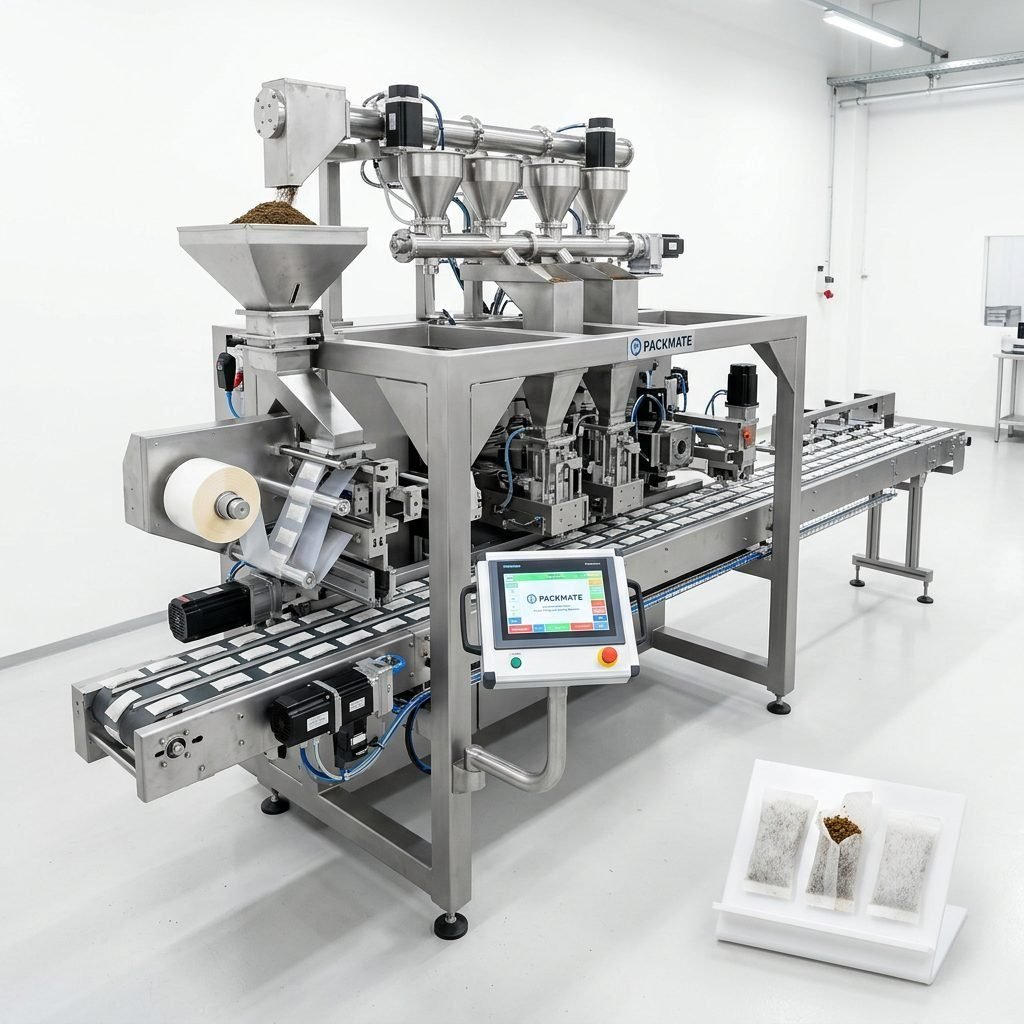
Choosing the right nicotine packaging machine manufacturer in France is a strategic decision that affects product quality, compliance, production cost, and time-to-market. Whether you are scaling up a nicotine pouch line, evaluating multi-lane snus systems, or upgrading to a fully automated turnkey packaging solution, understanding the critical selection criteria will help you secure a long-term partner rather than just a supplier.
Why the Manufacturer Choice Matters for Nicotine Packaging
The snus and nicotine pouch market demands high precision, repeatable dosing, robust sealing, and stringent traceability. A machine that underperforms can cause product losses, regulatory issues, and brand damage. Look beyond the machine price: evaluate engineering experience, customization capability, service footprint, and certifications. A reliable manufacturer can deliver machines that maintain consistent portion weights, minimize downtime, and integrate seamlessly into your production ecosystem.
Top Evaluation Factors (At a Glance)
⚙️ Technical expertise — proven designs for nicotine pouches and snus production lines are essential.
✅ Quality & reliability — long-term performance, mean time between failures (MTBF), and spare parts availability.
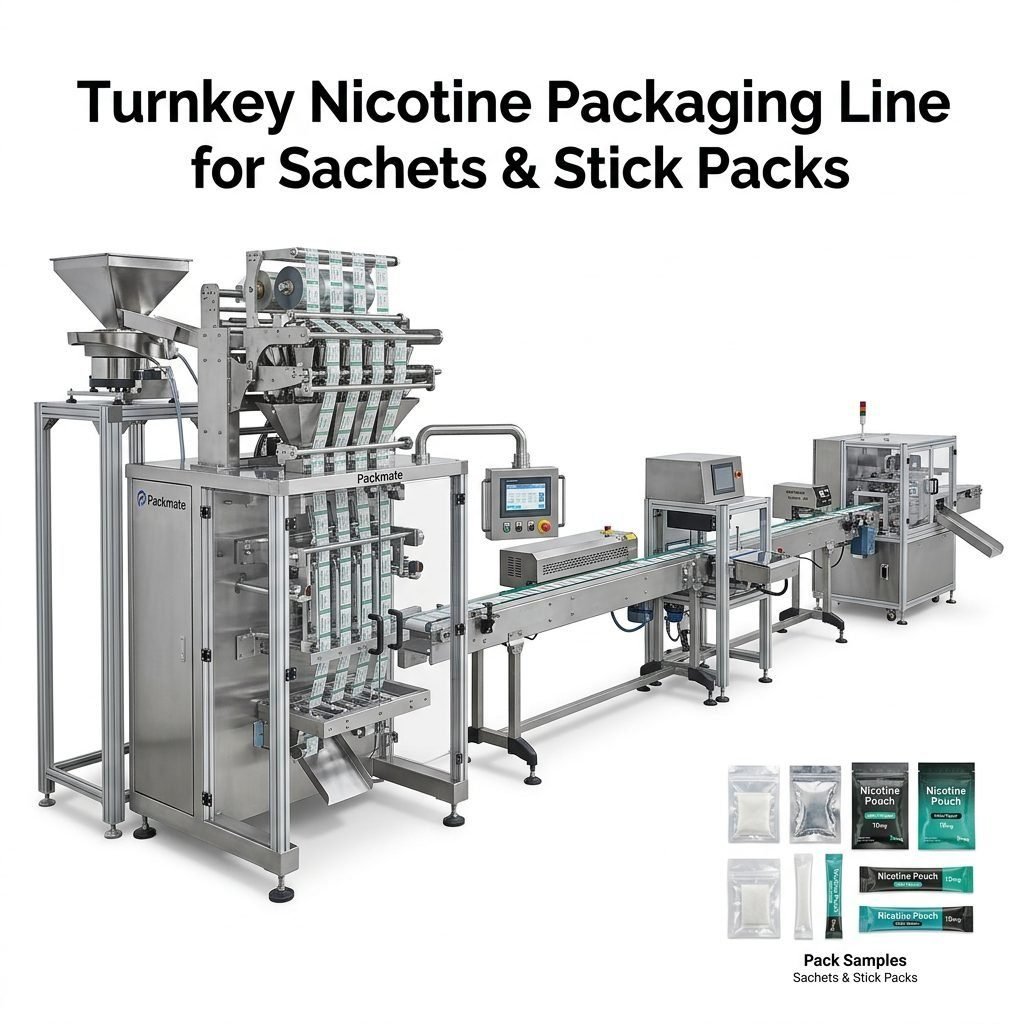
📦 Turnkey & integration — ability to supply weighing, filling, sealing, and downstream packaging as a single line.
🔍 Regulatory compliance — CE, ISO and documentation support for markets in the EU and beyond.
Understand Manufacturer Credentials
Inspect the manufacturer’s track record. Companies with decades of focused engineering in snus and nicotine pouch equipment tend to have more refined solutions. For example, manufacturers operating advanced CNC centers and precision assembly lines are better positioned to deliver machines with tight tolerances and long service life. Seek evidence in their company profile, manufacturing area, and the number of machine models they offer—these reflect capacity to customize and scale.
⚠️ Important: 30+ years of engineering experience or similar history often signals maturity in design and support infrastructure. Evaluate facility size (for example, a 20,000㎡ factory) and check for modern CNC capability and dedicated assembly lines to ensure parts consistency and quality control.
Inspect Product Range & Specialization
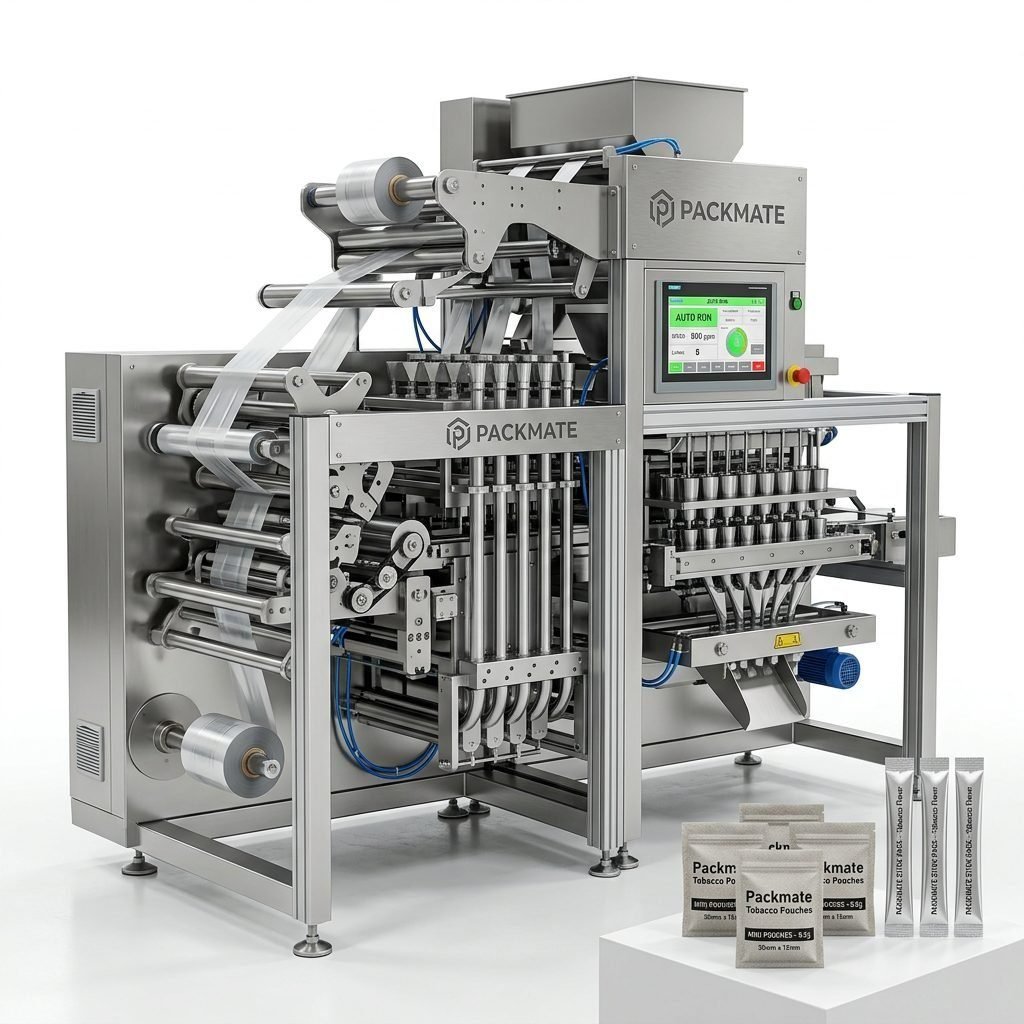
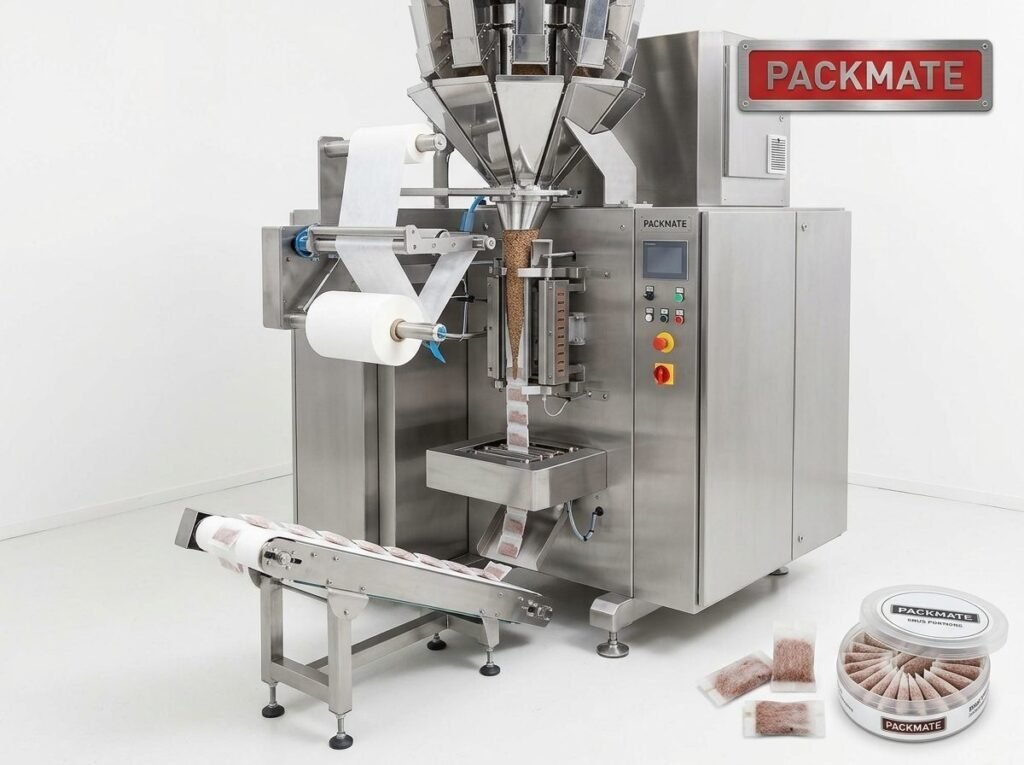
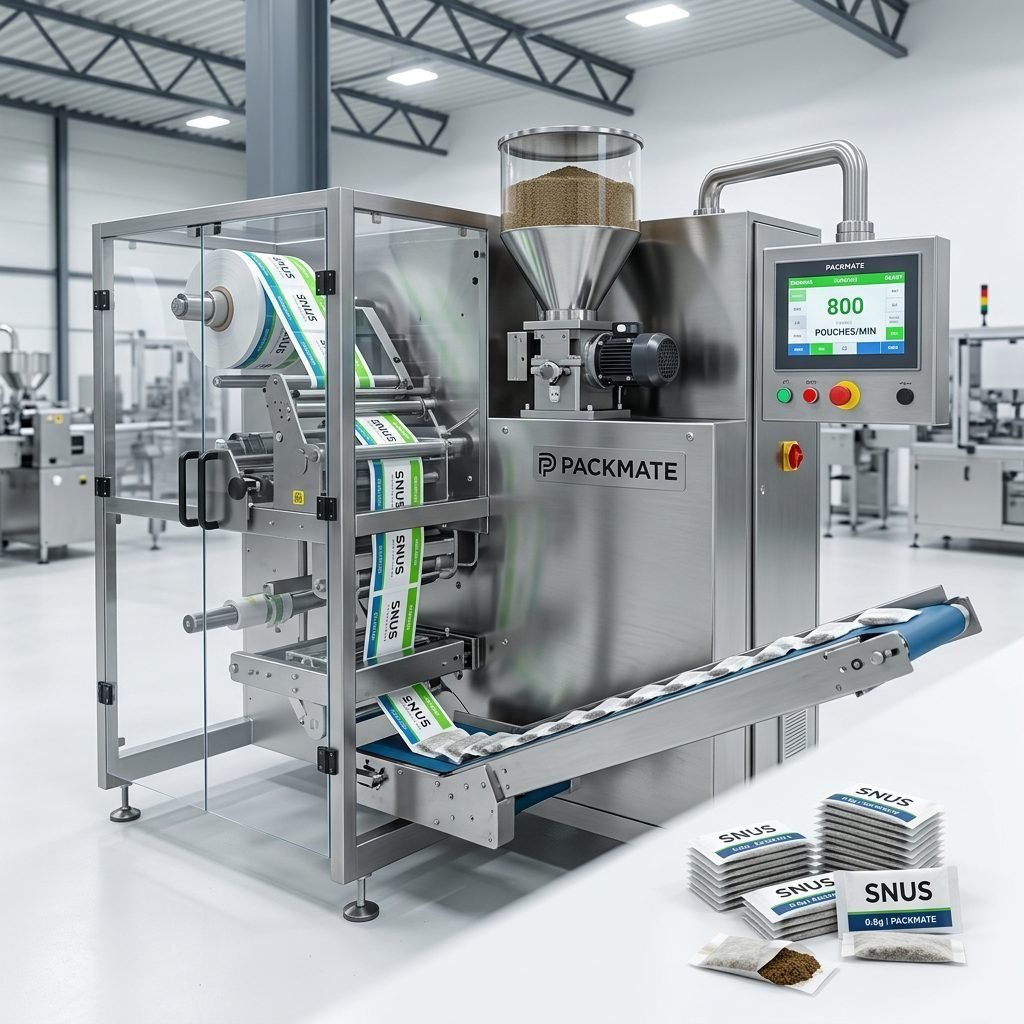
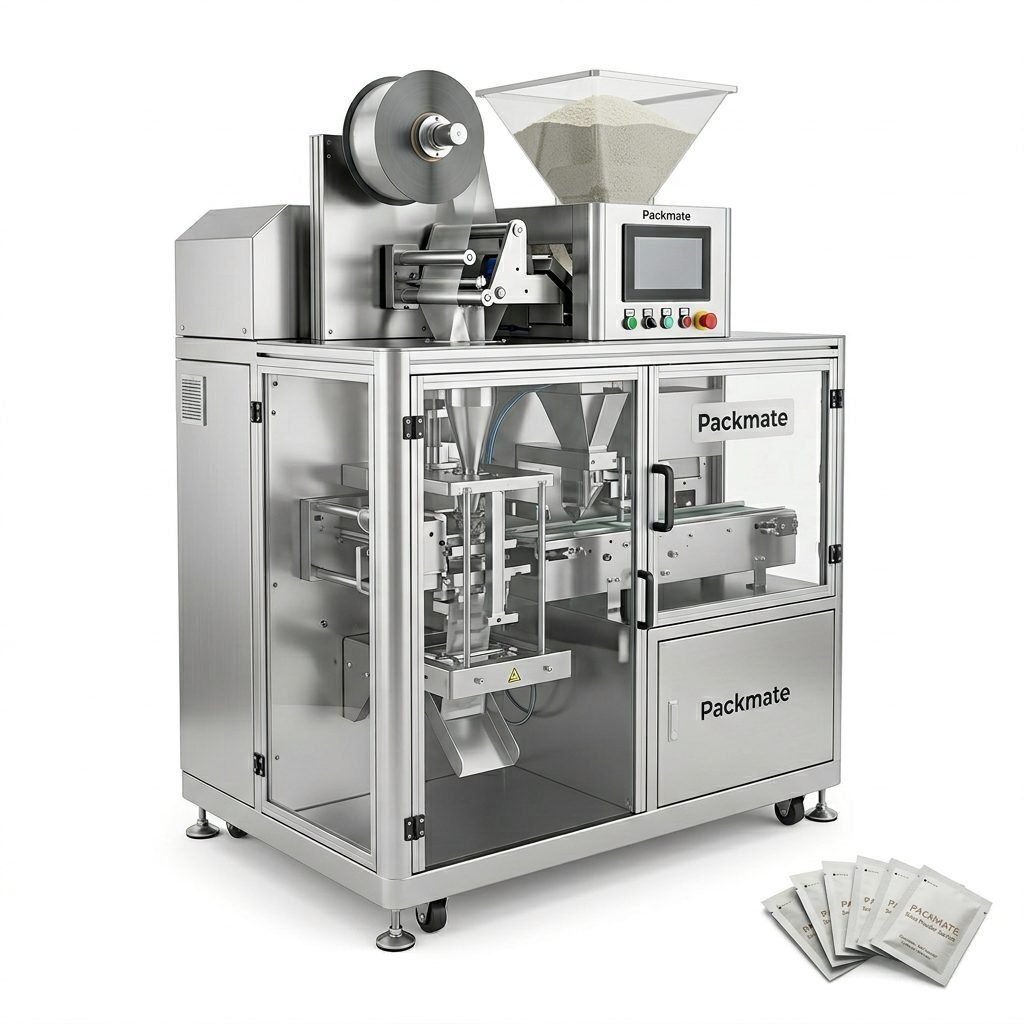
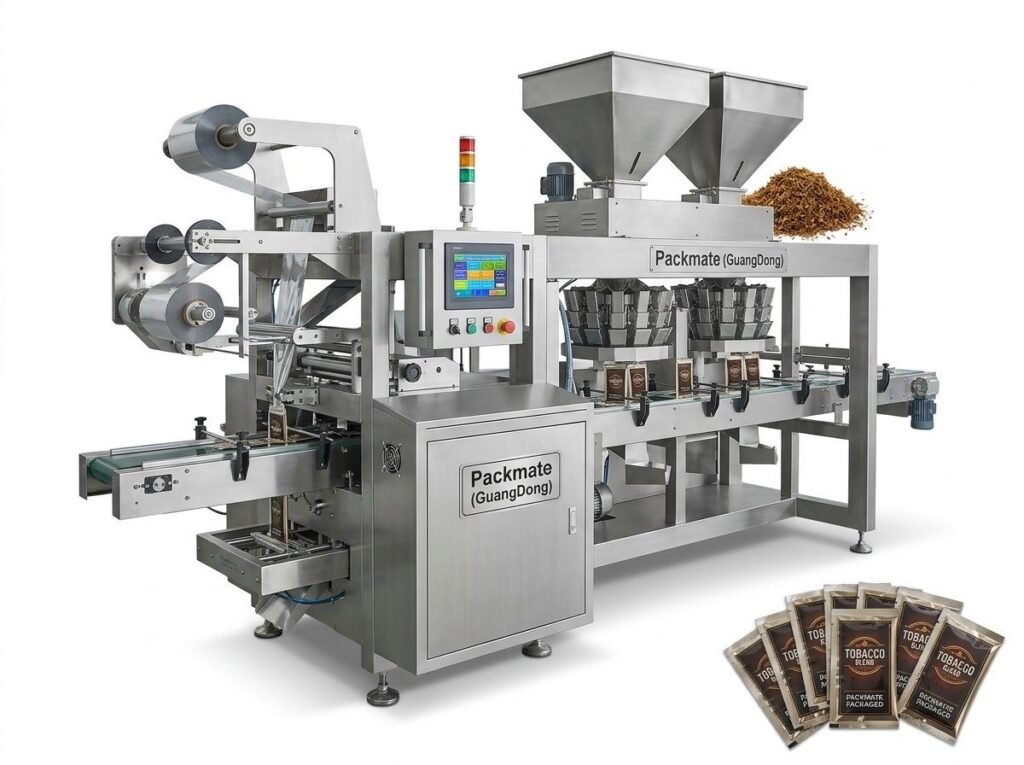
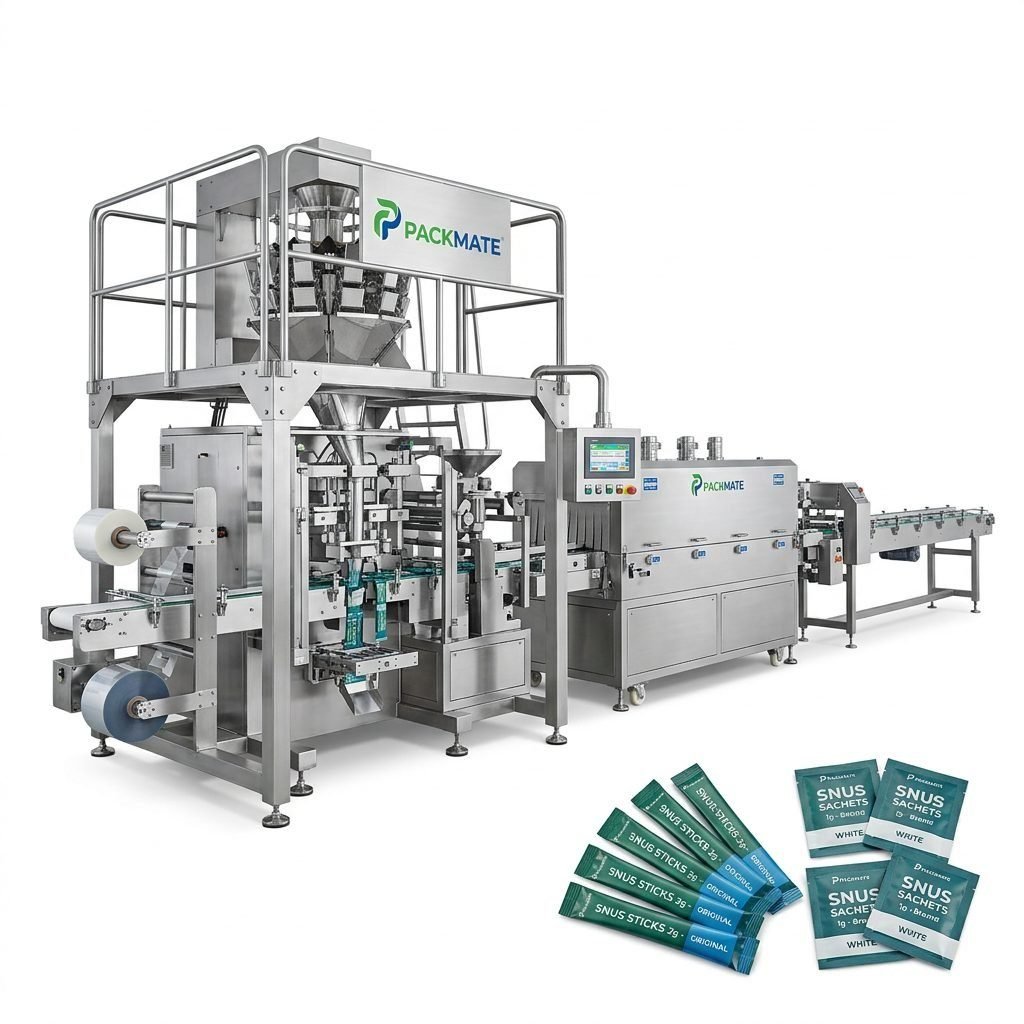
Specialized manufacturers that focus on snus and nicotine packaging will offer a breadth of options: single-lane stick pack machines, multi-lane pouch systems, sachet machines, and integrated weighing and filling systems. Evaluate whether they maintain multiple machine models and can deliver multi-lane systems for higher throughput or small-dose precision. You can find product categories such as Snus & Nicotine Packaging Machines, Sachet & Stick Pack Machines, and Weighing & Packaging Systems which reflect common production needs.
Ask for Detailed Case Studies
Case studies reveal how real production challenges were solved. Look for delivered projects in Europe, Asia, and the Americas that highlight uptime improvements, yield increases, and customized solutions for nicotine pouches. A manufacturer’s case portfolio is an important trust signal—review their examples and request references. See practical examples at Case.
Design & Engineering Considerations
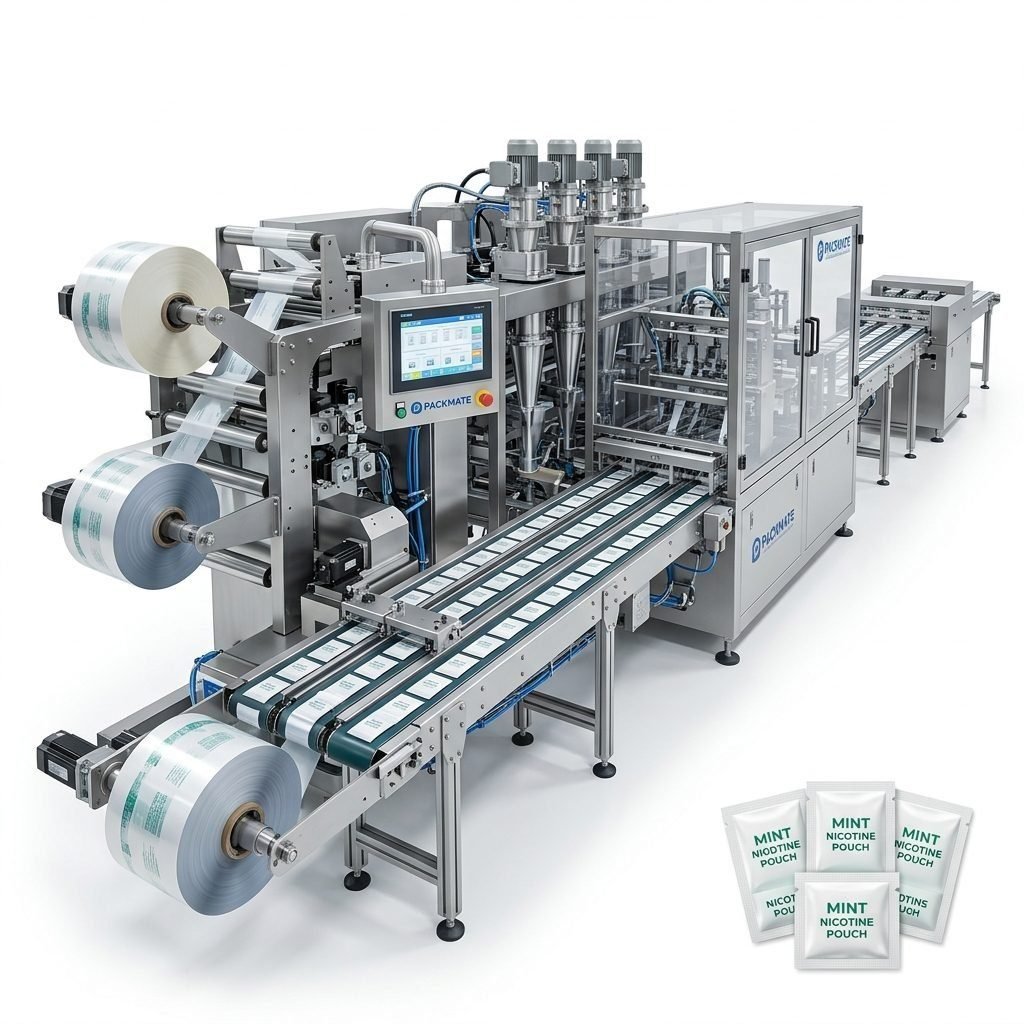
For nicotine pouches, focus on filling accuracy, pouch shape consistency, sealing integrity, and gentle handling of small-dose products. Important mechanical features include precision dosing systems, multi-lane synchronization, servo motion control, and hygienic material contact surfaces. These elements directly influence product consistency and regulatory traceability.
🔧 Tip: Request performance data such as portion weight variance, average throughput (pouches/min per lane), and typical setup times when switching SKUs. These KPIs help you compare machines quantitatively.
Customization & Flexibility
Your business may need bespoke solutions: multi-lane upgrades, custom pouch formats, integration with upstream dosing systems or downstream cartoning. Choose a manufacturer who offers modular designs and experienced engineering teams able to produce tailored tooling and controls. Packmate-style suppliers who present a broad catalog and modular turnkey options are preferable when future expansion is likely.
Service, Training & Spare Parts
After-sales support is as crucial as the machine itself. Confirm the availability of spare parts, remote diagnostics, on-site service capability, and operator training programs. Rapid response time reduces downtime and protects revenue. Manufacturers with global service networks and documented training processes typically deliver better lifecycle support.
📞 Service checklist: Ask for local service partners, average lead time for parts, remote support tools, and operator certification options to ensure your team can reliably run the equipment.
Certifications & Regulatory Support
Regulatory compliance matters especially in nicotine products. Seek manufacturers who provide CE and ISO certifications, detailed safety documentation, and hygiene-compliant designs. Proper documentation simplifies your product registration and audit processes across different markets.
Total Cost of Ownership (TCO) vs. Initial Price
Initial purchase price is only part of the story. Consider energy consumption, spare part availability, mean uptime, labor requirements, and expected service intervals. High-quality machines may cost more upfront but deliver lower TCO through greater reliability and reduced waste. Request a detailed TCO comparison from manufacturers to make an informed decision.
Factory Acceptance Test & FAT Protocols
A formal Factory Acceptance Test ensures the machine meets your specifications before shipment. The FAT should verify throughput, sealing quality, portion accuracy, and control system functionality. Ensure the manufacturer allows client representatives to attend FAT and provides exhaustive test reports and videos.
✅ FAT essentials: include start-up/shutdown sequences, changeover demonstration, downtime simulation and recovery, and measurement of weight tolerances across multiple runs.
Installation, Commissioning & Line Integration
Confirm installation and commissioning services: on-site engineers, mechanical and electrical integration, PLC and HMI setup, and production validation. For full lines, make sure the manufacturer can coordinate upstream and downstream equipment such as filling, checking, cartoning, and case packing. Integration expertise reduces startup time and ensures the line meets planned throughput.
Data & Industry 4.0 Readiness
Future-proof your investment: evaluate the control architecture, availability of OPC-UA or similar protocols, MES compatibility, and data logging for traceability. Manufacturers that support remote monitoring and analytics can help you optimize production and perform predictive maintenance.
Visit the Manufacturer or Attend an Exhibition
Whenever possible, visit the manufacturer’s facility or their exhibition stand to watch live demonstrations. Inspect machining quality, assembly practices, and finished products. Many manufacturers attend international trade shows—these are ideal for seeing machines running and comparing multiple providers side-by-side. See exhibition schedules and demonstrations at Our Exhibition.
Questions to Ask During Evaluation
🔍 What is the typical uptime and MTBF for this machine under similar production conditions?
🔍 Can you provide client contact references who run similar formulations and speeds?
🔍 What are typical lead times for spare parts, and do you maintain consignment stock for critical parts?
🔍 Do you offer training packages, remote support, and maintenance contracts?
Why Consider Packmate-style Manufacturers
Manufacturers with focused experience in snus and nicotine machinery often bring tailored expertise: multi-lane synchronization, small-dose accuracy, and turnkey solutions that include weighing, filling, and packaging lines. A supplier that demonstrates a broad product portfolio, documented quality systems, and global service coverage can help accelerate your production ramp-up and maintain consistent product quality.
📌 If you prefer more detailed product exploration, review categories such as Filling & Packaging Lines and Auxiliary Packaging Equipment to understand how a full line solution can be composed.
Making the Final Decision
Consolidate your findings into a decision matrix: rank manufacturers by technical fit, price, TCO, lead time, service, and reference feedback. Prioritize vendors who demonstrate transparent documentation, clear FAT procedures, and post-sale support. Sign a detailed contract that covers acceptance criteria, warranty terms, spare parts lists, training schedules, and agreed performance guarantees.
Practical Onboarding Checklist
1) Confirm delivery timeline and shipping responsibilities.
2) Finalize FAT protocol and attendance plan.
3) Agree on spare parts kit and recommended consumables.
4) Schedule on-site commissioning and operator training.
🔎 Final note: weigh the benefits of a manufacturer that offers integrated turnkey solutions versus sourcing components separately. Full-line suppliers reduce integration risk and often offer better documentation and faster commissioning.
Resources & Contact
For detailed product catalogs and company background, consult the manufacturer’s about pages and catalogs. Reputable suppliers will provide transparent company information and comprehensive catalogs—see About Packmate and their Catalog. When you are ready to inquire, use the official contact portal to request quotations, FAT scheduling, and service agreements via Contact Us.
Frequently Asked Questions
Q1: What is the typical lead time for a snus/nicotine pouch packing machine?
Lead time depends on customization, tooling requirements, and current production schedules. Standard models may ship faster, while bespoke multi-lane systems require longer engineering and FAT periods. Discuss an estimated schedule during initial quotations and confirm at contract signing.
Q2: How can I ensure portion accuracy on nicotine pouches?
Portion accuracy is achieved via precise dosing systems, regular calibration, and process controls. Ask the manufacturer for data on portion variance, recommended calibration intervals, and the type of dosing (volumetric, auger, or weigh-feeding) best suited to your product formulation.
Q3: What support is available post-installation?
Many manufacturers offer remote diagnostic support, on-site commissioning, spare parts kits, and maintenance contracts. Confirm service level agreements, typical response times, and availability of training for operators and technicians before purchase.
Q4: Are turnkey packaging lines more cost-effective than assembling components?
Turnkey lines typically reduce integration risk, shorten commissioning, and improve line-level performance because they are engineered as a whole. While initial cost may be higher, long-term savings in integration time, troubleshooting, and warranty handling often offset that difference.
Q5: Where can I see machines running before purchase?
Request live demonstrations at the manufacturer’s factory or attend trade shows listed on their exhibition page. Factory visits allow you to inspect assembly quality, witness FAT procedures, and meet engineering staff—visit Our Exhibition for scheduled appearances.