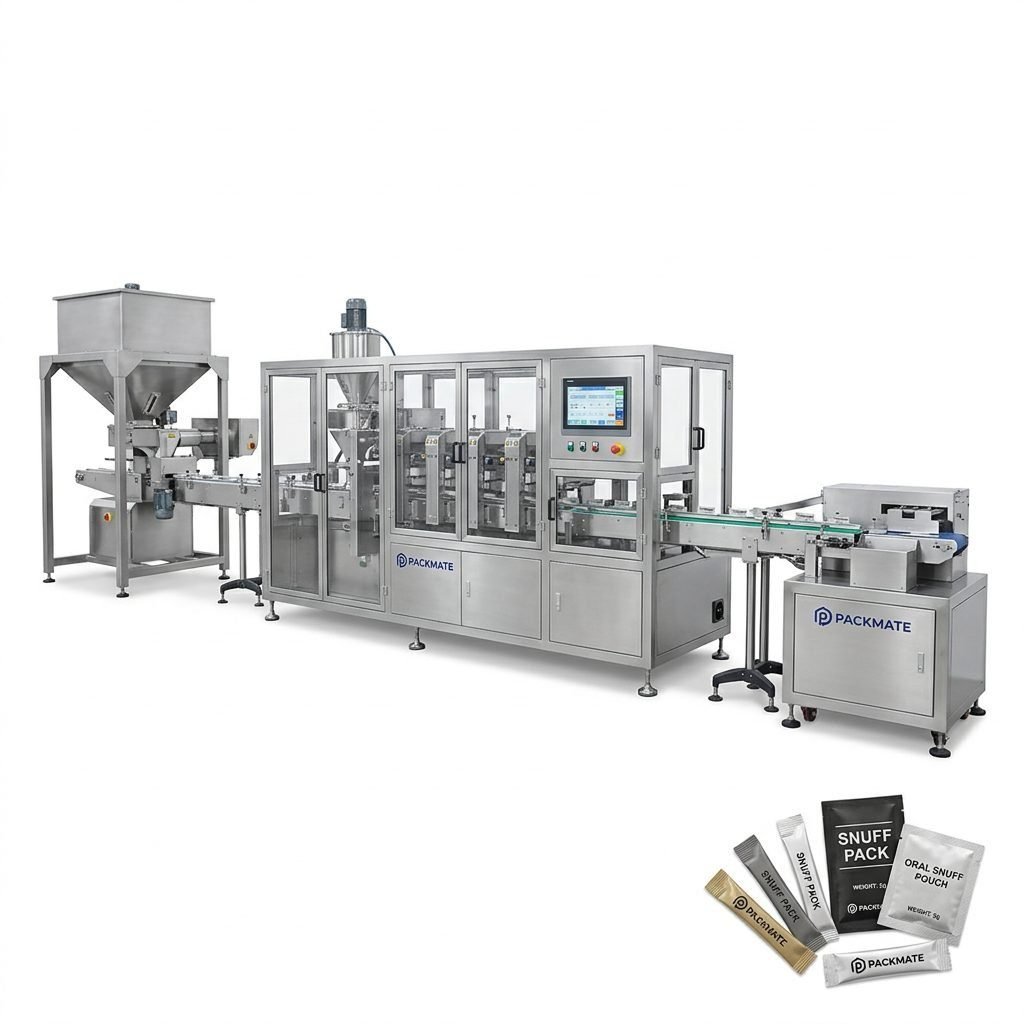
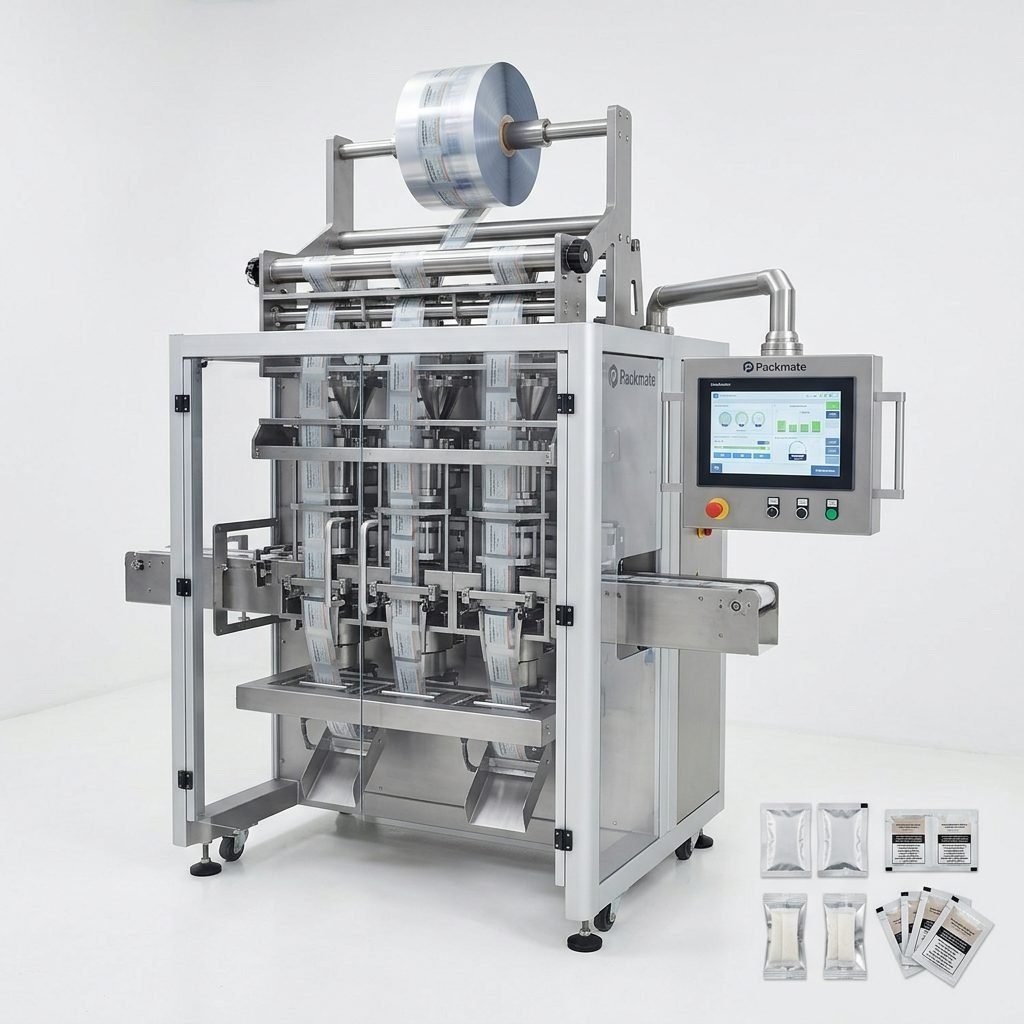
Choosing the right snus packaging machinery manufacturer for production in Kazakhstan is a strategic decision that affects product quality, compliance, and long-term profitability. This guide walks you through the practical steps, technical criteria, and business considerations to identify a reliable partner who can deliver high-performance snus and nicotine pouch packaging systems tailored to your needs.
Understand the Kazakhstan Market Context 🔍
Kazakhstan’s packaging market is evolving alongside regional demand for nicotine pouches and consumer convenience products. Local regulations, import logistics, and distribution channels influence machine selection. Prioritize a manufacturer that understands regional compliance and can advise on packaging materials, labeling regulations, and throughput requirements.
Key considerations for local operations
- Supply chain access: spare parts and consumables availability.
- Service response times for remote sites in Central Asia.
- Machine adaptability to local packaging formats and languages.
Tip: Ask potential suppliers about prior projects in similar markets — case references provide real evidence of regional capability.
Evaluate Technical Capabilities and Machine Types ⚙️
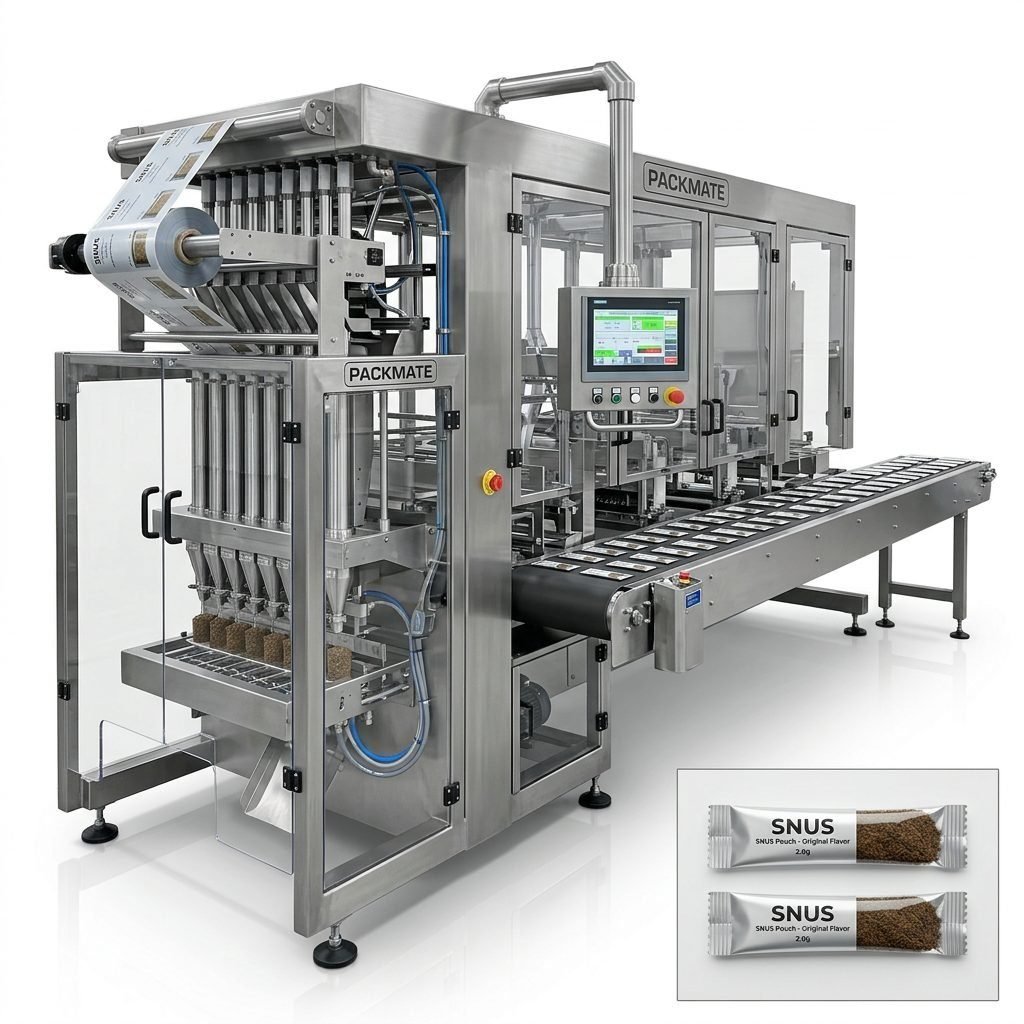
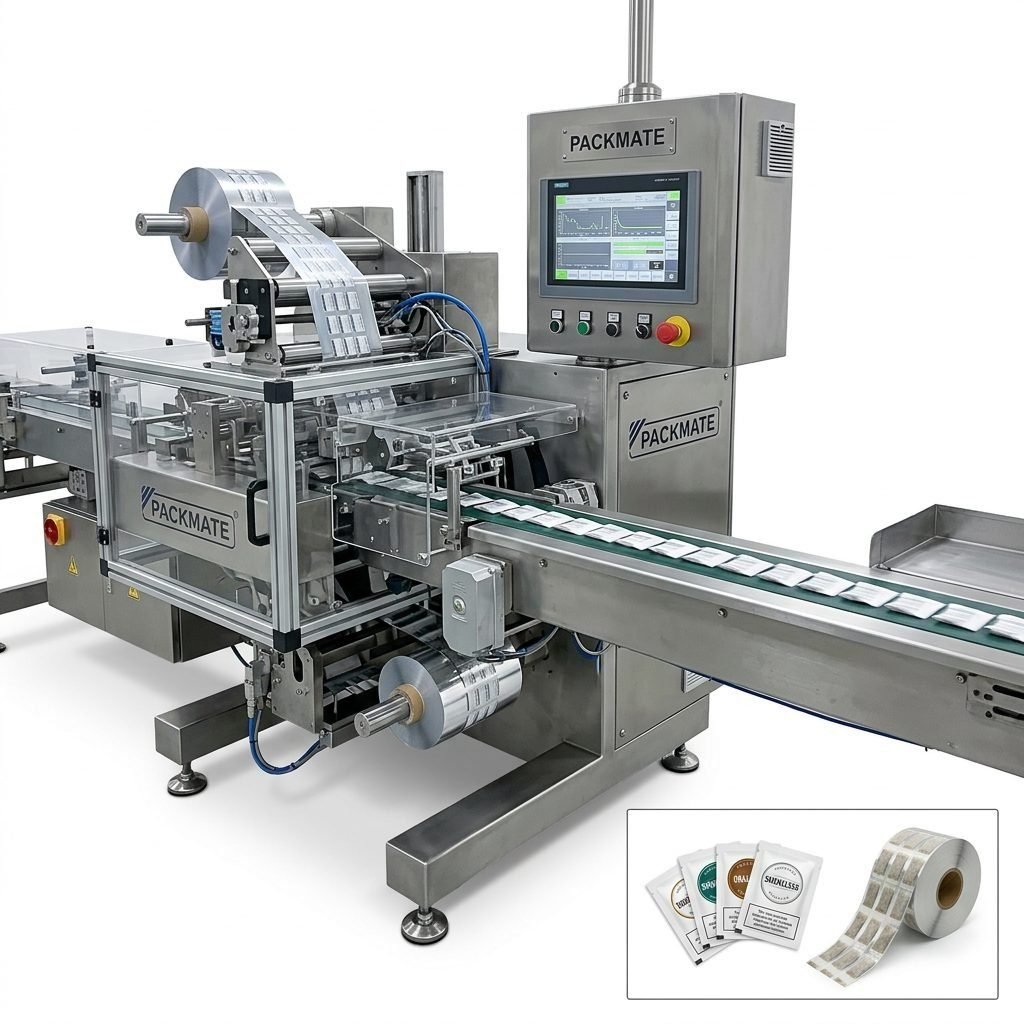
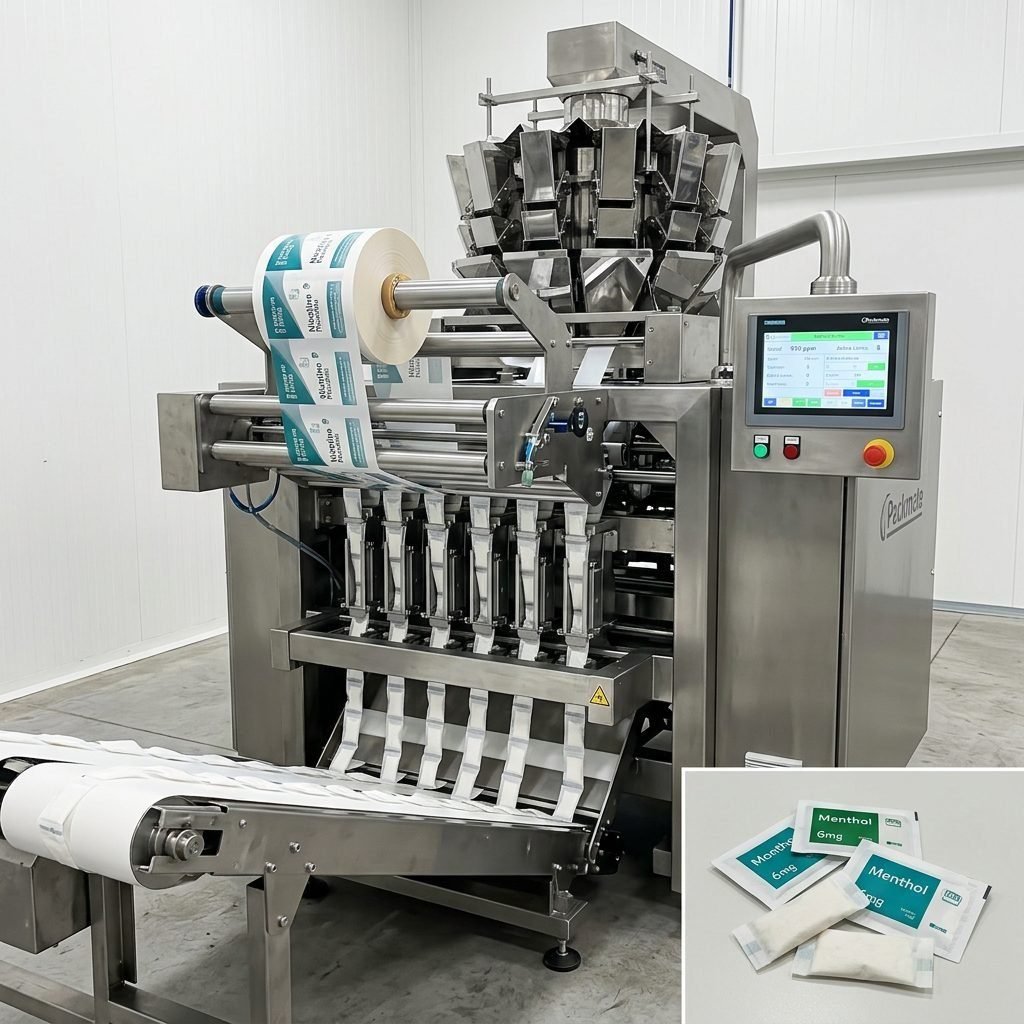
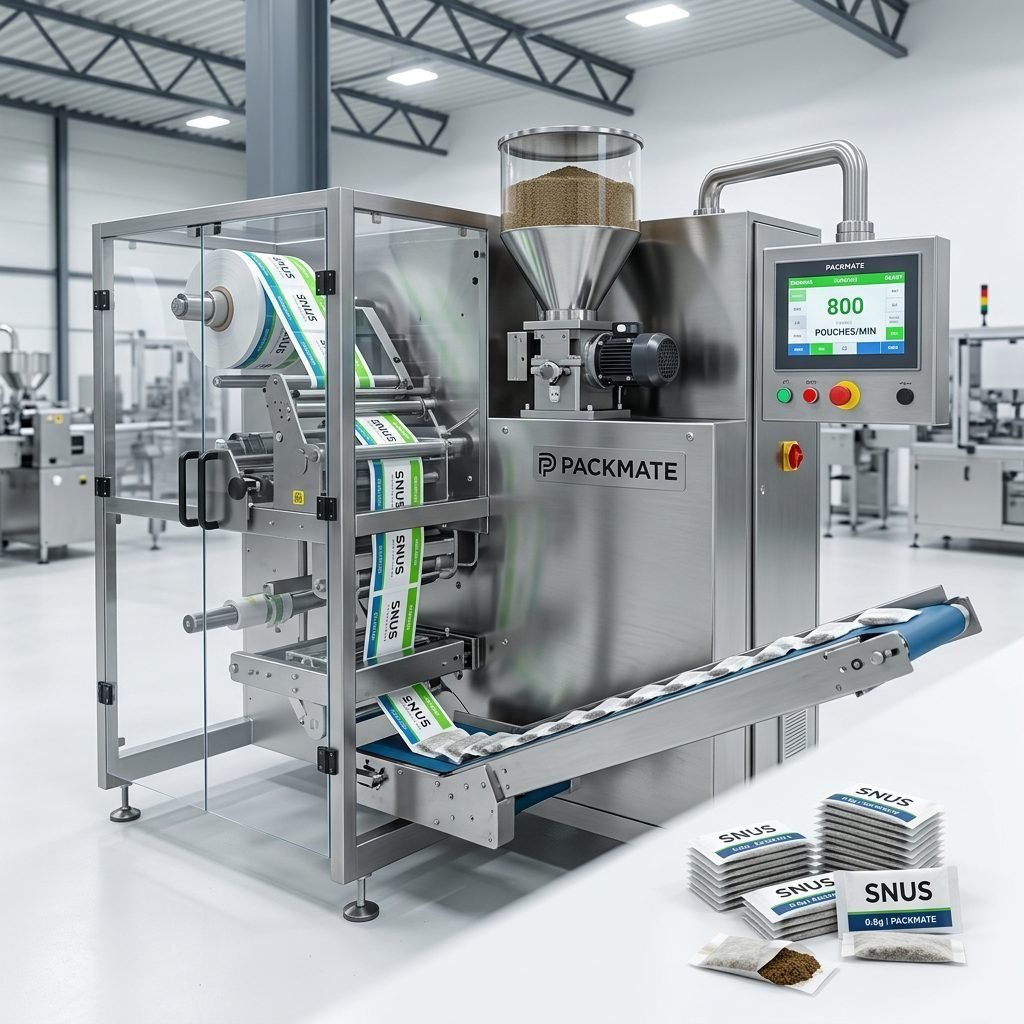
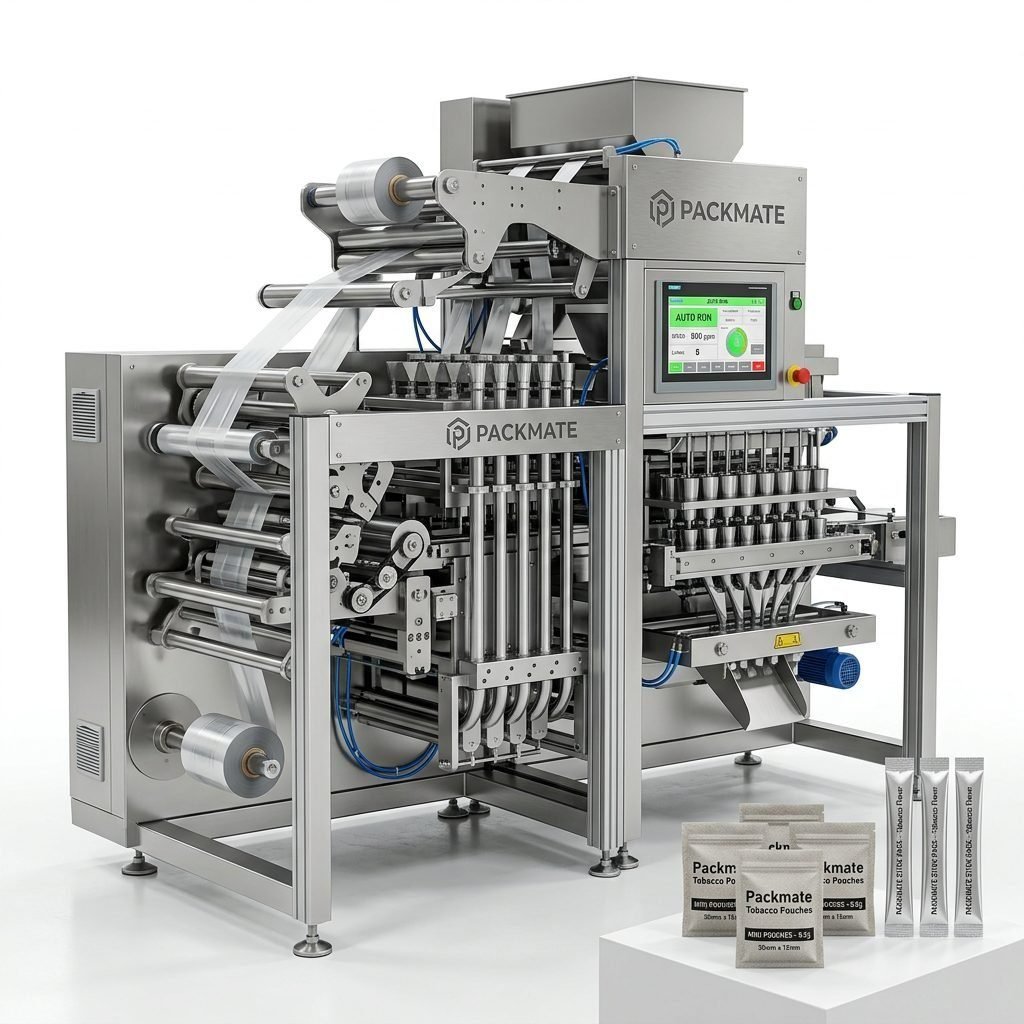
Different snus and nicotine pouch products require distinct packaging approaches. Look for manufacturers who offer a range of proven solutions, including multi-lane systems, stick packs, sachets, and pouch lines. A strong supplier will provide machines that handle powder, granules, liquid filling, and precision dosing for micro-doses.
Machines and systems to compare
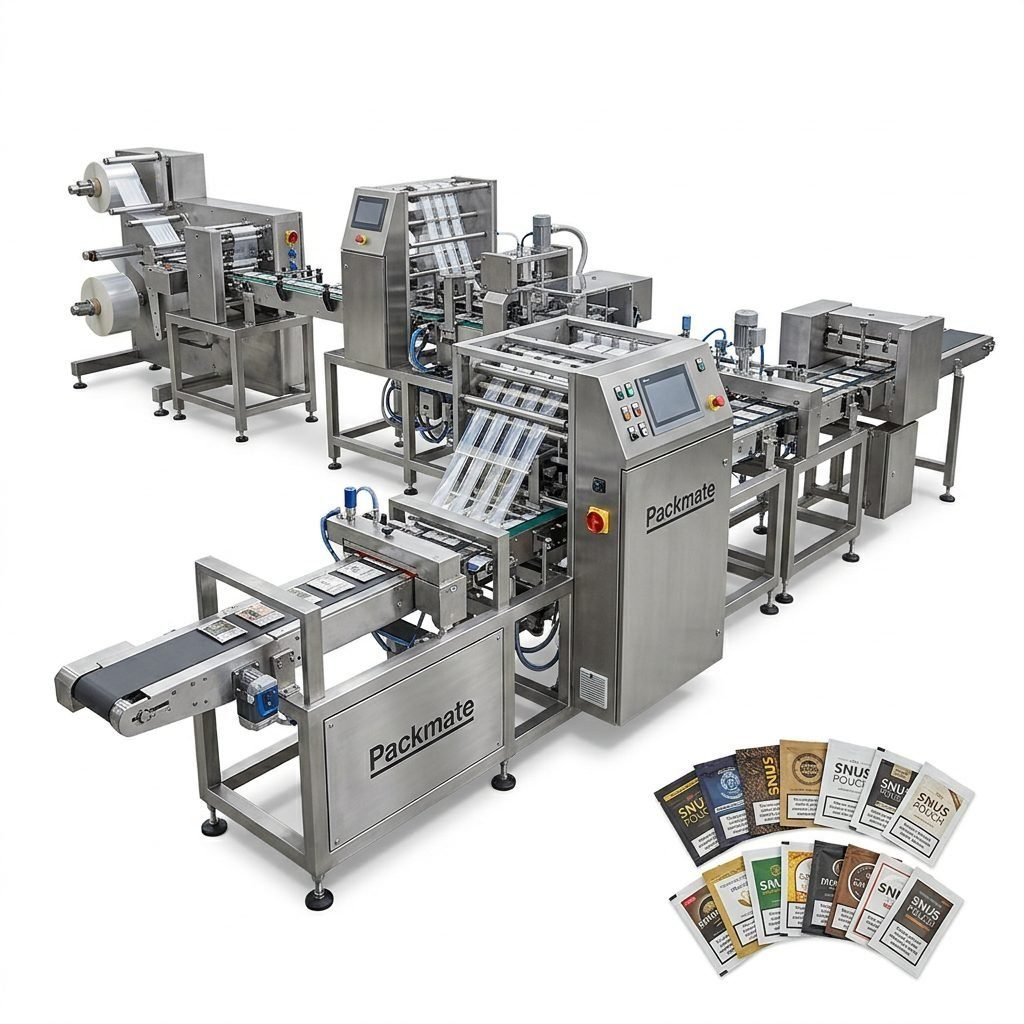
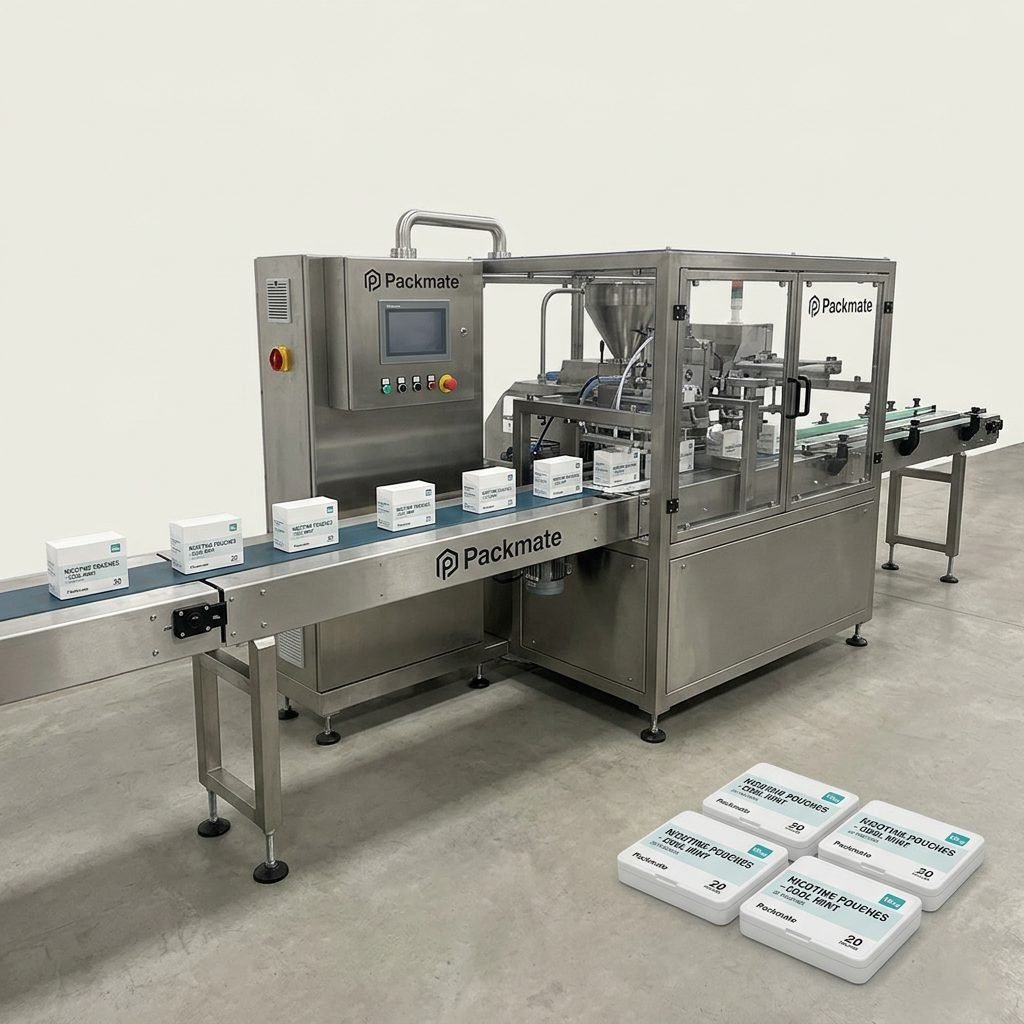
- Snus & Nicotine Packaging Machines — multi-lane pouch systems for high throughput.
- Sachet & Stick Pack Machines for single-dose formats and sticks.
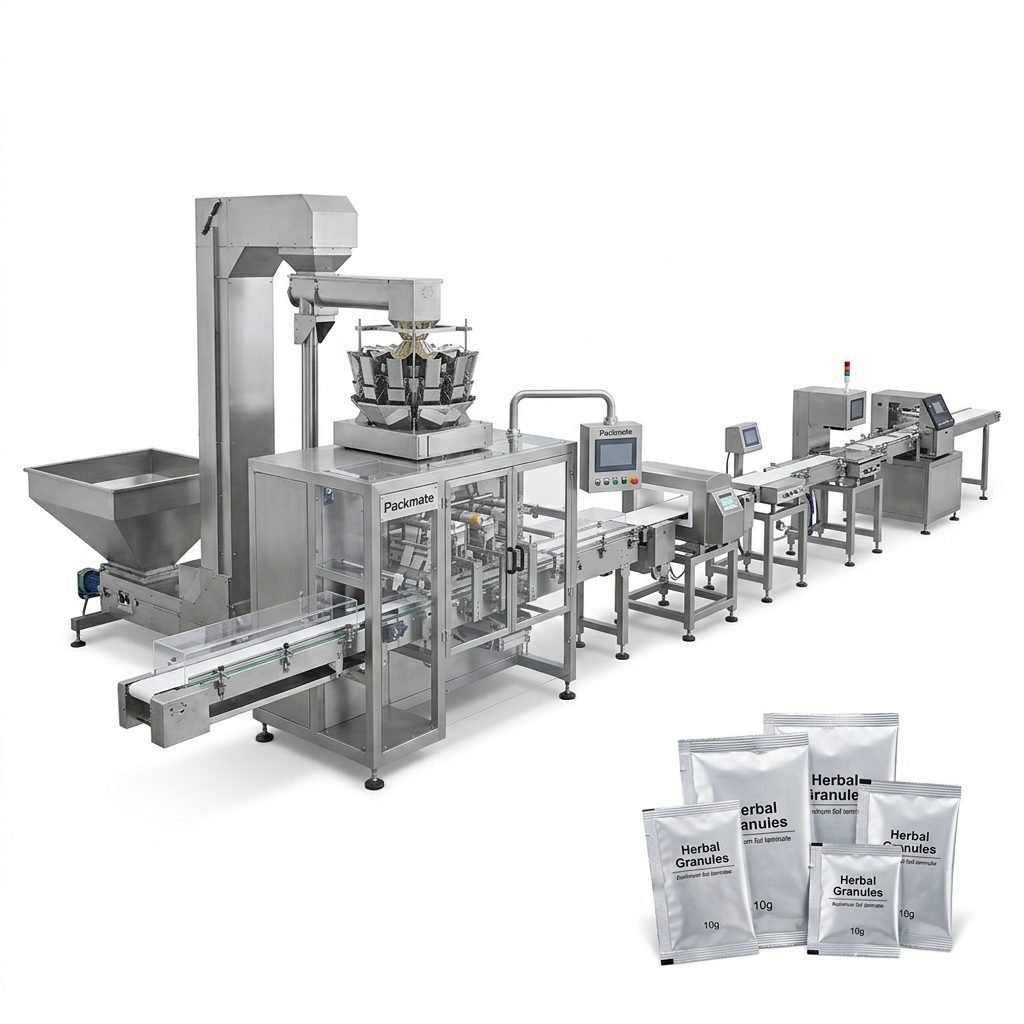
- Weighing & Packaging Systems for accurate dosing and integration.
- Filling & Packaging Lines for turnkey solutions that reduce integration time.
For product-specific details, explore suppliers’ product pages such as Snus & Nicotine Packaging Machines and Sachet & Stick Pack Machines.
Assess Manufacturing Strength and Quality Controls 🏭
A manufacturer’s facility and engineering capacity reveal a lot about reliability. Key indicators include factory size, CNC machining centers, precision assembly lines, and a documented quality control process. Production scale matters when you need consistent output and timely delivery.
Manufacturer benchmark: A factory with a 20,000㎡ workshop and advanced CNC capability indicates commitment to precision and scalability.
Certifications and compliance
Ensure the manufacturer adheres to international standards (CE, ISO) and can supply documentation for customs clearance and local regulatory review. Certification reflects process control, safety, and international market readiness.
Customization, Modularity, and Turnkey Options 🔩
Your production needs may evolve: choose a partner offering customizable modules, multi-lane conversions, and turnkey lines that include secondary equipment like weighing, conveying, and case packing. Modular systems reduce downtime and allow phased investments.
If you need integrated solutions, review offerings like Filling & Packaging Lines and auxiliary equipment listings for compatibility.
Service, Spare Parts, and After-Sales Support 🛠️
After-sales service is crucial for minimizing downtime. Confirm lead times for spare parts, remote troubleshooting support, and availability of local technicians or regional partners. Service agreements, training options, and preventive maintenance plans are all signs of a mature supplier relationship.
Must ask: Average response time for technical support and whether spare parts are stocked regionally.
Track Record, References, and Case Studies 📁
Request case studies and references, especially for projects similar to yours. Manufacturers with global turnkey experience should provide documented examples of installations, production metrics, and customer testimonials. Reviewing real cases will reveal problem-solving capability and delivery reliability.
For examples and project references, see the manufacturer’s case collection: Case.
Total Cost of Ownership vs. Initial Price 💰
A low purchase price can mask higher lifetime costs. Evaluate expected throughput, energy efficiency, planned downtime, maintenance needs, and spare parts pricing. A machine optimized for reliability and low waste often yields better margins than a cheaper alternative.
Financial and operational checklist
- Expected uptime percentage and MTBF (mean time between failures).
- Energy consumption per hour and per output unit.
- Spare part cost forecasting and warranty terms.
Factory Acceptance Tests, Trials, and FAT/SAT 🧪
Insist on Factory Acceptance Tests (FAT) and Site Acceptance Tests (SAT) that use your actual product or an accurate simulation. Well-documented FAT reduces commissioning issues and aligns expectations on performance, speed, and packaging integrity.
Logistics, Installation, and Training 🚚
Verify that the manufacturer can support international shipping, customs assistance, on-site installation, and operator training. Clear installation plans and trained local staff ensure a faster ramp-up to full production.
Pro tip: Arrange virtual factory tours or ask for detailed assembly and testing videos if you cannot visit in person.
Selecting a Partner: Practical Steps ✔️
- Define your production targets: formats, lanes, and hourly output.
- Shortlist manufacturers with proven snus packaging experience and certifications.
- Request detailed proposals including FAT plans, spare part lists, and training scope.
- Compare TCO and negotiate service-level agreements before signing.
- Confirm delivery schedule and post-installation support commitments.
To learn more about the manufacturer’s background and mission, view their company profile: About Packmate. For direct queries, use the Contact Us page to request tailored proposals and technical specifications.
Summary: What Matters Most
Choosing the best snus packaging machinery manufacturer for Kazakhstan hinges on a mix of technical capability, manufacturing strength, regional support, and clear service commitments. Emphasize certified quality, modular design, real case evidence, and strong after-sales service. Prioritize partners who balance engineering excellence with pragmatic on-the-ground support.
Final checklist before you decide
- Performance verified by FAT/SAT using your product.
- Clear spare parts and service plan for Kazakhstan operations.
- Documented references from similar projects and export experience.
- Warranty, training, and remote support guarantees.
Frequently Asked Questions (FAQs)
Q1: What documentation should I request before purchasing?
Ask for machine specifications, FAT reports, CE/ISO certificates, spare parts lists, electrical schematics, and a draft service agreement. Ensure documentation covers expected throughput and uptime metrics.
Q2: How long does it take to commission a snus packaging line?
Typical lead times vary by customization level and factory schedule. Standard turnkey lines may take several months from order to FAT, plus additional weeks for shipping and on-site commissioning. Confirm lead times and contingency plans with the supplier.
Q3: Can the machine handle different pouch sizes and formulations?
Many modern systems are modular and can be adjusted for pouch size, number of lanes, and product formulation with changeover kits. Verify the scope and cost of changeovers before purchase.
Q4: What after-sales services should I expect?
Expect training, spare parts supply, remote troubleshooting, and scheduled maintenance plans. Prefer manufacturers who provide timely local or regional service partners to minimize downtime.
Q5: How do I validate a manufacturer’s claims about performance?
Request FAT videos, customer references, and site visits where possible. Independent trial runs and sample production during FAT help confirm speed, accuracy, and packaging integrity.