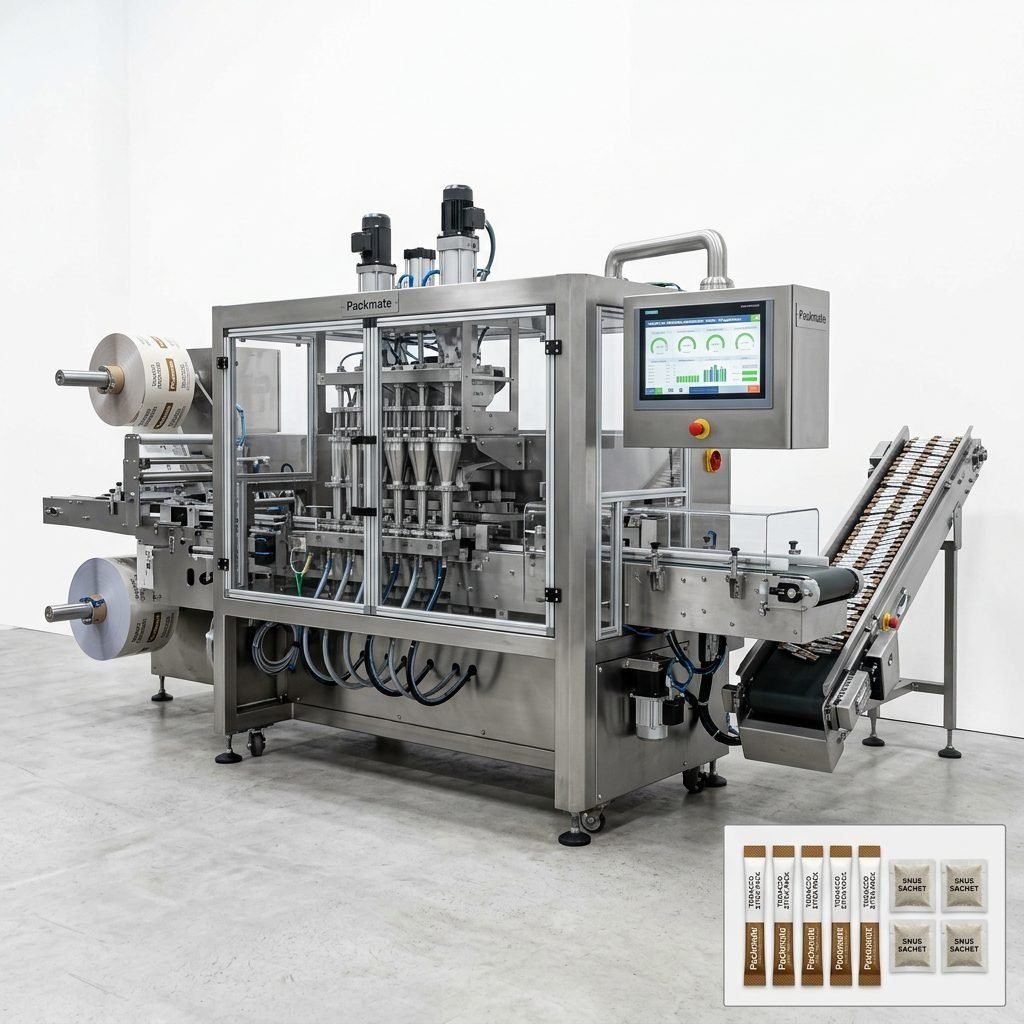
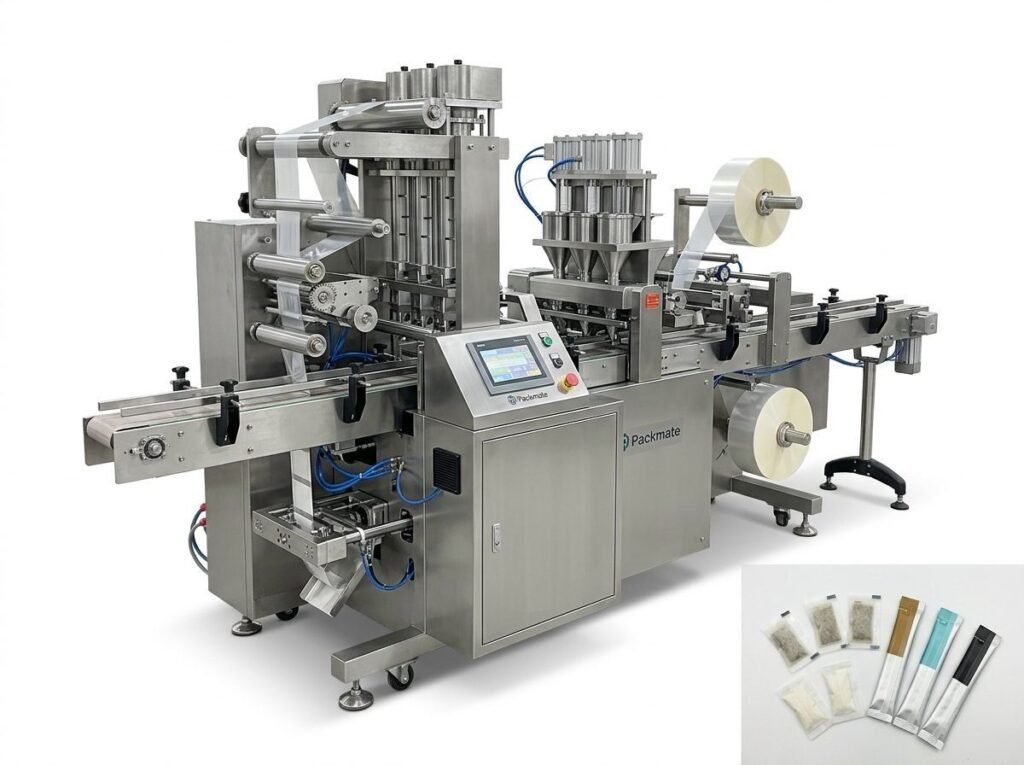
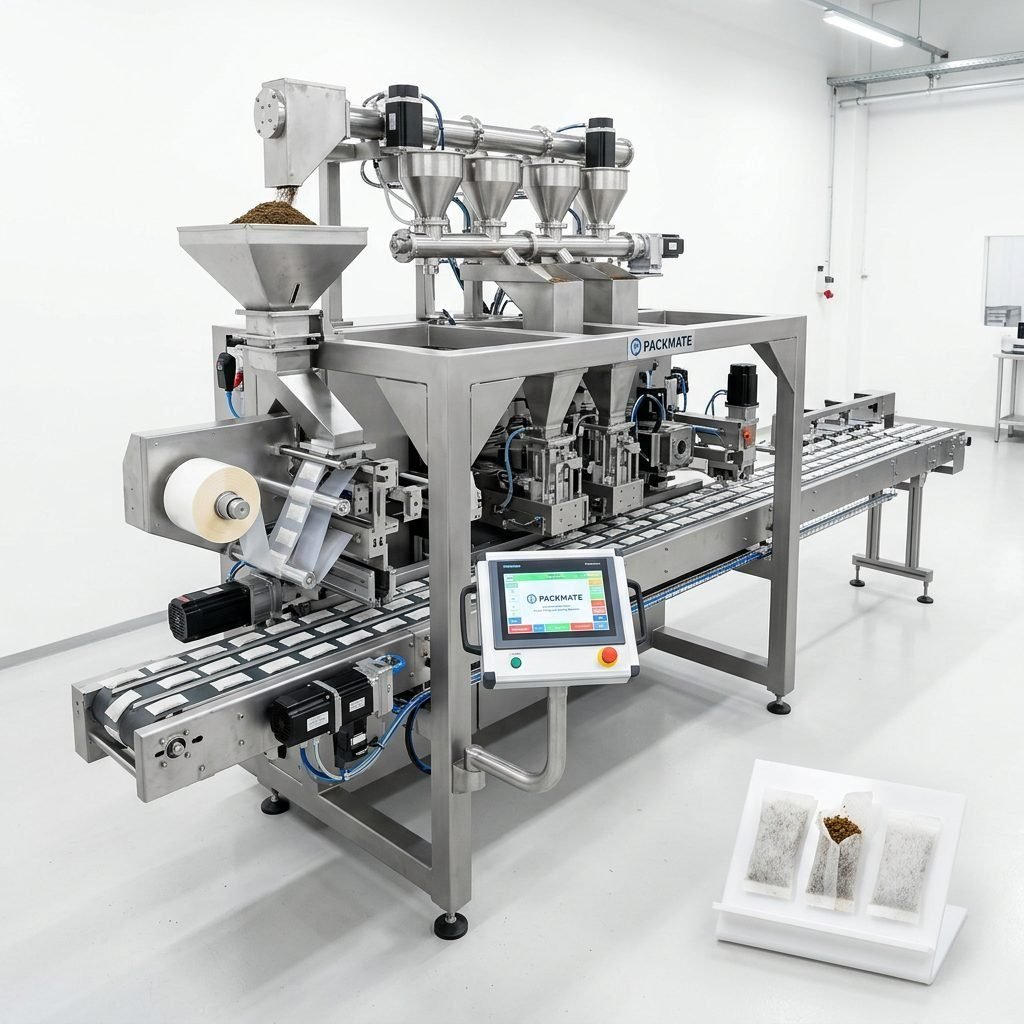
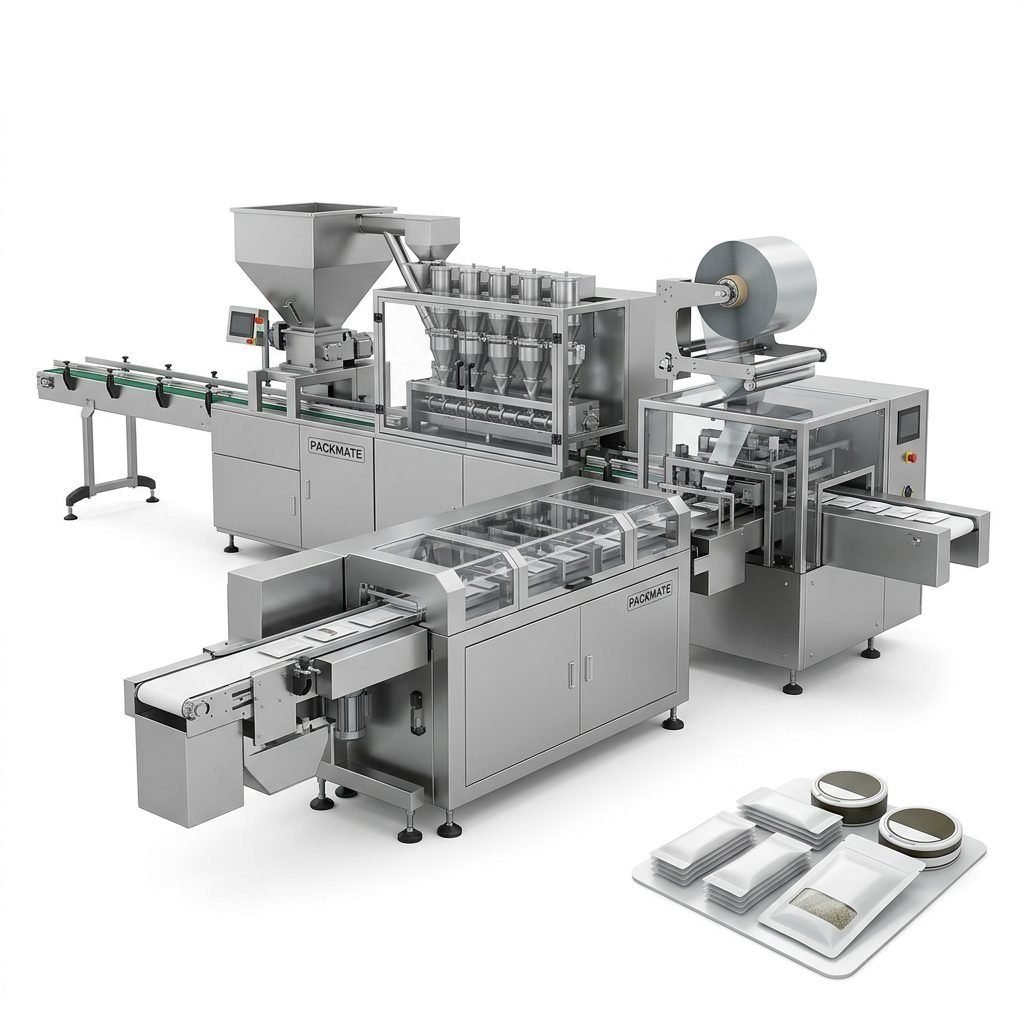
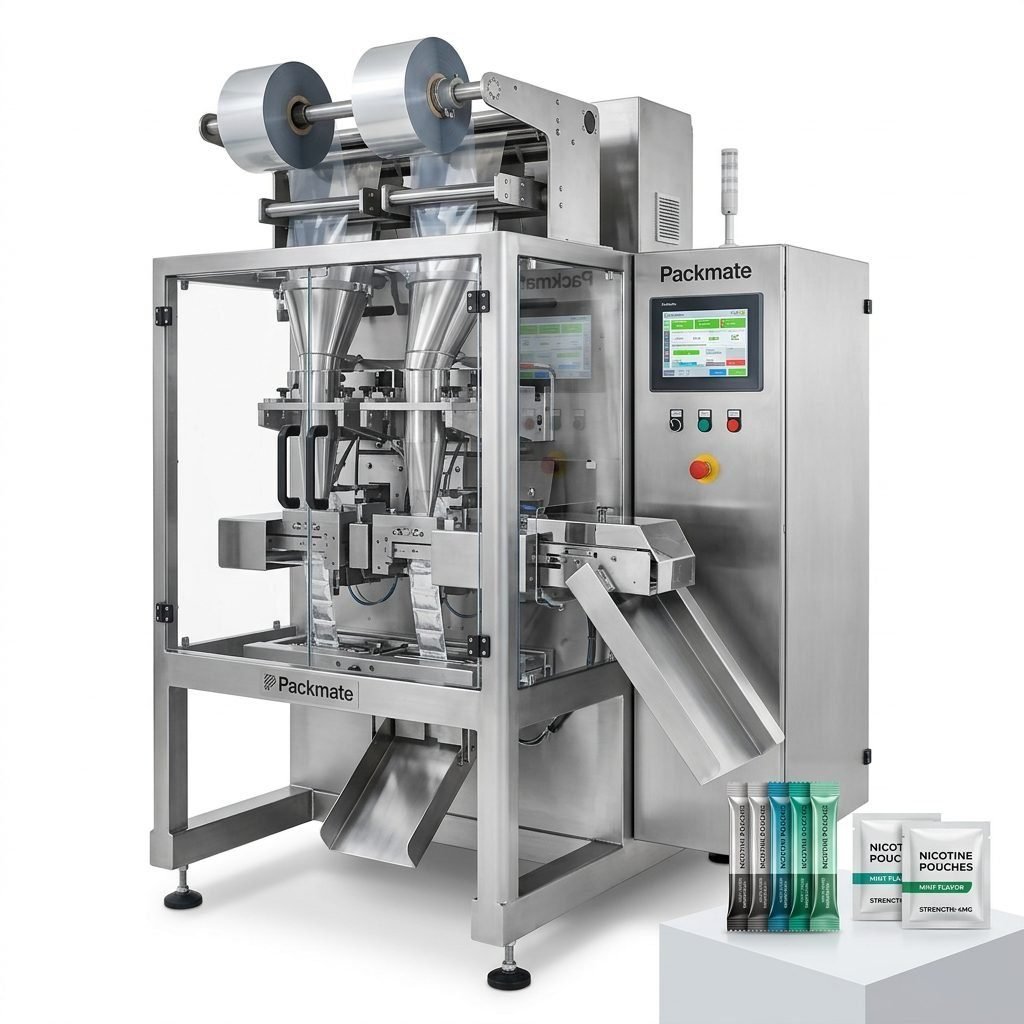
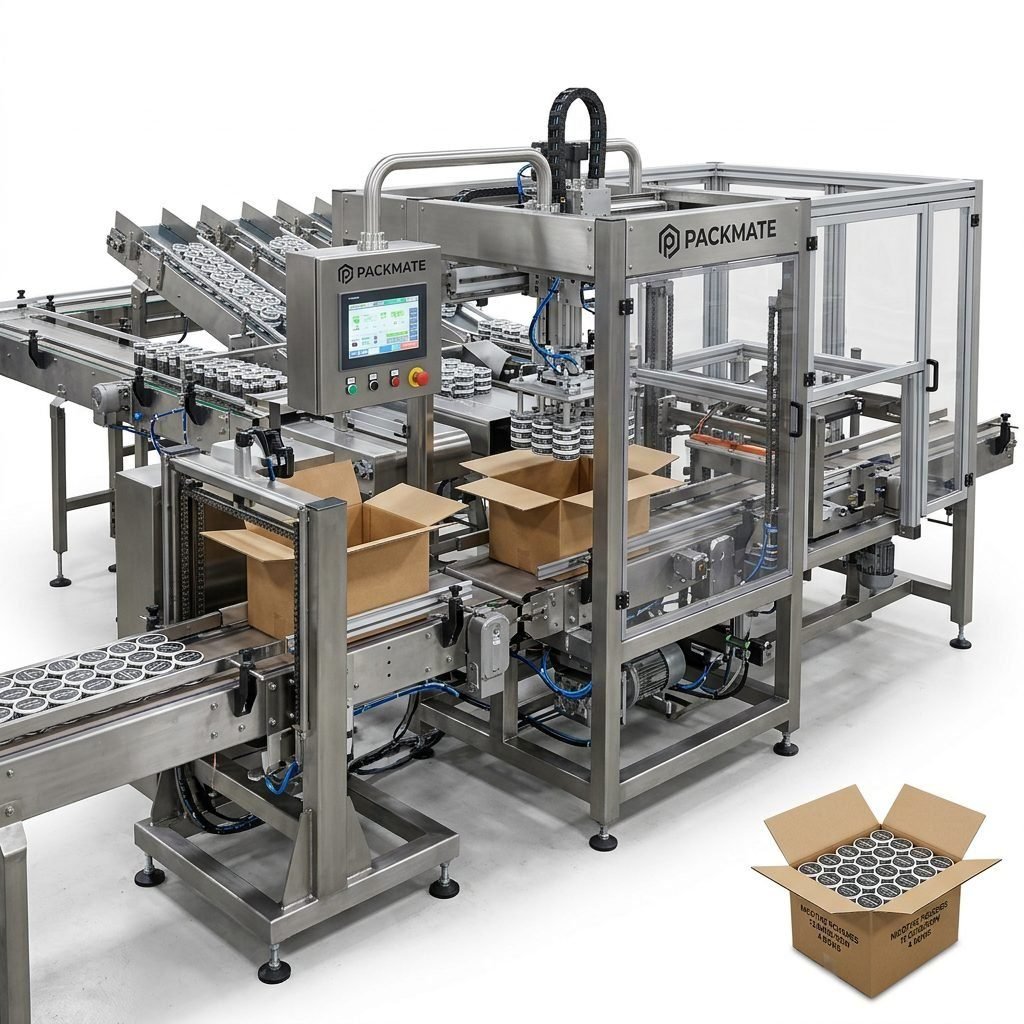
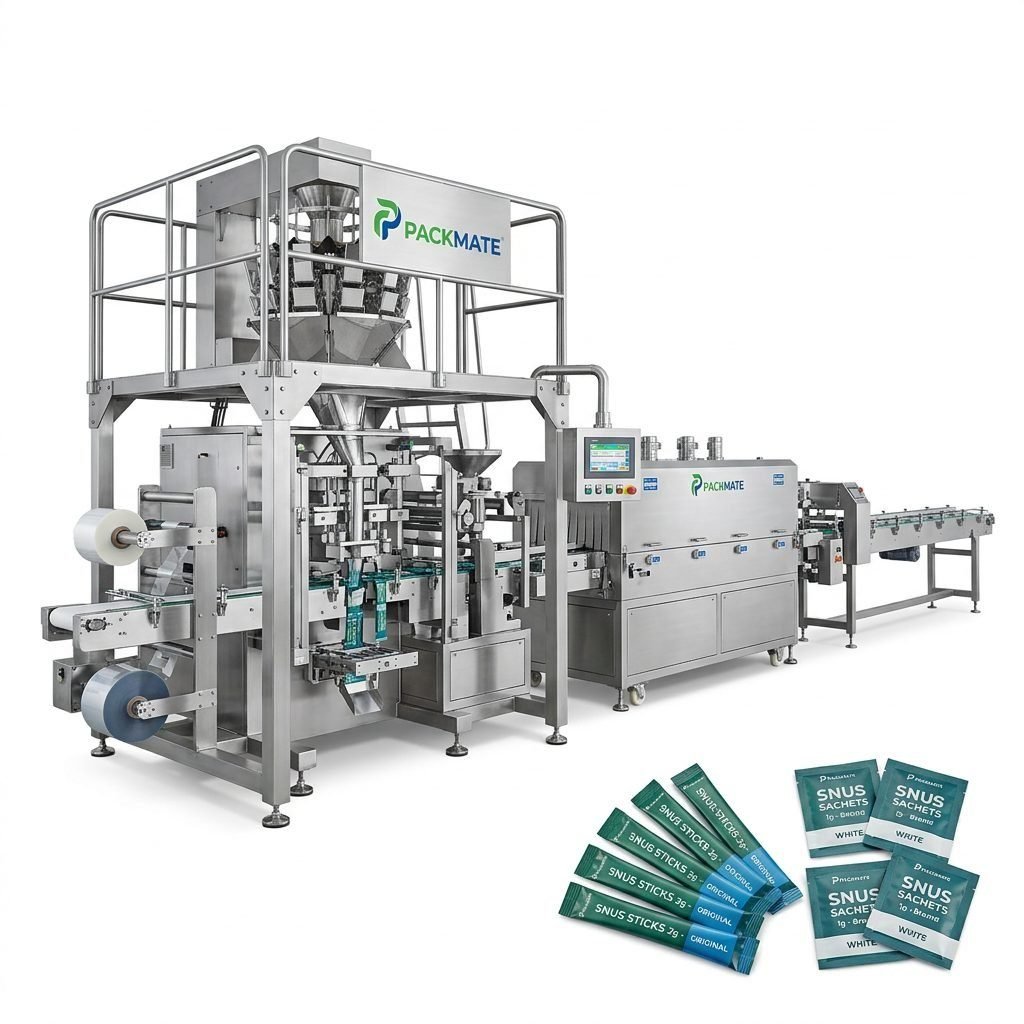
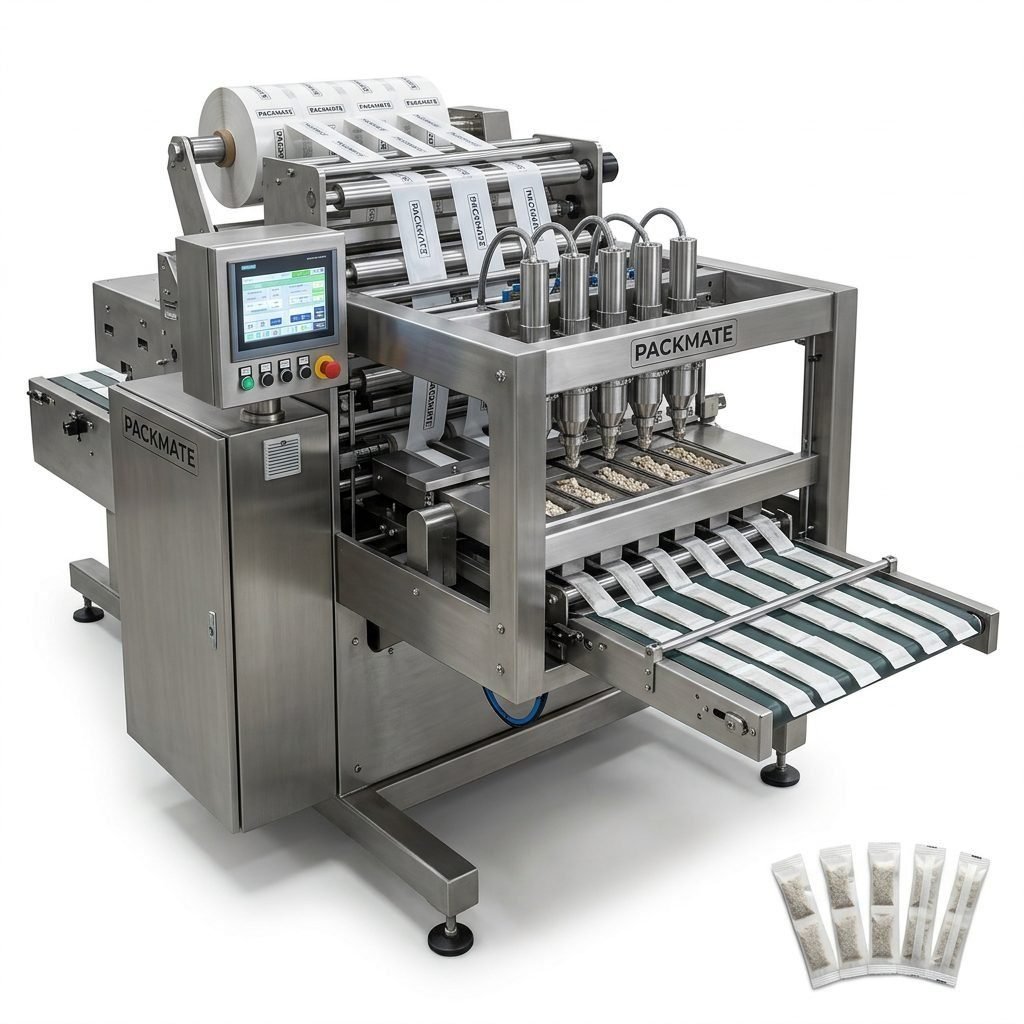
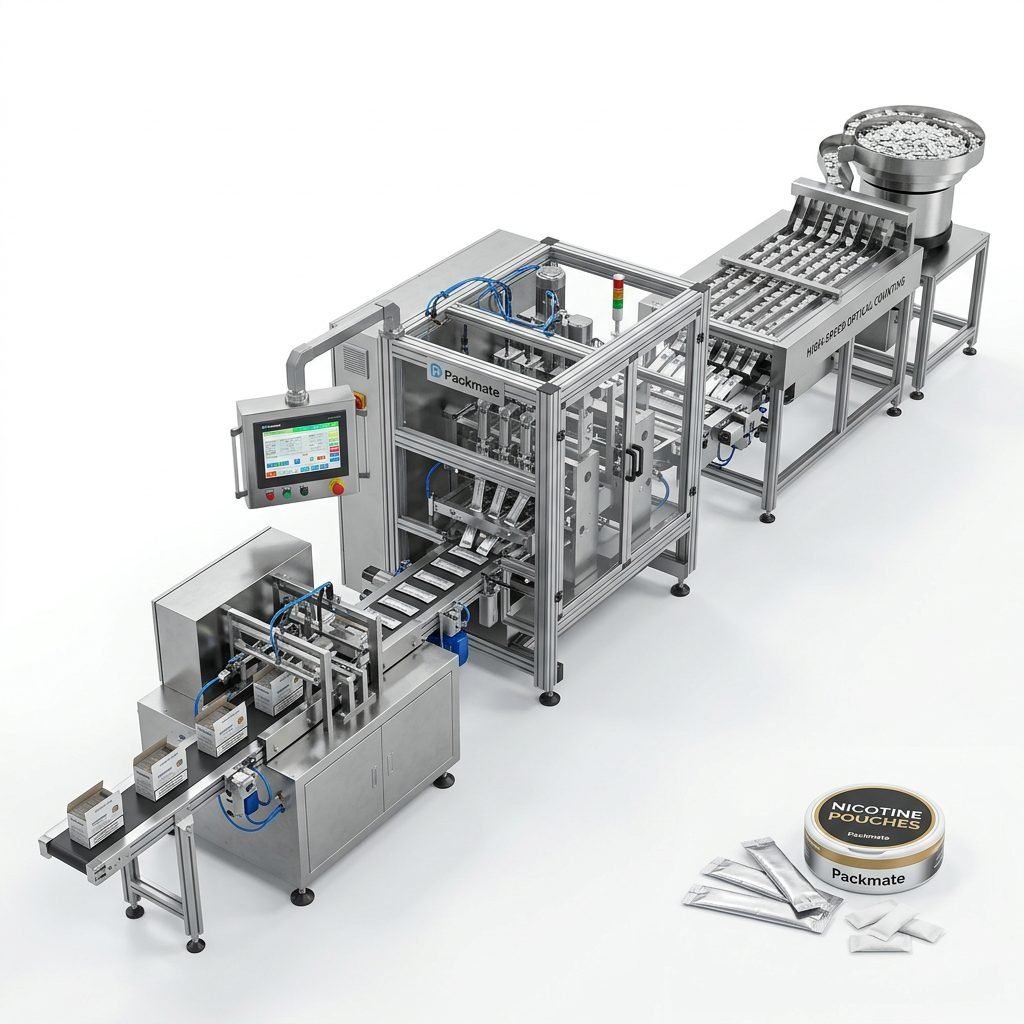
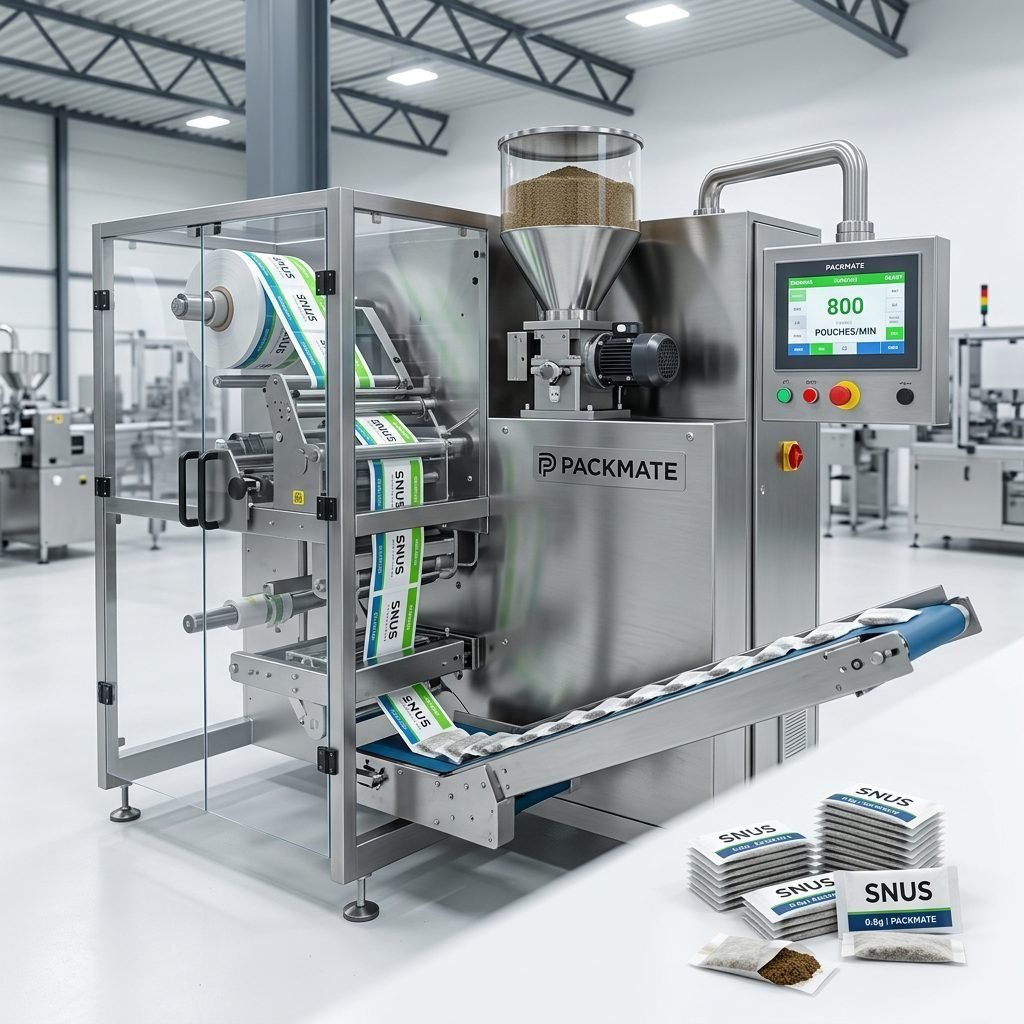
Choosing the right nicotine packaging machinery manufacturer in the Maldives is more than a purchase—it’s a strategic decision that affects product quality, regulatory compliance, production efficiency, and your brand reputation. This guide walks you through the essential criteria, practical evaluation steps, and negotiation tips to help you select a manufacturer that meets the unique demands of the Maldives market and your long-term growth plans.
Understand Your Production Needs
Before evaluating manufacturers, define your production profile clearly: expected daily output, pouch formats (stick pack, sachet, multi-lane nicotine pouches), product types (powders, granules, liquids), and target packaging speeds. A clear brief reduces misunderstandings and helps manufacturers propose the right line configuration.
Tip: Include target output per hour, acceptable downtime, and scalability expectations when you first contact suppliers.
Local market considerations in the Maldives
The Maldives has specific logistical and regulatory realities: island-based distribution, import procedures, and environmental controls. Ensure your chosen equipment is robust enough for inter-island transport, easy to maintain locally, and compatible with Maldivian electrical and safety standards.
Key Manufacturer Selection Criteria
✅ Experience & Specialization: Prefer manufacturers with proven expertise in snus and nicotine pouch packaging. Companies with decades of R&D and specialization in snus/nicotine machines better understand the nuances of small-dose pouch production.
✅ Range of Models & Customization: Look for vendors offering multiple machine models (single-lane to multi-lane systems) and the ability to customize designs for speed, lane count, or pouch format.
✅ Factory & Manufacturing Strength: A large, well-equipped factory with CNC machining, precision assembly lines, and a formal quality system reduces lead times and improves consistency.
Certifications & Compliance
Regulatory compliance is non-negotiable for nicotine packaging. Ask for CE, ISO, and other relevant certificates, and verify that the equipment can support hygiene and traceability practices required by your market. Request documentation and, if possible, third-party inspection reports.
Technical Capabilities to Verify
When reviewing technical offers, evaluate critical machine attributes:
🔧 Filling accuracy: For nicotine pouches, dosing precision is essential to maintain product consistency and regulatory compliance. Ask for measurement tolerances and test results.
⚙️ Speed and multi-lane capacity: Ensure the machine can meet your current throughput and scale up with additional lanes or modules if needed.
🔍 Changeover time & format flexibility: Quick adjustments between pouch sizes, materials, and line formats reduce downtime and broaden product options.
Control Systems & Automation
Modern packaging lines use PLC and HMI systems for monitoring and control. Confirm compatibility with your plant standards and inquire about language/localization, recipe management, and remote support features that can expedite troubleshooting.
Quality Assurance & Factory Visit
A factory visit (or a detailed virtual tour) gives insight into the manufacturer’s processes, CNC machining capability, assembly quality, and testing protocols. Look for dedicated testing lines where machines run full production demos and for evidence of strict incoming parts inspection.
If an in-person visit is challenging from the Maldives, request recorded trials and a live demonstration of machines running your product or a close analogue. Ask for sample packs produced during trials to inspect pouch sealing, dosing, and finish quality.
After-Sales Support & Spare Parts
📦 Spare parts availability: Confirm the lead times for common wear parts and whether the manufacturer stocks parts regionally or ships from the factory.
📞 Technical support & training: On-site commissioning, operator training, and remote diagnostics are essential. Ensure support packages match your operational needs, particularly for skilled maintenance availability in the Maldives.
🌐 Documentation & manuals: Request English manuals, spare parts lists, electrical diagrams, and preventative maintenance schedules.
Track Record & Global References
Request case studies and references similar to your needs. A manufacturer with export experience to island nations or complex logistics demonstrates readiness for Maldivian requirements. Look for documented turnkey projects and long-term service relationships.
For example, explore a manufacturer’s project portfolio and client cases to judge reliability and delivery performance. (See an example of global project cases here: Case.)
Factory Credentials
A large-scale operation with 20,000㎡ of manufacturing space, advanced CNC centers, and 50+ machine models indicates production depth and flexibility. Companies with decades of experience often provide more mature engineering solutions and quality control.
Cost vs. Value: Total Cost of Ownership
Upfront price is only part of the story. Evaluate total cost of ownership (TCO): installation, shipping, customs, spare parts, energy consumption, expected lifespan, and downtime risks. A slightly higher-capability machine may deliver superior ROI through lower waste and higher uptime.
Ask suppliers for a TCO breakdown and sample calculations based on your expected production volumes.
Logistics & Installation in the Maldives
Plan shipping and customs early. Packaging lines often ship in crates and require careful handling for island transit. Confirm the manufacturer’s experience with international shipping, export documentation, and support for local installation.
Trial Runs, FAT & SAT
Factory Acceptance Tests (FAT) and Site Acceptance Tests (SAT) are critical. During FAT, validate speed, sealing quality, dosing accuracy, and automation functions with your product or a close sample. After shipping, SAT ensures the installed line performs under actual plant conditions.
🔎 Include acceptance criteria in contracts and require documented test reports before final payment.
Warranties & Service Contracts
Negotiate clear warranty terms, service level agreements (SLA), and options for extended service contracts. Determine response times for remote support and potential on-site engineering visits. Ensure parts and labor coverage is clearly defined.
Sustainability & Energy Efficiency
Energy-efficient machines reduce operating expenses and demonstrate a commitment to sustainability—important for brand image in export markets. Ask for energy consumption figures and any eco-friendly packaging options the line supports.
Integration with Downstream Processes
Consider how the packaging line integrates with upstream/weighing systems and downstream case packing or cartoning. Manufacturers offering complete solutions—from filling to secondary packaging and auxiliary equipment—simplify procurement and ensure smooth line balancing. See examples of integrated solutions: Filling & Packaging Lines and Auxiliary Packaging Equipment.
Evaluating a Shortlist of Suppliers
Use a scoring matrix to rank suppliers on key dimensions: experience, technical fit, quality, lead time, warranty, spare parts, and price. Assign weights according to your priorities (ex: uptime and support might be heavier for island operations).
🔢 Sample scoring criteria: Technical fit (25%), Reliability & references (20%), TCO (20%), After-sales (15%), Lead time (10%), Compliance & documentation (10%).
Preparing the Purchase Contract
Include detailed technical specifications, FAT/SAT acceptance conditions, penalties for late delivery, warranty terms, spare parts lists and prices, training scope, and clear payment milestones. A well-structured contract reduces disputes and clarifies responsibilities.
Why Packmate-Style Manufacturers Stand Out
Manufacturers with focused portfolios in snus/nicotine packaging, extensive factory capabilities, and turnkey project experience offer significant advantages. They often provide tailored multi-lane systems, precise dosing, and robust global support—qualities important for reliable operations in the Maldives. Learn more about such manufacturers on their company pages and certifications: About Packmate and Certificate.
Negotiation Tips
Negotiate bundled pricing (machine + spare kit + training), staged payments linked to FAT/SAT, and a reasonable warranty period. Confirm the timeline for spare parts shipments to the Maldives and any support costs for remote diagnostics.
Implementation Checklist
✔️ Finalize technical spec & acceptance tests
✔️ Schedule FAT & obtain production samples
✔️ Confirm shipping, insurance & customs documentation
✔️ Plan SAT, installation & operator training on-site
✔️ Keep a minimum spare parts kit for critical wear items
Final Thoughts
Selecting the best nicotine packaging machinery manufacturer for the Maldives requires balancing technical capability, proven experience, robust after-sales support, and logistics readiness. Prioritize suppliers that demonstrate clear expertise in snus/nicotine packaging, maintain stringent quality control, and provide transparent FAT/SAT procedures. Doing so minimizes risk and positions your operation for consistent, high-quality production.
If you’d like to review proven snus and nicotine packaging systems directly, check the product portfolio here: Snus & Nicotine Packaging Machines. For direct inquiries or project discussions, visit the manufacturer’s contact page: Contact Us.
Common Questions
Q1: What documents should I request before placing an order? — Request technical specifications, FAT protocol, CE/ISO certificates, spare parts list, warranty terms, and the factory’s case studies or client references.
Q2: How long does shipping and installation typically take for the Maldives? — Timelines vary by manufacturer and shipping method; plan for longer lead times due to island logistics and include buffer days for customs clearance and local transport.
Q3: What level of local support is needed for nicotine packaging lines? — At minimum, trained operators and a maintenance technician. Ensure the manufacturer provides remote diagnostics and periodic on-site service options.
Q4: Can machines be adapted for different pouch materials or formats? — Most experienced manufacturers offer format-flexible machines and modular upgrades; confirm changeover times and tooling costs.
Q5: How do I validate machine performance before final acceptance? — Use FAT with your product, obtain production samples, verify dosing accuracy, sealing integrity, and runtime stability, and document results against agreed acceptance criteria.