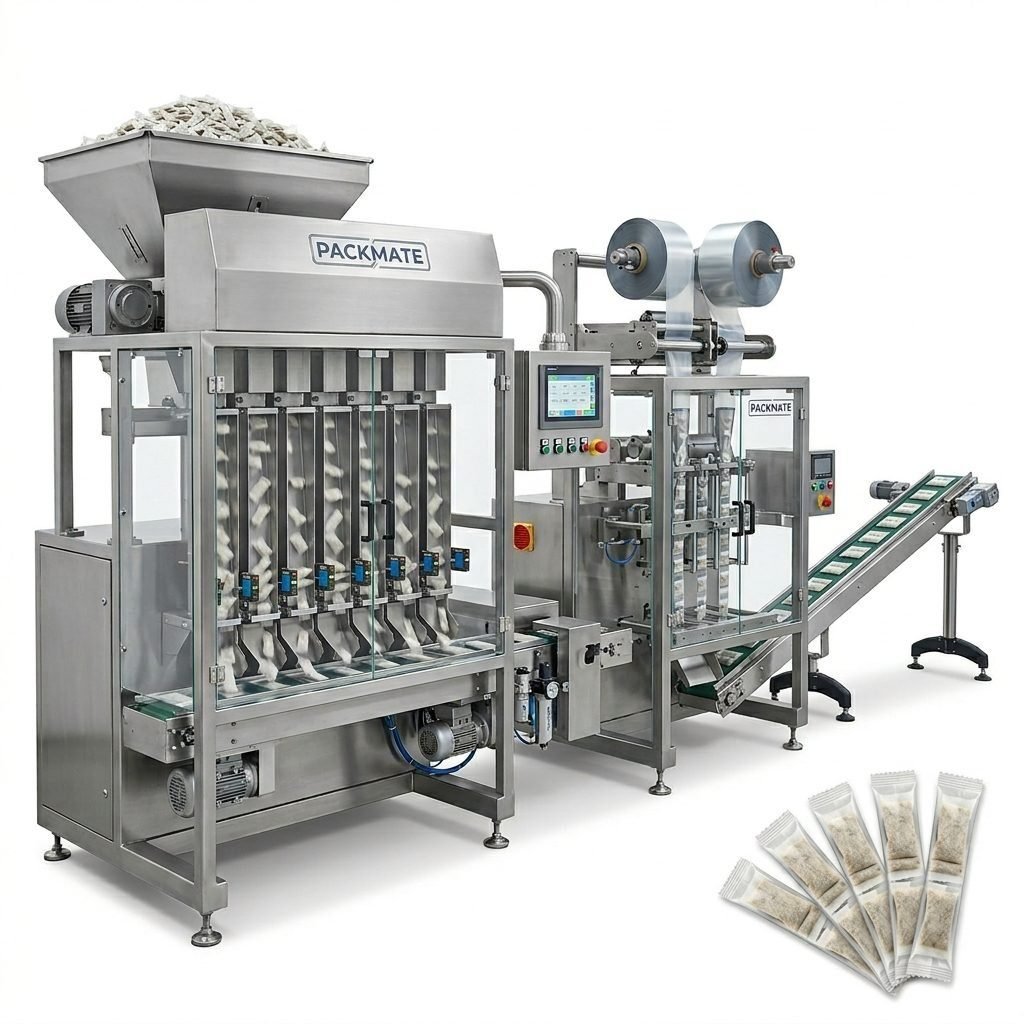
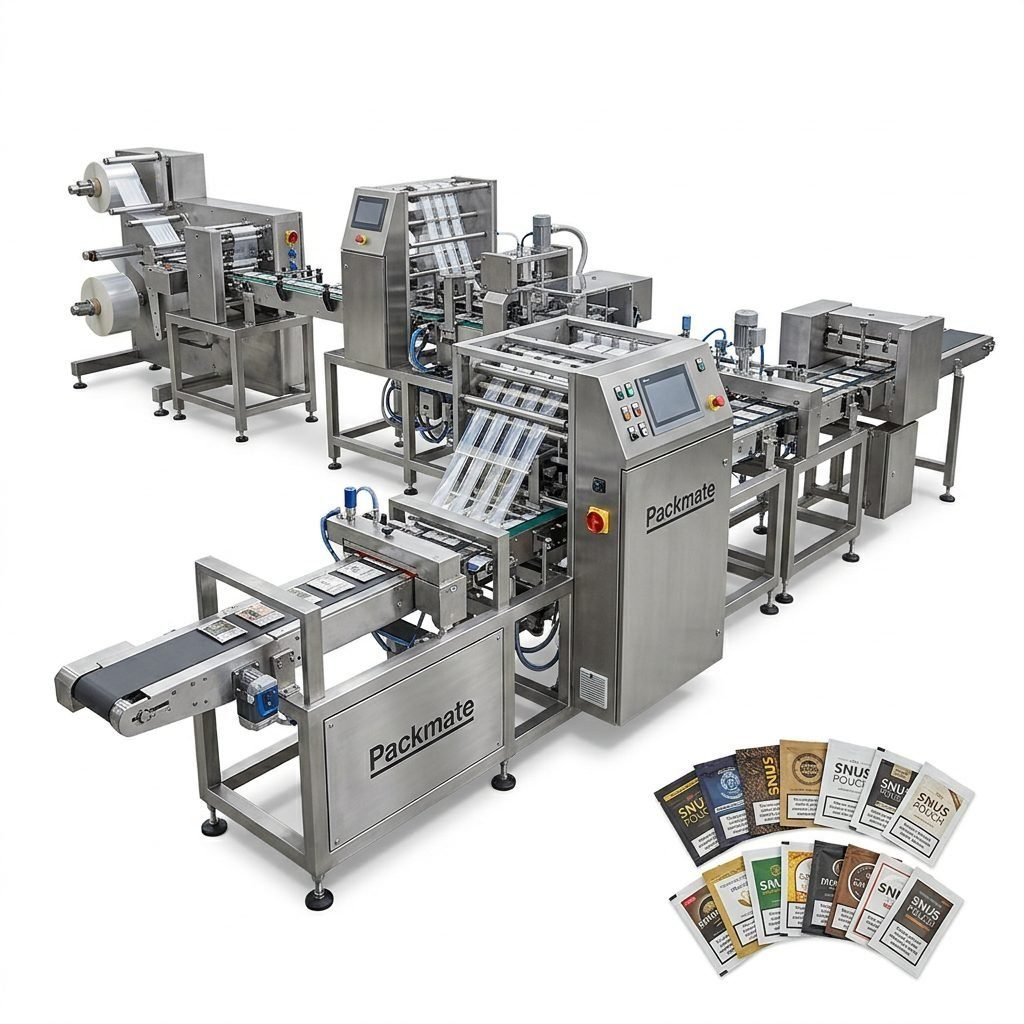
Entering Guatemala’s growing nicotine pouch and snus market requires more than a good product — it requires the right packaging partner. Choosing a reliable nicotine packaging machine manufacturer affects product consistency, regulatory compliance, production efficiency, and ultimately your brand reputation among Guatemalan consumers. This guide explains practical steps to select the best manufacturer for your business in Guatemala, with considerations for local practices, certification needs, production scale, and after-sales support.
Understand Guatemala’s Market and Consumer Habits 🇬🇹
Guatemala’s consumers value trusted local distributors, clear product labeling in Spanish, and packaging that preserves freshness in a hot, humid climate. Retail displays tend to favor compact, shelf-friendly packs for convenience stores and kiosks. When choosing a packaging machine, ensure the output formats (stick pack, sachet, small pouches) match the retail formats common in Guatemala and that the machine can handle humidity-resilient packaging materials.
Key local considerations
Language & labeling: Spanish-first product labeling and batch coding.
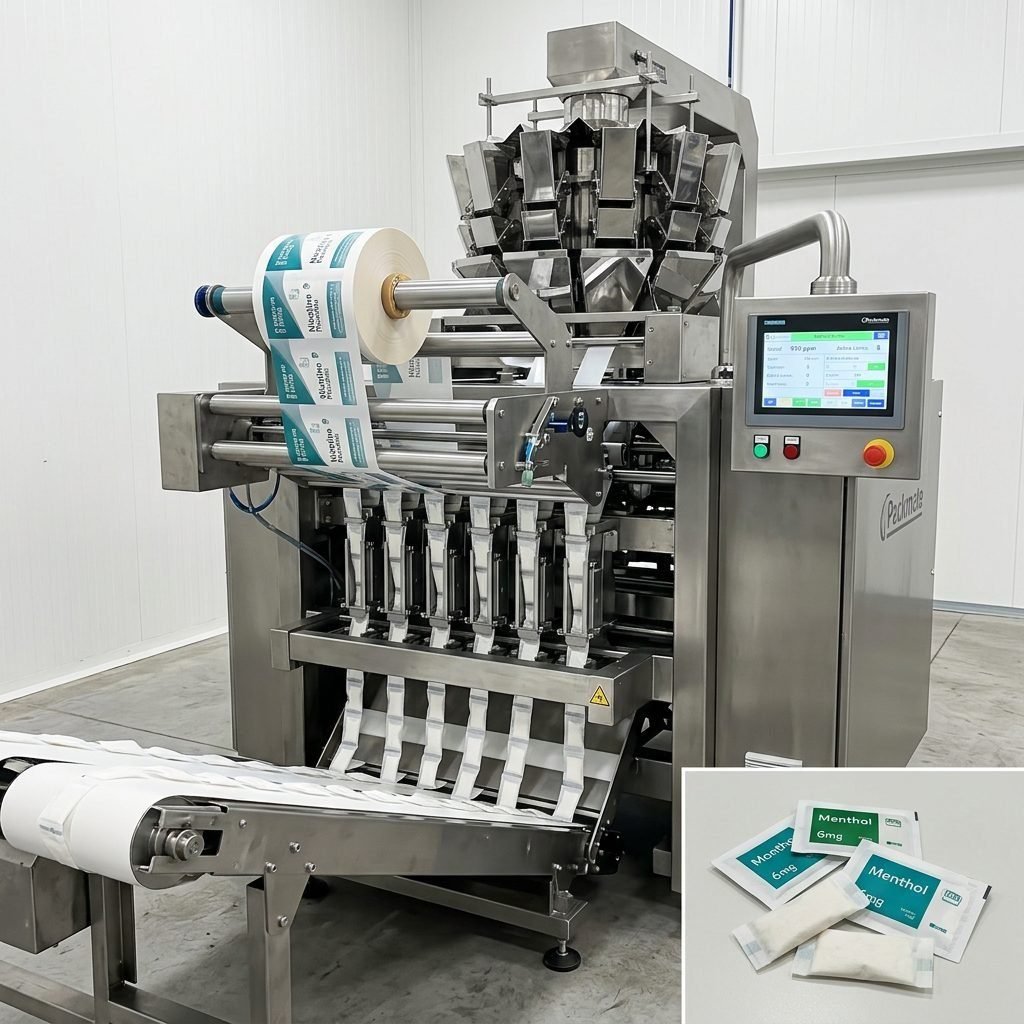
Distribution: Many retail channels are small-format stores; multi-lane packaging can help achieve higher throughput for distributors.
Climate: Condensation and humidity require barrier films and reliable sealing systems to avoid spoilage.
⚠️ Tip: Ask manufacturers about recommended film structures and heat-sealing parameters to ensure seals hold in tropical warehouses and local retail conditions.
Step 1 — Define Your Production Needs and Formats
Before contacting manufacturers, list your production targets: daily output, pouch sizes, product formats (dry snus, nicotine pouches, loose powder, or liquid), and whether you need multi-lane capability for higher throughput. Decide if you require integrated pre-weighing, dosing, and feeding systems or simple pouch forming and sealing. These choices narrow the pool of suitable manufacturers and clarify budget expectations.
Production metrics to specify
– Target units per minute/hour/day
– Pouch dimensions and material types (aluminum foil laminate, PET/PE, biodegradable films)
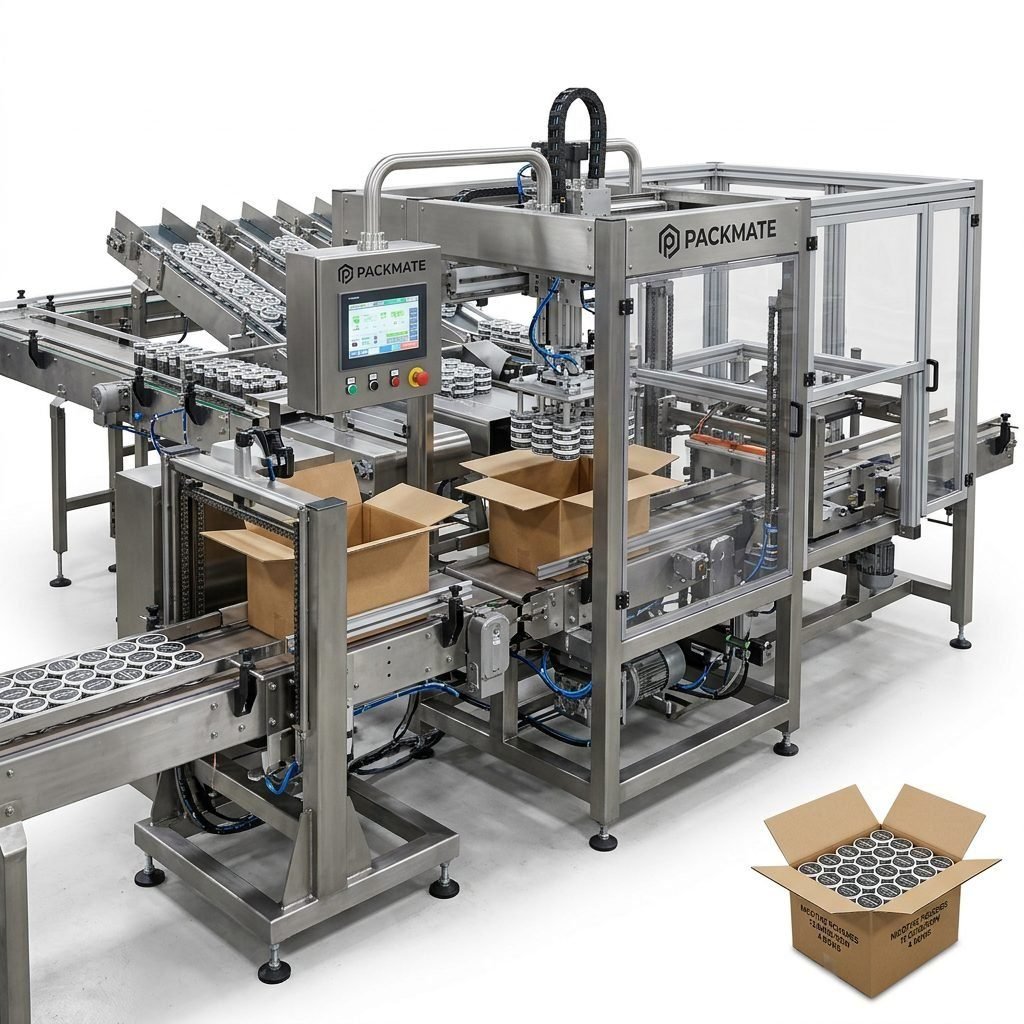
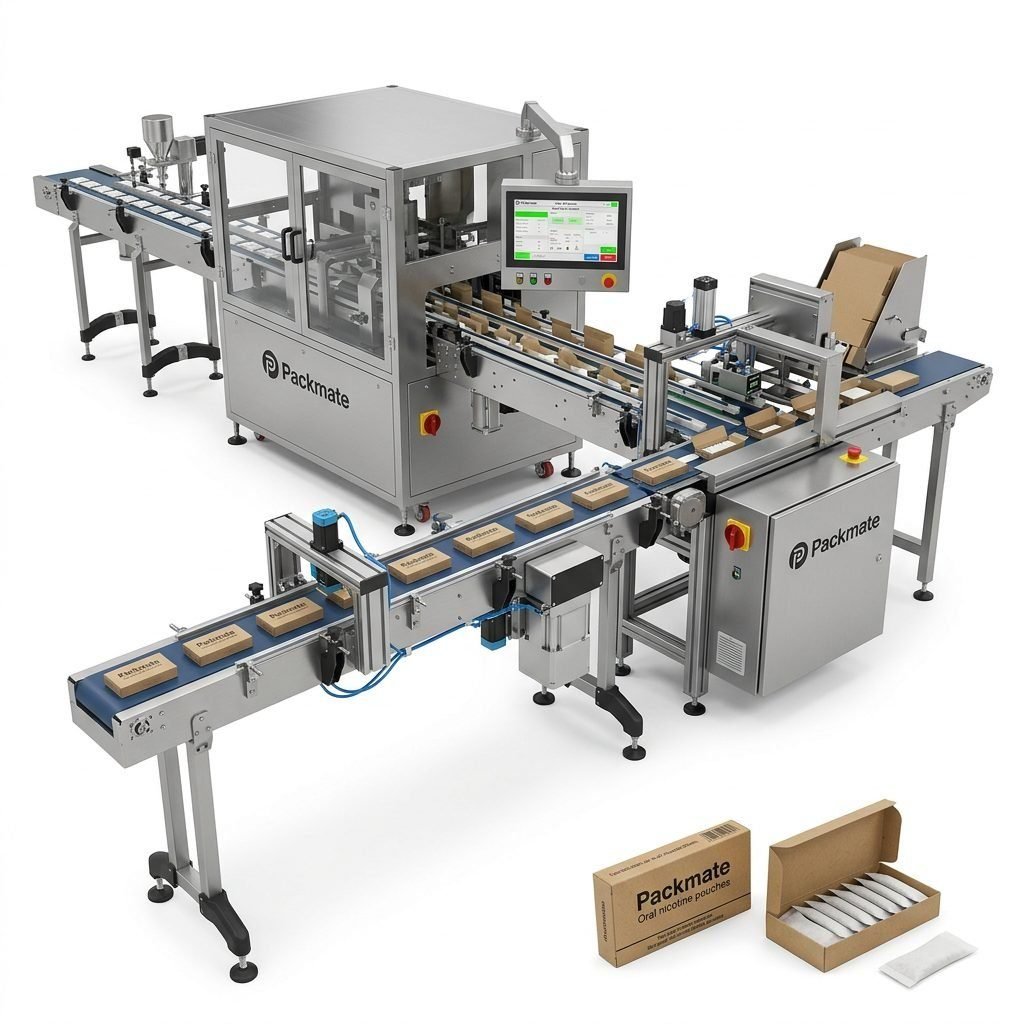
– Required in-line processes: dosing, nitrogen flushing, coding/printing, cartoning
Step 2 — Evaluate Manufacturer Expertise and Track Record
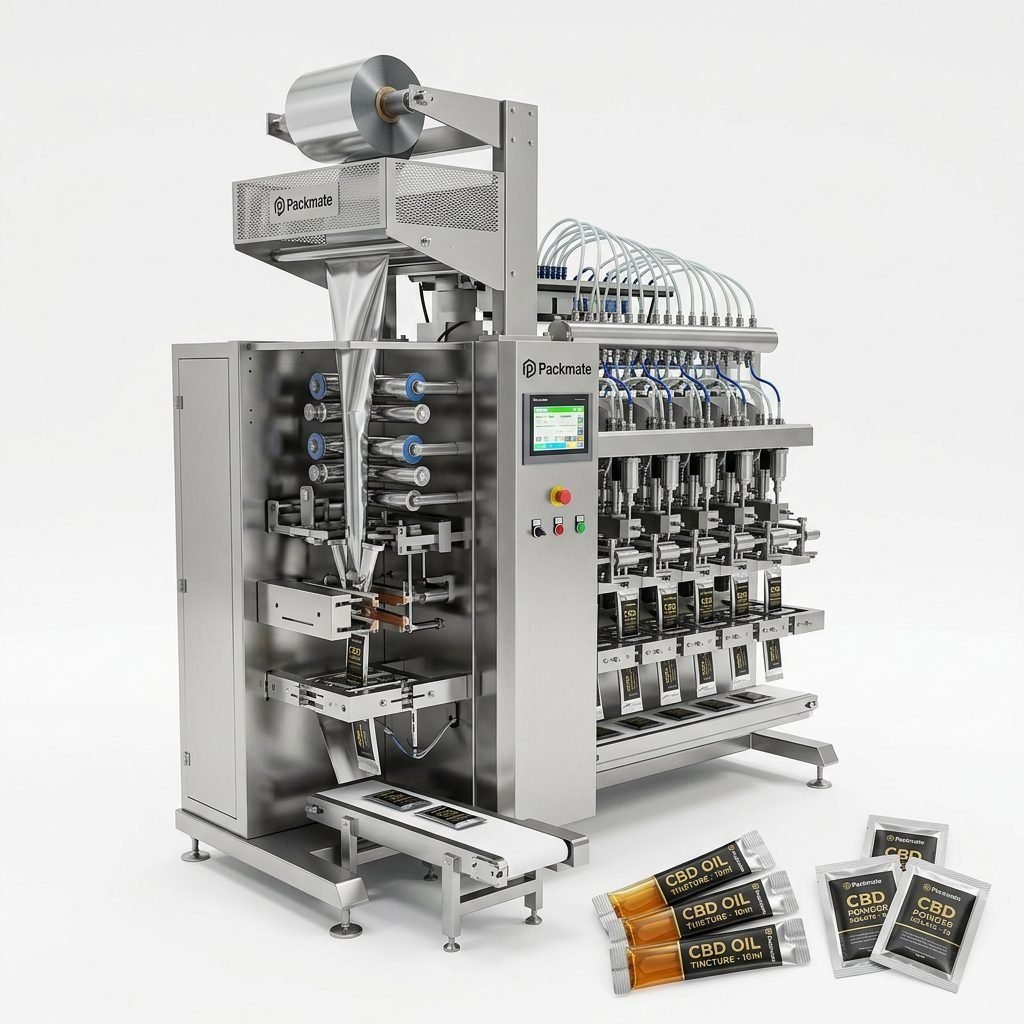
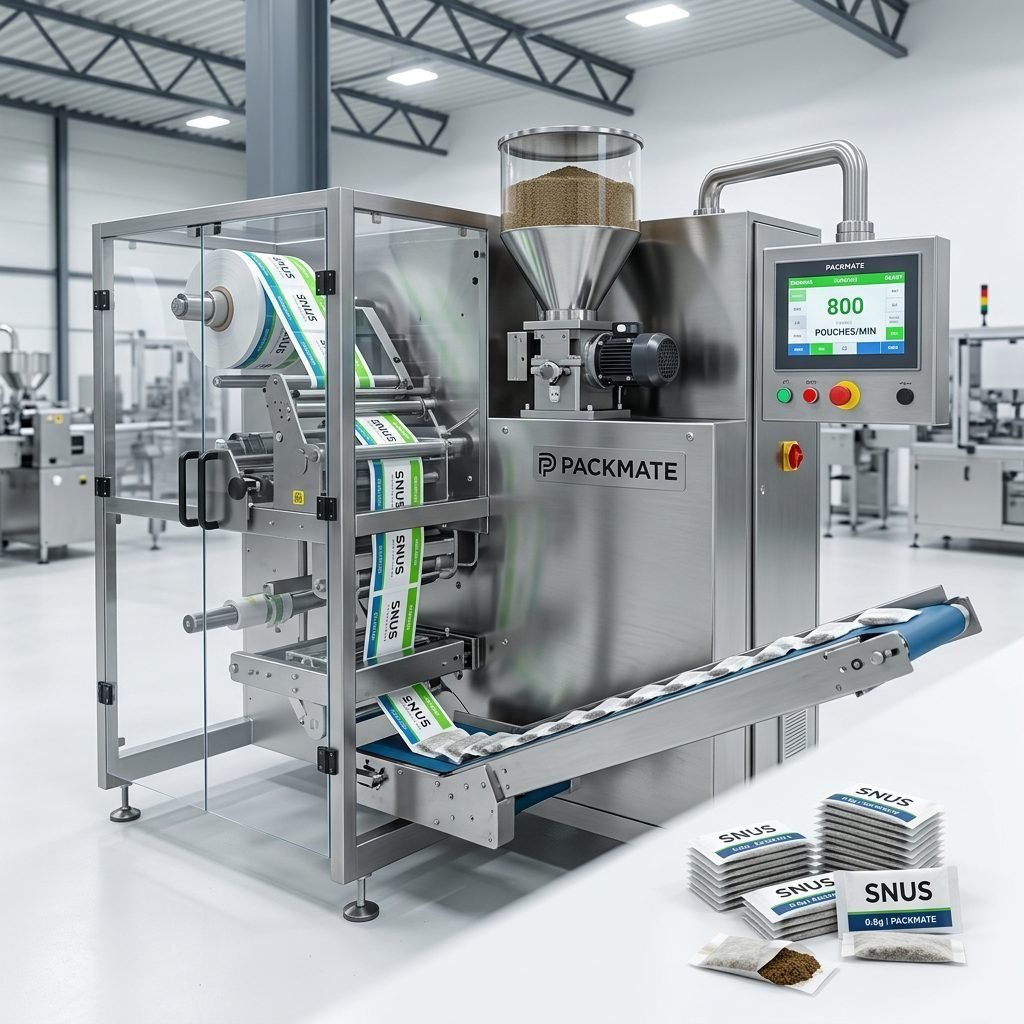
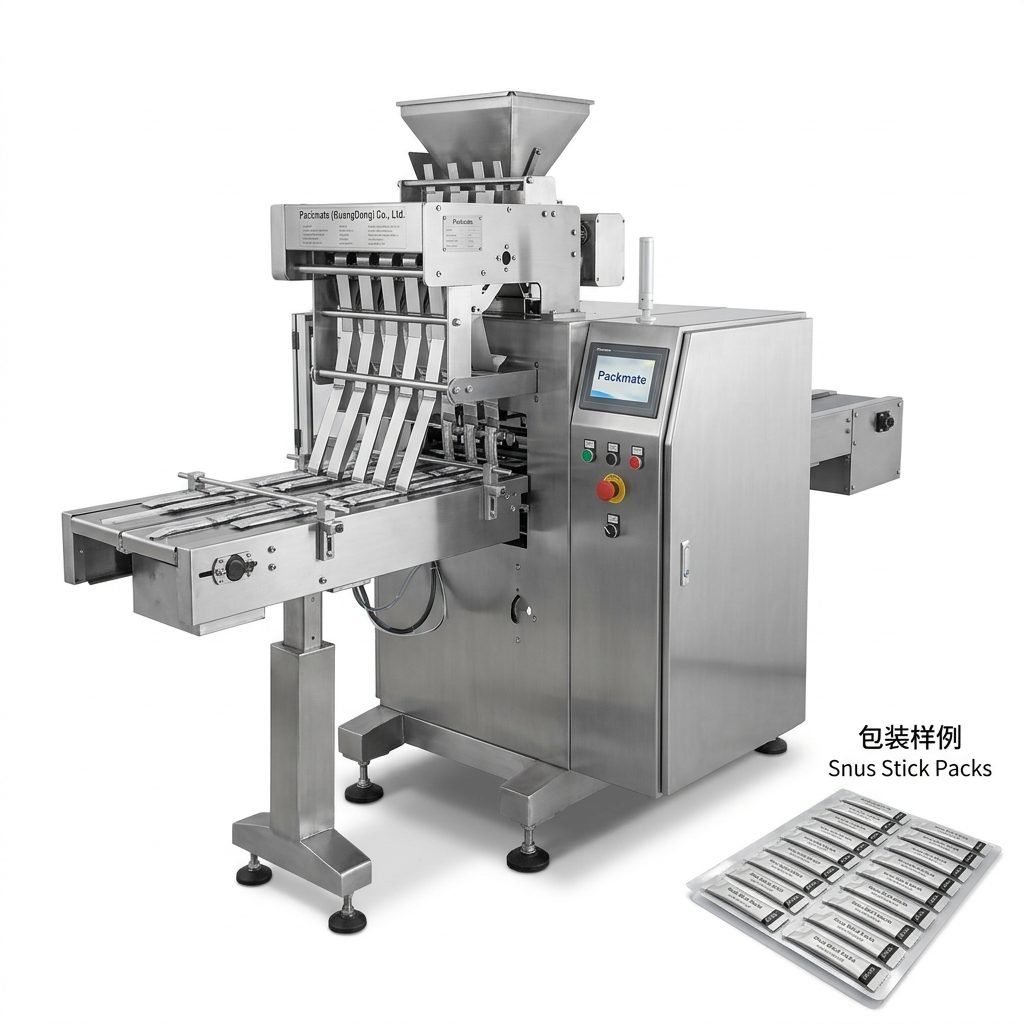
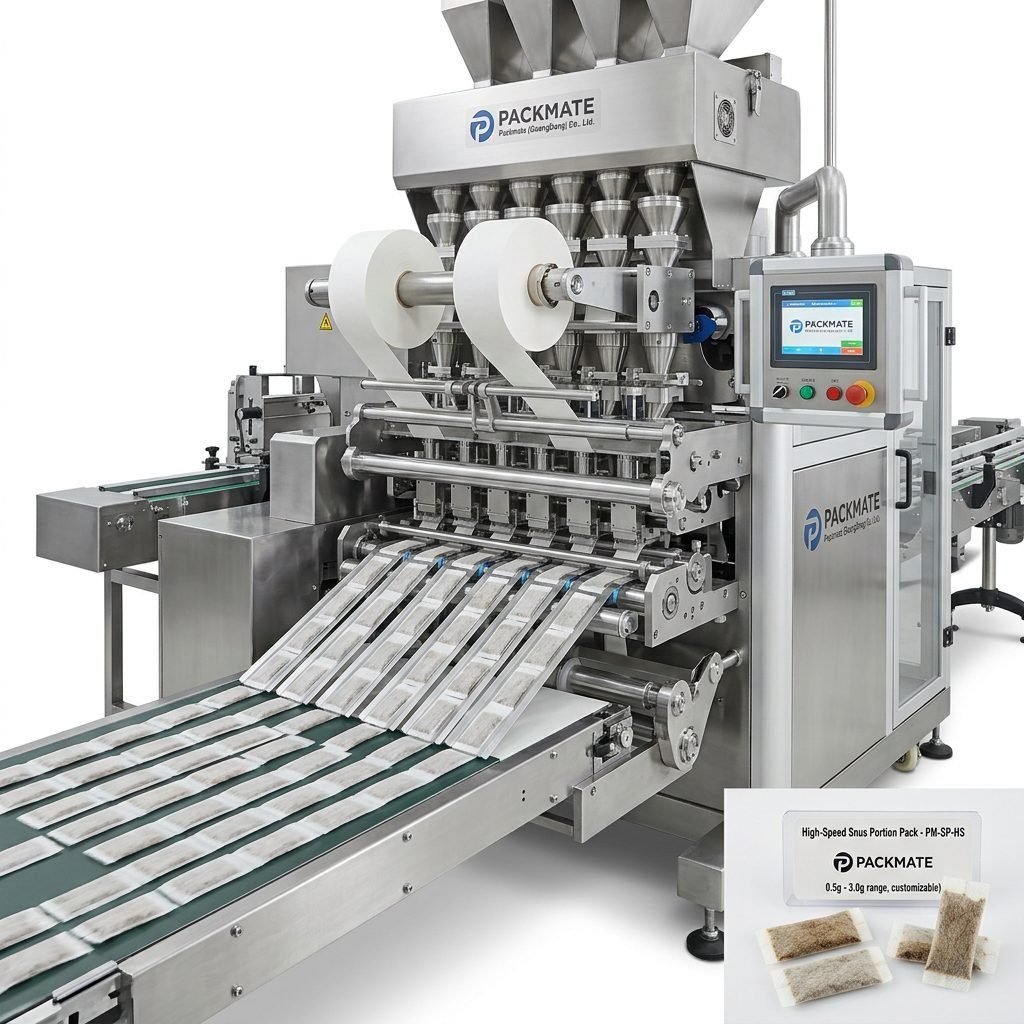
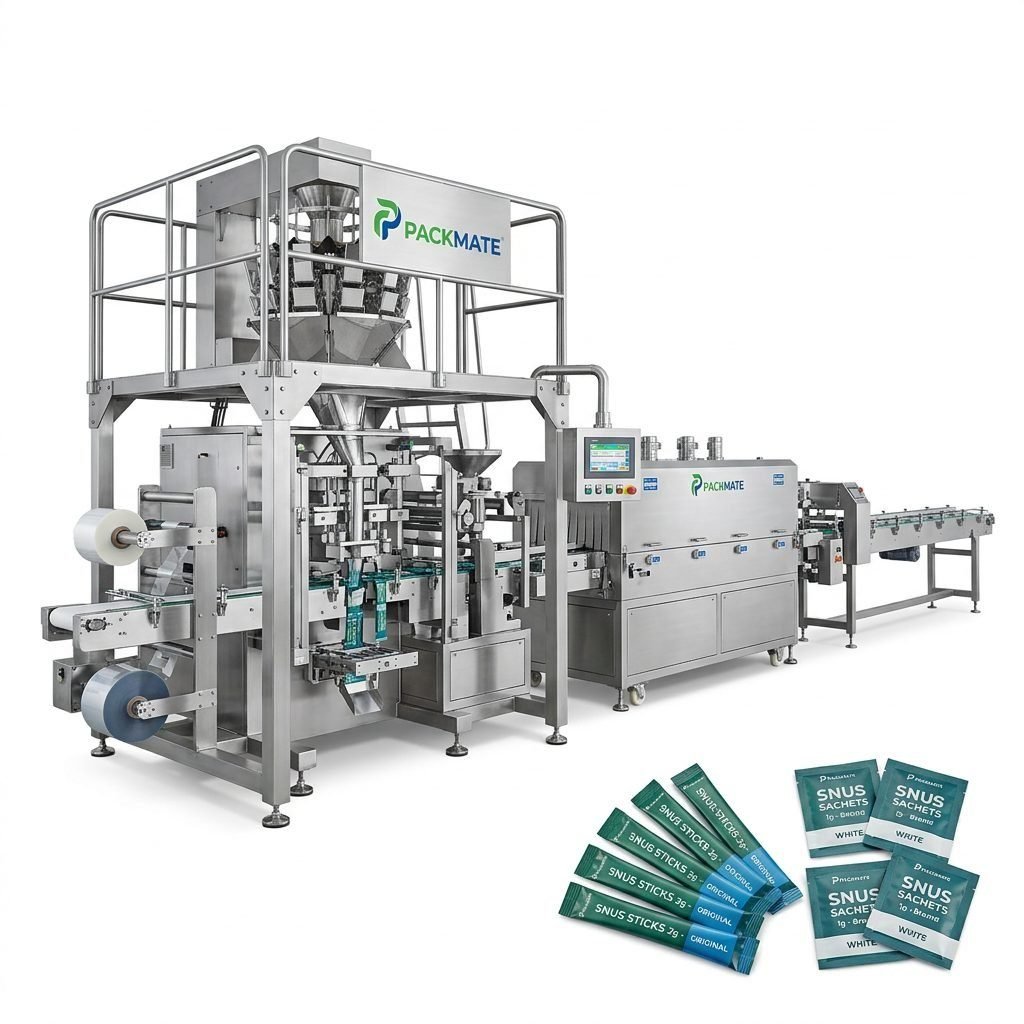
Look for manufacturers with specialized experience in snus and nicotine pouch machines rather than general packaging suppliers. Companies with decades of engineering experience, multi-lane systems, and turnkey solutions will better handle product-specific challenges such as small-dose filling and precision sealing. For example, Packmate Snus Machine has over 30 years of experience and offers a wide range of specialized solutions including multi-lane systems tailored for nicotine pouches. Learn more about their snus machine offerings at Snus & Nicotine Packaging Machines.
✅ What to request from suppliers: case studies of nicotine pouch lines, references in Latin America, photos or videos of machines in operation, and factory visit options (virtual or onsite).
Step 3 — Confirm Certifications and Compliance
International certifications such as CE and ISO indicate adherence to safety and quality standards. Ask for machine test reports and quality-control documentation. For import to Guatemala, customs may require certain documentation — ensure the manufacturer can provide technical specs, CE/ISO certificates, and packing lists. See company certifications at Certificate.
Regulatory tips for Guatemala
While product regulation for nicotine varies, machine safety and electrical standards should meet international practice. Consider import tariffs, labeling mandates, and whether you need localized documentation in Spanish for customs clearance and local technicians.
Step 4 — Inspect Manufacturing Capacity and Quality Control
A reputable manufacturer will have a modern factory with CNC machining, precision assembly lines, and strict testing. Ask about production lead times, spare-part stocking, and whether assemblies are tested with your specific pouch materials. Packmate’s 20,000㎡ facility and advanced CNC systems are examples of the infrastructure to look for when evaluating suppliers. For more on the company background visit About Packmate.
🔧 Factory check-list: machine models available, spare parts lead time, in-house testing protocols, and capacity for customization or upgrades.
Step 5 — Prioritize After-Sales Service and Local Support
After-sales support determines how quickly you’ll recover from downtime. Confirm the manufacturer’s global service network, remote diagnostics, training options, and whether they provide technicians who can travel to Guatemala if needed. Consider a supplier offering scheduled maintenance plans and online spare parts stores. Learn more about service options at Service.
Service expectations
– 24/7 remote support and training materials in Spanish if possible
– Availability of critical spare parts within 1–2 weeks
– On-site commissioning and operator training for the first production run
Step 6 — Compare Total Cost of Ownership (TCO) — not just purchase price
Evaluate energy efficiency, spare parts cost, mean time between failures (MTBF), and expected lifetime. A lower initial price may hide high maintenance costs or poor reliability. Ask suppliers for a TCO estimate that includes installation, training, spare parts, shipping to Guatemala, customs duties, and projected maintenance.
💡 Pro tip: Request a sample production run or trial of your product on the machine model you intend to buy to validate yield, scrap rates, and fill accuracy.
Step 7 — Assess Customization and Turnkey Capabilities
Manufacturers that provide turnkey lines — from dosing and feeding to sealing and cartoning — reduce integration headaches. If you need custom features like multi-lane lanes for small-dose nicotine pouches, choose a supplier experienced with such systems. Packmate provides tailored turnkey packaging solutions and a broad model range to fit varying production needs; review their product categories like Sachet & Stick Pack Machines and Filling & Packaging Lines.
Step 8 — Negotiate Terms, Warranties and Training
Ensure warranties cover key components (PLC, servo motors, sealing assemblies) and that training for operators and maintenance staff is included. Negotiate clauses for spare parts availability and service response times, and have all technical agreements translated into Spanish if necessary for legal clarity in Guatemala.
Contract checklist
– Scope of supply and detailed specifications
– Delivery schedule and FOB/CIF terms
– Warranty period and exclusions
– Training, commissioning, and documentation language
– Penalties for missed delivery or performance targets
Local Logistics and Installation in Guatemala
Plan for port handling, inland transport, and installation site readiness (power supply, compressed air, drainage). Identify a local installation partner or rely on the manufacturer’s installation team. For contacts and negotiation, use the manufacturer’s contact page to request detailed shipping and installation quotes: Contact Us.
🌎 Considerations for Guatemala: port of entry (Puerto Quetzal or Santo Tomás de Castilla), customs timeline, and availability of certified local electricians and mechanics.
Making the Final Choice — Practical Scoring Approach
Create a scoring matrix with categories such as: technical fit, certifications, factory capability, references, warranty & service, total cost, and lead time. Assign weights according to your priorities (for example, service & uptime might be more important for first-time line operators in Guatemala). A transparent comparison helps justify your decision to stakeholders and reduces buyer’s remorse.
Sample score categories
Technical Fit (30%), Quality & Certifications (20%), After-sales Support (20%), TCO (15%), References & Demos (15%)
Why a Specialized Supplier Matters
Specialized manufacturers understand the small-dose filling accuracy, pouch sealing technologies, and hygiene needs of nicotine pouch production. They often provide optimized multi-lane solutions and finely tuned control systems that general packaging equipment vendors may not offer. For tailored solutions and industry-focused design, review product portfolios such as Weighing & Packaging Systems and Auxiliary Packaging Equipment.
✅ Final selection checklist: proven nicotine pouch installations, Spanish-language documentation/training, local logistics plan, and a realistic TCO forecast.
Next steps
Shortlist 3 manufacturers, request detailed quotations, sample runs, and reference visits (virtual or physical). Prioritize partners that combine specialized product knowledge with strong after-sales networks to ensure smooth scale-up in Guatemala.
Additional resources
For examples of turnkey lines and case studies, you can view real installations and global cooperation examples at Case and get company background at About Packmate.
Common Questions (FAQs)
Q: How long does it take to import and install a nicotine packaging line in Guatemala?
A: Typical lead time from order to factory testing is 8–16 weeks depending on customization; shipping and customs may add 4–8 weeks. On-site installation and commissioning usually take 1–3 weeks depending on scope.
Q: What certifications should I ask the manufacturer for?
A: Request CE and ISO certificates for the machine, electrical safety documentation, and any material safety data sheets relevant to contact parts. Also request export documentation and factory inspection reports for customs clearance.
Q: Can machines be configured for different pouch sizes without major downtime?
A: Many modern machines offer quick-change tooling and adjustable settings for multiple pouch sizes. Confirm changeover time and spare tooling costs before purchase.
Q: How can I ensure spare parts are available quickly in Guatemala?
A: Negotiate spare-part kits as part of the purchase, set up consignment stock with your supplier, or identify regional distributors who keep critical items locally.
Q: Where can I get more help evaluating machine models and suppliers?
A: Contact manufacturers directly for product demos, request sample runs with your product, and consult packaging experts with experience in Central America. You can reach out to suppliers through their contact pages like Contact Us.