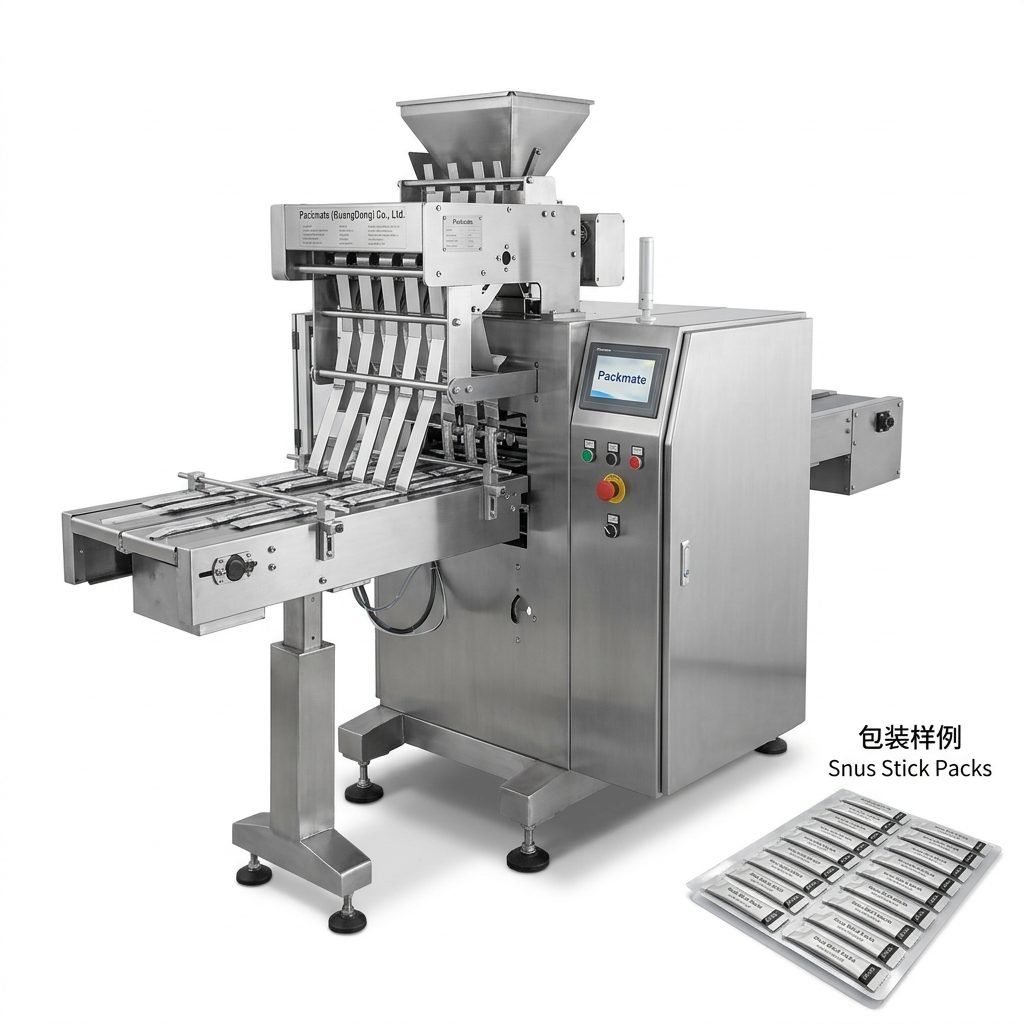
Choosing the right nicotine packaging machinery manufacturer for operations in the Republic of Congo requires a mix of technical understanding, local market awareness, and practical procurement strategies. This guide walks you through the most important considerations—from machine types and certifications to after-sales support and cultural nuances that affect product presentation in Congo-Brazzaville. Use this as a step-by-step manual to reduce risk, improve ROI, and secure a partner who can deliver reliable, compliant packaging lines.
Market Context: Why Local Factors Matter
The Republic of Congo (Congo-Brazzaville) has unique trade practices and regulatory frameworks. French is the official language, and customers expect product information presented clearly in French. Import procedures can be slower than in other markets, and local distributors often play a key role in reaching retailers. When selecting a machinery partner, consider:
Key local points: freight transit times through Pointe-Noire or Brazzaville, French-language manuals and training, electrical supply variations, and compliance with local labeling regulations (warning texts, ingredient lists and French language requirements).
1. Define Your Product & Production Targets
Start by clarifying product format (nicotine pouch, snus, sachet, stick pack), pouch size, dose, and required daily throughput. In Congo, demand may favor smaller pack sizes and single-dose pouches for convenience. Communicate target throughput (packs/min or pouches/hour) and expected operating shifts—this informs the machine class and automation level you need.
Machine categories to consider
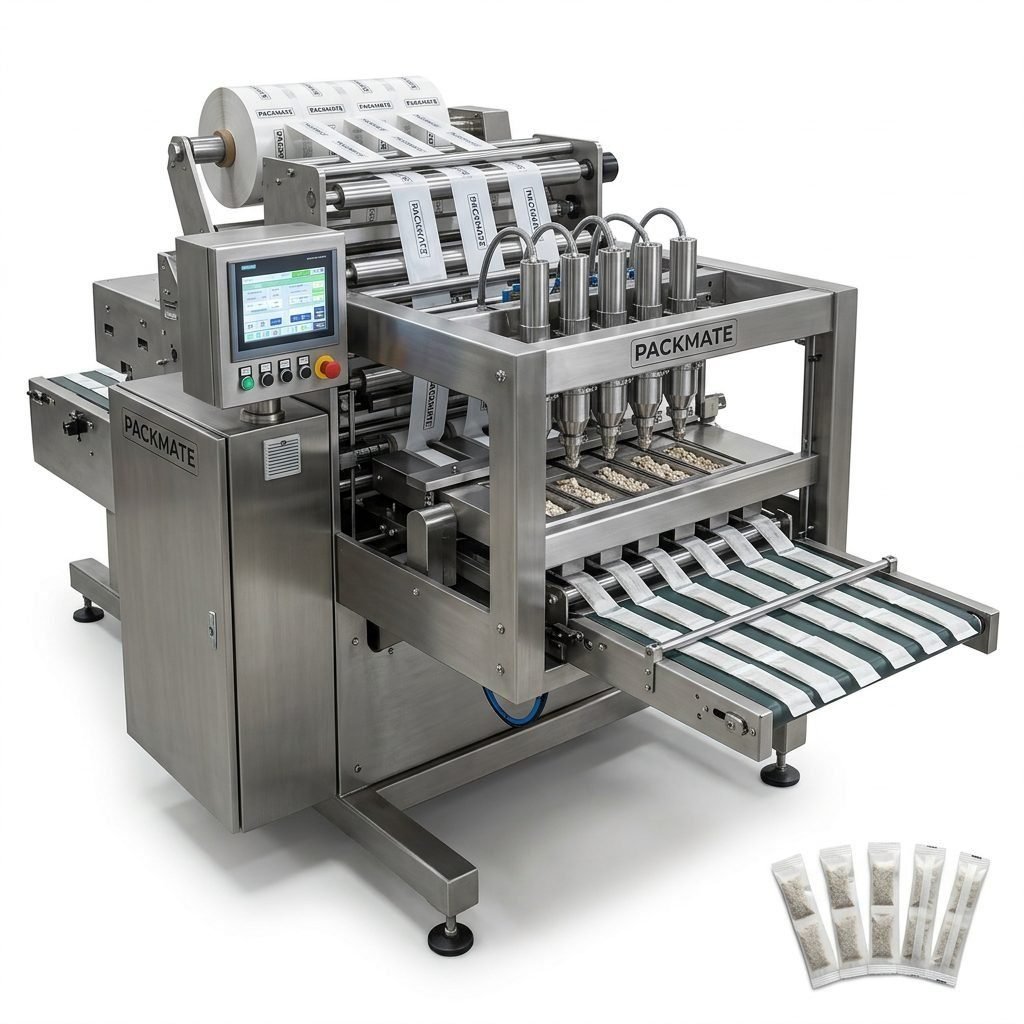
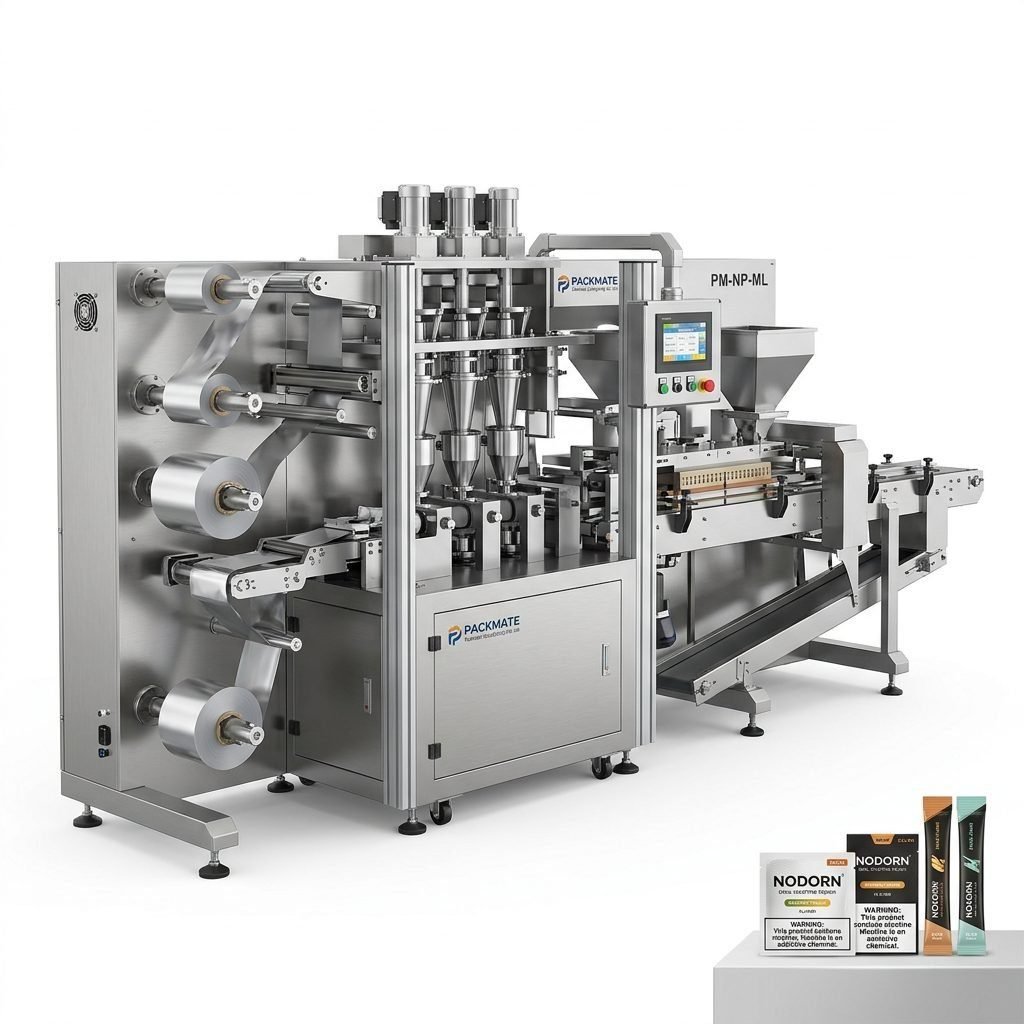
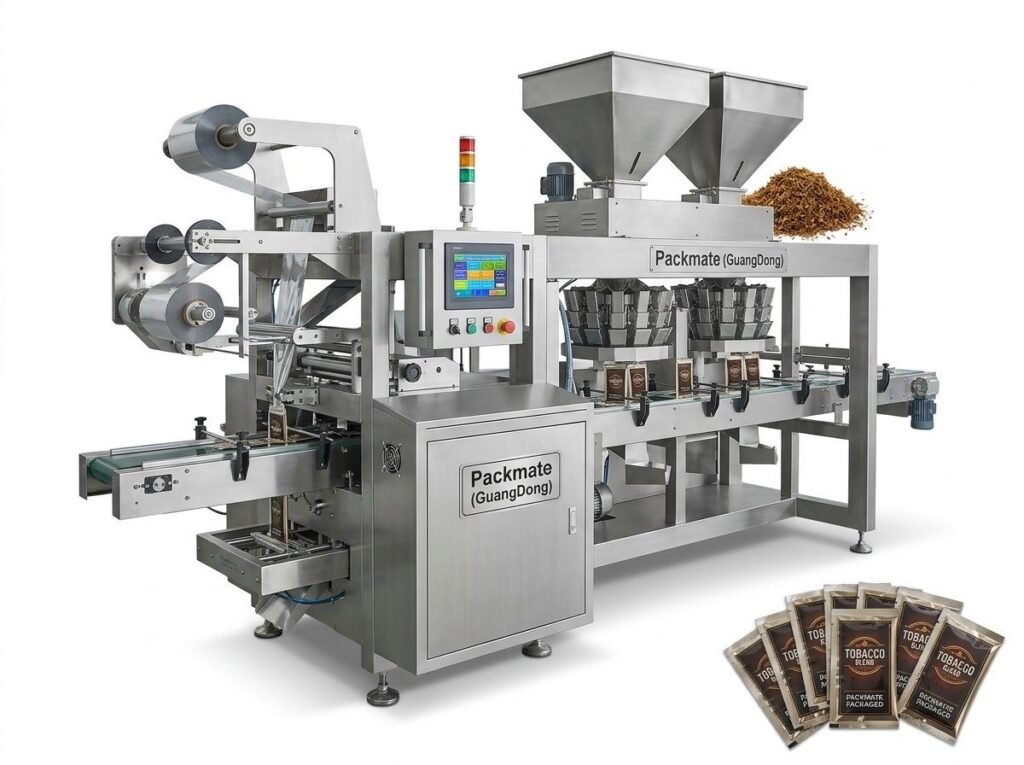
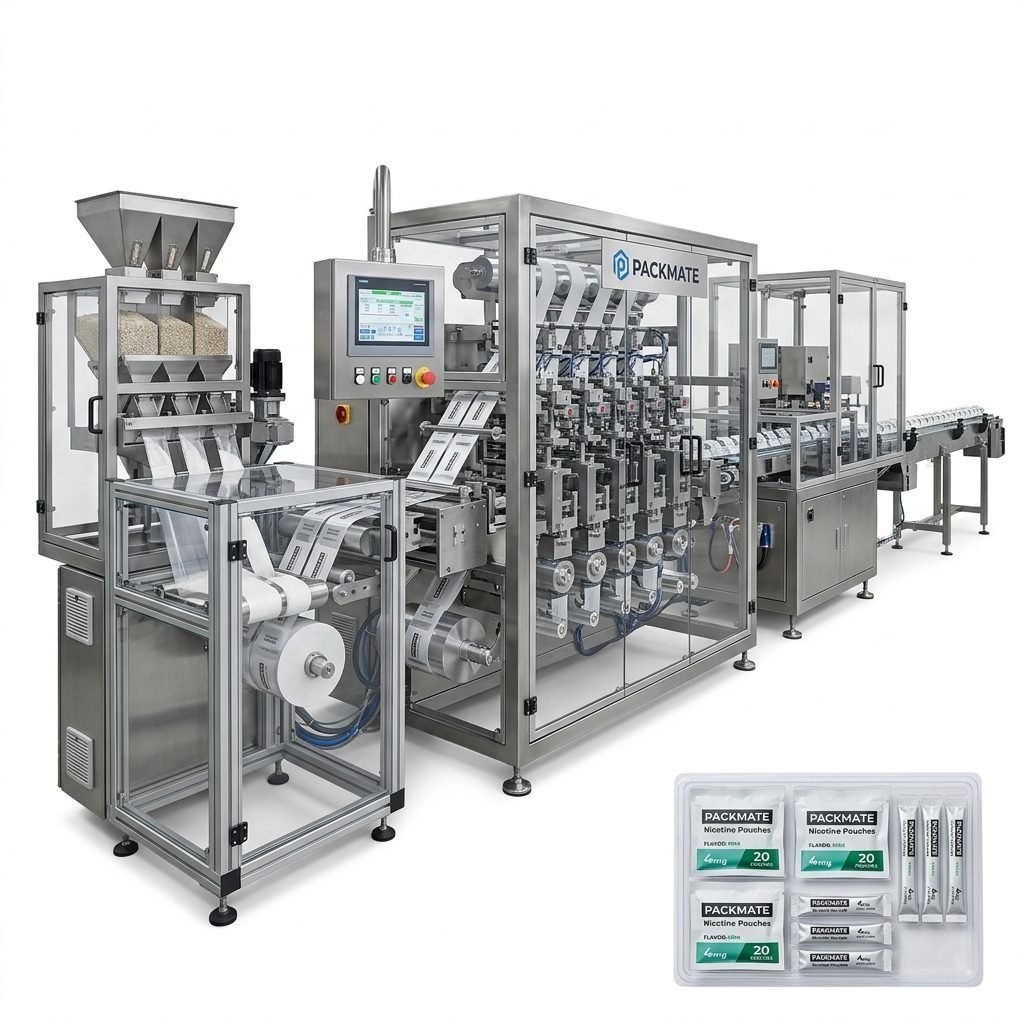
– Snus & Nicotine pouch machines (multi-lane precision for small-dose pouches) — ideal for nicotine pouches and snus. See product variants: Snus & Nicotine Packaging Machines.
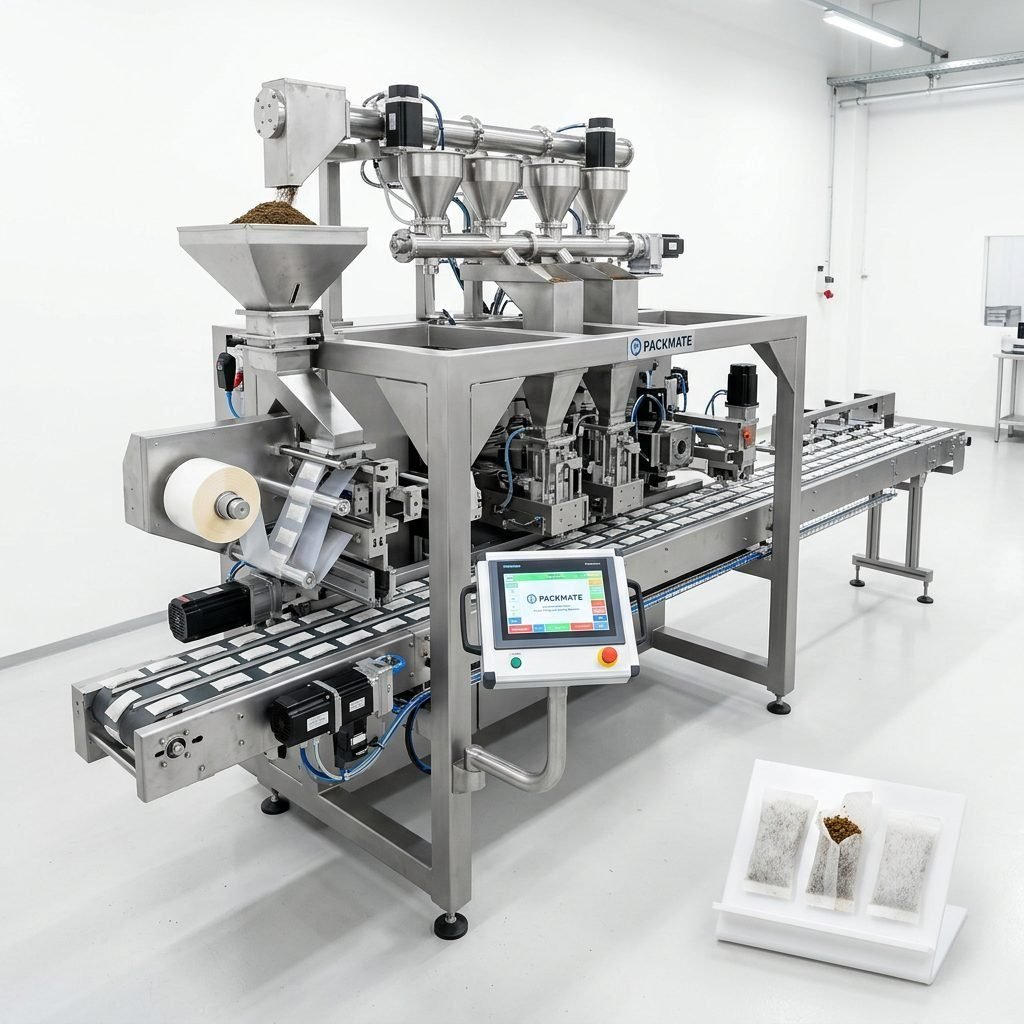
– Sachet & Stick Pack machines — good for single-dose stick formats or liquid/gel sachets: Sachet & Stick Pack Machines.
– Weighing & integrated filling systems — necessary when combining dosing with high-speed packaging: Weighing & Packaging Systems.
2. Manufacturer Credentials & Experience
Prioritize manufacturers with a strong track record in nicotine pouch equipment and multi-lane systems. Look for:
Evidence of capability: 30+ years in packaging machinery, a wide model range (50+ models), and a large factory footprint (e.g., 20,000㎡) are strong indicators of manufacturing depth and customization capacity.
Certifications and standards
Ensure machines meet international certifications such as CE and ISO. These certifications signal safety, quality control, and global compliance—important when importing equipment into Congo and satisfying local customs and insurance requirements. For supplier background and certificates, view: Certificate.
3. Technical Features That Matter
When comparing offers, pay attention to these technical aspects:
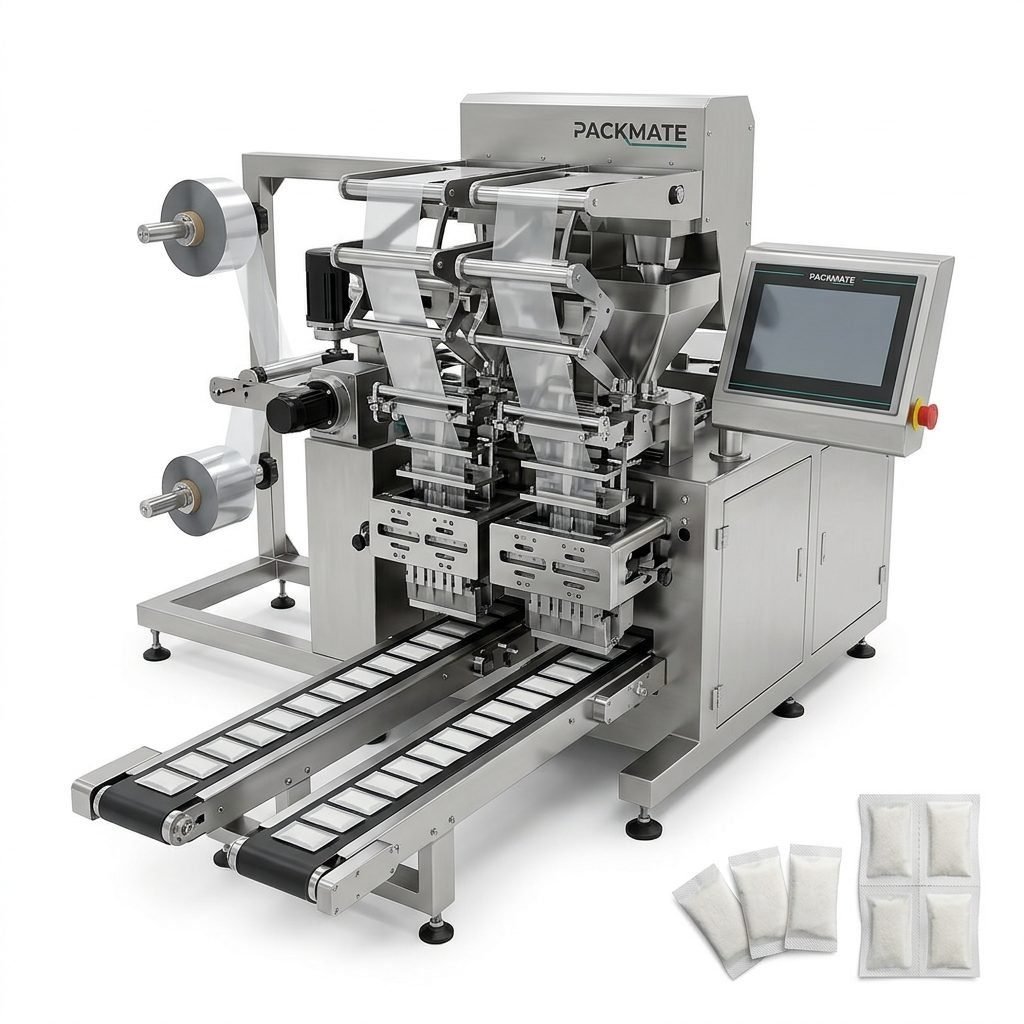
- Multi-lane capability for small-dose pouch efficiency.
- Precision dosing systems suitable for powders/granules and non-free-flowing nicotine blends.
- Modular design to allow future upgrades (e.g., adding printing, inspection, or flow-wrapping).
- Ease of cleaning and maintenance—critical for consistent production in humid climates.
- PLC and HMI with multilingual support (request French manuals and UI options).
Tip: Ask suppliers for a video of machines running your specific formulation and pouch size. A live demo or video reduces surprises during FAT (Factory Acceptance Test).
4. After-Sales Support & Local Considerations
Reliable after-sales service is vital. In Congo, long lead times for spare parts can cause extended downtime. Seek manufacturers who provide:
- Clear spare parts lists with part numbers and recommended stock levels.
- Remote support with French-speaking technicians if on-site support is not available.
- Training packages for operators and maintenance staff, including French documentation.
- Fast-response service agreements and capability to ship spare parts to Pointe-Noire/Brazzaville.
Consider manufacturers offering local partners or agents who understand customs clearance and can assist with logistics and installation.
5. Customization, Turnkey Solutions & Integration
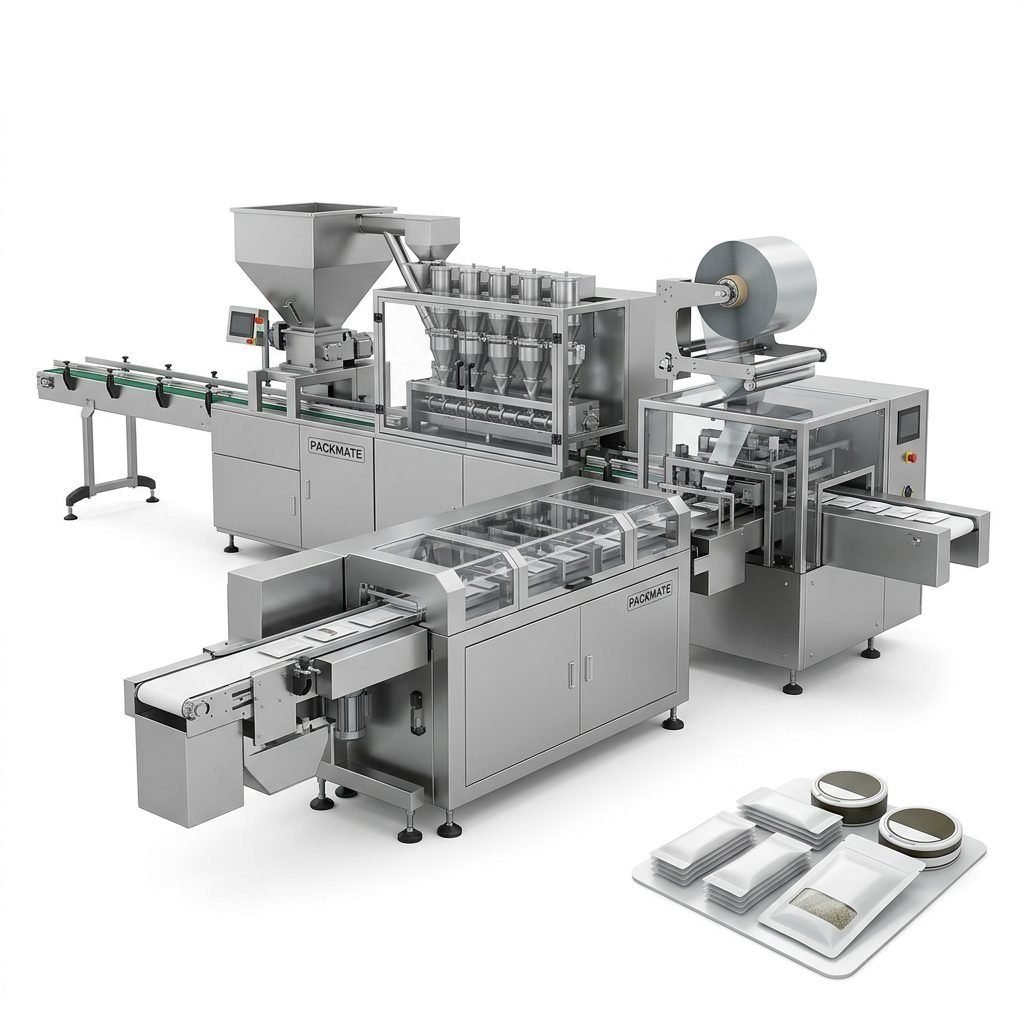
For new production lines, turnkey solutions reduce supplier coordination risks. A full-line provider can supply mixing, dosing, filling, sealing, printing, and case packing as an integrated package. Look for companies that can:
• Customize machine components to your pouch dimensions and nicotine formulation.
• Provide design-for-manufacture advice that considers humidity, power stability, and floor space limitations typical in Congolese facilities.
• Deliver a FAT and commissioning plan that includes sample runs and operator training in French.
Relevant product lines
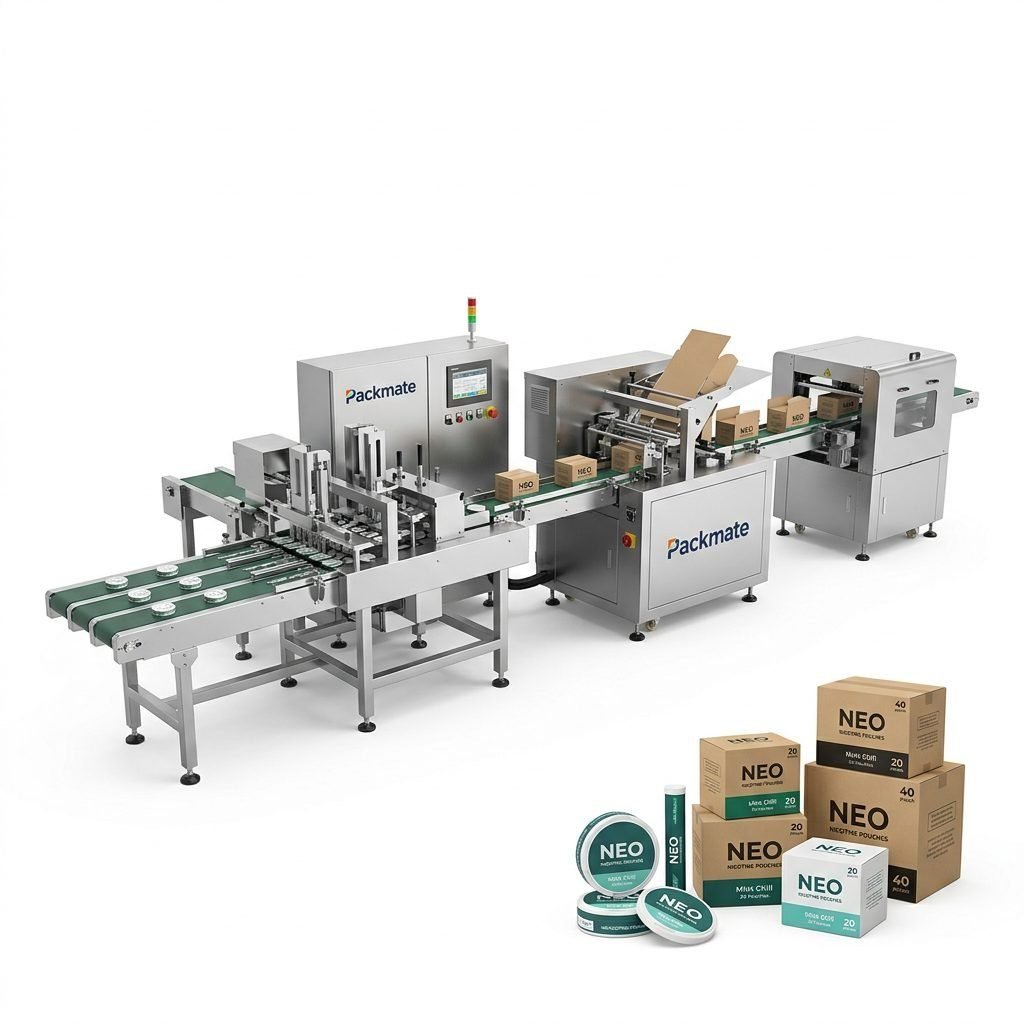
Explore the manufacturer’s modular options for filling & packaging lines and auxiliary equipment: Filling & Packaging Lines and Auxiliary Packaging Equipment.
6. Inspection, Quality Control & Compliance
Quality control is critical for nicotine products. Machines should support automated inspection (fill weight, seal integrity, foreign object detection). Also confirm that the manufacturer provides:
Must-have docs: test reports, material certificates, calibration logs, and a clear validation protocol for your FAT and SAT (site acceptance test).
7. Commercial Terms, Lead Time & Logistics
Negotiate clear commercial terms that reduce risk:
- Defined delivery schedule and penalties for missed milestones.
- Payment milestones tied to FAT completion.
- Warranty terms and spare part delivery timelines.
- Packaging standards to protect equipment during sea freight to Congolese ports.
If interested in proven case studies, review global cooperation cases to understand similar installations: Case.
8. Site Preparation & Installation
Prepare your factory for installation:
- Verify floor loads, electrical supply (voltage, phase), compressed air and water treatment requirements.
- Plan operator shifts and maintenance windows for initial commissioning.
- Arrange local customs clearance and warehousing for incoming machine crates.
Checklist before arrival: operator list, spare parts ordered, French-language SOPs, and schedule for supplier engineers.
9. Cost vs Value: Making the Right Investment
Evaluate total cost of ownership (TCO) rather than just purchase price. Consider energy efficiency, expected uptime, spare part costs, and training investment. A slightly higher-capacity machine with reliable service may deliver better long-term value in Congo’s operating environment.
ROI drivers
– Higher line speeds and multi-lane operation.
– Lower scrap rates and robust sealing under local humidity.
– Reduced downtime due to fast spare parts and remote support.
10. Why Choose an Experienced Manufacturer Like Packmate
An experienced supplier with a global footprint and specialized snus machinery can provide the stability and innovation required for nicotine pouch production. Look for:
What to expect from a top-tier partner: decades of engineering expertise, a broad product portfolio (stick pack, sachet, multi-lane systems), full turnkey capabilities, and international exhibition presence for live demos. Learn more about the company and mission: About Packmate and Mission & Vision.
Reference product categories
For quick navigation to key offerings, review the product pages for snus equipment, bag & pouch machines, and weighing systems:
Snus & Nicotine Packaging Machines ·
Bag & Pouch Packaging Machines ·
Weighing & Packaging Systems.
Practical Next Steps for Buyers in the Republic of Congo
1) Write a short technical specification sheet (target output, pouch size, product characteristics).
2) Request detailed quotations including FAT plan, spare part lists and delivery timelines.
3) Ask for French-language documentation and confirm the availability of French-speaking engineers.
4) Arrange a remote demo or a factory visit during an exhibition—many suppliers showcase machines at global trade shows: Our Exhibition.
5) Negotiate payment and warranty terms that cover FAT acceptance.
Quick procurement checklist: spec sheet, FAT agreement, spare parts list, training schedule, French docs, logistics plan.
Final Advice: Minimize Risk, Maximize Uptime
Prioritize manufacturers who demonstrate clear experience with nicotine pouch formats, provide robust after-sales programs, and can support French-speaking teams in Congo. A trusted partner will guide you through regulatory documentation, installation, and operator training—reducing downtime and accelerating revenue generation.
If you want to explore specific models and integrated lines, review product categories and contact the supplier for tailored proposals: Contact Us · Service.
Frequently Asked Questions
Q1: How long does delivery typically take to the Republic of Congo?
A1: Delivery depends on customization and shipping method. Typical lead times for standard models range from 8–16 weeks plus sea freight time to Pointe-Noire or Brazzaville. Confirm the schedule in the quotation and include FAT milestones.
Q2: Are French manuals and on-site training available?
A2: Yes — request French-language documentation and a training package. Many reputable manufacturers provide operator and maintenance training in French or via a French-speaking engineer.
Q3: What certifications should I require for nicotine pouch machinery?
A3: Ask for CE and ISO certificates and test reports for critical components. Also request material certificates and calibration records for dosing systems to ensure traceability and quality.
Q4: How can I reduce downtime for spare parts in Congo?
A4: Maintain a starter kit of critical spare parts, negotiate guaranteed lead times with the manufacturer, and establish a local partner or service agreement who can expedite customs clearance when parts are shipped.
Q5: Should I choose a turnkey line or buy modular equipment?
A5: Turnkey lines minimize integration risk and are often preferable for new plants. Modular purchases can be more flexible and allow phased investment. Evaluate based on internal project management capacity and risk tolerance.