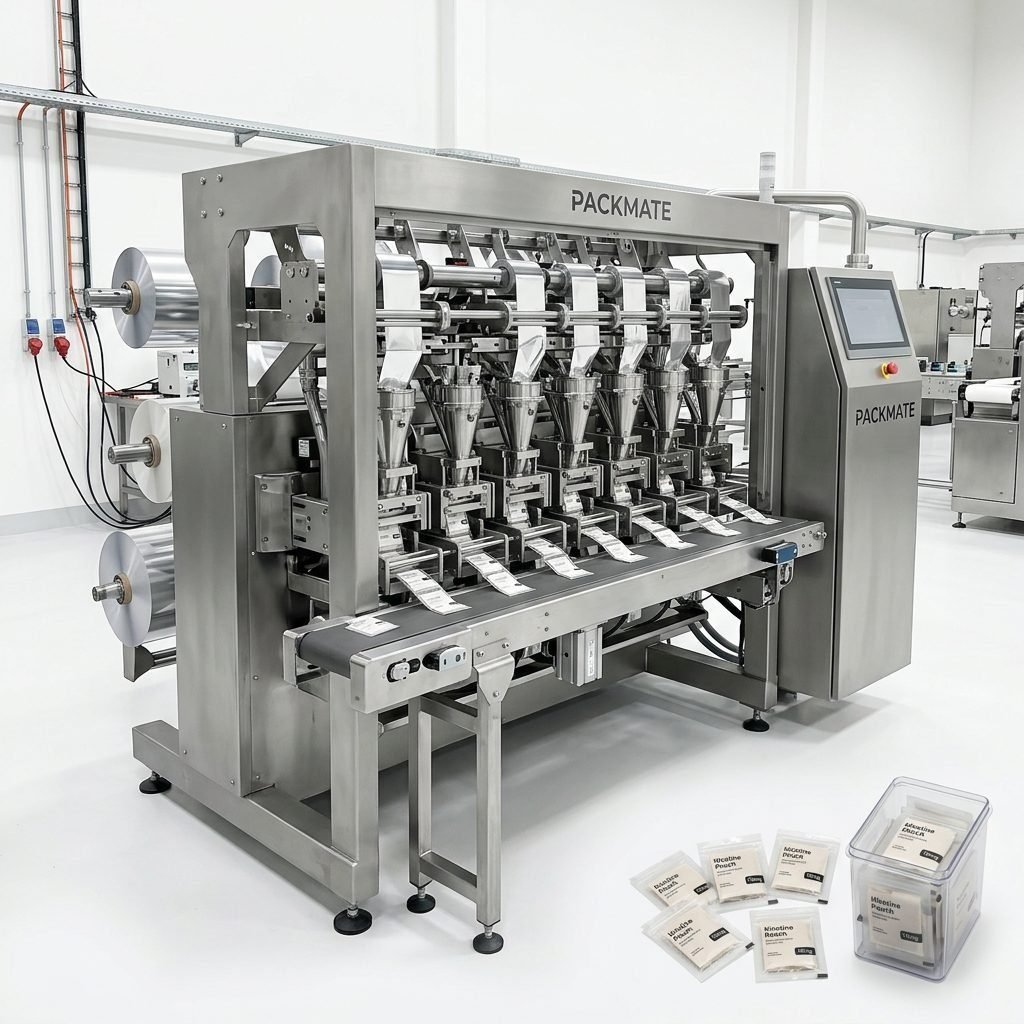
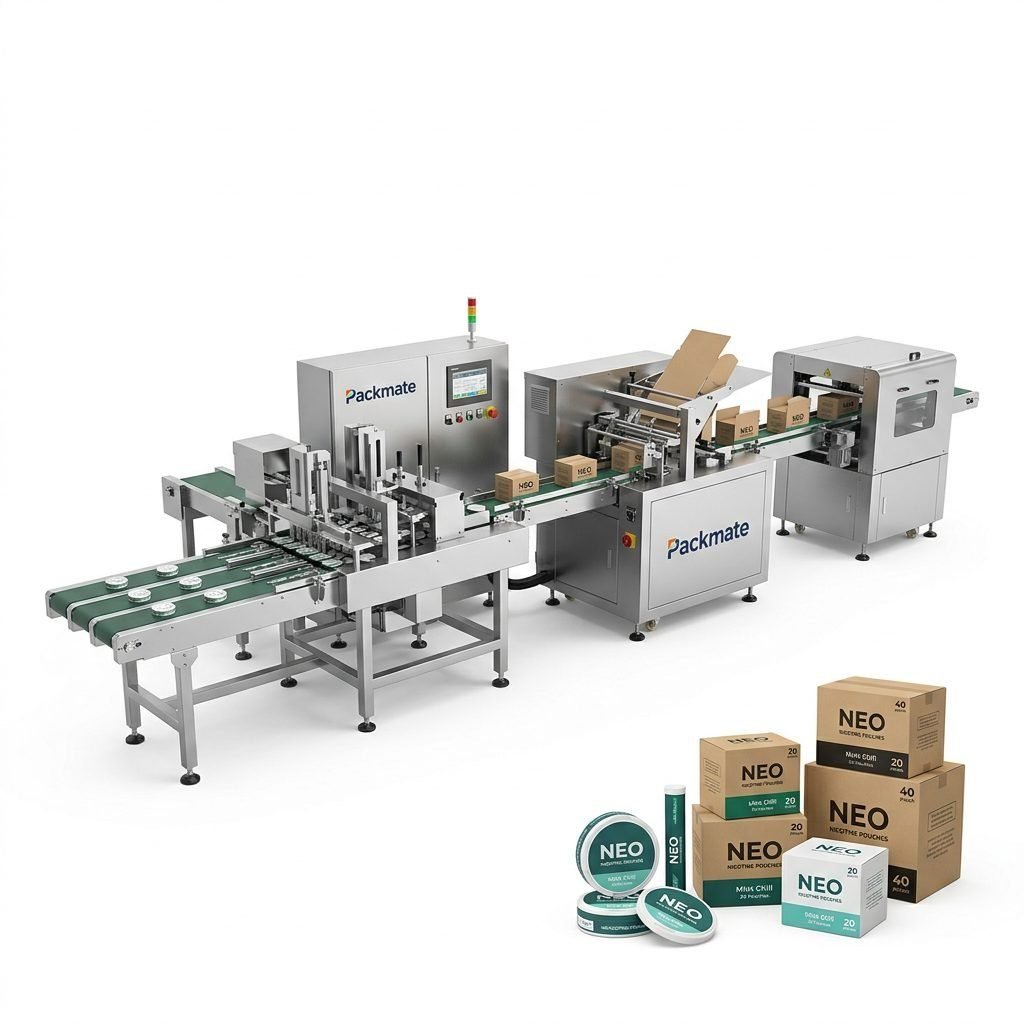
Choosing the right nicotine packaging machine supplier in Estonia can make or break your production plans. Whether you are launching a local nicotine pouch brand, scaling an existing snus business, or adding a new multi-lane packing line for export to the EU, selecting a supplier who understands product safety, regulatory compliance, and local business customs is essential. This guide walks you through practical, actionable steps to identify the best supplier for your needs — with a focus on quality, service, and Estonia-specific considerations.
Know Estonia’s Market Reality and Cultural Context
Estonia is a small but highly connected market within the European Union. Local buyers value reliability, environmental responsibility, and transparency. Businesses typically prefer partners who are punctual, technically competent, and able to provide clear documentation for CE and ISO compliance. Remember that English is broadly used in business, but presenting clear paperwork and traceable quality records helps build trust with Estonian partners.
Regulatory and Logistics Considerations
As an EU member, Estonia follows strict regulations on nicotine-containing products, packaging waste, and machinery safety. When vetting suppliers, make sure their machines and production lines comply with EU directives and carry relevant certifications. Consider lead times for import, local VAT rules, and the importance of technical support within the Baltics.
🔧 Quick tip: Ask for CE and ISO certificates, spare parts lists, and a realistic delivery schedule. Suppliers with clear documentation make customs clearance and installation much smoother in Estonia.
Step-by-Step Checklist to Evaluate Suppliers
1. Track Record and Technical Experience
Look for suppliers with long-term, demonstrable experience in snus and nicotine pouch packaging. Companies that have worked for decades in packaging engineering often offer more stable machines and better long-term support. For example, a supplier with 20,000㎡ factory capacity and 30+ years of engineering history indicates production maturity—an important factor when quality consistency matters.
2. Product Range and Customization Options
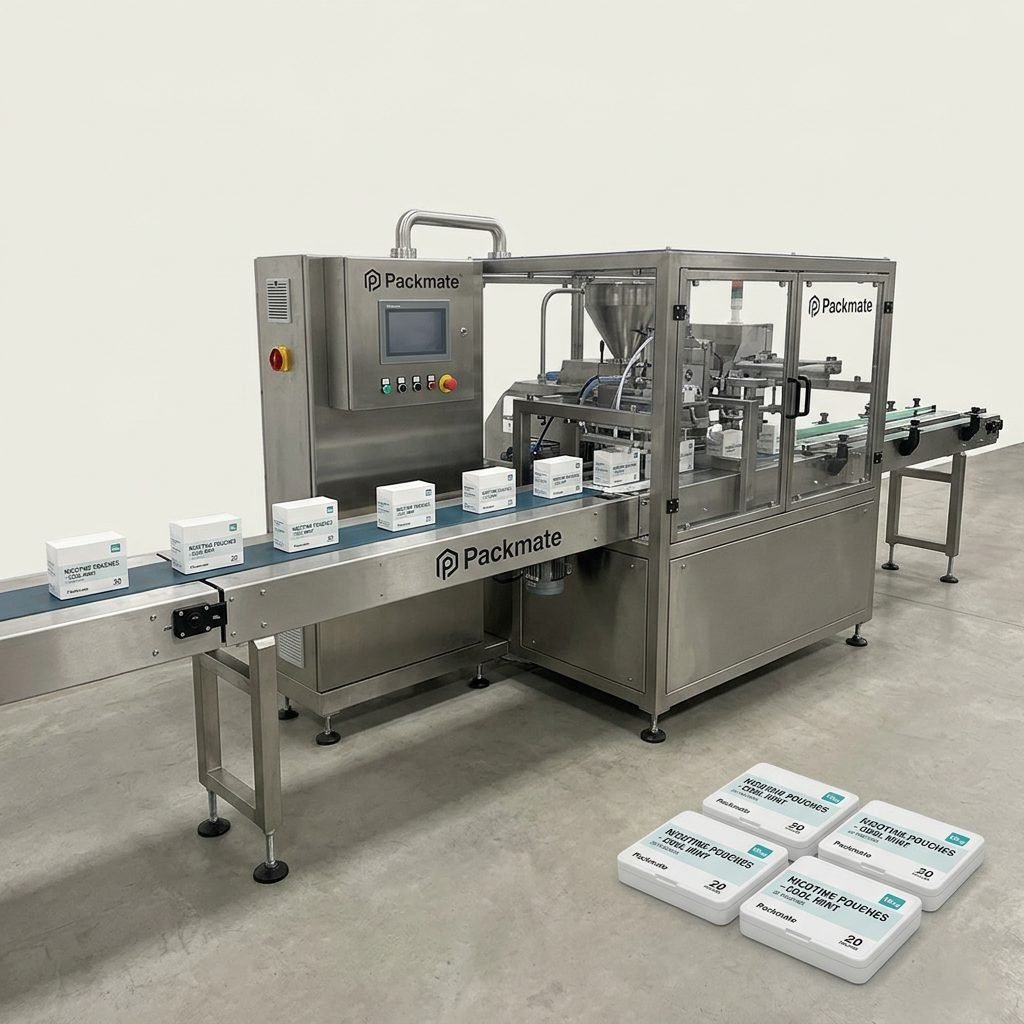
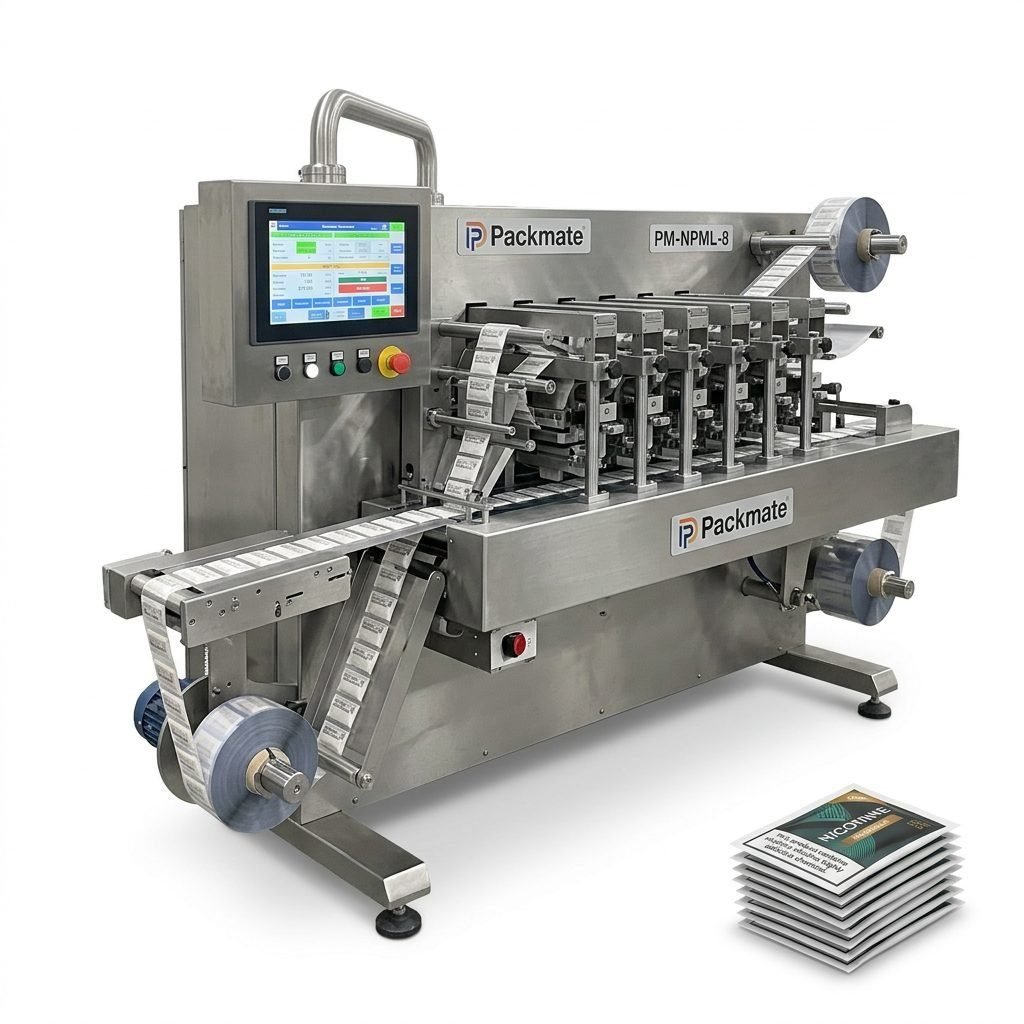
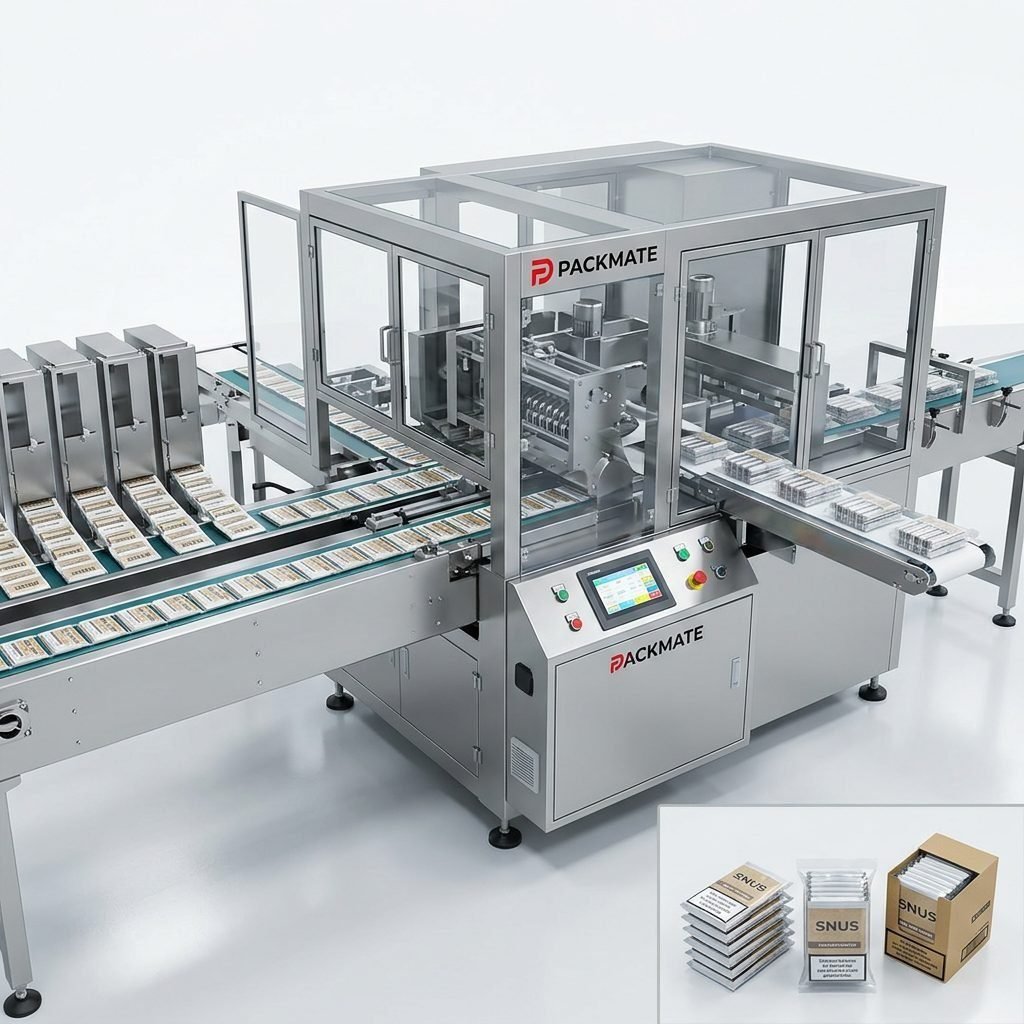
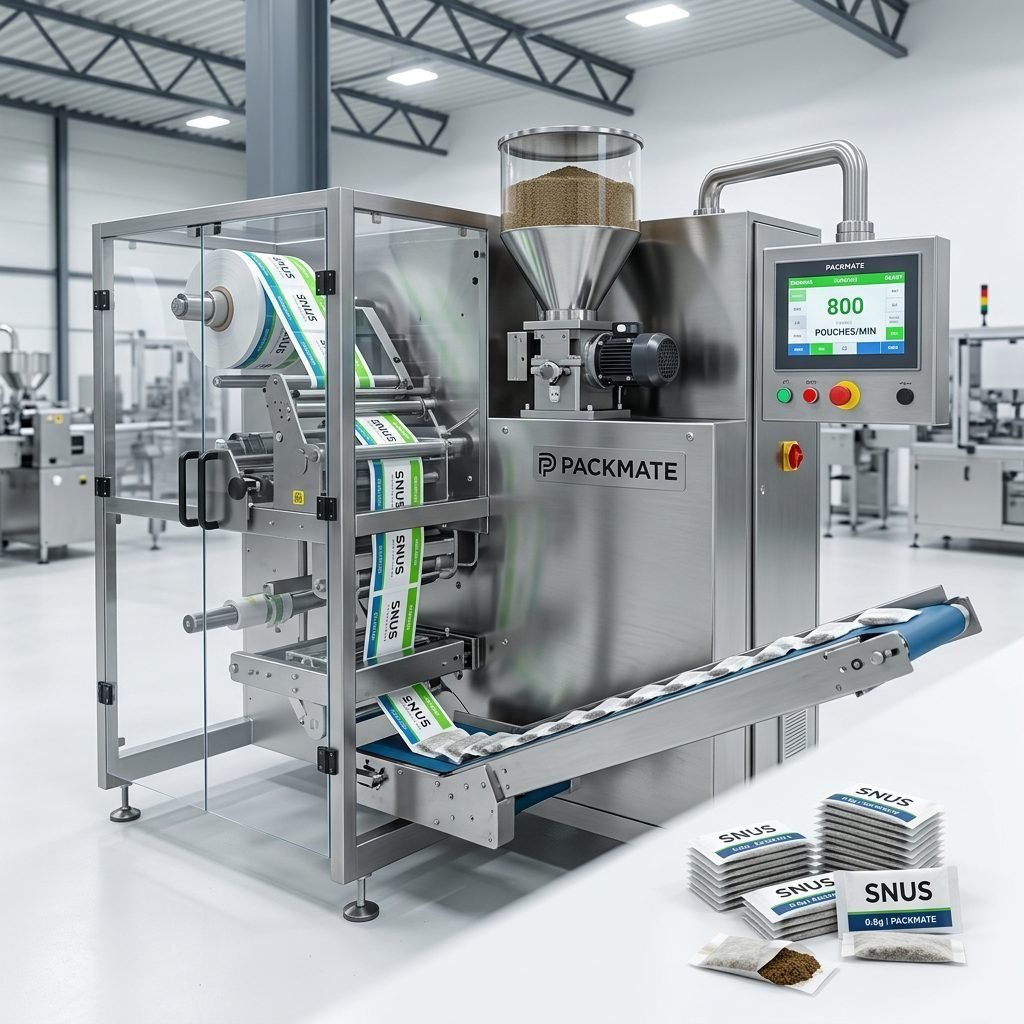
Your product might need stick pack, sachet, multi-lane, or pouch packaging. Choose a supplier with a broad portfolio—multi-lane systems, weighing and filling lines, and auxiliary equipment allow you to expand or change lines without extensive rework. Visit supplier product pages to compare models and flexibility: Snus & Nicotine Packaging Machines, Sachet & Stick Pack Machines.
3. Factory Strength and Quality Control
Inspect or request virtual tours of the manufacturer’s production facilities. A modern CNC machining center and precise assembly lines ensure components match design tolerances and reduce downtime. Suppliers that publish factory details and case studies demonstrate confidence in their production capabilities — check their case examples if available: Case.
✓ Important: A supplier with ISO and CE certifications signals compliance with European safety and quality standards. Ask to see certificates early to avoid surprises at import: Certificate.
Service, Support, and Spare Parts — The Backbone of Long-Term Success
Machines require local maintenance, operator training, and readily available spare parts. Verify whether the supplier offers:
• On-site installation and commissioning support.
• Remote troubleshooting and software updates.
• A clear spare parts catalogue and guaranteed shipping terms for critical components.
Local Technical Partnerships
Suppliers that maintain local agents or partners in Europe can reduce response times for service visits. If the supplier does not have local representation, confirm reliable remote support and fast spare parts shipping to Estonia by air or sea.
Assessing Total Cost of Ownership (TCO)
The purchase price is only the beginning. Estimate TCO including energy consumption, spare parts, maintenance contracts, and training. Ask the supplier for data on energy use per hour, typical spare parts replacement intervals, and any recommended preventive maintenance schedules. A trusted supplier will provide realistic OEE (Overall Equipment Effectiveness) expectations for your product format.
⚠️ Budgeting note: Always reserve budget for trial production runs, spare parts for the first year, and staff training. These are common hidden costs that determine the success of your initial production ramp-up.
Inspection, Testing and Factory Acceptance Tests (FAT)
Insist on a Factory Acceptance Test (FAT) before shipment. A FAT demonstrates the equipment running with your product or a similar material, verifies performance claims, and allows you to list any necessary adjustments before delivery. If possible, attend the FAT in person or request a live video demonstration with raw footage and machine data logs.
Documentation and Traceability
For Estonia and EU compliance, documentation such as CE declarations, wiring diagrams, PLC programs, and spare parts lists is critical. Ask the supplier to provide an equipment manual in English and to include electrical schematics and a list of consumables.
Customization, Upgradability and Future-Proofing
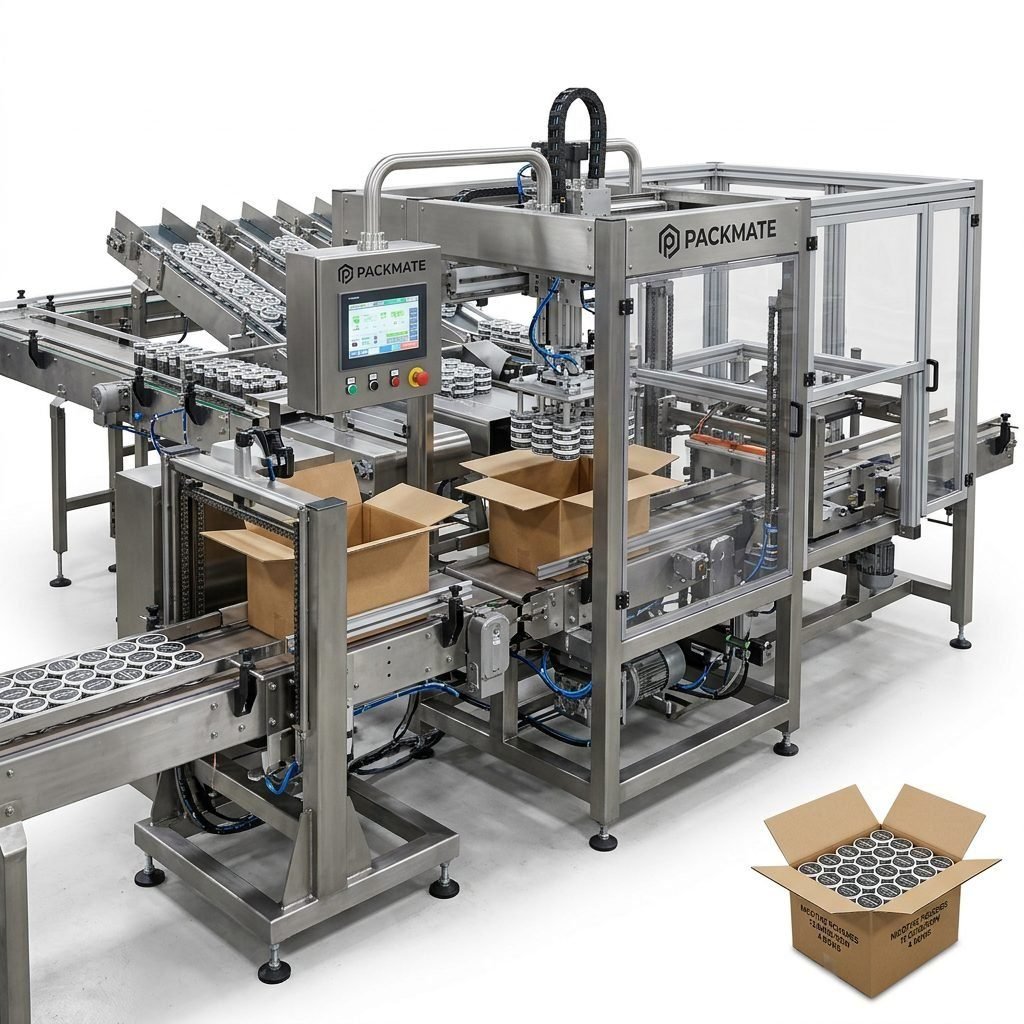
Your product portfolio may evolve. Choose a supplier that supports modular upgrades like adding lanes, integrating weighing systems, or switching to different pouch formats. Reliable manufacturers will offer options for future enhancements such as vision inspection integration, automated case packing, or remote monitoring.
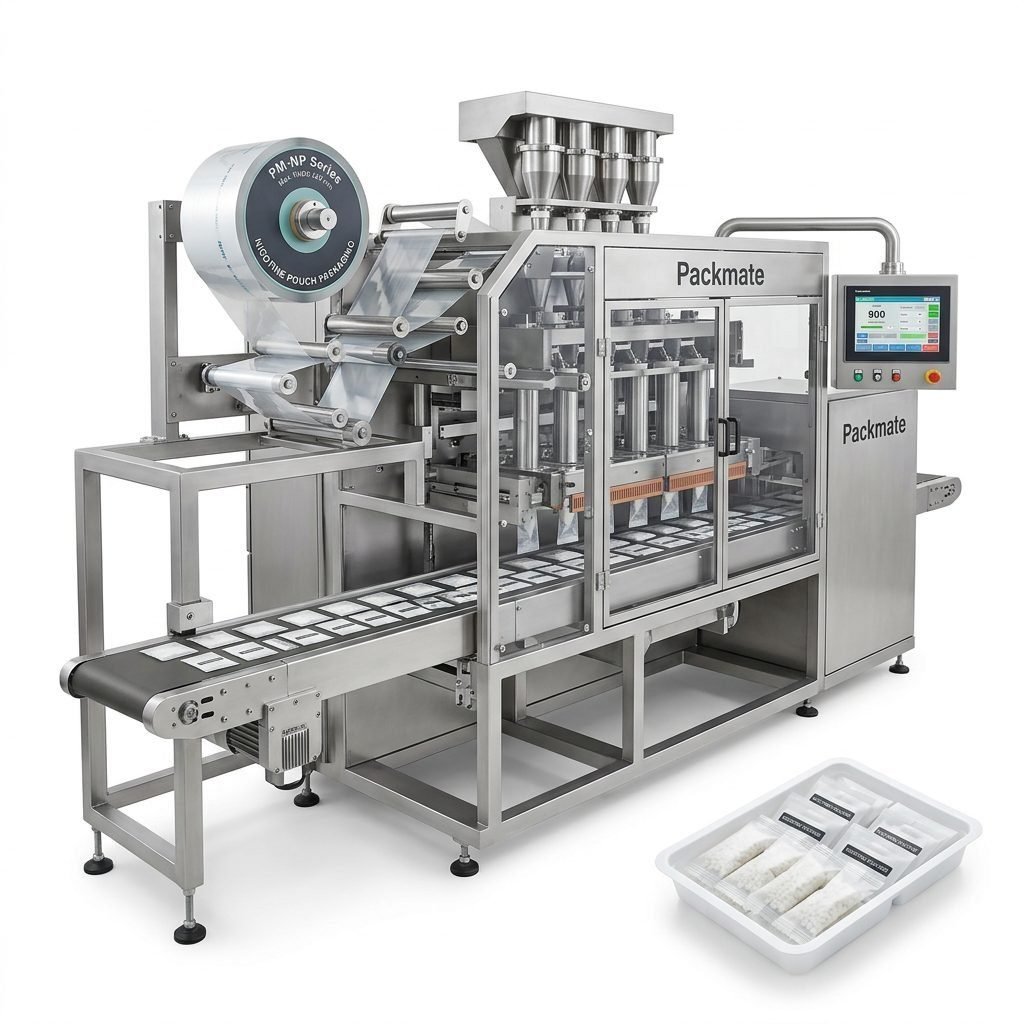
If you require multi-lane systems for small-dose pouches, verify the supplier’s experience in multi-lane design and consider visiting existing installations or viewing references.
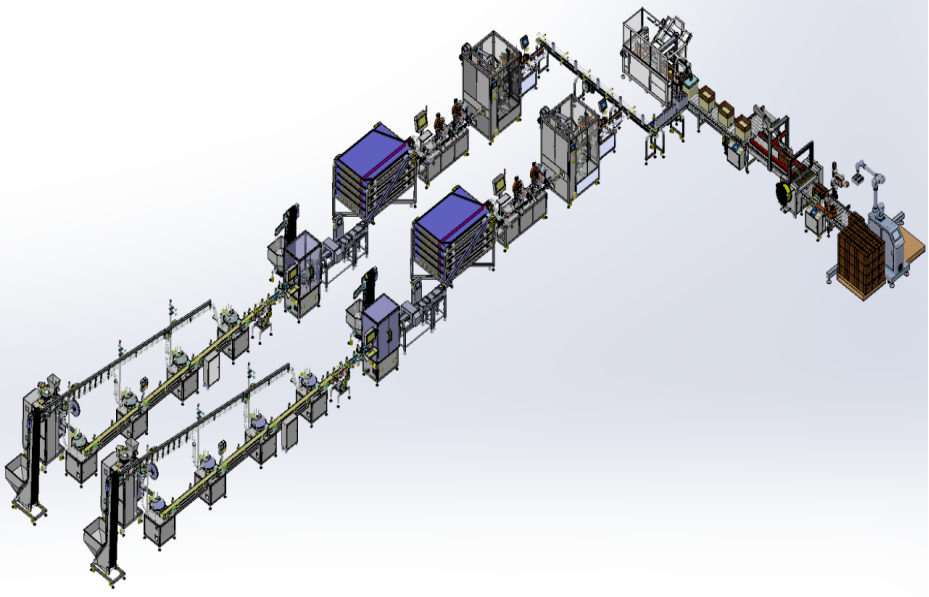
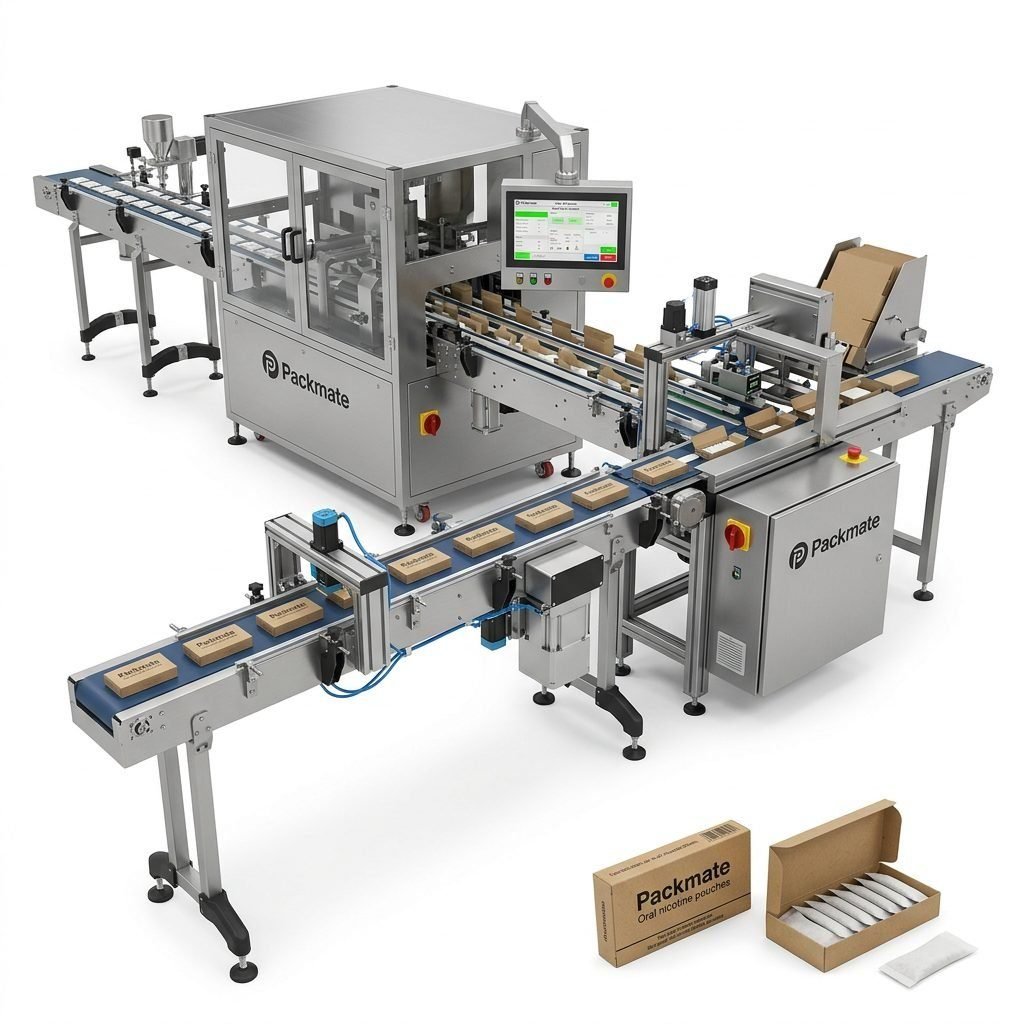
For product line expansion, review related systems that can be supplied as a turnkey solution, including weighing and packaging systems: Weighing & Packaging Systems and full filling and packaging lines: Filling & Packaging Lines.
References, Case Studies and Exhibition Presence
A transparent supplier shares case studies and exhibition participation. Seeing machines in operation and learning how different customers solved similar challenges helps you gauge reliability and performance. Check the supplier’s exhibition history and ask for contactable references in Europe. Useful resources include supplier exhibition pages and about/company pages: Our Exhibition, About Packmate.
Negotiation and Contract Essentials
When you reach contract stage, ensure the purchase agreement includes:
• Delivery schedule with penalties for unreasonable delays.
• FAT acceptance criteria and acceptance sign-off process.
• Warranty terms, spare parts guarantees, and response times for service.
• Intellectual property agreements if you require custom tooling or unique recipe integration.
🔎 Pro tip: Standardize acceptance criteria in the contract (speed, weight accuracy, sealing quality) to avoid disputes later.
Why Work with an Established Manufacturer
Established manufacturers bring process knowledge, robust QC systems, and a history of iterative improvements. For example, suppliers that evolved from small workshops into modern factories over decades often have deep expertise in automation and problem-solving. They are more likely to provide stable multi-lane systems, reliable PLC control, and long-term spare parts availability.
If you want to explore a supplier with a broad product line and global presence, review their product catalog and service offerings: Catalog and Service.
Local Business Etiquette and Negotiation Style
In Estonia, expect direct communication, punctual meetings, and a preference for written confirmations. Building trust often comes through reliable delivery and transparent documentation rather than lengthy social rituals. Be straightforward with technical requirements and timelines — Estonian buyers and partners appreciate clarity and predictability.
Final Evaluation Matrix — A Simple Scoring Approach
Rate each supplier across these categories on a 1–5 scale: Experience, Certifications, Factory Quality, Product Range, Service & Support, Spare Parts Availability, TCO, Local Support. Prioritize the categories that matter most to your business (e.g., service & spare parts if you are far from the supplier).
If you want an example supplier that matches strong factory background, decades of engineering, and a global footprint, research experienced manufacturers with a history in snus and nicotine pouch machines.
Next Steps — How to Proceed
1) Prepare a clear technical spec and projected volumes. 2) Contact shortlisted suppliers and request technical proposals, FAT terms, and lead times. 3) Request references and review certificate copies. 4) Negotiate contract terms that include FAT acceptance, warranty, and spare parts logistics.
You can contact suppliers directly via their contact pages to request tailored proposals: Contact Us.
Conclusion
Selecting the right nicotine packaging machine supplier in Estonia requires balancing technical competence, regulatory compliance, and reliable service. Prioritize suppliers with documented experience, visible factory strength, EU certifications, and strong after-sales support. With careful vetting, you can secure a partner who helps your business scale smoothly and compliantly across the Baltic and EU markets.
Frequently Asked Questions
Q1: What certifications should I insist on for machines imported into Estonia?
Request CE marking and ISO quality certificates at minimum. Also ask for electrical safety documentation, EMC test results, and any supplier-provided inspection reports. These documents ease customs clearance and ensure compliance with EU safety standards.
Q2: How important is local technical support for nicotine packaging lines?
Local or regional support significantly reduces downtime. If a supplier has European partners or fast spare parts shipping to Estonia, you will see quicker repairs and less production loss. When local support is limited, confirm strong remote diagnostics and spare parts guarantees.
Q3: Should I visit the manufacturer’s factory before buying?
A factory visit or a comprehensive live video FAT is highly recommended. Seeing the machines running, reviewing the assembly process, and meeting engineers gives you confidence in performance claims and manufacturing standards.
Q4: How can I verify a supplier’s references and case studies?
Ask for EU or Baltic references and, when possible, contact those customers for direct feedback. Review case studies and ask for detailed performance metrics from previous installations. Exhibition presence and documented customer success stories also help validate claims: Case.
Q5: Where can I find more product details and catalogs?
Most reliable suppliers provide detailed catalogs and product pages online for easy comparison. Explore product lines such as bag & pouch machines or auxiliary equipment for a complete view: Bag & Pouch Packaging Machines and Auxiliary Packaging Equipment.