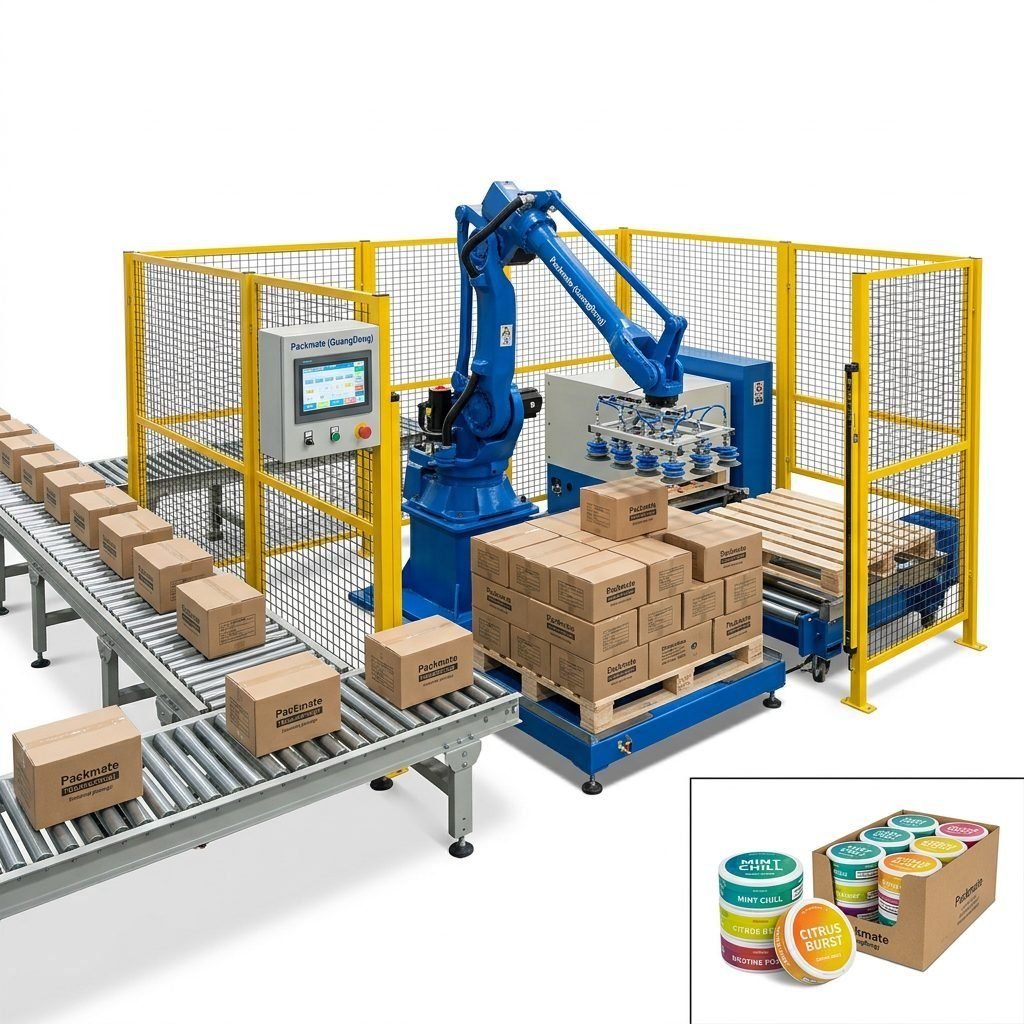
Choosing the right nicotine packaging machinery in East Timor is a critical step for any business aiming to enter or scale within the nicotine pouch and snus market. With growing demand and strict quality expectations, the proper equipment selection affects product consistency, regulatory compliance, throughput, and long-term profitability. This guide walks you through the practical considerations for selecting a reliable snus and nicotine pouch packaging line, and highlights how to evaluate suppliers, machine types, after-sales support, and return on investment.
🔍 Understand Your Production Needs First
Before reaching out to suppliers, clearly define your production targets. Ask:
- Daily and monthly output targets (units/hour or pouches/minute).
- Package formats: single-lane stick pack, multi-lane sachet, or varying pouch sizes.
- Product characteristics: powder, granule, wet snus, or nicotine pouch with specific moisture content.
- Quality tolerances and labeling/printing requirements.
✅ Typical Machine Categories to Consider
Depending on your product and output goals, the main equipment categories are:
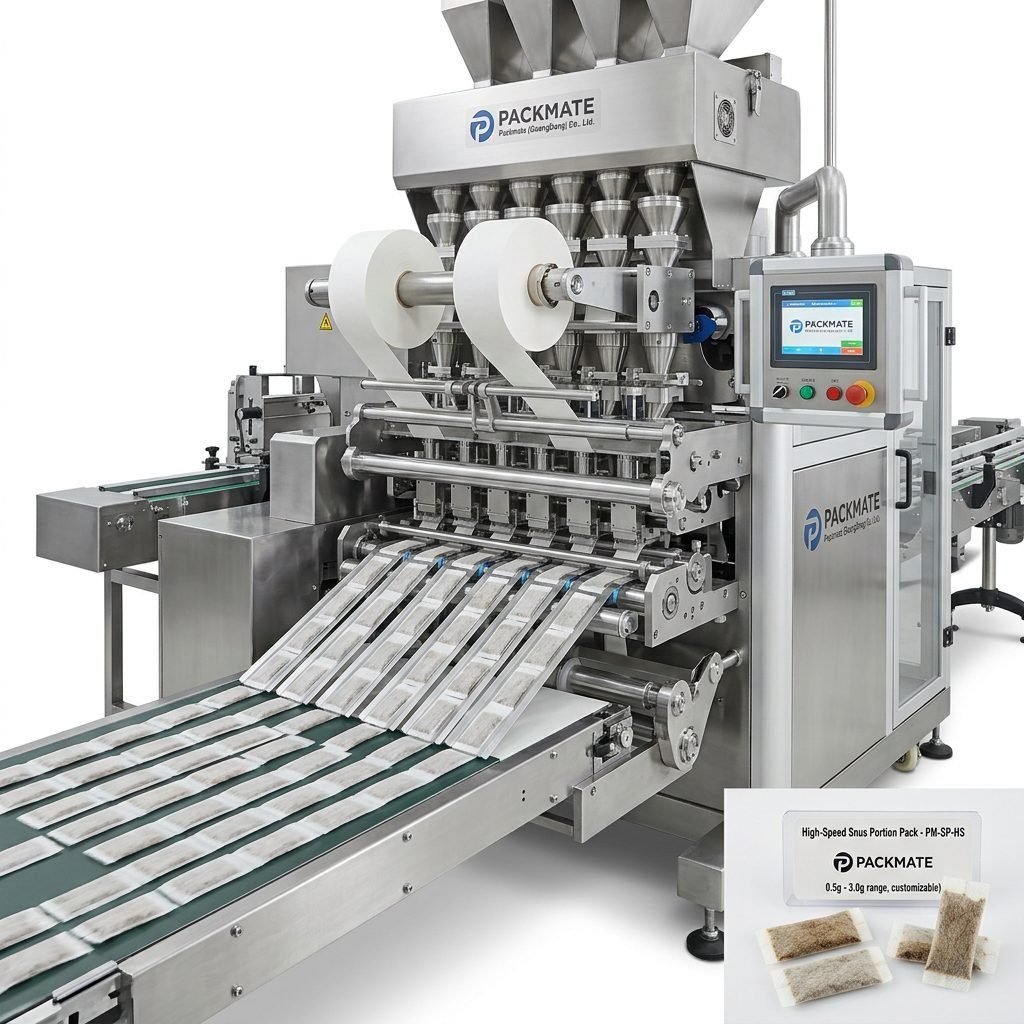
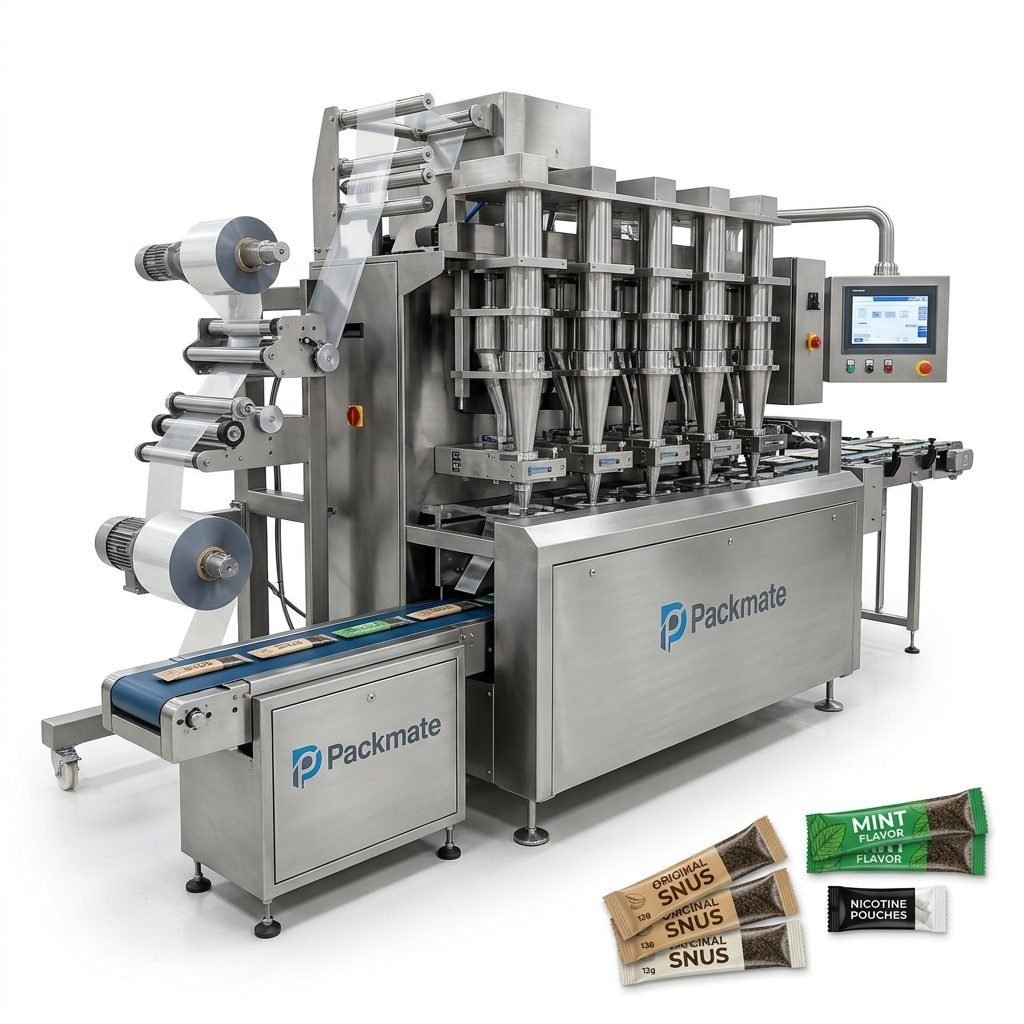
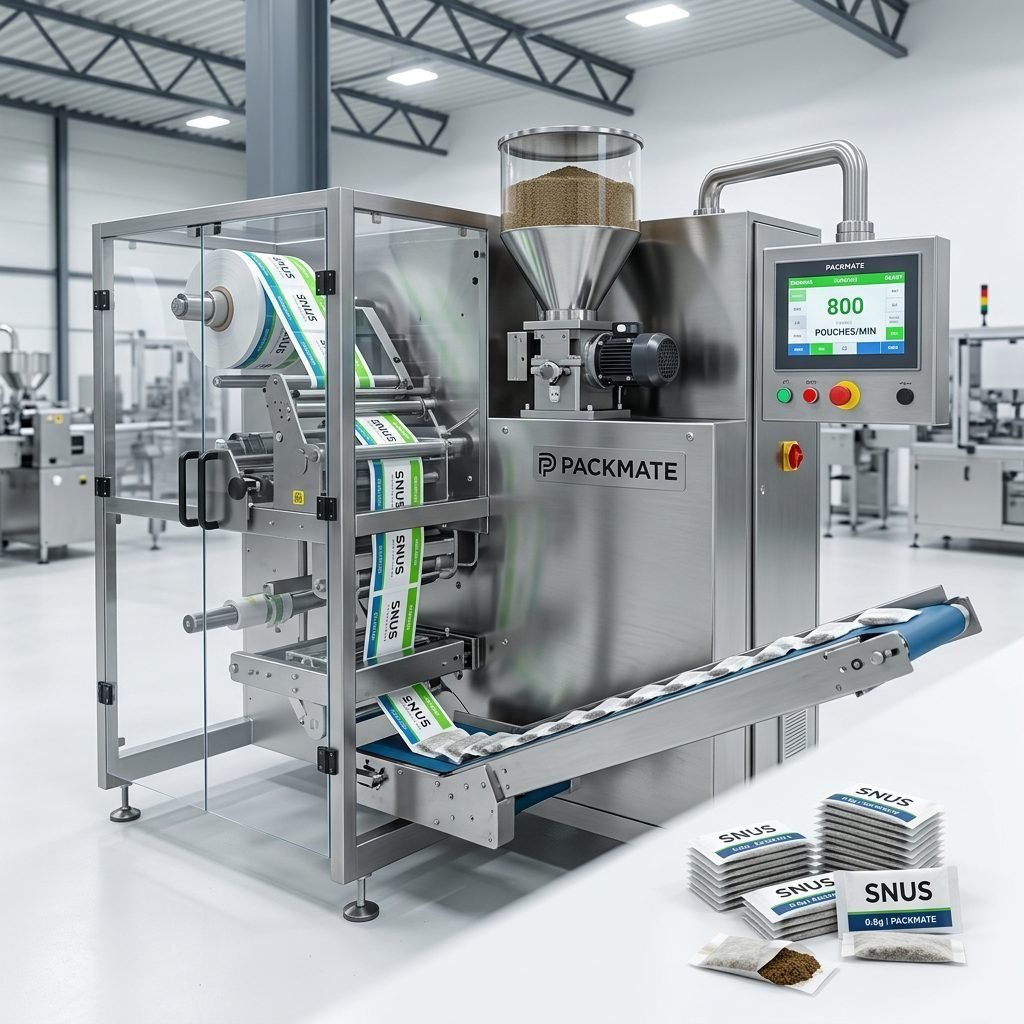
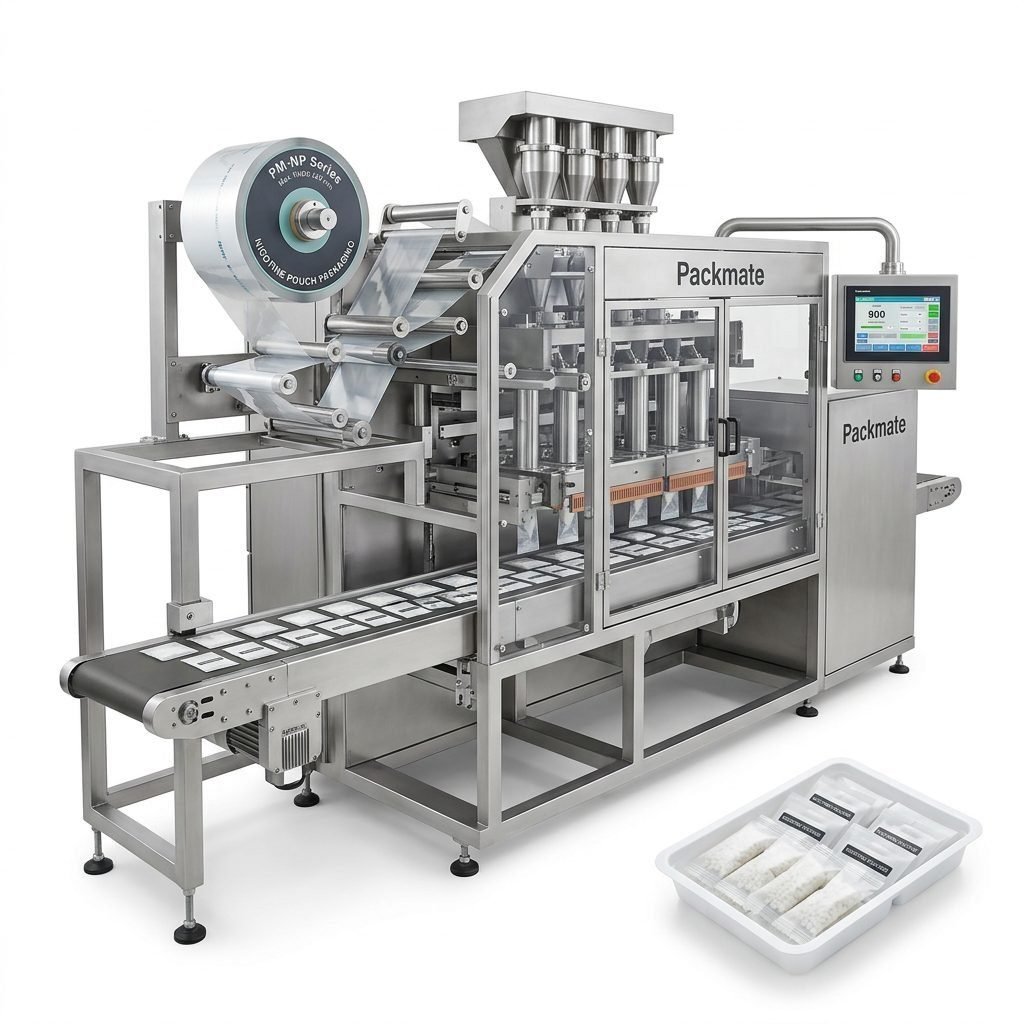
Snus & Nicotine Packaging Machines – tailored systems for small-dose pouch production and multi-lane output suitable for nicotine pouches. See examples and specifications at Snus & Nicotine Packaging Machines.
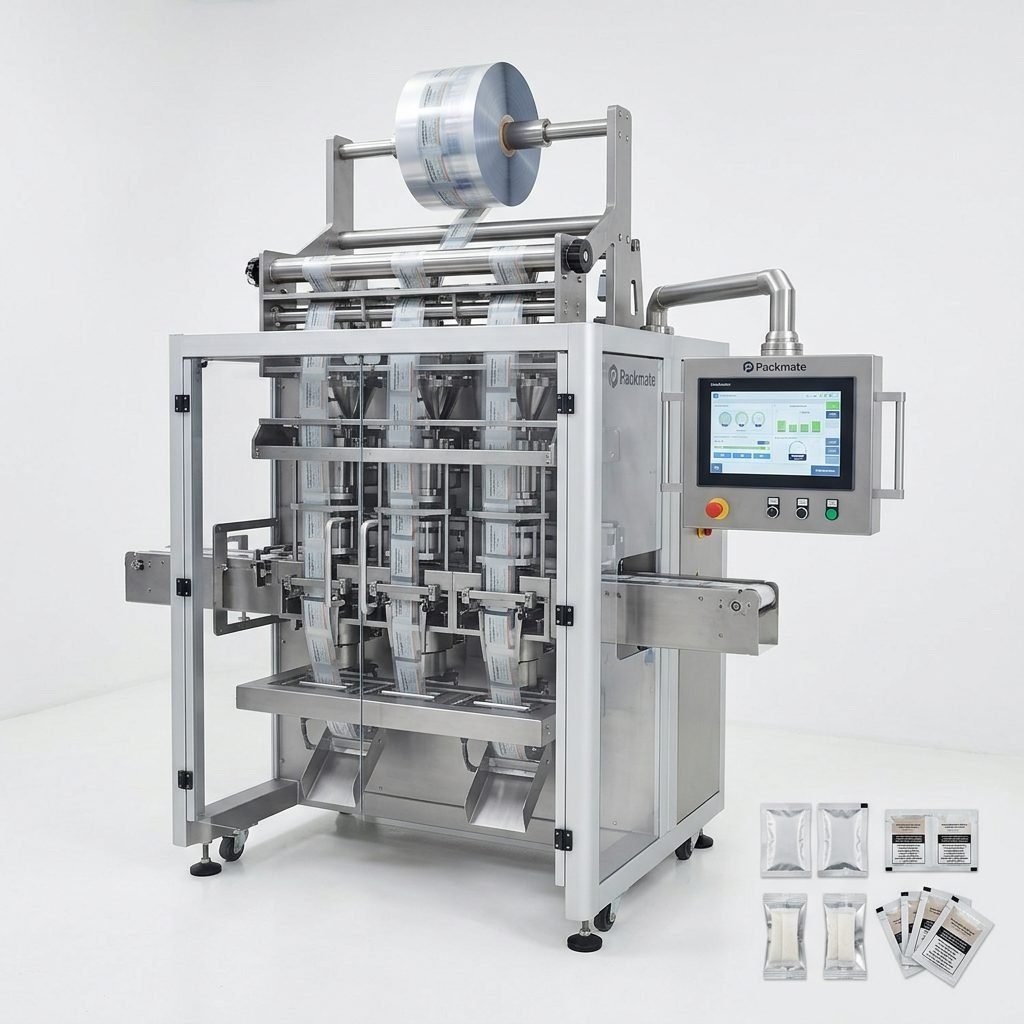
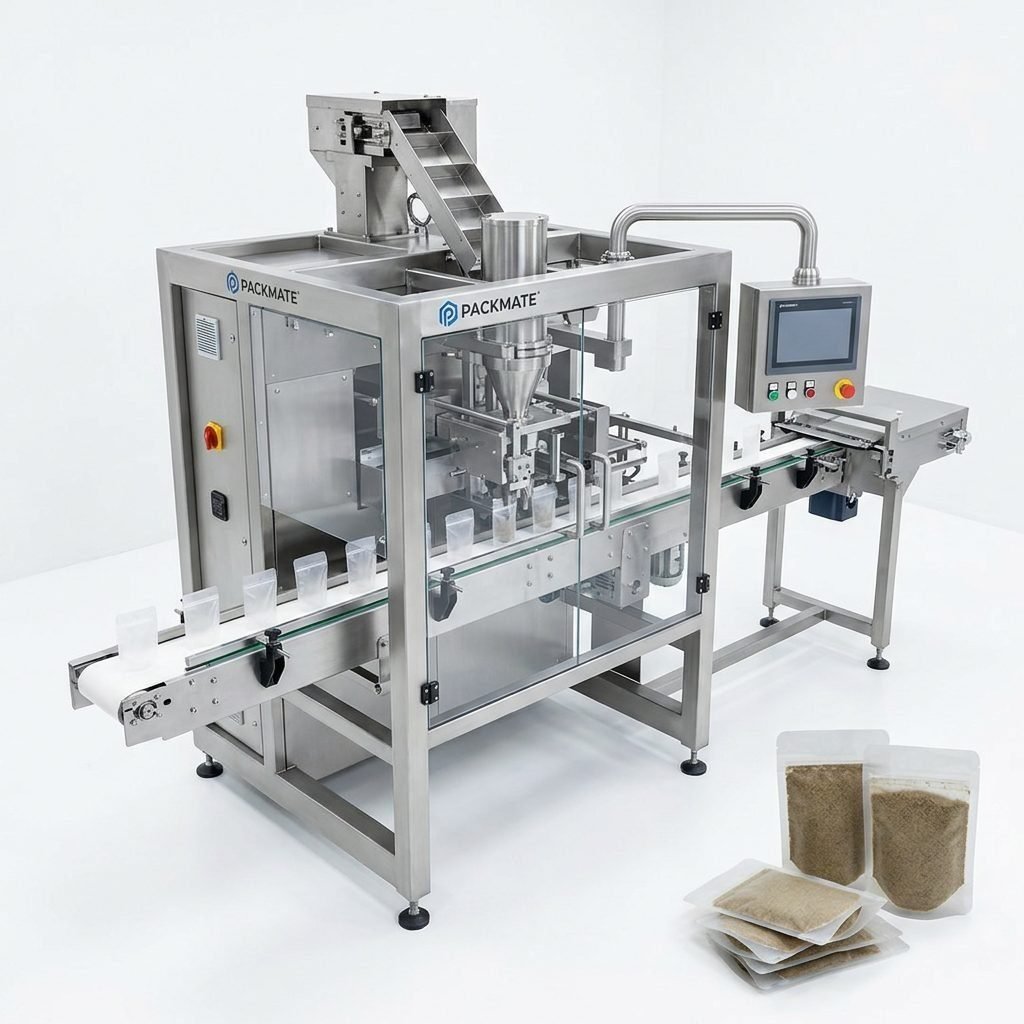
Sachet & Stick Pack Machines – great for stick-style nicotine pouches or single-serve sachets; these machines can be configured for powders, granules, or moisture-laden pouches. More details: Sachet & Stick Pack Machines.
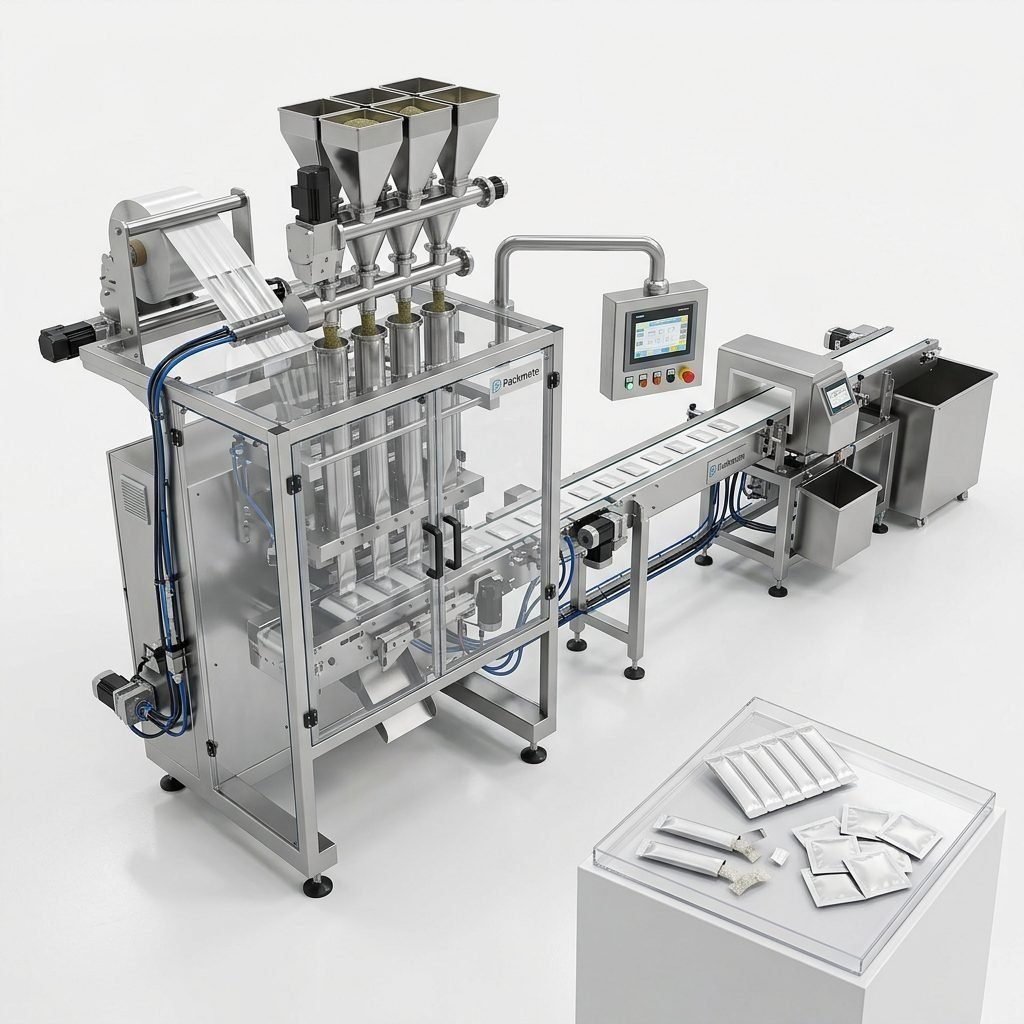
Weighing & Packaging Systems – integrated weighing modules for precise dosing, often required for nicotine pouches to maintain consistent nicotine content: Weighing & Packaging Systems.
🔧 Key Selection Criteria for East Timor Operations
East Timor has unique logistical and regulatory realities. Consider these practical factors when evaluating equipment:
1. Capacity & Scalability
Choose machines that meet your current demand while allowing modular upgrades. Multi-lane systems from suppliers with modular architecture enable you to add lanes or auxiliary feeders without replacing the core machine.
2. Precision & Consistency
Nicotine pouch filling requires tight weight and nicotine-dosage control. Ensure the supplier provides high-precision dosing systems and offers weigh-check or metal-detect options. Suppliers experienced in snus packaging often achieve reliable tolerances due to decades of focused design.
3. Regulatory Compliance & Certifications
Verify that equipment meets international standards like CE and ISO, especially if you plan to export finished goods. Manufacturers with formal certifications can more easily assist in compliance documentation.
📦 Supplier Evaluation: What to Check
When assessing vendors, focus on engineering strength, field experience, and local service capability:
Engineering history and factory capacity: a supplier with decades of R&D and a large manufacturing facility typically offers more robust machines and faster spare-part support. For example, Packmate (GuangDong) Co., Ltd. emphasizes 30+ years of experience and a 20,000㎡ factory footprint.
Model range & customization: wide model choices and turnkey line capability make it easier to adapt machines to your exact product. Learn about product lines and models at Bag & Pouch Packaging Machines.
🛠 After-Sales Support & Local Considerations
After-sales support is vital for operations in East Timor where shipping and technical response times can be long. Ask vendors about:
- Local or regional service partners for fast on-site support.
- Availability and lead time for spare parts.
- Remote diagnostics and training via video or on-site commissioning packages.
- Comprehensive documentation in English and installation checklists.
📈 Total Cost of Ownership & ROI
Purchase price is only a portion of the lifetime cost. Estimate:
- Initial capital and installation costs.
- Expected uptime and yield improvements from automation.
- Maintenance schedule and spare-part costs.
- Operator training time and labor savings.
A higher upfront investment in a well-engineered multi-lane machine can pay back quickly through reduced labor, less product giveaway, and higher throughput.
⚙ Installation, Training & Commissioning
Proper installation and staff training are essential for achieving designed performance:
- Request a detailed installation checklist and site requirements (electrical, compressed air, floor load).
- Plan for on-site commissioning by factory engineers to calibrate dosing and sealing parameters.
- Ensure operators and maintenance staff receive hands-on training and troubleshooting guides.
Tip: Ask the manufacturer for video demonstrations or a factory acceptance test (FAT). Observing a machine running your product or a similar formulation reduces commissioning risk.
📜 Certifications & Compliance
Machines that comply with recognized standards make regulatory filings and export documentation easier. Confirm the supplier’s certificates (CE, ISO) and request copies of test reports. You can check manufacturer credentials and certificates at their company pages such as Certificate and learn about their mission and factory at About Packmate.
📬 Logistics & Local Setup in East Timor
Consider these logistical points for East Timor:
- Customs clearance and import duties for industrial machinery.
- Local crane/forklift availability for unloading large equipment.
- Electrical compatibility and availability of stable power or need for UPS/voltage conditioners.
- Storage conditions to prevent corrosion or damage to components prior to installation.
🔎 Practical Checklist Before Purchase
Checklist:
- Define product specs and expected throughput.
- Request technical drawings, electrical requirements, and footprint.
- Confirm spare-part availability and lead times.
- Agree on FAT, commissioning schedule, and training scope.
- Obtain warranty terms and post-warranty service options.
📌 Why Choose an Experienced Snus Packing Manufacturer?
Manufacturers that specialize in snus and nicotine packaging bring lessons learned across multiple product types. They can provide:
- Optimized pouch forming and sealing for moisture-sensitive products.
- Proven dosing solutions for small-dose pouches to meet strict weight tolerances.
- Turnkey lines that reduce integration risk and accelerate ramp-up.
View real-world deployments and case studies at Case to see how suppliers adapt machines to different markets.
📞 Next Steps: Engaging With Vendors
When requesting quotes, provide a complete product spec sheet, expected annual volume, and any regulatory labeling requirements. Ask for:
- Detailed quotation with clear scope (machines, feeders, scales, conveyors).
- Lead time and shipping terms.
- Service package options and spare-part kits for the first year.
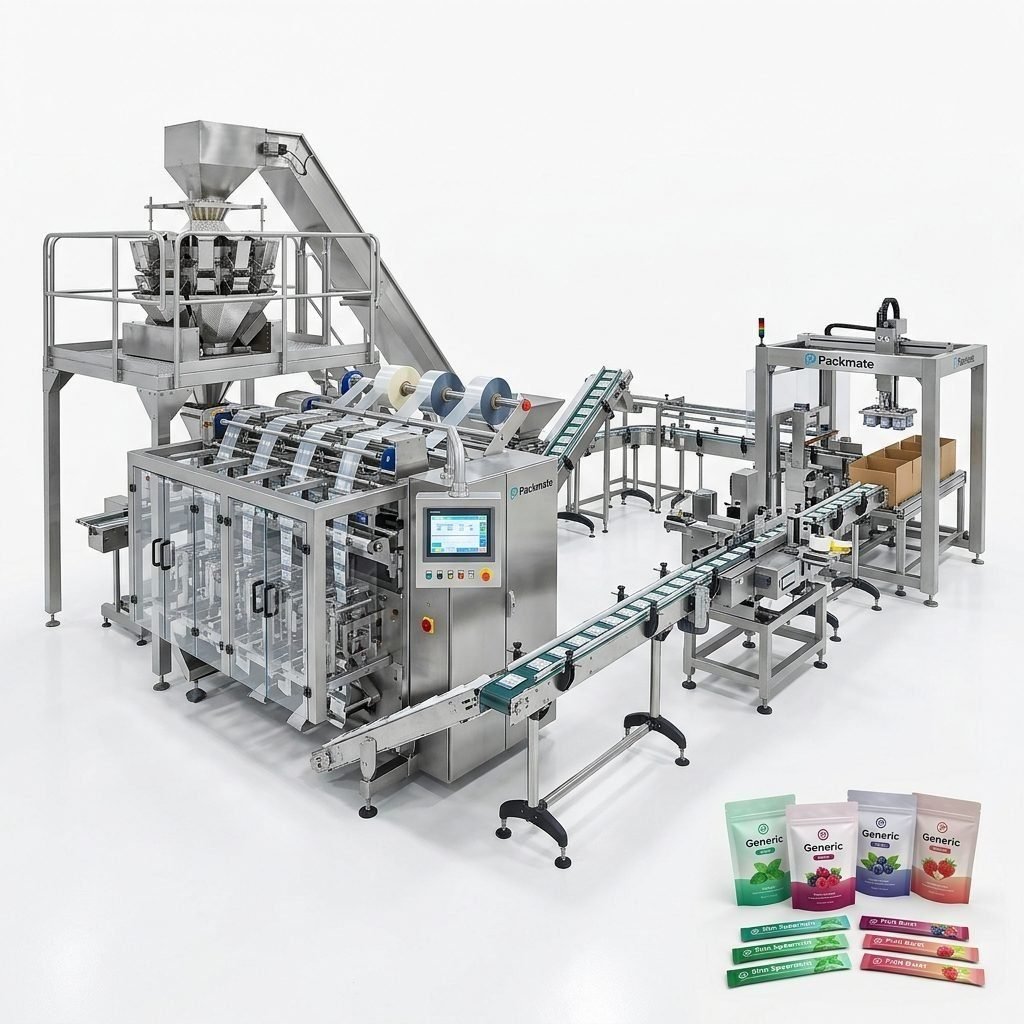
If you need a comprehensive packaging solution, consider full-line providers that cover filling, pouch forming, weighing, and end-of-line boxing such as integrated Filling & Packaging Lines.
📚 Additional Resources & Contact
Explore product catalogs, FAQs, and support resources to prepare for procurement. Manufacturer documentation pages (catalogs, certification, and FAQs) can clarify technical questions quickly. Useful links include the manufacturer’s Catalog and FAQs.
When you’re ready, request a quotation and FAT schedule, and arrange a site visit or virtual factory tour. Reliable vendors provide detailed pre-sale consultations and clear after-sales commitments. Contact options are usually listed on the manufacturer’s contact page: Contact Us.
🔎 Final Recommendation
In East Timor, prioritize suppliers with proven snus/nicotine experience, documented certifications, and robust after-sales plans. Investing in modular, precision equipment from a manufacturer that offers FAT and commissioning support will reduce time-to-market and operational risk. Evaluate total cost of ownership rather than the lowest purchase price to secure long-term stability and product quality.
Frequently Asked Questions
Q1: What machine type is best for small-batch nicotine pouch production?
For small-batch and flexible SKUs, a modular multi-lane snus/nicotine pouch system or a single-lane sachet/stick pack machine with quick-change tooling is recommended. These systems allow economical runs with minimal downtime.
Q2: How important are certifications like CE and ISO?
Certifications demonstrate adherence to international safety and quality standards, which helps with export, compliance, and buyer confidence. They are particularly useful when entering regulated markets.
Q3: What lead times should I expect for custom packaging lines?
Lead times vary but plan for several months for custom turnkey lines, including design, manufacturing, testing (FAT), and shipping. Standard machines may have shorter lead times, depending on spare-part stock and factory capacity.
Q4: Can vendors support remote troubleshooting for East Timor?
Many modern suppliers offer remote diagnostics and video-assisted troubleshooting. Confirm the availability of remote support, spare-part kits, and on-site service options before purchase.
Q5: Where can I see examples of installed lines?
Check the manufacturer’s case studies and exhibition pages to view real installations and demonstrations: Our Exhibition.