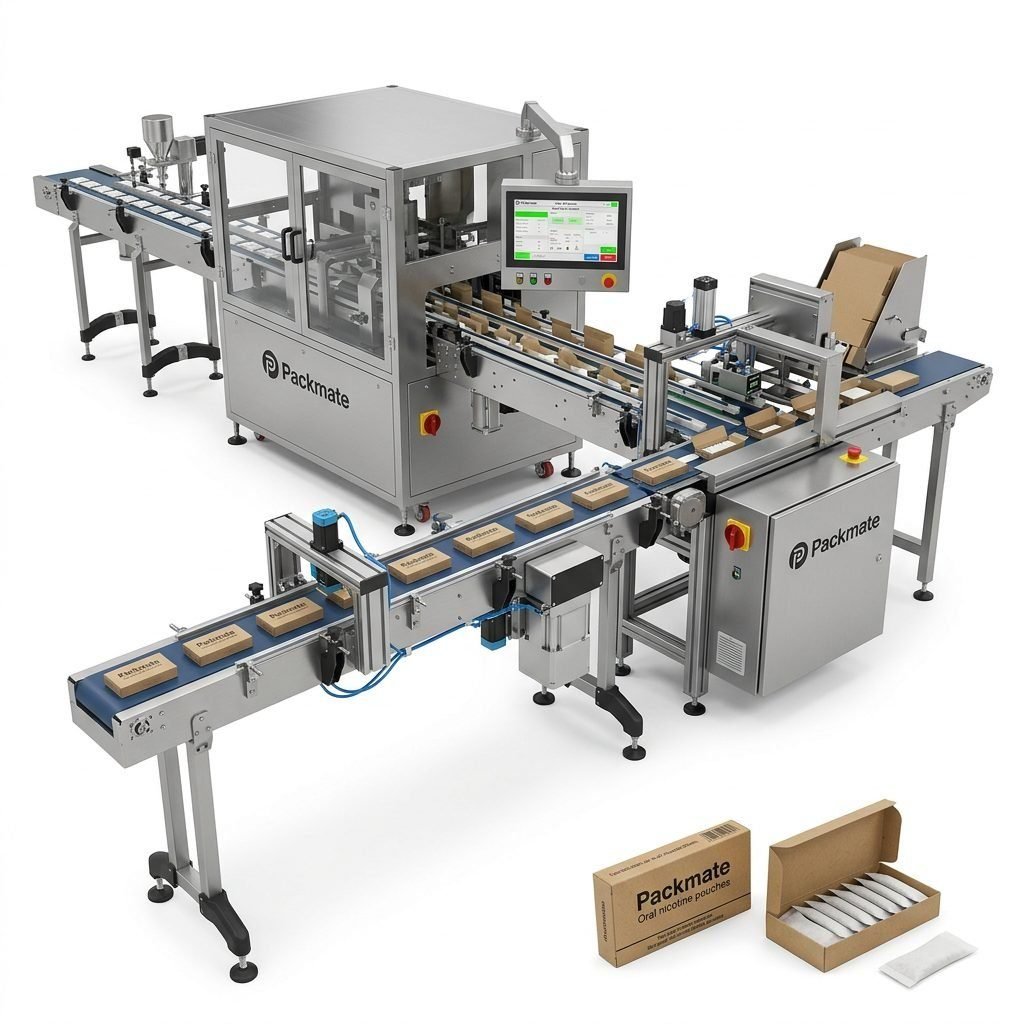
Entering or expanding in France with nicotine pouch or snus products means more than just choosing a machine that fills and seals. The right packaging machinery partner will help you navigate regulatory labeling, consumer expectations, production scaling, and after-sales support specific to the French market. This guide explains how to choose the best nicotine packaging machinery manufacturer in France for your business and highlights practical checklists, technical requirements, and what to look for when evaluating suppliers.
Understand the French Market and Local Customs
France has a sophisticated premium consumer base. Packaging that communicates quality, safety, and environmental responsibility performs better with French consumers. Additionally, French language labeling and clear health notices are expected. When selecting a manufacturer, consider their ability to adapt machines for:
• French language printing/labeling support
• Variable batch coding and traceability
• Recyclable or minimal packaging formats
Regulatory and cultural points to note
In France, manufacturers must be mindful of EU and local regulations about nicotine products. While legal status, taxation, and labeling can vary, expectations around consumer safety information, language, and environmental messaging are high. Choose a supplier experienced in exporting to Europe and able to provide documentation like CE and ISO certifications and machine configurations that support compliant labeling.
Key Technical Capabilities to Evaluate
Selecting the right machine depends on product format, throughput, accuracy, and flexibility. Look for manufacturers that can demonstrate competence in these technical areas:
⚙️ Filling accuracy
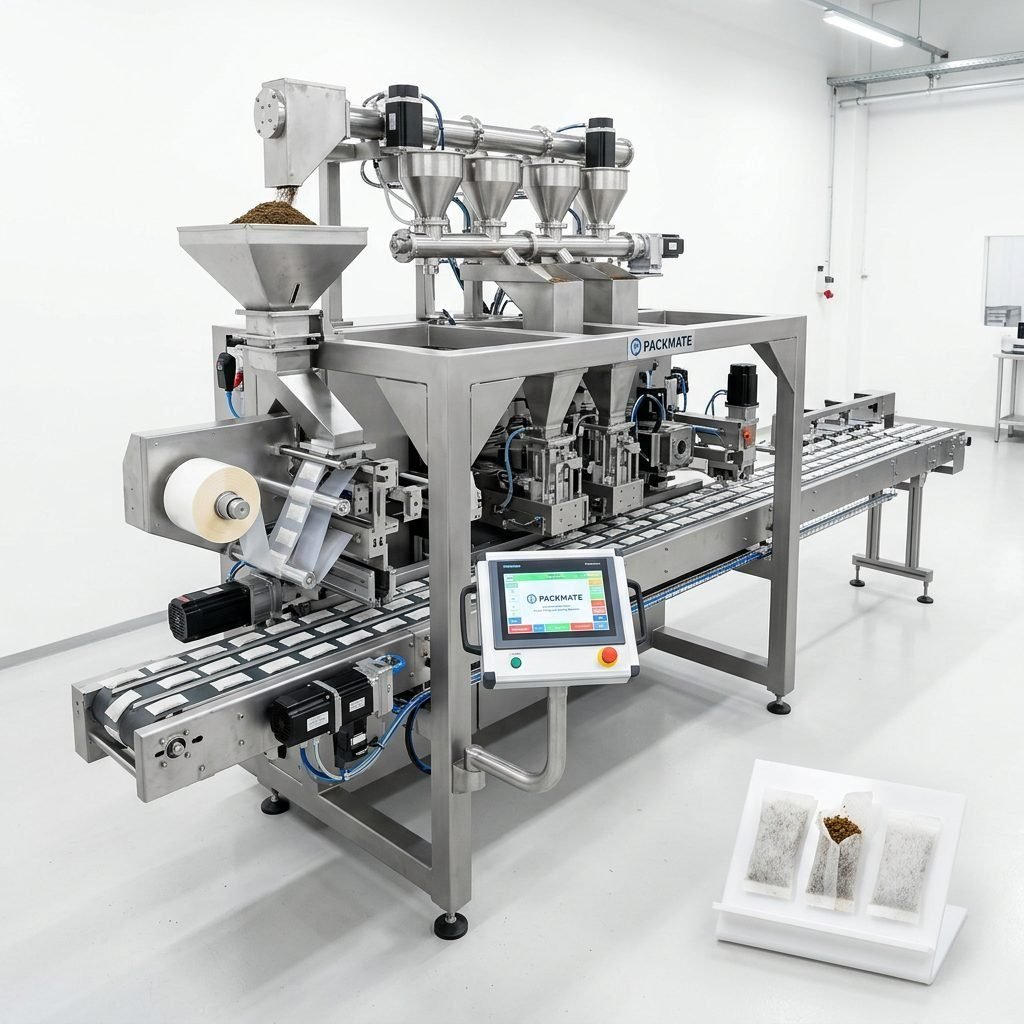
High-precision feeders or weighing modules for small-dose nicotine pouches are essential. Errors in dosing can lead to regulatory issues and lost product.
Additional technical items:
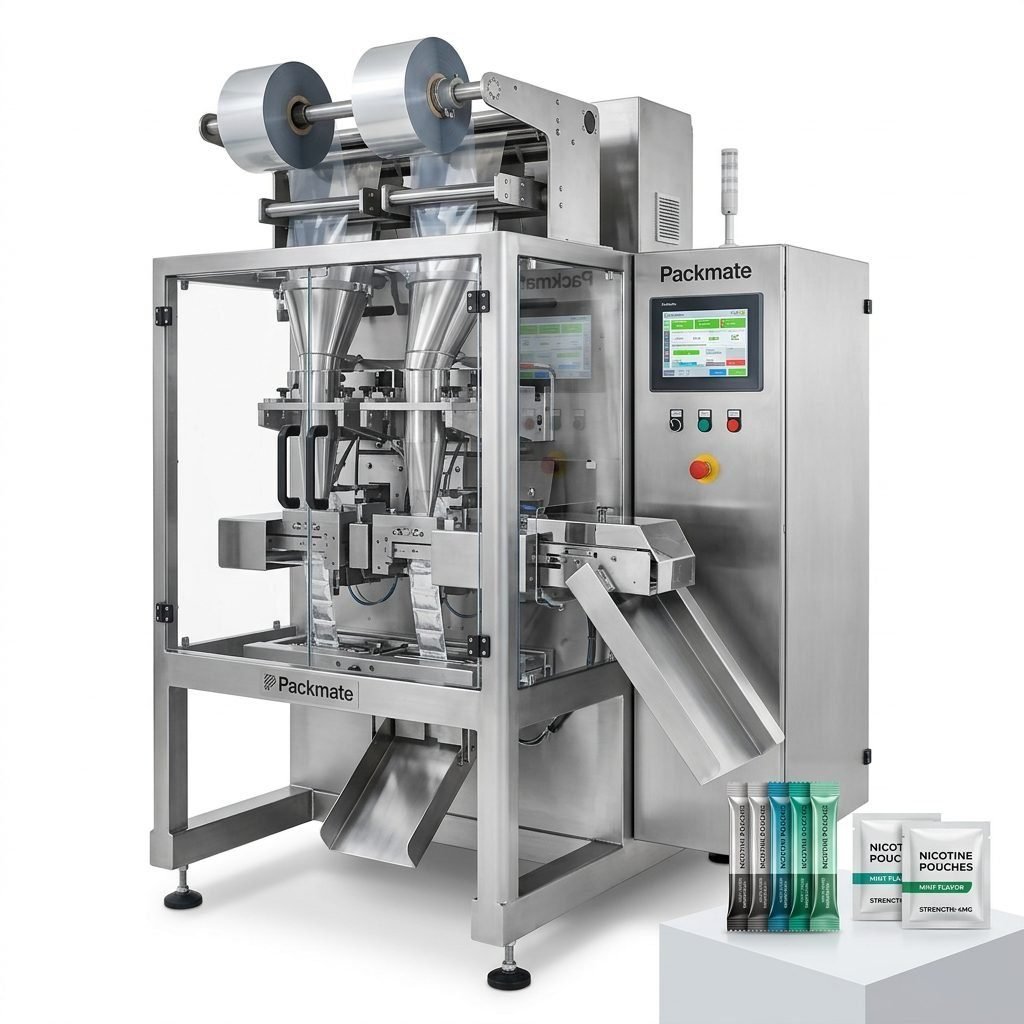
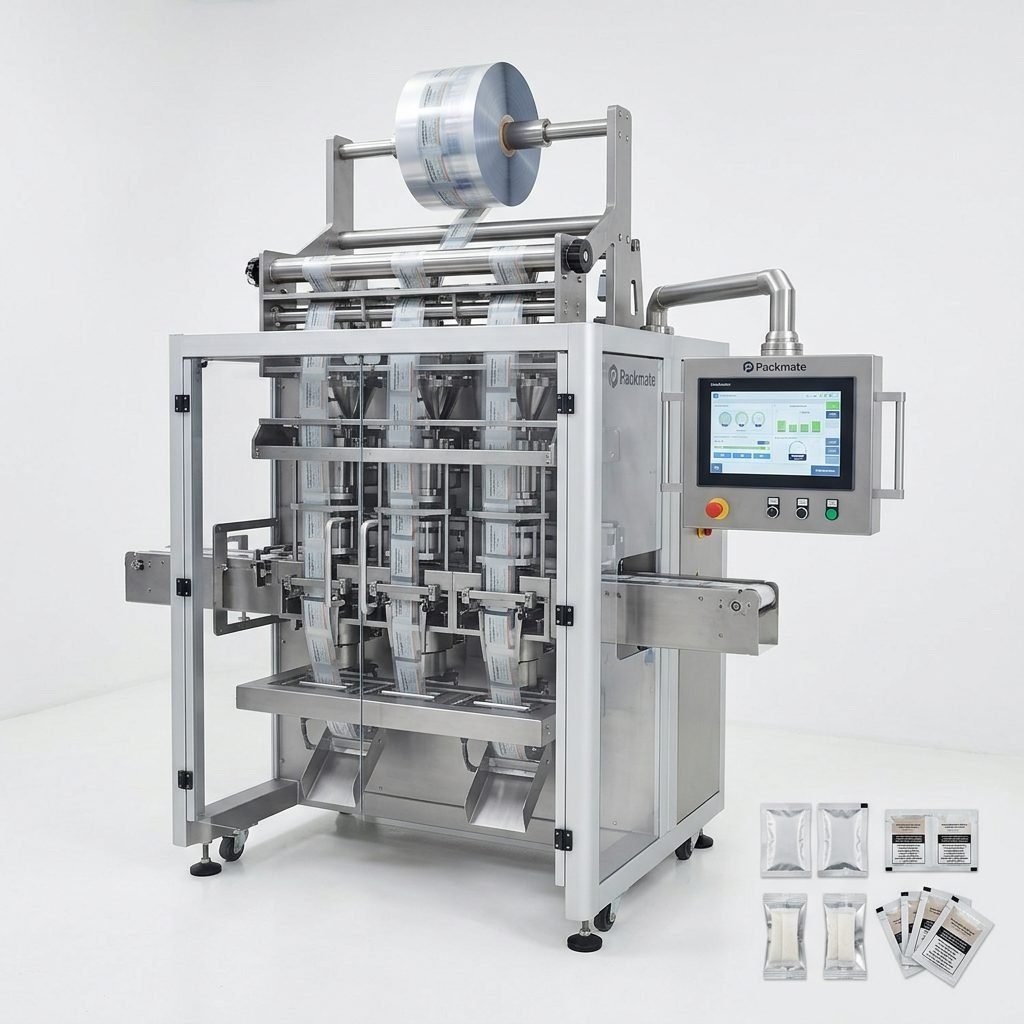
• Multi-lane capability — For scaling production efficiently, multi-lane stick or sachet machines reduce footprint and increase throughput.
• Machine modularity — Ability to switch formats (stick pack, sachet, pouch) minimizes downtime when you launch new SKUs.
• Hygienic design — Stainless steel construction and easy-clean features protect product integrity.
• Integration with weighing & packaging systems — Seamless integration avoids bottlenecks; look for compatible auxiliary equipment.
Machine Types and What Suits Your Operation
Choose machines based on your product format and business goals. Typical types for nicotine/snuse packaging include:
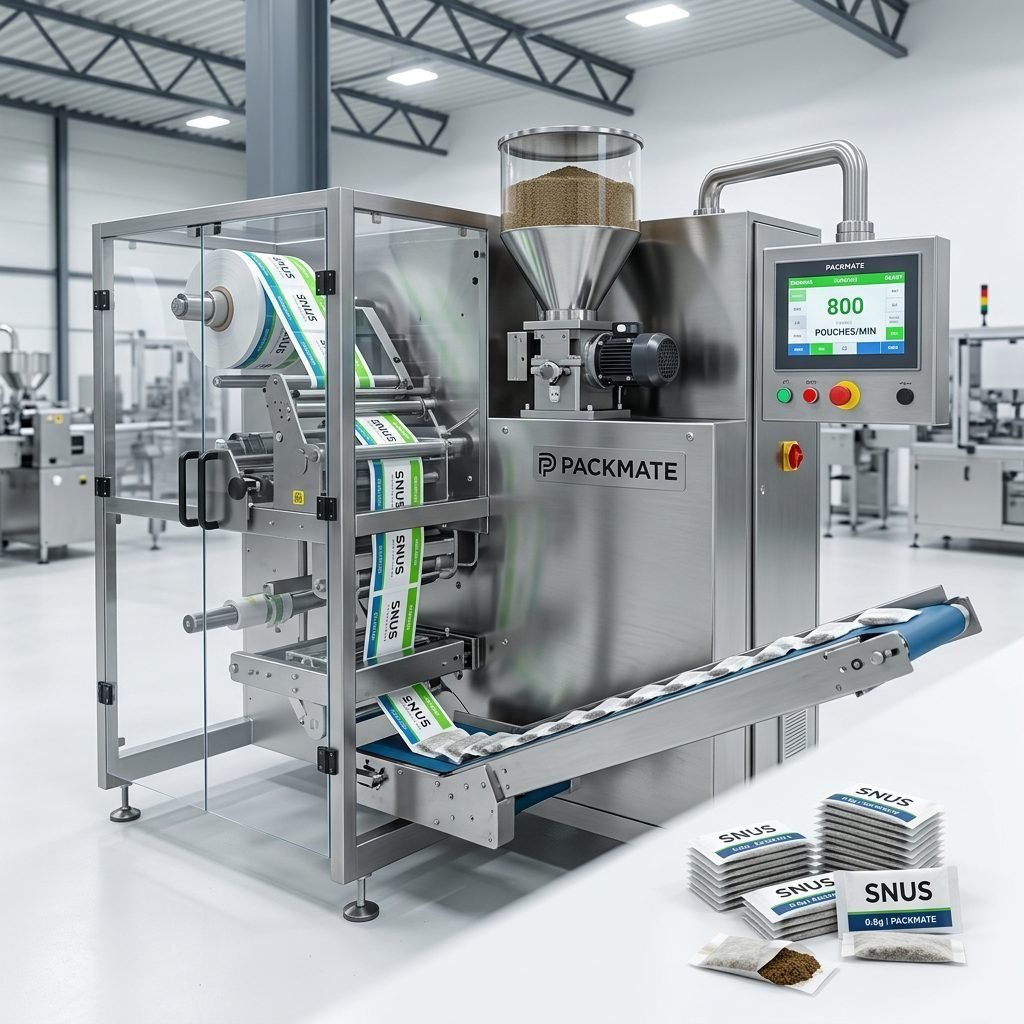
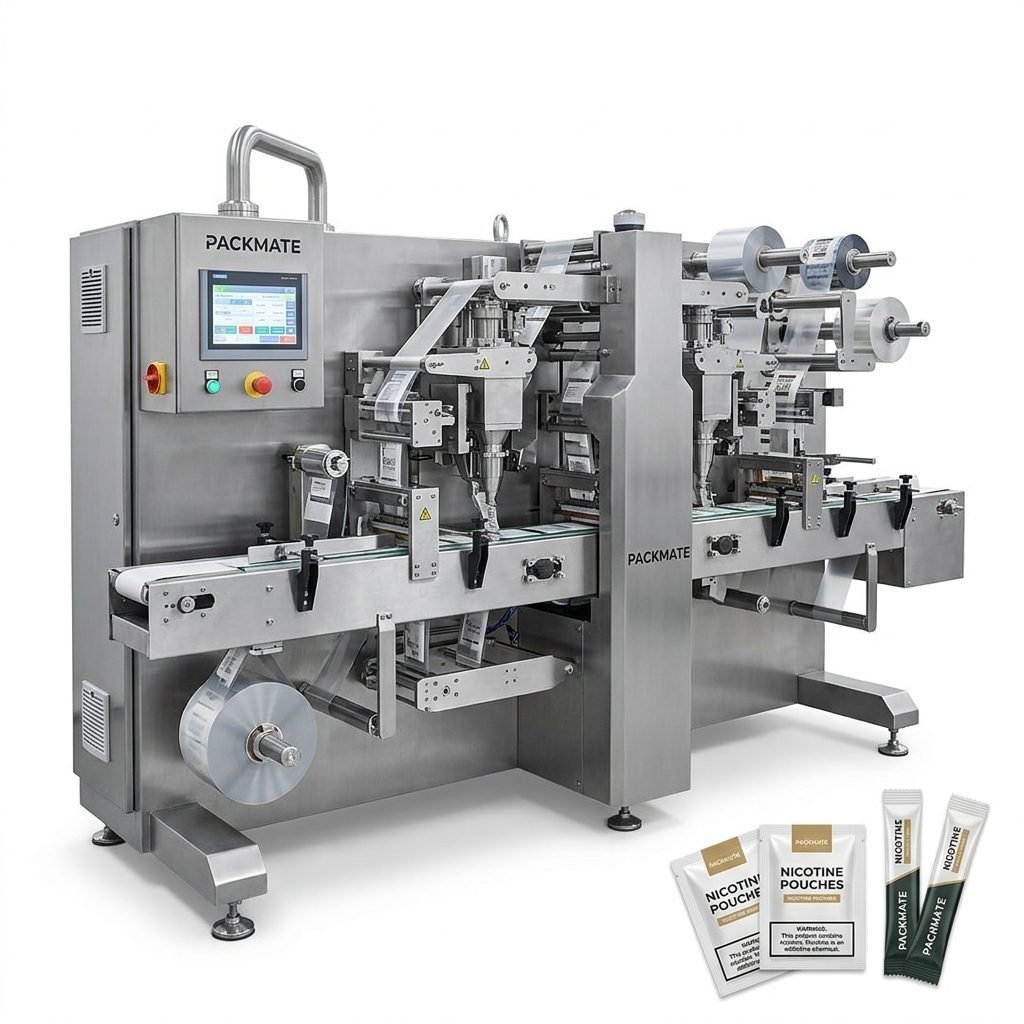
Sachet & Stick Pack Machines
These are ideal for single-dose pouches and small sachets. If you plan to sell single-dose nicotine pouches with fine dosing accuracy, stick pack and sachet solutions offer compact packaging and strong branding surfaces. See proven models at
Sachet & Stick Pack Machines.
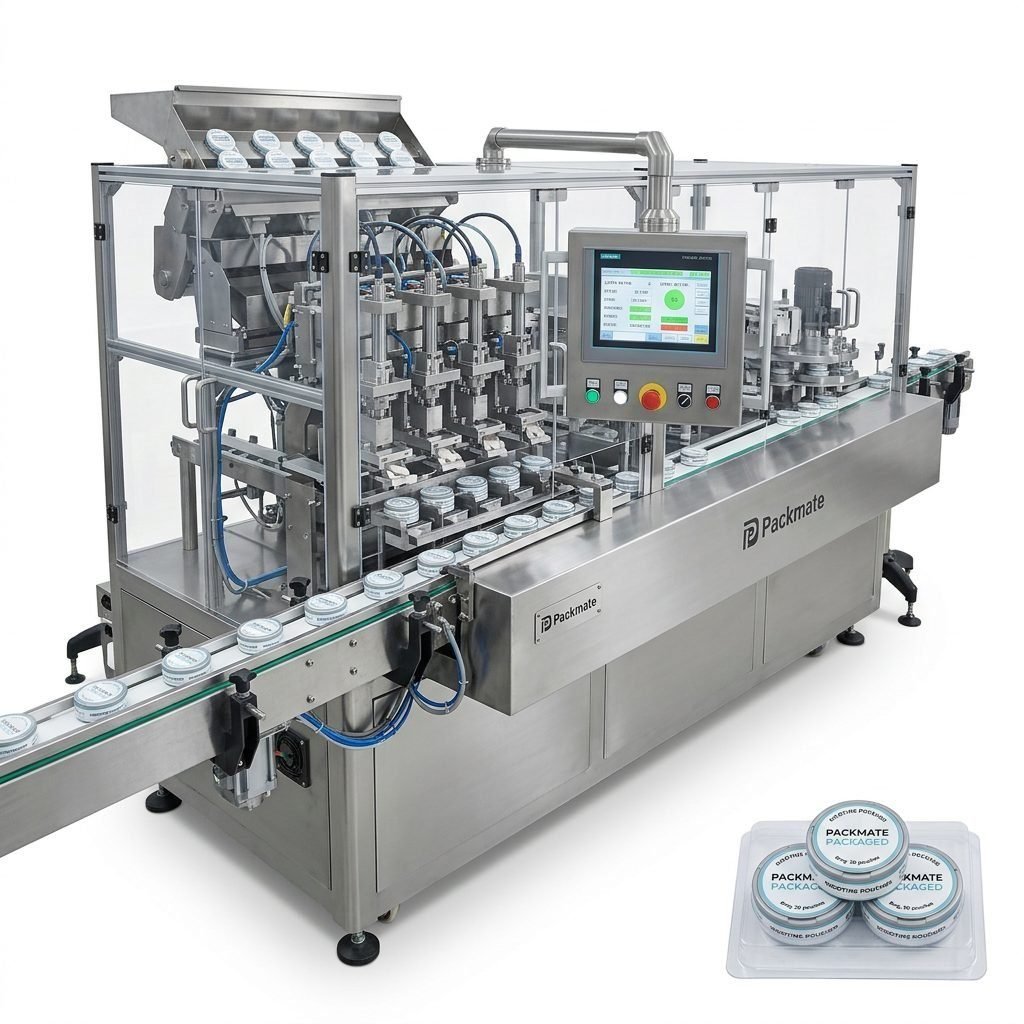
Multi-Lane Snus / Nicotine Pouch Machines
Multi-lane systems are best when you need high volume with consistent accuracy. These systems often support downstream counting, cartoning, and case packing—important for large-scale European distribution. Examples and configurations can be reviewed under
Snus & Nicotine Packaging Machines.
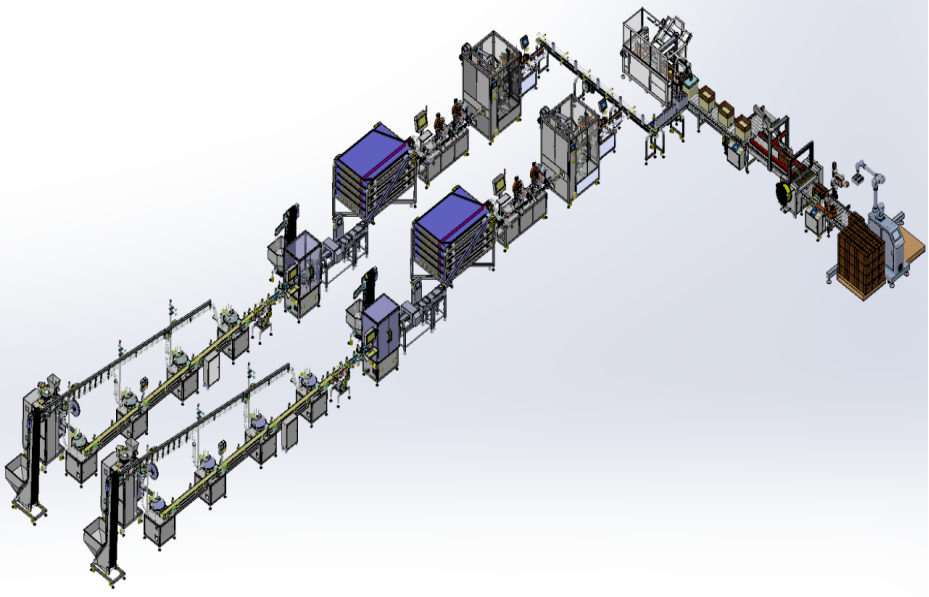
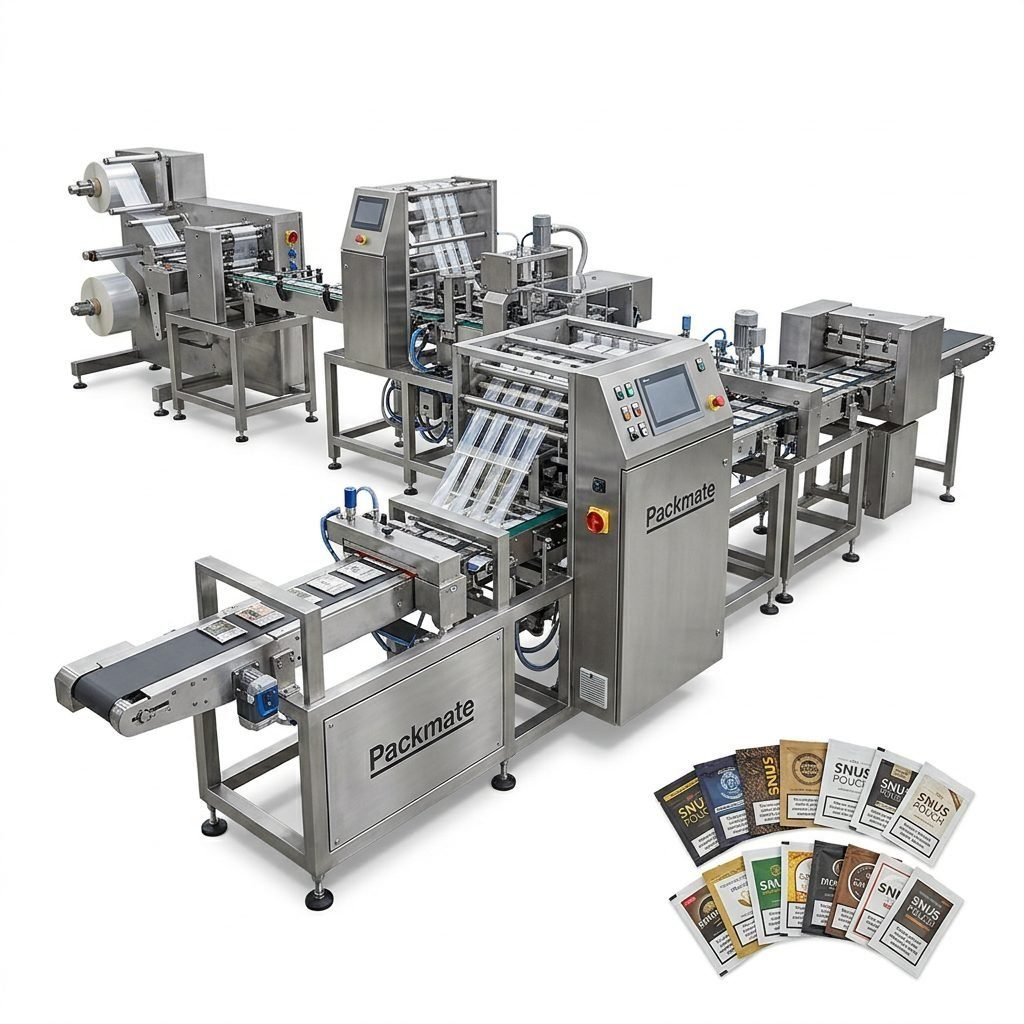
Weighing & Integrated Lines
If you require high accuracy per pouch plus automated feeding, choose integrated weighing solutions combined with packaging lines. Integration reduces manual handling and improves traceability. See options at
Weighing & Packaging Systems.
Quality, Certifications and Testing
A reliable supplier will provide clear proof of quality: CE, ISO, and factory acceptance testing (FAT) records. Ask for video evidence of machines running your product or similar materials. Important checks include:
• CE and ISO certifications
• FAT and SAT procedures
• Long-term stability tests for dosing accuracy
• References from European customers
📌 Tip: Request traceable test results and ask if the manufacturer invites you to witness commissioning or provide a remote demonstration with your SKU.
After-Sales, Spare Parts and Local Support
After sales service is critical, especially when operating in a country with strict consumer protection like France. Consider:
• Availability of spare parts in Europe
• Clear warranty terms and response time
• Remote diagnostics and software updates
• Training programs for your operators and maintenance staff
Local partnerships and exhibitions
Suppliers who show at major European exhibitions or have local agents often provide better on-the-ground support. Check their exhibition history and European case studies at
Our Exhibition and
Case.
Customization, Flexibility and Packaging Sustainability
French consumers favor brands with strong design and environmental credentials. Your manufacturer should offer:
• Tooling and format flexibility for multiple SKUs;
• Low-waste runs and quick changeovers to test new flavors or limited editions;
• Support for recyclable films or reduced materials in line with European sustainability trends.
✅ Essential: Ask suppliers about their experience producing packaging with FSC-certified papers, mono-material films, or easy-to-recycle laminates—attributes increasingly demanded by French retailers.
Factory Capability and Production Capacity
Inspect the manufacturer’s factory capabilities. Key considerations:
• CNC machining and assembly lines — ensure parts are manufactured to tight tolerances.
• Capacity for custom builds and 50+ models — a sign of engineering depth.
• Robust quality control processes and test benches for final checks.
Commercial Terms: Warranties, Lead Times and Total Cost of Ownership
The cheapest bid rarely wins over time. Analyze the total cost of ownership:
• Warranty coverage and spare parts pricing
• Expected MTBF (mean time between failures)
• Local installation, training and commissioning costs
• Energy consumption and maintenance intervals
How to Validate a Supplier — Practical Steps
A systematic validation process reduces risk. Follow these steps when vetting manufacturers:
- Request machine videos and trial runs with your actual product or close analogues.
- Ask for references from European customers and contact them to verify performance and support.
- Confirm certifications (CE, ISO) and factory audit reports.
- Visit the factory or meet at an exhibition; view assembly lines and CNC capabilities if possible.
- Negotiate FAT/SAT terms, spare parts kits, and local support commitments.
📌 Recommended action: Insist on a documented FAT for your exact product and request packaging samples for retailer approval before shipping.
Why a Manufacturer with Global Turnkey Experience Helps
A partner delivering turnkey packaging lines can integrate weighers, fillers, pouch machines, and downstream cartoning—reducing integration headaches and accelerating time-to-market. Manufacturers that export globally also understand export documentation, European compliance, and logistics.
If you want to explore full-line solutions, review the supplier’s range at
Filling & Packaging Lines.
Selecting Based on Real Business Scenarios
Scenario planning helps choose the right machine:
• Small artisan brand: choose flexible, lower-capacity stick or sachet machines with easy changeovers.
• Growing regional brand in France: prefer modular multi-lane systems that scale to meet seasonal peaks.
• Large-scale distribution: invest in fully integrated lines with robotic case packing and automated replenishment.
Contact and Further Evaluation
Reach out to prospective manufacturers, request detailed quotations, and clarify timelines, spare parts lists, and training packages. Learn more about the manufacturer’s background and services at
About Packmate and use
Contact Us to schedule demonstrations or factory visits.
Quick checklist before you sign:
• CE & ISO certificates verified
• FAT demonstration with your SKU
• Spare parts & service SLA defined
• Training & commissioning included
• Local logistics and customs support clarified
Conclusion and Next Steps
Choosing the right nicotine packaging machinery manufacturer for France requires a balanced assessment of technical capability, regulatory experience, after-sales service, and cultural fit. Prioritize suppliers who demonstrate proven multi-lane solutions, European certifications, and a willingness to validate machines with your product. Engaging a turnkey partner with global exports can shorten time-to-market and reduce integration risks.
Frequently Asked Questions
Q1: How important are CE and ISO certifications when buying packaging machinery for France?
A1: CE and ISO are critical baseline indicators of safety and quality. They do not replace product compliance but show that machines meet international manufacturing standards and are expected by European buyers.
Q2: Should I prioritize modularity or maximum throughput for a French market launch?
A2: For launches, modular and flexible machines are often better because they let you test SKUs and adapt packaging quickly. If you already have confirmed high demand, prioritize multi-lane throughput.
Q3: How can I ensure labeling meets French language and regulatory expectations?
A3: Work with a manufacturer that supports variable printing and traceability, and consult local legal advisors for nicotine product labeling. Request label proofs and label-run tests during FAT.
Q4: Is it better to source machines from a European supplier or an experienced global manufacturer?
A4: Both can work. European suppliers may offer faster local support; experienced global manufacturers often provide competitive pricing and engineering depth. Check their European references and spare-parts presence.
Q5: What sustainability features should I consider for packaging machinery in France?
A5: Look for machines compatible with recyclable films, mono-material solutions, and low-waste operation modes. French retailers and consumers increasingly demand sustainable packaging.