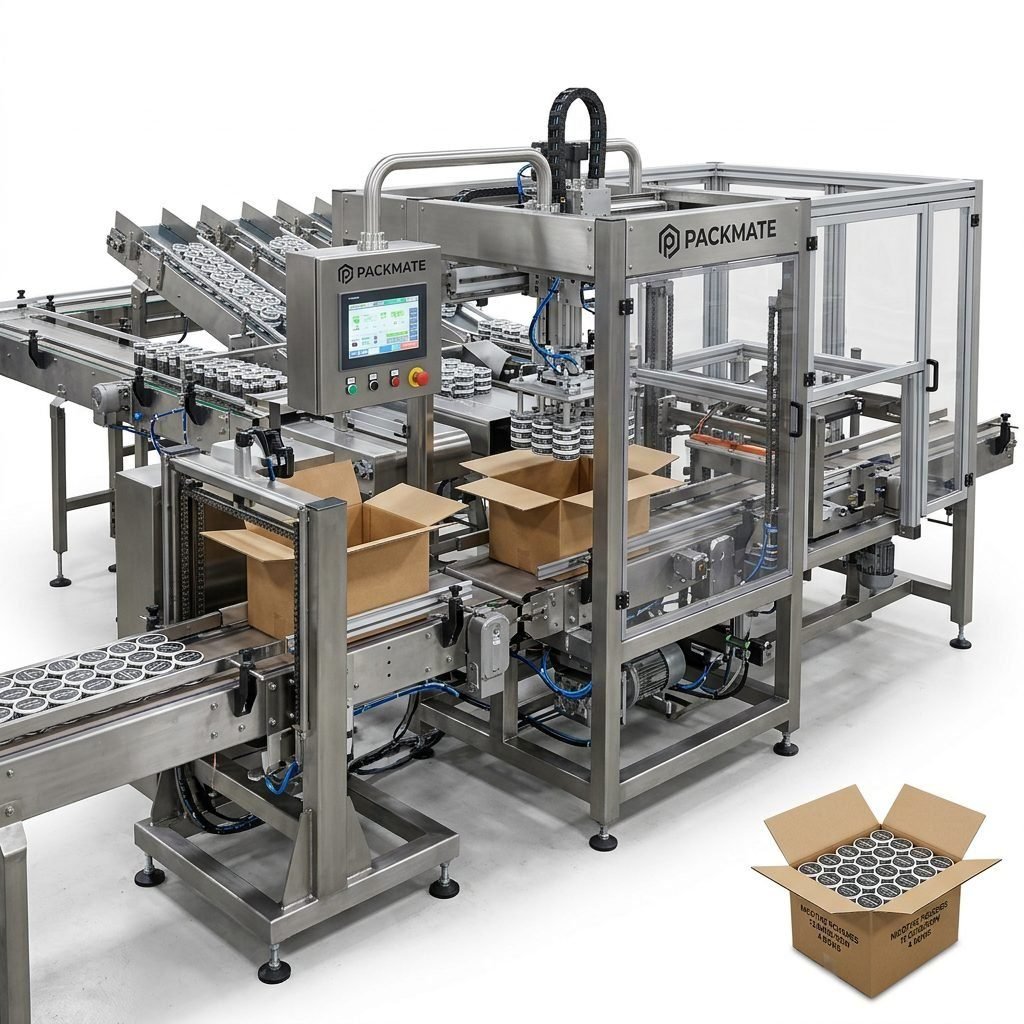
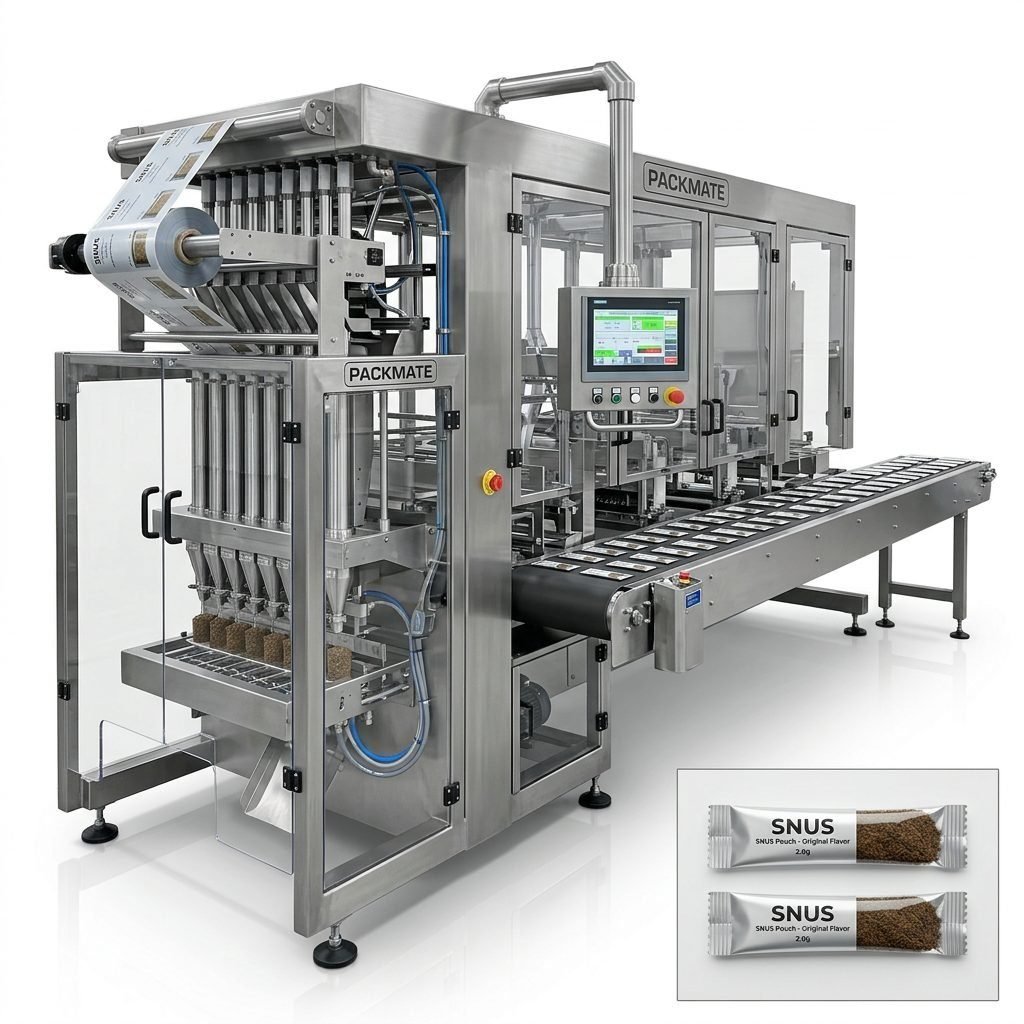
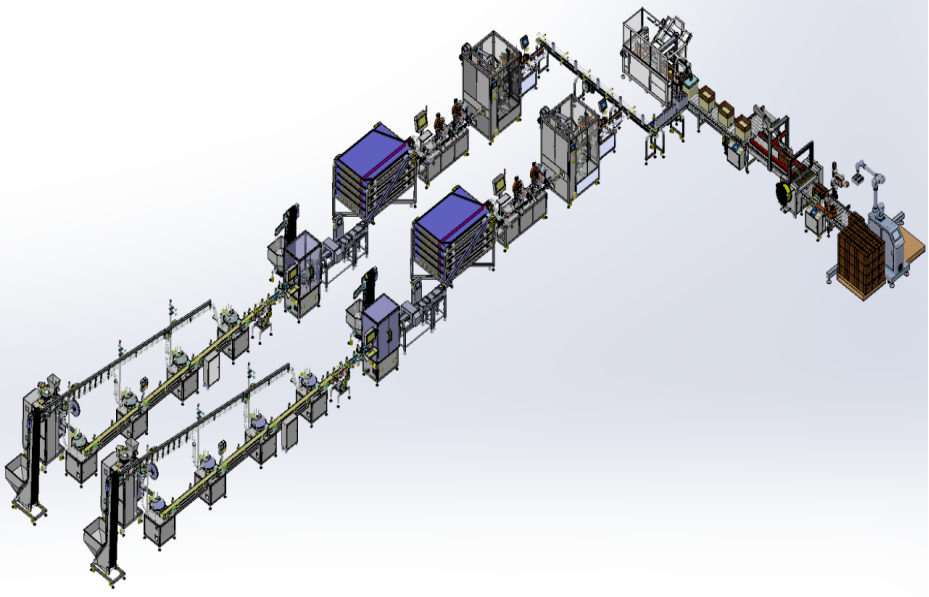
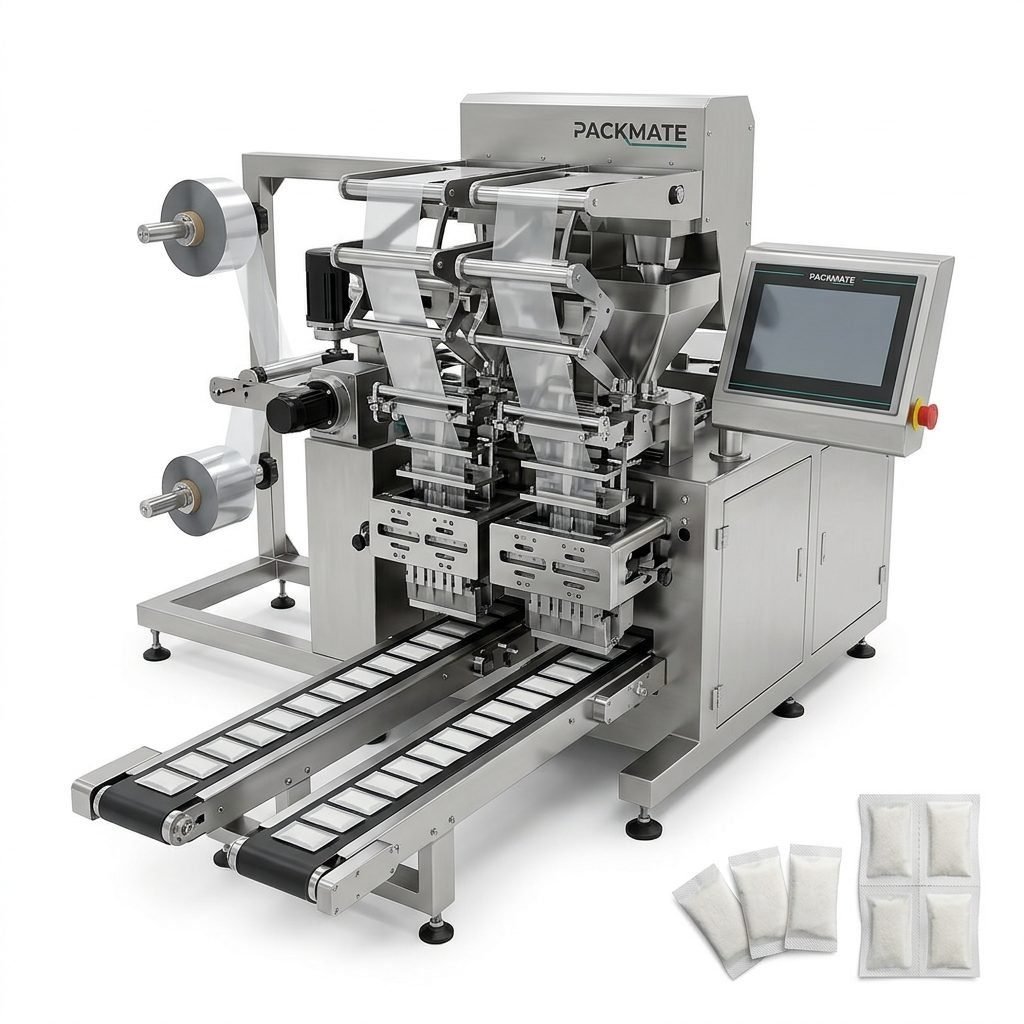
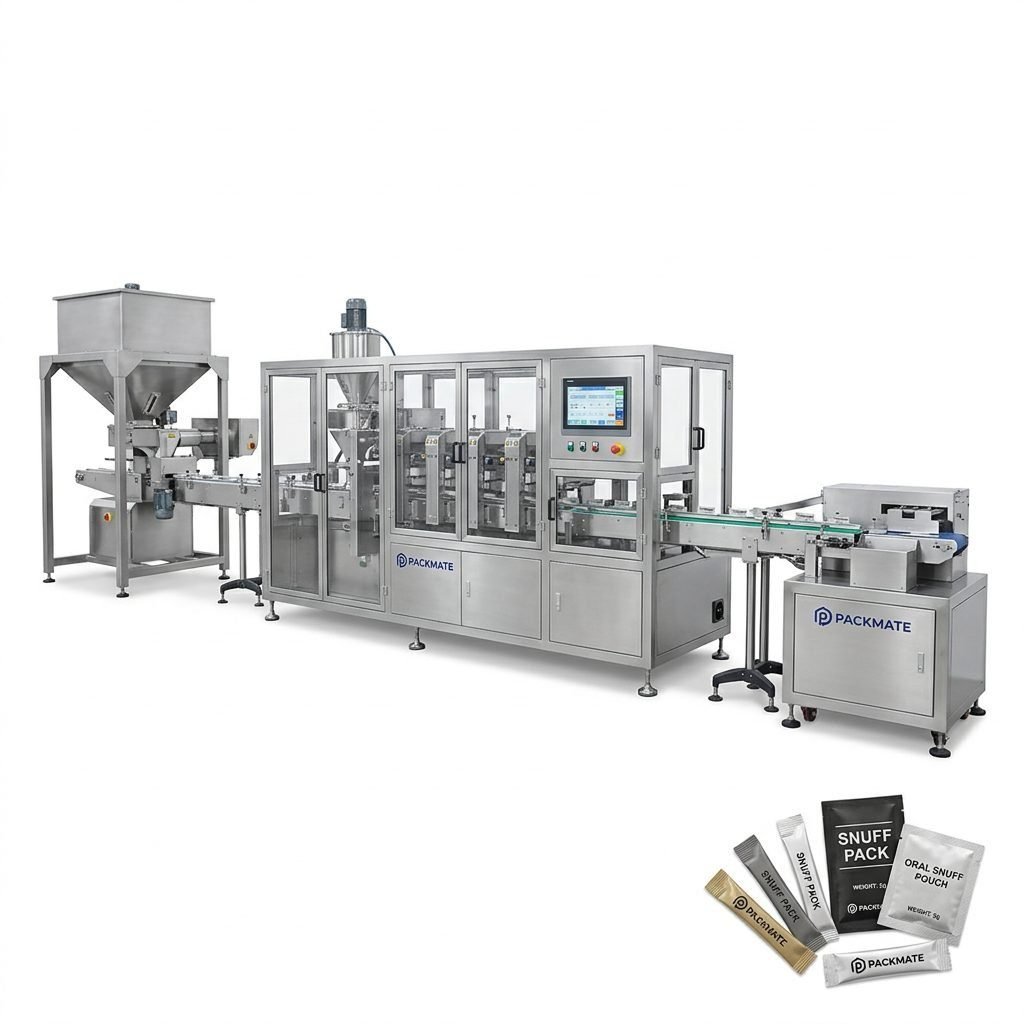
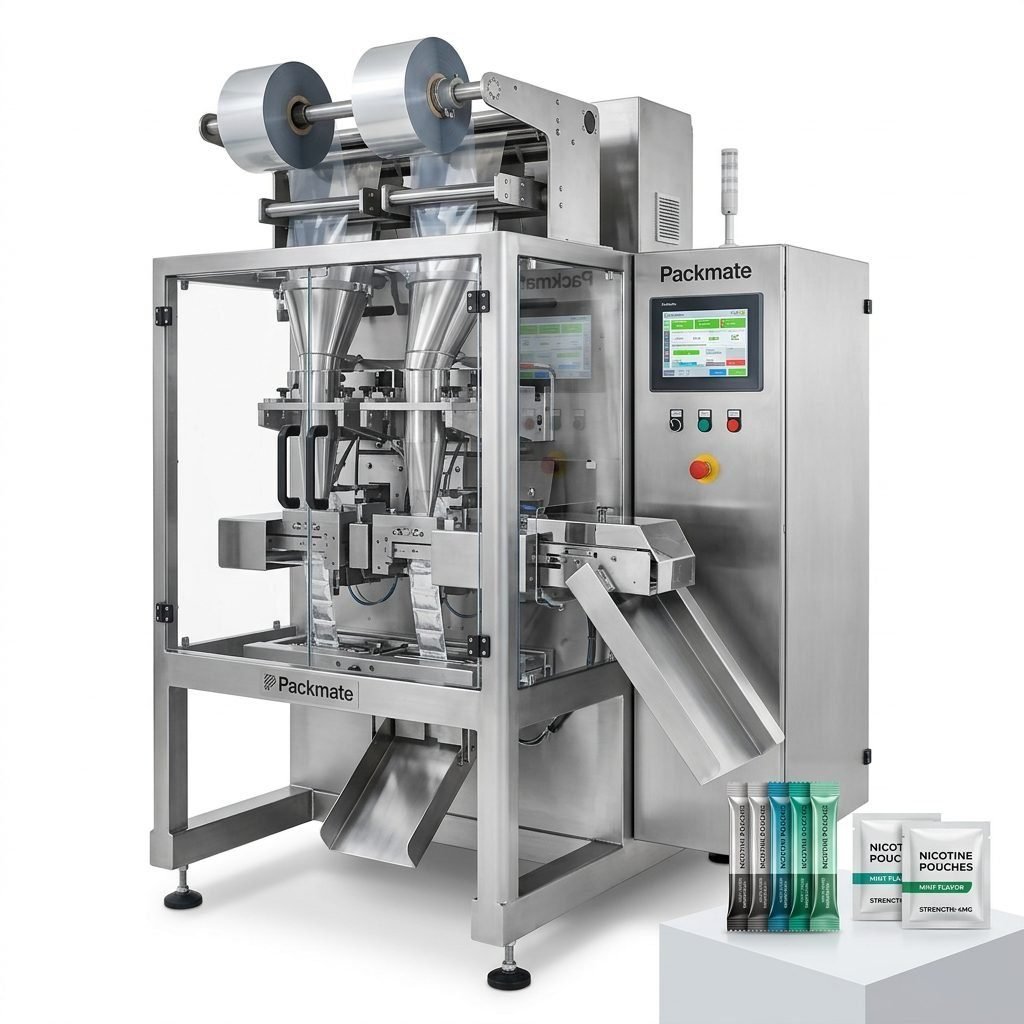
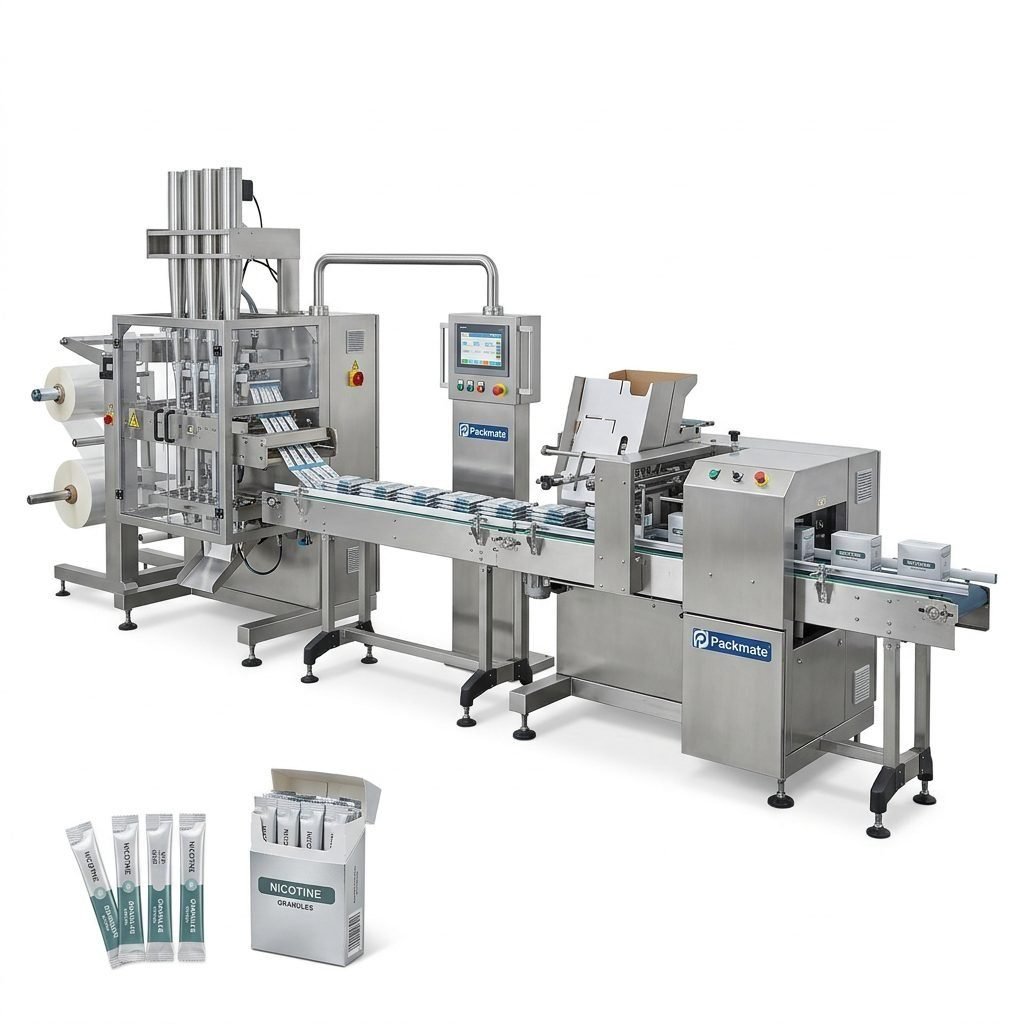
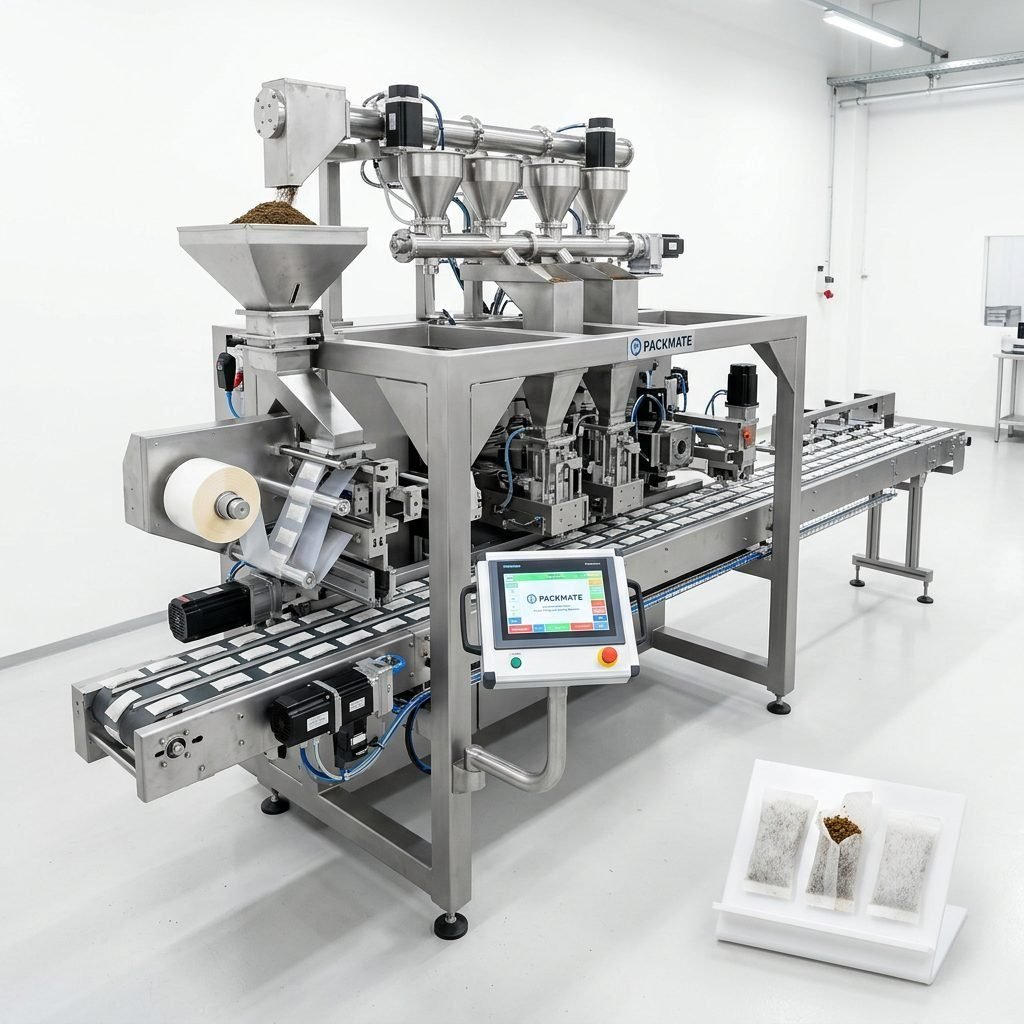
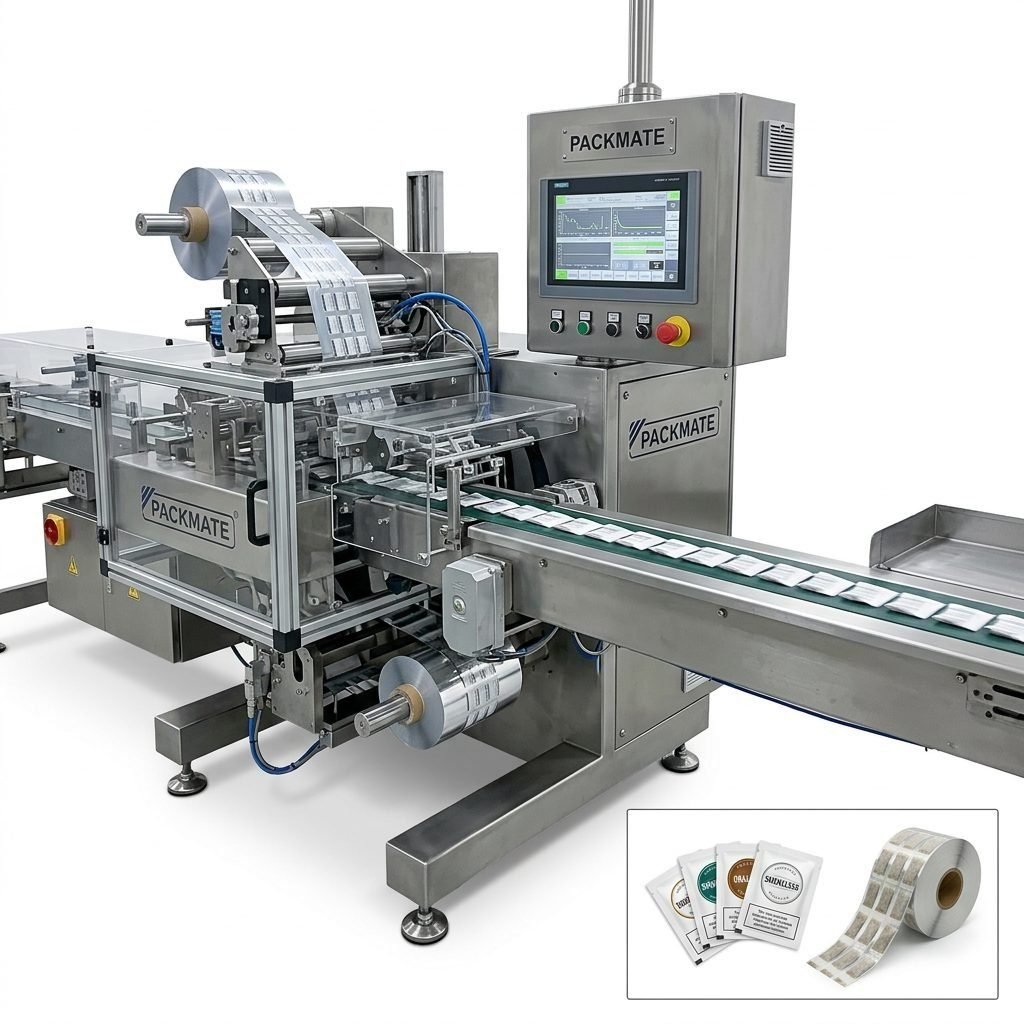
Choosing the right supplier for nicotine packaging machinery in South Sudan is a strategic decision that affects product quality, compliance, and long-term operational costs. Whether you plan to produce nicotine pouches, snus, stick packs, or sachets, a supplier must provide reliable engineering, local-aware support, and scalable solutions. This guide helps importers, manufacturers, and entrepreneurs in South Sudan evaluate suppliers and make a confident purchase that suits local market realities.
Understand Your Production Needs First
Start by clarifying product format, daily output, and quality expectations. Nicotine pouch lines vary from compact single-lane machines for small batches to multi-lane, high-speed production lines for industrial volumes. Key questions include:
🔶 What formats will you produce? (snus, nicotine pouches, sachets, stick packs) — consider machines that support multiple formats to adapt to market demand.
🔶 What is your target output per shift or per day? This determines single-lane vs multi-lane systems and whether you need downstream packaging automation.
🔶 Do you require integrated weighing, dosing, or metal-detection? For accurate dosing and regulatory compliance, integrated weighing and quality systems reduce waste.
Tip: If you are unsure which machine model fits your needs, ask the supplier for sample production trials or references. Many manufacturers provide sample runs with your product to validate machine compatibility.
Technical Capabilities & Manufacturing Strength
A competent supplier should demonstrate robust manufacturing capacity and engineering experience. Look for:
✅ A sizable manufacturing facility with advanced CNC centers and precision assembly — this reduces lead times and ensures components meet tolerances.
✅ A diverse product range and the ability to customize turnkey solutions — from single machines to complete filling and packaging lines.
✅ Certifications such as CE and ISO for international compliance — essential when exporting products or operating under demanding quality regimes.
Manufacturers with decades of experience, multiple machine models, and transparent factory data inspire confidence. See examples of professional manufacturers and their product pages like Snus & Nicotine Packaging Machines and Sachet & Stick Pack Machines.
Why manufacturing details matter
Precision components and stable control systems reduce downtime and product variation. For South Sudan, where spare parts logistics can be slow, robust parts and standardization matter more than low initial prices.
Quality, Testing & Proven Case Studies
Ask suppliers for evidence: factory acceptance tests (FAT), performance reports, and customer cases in similar climates or markets. Case studies reveal how the supplier handles real-world challenges like humidity, variable electricity, and local staff training. Review their global projects — many reputable suppliers publish case histories: Case.
Important: Insist on demonstration videos or live demos. A reliable supplier will show production runs of your product type and provide sample bags/labels for approval.
Local Considerations for South Sudan Buyers
South Sudan has specific logistical, cultural, and regulatory traits that influence equipment choice. Tailor your procurement strategy to these realities:
⚠️ Logistics & Transport: Port access and overland logistics can be challenging. Choose machines that can be shipped as container-friendly modules and assembled locally. Confirm the supplier’s export experience and packaging for long inland transit.
⚠️ Power & Utilities: Expect voltage fluctuations and occasional outages. Prioritize machines with tolerant electrical systems, built-in surge protection, or suppliers who can provide stabilizers and UPS solutions.
⚠️ Climate & Packaging: High temperatures and humidity affect nicotine pouch stability. Select packaging solutions and materials designed to preserve shelf life in hot climates, and consider desiccants or barrier films.
⚠️ Cultural & Language: South Sudan uses English and Arabic in many official settings. Ensure training materials and machine interfaces can support English and provide straightforward operator manuals. Respect local cultural norms when planning product labelling and marketing.
Local retailers are often small shops and kiosks; therefore, flexible pack sizes and attractive single-serving formats are often best for early market penetration.
After-Sales Service, Spare Parts & Training
After-sales support is critical when your factory is hundreds or thousands of kilometres from the supplier. Evaluate:
✅ Warranty terms and what’s covered (electronics, mechanical wear, on-site support).
✅ Spare parts availability and the supplier’s ability to ship internationally with clear parts lists.
✅ Remote support capabilities — video calls, PLC screen sharing, and online diagnostic tools reduce travel time and expedite fixes.
Request references and read their service policies. Many established suppliers also provide installation, commissioning, and operator training — ask for training plans tailored to local operator skill levels. Explore more about supplier services at Service.
Local partnerships
If possible, engage a local agent or engineering partner to handle customs clearance, installation, and basic maintenance. This lowers downtime risk and creates a local point of contact for spare parts and consumables.
Regulatory Compliance & Responsible Marketing
Nicotine products are regulated differently by country. In South Sudan, ensure packaging complies with local laws for nicotine products, labeling requirements, and any import restrictions. Important steps:
✅ Confirm allowable product types and nicotine levels with local authorities.
✅ Design labels that include required warnings, batch numbers, and local language information (English/Arabic where applicable).
✅ Avoid marketing that targets minors — machine output and packaging choices should support responsible distribution and age-verification systems in retail.
Infrastructure & Site Preparation
Before delivery, ensure your facility meets the supplier’s site requirements: floor loading, ventilation, stable power supply, compressed air, and adequate space for material handling. Neglecting site prep leads to installation delays and additional costs.
Checklist: clearance height, foundation requirements, power voltage & frequency, spare parts storage, and operator training room.
Cost, Total Cost of Ownership (TCO) & Financing
Price is important, but long-term costs matter more. Calculate total cost of ownership:
– Initial machine price and customization fees.
– Shipping, import duties, and inland logistics to Juba or your local facility.
– Spare parts consumption and expected component lifetimes.
– Energy consumption and maintenance labour.
Ask suppliers for energy data, recommended maintenance intervals, and a spare-parts kit for the first year to avoid long downtime in South Sudan’s supply environment.
How to Vet & Audit Potential Suppliers
Follow a structured vetting process:
1. Request detailed technical specifications, FAT reports, and material certificates.
2. Review factory capabilities — ask for photos, video tours, or a physical factory visit if feasible.
3. Check references and speak with existing customers about durability and after-sales performance.
4. Attend exhibitions or watch demonstrations (many suppliers exhibit globally). Learn more about exhibitions and demonstrations at Our Exhibition.
Negotiation Tips & Contract Essentials
Key contract terms to negotiate:
• Delivery schedule and penalties for late delivery.
• Warranty scope and response times for on-site support.
• Detailed spare parts lists and pricing for critical wear components.
• Acceptance criteria for factory testing and on-site acceptance tests.
Ensure you obtain operation manuals, electrical drawings, and PLC backups as part of the delivery package. Confirm training schedules and languages for operator instruction.
Leverage supplier resources
A reputable supplier often publishes catalogs, FAQs, and product information that clarify capabilities; explore additional resources such as Catalog and FAQs.
Decision Checklist Before You Buy
🔹 Production format validated (pouch, stick, sachet).
🔹 Factory audit or trustworthy video proof of manufacturing capability.
🔹 Clear spare-parts and service terms with shipping timelines to South Sudan.
🔹 Site readiness confirmed (power, air, foundation).
🔹 Legal and labeling requirements checked and included in the supplier scope.
Why Choose Experienced Manufacturers
Experienced suppliers with a proven track record can provide turnkey solutions, from snus/nicotine pouch machines to integrated filling and packaging lines. Look for companies that openly share their history, factory capabilities, certifications, and global case studies. For more information about established manufacturers and their credentials, you can read about the company at About Packmate and check their certification pages at Certificate.
Final Thoughts
Selecting the right nicotine packaging machinery supplier for South Sudan requires a balance of technical capability, local adaptability, and reliable after-sales support. Prioritize suppliers who demonstrate manufacturing strength, provide transparent testing and case studies, and offer tailored services for challenging logistics and climate conditions. With careful vetting and clear contracts, you can secure equipment that delivers consistent product quality and supports your business growth.
Frequently Asked Questions
Q1: What machine types are best for a small startup in South Sudan?
A1: For a startup, compact single-lane snus or stick-pack machines are often ideal. They require lower capital investment, are easier to maintain, and allow you to test market demand before scaling to multi-lane lines.
Q2: How long does delivery and installation typically take?
A2: Delivery times vary by model and customization; standard machines often ship within 8–14 weeks, plus shipping and customs. Installation and commissioning typically require several days to a few weeks depending on site readiness and training needs.
Q3: What spare parts should I stock for the first year?
A3: Stock critical wear parts such as belts, sealing jaws, cutting blades, sensors, and a basic electrical component kit. Discuss a recommended initial spare parts package with the supplier so you can avoid prolonged downtime.
Q4: Can suppliers provide testing with my product before shipment?
A4: Many reputable suppliers offer sample tests and FAT with your product to ensure compatibility. Request sample packing runs and material proofs to confirm sealing, fill accuracy, and film compatibility.
Q5: How do I ensure regulatory compliance for nicotine products in South Sudan?
A5: Consult local authorities and legal advisors for product-specific rules. Ensure packaging includes mandatory warnings, batch codes, and language requirements. Work with suppliers who can adapt labelling and printing solutions to meet local regulations.
If you want tailored machine recommendations or help comparing specific models and quotes, contact the supplier’s sales or technical team directly to arrange samples, quotes, and factory demonstrations.
Contact information and more resources can be found at the supplier’s contact page: Contact Us.