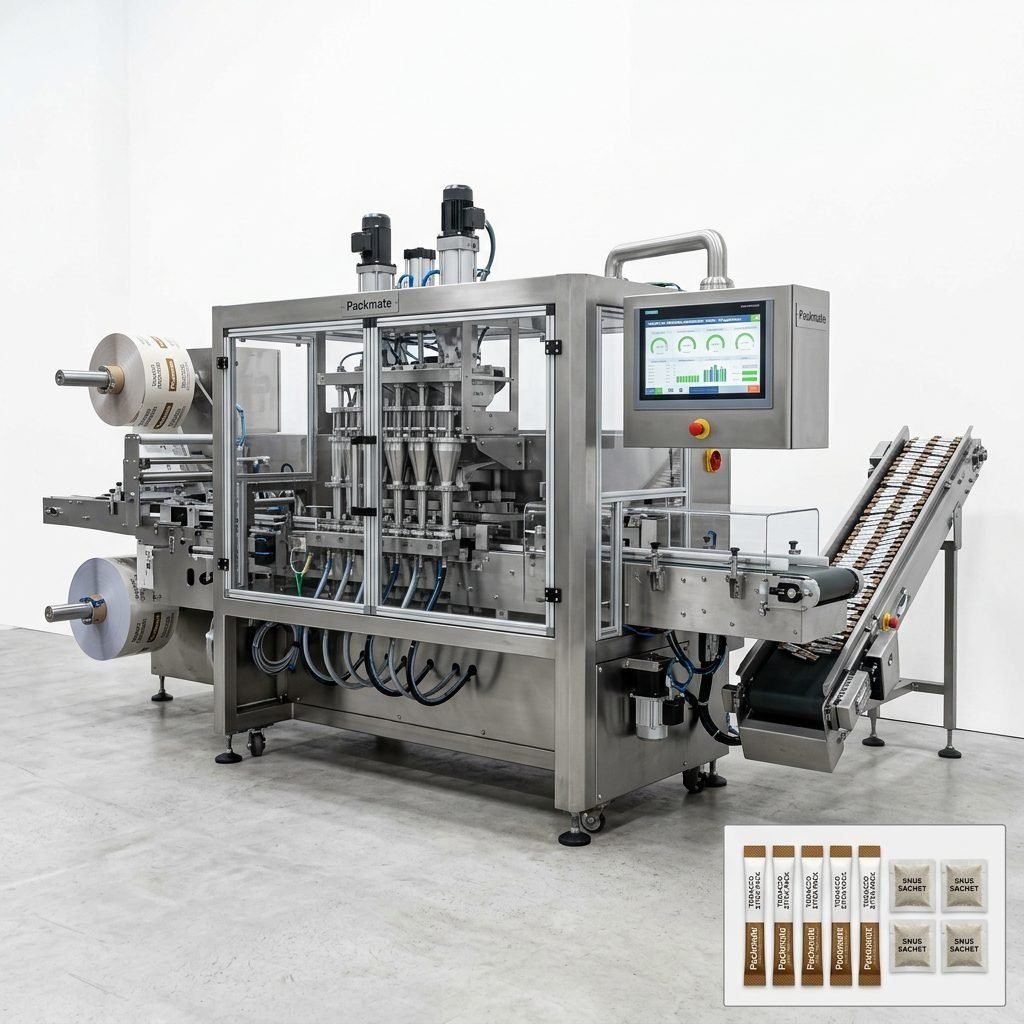
Choosing the right supplier for a nicotine packaging machine in Eswatini requires a blend of technical understanding, respect for local business customs, and careful evaluation of after-sales support. Whether you are producing nicotine pouches, snus, or related products, the decision will affect production efficiency, product consistency, and regulatory compliance for years to come. This guide breaks down the selection process into practical steps and checklists to help manufacturers in Eswatini make an informed purchase that fits local needs and long-term goals.
Understand Your Production Needs First
Before contacting suppliers, clarify your production targets and product formats. Decide whether you need machines for single-dose nicotine pouches (snus), stick packs, sachets, or multi-lane small-dose systems. Consider:
🔧 Target daily output: pieces per minute/hour and total monthly capacity.
⚖️ Dose range & fill types: powder, granules, paste or liquid nicotine formulations.
📦 Package style: pillow sachet, stick pack, sachet with tear notch, or multi-lane pouches.
🔁 Future scalability: can the line be upgraded with additional lanes or automation features?
Eswatini Market & Cultural Considerations
Eswatini has a compact market and strong community-based business culture. Building trust, maintaining clear face-to-face communication, and demonstrating long-term service commitment matter a lot. Practical points to keep in mind:
🤝 Emphasize relationship and reliability: local buyers value suppliers who offer responsive local or regional support.
📜 Verify regulatory compliance: consult Eswatini regulatory bodies on nicotine product rules and ensure labeling and packaging comply.
🚚 Logistics awareness: roads and inland transport can affect delivery timelines from ports; factor freight and customs delays into lead times.
🗣️ Communication language: English is commonly used in business, but showing cultural sensitivity and local engagement helps build trust.
Check Local Regulations Early
Nicotine products often face strict controls. Make compliance a purchasing requirement: machine capabilities for traceable labeling, child-resistant packaging options (if required), and hygienic design that supports regulatory inspections.
Technical Specifications to Evaluate
When assessing suppliers, focus on the machine’s technical suitability for your product. Key specs include:
● Speed & Throughput: pieces/minute and ability to maintain speed with consistent accuracy.
● Accuracy: dosing precision for nicotine levels (critical for safety and labeling).
● Hygienic design: stainless steel contact parts, easy-to-clean surfaces, and IP protection ratings for electrical components.
● Changeover time: tools-free or quick-change components reduce downtime when switching SKUs.
● Line integration: compatibility with upstream weighers and downstream cartoners or case packers.
Types of Machines Popular for Nicotine Products
Select the machine type that matches your product format and scale:
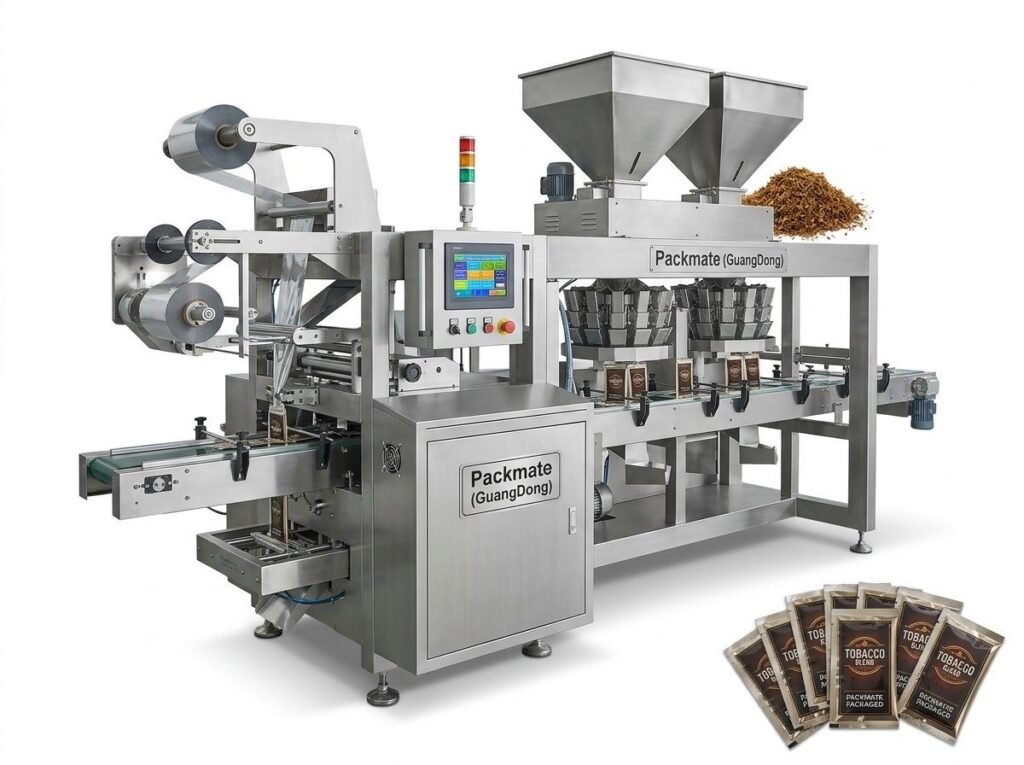
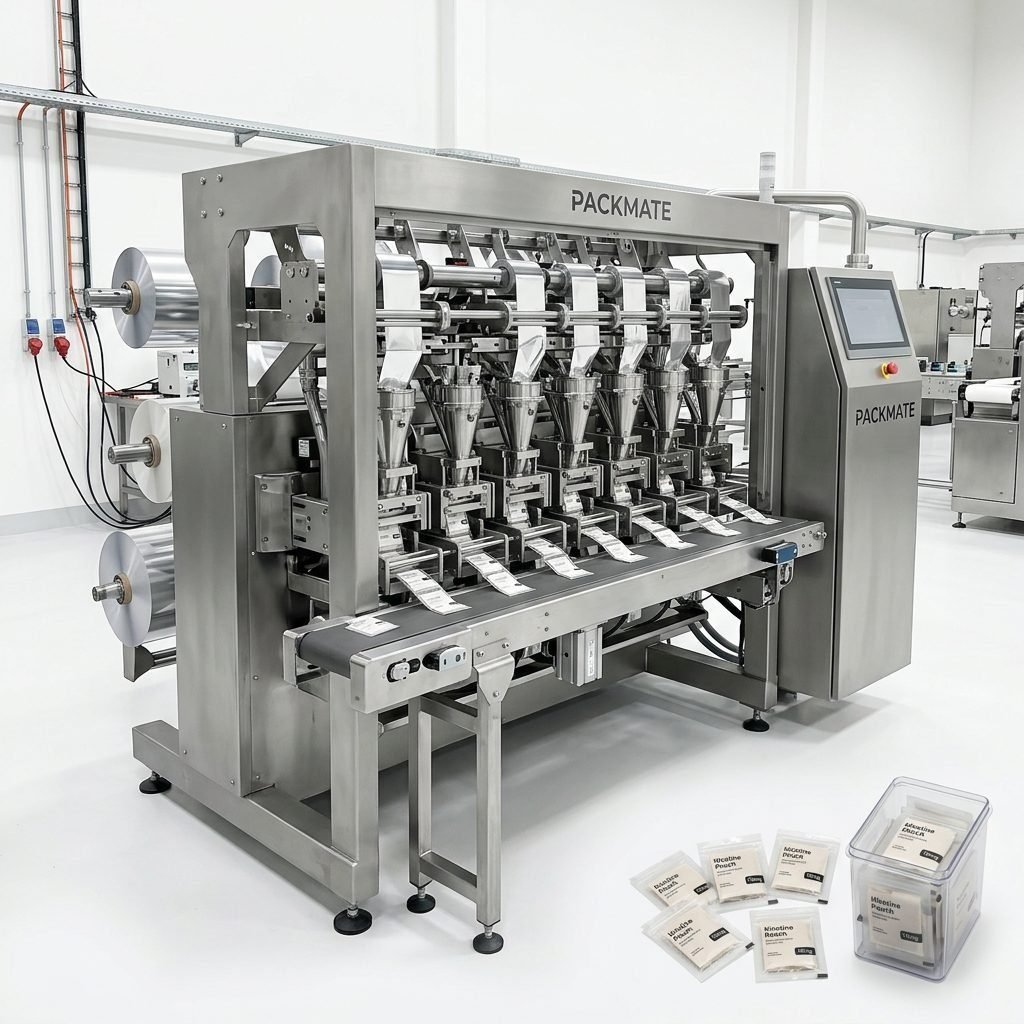
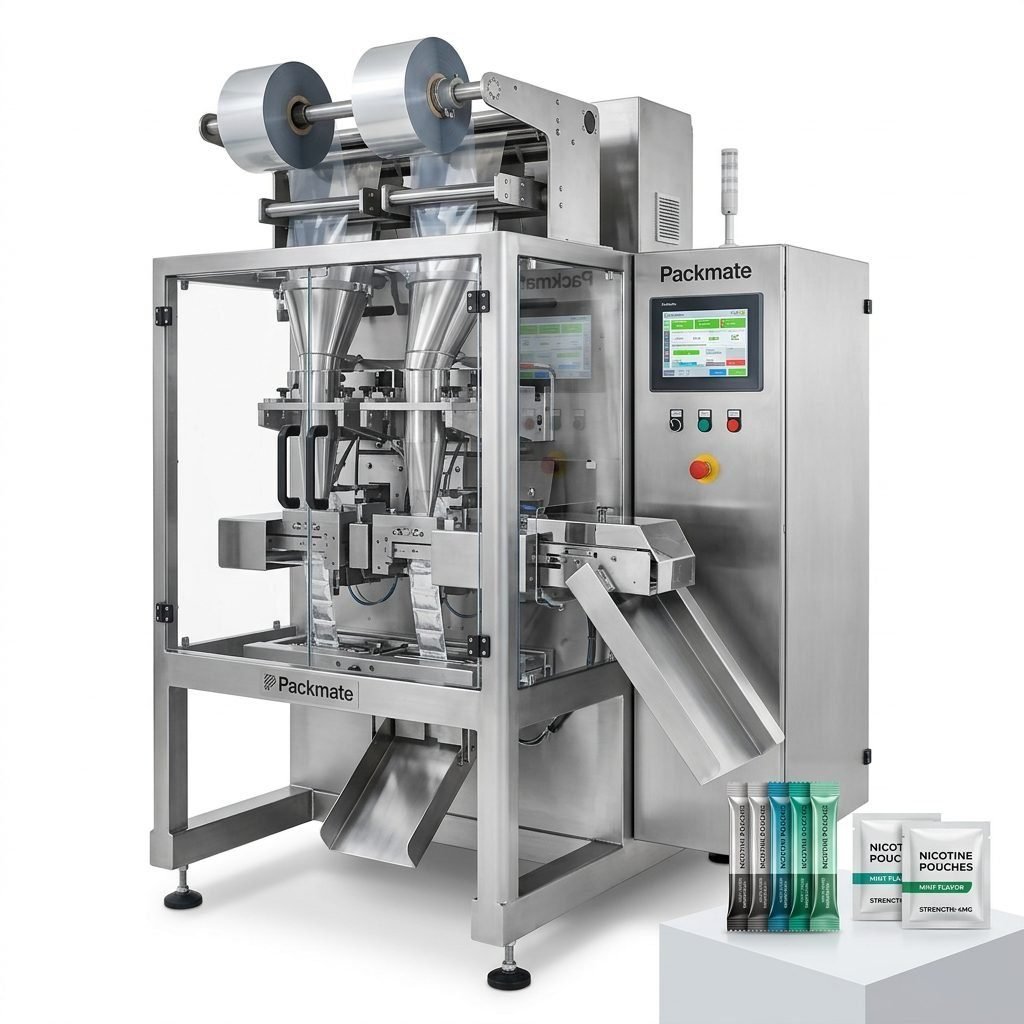
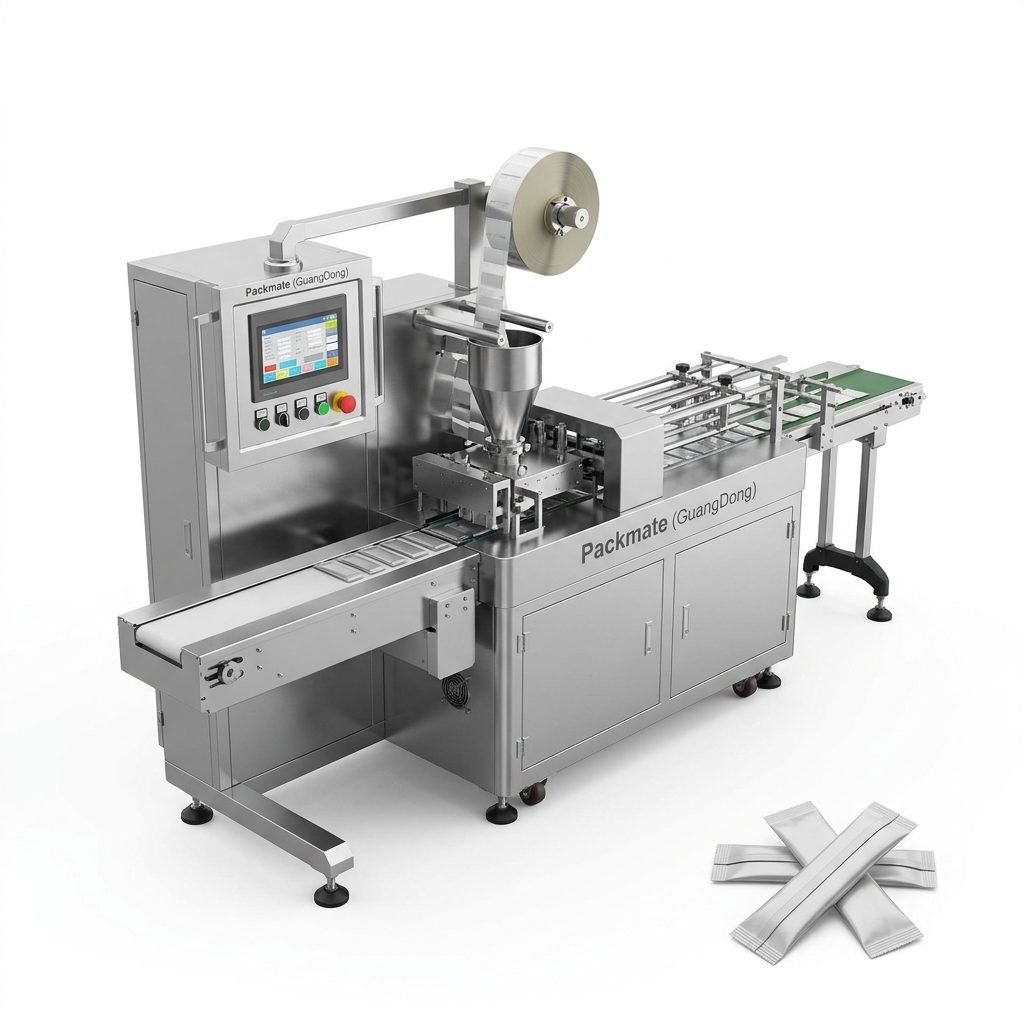
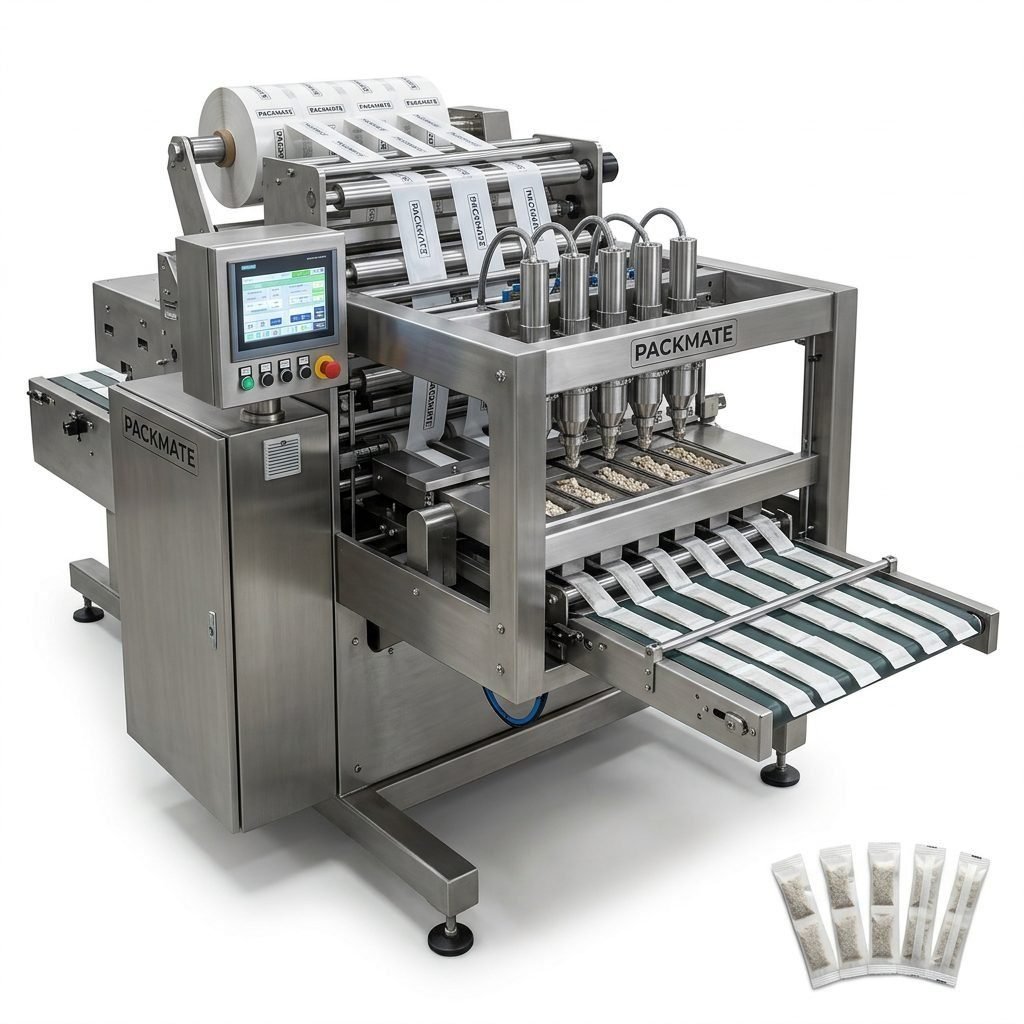
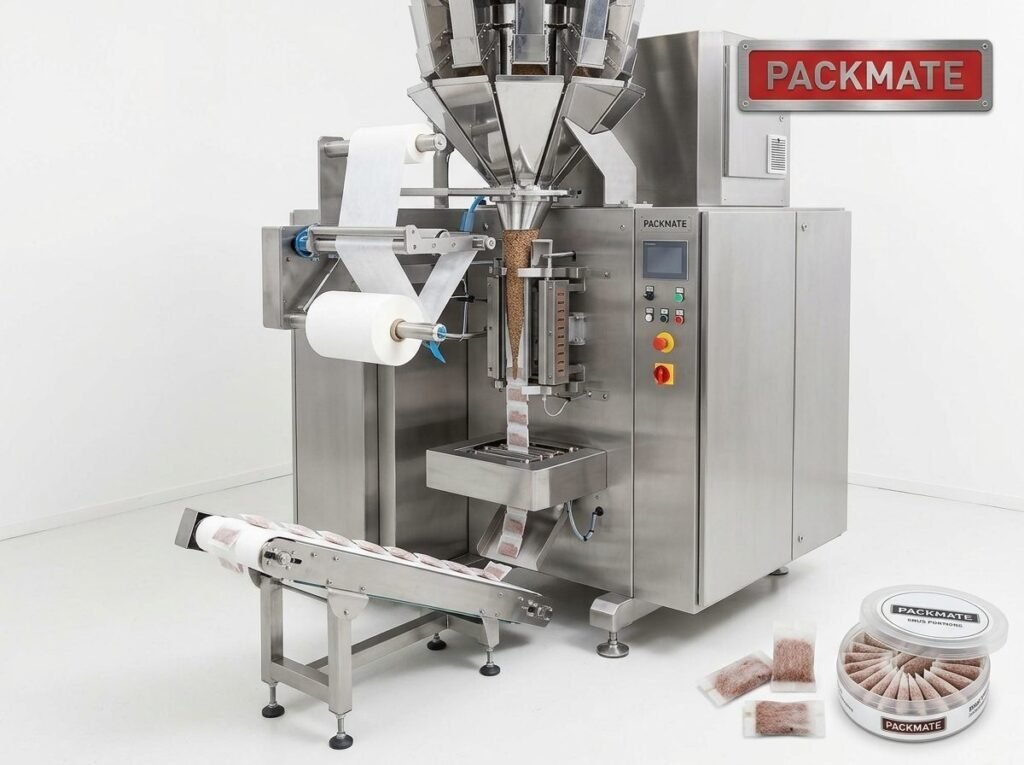
Snus / Nicotine Pouch Packing Machines are specialized for small-dose pouches and often feature multi-lane capabilities for high output and consistent pouch formation. See product options here:
Snus & Nicotine Packaging Machines.
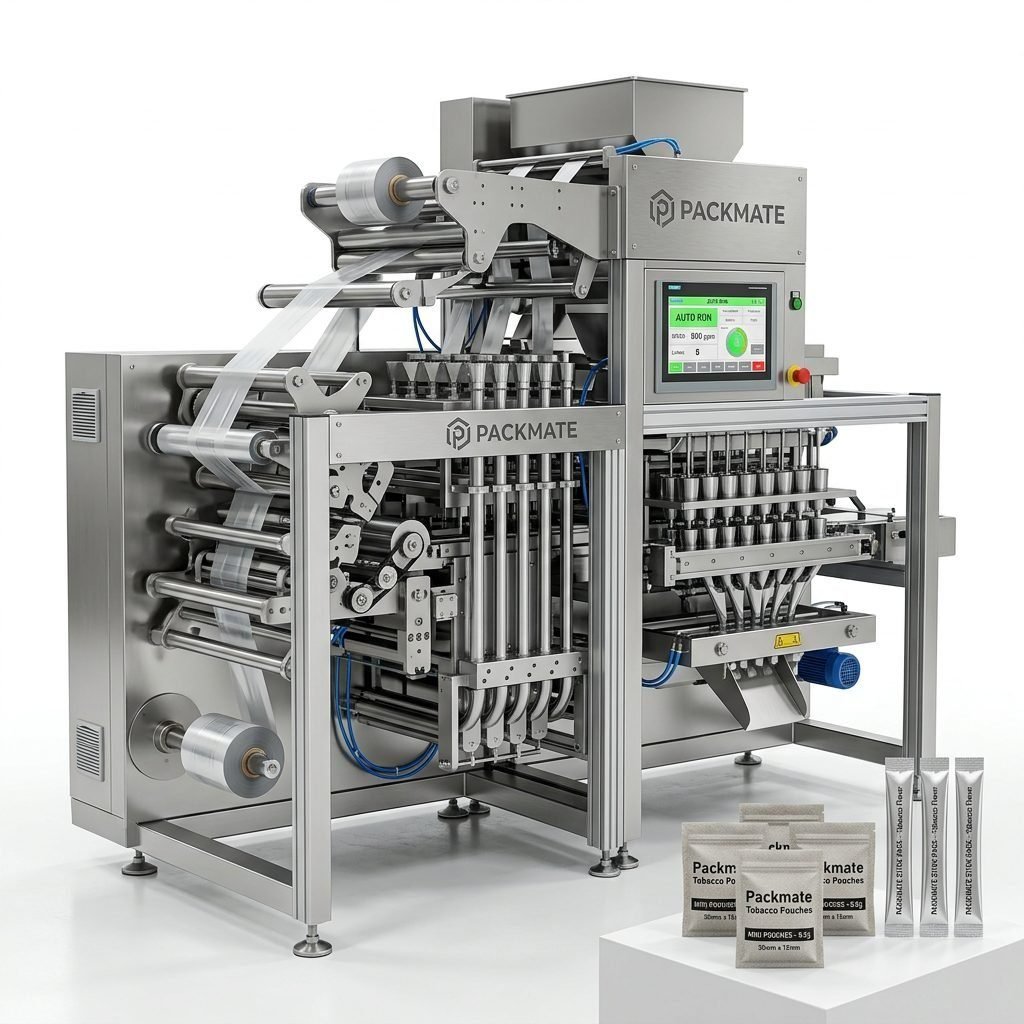
Sachet & Stick Pack Machines are versatile for single-dose pouches and stick formats and can be a flexible choice when launching multiple SKUs. Explore machines at:
Sachet & Stick Pack Machines.
Multi-lane Systems accelerate production for small-dosed products by running several lanes simultaneously; ideal for growing brands planning scale-up.
Supplier Qualifications & Factory Strength
A supplier’s manufacturing strength and certifications are vital indicators of quality and longevity. Prioritize suppliers with:
🏭 Proven factory capabilities: advanced CNC centers, precision assembly lines, and stable QA systems (look for documented factory area and model range).
📄 Certifications: CE, ISO or other international standards that validate safety and quality.
🔁 Track record: case studies or global cooperation examples that show successful deployments across regions. See examples:
Case.
Why Packmate-Type Manufacturers Are Worth Considering
Suppliers with decades of R&D and a broad model portfolio provide technical maturity and the ability to offer turnkey solutions — from filling systems to weighing and final packaging. For detailed company background and offerings, check their about page:
About Packmate.
After-sales Service & Local Support
For buyers in Eswatini, after-sales support is one of the most crucial factors. Machines run 24/7 and local availability of spare parts and technical service reduces downtime. Ask suppliers about:
📦 Spare parts lead time and local stocking options.
📞 Remote diagnostics, training provisions, and on-site commissioning packages.
🔁 Service contracts and preventative maintenance schedules to maximize machine availability.
🧩 Availability of consumables and compatible auxiliary equipment (weighers, conveyors).
If you want to contact a supplier for service inquiries, use a verified channel:
Contact Us.
Factory Visits, FAT & Machine Acceptance
Whenever possible, schedule a factory acceptance test (FAT) and a factory visit. During FAT you should verify machine performance with your actual product. Key acceptance checkpoints:
-
Run your actual formulation to confirm dosing accuracy and sealing quality.
-
Validate uptime, changeover times, and scrap rates.
-
Confirm CE/ISO documentation and electrical schematics for import clearance.
Price, Payment Terms & Warranty
Price is important but should not be the only deciding factor. Request detailed quotations that break down:
• Machine base price, optional add-ons, tooling costs.
• Shipping and export documentation costs.
• Warranty period and what it covers (parts, labor, on-site service).
• Typical payment terms (deposit, balance before shipping, letter of credit options).
Shipping, Customs & Installation in Eswatini
Plan logistics carefully: coordinate with your supplier on export packaging, documentation for customs clearance in Eswatini, and local installation arrangements. Confirm whether the supplier includes:
– Packaging and cradle specifications for heavy machinery
– Bills of lading, commercial invoices and certificates of origin
– Support for local installation and initial commissioning
Integration With Other Equipment
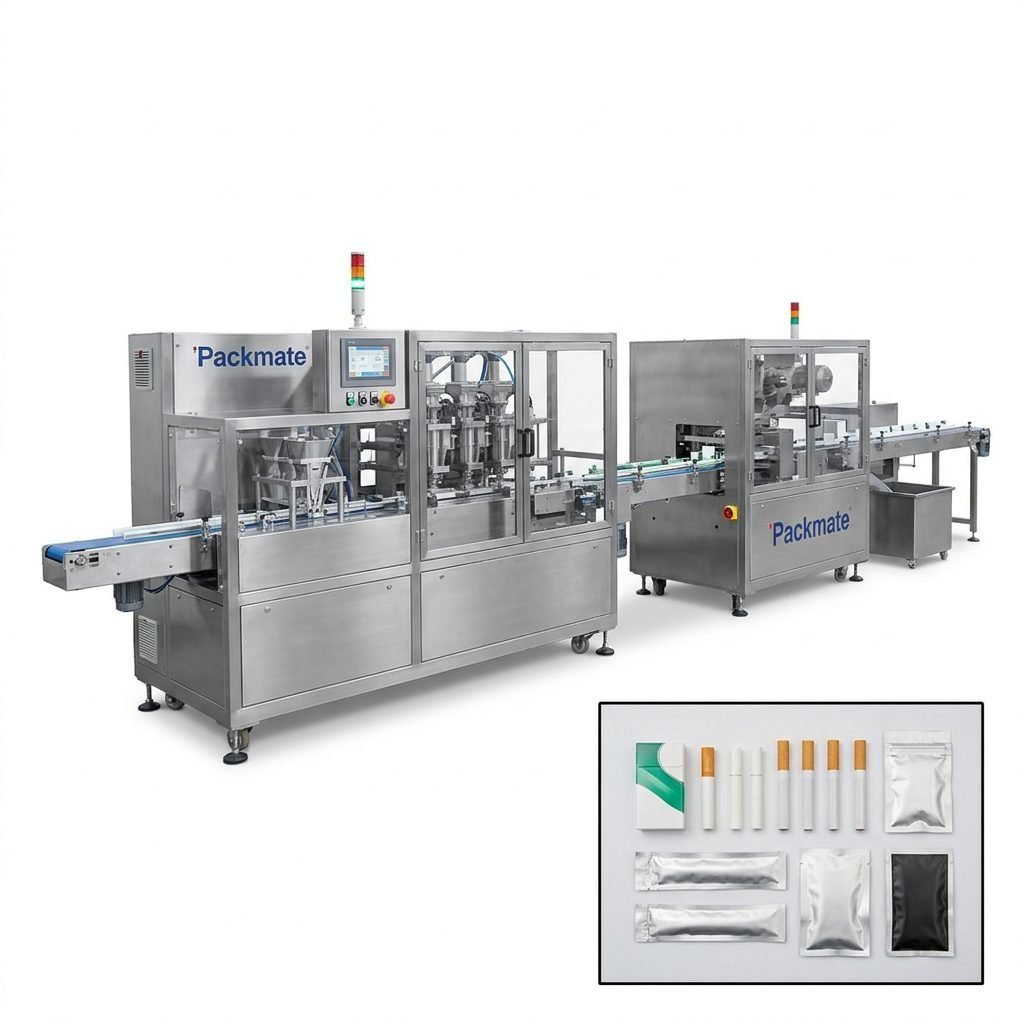
If you need a full production line, verify the supplier’s ability to deliver and integrate auxiliary equipment such as weighing systems, fillers and cartoners. Browse combined solutions:
Filling & Packaging Lines or
Weighing & Packaging Systems.
Checklist: Final Decision Steps
Use this checklist when comparing final supplier options:
✔ Performance verified by FAT with your product.
✔ Clear warranty and spare parts commitments.
✔ Factory QA capability and certifications (CE/ISO).
✔ Transparent pricing including shipping and local support.
✔ References or case studies from similar installations.
Why Long-term Partnership Beats One-time Purchase
In Eswatini’s market environment, a partner who offers training, spare parts, and timely service helps you avoid costly downtime. Consider suppliers who demonstrate long-term commitment through local or regional support plans and transparent service processes. Suppliers with global turnkey experience and robust manufacturing footprints are better equipped to scale with you.
For examples of comprehensive solutions and factory strength, review the manufacturer’s factory and service portfolio:
Bag & Pouch Packaging Machines and
Service.
Final Recommendations for Eswatini Buyers
– Prioritize clear FAT results and documented dosing accuracy.
– Insist on spare parts lead times and a spare parts kit with the first shipment.
– Negotiate on training, remote support hours and a realistic spare-parts stocking plan.
– Factor freight, customs clearance time and local installation into your project timeline.
– Build a relationship with a supplier that provides transparent communication and demonstrable after-sales support.
Quick Reference Links
Useful pages to learn more and request quotations:
• Snus & Nicotine Packaging Machines
• Case Studies
• Contact the Manufacturer
Common Questions (常见问题)
Q1: How do I verify a packaging machine’s dosing accuracy before purchase?
A1: Request a FAT using your actual nicotine formulation, review dosing tolerance reports, and ask for video proof or live demonstrations with similar products.
Q2: What after-sales support should I insist on for installations in Eswatini?
A2: Include on-site commissioning, operator training, a spare parts package, and agreed response times for technical service—remote diagnostics are a plus.
Q3: Are CE and ISO certifications sufficient for imports to Eswatini?
A3: CE and ISO show international standards compliance, but you must also verify specific local regulatory requirements for nicotine products and ensure labeling and safety features meet national rules.
Q4: How can I reduce downtime when switching SKUs on packaging lines?
A4: Choose machines with quick-change components, prepare changeover SOPs, and ensure operator training to minimize adjustment time.
Q5: What logistics issues are common when importing heavy machinery into Eswatini?
A5: Expect longer lead times due to inland transport, ensure correct documentation for customs clearance, and plan for specialized offloading and installation equipment at site.